France and Spain – Authorities executed a coordinated raid that resulted in the arrest of eight suspects linked to a sophisticated network smuggling critically endangered European eels. Over two years, the group trafficked more than seven million juvenile glass eels valued at around 600,000 euros. The operation, rooted in the Adour River Basin and Bay of Biscay areas, exposed vulnerabilities in wildlife protection efforts amid surging demand from Asian markets.
Swift Action Ends Year-Long Probe
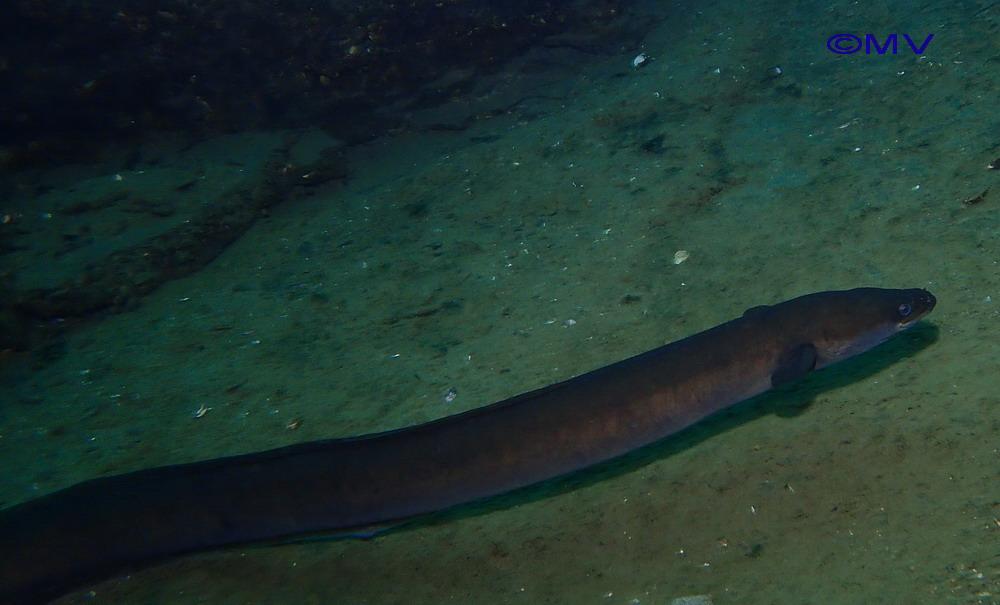
Swift Action Ends Year-Long Probe (Image Credits: Upload.wikimedia.org)
On March 12, 2026, French and Spanish police detained six French nationals and two Spaniards in simultaneous actions. The arrests capped a judicial investigation launched in March 2025 by the Bayonne public prosecutor’s office. Investigators targeted a collector based in France’s Landes region who worked for a local fish wholesaler.
The scheme relied on blending poached glass eels with legally harvested ones to bypass traceability rules. This allowed the group to deliver over two tons of undocumented eels to buyers in France and secretly ship portions to a Spanish wholesaler. Charges included participation in a criminal association, unauthorized possession and transport of protected species, forgery, and illegal export.
Suspects in France faced judicial supervision, a ban on fishing activities, and one posted 100,000 euros in bail. Spain’s Guardia Civil supported the effort under Europol coordination. The Bayonne prosecutor’s office described the case as a key demonstration of judicial resolve against biodiversity threats.
Unraveling the Laundering Network
The operation centered on evading quotas and CITES regulations, which list European eels under Appendix II since 2009. France set a 55-metric-ton quota for the 2025-2026 season, but smugglers operated outside these limits. Poaching occurred in coastal waters where juvenile eels migrate from the Atlantic.
Agencies involved formed a robust task force. France contributed the Central Office for the Fight against Environmental and Public Health Offenses, French Biodiversity Office units, and the Pau Research Section of the Gendarmerie. This marked the first major case for Bayonne’s Regional Environment Division, created in 2021.
- Central Office for Combating Environmental and Public Health Crime (OCLAESP)
- French Biodiversity Office (OFB) regional and mobile units
- Pau Research Section of the Gendarmerie
- Spain’s Guardia Civil
- Europol oversight
Such collaboration proved essential in mapping the syndicate’s structure and financial flows.
European Eels: A Species in Peril
European eels (Anguilla anguilla) have declined by 98 percent since 1980, earning their critically endangered status from the IUCN. These transparent juveniles, known as glass eels, fetch high prices for aquaculture in China, where they become delicacies like grilled fillets or sushi. An EU ban on exports outside the bloc since 2010 aimed to curb this pressure.
Yet trafficking persists due to profitability. Europol estimates up to 100 metric tons smuggled annually from Europe, valued at 2.5 to 3 billion euros. Glass eels command prices rivaling illicit drugs, with low detection risks fueling organized crime involvement.
Conservationists like Charlotte Nithart of Robin des Bois NGO praised the arrests. “Each time, it is a blow to the finances of the criminal networks, which is very positive,” she stated. Still, challenges remain, including limited prosecutions of kingpins in destination countries.
Escalating Battle Against Wildlife Crime
This bust echoes prior efforts, such as a 2023 French seizure of 900,000 glass eels tied to a Chinese network via Senegal. Ongoing probes into the current syndicate seek to quantify full damages and pursue higher links. Experts stress that sustained enforcement and global cooperation offer the best defense.
France’s specialized units signal a strategic shift toward organized environmental crime. Similar operations across Europe have yielded hundreds of arrests and tons of seizures since initiatives like Europol’s Operation Lake began. The eel trade underscores how culinary demand drives ecological harm far from consumers’ tables.
- Eight arrests disrupted a two-year scheme smuggling over seven million glass eels worth 600,000 euros.
- Laundering illegal catches with legal ones exposed traceability gaps in regulated fisheries.
- Cross-border efforts highlight the need for unified action to save Europe’s collapsing eel populations.
These arrests deliver a financial hit to traffickers and reinforce protections for a vital species. As investigations continue, the focus sharpens on preventing further depletion. What steps should nations take next to safeguard marine biodiversity? Share your thoughts in the comments.