North America has consistently stunned the paleontology world with its treasure trove of extraordinary dinosaur discoveries. From the badlands of Alberta to the red rocks of Utah, this continent has yielded some of the most peculiar and fascinating prehistoric giants ever unearthed. These remarkable finds don’t just fill museum displays – they completely reshape our understanding of ancient life.
What makes these discoveries truly bizarre isn’t just their rarity or size. It’s the unexpected features, the impossible preservation, and the way they challenge everything we thought we knew about dinosaurs. Prepare to journey through a collection of discoveries so outrageous they almost seem fictional.
Lokiceratops: The Norse God of Horned Dinosaurs
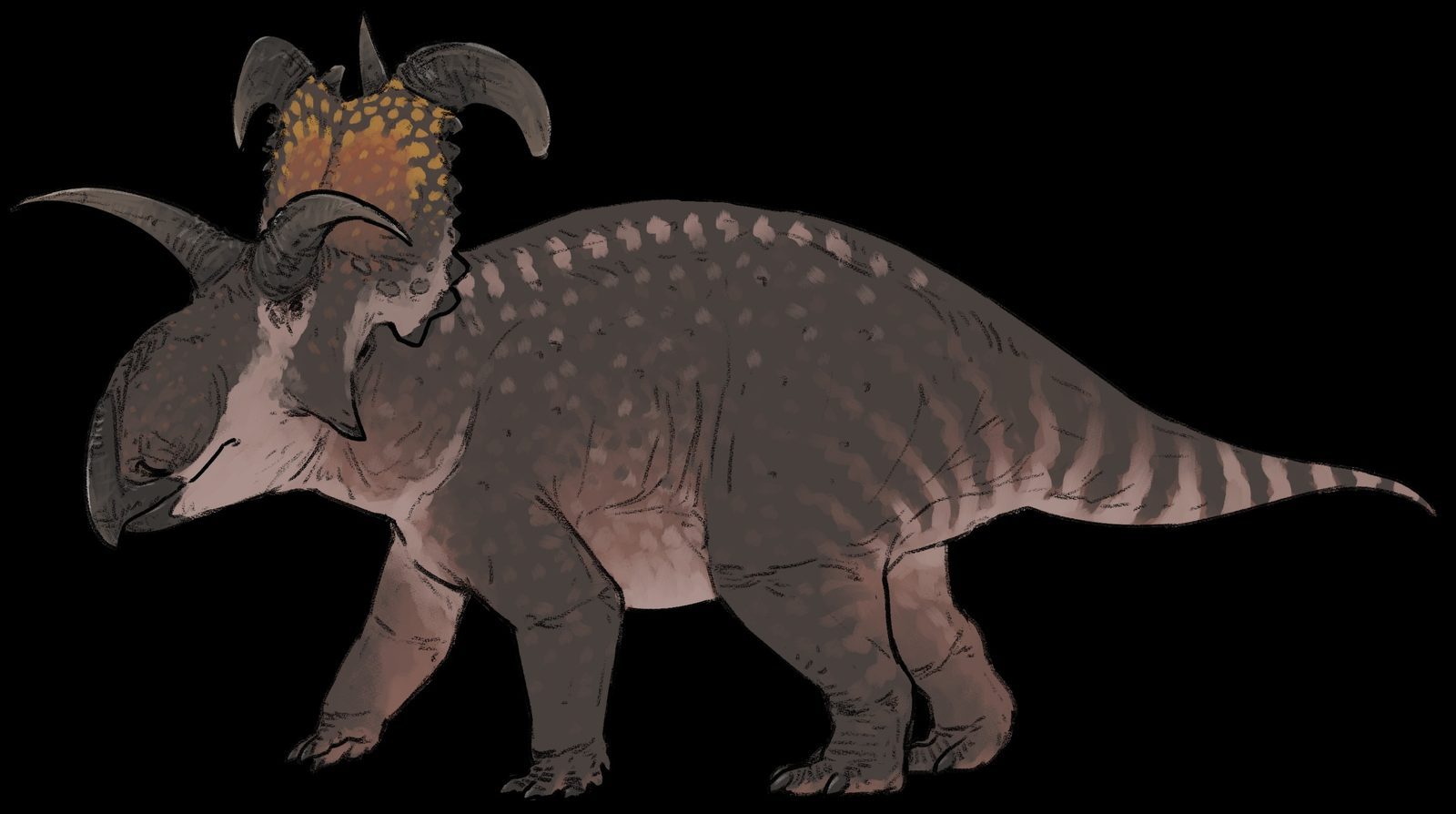
The largest dinosaur from the group of horned dinosaurs called centrosaurines ever found in North America was a 22-foot giant with huge, curving blade-like horns on the back of its frill. This distinctive horn pattern inspired its name, Lokiceratops rangiformis, meaning “Loki’s horned face that looks like a caribou”.
What makes Lokiceratops utterly bizarre isn’t just its mythological name. It possesses several unique features, among them are the absence of a nose horn, huge, curving blade-like horns on the back of the frill – the largest ever found on a horned dinosaur – and a distinct, asymmetric spike in the middle of the frill. Scientists found five different species living together, similar to what you would see on the plains of East Africa today with different horned ungulates.
The Mummified Giants with Actual Hooves
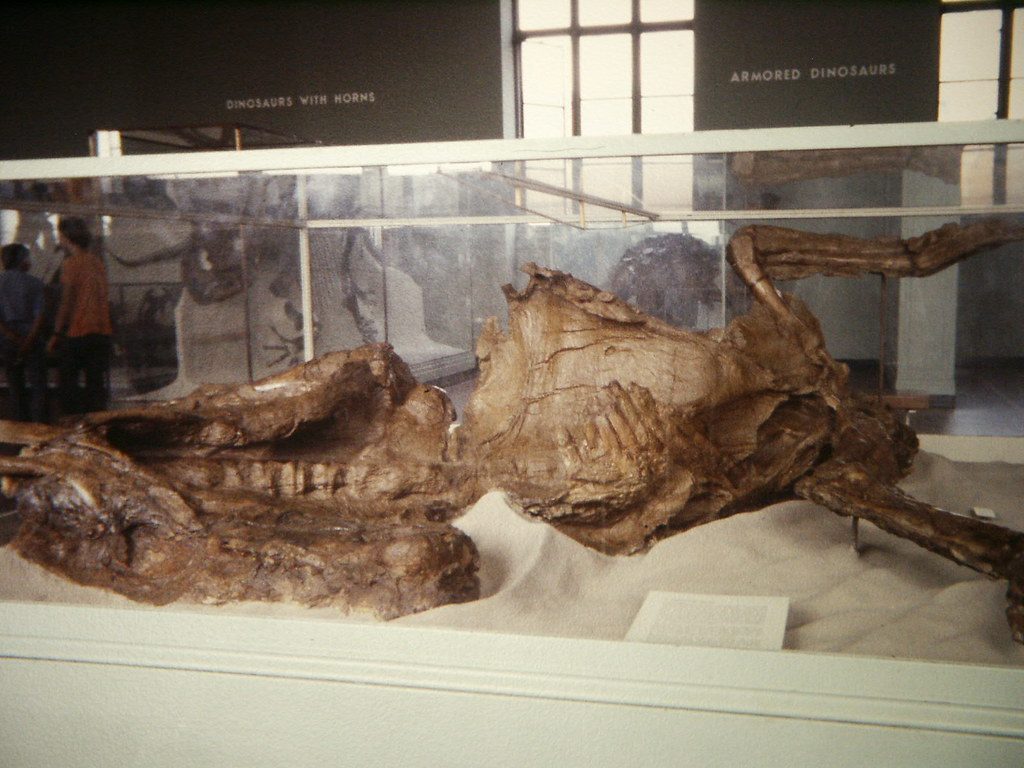
Two extremely rare dinosaur “mummies” found in the badlands of Wyoming are the first examples of hoofed reptiles, complete with skin, spikes and hooves, as if the creatures had been naturally mummified. The fossils aren’t true mummies, as their original tissues have been replaced with rock, but they give scientists an unprecedented look at duck-billed dinosaur biology, confirming they had hooves.
The preservation was so extraordinary that scientists could examine actual skin texture and body features. The dinosaurs had a fleshy crest running along their neck and trunk that transitioned into a row of spikes at the tail, with small, pebble-like scales peppered the animal’s lower body and tail, the largest of which were only 0.2 inches across. It’s a 100th of an inch thick clay layer that would be easy to miss in the excavation and preparation process.
Dome-Headed Bruisers from the Badlands
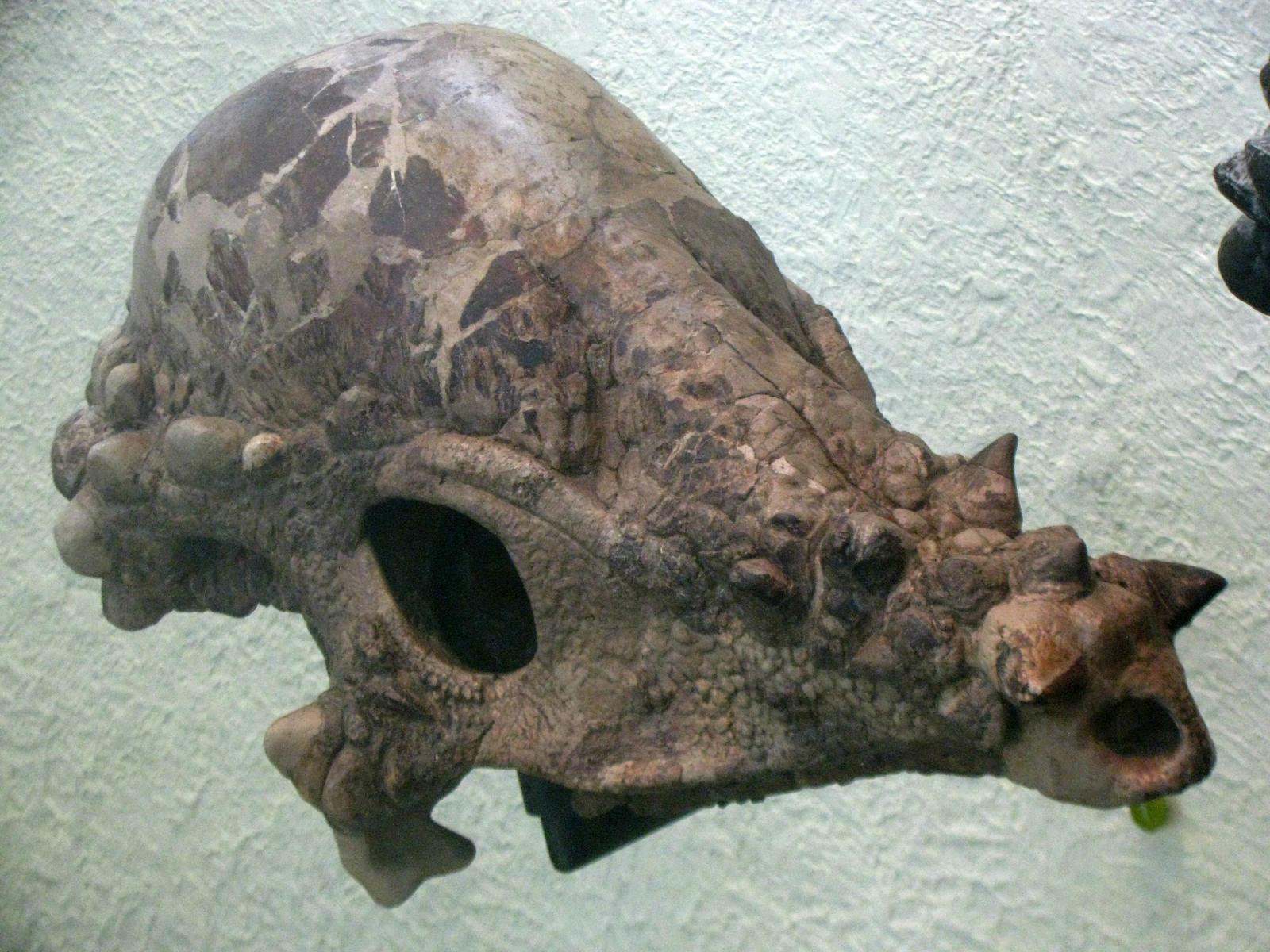
A new species of dome-headed dinosaur has been discovered in fossils found in Montana, named Brontotholus harmoni, belonging to the family pachycephalosauridae and believed to have lived about 75 million years ago during the Late Cretaceous period. Pachycephalosaurids are known for its species of bi-pedal, dome-headed dinosaurs, exclusively known from the Late Cretaceous periods in Asia and western North America.
The herbivore likely measured at about 10 feet long, and the size of its dome indicates that it’s the third-largest pachycephalosaurid to have been found in North America. It possesses a “distinct suite of morphological features” from other pachycephalosaurids, including a bipedal gait, thickened domes and ornamented skulls. The discovery reveals just how diverse these head-banging herbivores really were.
The Armor-Plated Canadian Marvel
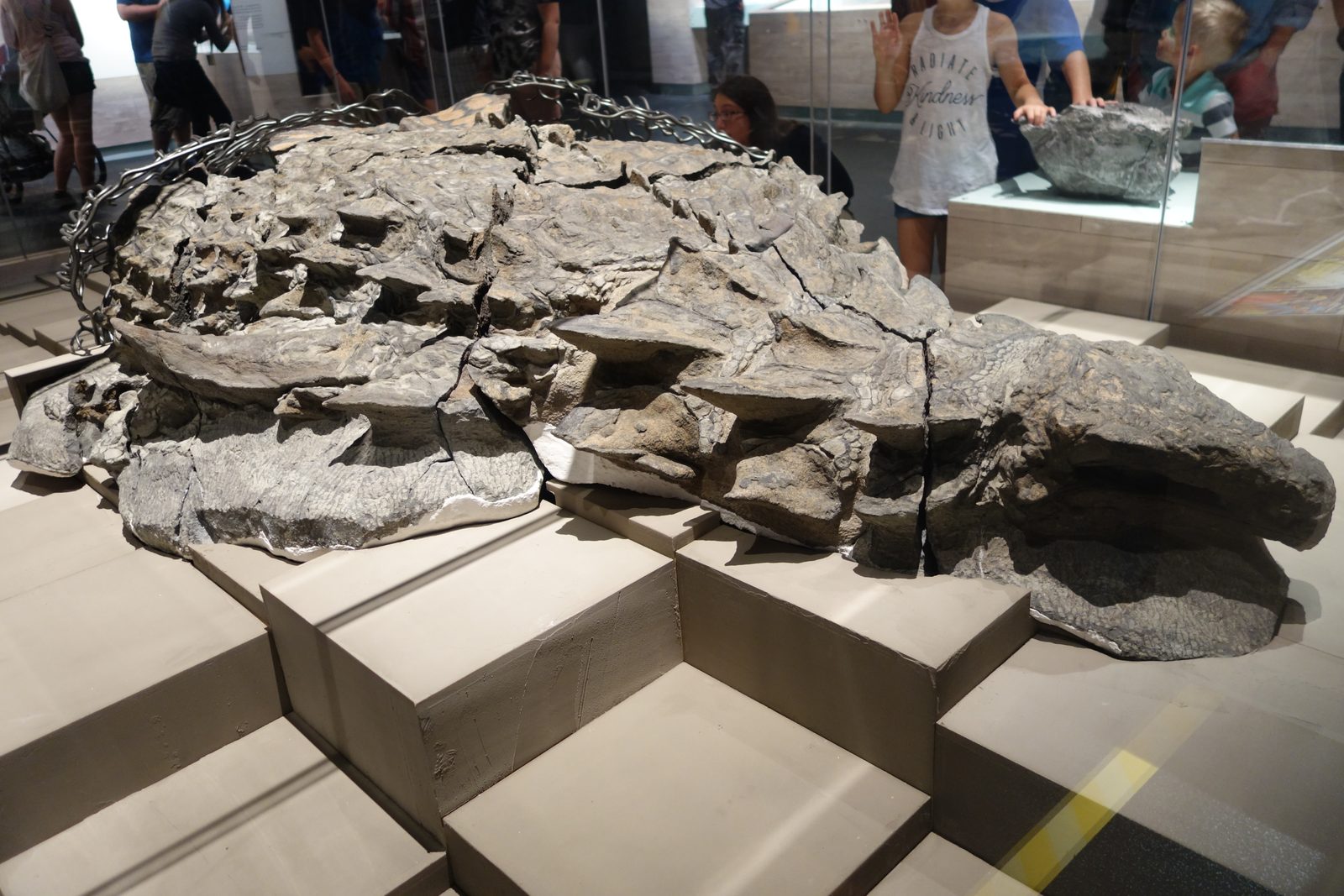
A mining work led to one of the world’s most significant discoveries in recent memory when miners accidentally stumbled upon fossilized remains of a 110 million-year-old nodosaur, with the imposing herbivore intact enough for the front half to be recovered, looking like they were only a few weeks old despite dying over 110 million years ago.
Because of its rapid subsea burial, the dinosaur looks very much like it did millions of years ago, with the fact that its tissue did not decompose but instead fossilized being extremely rare. Shawn Funk, who was operating heavy machinery in Millennium Mine, made the surprising discovery when his excavator hit something solid, revealing what appeared to be walnut brown rocks that were actually the fossilized remains.
Nine-Ton Duck-Faced Monster from New Mexico
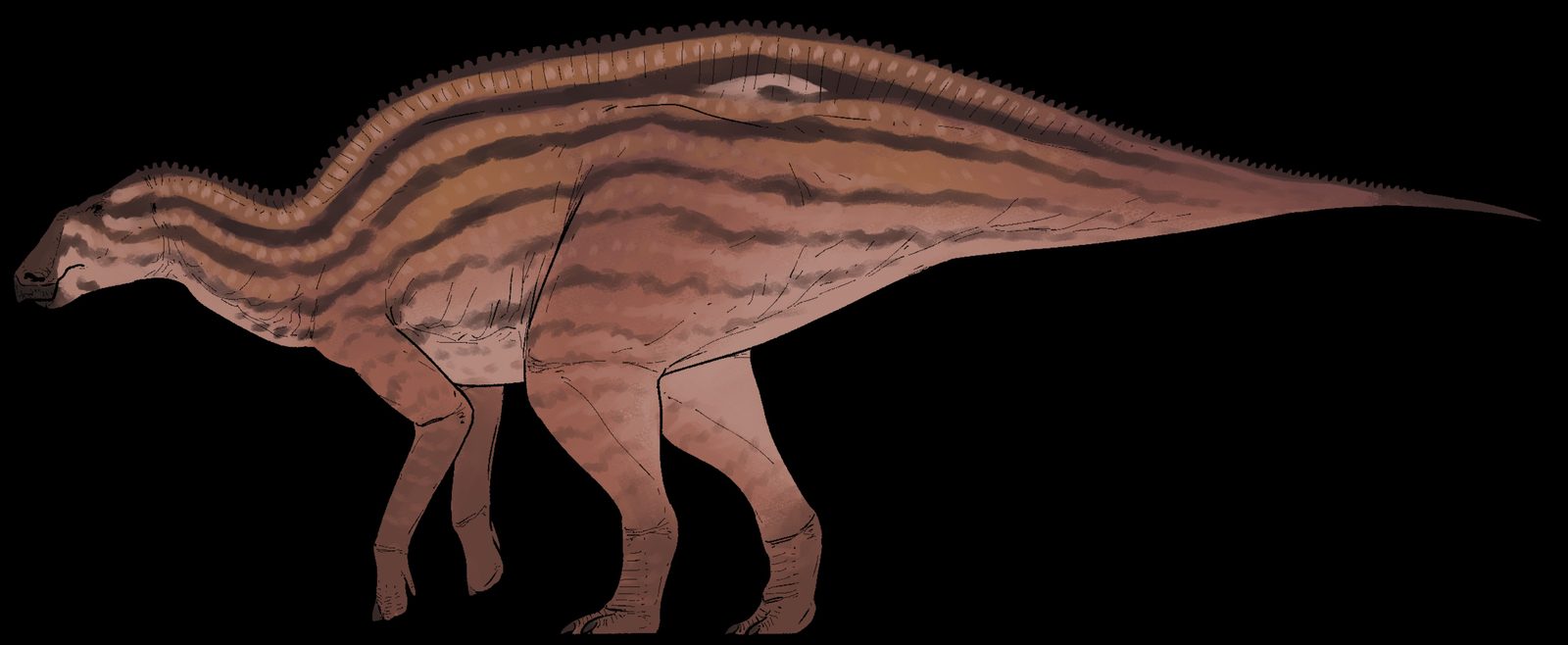
A new duck-billed dinosaur from northern New Mexico turns out to be a species we did not have on the books, living about 75 million years ago in the late Cretaceous, when rivers laced a warm, coastal plain. Based on available fossil data, the animal reached more than 35 feet long and weighed about 9 tons.
The fossils were first collected in 1916, but then filed under a different name for decades until careful re-study shows those bones belong to a completely new animal species, the reanalysis identifying the duck-billed skull as a new species of dinosaur, namely Ahshislesaurus wimani. Ahshislesaurus honors the Ah-shi-sle-pah landscape where the duck-billed dinosaur was found, with the species name wimani honoring Carl Wiman, an early researcher who worked on San Juan Basin fossils.
The Big-Nosed Long-Horned Beast from Utah
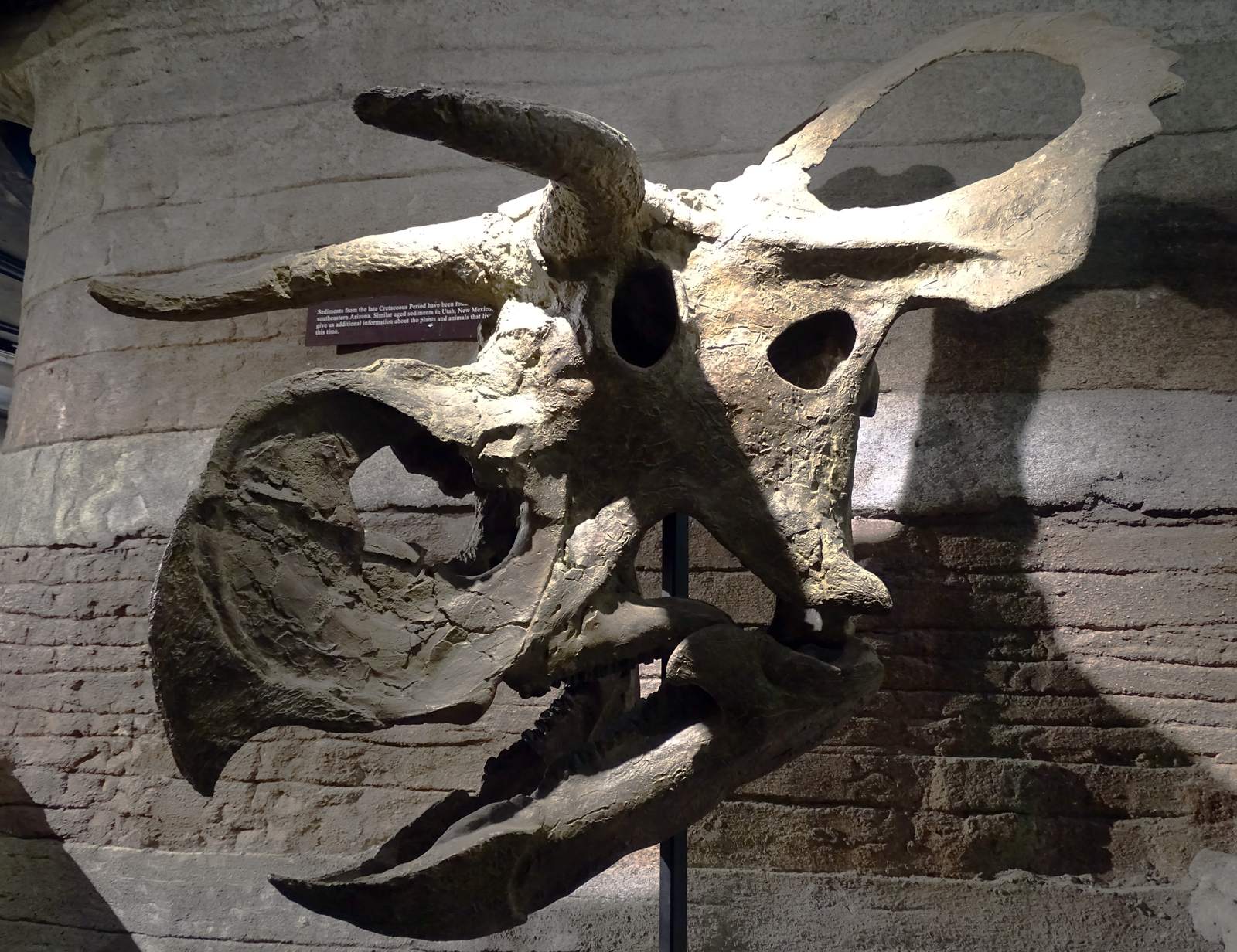
A remarkable new horned dinosaur, Nasutoceratops titusi, has been unearthed in Grand Staircase-Escalante National Monument, southern Utah. Nasutoceratops lived in a subtropical swampy environment about 100 km from the seaway. Nasutoceratops was first discovered by University of Utah masters student Eric Lund in 2006, with additional specimens found in subsequent years.
What sets this discovery apart is its connection to geographic isolation. Laramidia was less than one-third the size of present day North America, approximating the area of Australia, with most known Laramidian dinosaurs concentrated in a narrow belt of plains sandwiched between the seaway to the east and mountains to the west. This finding shows strong evidence of dinosaur provincialism on Laramidia – the formation of northern and southern dinosaur assemblages during a part of the Late Cretaceous.
Mountain-Top Tyrannosaur Teeth Discovery
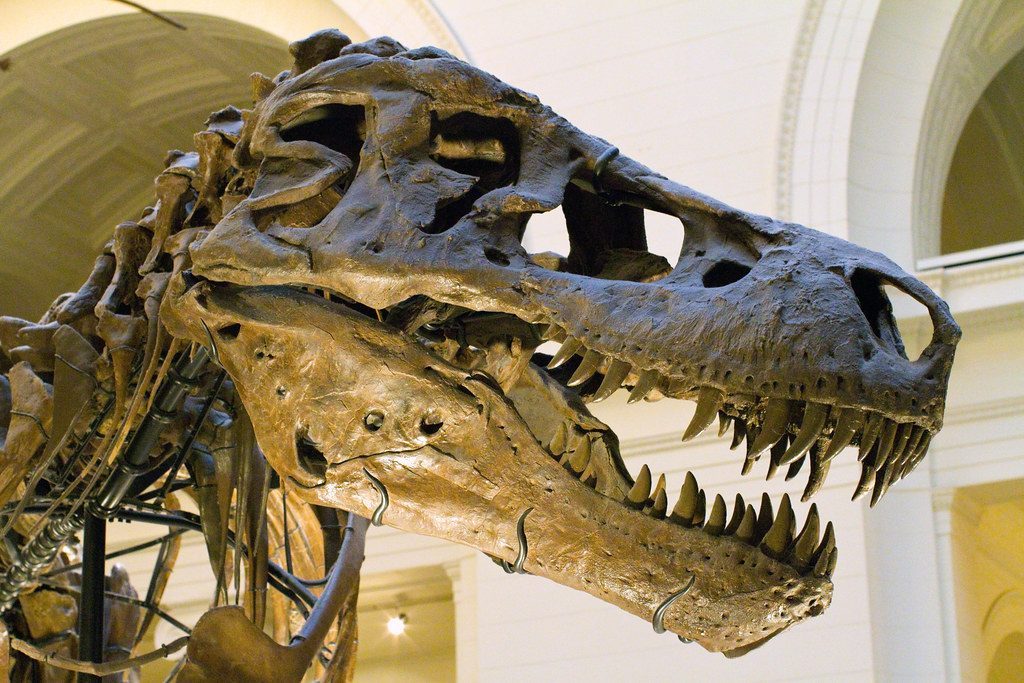
Found by chance in 2013, a site was discovered by a museum alpine biodiversity team during their first expedition collecting data on plants and insects when the curator of botany picked up a dinosaur tooth that ended up being from a tyrannosaur. What makes this discovery even more unique is its location – finding fossils up on the plateaus, up on mountains is not the usual place that we find dinosaurs in most of Canada and the United States.
The fossils, estimated to be about 66 to 68 million years old, include an array of well-preserved remains from various dinosaur species from a geological area known as the Sustut Basin, with over 90 fossils including teeth from a relative of Tyrannosaurus rex and the remains of a Ferrisaurus sustutensis. Reaching the site has proven to be a challenge, with blizzards in 2019 and a major wildfire in 2023 hindering the team’s work.
The First-Ever Ankylosaur Footprints
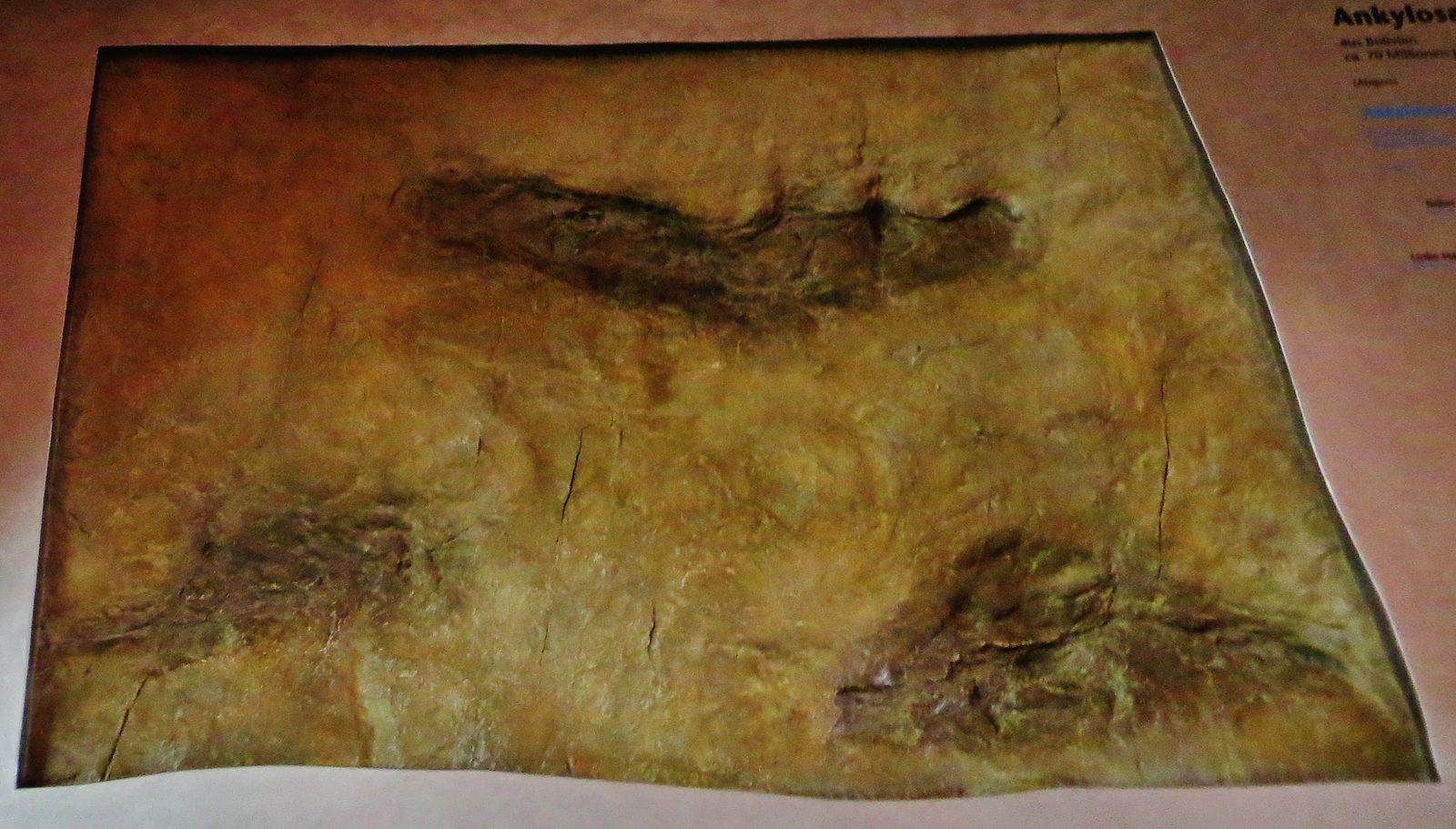
Scientists have identified fossil dinosaur footprints from a new species in B.C. and Alberta that are believed to be the first tracks found in the world that were left by club-tailed ankylosaurs, offering new insights about gaps in the fossil record. Nodosaurid prints were first found at Tumbler Ridge by two boys, 11-year-old Mark Turner and eight-year-old Daniel Helm, in 2001, leading to the discovery of other dinosaur trackways and fossils in the region.
Ruopodosaurus would have lumbered through the coastal redwood forests between the Rocky Mountains and an inland sea that covered Saskatchewan and Alberta during the Middle Cretaceous, about 100 million to 94 million years ago, alongside giant crocodiles, duck-billed dinosaurs and bird-like dinosaurs. No bones of three-toed, club-tailed ankylosaurs have ever been found in North America from the Middle Cretaceous, which suggested they may have gone extinct during this time, before reappearing about 84 million years ago, but the tracks from this new species suggest otherwise.
The Graveyard of Eight Thousand Bones
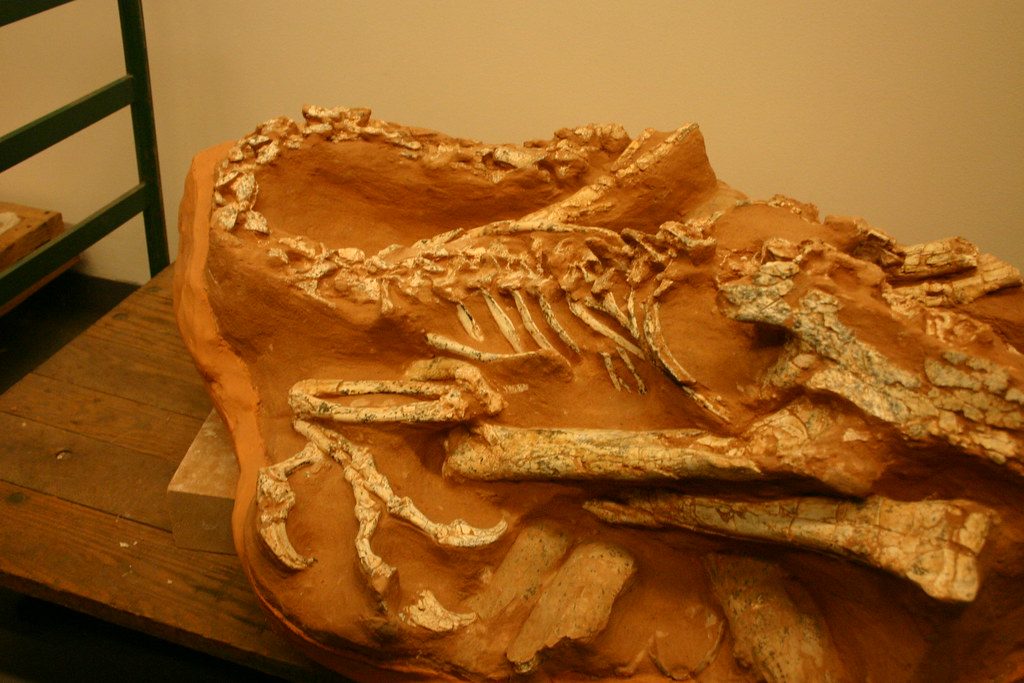
In a groundbreaking discovery that promises to reshape our understanding of prehistoric life, paleontologists in Alberta, Canada, have unearthed a staggering 8,000 dinosaur bones in one of the world’s densest fossil sites known as “The River of Death,” revealing thousands of Pachyrhinosaurin bones. Initially uncovered by a local high school teacher in 1974, it has since become a hotspot for paleontologists and enthusiasts alike, shedding light on a prehistoric world that existed 72 million years ago.
The density of bones is astounding, with estimates suggesting that every 10.76 square feet could contain as many as 300 bones, providing valuable information about the Pachyrhinosaurus and its era as scientists uncover more fossils. The site has opened new avenues for research into the Cretaceous period, offering clues about dinosaur behavior, ecology, and evolution, with the sheer volume of bones providing an unprecedented opportunity to study these ancient creatures in detail.
Conclusion
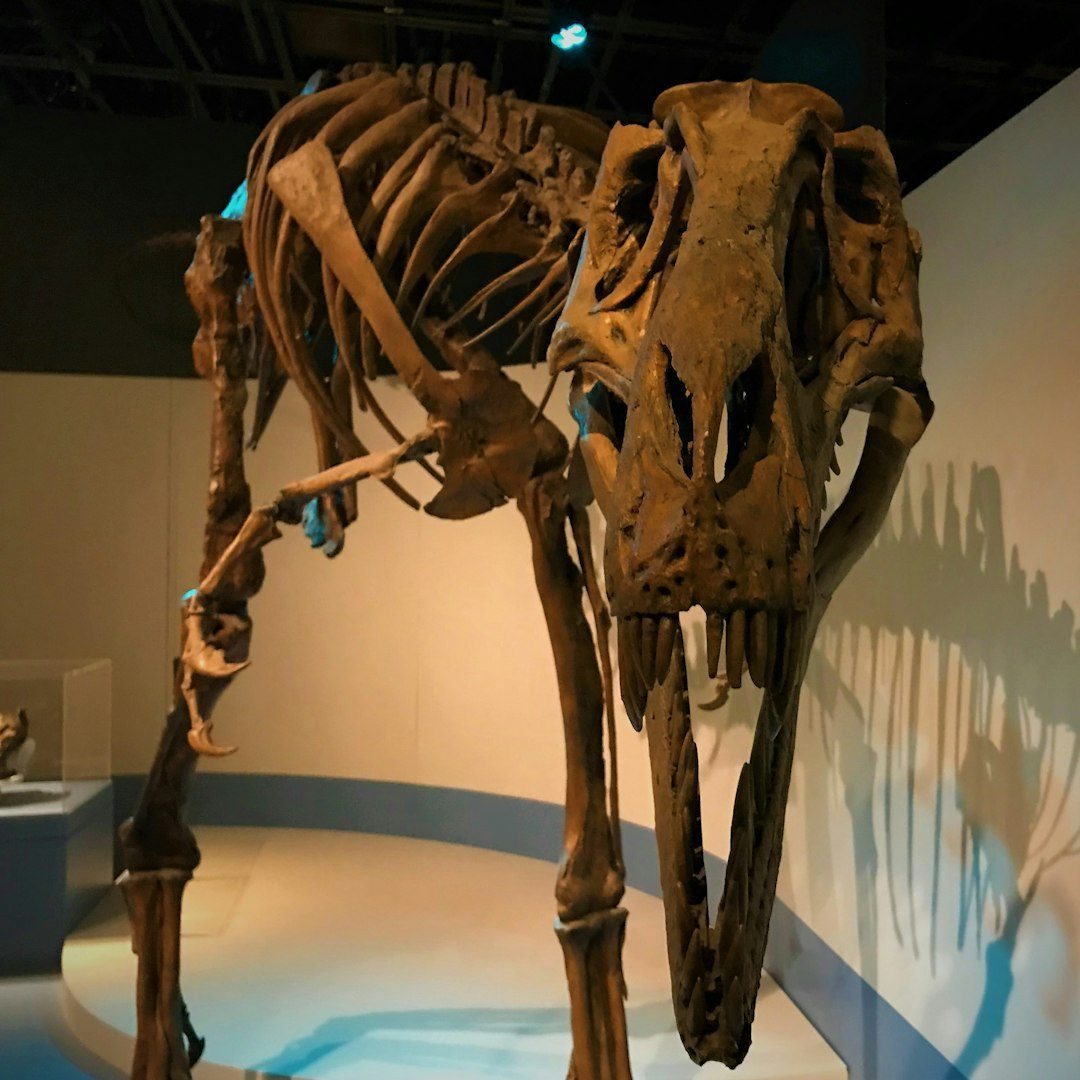
These extraordinary discoveries across North America reveal that dinosaurs were far stranger and more diverse than we ever imagined. From horned giants with asymmetric frills to perfectly preserved mummies with actual hooves, each find pushes the boundaries of what we thought possible in paleontology. The fact that many of these discoveries happened by pure chance – whether through mining accidents, student field trips, or children playing in badlands – reminds us that countless more bizarre creatures likely await discovery beneath our feet.
What makes these finds truly remarkable isn’t just their oddness, but how they collectively paint a picture of ancient North America as a land of incredible biological experimentation. The continent’s unique geological history created perfect conditions for both fossilization and discovery, giving us these windows into worlds that seem almost alien in their strangeness.
What do you think about these incredible discoveries? Tell us in the comments.