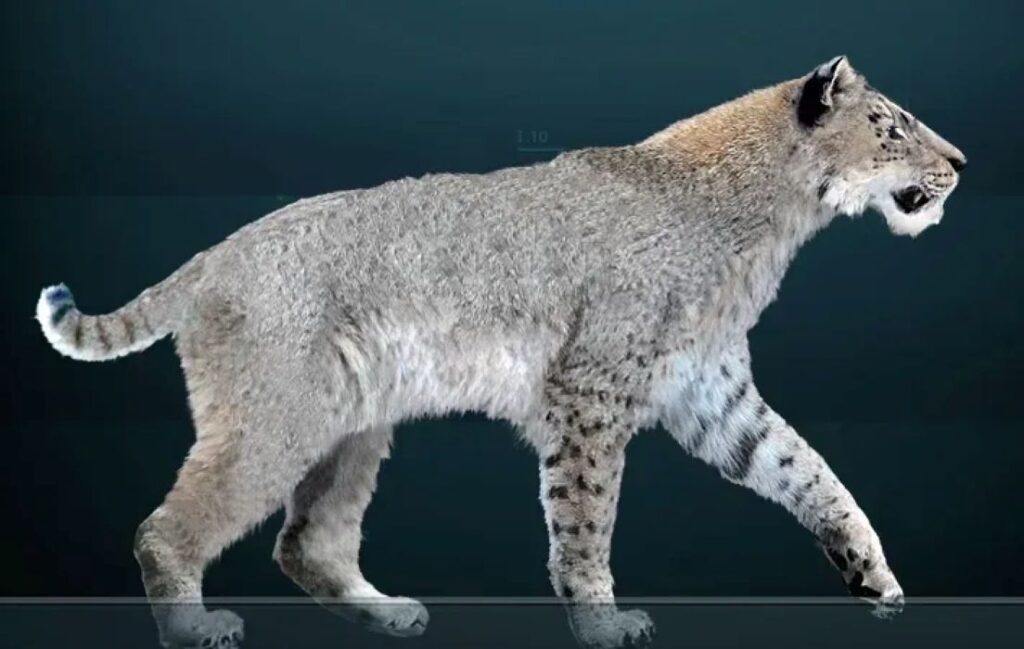
Picture this: you’re sitting in your living room, watching your favorite paleontologist crack jokes about dinosaur bones, when suddenly you realize something incredible. These fictional fossil hunters have probably done more to spark public interest in paleontology than most real scientists ever could. From sitcom professors to blockbuster heroes, these characters have transformed dusty academic pursuits into thrilling adventures that capture our imagination.
The world of fictional paleontology is surprisingly vast and diverse. Some characters bumble through their discoveries with endearing enthusiasm, while others face down prehistoric predators with scientific precision and raw courage. What makes these fossil hunters so compelling isn’t just their expertise – it’s how they make the ancient world feel alive and accessible to audiences who might never set foot in a natural history museum.
The Academic Charmer: Ross Geller’s Paleontological Legacy
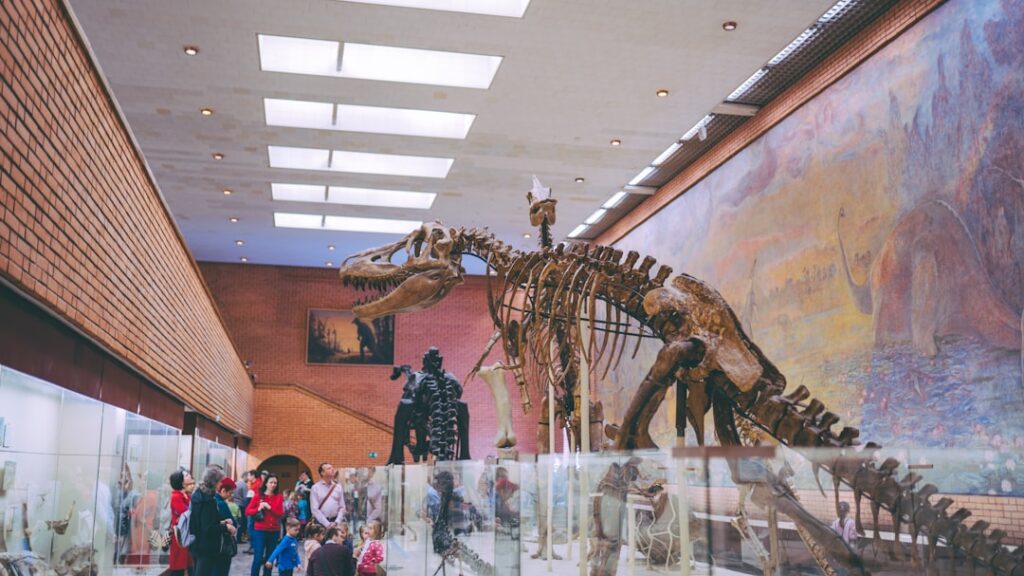
Ross Geller from “Friends” deserves the top spot on any list of beloved fictional fossil hunters, and not just because he made dinosaurs cool for an entire generation. His character single-handedly transformed the stereotype of the stuffy academic into someone relatable, passionate, and genuinely excited about his work. When Ross delivered his famous “We were on a break!” line, audiences were already invested in a character who happened to be a paleontologist.
What made Ross particularly effective was how the show balanced his professional expertise with his personal flaws. He wasn’t portrayed as an infallible scientist – he was a divorced dad who got overly excited about sedimentary layers and couldn’t figure out his love life. This humanization made paleontology seem approachable rather than intimidating.
The character’s impact on real-world interest in paleontology cannot be understated. Museums reported increased attendance during the show’s peak years, and many current paleontologists cite Ross as an early influence on their career choice.
The Action Hero: Dr. Alan Grant’s Survival Instincts
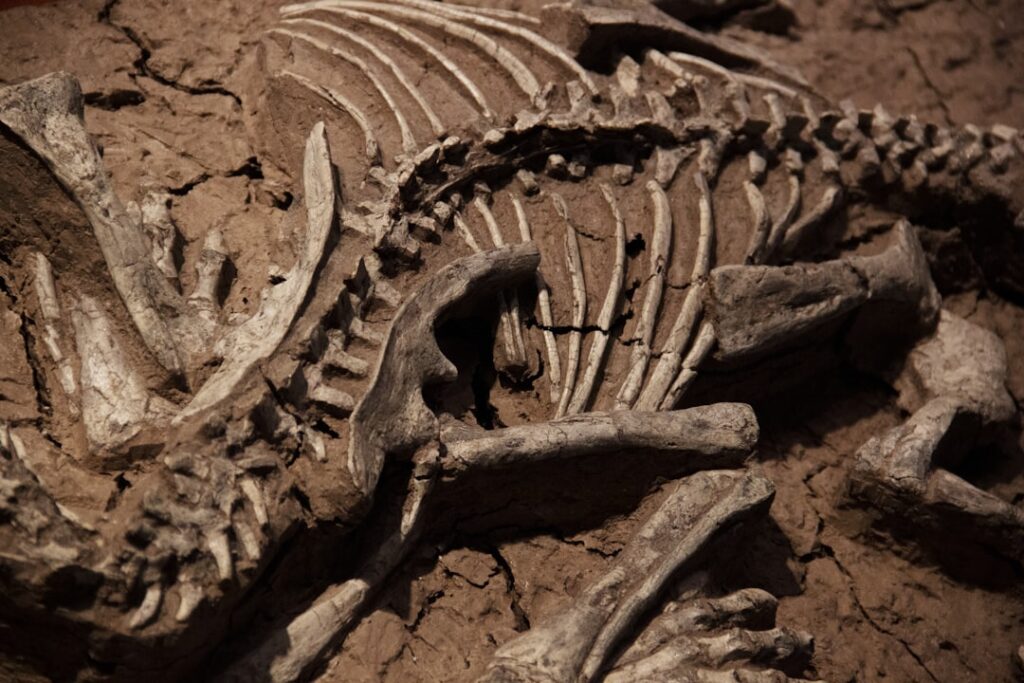
Dr. Alan Grant from the “Jurassic Park” franchise represents the gold standard for action-oriented paleontologists in fiction. Unlike Ross’s comfortable museum setting, Grant faces the ultimate test of his scientific knowledge when confronted with living, breathing dinosaurs. His character perfectly embodies the transition from theoretical knowledge to practical survival skills.
Grant’s appeal lies in his authentic scientific approach to extraordinary circumstances. He doesn’t just run from dinosaurs – he uses his understanding of their behavior, anatomy, and evolutionary history to outsmart them. When he teaches the children about Velociraptor hunting patterns, he’s not just delivering exposition; he’s demonstrating how scientific knowledge can be literally life-saving.
The character also represents the ethical paleontologist who questions the commercialization of science. His horror at InGen’s genetic manipulation reflects real concerns within the scientific community about the responsible use of technology and research.
The Enthusiastic Amateur: Indiana Jones and Archaeological Adventure

While technically an archaeologist rather than a paleontologist, Indiana Jones deserves recognition for inspiring countless fossil hunters and making fieldwork look impossibly glamorous. His character established the template for the adventurous academic that many later paleontologists would follow. Jones showed audiences that studying the past could involve genuine danger, exotic locations, and world-changing discoveries.
The character’s blend of scholarly knowledge and physical prowess created a new archetype that influenced how we imagine field researchers. His famous quote, “It belongs in a museum,” became a rallying cry for ethical collecting practices that resonates with real paleontologists today.
Jones also demonstrated the importance of cultural context in scientific work, even if his methods weren’t always exemplary. His adventures highlighted how artifacts and fossils connect to larger human stories, making the past feel personally relevant to modern audiences.
The Determined Outsider: Ellie Sattler’s Plant-Based Perspective

Dr. Ellie Sattler from “Jurassic Park” brings a unique paleobotanical perspective to fossil hunting that’s often overlooked in popular media. Her expertise in ancient plant life proves crucial to understanding how prehistoric ecosystems functioned, and her character demonstrates that paleontology extends far beyond just dinosaur bones. Sattler’s methodical approach to scientific problems showcases the detective work that real paleontologists perform daily.
What sets Sattler apart is her practical problem-solving skills and her willingness to get her hands dirty – literally. She’s not afraid to examine dinosaur droppings or wade through dangerous situations to gather crucial data. Her character breaks stereotypes about both female scientists and paleobotanists, showing that plant fossils can be just as exciting as massive predators.
Sattler’s relationship with technology also reflects real tensions in modern paleontology, where traditional fieldwork meets cutting-edge genetic research and computer modeling.
The Obsessive Collector: Nigel Marven’s Television Adventures

Nigel Marven, though based on a real person, became a fictional character in his various “Walking with” documentaries, where he time-travels to interact with prehistoric creatures. His approach to paleontology combines serious scientific inquiry with an almost childlike wonder that makes learning about extinct species genuinely fun. Marven’s character demonstrates how passion can drive scientific understanding.
His fictional adventures showcase the importance of behavioral studies in paleontology. By imagining how extinct creatures lived, moved, and interacted, Marven helps audiences understand that fossils represent real animals with complex lives and relationships. This perspective transforms static museum displays into dynamic ecosystems.
The character also emphasizes the global nature of paleontological work, traveling to different continents and time periods to show how life evolved and adapted across various environments and eras.
The Reluctant Expert: Dr. Sarah Harding’s Field Experience
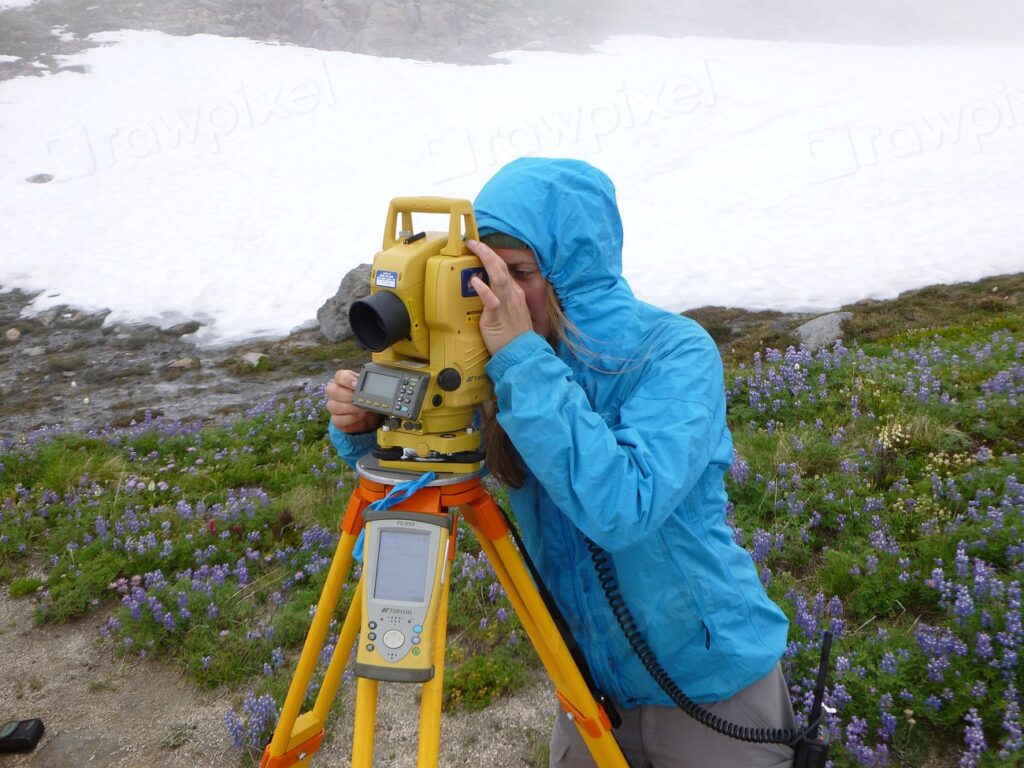
Dr. Sarah Harding from “The Lost World: Jurassic Park” represents the field researcher who prioritizes animal behavior over fossil collection. Her character demonstrates that understanding extinct species requires studying their living relatives and applying those insights to the fossil record. Harding’s expertise in animal behavior makes her uniquely qualified to survive encounters with resurrected dinosaurs.
Her character also addresses the ethical implications of paleontological research, particularly when it comes to disturbing natural habitats or exploiting discoveries for commercial gain. Harding’s conflict with the hunters in the film reflects real debates within the paleontological community about conservation and responsible research practices.
The character’s emphasis on observation over collection shows audiences that paleontology involves much more than just digging up bones – it requires understanding entire ecosystems and environmental relationships.
The Technological Pioneer: Dr. Henry Wu’s Genetic Approach

Dr. Henry Wu from the “Jurassic World” franchise represents the cutting-edge intersection of paleontology and genetic engineering. His character embodies the modern paleontologist who uses DNA analysis, protein reconstruction, and advanced imaging techniques to understand extinct species. Wu demonstrates how technology has revolutionized fossil hunting and analysis.
However, Wu’s character also serves as a cautionary tale about the potential dangers of combining scientific ambition with commercial interests. His willingness to modify genetic code for entertainment purposes reflects real concerns about how scientific discoveries might be exploited or misused.
The character highlights how modern paleontology increasingly relies on laboratory work and computer modeling rather than just traditional fieldwork, showing audiences that fossil hunting has evolved far beyond pickaxes and brushes.
The Museum Professional: Dr. Temperance Brennan’s Forensic Skills
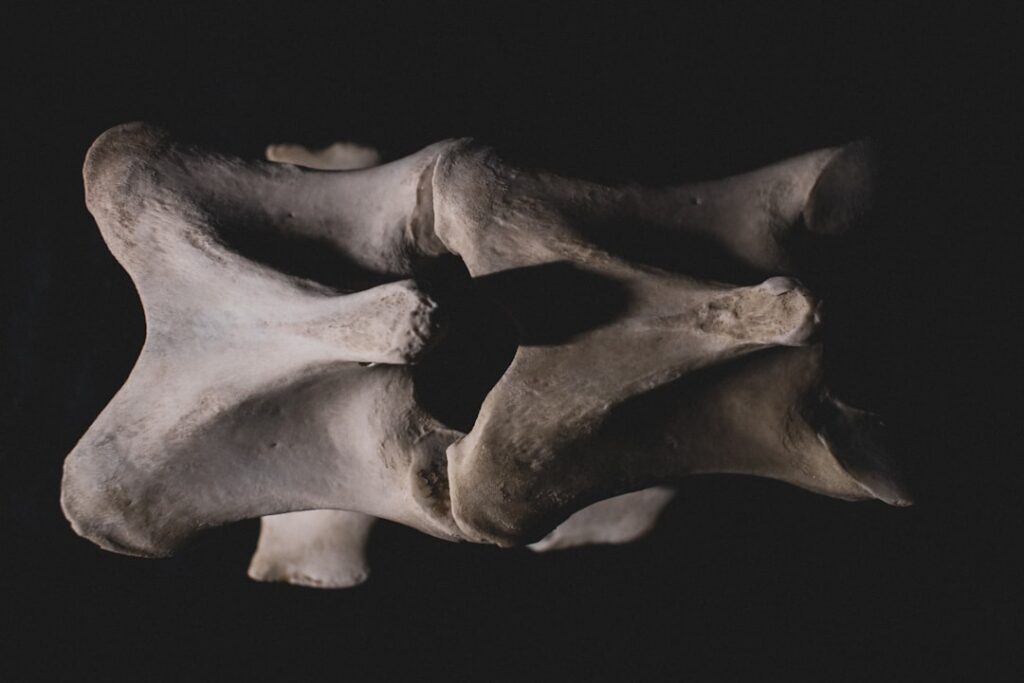
While primarily focused on modern forensics, Dr. Temperance Brennan from “Bones” occasionally applies her expertise to paleontological cases, demonstrating how skills transfer between studying ancient and recent remains. Her character shows audiences the technical precision required in modern fossil analysis, from detailed measurements to chemical testing.
Brennan’s methodical approach to bone analysis reflects the actual work that paleontologists perform in laboratories and museums. Her ability to reconstruct entire life stories from skeletal remains mirrors how paleontologists piece together information about extinct species from fragmentary fossil evidence.
The character also emphasizes the importance of interdisciplinary collaboration, working with experts in geology, chemistry, and other fields to solve complex puzzles about the past.
The Adventure Seeker: Lara Croft’s Archaeological Pursuits
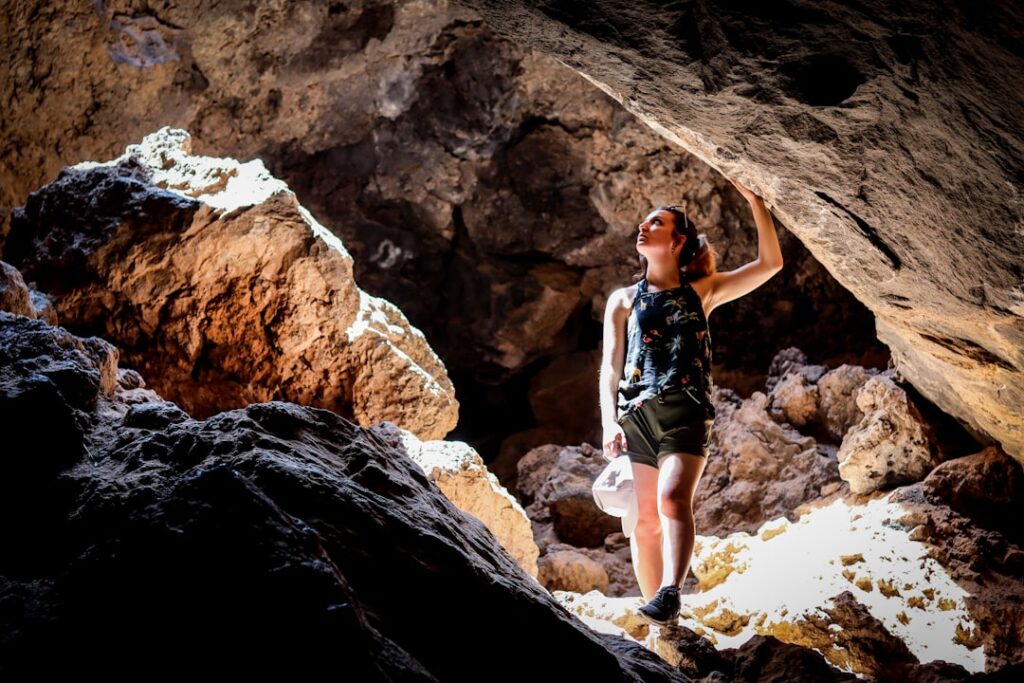
Lara Croft from the “Tomb Raider” franchise, while primarily an archaeologist, often encounters paleontological elements in her adventures, from dinosaur bones to ancient ecosystems preserved in remote locations. Her character demonstrates the physical demands and dangers that can accompany fieldwork in remote or politically unstable regions.
Croft’s global adventures highlight how paleontological discoveries are scattered across the world, often in challenging or dangerous locations. Her character shows audiences that significant fossils aren’t just found in comfortable museum settings – they’re buried in jungles, deserts, and mountain ranges that require serious expedition skills to access.
The character also represents the intersection between paleontology and adventure tourism, showing how fossil hunting can become a recreational activity for those with the resources and expertise to pursue it safely.
The Dedicated Professor: Dr. Jack Horner’s Cinematic Influence

While Dr. Jack Horner is a real paleontologist, his consulting work on the “Jurassic Park” films and his appearances in various documentaries have created a semi-fictional version of his persona that influences public perception of paleontologists. His character represents the dedicated researcher who combines rigorous scientific methodology with public education and outreach.
Horner’s influence on fictional paleontology extends beyond individual characters to shape how the entire field is portrayed in popular media. His emphasis on family behavior in dinosaurs, growth patterns, and ecosystem relationships has informed how screenwriters and authors approach prehistoric life.
The character demonstrates how real scientists can become fictional icons, bridging the gap between academic research and popular entertainment to inspire new generations of fossil hunters.
The Young Discoverer: Tim Murphy’s Childhood Fascination

Tim Murphy from “Jurassic Park” represents the young fossil enthusiast whose knowledge and passion prove crucial in survival situations. His character shows audiences that paleontology can captivate people at any age, and that enthusiasm and curiosity are just as valuable as formal training. Tim’s computer skills also demonstrate how technology has become integral to modern paleontological research.
The character reflects the many real-world amateur paleontologists who make significant contributions to the field through careful observation and dedicated study. His knowledge of dinosaur behavior and classification shows how passionate amateurs can sometimes outperform professionals in specific areas.
Tim’s character also emphasizes the educational value of paleontology, showing how studying extinct species can teach broader lessons about evolution, ecology, and environmental change that remain relevant today.
The Maverick Researcher: Dr. Malcolm’s Chaos Theory

Dr. Ian Malcolm from the “Jurassic Park” franchise brings a mathematical perspective to paleontology through his chaos theory expertise, demonstrating how complex systems thinking applies to understanding extinct ecosystems. His character shows audiences that paleontology intersects with multiple scientific disciplines, from mathematics to ecology to evolutionary biology.
Malcolm’s skepticism about genetic manipulation reflects real debates within the scientific community about the ethics and safety of advanced biotechnology. His predictions about system collapse demonstrate how paleontologists must consider not just individual species but entire ecological relationships.
The character also represents the importance of questioning established assumptions and approaching problems from new angles, qualities that drive innovation in paleontological research and interpretation.
The Global Explorer: Sir Arthur Conan Doyle’s Professor Challenger
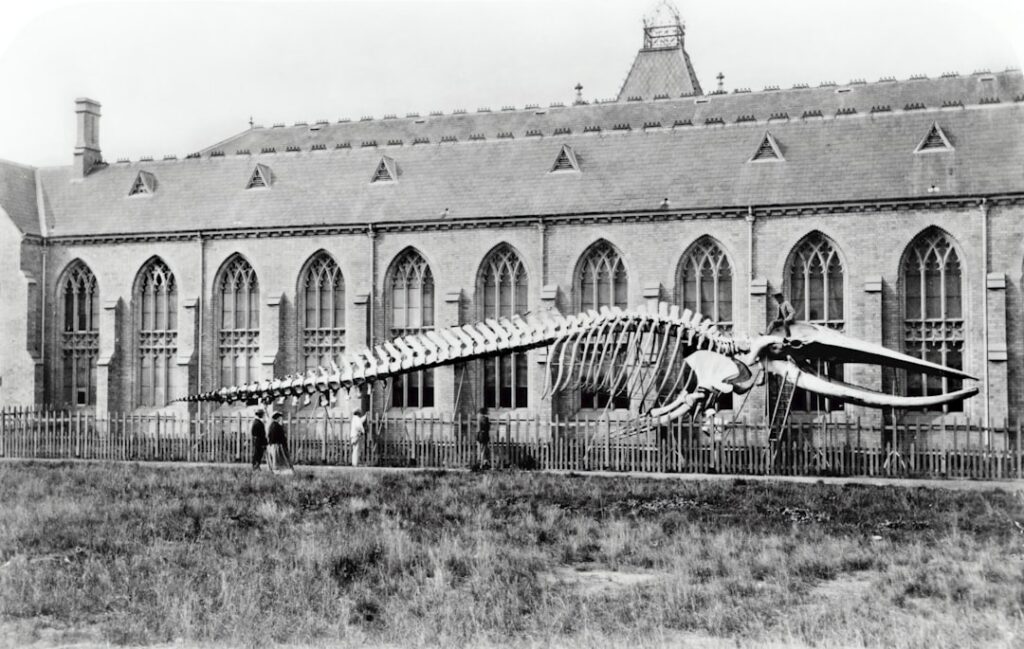
Professor Challenger from Arthur Conan Doyle’s “The Lost World” established many of the tropes that still influence fictional paleontologists today. His character combined scientific expertise with exploratory courage, venturing into unknown territories to discover living prehistoric creatures. Challenger demonstrated that paleontology requires both intellectual rigor and physical bravery.
The character’s Victorian-era adventures helped establish the romantic image of the fossil hunter as an intrepid explorer willing to risk everything for scientific discovery. His encounters with living dinosaurs on a remote plateau captured imaginations and inspired countless later works featuring paleontologists in exotic locations.
Challenger’s character also emphasized the competitive nature of scientific discovery, showing how the drive to be first can motivate researchers to take extraordinary risks in pursuit of groundbreaking findings.
The Conclusion: Why These Characters Matter
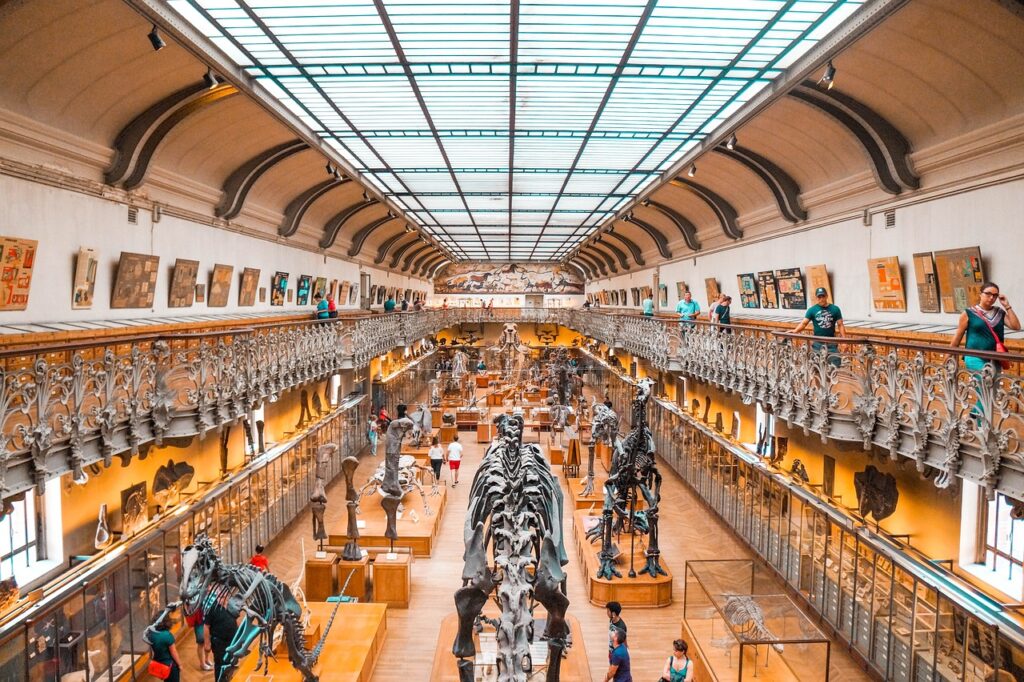
These fictional fossil hunters have accomplished something remarkable: they’ve made paleontology accessible, exciting, and personally meaningful to millions of people who might otherwise never consider the importance of studying extinct life. From Ross Geller’s enthusiastic lectures to Dr. Grant’s survival skills, these characters have transformed public perception of what it means to be a scientist.
Their influence extends beyond entertainment into real-world impact on museum attendance, educational programs, and career choices. Many current paleontologists cite these fictional characters as early inspirations, proving that imagination and scientific accuracy can work together to advance public understanding of complex topics.
The diversity of approaches these characters represent – from academic research to field survival, from ethical collecting to technological innovation – reflects the true breadth of modern paleontological work. They show us that there’s no single way to be a fossil hunter, and that passion for understanding the past can take many different forms.
What fascinates you more: the methodical museum work or the high-stakes field adventures?