
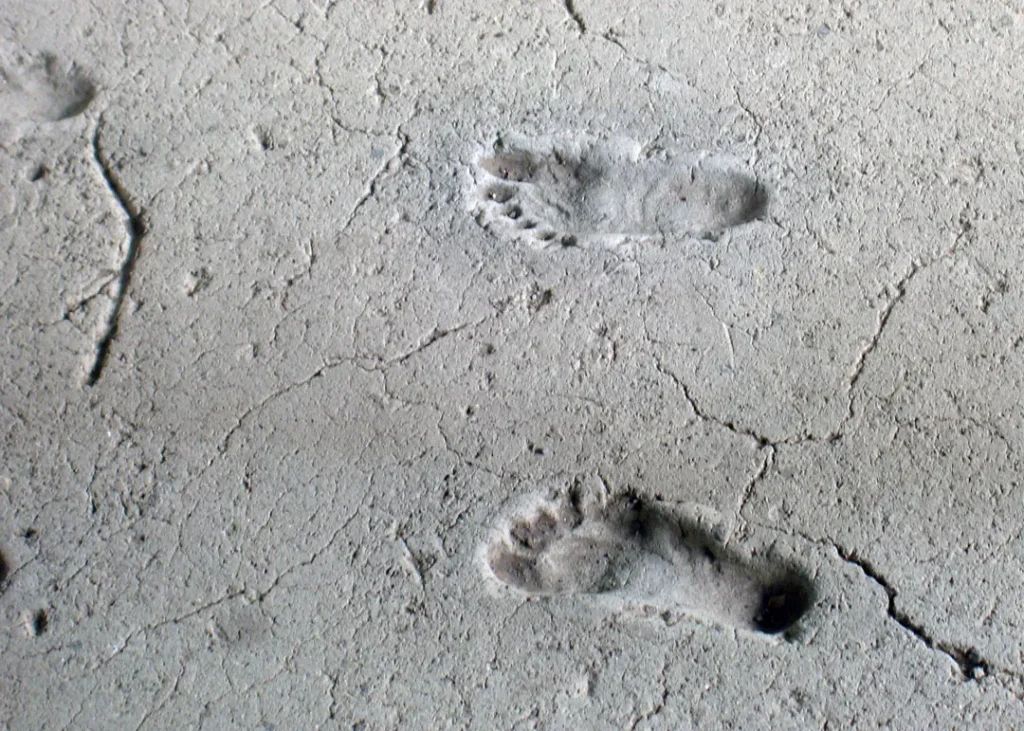
When a set of ancient human footprints turned up in a dried lakebed in New Mexico, they did more than surprise a few archaeologists. They rattled one of the deepest stories we tell ourselves about when humans first walked the Americas. The prints were so crisp, so abundant, and dated so far back in time that some scientists reportedly hesitated to share the results at all, worried that the implications might upend decades of careful work.
This is one of those discoveries that feels almost cinematic: ghostly tracks stretching across an ancient lakeshore, preserved for thousands upon thousands of years, suddenly revealed by shifting sands and modern science. But behind the drama is a serious scientific debate about how, when, and from where people first reached this continent. These footprints are not just marks in the mud; they are a direct, physical record of real people in a place and time many researchers once thought impossible.
A dried lakebed in New Mexico that became a time capsule
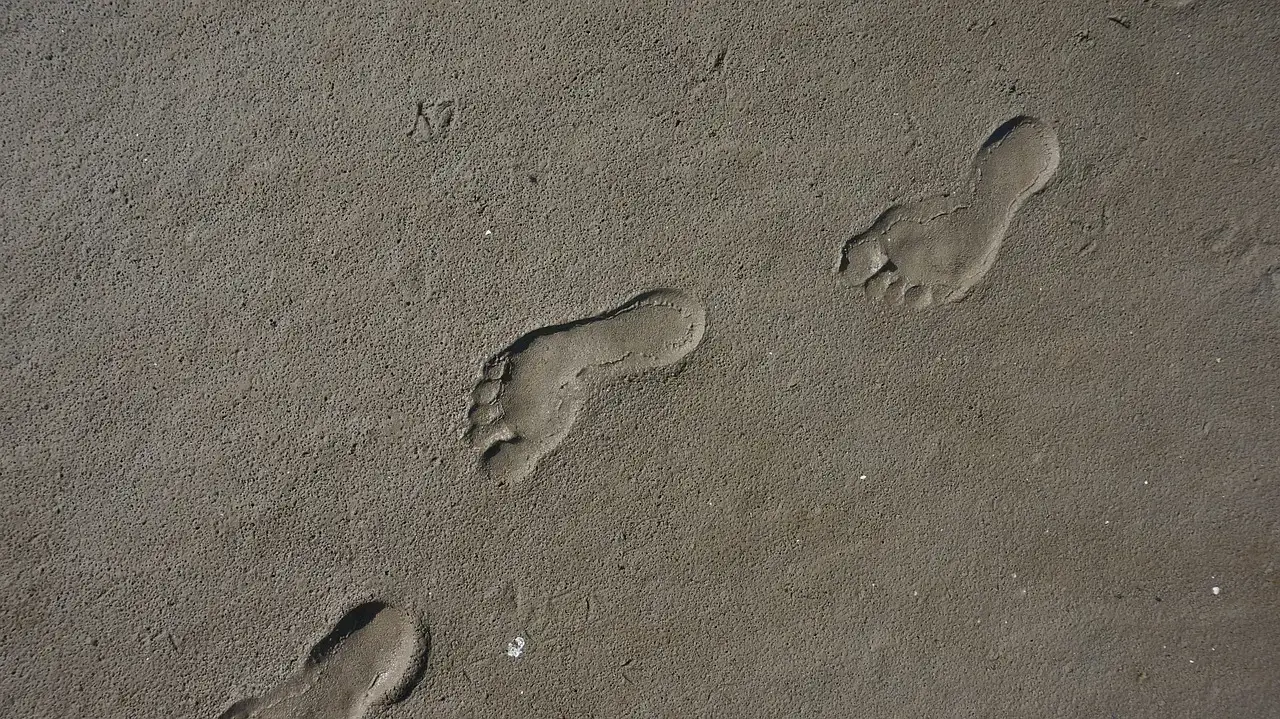
The footprints that set this whole debate on fire were found at White Sands, a national park in southern New Mexico known for its rolling dunes of gypsum sand. On the surface, it looks like a desert playground, but just beneath the dunes lies the bed of an ancient lake that existed during the last Ice Age. When that lake slowly shrank and dried, it left behind wet shorelines where humans and animals walked, leaving tracks that were quickly covered by new layers of sediment.
Over thousands of years, those layers built up like pages in a book, quietly sealing in the footprints of mammoths, giant ground sloths, birds, and humans. Because the area later turned into a stable, protected landscape, those delicate impressions stayed intact far longer than anyone would have guessed. What seems like an empty, windswept basin today is actually more like a vast fossil archive, preserving brief, everyday moments from an unbelievably distant past.
Footprints that looked almost too perfect to be that ancient
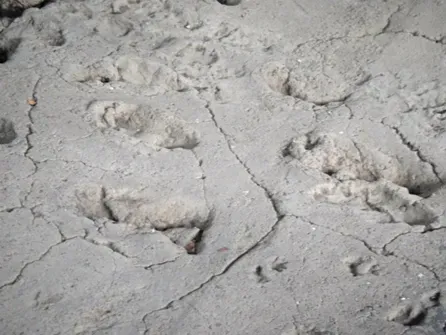
What shocked researchers first was not just that there were human footprints, but how incredibly clear and numerous they were. Some of the tracks show the distinct outline of toes, heels, and arches, and many follow each other as if people were simply walking along the shoreline on a normal day. They do not look like vague dents or random smudges in the ground; they look like something you could imagine making yourself if you walked barefoot on damp sand today.
That level of preservation immediately raises skepticism, because our brains instinctively connect “sharp detail” with “recent.” When scientists then started getting dates suggesting that these prints might be much older than the long-accepted timeline for human arrival in the Americas, the tension got very real. It is one thing to argue over tools or broken bones, which can be ambiguous. It is something else entirely to stare at a row of footsteps and be told they were made by people who walked this landscape many thousands of years earlier than you were taught in school.
Dating the impossible: why the ages changed everything
To estimate the age of the footprints, researchers did not just guess by looking at them; they used radiocarbon dating on seeds from plants preserved in the same layers of sediment as the prints. These seeds act like tiny time-stamps, capturing the age of the layers that encase the tracks. When the earliest dates started coming back, they suggested humans were present in this part of North America much earlier than the long-popular idea that people only arrived after large ice sheets melted enough to open a northern corridor.
If these dates hold up, they challenge a tidy story in which humans show up relatively late, after the landscape opens and big game animals begin to move south. Instead, they hint at people navigating Ice Age environments that many experts once considered inaccessible. The controversy is not about whether the dating methods exist, but about how clean the samples were, whether the seeds might have moved between layers, and whether the dates truly match the exact moment the footprints were pressed into the ground. In other words, the science here is not casual; it is a high‑stakes argument about how to read time in the Earth’s layered memory.
Why some scientists reportedly hesitated to publish the findings

When a discovery threatens to overturn a familiar story, scientists can react in surprisingly human ways. There are accounts that some experts were initially so taken aback by the implications of these dates that they were reluctant to put them out into the world too quickly. If the footprints really were as old as early tests suggested, it would mean that textbooks, timelines, and long‑held assumptions about the peopling of the Americas might need serious rewriting. That is not a small step to take, especially when reputations and entire research careers are anchored to older models.
There is also a very practical reason for hesitation: once a dramatic claim is published and widely reported, it tends to stick in the public mind even if later work adjusts or challenges it. Some scientists would rather sit on a result a bit longer than risk fueling headlines that overshoot the evidence. From my point of view, that caution is both admirable and frustrating. On one hand, it shows respect for the complexity of the data; on the other, it reminds us that science is done by people with fears, ambitions, and biases just like anyone else.
Human stories in the tracks: families, hunts, and everyday life
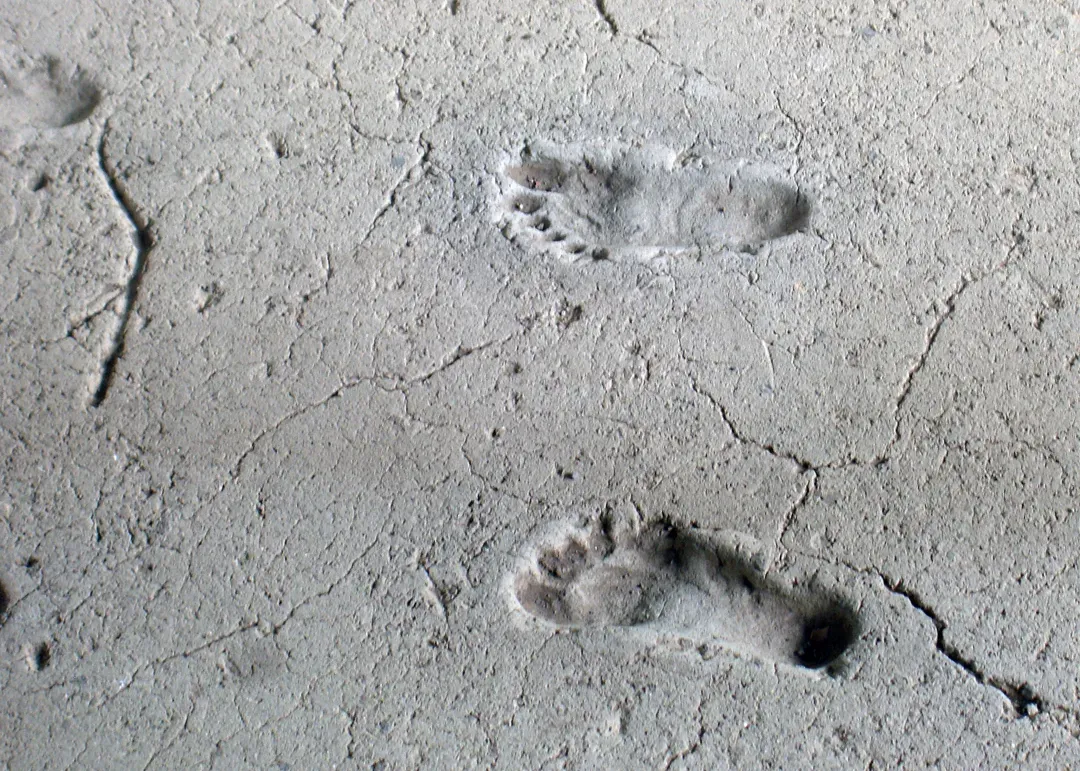
What makes these footprints feel so powerful is how personal they are. Researchers have identified tracks of people of different sizes, including those that appear to be made by children. Some trackways suggest repeated movement along the same paths, as if people were going back and forth between the water’s edge and dry land. Others are interwoven with the prints of giant Ice Age animals, hinting at tense moments of tracking, avoidance, or perhaps even hunting.
It is hard not to imagine the scene: a child darting along the shoreline while a caregiver follows, or a small group moving together as massive mammals roam nearby. I remember standing in a much younger set of fossil tracks once and feeling a strange rush of connection, as if time had thinned for just a second. These New Mexico footprints offer that same gut‑level jolt on a far grander scale. They remind us that deep prehistory is not just a haze of stone tools and bones, but a world of individuals who had worries, joys, and routines that would feel oddly familiar to us today.
How this discovery reshapes the story of humans in the Americas
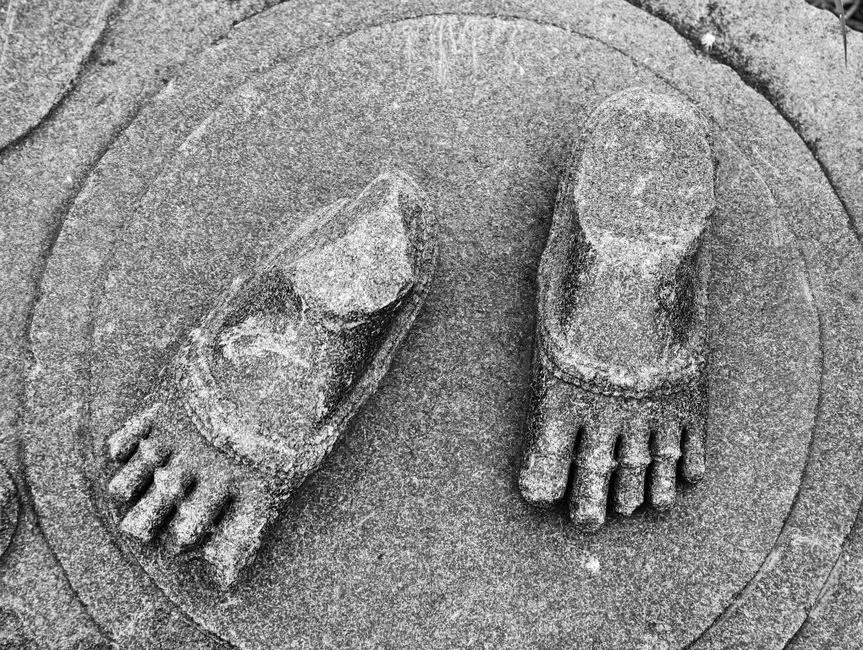
For a long time, the dominant picture in many classrooms was relatively simple: humans arrived in the Americas late in the Ice Age, walking across a land bridge from northeast Asia and then moving south once glaciers retreated. Over the last couple of decades, that narrative has already been slowly cracking as more sites suggest earlier and more varied routes, possibly including coastal travel by boat. The New Mexico footprints raise the stakes, because they are such direct and intuitive evidence of people physically being here at a surprisingly early time.
If this evidence continues to stand up under scrutiny, it strengthens the idea that humans were exploring and adapting to the Americas long before the classic, single‑route model suggests. It pushes us to imagine a more complex, messier history with multiple waves, different paths, and local survival strategies that went beyond the neat diagrams in old textbooks. Personally, I think this is a good thing. Real history is rarely clean and linear; it is more like a web of overlapping journeys, some remembered in artifacts and, just occasionally, in the quiet impressions left by bare feet on a muddy shore.
Conclusion: why these footprints matter more than any single date
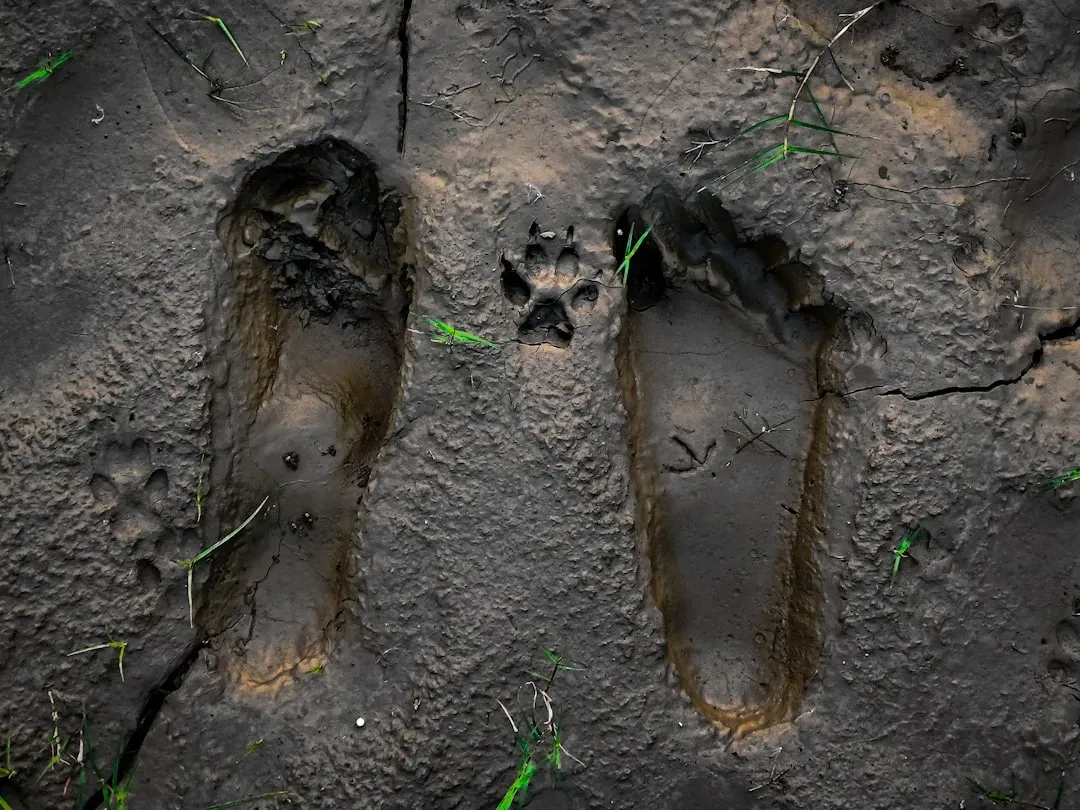
In my view, the New Mexico footprints matter not just because they may be very old, but because they force us to confront how provisional our stories about the past really are. We like tidy narratives with clear start dates and simple arrows on a map, but discoveries like this refuse to stay inside those lines. Even if later studies nudge the ages slightly up or down, the basic message stands: people were here, in this landscape, far earlier and in more complex ways than many of us were taught. That alone should make us humble about how much we do not yet know.
At the same time, these tracks are a rare reminder that science can still surprise us in a way that feels almost emotional. They bring Ice Age people out of the abstract and into something visceral and relatable, like stumbling across footprints on a beach and realizing they were left by someone who has just walked away. I think that is the real shock of this discovery: not that it rewrites a timeline, but that it makes the deep past suddenly feel close enough to touch. When you picture those ancient walkers crossing the shore, do you feel the same strange sense that they are not so different from us after all?