The world of graphic novels has been home to countless stories about ancient creatures, from mighty dinosaurs to ferocious marine reptiles. While some creators nail the scientific accuracy with impressive attention to detail, others stumble into prehistoric misconceptions that would make any paleontologist cringe. Some of these works blend stunning artwork with solid science, giving readers a vivid glimpse into how prehistoric life may have really looked and behaved. Others, however, lean more on spectacle than accuracy, turning raptors into scaly movie monsters or giving marine reptiles abilities they never had. The contrast highlights just how tricky it can be to balance entertainment with evidence. Yet even the flawed depictions reveal something important—our enduring fascination with creatures that vanished millions of years ago. Whether accurate or exaggerated, these stories prove dinosaurs and their kin still stalk our imaginations today. Let’s dig into which graphic novels deserve a place in the fossil record and which ones should probably be buried deeper underground.
Ricardo Delgado’s Age of Reptiles: The Gold Standard
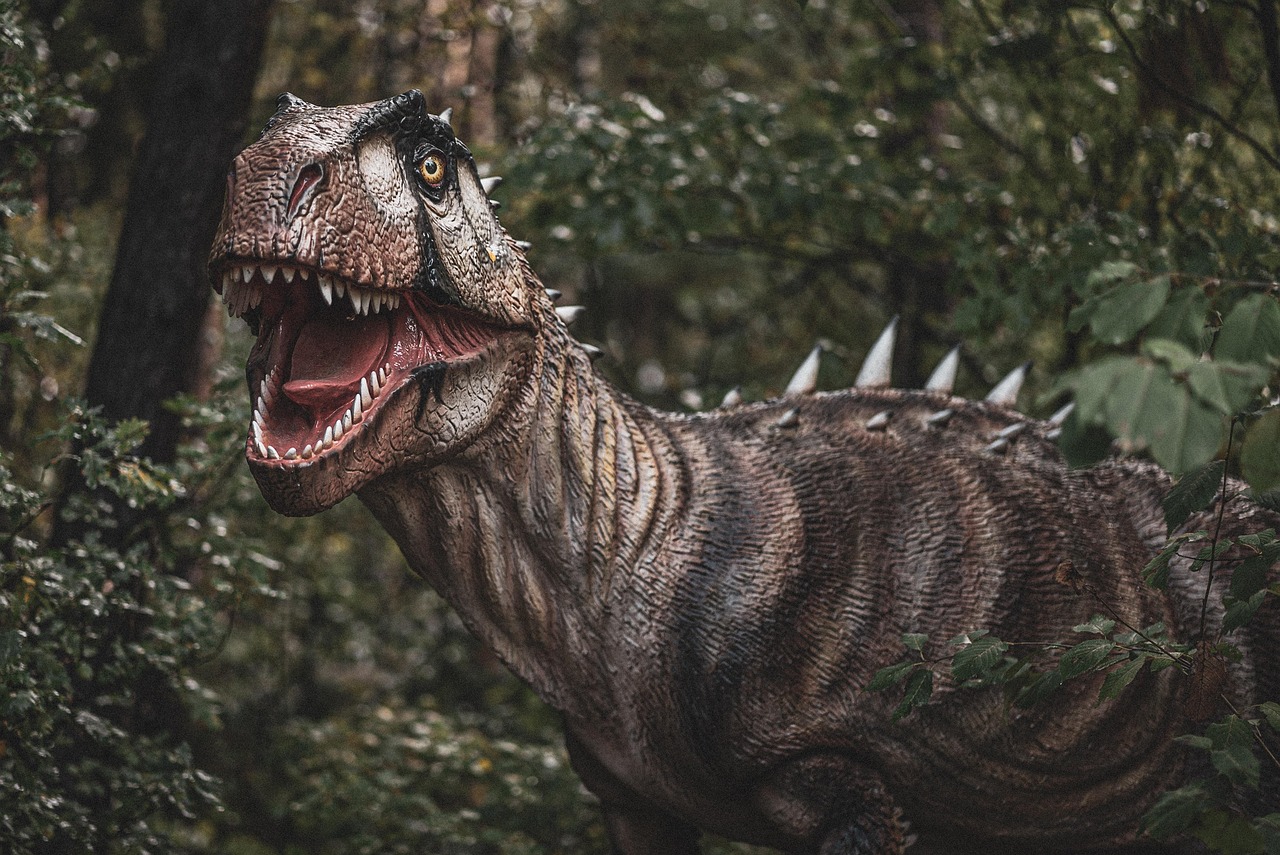
With the 25th anniversary of Jurassic Park cascading through dinosaur social media, Ricardo Delgado’s Dark Horse comic series Age of Reptiles stood out for showing dinosaurs as fast, agile and intelligent animals. Age of Reptiles is not, and is not meant to be, a scientifically rigorous take on Mesozoic life, but it skirts the edge of palaeoartistry and palaeontological science close enough that those interested in these topics should check it out.
The wordless storytelling format allows the prehistoric creatures to truly shine without human interference. The art is vibrant, detailed, colorful, accurate and, if you like dinosaurs, an eye-opening treat. Plus, while wordless, it’s a good story inspired as Delgado says, in part by Kurosawa’s Yojimbo and Sanjuro. What’s particularly impressive is how Delgado balances dramatic storytelling with paleontological credibility, creating something that feels authentic rather than fantastical.
When Ancient Egypt Meets Accurate Science
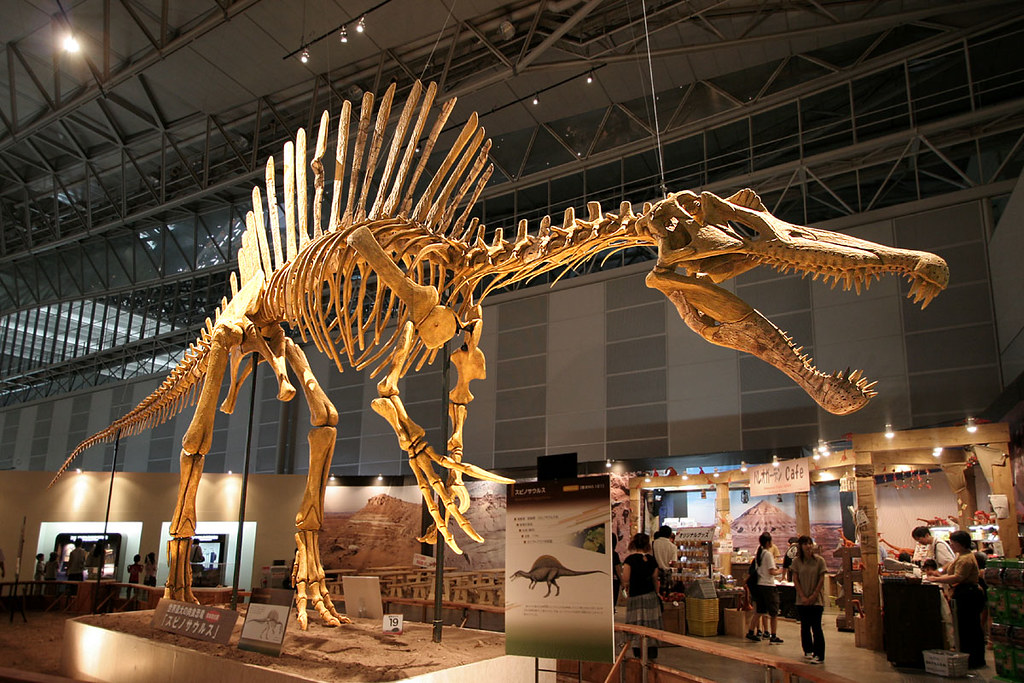
While the artwork has always been pleasant to downright gorgeous in previous installments of Age of Reptiles, the accuracy and beauty of this latest outing is commendable. I will state that I am not someone who works on Cretaceous vertebrates from North Africa, but looking at the animals and scenes presented in the first two issues of Ancient Egyptians I don’t see anything that immediately jumps out at me as being horrendously wrong either paleontologically or behaviorally.
However, even the best graphic novels aren’t perfect. Ancient Egyptians does suffer one setback. This series doesn’t fully take into account how recent work has changed our understanding of what Spinosaurus looked like. The sail is shown as one uninterrupted convex bulge. The forelimbs are long but the hind feet show three functional digits and no webbing. This highlights the challenge many creators face: paleontology moves fast, and what was accurate five years ago might be outdated today.
Science Comics: Educational Entertainment Done Right
The writing is brilliant, the art is stunning, the science is excellent, and the history is fantastic (not just for graphic novel standards but for history standards). If only it were at all possible to have full biographies of each of their included players done in this same tone and style. The Science Comics series, particularly “Dinosaurs: Fossils and Feathers,” proves that educational content doesn’t have to be boring.
Where this book shines is in its strong focus on the history of paleontology, which was a pleasant surprise. Ranging from humorous cartoons to rather pretty landscape scenes, we get the illustrator’s take on numerous important moments throughout the development of this field of science. Rather than just showing dinosaurs fighting, these comics teach readers about the human stories behind fossil discoveries.
The Charles Knight Effect on Comics
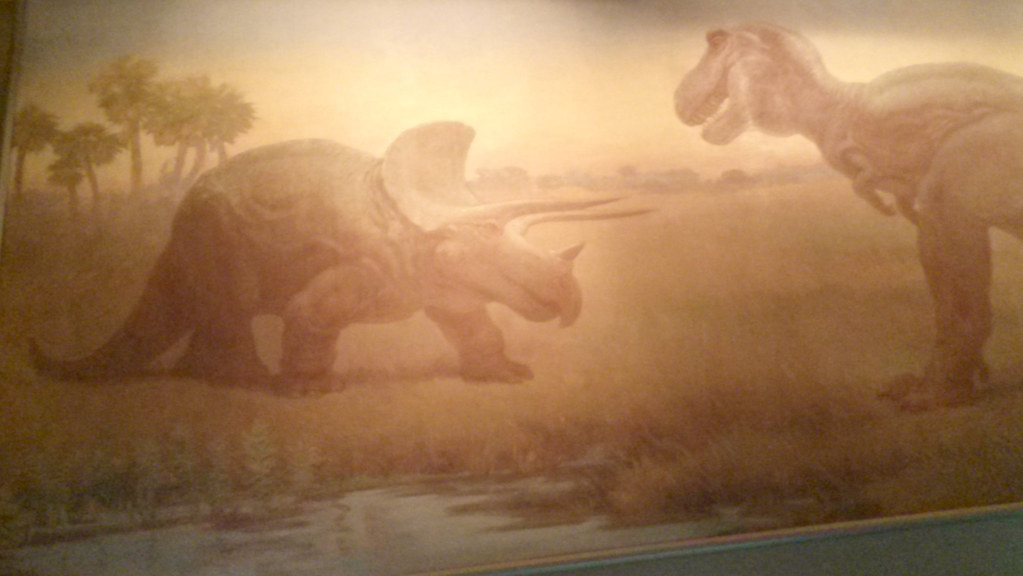
Contemporary paleoart has repeatedly served as a template for the depiction of prehistoric life in comics since the early 20th century. Without any paleontological research of their own, most comic authors and illustrators relied directly on preexisting visual ideas of the subject. This creates a fascinating chain reaction where outdated scientific ideas keep appearing in new works.
Many panel drawings were almost exact copies of their academic originals, which were recycled again and again. However, subsequent strips also independently aligned themselves with the prevailing scientific view and reconstruction. This transformation of contemporary paleoart and its underlying paleontological ideas into panels makes comics chroniclers of advances in paleontology. It’s like watching science history unfold through sequential art.
Common Mistakes That Drive Paleontologists Crazy
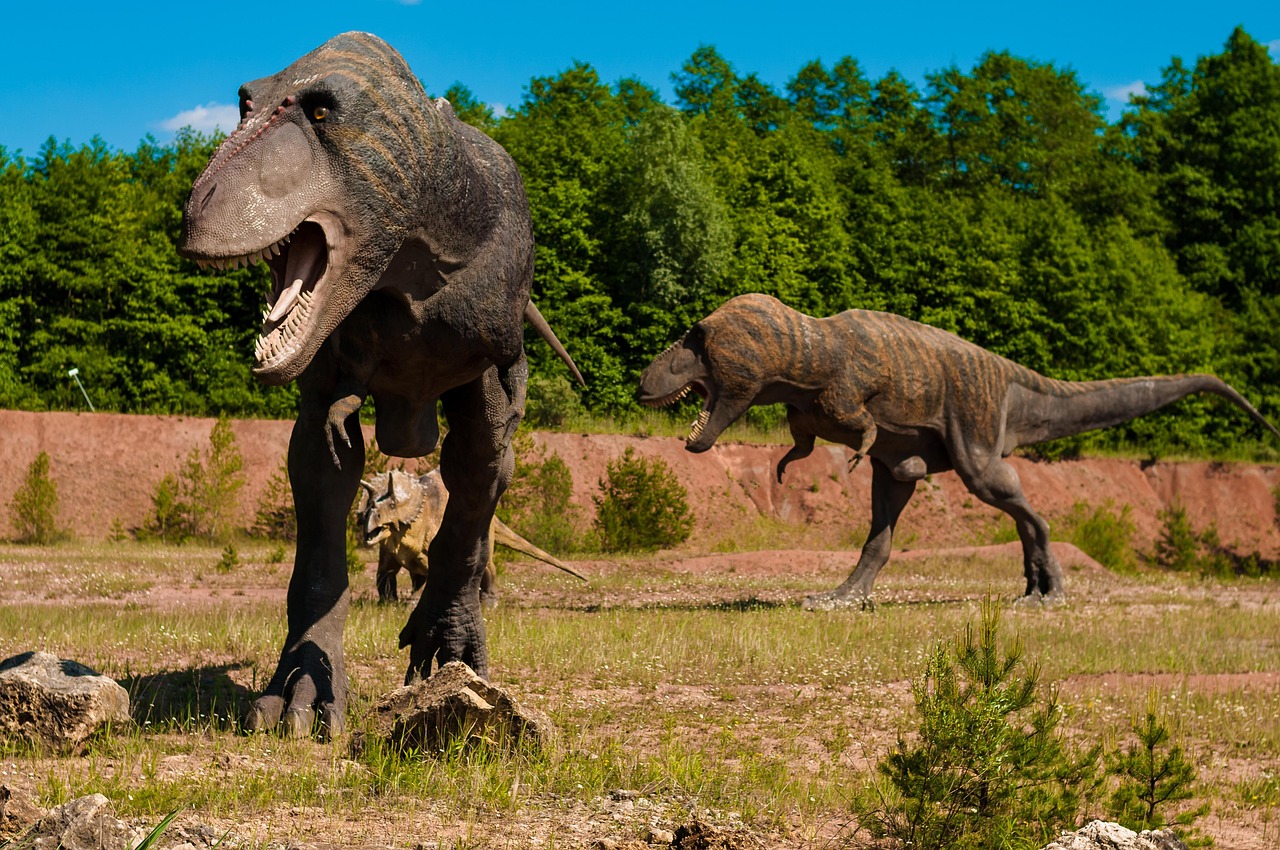
Theropods like T. rex and the “raptors” could not hold their hands with their palms down (called wrist pronation). Nearly every time one of these dinosaurs were drawn, it was with inaccurate wrist pronation (24.3% of all errors). Easy way to remember: they were clappers, not slappers. This might seem like a tiny detail, but it’s one of those things that immediately tells you whether the artist did their homework.
Another frequent error involves basic anatomy. This one image shows 3 of the major errors: teeth that are all the same; incorrect number of fingers and toes; pronated wrists. In case you forgot, T. rex only has 2 fingers and 3 toes. These mistakes might seem minor to casual readers, but they’re glaring to anyone with even basic paleontological knowledge.
The Bone Wars Get the Graphic Novel Treatment
Bone Sharps, Cowboys, and Thunder Lizards: A Tale of Edward Drinker Cope, Othniel Charles Marsh, and the Gilded Age of Paleontology is a 2005 graphic novel written by Jim Ottaviani. The book tells a fictionalized account of the Bone Wars, a period of intense excavation, speculation, and rivalry in the late 19th century that led to a greater understanding of dinosaurs and other prehistoric life.
What makes this particularly interesting is how the author handles historical accuracy. Finding Cope and Marsh unlikeable and the historical account dry, he decided to fictionalize events to service a better story. Some conversations, due to their private nature, were fictionalized. This raises an interesting question about how much creative license is acceptable when depicting real scientific history.
When Feathers Meet Comics (Or Don’t)

If I have one complaint about the accuracy of the animals, it’s that several species have remained scaly even when their fossils now unequivocally show feathers or filaments. Still, I admit that I find this less irritating than I do the lack of feathers in that other major dinosaur franchise launched in 1993. The feather revolution in paleontology has been one of the biggest game-changers, yet many graphic novels haven’t caught up.
The artwork is dynamic and exciting, and generally pretty accurate, though there is definitely a bit of a bias towards scaly dinosaurs, and the feathered theropods have a bit of that early-2000s look. This reflects a common problem in prehistoric media: the visual language of “what dinosaurs should look like” is hard to shake, even when new evidence emerges.
Educational Potential vs. Entertainment Value
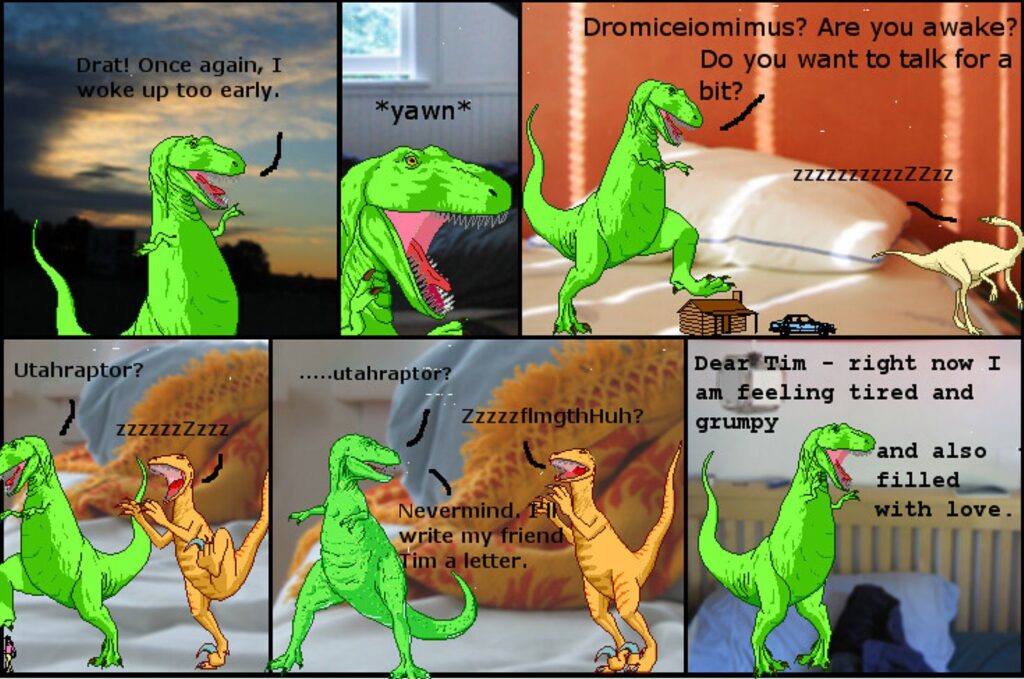
Comic books are an increasingly popular medium, yet their educational potential has been under-utilized. Moreover, dinosaurs and other ancient animals are frequently featured in comic books. This seemed like the perfect opportunity to fuse two things I love and see what was the potential for paleontology informal education through comic books.
The challenge is balancing scientific accuracy with compelling storytelling. First step for the study was to review comics for scientific accuracy to build up a sample and find where the common errors are. I read and evaluated 150 different comics to start with from 66 different titles and 18 different publication companies ranging from 1964 to 2017. This kind of systematic analysis reveals patterns in how prehistoric life gets portrayed.
The Rise of Scientifically-Informed Publishers
Rextooth Studios is a publisher telling stories about the awesome creatures that have called – and still do call – our planet home. Explore the fascinating natural history of our planet with Rextooth Studios through thrilling stories and fantastic illustrations that bring massive dinosaurs, prehistoric mammals, and lost creatures from deep time back to life.
The bottom line is Rextooth Studios produces cool stories with a focus on science education. We tell captivating stories based in science and natural history. This represents a growing trend where publishers are explicitly prioritizing scientific accuracy alongside entertainment value, recognizing that readers want both thrills and truth.
The Europasaurus Example: Research Meets Art
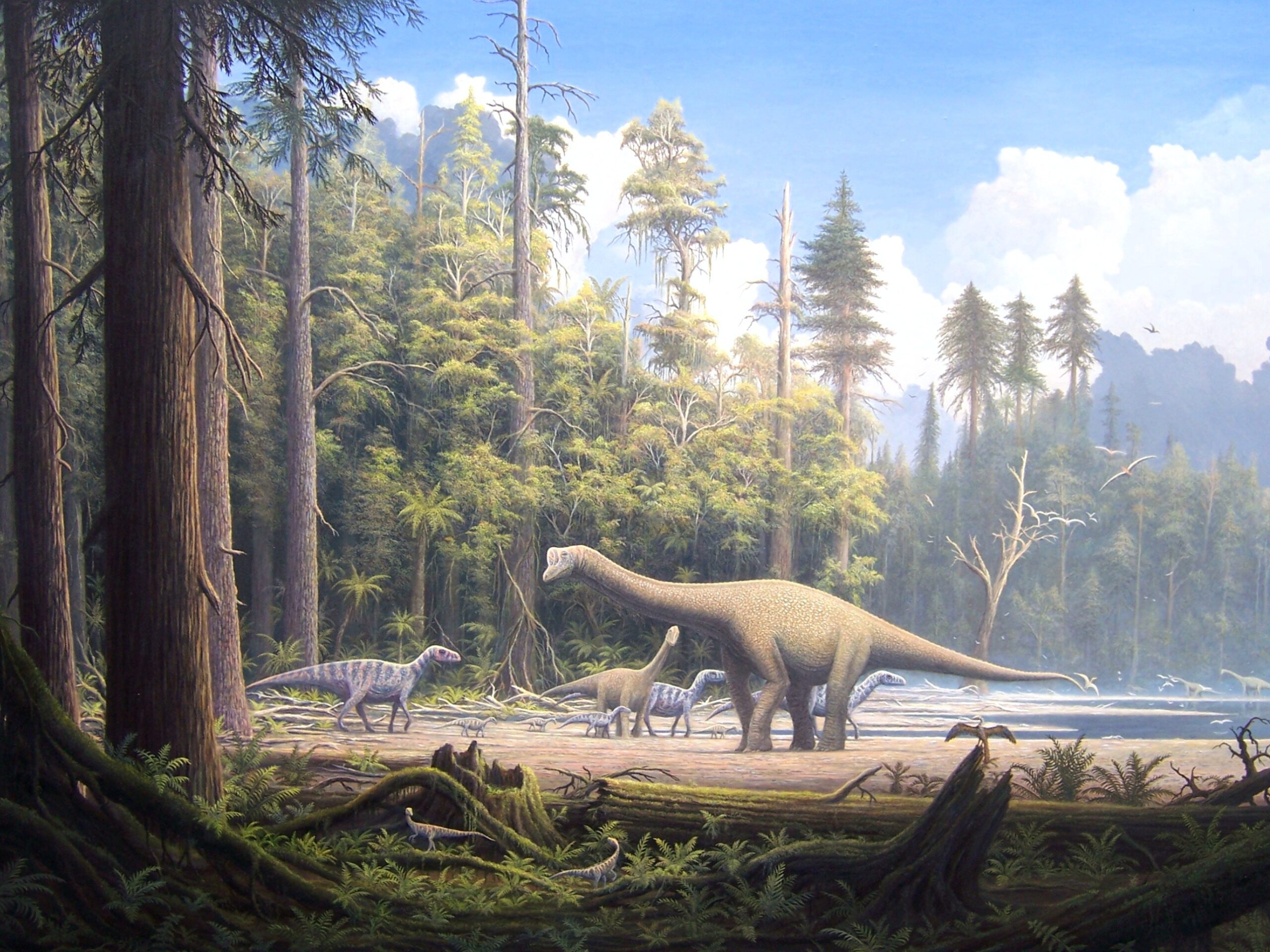
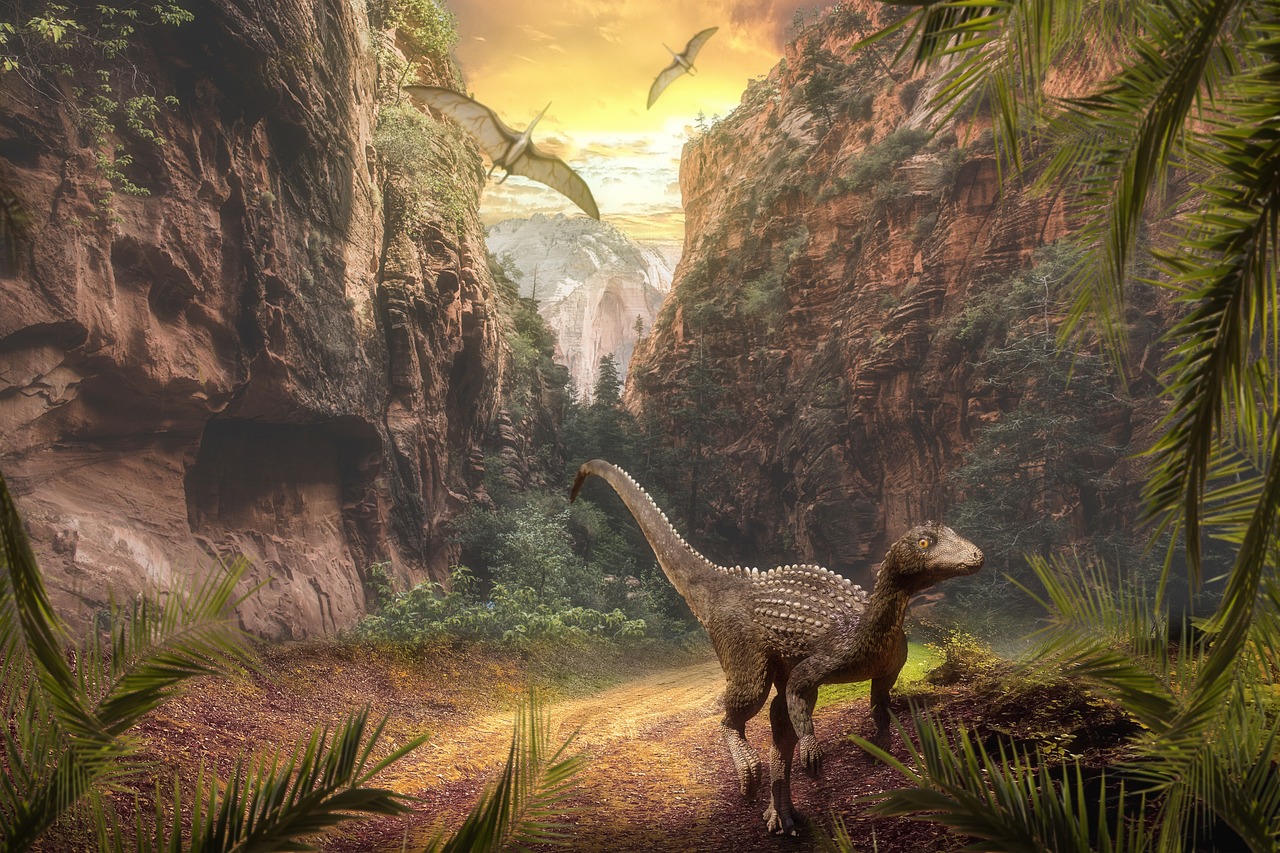
This non-verbal comic presents the results of a paleontological research project on a Late Jurassic terrestrial biota from northern Germany in both a scientifically accurate and an easily understandable way, based on the way of life of various organisms and their habitats. This represents the gold standard for how graphic novels can bridge the gap between academic research and public understanding.
EUROPASAURUS: Urzeitinseln voller Leben – Life on Jurassic Islands. A beautiful graphic novel that depicts the life of a juvenile Europasaurus and its surroundings, based on actual fossil finds in Germany. When graphic novels are directly based on real paleontological research, they become powerful tools for science communication that reach audiences textbooks never could.
The evolution of prehistoric life in graphic novels reflects our changing understanding of ancient worlds. While some creators nail the balance between scientific accuracy and compelling storytelling, others get caught up in outdated misconceptions or prioritize spectacle over substance. The best prehistoric graphic novels manage to respect both the science and the story, creating works that educate as much as they entertain. As paleontology continues advancing at breakneck speed, the real challenge for creators will be keeping up with discoveries that keep rewriting what we thought we knew about life on ancient Earth.