
You’ve probably heard it a thousand times: “Know thyself.” Easy to say, right? Honestly though, actually doing it is a different story altogether. Self-awareness isn’t just some trendy buzzword that pops up in wellness blogs or LinkedIn posts. It’s the ability to recognize your thoughts, emotions, and behaviors, and once you truly grasp this skill, everything else starts falling into place. Relationships improve. Decisions become clearer. You stop feeling like you’re just reacting to life and start actually living it intentionally.
Here’s the thing: your inner world is vast, complex, and constantly shifting. Think of it as your personal cosmos, filled with patterns, memories, triggers, and desires that influence every single thing you do. The journey to understanding this inner landscape isn’t always comfortable. Sometimes it means confronting things you’d rather ignore. Yet the rewards are worth every uncomfortable moment. So let’s dive in and explore how you can become the expert navigator of your own consciousness.
Understanding the Foundation of Self-Awareness

Self-awareness goes way deeper than simply knowing your favorite color or what makes you angry. Research suggests building self-awareness is a golden ticket for success and fulfillment, which is pretty significant when you think about it. You’re essentially learning to observe yourself as if you were a friendly outsider, noticing what makes you tick without harsh judgment or defensiveness.
You recognize your own emotions and how they affect your thoughts and behavior, know your strengths and weaknesses, and have self-confidence. This foundational understanding creates a ripple effect throughout your entire life. When you understand why you react the way you do, you gain the power to choose different responses. It’s like having a user manual for your own mind.
The Body-Mind Connection You’ve Been Ignoring
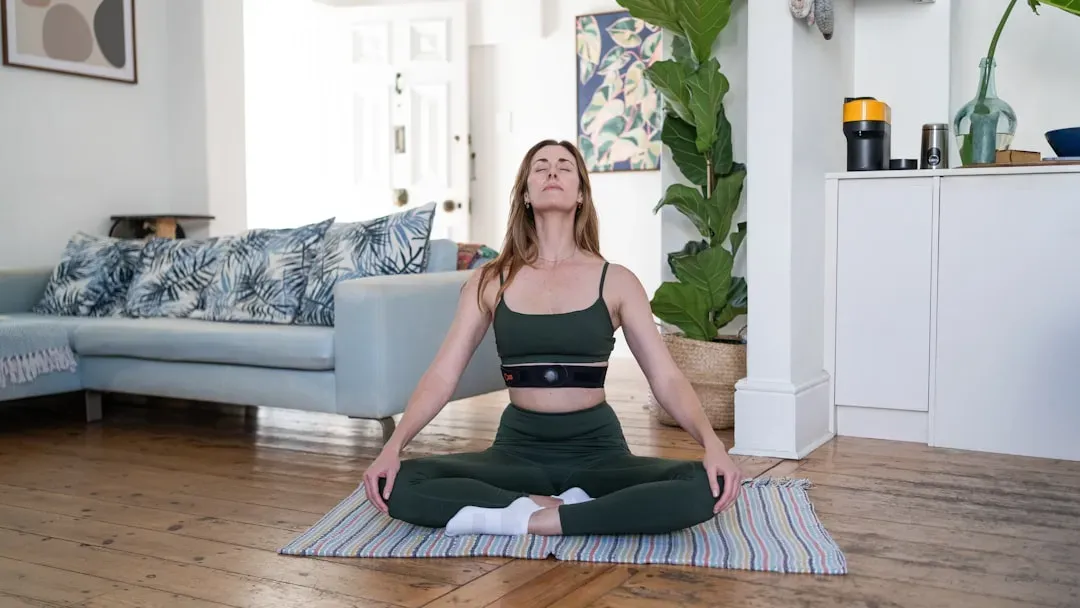
Let’s be real: most of us live primarily in our heads. We think, analyze, and overthink until we’re exhausted. Meanwhile, our bodies are screaming messages at us that we completely ignore. To reforge these connections, we must learn how to sink our awareness into the body.
Notice your body’s signals three times daily: morning, midday, and evening – where are you holding tension, is your jaw clenched, are your shoulders up by your ears, as this emotional awareness practice helps you connect physical sensations to emotional states. Your body knows things before your conscious mind catches up. That knot in your stomach before a meeting? That’s information. The tightness in your chest during certain conversations? More data. Start paying attention.
Journaling as Your Truth Mirror

I know journaling sounds cliché, almost too simple to be effective. Yet regular documentation of emotions, behaviors, and decisions fosters metacognition, and research in cognitive psychology shows journaling improves emotional regulation and helps individuals identify patterns. The key isn’t writing novels about your day.
The thought diary should be less of an emotional exercise and more of a fact-finding mission – in other words, leave judgment out of it. Track your automatic reactions. Note what was happening when you felt triggered. Over time, you’ll spot patterns you never noticed before. It’s like having a detective investigating your own mind, and the findings can be genuinely surprising.
Mindfulness Practices That Actually Work

When mindfulness is practiced, behavior becomes more intentional, and increased self-awareness develops. Forget the image of sitting cross-legged for hours while trying to empty your mind. Mindfulness is the basic human ability to be fully present, aware of where we are and what we’re doing, and it’s more readily available when we practice on a daily basis.
You can practice mindfulness while washing dishes, walking to your car, or drinking your morning coffee. The easiest way is to simply start to notice what is happening around you and inside of you on a regular basis – the next time you have a feeling of discomfort or pain, stop and notice it. No special equipment required. Just genuine attention to the present moment.
The Mirror Others Hold Up to You

This one’s tough. Asking a friend to clarify your strengths and weaknesses can be a significant pathway to self-awareness, and while many people believe they are self-aware, having an outside perspective is helpful in a clearer understanding. The version of yourself that you see isn’t always the version others experience.
Experience and power may be a hindrance to self-awareness, as those at the top tend to overestimate their abilities because they don’t have as many opportunities to build external awareness. Ask people you trust for honest feedback. Yeah, it might sting a bit. However, those blind spots they illuminate could be exactly what’s holding you back from deeper connections and better leadership.
Emotional Intelligence as Your Compass

Self-awareness is identified as one of the five core components of emotional intelligence, and individuals with higher self-awareness are better equipped to understand their emotional triggers, manage stress, and make thoughtful decisions. Think of emotional intelligence as your internal GPS for navigating relationships and challenges.
Self-awareness is the foundation of emotional intelligence, and by understanding emotional triggers and behavioral patterns, individuals can regulate their responses, making them more empathetic leaders and effective team players. When you recognize that surge of anger before it takes over, you can pause and choose your response. That split second of awareness changes everything.
Breaking Free from Autopilot Mode

Most of us go through the day on autopilot – thoughts and feelings fill our minds, and we don’t notice them, but practicing mindfulness allows you to know what is happening in your mind and body. Honestly, how many times have you driven somewhere and realized you don’t remember the journey at all?
Micro-observations are tiny moments of noticing throughout your day – these aren’t time-consuming exercises; they’re quick mental snapshots that take literally seconds. Set random alarms on your phone. When they go off, pause and check in with yourself. What am I feeling right now? Why? These small interruptions to autopilot gradually rewire your brain toward greater awareness.
The Power of Self-Reflection Rituals

By regularly examining our thoughts, feelings, and actions, we gain insights that drive improvement, and this introspection helps identify strengths and weaknesses, allowing us to set realistic goals. The trick is making reflection a regular practice rather than something you only do during a crisis.
Carving out a specific time each day for reflection can establish a habit – whether it’s in the morning or before bed, a quiet space encourages deeper contemplation. Even just ten minutes. Review your day without harsh criticism. What went well? What would you do differently? This simple habit compounds over time, creating profound shifts in how you understand yourself.
Transforming Your Future Through Inner Awareness

Self-awareness allows individuals to identify their strengths, acknowledge their weaknesses, and comprehend how emotions influence behavior – more than just a skill, it’s a transformative tool that fuels growth, enhances decision-making, and strengthens relationships. The beautiful paradox is that the more you understand yourself, the better you understand others too.
Consistent introspection fortifies resilience and adaptability, building a robust emotional foundation that supports mental health and well-being, and as we transform challenges into learning experiences, we cultivate greater self-awareness, ultimately enriching our relationships. You become less reactive, more intentional. Life stops happening to you. Instead, you start co-creating your experience with conscious awareness.
Conclusion: Your Ongoing Inner Expedition

Mastering self-awareness isn’t a destination with a finish line. It’s an ongoing expedition through ever-changing inner terrain. Some days you’ll have breakthrough insights that reshape everything. Other days you’ll feel like you’re back at square one. That’s completely normal.
The practices we’ve explored here aren’t meant to be perfected. They’re tools you’ll return to again and again throughout your life, each time discovering new layers of yourself. Self-awareness is not a destination but a lifelong practice – commit to this journey, and embrace the growth and self-discovery that it brings.
Start small. Pick one technique that resonated with you. Maybe it’s the body awareness check-ins three times daily, or perhaps journaling without judgment feels more accessible. Whatever you choose, commit to it for just two weeks and notice what shifts. Your inner cosmos is waiting to be explored. What aspect of yourself will you discover first?