If you think modern climate change or supervolcanoes are scary, wait until you look back a few hundred million years. Again and again, Earth has come terrifyingly close to becoming a dead rock in space, and you are only here because life managed to crawl, swim, or sprout its way back from the brink each time. These disasters were not just bad days for dinosaurs or trilobites; in several cases, nearly every complex creature on the planet vanished.
When you walk outside and see birds, trees, dogs, and people going about their day, you are seeing the lucky survivors of a brutal planetary lottery. The story of life on Earth is not a gentle upward curve but a series of crashes, restarts, and narrow escapes. As you read through these nine prehistoric catastrophes, you will start to feel how fragile “normal” really is – and how much sheer chance is baked into your existence.
1. The Great Oxygen Catastrophe: When Breathing Became Deadly
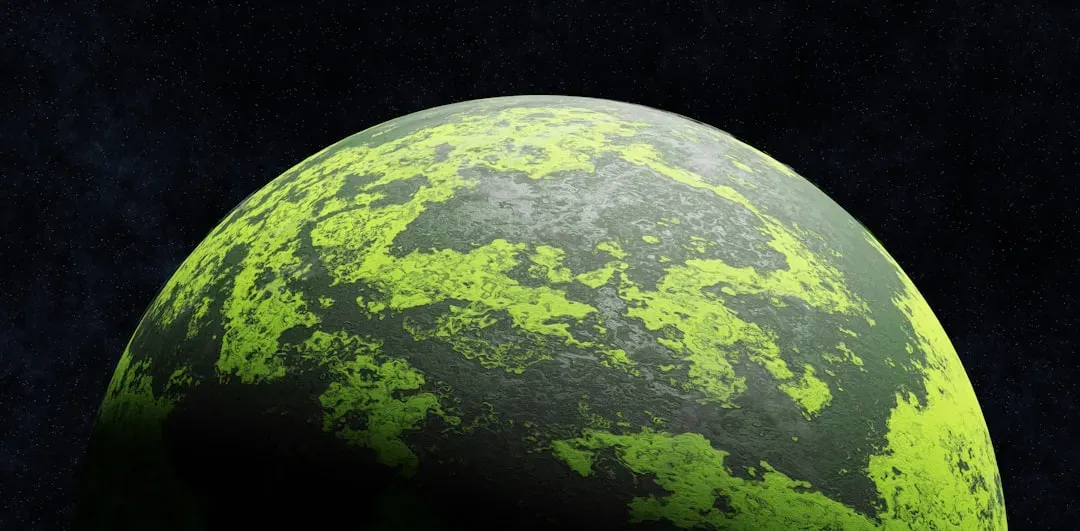
Imagine waking up tomorrow to find that the air you breathe has turned into poison for almost every living thing, while a few odd microbes suddenly thrive. That is essentially what happened more than two billion years ago during what scientists often call the Great Oxygenation Event. Before this disaster, Earth’s oceans were dominated by tiny organisms that did just fine in a world with almost no oxygen, relying instead on other chemical pathways to survive.
Then cyanobacteria – simple microbes able to use sunlight and water to release oxygen – went into overdrive. As they pumped oxygen into the oceans and then the atmosphere, they fundamentally rewrote the rules of life on Earth. For the organisms adapted to an oxygen-poor world, this new gas was incredibly toxic. Vast numbers of them died off, and the chemistry of the oceans changed so drastically that many habitats simply vanished. You owe your ability to breathe to this ancient crisis, but if you had been around then, that same oxygen would probably have killed you.
2. Snowball Earth Glaciations: A Planet Locked in Ice
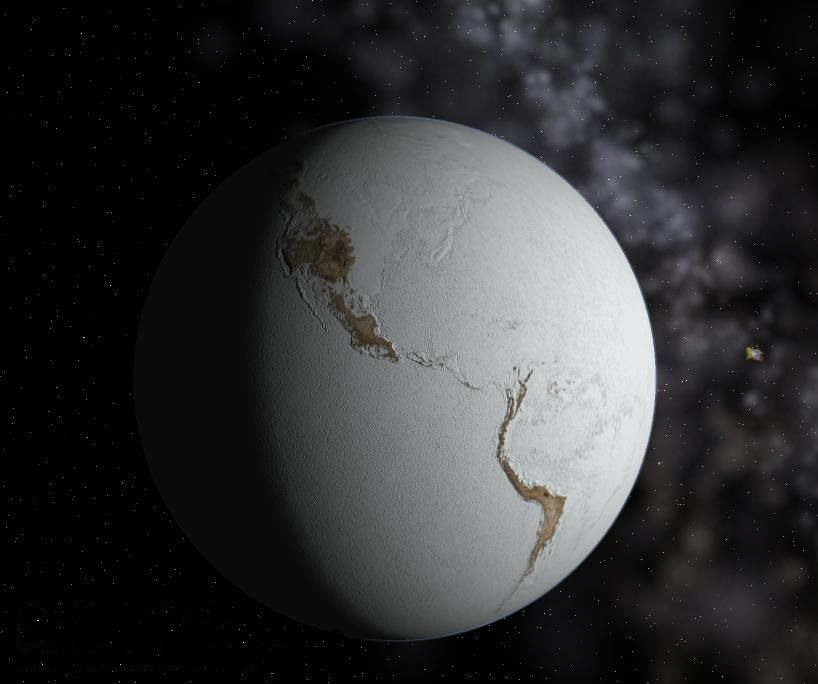
Now picture Earth not as the blue marble you know, but as a white, frozen world from pole to pole. During several episodes over six hundred million years ago, glaciers may have crept all the way down to near the equator, turning the planet into something close to a global iceball. You would not have found forests, reptiles, or even fish – only hardy microbes and simple multicellular organisms hiding out wherever a bit of liquid water remained.
In this icy prison, sunlight bounced off the brilliant white surface, making it even harder for the planet to warm back up. Life seems to have survived only in narrow refuges, such as cracks beneath the ice or areas where volcanoes kept pockets of water from freezing solid. When volcanic gases finally built up enough to trigger a dramatic greenhouse warming, the ice retreated. Out of that post-glacial world, you later see an explosion of complex life. So in a strange twist, one of the harshest freezes in Earth’s history may have helped set the stage for the rich ecosystems you recognize today.
3. The End-Ordovician Mass Extinction: Oceans Turned Against You
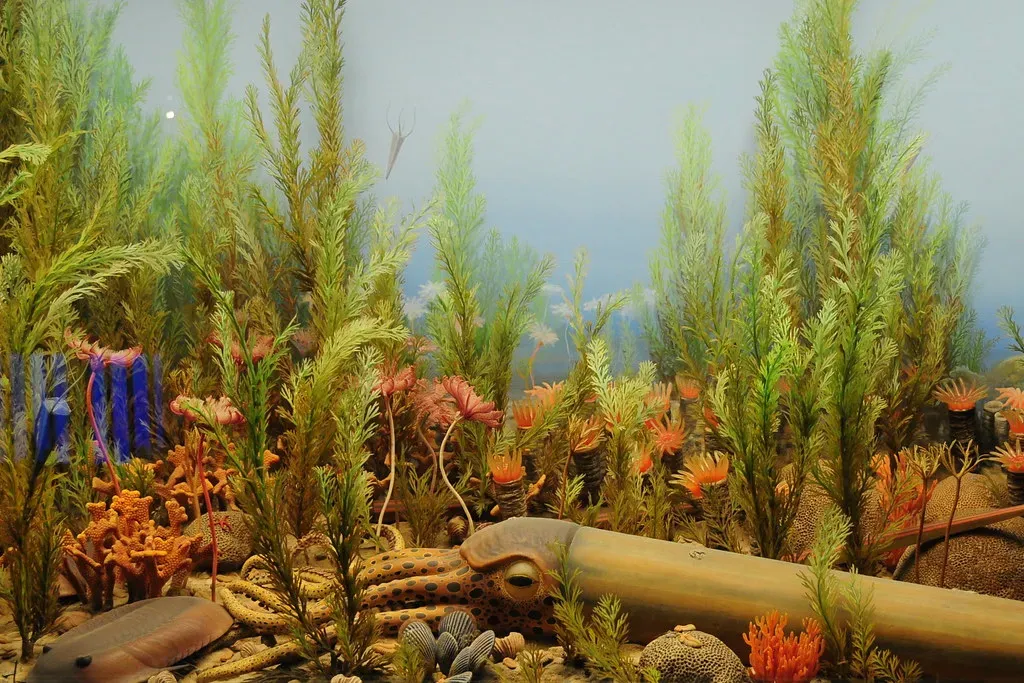
If you had lived about 445 million years ago, your entire world would have been the sea. Land was mostly barren, but the oceans were full of bizarre early life: trilobites crawling along the seafloor, shell-covered creatures filtering water, and strange jawless fish gliding through the currents. Then a one-two punch of climate chaos struck and wiped out the majority of marine species. You might think of it as the first big mass extinction that attacked complex ocean life head-on.
Evidence suggests rapid global cooling, likely linked to changes in atmospheric carbon dioxide and the growth of massive ice sheets, caused sea levels to fall and habitats to shrink. Many coastal environments simply disappeared as water locked up in ice. Later, a swing back toward warmer conditions and changes in ocean chemistry dealt a second blow. If you were a sea creature then, your chances of survival would have dropped sharply, with only a minority of lineages making it through to repopulate the oceans after the climate finally stabilized.
4. The Late Devonian Crises: A Slow-Motion Collapse of Marine Life
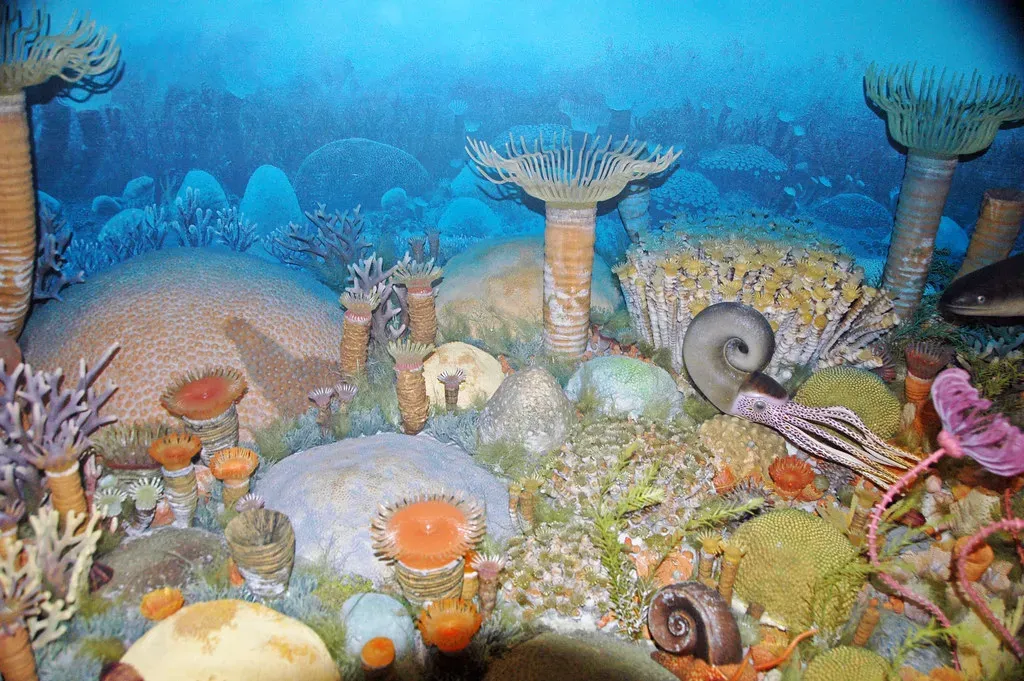
You might imagine disasters as sudden explosions or strikes from space, but during the Late Devonian period, roughly between 380 and 360 million years ago, life endured something more like a drawn-out suffocation. This era is sometimes called the “Age of Fishes” because reefs were thriving and oceans teemed with armored fish and early sharks. Over several million years, however, repeated environmental shocks chipped away at that richness until much of the marine world crumbled.
Instead of one clean “event,” you see a series of crises: ocean anoxia (widespread loss of oxygen), climate fluctuations, and possible volcanic activity. As plants spread across land, they altered weathering and nutrient flow into the seas, which may have triggered stagnant, oxygen-poor waters in many regions. If you had been a reef-dwelling creature, you would have watched your world turn into a dead zone, with once-bustling ecosystems replaced by murky, low-oxygen waters where only a few tough survivors could hang on. By the end of this long decline, a large share of marine species had disappeared, reshaping ocean life for good.
5. The End-Permian “Great Dying”: The Closest Call of All
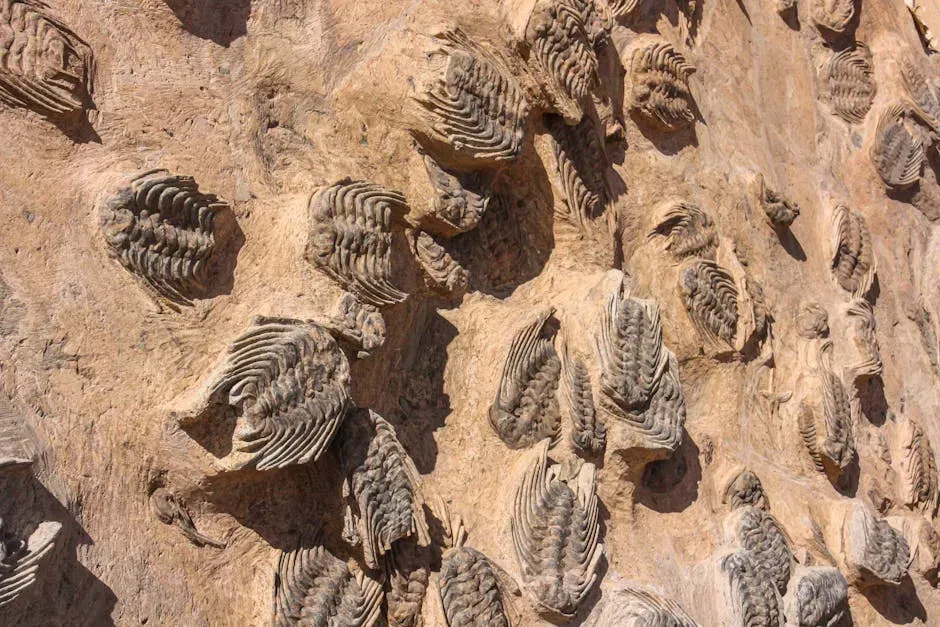
If you want to see just how close Earth came to losing almost every complex organism, you need to look at the end-Permian extinction about 252 million years ago. You are now in a world where continents have merged into a single supercontinent, Pangaea, and life on both land and sea is diverse and well established. Then something goes horribly wrong. By the time it is over, the vast majority of marine species and a huge portion of land species are gone, making this the most devastating mass extinction on record.
Massive volcanic eruptions in what is now Siberia likely poured enormous amounts of greenhouse gases into the atmosphere, driving extreme warming, acid rain, and severe ocean acidification and anoxia. If you were a land animal, you would have faced scorching temperatures, toxic air, and vegetation collapse. In the oceans, oxygen-starved waters and changing chemistry would have wiped out whole ecosystems. This catastrophe was so intense that it took millions of years for biodiversity to recover, and yet your own distant ancestors managed to descend from the tiny fraction of life that squeaked through this planetary bottleneck.
6. The End-Triassic Upheaval: Clearing the Way for Dinosaurs
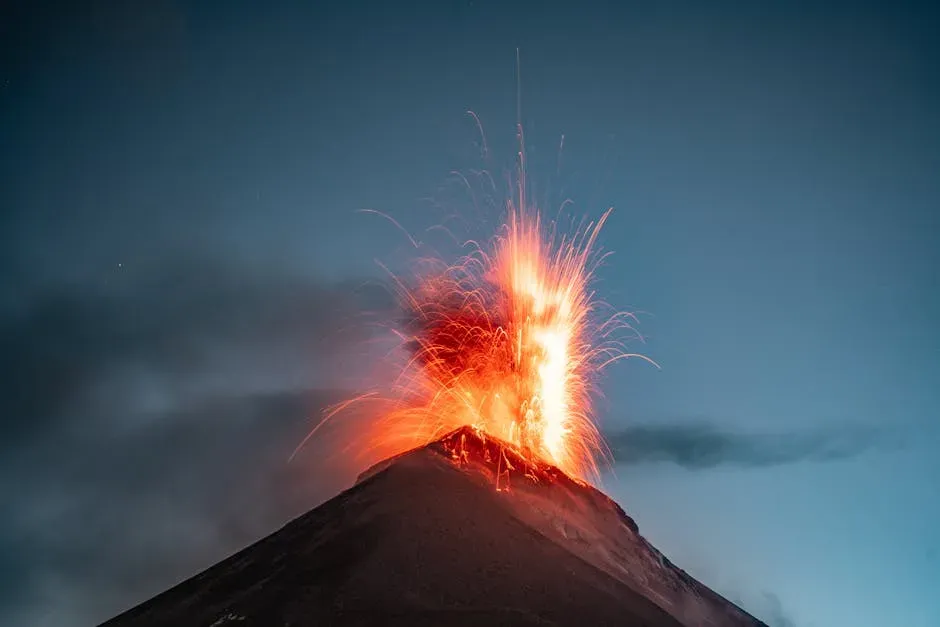
Right before dinosaurs truly took over the planet, you would have found a very different cast of reptiles and early mammals sharing the land. Around 201 million years ago, at the end of the Triassic period, that cast was abruptly shaken up. Extensive volcanic eruptions linked to the breakup of the supercontinent triggered major changes in climate and ocean chemistry. As greenhouse gases surged, temperatures rose and ecosystems lurched into instability.
Many of the dominant reptile groups and numerous marine species could not cope with this sudden environmental whiplash and vanished. Dinosaurs, however, seem to have been among the lucky winners of this reshuffling. If you had walked through a Triassic forest just before this extinction, then checked back a few million years later, you would barely recognize the place. The disaster cleared ecological space that dinosaurs would fill for the next 135 million years, eventually leading to the iconic giants you are so familiar with today.
7. The Chicxulub Impact: The Day the Dinosaurs’ Luck Ran Out
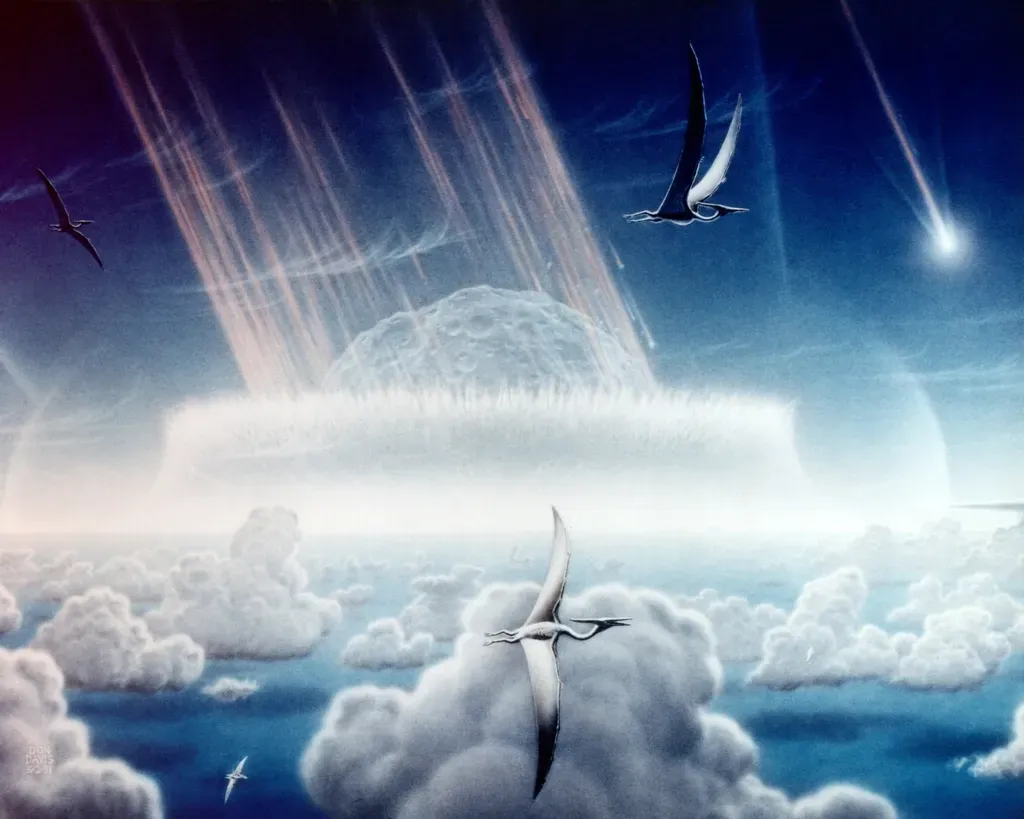
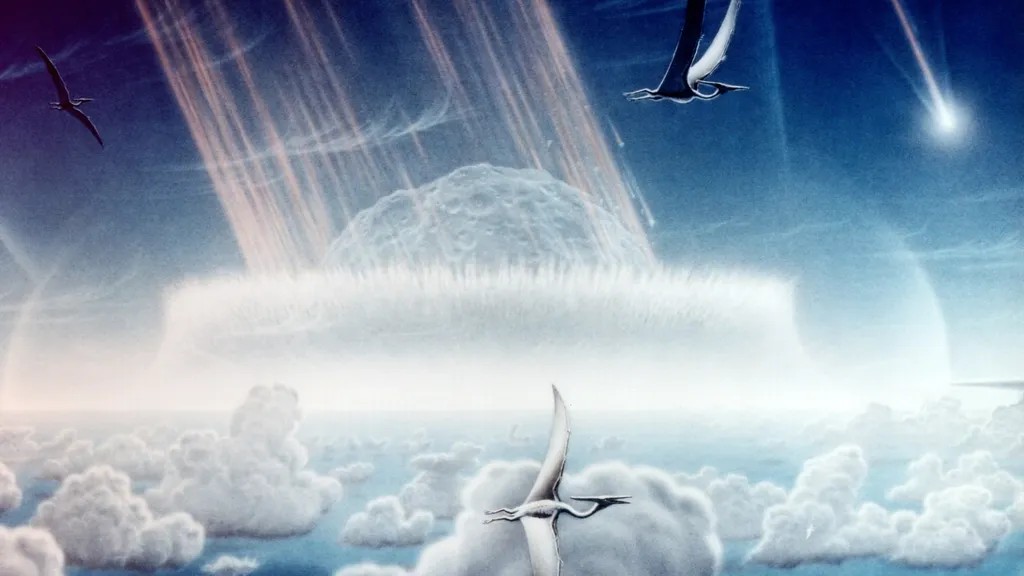
This is the prehistoric disaster you probably know best: the asteroid impact that ended the age of non-bird dinosaurs about 66 million years ago. If you had been standing anywhere near what is now the Yucatán Peninsula, you would have seen a fireball brighter than anything imaginable and felt shockwaves powerful enough to flatten forests far away. Rock and vapor blasted into the atmosphere, and within hours to days, Earth’s climate began to swing wildly.
In the weeks and months that followed, debris in the sky blocked sunlight, plunging the world into a cold, dark “impact winter.” Photosynthesis crashed, food chains collapsed, and many animals that did not die in the initial blast slowly starved. Large dinosaurs on land disappeared, along with many marine reptiles and countless smaller species. Yet some birds, small mammals, crocodilians, and other resilient creatures scraped through. When you see a robin or a pigeon today, you are looking at the distant descendants of dinosaurs that somehow survived one of the worst days in the planet’s history.
8. The Paleocene–Eocene Thermal Maximum: A Sudden Fevered World
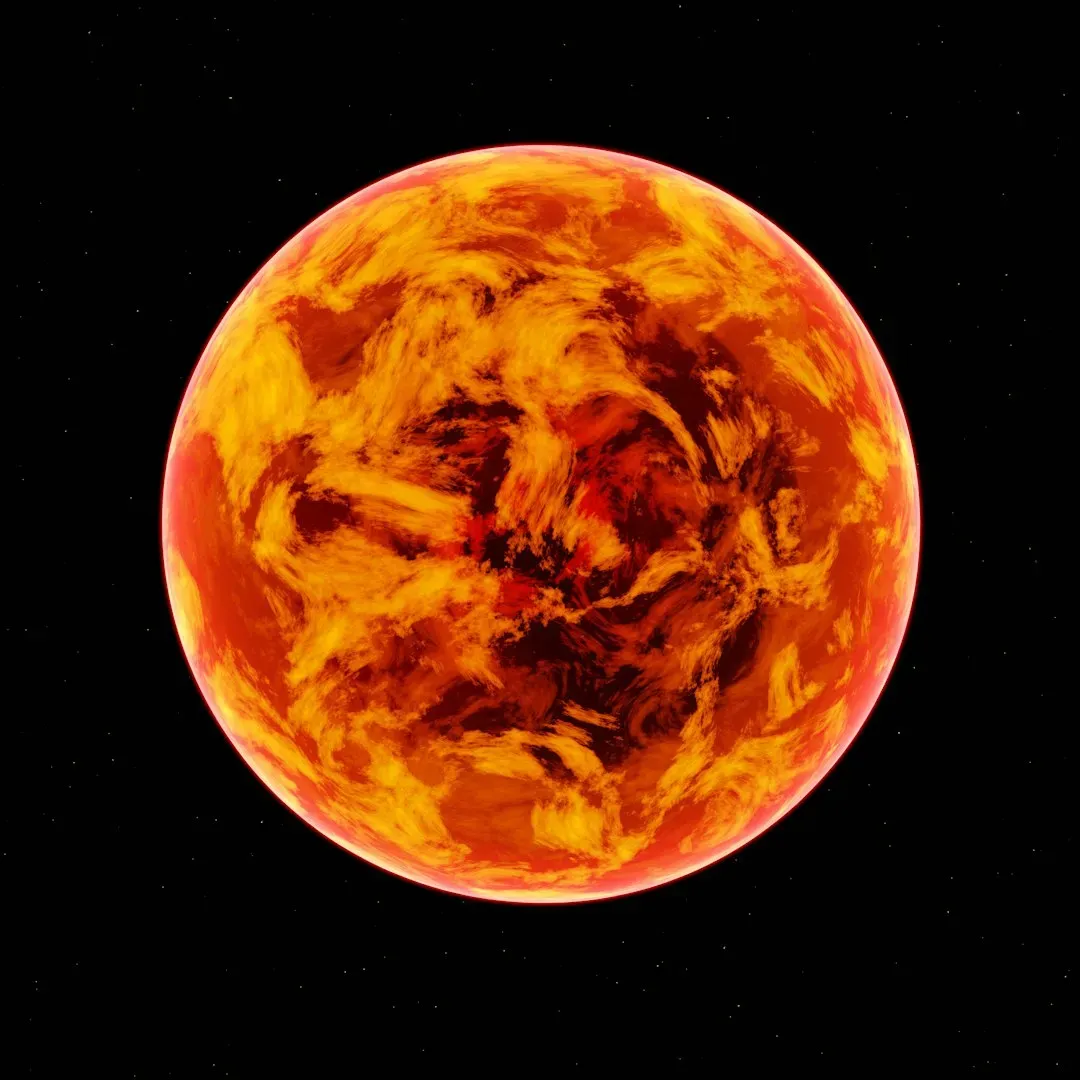
Now jump to a time long after the dinosaurs, about 56 million years ago, when you would already recognize mammals beginning to diversify across the globe. During the Paleocene–Eocene Thermal Maximum, Earth went through a sudden and dramatic burst of global warming, likely driven by a rapid release of carbon into the atmosphere and oceans. Temperatures climbed several degrees in a geologically short interval, transforming habitats worldwide.
Instead of an instant wipeout, this disaster squeezed life through a different kind of pressure: heat and acidifying seas. Some deep-sea organisms suffered major losses, and animals on land were forced to migrate, shrink in body size, or adapt quickly to new conditions. If you were a mammal in this world, you might have been pushed to higher latitudes or elevations just to find tolerable climates. What makes this event especially unsettling for you today is how it offers a rough, ancient parallel to modern human-driven warming, reminding you how sensitive Earth’s systems can be to rapid carbon shifts.
9. The Younger Dryas Crash: When the Ice Age Tried to Come Back
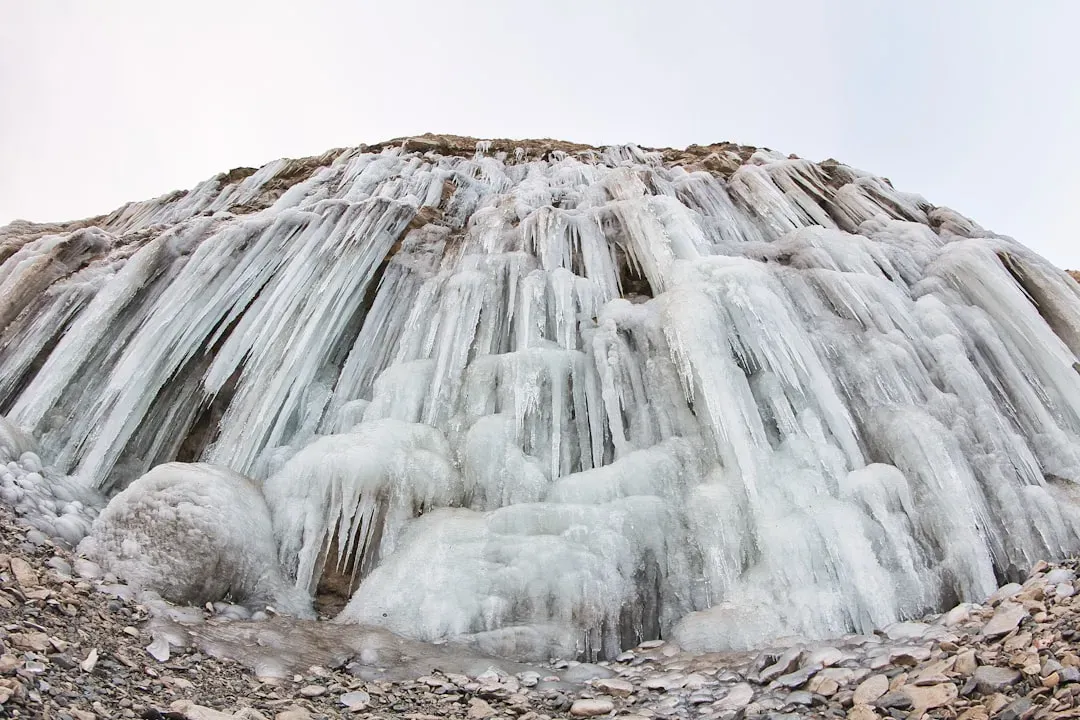
The last disaster on your list is surprisingly recent, geologically speaking. Around 12,800 years ago, just as the last Ice Age was winding down and humans were spreading into new territories, the climate suddenly lurched back toward colder conditions in many regions. This episode, called the Younger Dryas, slammed the brakes on warming in parts of the Northern Hemisphere. You would have felt it as a sharp return of glacial cold after a hopeful thaw.
The exact trigger is still debated, with ideas ranging from massive meltwater pulses disrupting ocean circulation to possible impact-related scenarios, but the effects on ecosystems were very real. Many large Ice Age animals were already under pressure from changing climates and expanding human activity, and this abrupt chill did not help. If you were a hunter-gatherer then, you would have faced shifting animal populations, altered plant communities, and new survival challenges. Yet even here, life and human cultures adapted once more, and as the Younger Dryas ended, the climate stabilized into the relatively gentle conditions in which all of recorded history unfolds.
Conclusion: You Are Living on a Survivor Planet
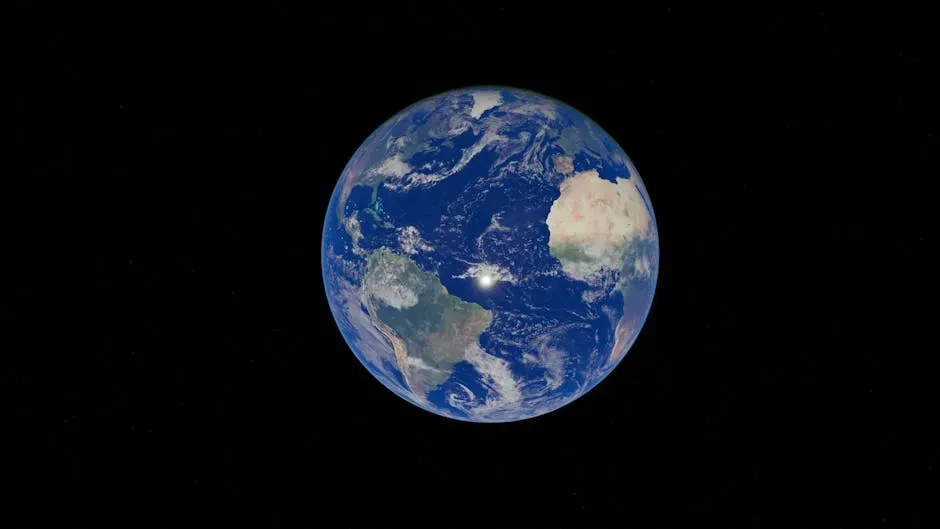
When you line up these nine prehistoric disasters, you start to see Earth not as a calm, stable home, but as a place that has repeatedly swung between extremes. Oxygen once acted like a toxin, ice nearly smothered the globe, fire and lava reshaped continents, and rocks from space turned thriving worlds into graveyards. Each time, life came close to losing almost everything, and each time, a stubborn remnant endured. You are a direct beneficiary of that stubbornness, built on layer after layer of survival against ridiculous odds.
Thinking about this can be oddly grounding. The world around you feels solid and dependable, but history shows you that “normal” is fragile and temporary. At the same time, these ancient catastrophes prove that life can be incredibly resilient, reinventing itself after even the worst setbacks. As you look ahead at your own century, with its very modern environmental risks, you might find yourself asking a simple but uncomfortable question: knowing what life has already survived, what kind of future are you choosing to help create now?