
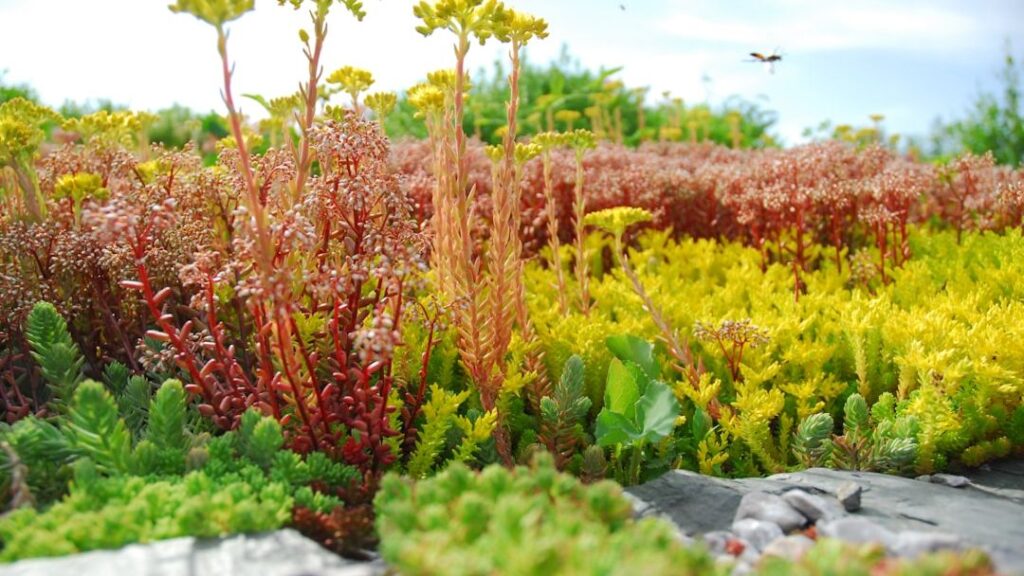
If you could step out of a time machine 400 million years ago and look around, you’d probably think you’d landed on another planet. The air would feel heavier, the colors slightly off, and the “plants” around you would look more like alien sculptures than anything in a modern garden or forest. No flowers, no grass, no familiar trees with broad green leaves. Just strange, towering stalks, giant fungi-like columns, and spiny, segmented stems pushing out of soggy, primeval ground.
It is easy to assume that plants have always looked roughly like the ones we see today, just shuffled around and tweaked. But the fossil record tells a very different story. Early land vegetation was built on a completely different visual and structural language, experimenting wildly before settling into the forms that now dominate Earth. Once you start digging into how those prehistoric plants lived, breathed, and shaped the planet, today’s forests begin to feel like just the latest version of a very long-running beta test.
Land Before Leaves: When Earth Was Covered in Tiny, Alien-Looking Flora
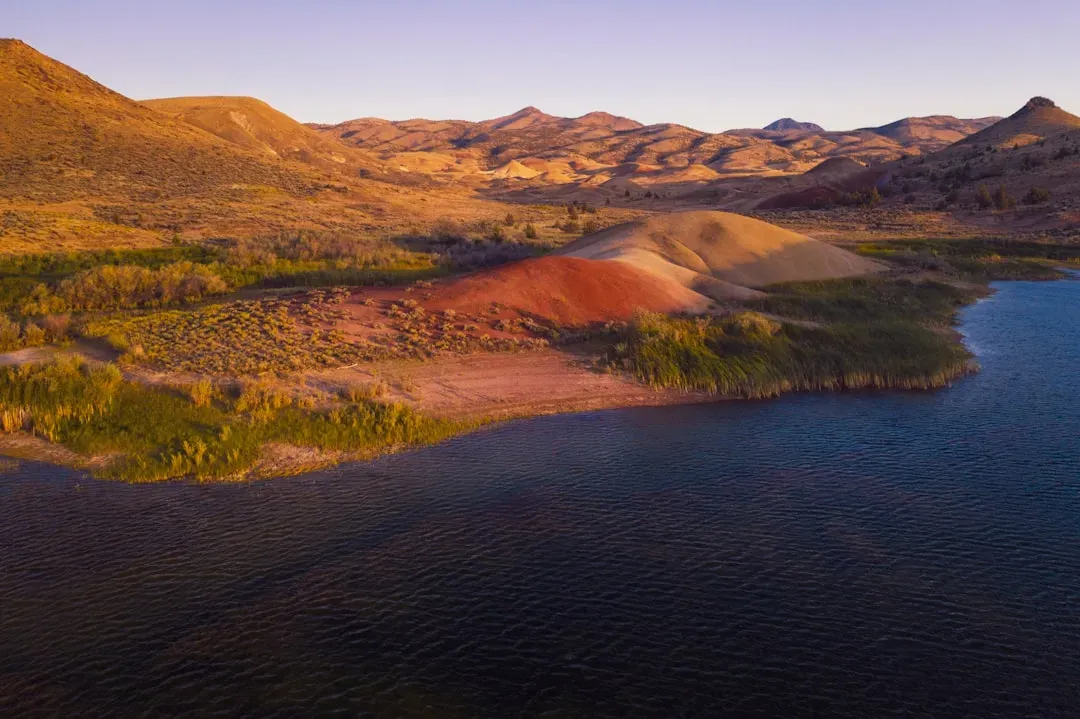
One of the most shocking truths about early plant life on land is how small and strange it was. For a long stretch of Earth’s history, there were no towering trees or shady canopies, just low mats of moss-like plants, wiry stems, and flattened, branching sprigs hugging the ground. If you were expecting a lush Jurassic-style jungle in the early Devonian period, you’d be disappointed; much of the land looked more like a damp, patchy carpet clinging to rocks and mud.
These early pioneers, some of them only a few centimeters tall, lacked the true roots and leaves we take for granted. Instead, they anchored themselves with simple root-like structures and absorbed water across their surfaces, more like sponges than modern shrubs. When I first learned that the earliest known land plants looked more like minimalist doodles than full-featured greenery, it completely rewired how I imagined ancient Earth. Before forests, the planet’s “green” was more an experiment in survival than a finished design.
The Age of Weird Giants: Towering Organisms That Weren’t Quite Trees
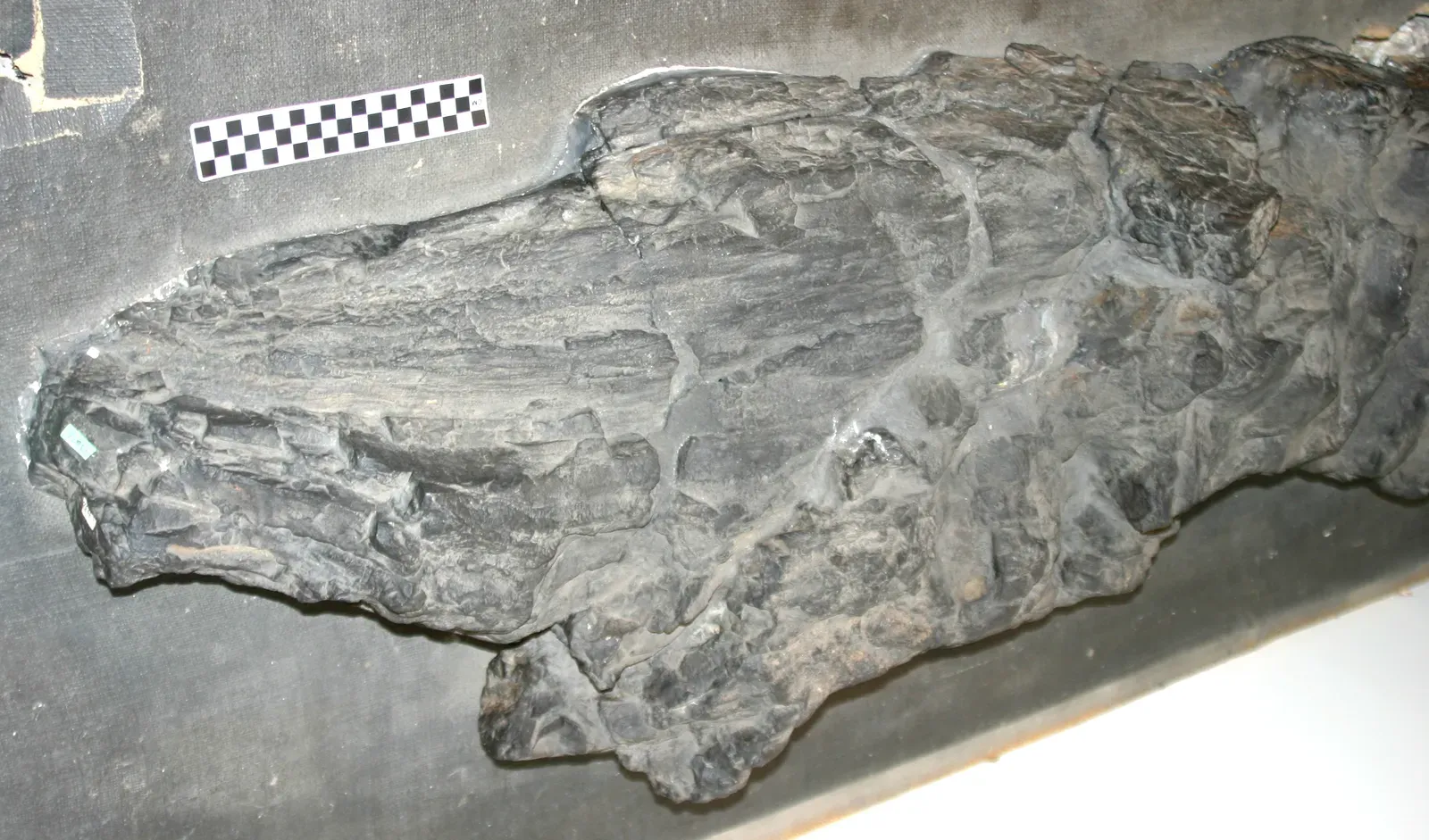
Long before familiar conifers and broadleaf trees took over, Earth was dominated in places by bizarre, towering organisms that still puzzle scientists today. One of the best examples is Prototaxites, a colossal trunk-like structure that could reach the height of a multi-story building, yet did not clearly fit into any modern plant category. Imagine wandering across a prehistoric landscape dotted with huge tapering pillars, closer to giant mushrooms or abstract sculptures than to oak or pine.
The very existence of these giants shows just how experimental early terrestrial life was. Instead of neatly organized tree trunks with annual rings, branches, and leaves, you had these massive, internally complex columns whose exact biology is still debated. To me, this is one of the clearest ways prehistoric “plants” break our modern expectations: the ancient world made space for life forms so structurally odd that if you planted one in a modern park, most people would not even recognize it as part of the plant kingdom.
No Flowers, No Grass: A World Before the Most Familiar Plants Existed
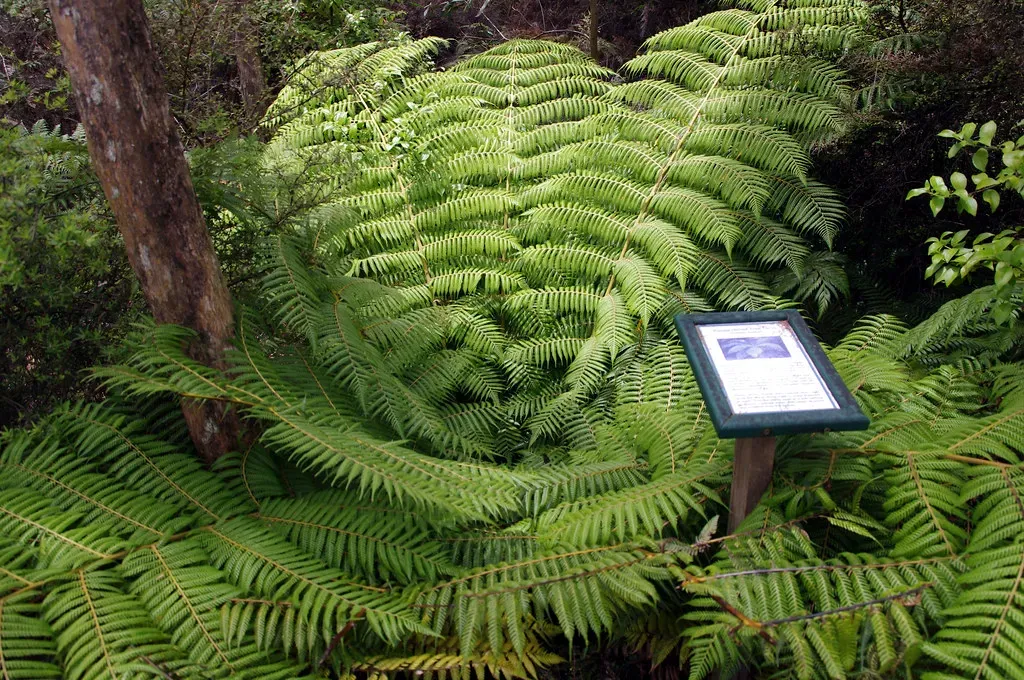
Take a mental snapshot of any modern landscape: chances are you see grass underfoot, flowering plants scattered around, and maybe fruit-bearing trees or shrubs nearby. Now delete all of that. For most of Earth’s history, there were no flowering plants, no lawns, and no fruit in the way we think of it today. The plants that dominated prehistoric landscapes were ferns, horsetail relatives, clubmosses, early conifers, and their kin, relying entirely on spores or naked seeds rather than colorful blossoms.
Flowering plants and grasses are relatively new arrivals in deep time, exploding in diversity only over the last many tens of millions of years. Before that, forests were dense with fronds and needle-like leaves rather than petals and fruits. It is wild to think that the entire aesthetic of modern nature documentaries – the bright flowers attracting pollinators, the waving grasslands – would have been utterly alien across vast stretches of the prehistoric past. In a very real sense, the “standard” plants we know now are the weird newcomers, not the default.
Strange Plant Bodies: Stems Without Leaves and Roots That Barely Deserve the Name
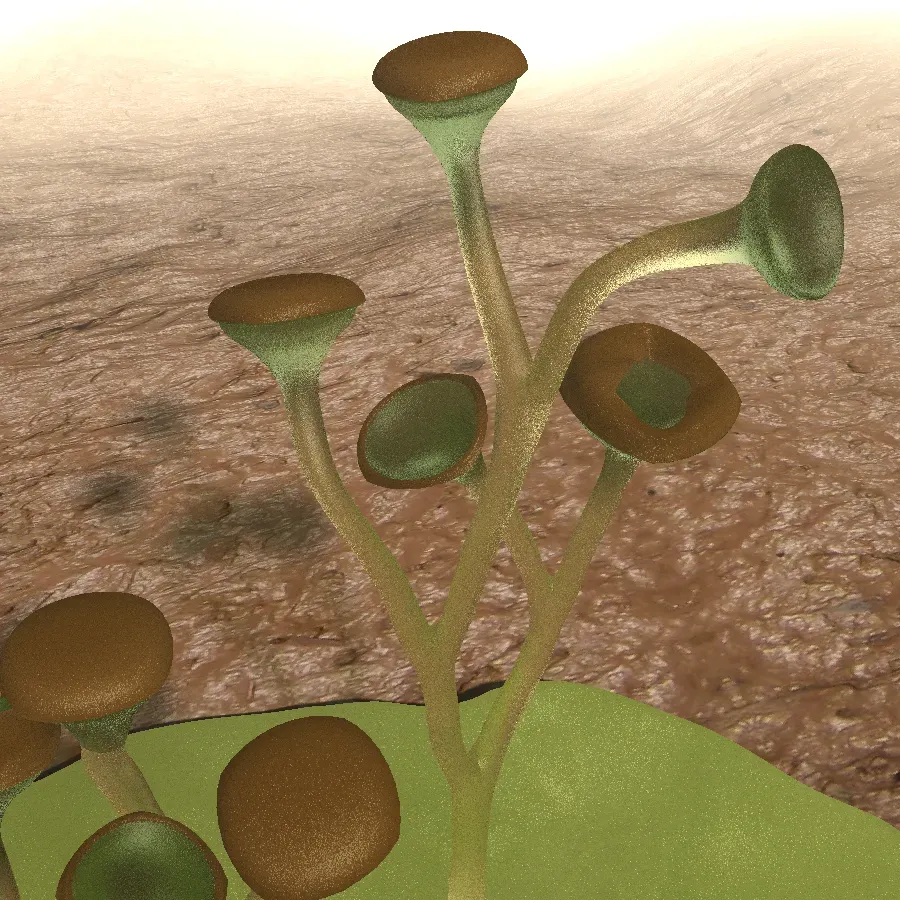
Another way prehistoric plants break the mold is in how their bodies were put together. Early vascular plants like Cooksonia and its cousins were often just simple branching stems ending in spore-producing capsules, with no recognizable leaves at all. Think of a minimalist metal coat rack rather than a leafy houseplant. These plants achieved the basics – transporting water, standing upright, reproducing – without the layered complexity of modern roots, leaves, and flowers.
Even when leaves and roots began to evolve, they were not initially anything like the broad, flat blades or deep taproots we know now. Early “roots” might only have been shallow, simple structures that anchored the plant without penetrating deeply or spreading widely. For me, that undercuts the idea that plant organs are fixed categories; in the prehistoric world, almost everything we now name so confidently – root, leaf, stem – existed in rough drafts and half-formed versions, often blurring the lines between our neat definitions.
Supercharged Atmosphere, Super-Sized Plants: How Ancient Air Shaped Alien Forests
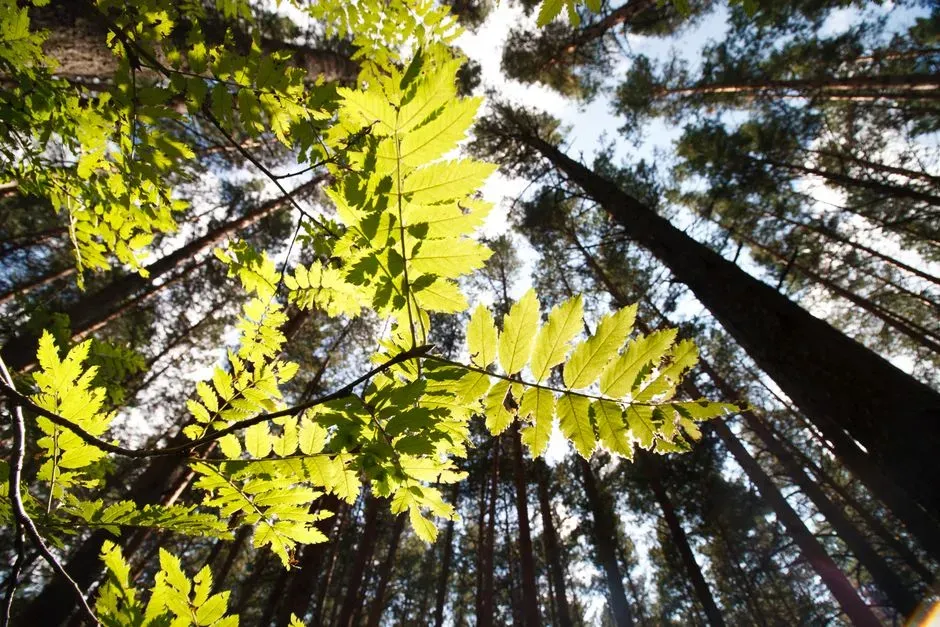
The atmosphere in some prehistoric periods was very different from the air you are breathing right now, and plants responded in dramatic ways. During parts of the late Paleozoic, for example, oxygen levels in the air rose considerably higher than they are today, while carbon dioxide levels also fluctuated wildly. In swampy coal-forming forests, that chemical cocktail, combined with warm climates and vast wetlands, helped support enormous, fast-growing plants like giant clubmosses and horsetail relatives that reached tree-like sizes.
This unusual atmosphere also changed how plants interacted with the rest of life. Dense, moisture-loving forests of spore-producing giants created dim, humid worlds where oversized insects and other creatures thrived alongside them. To modern eyes, these forests would look like a fever dream: towering stems with scale-like patterns instead of bark, huge fronds instead of leaves, and a sky sliced by strange, segmented trunks. It is not just that prehistoric plants were different by chance; they were tuned to a completely different planetary environment.
From Rock to Soil: Ancient Plants Literally Built the World We Walk On
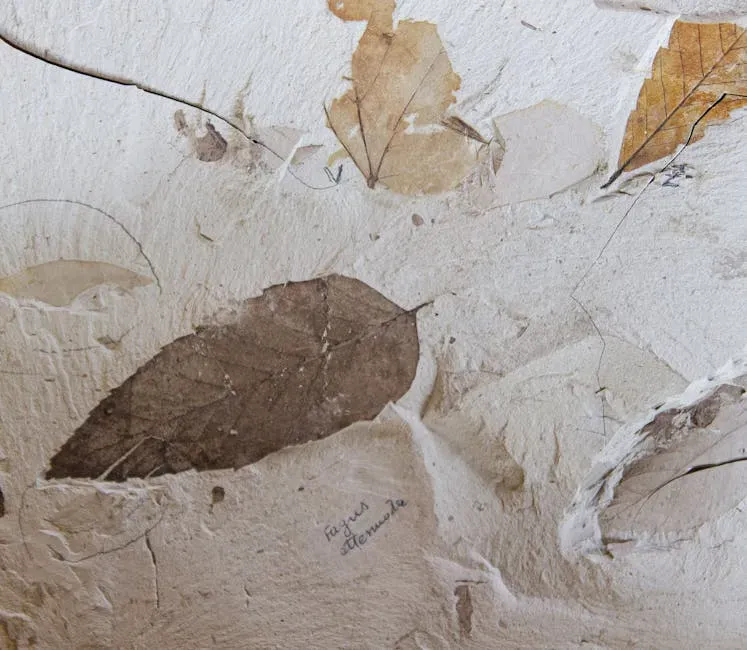
One of the least appreciated ways prehistoric plants differ from modern ones is in the scale of their impact on the planet’s surface. Early plants were not just living on land; they were transforming it. As roots and root-like structures began to spread into rock and sediment, they helped break down minerals, trap sediments, and create the first stable, deep soils. Before that, much of the land would have been bare or only thinly covered in loose material, easily washed away by rain and rivers.
As forests expanded, especially during the great coal-forming ages, plants captured and locked away vast amounts of carbon in their tissues, some of which ended up buried and preserved as coal seams. This long-term carbon storage reshaped the climate over millions of years and influenced oxygen levels in the atmosphere. When you walk through a modern park or hike a forest trail, you are literally standing on layers of ancient plant-produced soil and fossilized organic matter. It is hard to overstate how different Earth itself would look and feel if those early, strange plants had never colonized the land.
Why Today’s Flora Is the Exception, Not the Rule: A Modern Forest Through Prehistoric Eyes
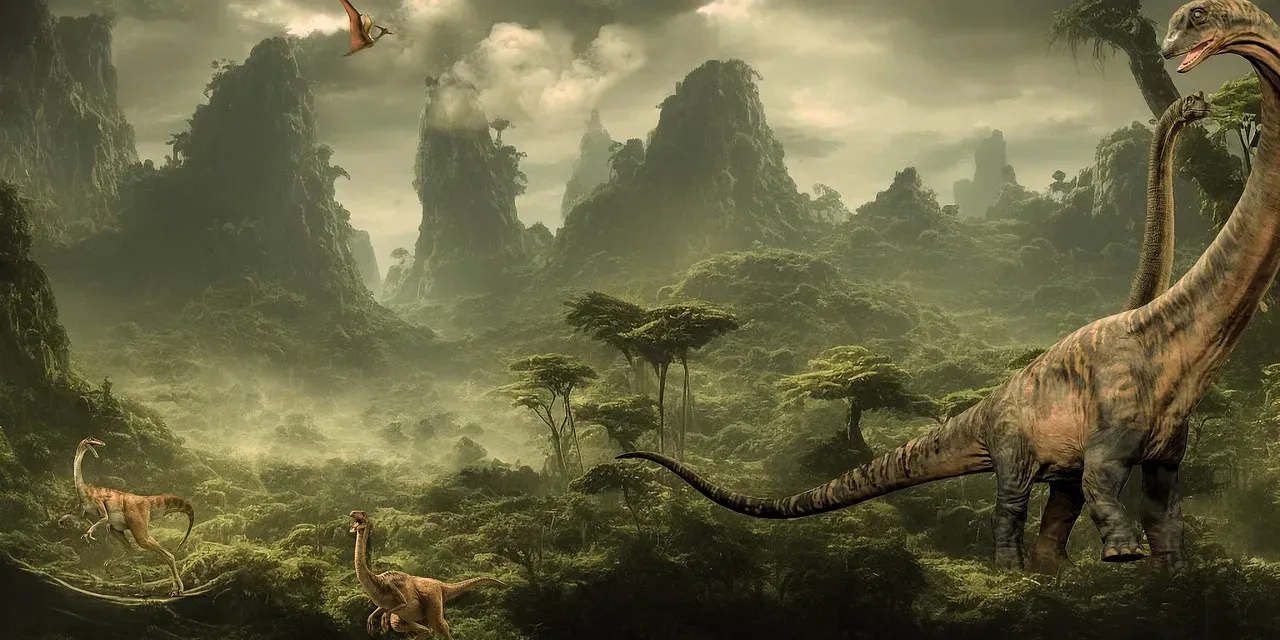
When you flip the time-travel perspective and imagine a prehistoric observer looking at a modern forest, today’s plants start to seem like the odd ones out. Flowering trees with broad leaves, orchards full of fruit, endless grasslands, and lawns would be radical innovations from that point of view, not the baseline. Our current flora is the latest iteration in a long series of ecological experiments, heavily shaped by mass extinctions, climate swings, and evolutionary accidents that wiped out many once-dominant lineages of strange plants.
To me, the biggest mistake we make is treating the present as normal and the past as a rough draft. In reality, prehistoric landscapes were fully developed worlds in their own right, just running on very different rules and designs. If anything, it is modern Earth that looks filtered and simplified, with many of the wildest plant forms long gone. Recognizing that flips the usual narrative: our forests and fields are not the final version of nature, just the current chapter in a story that has already featured some truly otherworldly green kingdoms.
Conclusion: The Alien Green Worlds Beneath Our Feet
When you pull all of this together – landscapes without leaves or flowers, towering non-tree giants, spore forests tuned to bizarre atmospheres, and plants that literally built the soils and climate we rely on – it becomes obvious that prehistoric plants were not just earlier versions of what we see today. They were fundamentally different ways of being a land-dwelling organism, many of them so strange that our everyday categories barely apply. Personally, I find it humbling that the trees and flowers we know are just one fleeting configuration in a long parade of alien-looking green worlds.
There is a tendency to romanticize dinosaurs and ancient animals while treating prehistoric plants as mere background scenery, but that sells the story short. Those weird early plants rewrote the rules of life on land, then vanished or transformed beyond recognition, leaving us with only fossils and the occasional living relic to hint at what they were. Every time you walk through a forest or look at your houseplants, you are seeing the survivors, not the full cast. It makes you wonder: if we could jump another few hundred million years into the future, would our familiar trees look just as strange and outdated as those prehistoric giants do to us now?