Imagine standing on a cold steppe where mammoths, giant ground sloths, and saber‑toothed cats wander past like something out of a surreal nature documentary. Then, in what feels like the blink of an eye in geological terms, the ice retreats, the world warms, and most of these giants vanish. That is not just a dramatic story from the distant past; it is one of the most hotly debated scientific puzzles we have today, with powerful echoes for our own warming century.
What actually ended the last Ice Age, and why did so many colossal animals disappear soon after? Were humans the villains, the climate the main culprit, or was it a messy mix of everything? The evidence is rich but frustratingly patchy, like a half‑burned archive. As we dig into it, you will see why people who study this stuff can look at the same bones, rocks, and ice cores and still argue fiercely over what really happened.
The Planet That Thawed: How the Last Ice Age Really Ended
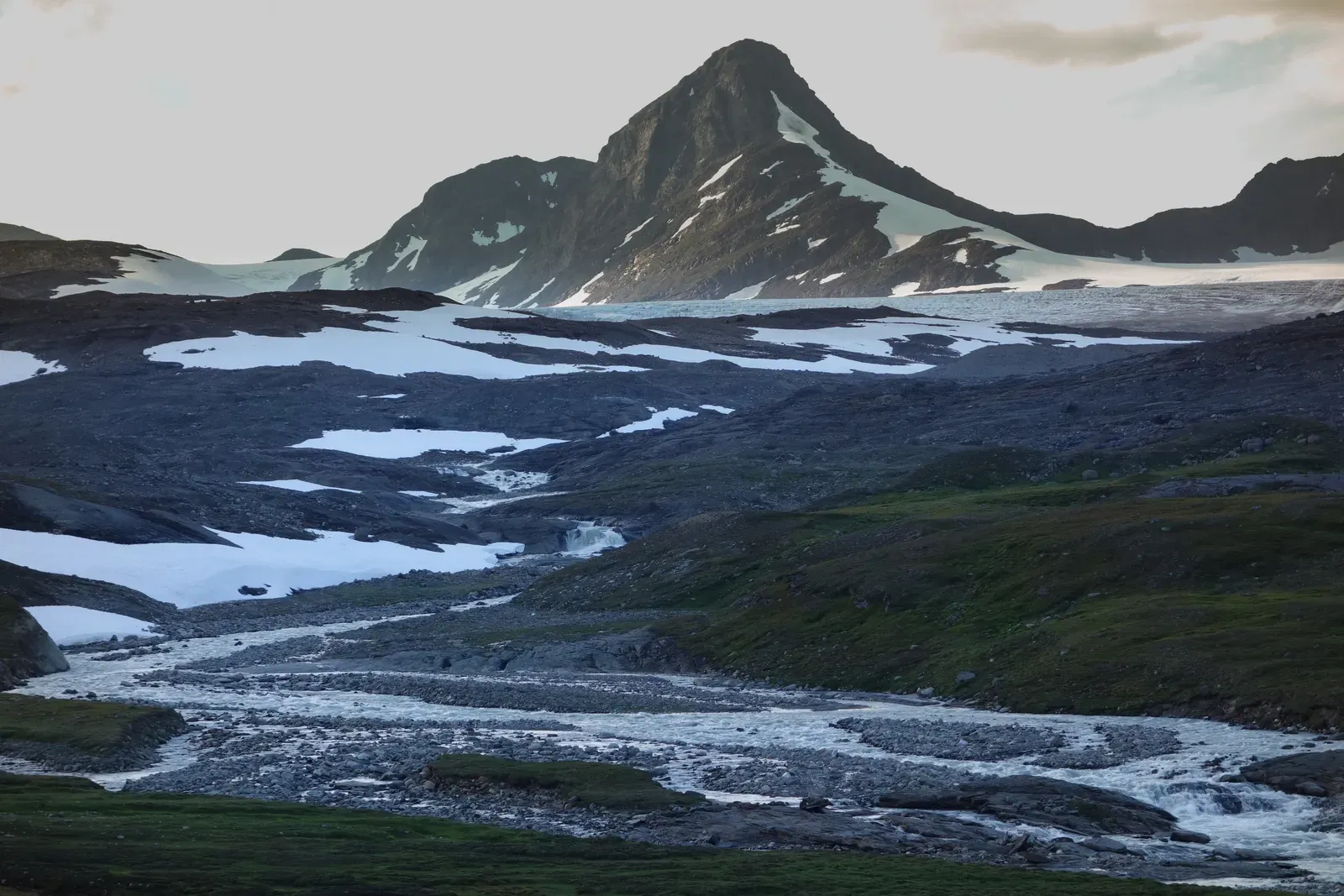
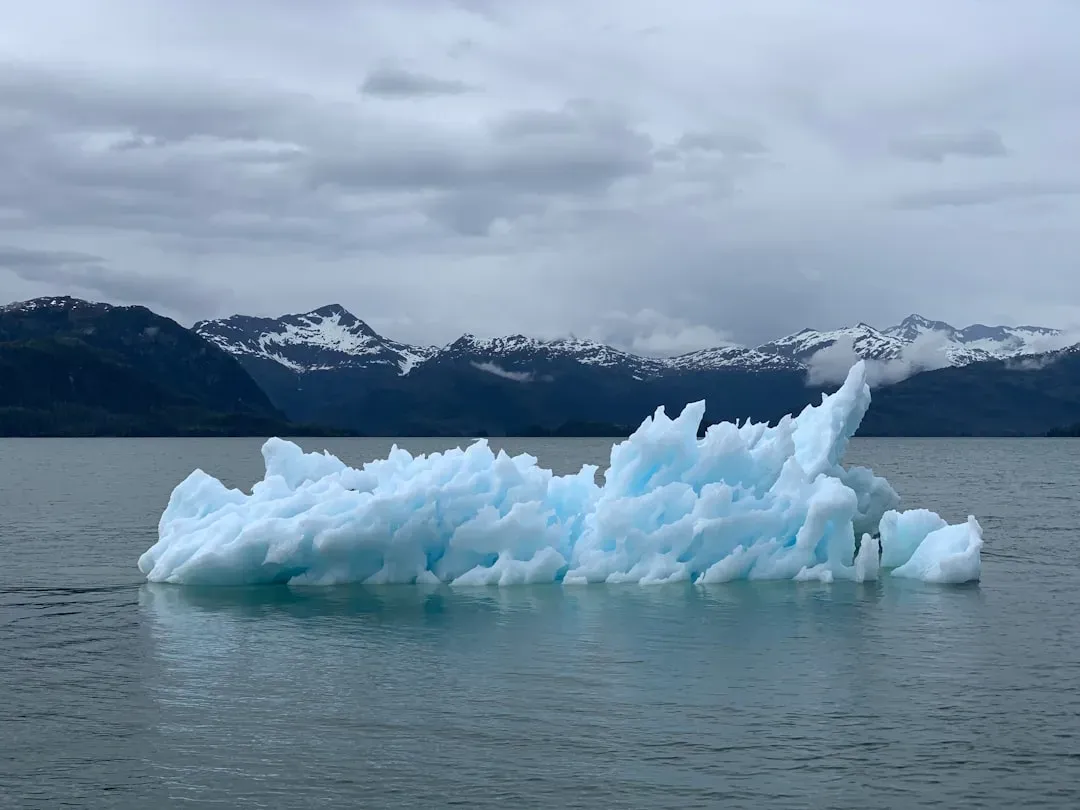
The last Ice Age did not just “switch off” one Tuesday afternoon; it melted away in pulses, driven by slow, predictable changes in Earth’s orbit around the Sun. Our planet’s tilt, wobble, and slightly stretched orbit change how sunlight is distributed, especially at high northern latitudes, over tens of thousands of years. When those orbital cycles line up in a certain way, northern summers become just warm enough to start melting huge ice sheets faster than they can grow. Once that melt begins in earnest, feedbacks kick in: bright ice that once reflected sunlight gives way to darker land and ocean that soak up heat, amplifying the warming.
Climate records locked into ice cores from Greenland and Antarctica, ocean sediments, and ancient lake mud all show that the transition out of the last Ice Age was bumpy, not smooth. Temperatures climbed overall, but there were sudden cold snaps and warm spikes layered on top of the trend, like static over a rising melody. The most famous cold relapse, the Younger Dryas, slammed the Northern Hemisphere back into near‑glacial conditions roughly at the moment things seemed to be stabilizing. So from the perspective of the animals living through it, the end of the Ice Age felt less like a gentle spring and more like a roller coaster of drastic swings.
A World of Giants: Who the Megafauna Actually Were
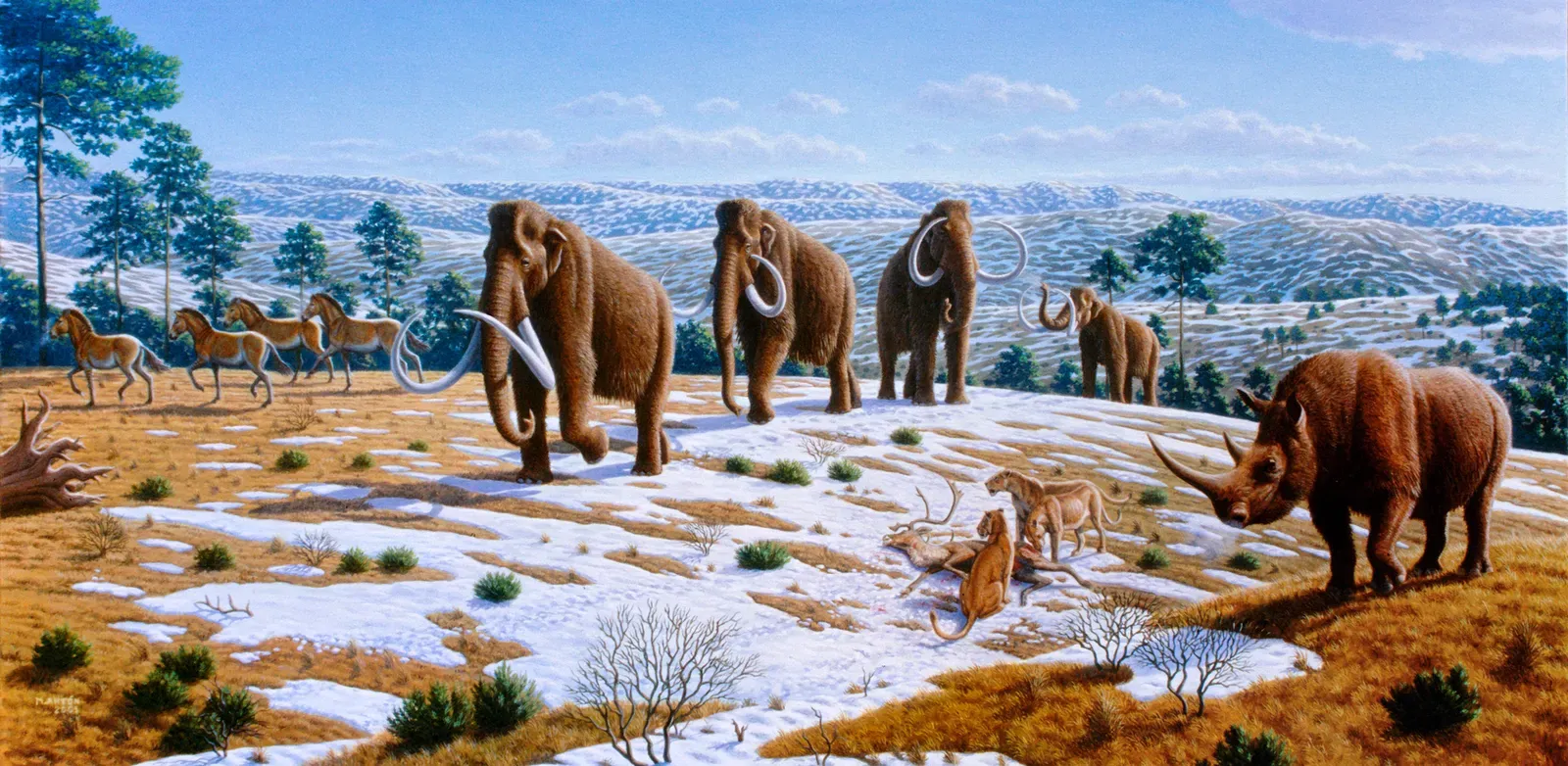
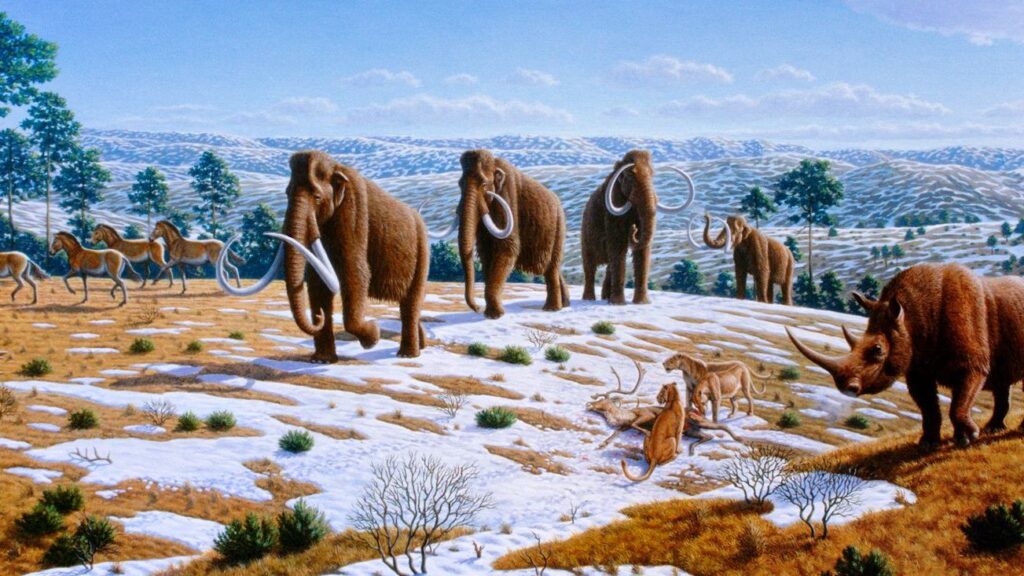
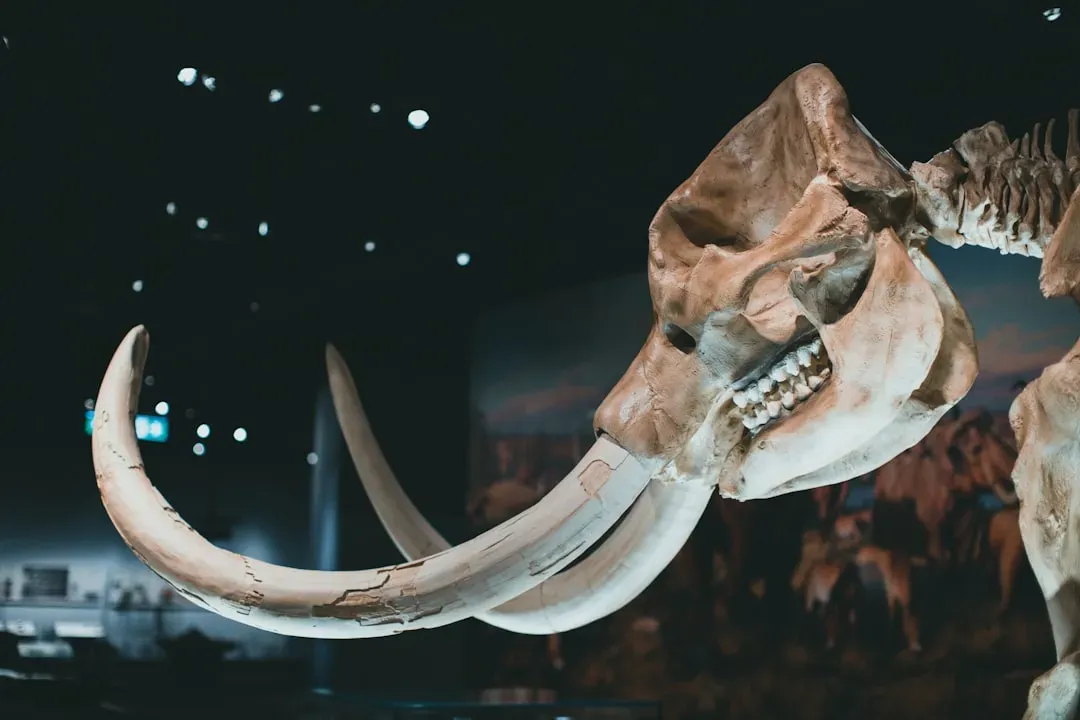
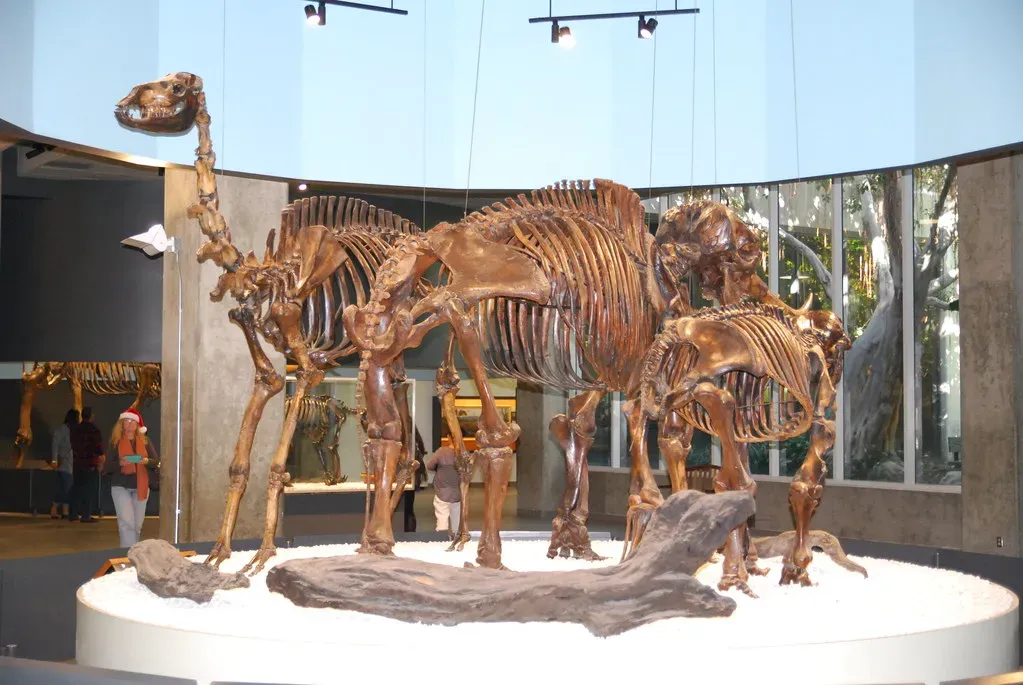
When people say “megafauna,” they usually mean the really big stuff: animals about as heavy as, or heavier than, a human. At the end of the Pleistocene, that list was wild. North America alone hosted mammoths, mastodons, giant ground sloths the size of small cars, armored glyptodons, enormous beavers, and terrifying short‑faced bears. Across Eurasia you had woolly rhinos, giant deer with antlers spanning wider than a car is long, and big cats with outsized canines. Australia had massive marsupials, including rhino‑sized wombat relatives and giant kangaroos, while South America boasted its own ground sloths, saber‑toothed predators, and elephant‑like relatives called gomphotheres.
This wasn’t just a world with bigger animals; it was a different kind of ecological reality. Giants shape landscapes: they knock down trees, spread seeds, trample ice crusts, dig for roots, and recycle nutrients through massive amounts of dung. Some researchers argue that Ice Age ecosystems functioned more like open, grazed “parklands” than the dense, closed forests we see in many of those same places today. When you remove big plant‑eaters and top predators from a system, it is like ripping out load‑bearing beams from a building. The structure might not collapse right away, but it will shift, settle, and eventually look and behave very differently.
Climate Whiplash: How Rapid Warming Reshaped Habitats
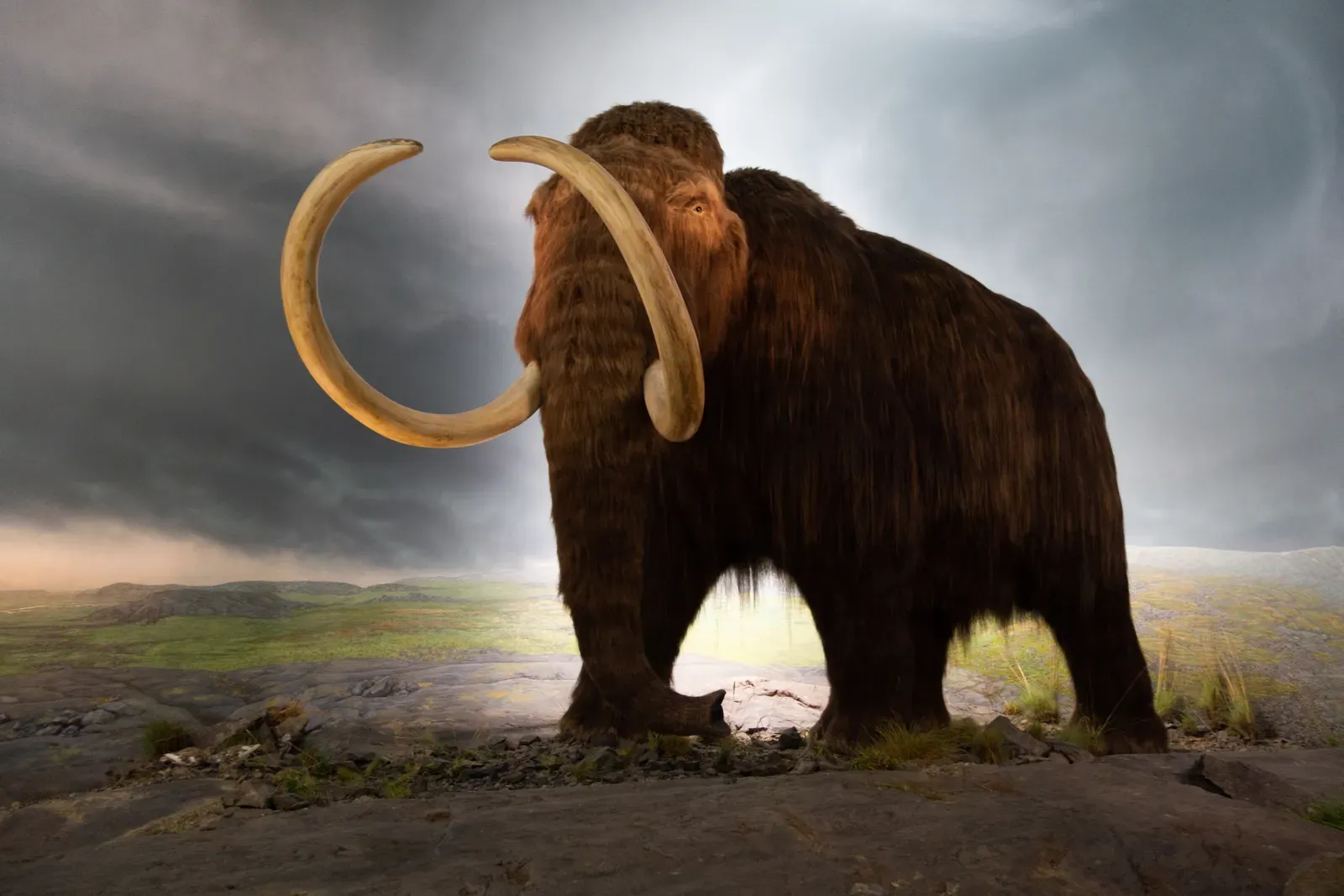
As the Ice Age waned, habitats moved, shrank, and sometimes vanished entirely. When massive ice sheets pulled back, they left behind raw landscapes that slowly turned into tundra, grassland, and then forests as temperatures rose and rainfall patterns changed. For animals adapted to cold, open environments, this shifting mosaic could become a deadly trap. Imagine being a woolly mammoth: your icy grassland homeland turns patchy and fragmented, squeezed between rising seas, growing forests, and expanding human groups. You might find pockets of suitable habitat, but they are smaller, more isolated, and harder to reach.
Climate change also disrupts food webs in sneaky ways. Plants respond to temperature and moisture shifts, altering what grows where and when. Herbivores that relied on certain grasses or shrubs suddenly find those resources less dependable or pushed to the margins. Predators then struggle as prey becomes scarce or moves unpredictably. Even if the overall warming happened over thousands of years, many of the shifts were sharp enough that animals used to relatively stable conditions could not adapt or move fast enough. It is not that climate alone must kill directly; it can simply keep turning the ecological screws until already stressed populations tip over the edge.
The Overkill Hypothesis: Did Humans Really Wipe Them Out?
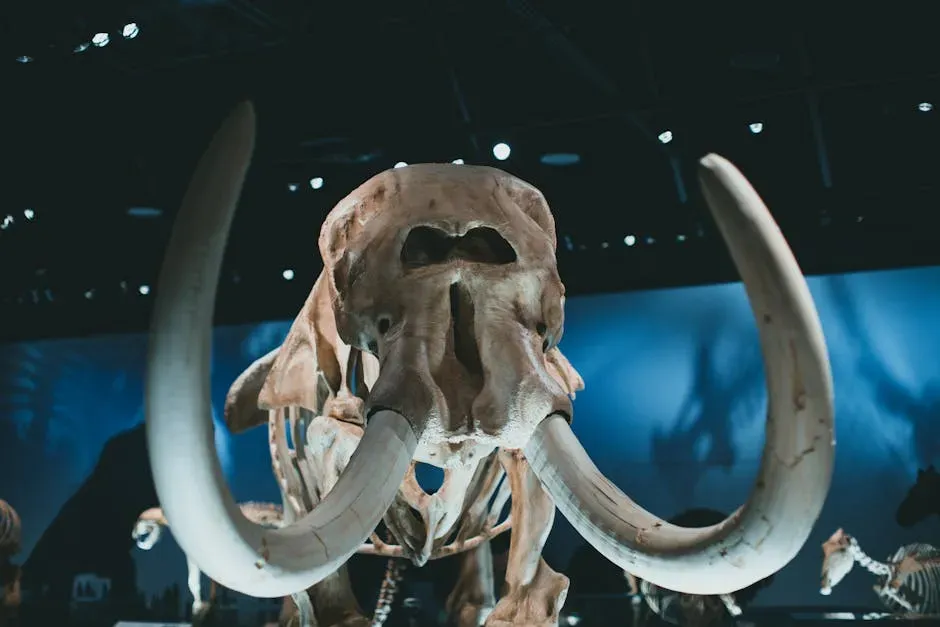
One of the boldest and most controversial ideas is that humans were the primary drivers of megafauna extinctions through hunting, a view often called the overkill hypothesis. The story goes like this: as modern humans spread across the globe, they encountered naïve giant animals that had never seen such clever, coordinated predators before. Those animals lacked strong fear responses to humans and had slow reproductive rates, making them especially vulnerable to even modest levels of hunting. Over time, human pressure chipped away at populations faster than they could recover, eventually pushing many species past the point of no return.
Supporters of this idea point to suggestive patterns. The timelines of human arrival and megafauna disappearance line up in suspicious ways on several continents, especially in places like the Americas and Australia. There are also archaeological sites showing humans butchering mammoths, mastodons, and other large animals with stone tools. At the same time, the evidence is not as clean or as universal as you might expect if humans alone were to blame. In some regions, the fossil record shows gaps, poor dating, or species that vanish long after people arrive. That mismatch is exactly why this hypothesis remains fiercely debated instead of universally accepted.
More Than One Smoking Gun: Climate, Humans, and the “Perfect Storm”
Over the last couple of decades, there has been a shift away from “either climate or humans” toward “a messy combination of both.” Many researchers now see the extinctions as the result of a perfect storm: rapid climate swings stressing ecosystems, while expanding human populations apply new pressures through hunting, fire, habitat disturbance, and competition. In this view, climate change might weaken megafauna populations first, making them smaller, more fragmented, and less genetically diverse. Then human hunters, even in relatively small numbers, can push them over the edge much more easily than if those populations were robust and widespread.
There is also the possibility of what you could call “ecological domino effects.” If climate change reduces the range or abundance of a key plant, a big herbivore that relies on it shrinks in number. That in turn affects predators, scavengers, and even soil processes. Add people who hunt the same herbivore, burn its habitat to encourage certain plants, or compete for its food, and you suddenly have multiple stressors operating at once. From this angle, asking whether climate or humans “did it” is a bit like asking whether the final blow or the earlier punches were responsible for a knockout. The uncomfortable answer is that they are all part of the same fight.
Why Scientists Still Argue: Fossils, Dates, and Conflicting Stories
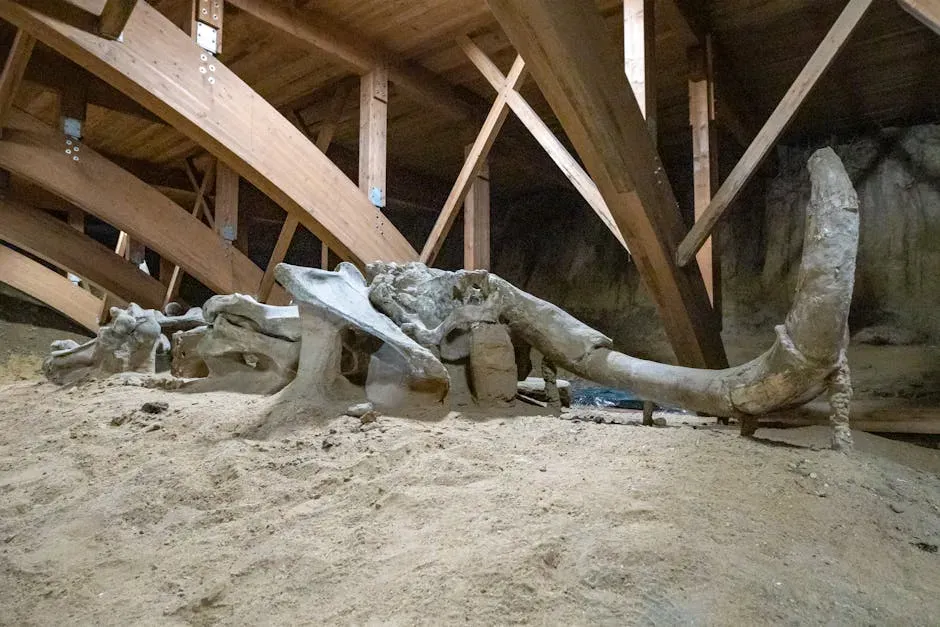
If this were a simple crime scene, we would already know who did what, but the evidence is scattered, incomplete, and sometimes contradictory. Fossils do not preserve everywhere, and even when we find bones, they are often isolated, broken, or hard to date precisely. A species might appear to vanish in the record simply because we have not dug in the right place or the conditions were never good enough to preserve its remains. Radiocarbon dating, while powerful, has limits and uncertainties that can blur timelines by centuries or more, which matters a lot when you are trying to match extinctions to climate events or human arrivals.
On top of that, different regions tell different stories. In some places, megafauna seem to hang on longer than in others, even under similar climate trends. Some species survive well into the Holocene in pockets or islands, while others vanish earlier than expected. Genetic studies from ancient DNA sometimes suggest slow, drawn‑out declines, while other lines of evidence hint at sudden crashes. When you put all of this together, you get a picture that refuses to snap neatly into a single narrative. Instead, scientists are left arguing over which pieces to trust more and how to weigh conflicting signals, which keeps the controversy very much alive.
How These Ancient Debates Shape How We See Today’s Extinctions
It might seem like an academic quarrel about long‑dead mammoths, but the Ice Age extinction debates quietly shape how we think about today’s biodiversity crisis. If humans could help wipe out many of the world’s biggest animals with stone tools, small populations, and no fossil fuels, what does that say about the pressure we are putting on ecosystems now with billions of people and industrial technology? At the same time, if climate change played a central role in past extinctions, it serves as a stark warning about what rapid warming can do once it starts rearranging habitats and food webs.
There is also a deeper psychological layer. Many cultures have romanticized the idea of a harmless, low‑impact human past, a time when people supposedly lived in perfect balance with nature. The overkill and “perfect storm” models challenge that comforting picture, suggesting that we have been powerful ecological players from the moment we started spreading across the planet. To me, that is not a reason for guilt so much as a call to maturity: we have always been capable of reshaping the world; the question is whether we can finally learn to wield that power consciously instead of pretending we do not have it.
Conclusion: What the Lost Giants Really Tell Us About Ourselves
When I think about the end of the Ice Age and the disappearance of the megafauna, what strikes me most is how messy and human the whole story feels. There is no single clean villain, no simple line between innocent nature and guilty humanity. Instead, there is a world in violent transition: ice melting, seas rising, forests marching, animals shifting, and small, clever bands of humans trying to survive and thrive in the middle of it all. The giants probably died out for many reasons at once, and that complexity annoys us because we crave tidy answers. But reality rarely plays along.
My own view is that we should stop asking whether climate or humans “own” the blame and start accepting that both forces, intertwined, did the job – and that the truly important question is what we do with that knowledge now. We are again living through abrupt climate change, only this time we are the ones driving the thermostat, bulldozing habitats, and pushing species into ever smaller corners. The Ice Age extinctions are not a distant mystery; they are a rehearsal, a rough draft of the kind of damage we can do without even trying very hard. The giants are gone, but their absence is a mirror they left behind for us: when we look into it, do we see helpless bystanders of change, or the main authors of the next chapter?