The story of how the last Ice Age ended sounds simple at first glance: the planet warmed, glaciers melted, and life moved on. But the closer you look, the messier and more fascinating it becomes. Temperatures lurched up and down, ice sheets collapsed in bursts, and entire ecosystems flipped almost like a light switch. In the middle of all this chaos, some of the most iconic animals that ever walked the Earth vanished – woolly mammoths, sabertooth cats, giant ground sloths, and more. Whether they were victims of climate, humans, cosmic disaster, or some brutal combination is still one of science’s most heated debates.
What makes this story so gripping is that it’s not just about the distant past. It’s a mirror held up to our present. We are again living through rapid climate change and a wave of extinction, and the arguments about what really happened twelve thousand years ago echo eerily in today’s disputes. When I first dug into this topic, I expected a neat answer. Instead, I found scientists arguing over tiny bits of bone, ancient pollen grains, and microscopic impact spherules as if a courtroom verdict about humanity’s role in the natural world depends on it. In a way, it does.
From Deep Freeze to Thaw: How the Last Ice Age Actually Ended
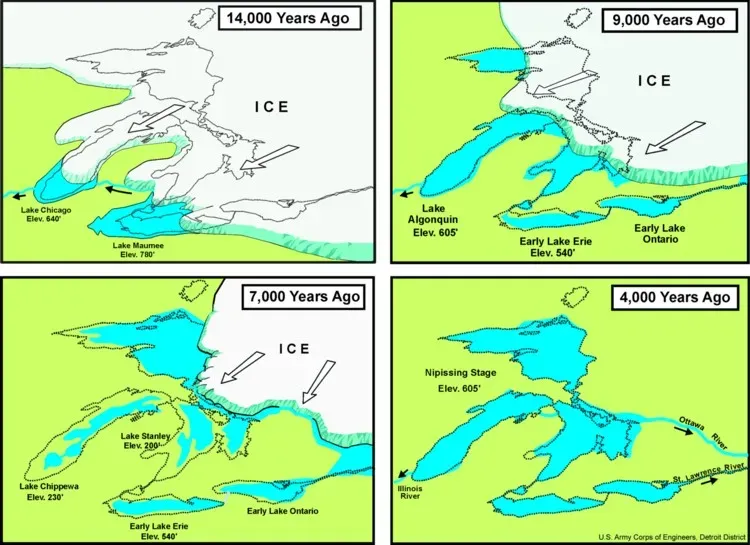
At the height of the last glacial maximum, roughly about twenty thousand years ago, massive ice sheets smothered large parts of North America, northern Europe, and Asia. Sea levels were far lower, continents had different coastlines, and huge swaths of what is now temperate forest and farmland lay under kilometers of ice. The transition out of this frozen world did not unfold as a gentle, steady warming; instead, it came in a series of jolts. Temperatures climbed, stalled, plunged back toward glacial conditions, and then soared dramatically into the relatively stable climate of the last ten thousand years.
Scientists reconstruct this rollercoaster from clues like bubbles trapped in Greenland and Antarctic ice cores, which preserve ancient atmospheres, and from marine sediments that record changes in ocean circulation. These records show a complex sequence: a gradual warming, abrupt cold snaps, and episodes such as the Younger Dryas, where much of the Northern Hemisphere suddenly cooled again just as it seemed the ice age was ending. The causes involve a tangle of shifting ocean currents, changing greenhouse gas concentrations, and feedback loops involving ice, water vapor, and vegetation. It is less a slow thermostat adjustment and more like a temperamental machine lurching and clanking its way into a new mode.
The Climate Whiplash of the Younger Dryas
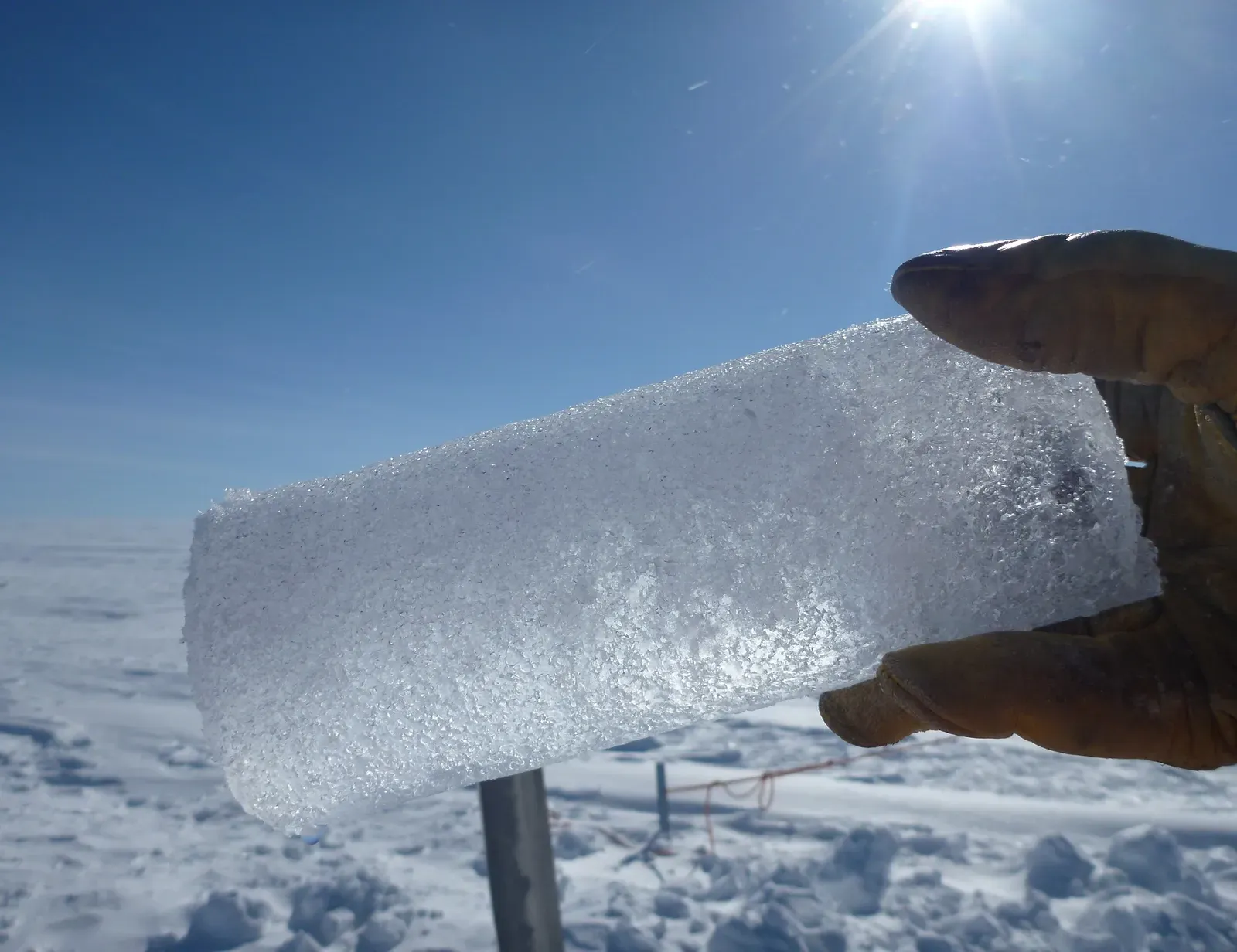
One of the most dramatic twists in this story is the Younger Dryas, a sharp return to near-glacial conditions that began roughly about twelve thousand nine hundred years ago and lasted more than a thousand years. In ice cores from Greenland, temperatures appear to plunge by several degrees over what may have been just a few decades, an eye‑blink in geological time. For people living through it, this would have felt like the seasons going wrong in a way that never quite fixed itself: harsher winters, cooler summers, shifting rainfall, and ecosystems sliding backward toward cold‑adapted species.
The leading explanation is that a massive pulse of freshwater from melting ice sheets disrupted the Atlantic Ocean’s overturning circulation, weakening the transport of heat northward. When that climatic conveyor belt faltered, the Northern Hemisphere snapped back into a colder state. But even this is not universally accepted, and some researchers argue for added triggers such as shifts in atmospheric circulation or, more controversially, an extraterrestrial impact that helped spark fires and cooling. What’s clear is that the Younger Dryas ramped up environmental stress just as humans were expanding and megafaunal populations were already under pressure.
Meet the Lost Giants: Who the Megafauna Actually Were
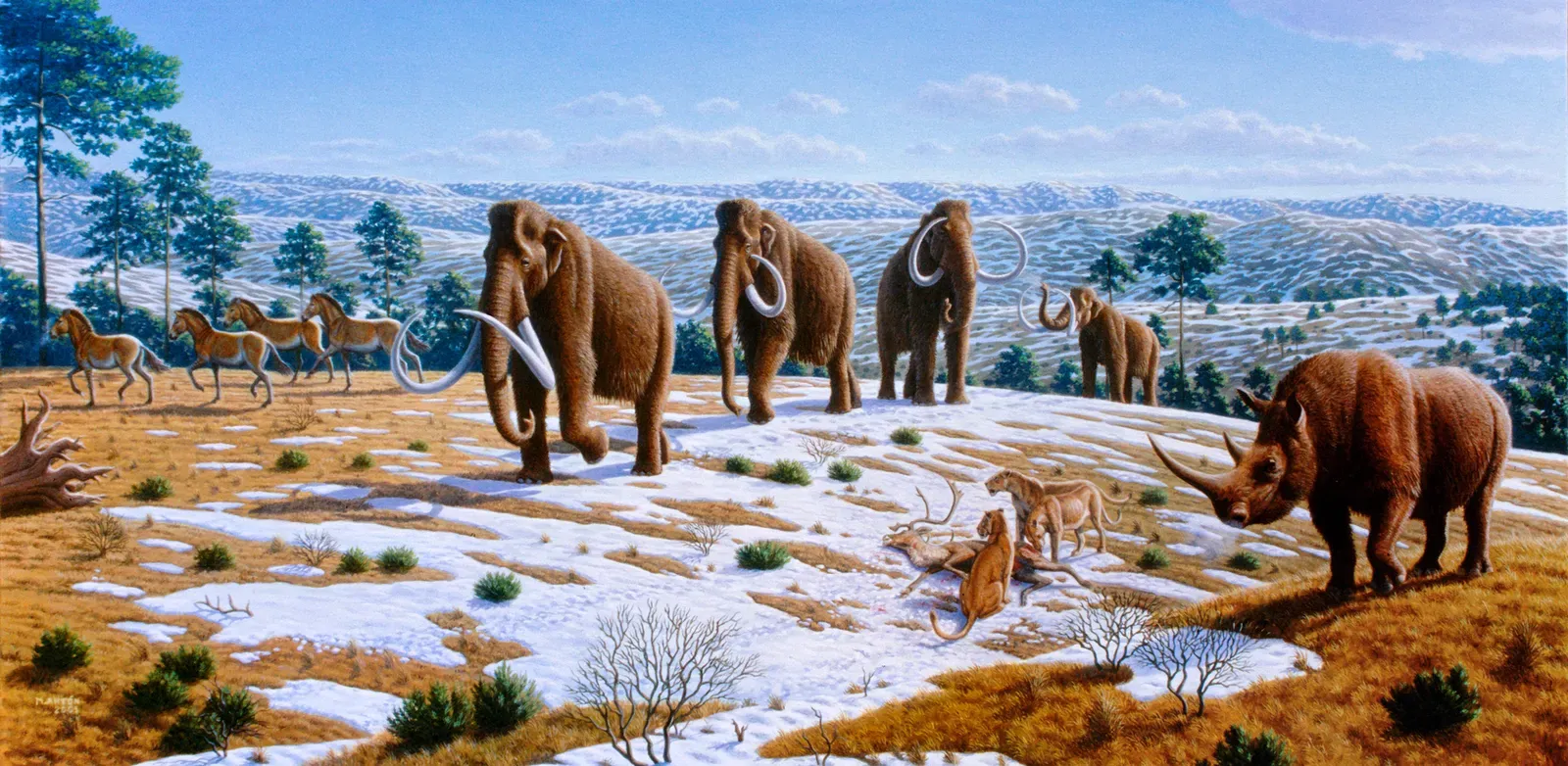
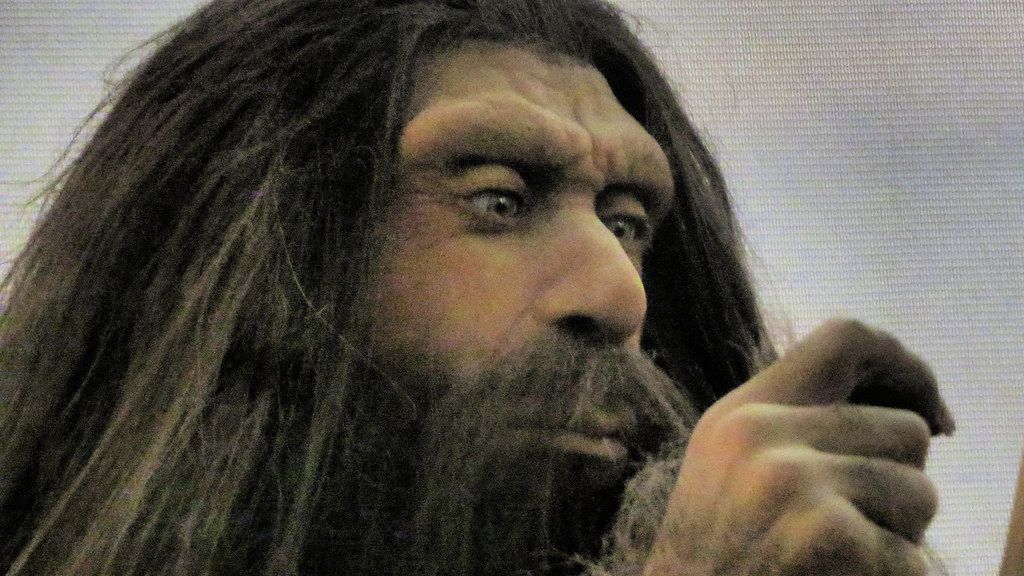
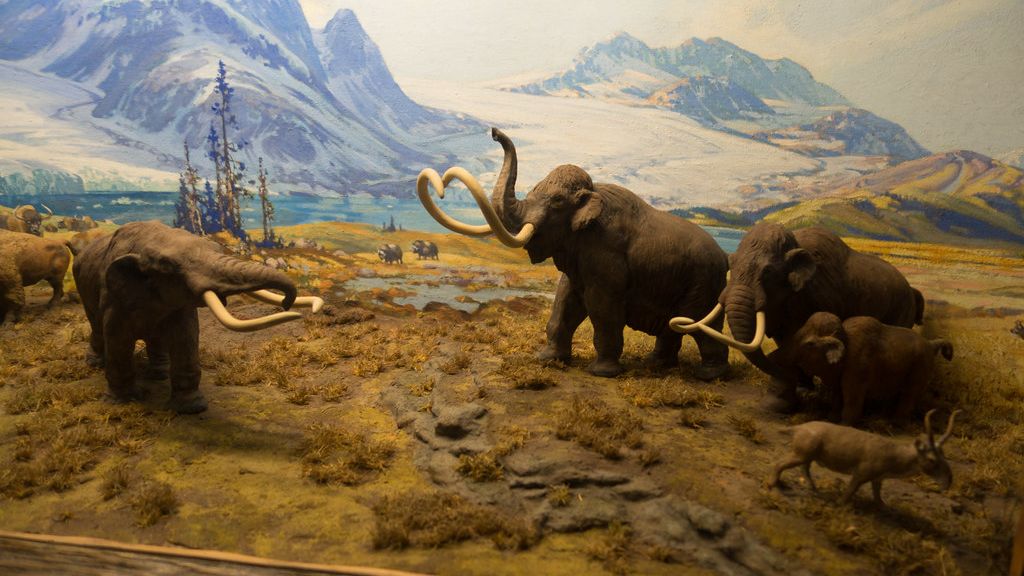
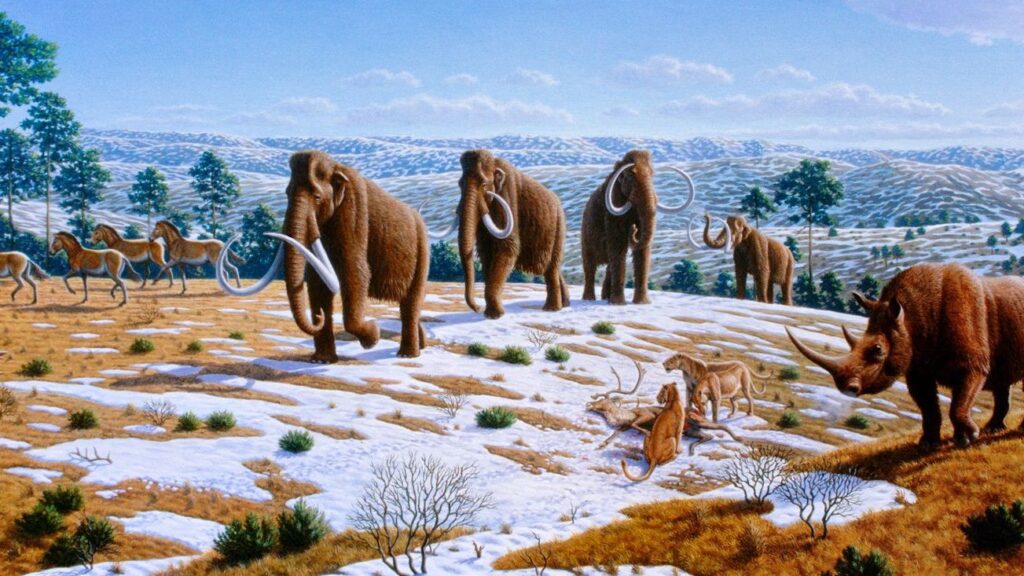
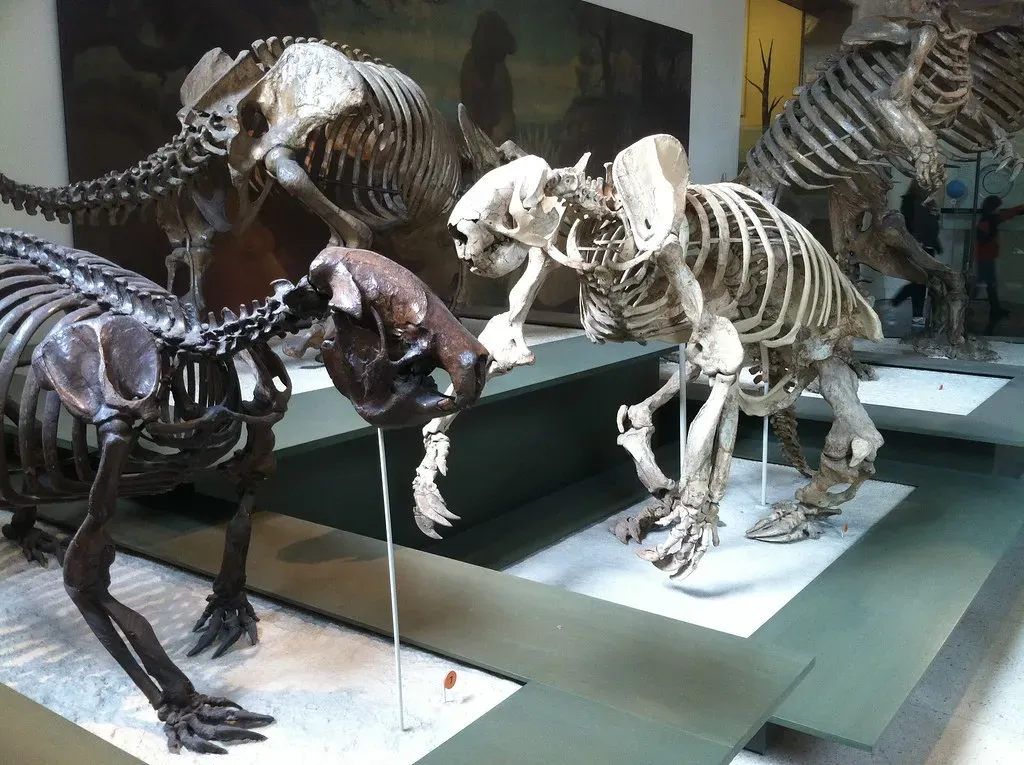
When people hear “megafauna,” they often think only of woolly mammoths, but the Pleistocene cast was far richer and stranger. In North America alone, there were giant ground sloths the size of small cars, short‑faced bears that may have been among the largest terrestrial mammalian carnivores ever, enormous armadillo‑like glyptodonts with armored shells, and American lions that likely dwarfed modern African lions. Similar lineups existed on other continents: giant marsupials in Australia, massive deer and rhinos in Eurasia, and an astonishing diversity of large herbivores and predators in South America and Africa.
These animals were not just oversized background decoration; they were ecosystem engineers. Large herbivores shaped vegetation patterns by grazing and browsing, opening up woodlands, maintaining grasslands, and moving nutrients across landscapes through their dung. Big predators, in turn, regulated herbivore populations and influenced where and how the herds moved. The disappearance of this living machinery did not just erase charismatic species; it fundamentally rewired ecosystems. Today, ecologists are still trying to map how the loss of those giants altered fire regimes, plant communities, and even carbon storage in soils.
Climate Change as the Prime Suspect
One of the oldest explanations for the megafauna extinctions is deceptively straightforward: as the Ice Age ended, the climate changed faster than large, slow‑breeding animals could adapt. Shifting temperatures, altered rainfall patterns, and changing vegetation would have redrawn the map of habitable environments. Grasslands may have contracted, forests expanded in some regions and retreated in others, and the seasonal rhythms that big animals relied on to time migration and breeding would have been thrown off. For already stressed populations, even modest environmental changes can act like the final straw.
There is solid evidence that some species tracked their favored habitats as they moved northward or to higher elevations, only to run out of viable space as warming continued. In regions where climate records and fossil data can be matched closely in time, extinctions often cluster near major climatic transitions, which makes it tempting to see a direct cause and effect. But the problem is that climate alone does not neatly explain the global pattern. In Africa and parts of southern Asia, where climate shifts were just as real, far more megafaunal species survived, which suggests that something else had to be shaping the outcome.
Humans in the Dock: Overkill, Overpressure, or Just One Factor Among Many?
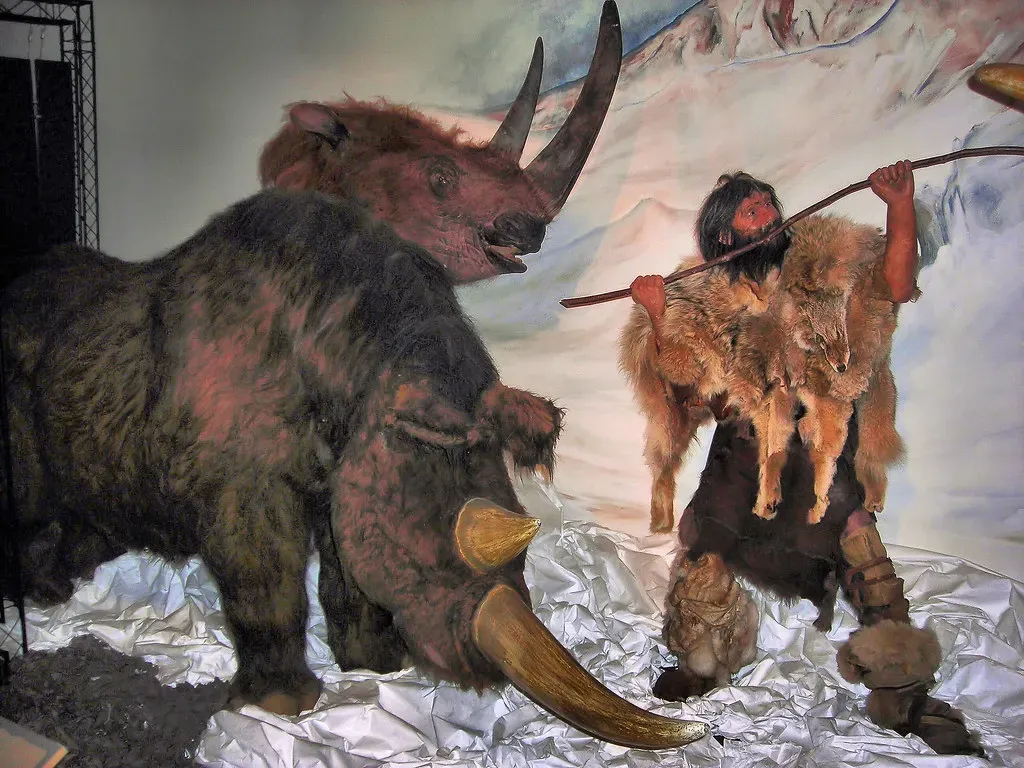
The most controversial idea, and the one that refuses to die, is that expanding human populations played a decisive role in wiping out the megafauna. In its strongest form, often called the overkill hypothesis, the argument is brutal in its simplicity: as humans spread into new continents loaded with naive, human‑unfamiliar animals, hunting pressure rapidly pushed many of those species past the point of recovery. Stone spear points embedded in mammoth bones, butcher marks on large bones, and kill sites where multiple large animals were processed show that early people absolutely did hunt these giants, not just scavenge them.
Supporters of a strong human role point to the eerie timing: in North America, Australia, and many islands, the wave of extinctions tends to follow soon after the first unambiguous evidence of humans. Critics counter that the archaeological record of hunting is surprisingly thin considering the scale of the losses, and that climate and habitat changes were already squeezing populations before humans arrived. A growing middle ground view argues for a more nuanced picture: humans may not have needed to slaughter vast herds directly. Even relatively modest hunting, combined with habitat disturbance, competition with introduced species like dogs, and climate stress, could have nudged vulnerable populations into a downward spiral they could not escape.
The Wild Card: Did a Cosmic Impact Help Tip the Balance?
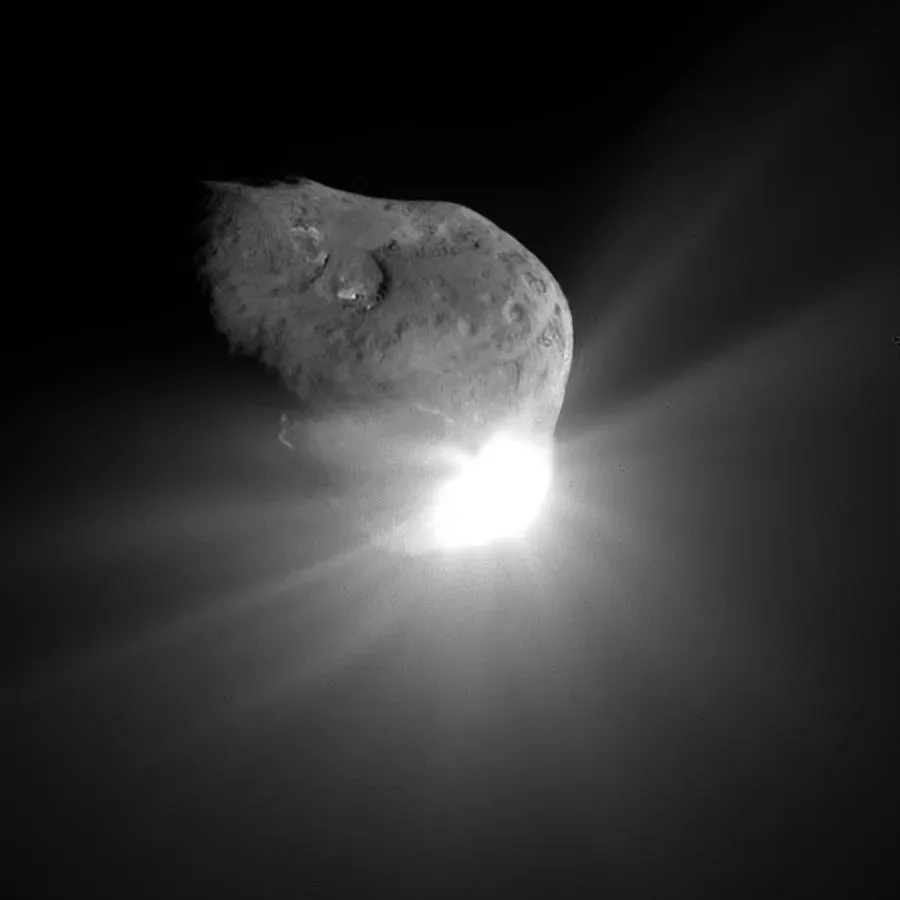
Adding another layer of controversy, a group of researchers has argued for a Younger Dryas impact or airburst event – essentially, that a comet or fragmented object exploded over or struck parts of the Earth roughly about twelve thousand nine hundred years ago. They point to unusual layers in sediments containing microscopic spherules, high‑temperature minerals, and other materials they interpret as signs of intense heating and impacts. In this scenario, widespread wildfires and aerosol injection into the atmosphere could have triggered rapid cooling, disrupted ecosystems, and contributed to megafauna die‑off and even cultural changes among early humans.
This idea is hotly disputed. Many geologists and archaeologists argue that the supposed impact markers can be explained by more ordinary processes such as natural fires, volcanism, or sediment mixing. They also point out that large impact events usually leave clearer global signatures than those seen so far. What fascinates me here is less the specific claim and more what it reveals about our hunger for dramatic explanations. When faced with a messy tangle of climate shifts and human impacts, a sudden cosmic catastrophe can feel emotionally satisfying. Yet the evidence, at least for now, makes this more of an intriguing minority hypothesis than a settled part of the story.
Why the Debate Still Rages – and Why It Matters Today
So why, after decades of research, is there still no simple verdict on what killed the megafauna? Part of the answer is that scientists are trying to reconstruct a global crime scene from fragmentary clues scattered across time and space. Radiocarbon dates have uncertainties, fossils are patchy, and evidence of human presence can be erased or buried far from where animals actually died. Different regions also tell slightly different stories: in some places, human arrival and extinction line up tightly; in others, climate changes seem to lead the way. When evidence is this noisy, it is easy for people to lean harder on the factors that fit their preferred narrative.
Underneath the technical disputes, though, there is a deeper argument about us. If humans were the decisive force that ended the age of giants, then our role as planetary engineers started far earlier and more dramatically than many like to admit. If climate swings alone did most of the damage, it might feel like we can downplay our responsibility, then and now. My own view leans toward a tough, uncomfortable middle ground: climate loaded the dice, humans threw them. That should hit a nerve, because we are once again altering climate and ecosystems at high speed, and the ghost of the megafauna extinctions is a reminder that big, slow‑breeding species tend to lose these races.
Conclusion: A Past That Will Not Stay Buried
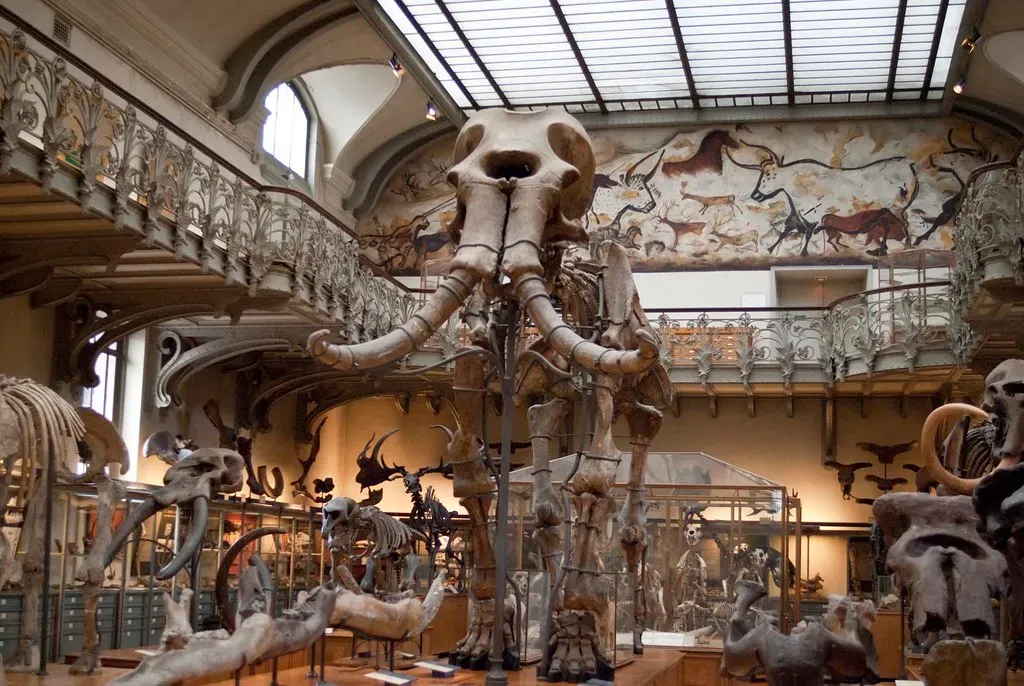
When you pull all these threads together – the lurching end of the Ice Age, the Younger Dryas cold snap, the spread of humans, the struggles of giant animals to keep up – you do not get a neat, single‑cause story. You get a tangle of overlapping pressures that look uncomfortably familiar in the twenty‑first century. In my opinion, clinging to any one tidy explanation, whether it is pure climate or pure overkill or a dramatic impact, misses the point. The megafauna went down in a world where climate was changing fast and a clever, tool‑using species was testing the limits of what landscapes and animal populations could absorb.
That is exactly the kind of world we inhabit again today, just with more technology and far more people. The unresolved arguments over what happened after the Ice Age are not academic trivia; they are rehearsal notes for a play we are currently performing at full speed. Maybe the most unsettling lesson is that once certain thresholds are crossed, recovery for large animals becomes almost impossible on human timescales. The bones of mammoths and giant sloths are not just relics; they are warnings carved in calcium. The real question is whether we are actually listening to them, or whether we will only realize what they were saying after more of today’s giants are gone for good.