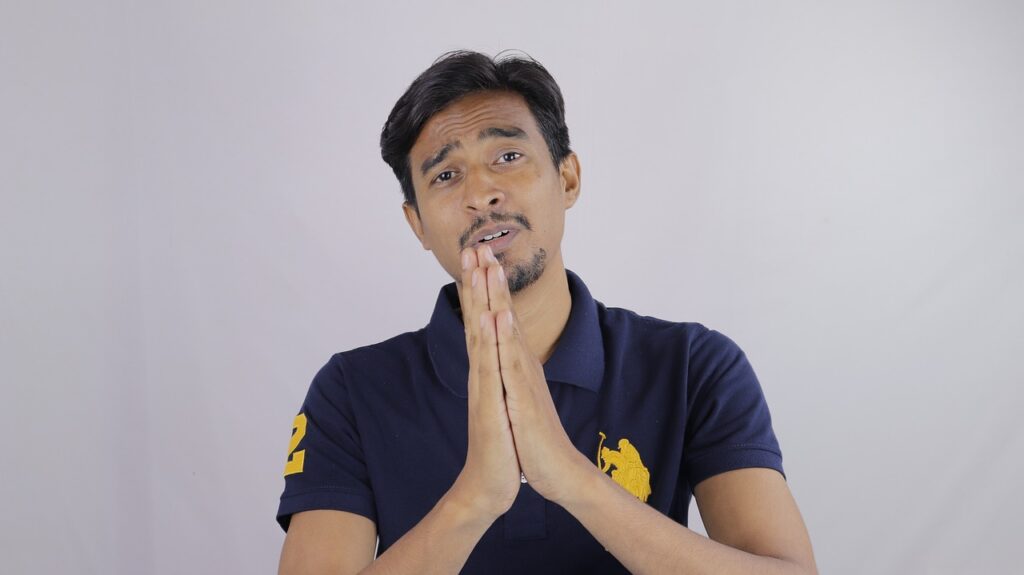
If you say “sorry” ten times before lunch, you probably tell yourself you’re just being polite. It sounds harmless, even admirable. But psychology suggests something far more raw is happening under the surface: that endless stream of apologies can be a quiet panic, a lifelong attempt to make sure no one ever leaves you again the way someone did when you were small.
I remember realizing this about myself in a grocery store line, of all places, apologizing to the cashier because my receipt took a second to print. It hit me that I was not being courteous; I was bracing for rejection that was never coming. Once you see that pattern, you cannot unsee it – in yourself, in friends, in partners who apologize for existing. Let’s dig into what is really going on there, and why “sorry” can be less about manners and more about survival.
The Hidden Wound Behind Endless Apologies

At first glance, someone who constantly apologizes looks considerate, agreeable, maybe even saintly. They say “sorry” when you bump into them, when the weather is bad, when they ask a harmless question. Underneath that politeness, though, many carry a deep fear that if they ever inconvenience anyone, they will be punished, rejected, or left. The apology is not about the tiny moment in front of them; it is about a much older terror lodged in their nervous system.
In childhood, if love felt unpredictable, conditional, or easily withdrawn, the brain learned a brutal lesson: stay small, stay agreeable, stay harmless or risk losing the people you depend on. For a child, that is not a personality quirk, it is survival math. As adults, this survival strategy does not simply disappear. It rebrands itself as being nice, but the emotional engine running it is the same: do not give anyone a reason to walk away. So the person keeps saying “sorry,” not because the situation truly requires it, but because their younger self is still frantically trying to keep the room safe.
How Childhood Abandonment Becomes an Adult Apology Habit

When psychologists talk about abandonment, they are not only referring to a parent literally walking out the door forever. Emotional abandonment can look like a caregiver who is physically present but chronically distant, unpredictable, critical, or consumed by their own problems. A child in that environment never fully relaxes. They may try to earn love by being perfect, quiet, helpful, and endlessly accommodating, constantly scanning for signs that someone is upset.
Over time, these kids build an internal rulebook: if something goes wrong, it must be my fault, and I must fix it quickly. Automatic apologizing becomes one of their primary tools. It is like an emotional fire extinguisher they carry everywhere, ready to put out even the smallest potential spark of disapproval. Fast-forward to adulthood, and that same habit shows up at work, in friendships, in romantic relationships – apologies thrown like confetti, just in case. The body still remembers that as a child, mistakes, needs, or emotions might have led to distance or coldness, so the adult keeps preemptively apologizing to avoid that old, familiar sting.
Attachment Styles: Why Some People Say “Sorry” To Stay Safe

Attachment theory helps explain why some adults apologize excessively while others rarely do. People with an anxious attachment style, often shaped by inconsistent or unreliable caregiving, tend to see relationships as fragile and themselves as easy to lose. They monitor subtle changes in tone, facial expressions, and timing, and if anything feels even slightly off, they rush in with apologies to patch the perceived rupture. “Sorry” becomes their duct tape for every tiny crack in connection.
On the other hand, securely attached people – those who grew up with consistent, responsive care – do not live in that same state of relational hyper-vigilance. They apologize when it is appropriate, but they do not feel the need to apologize for feeling, asking, or simply being. The difference is not about who has better manners; it is about who learned that relationships can survive conflict and imperfection. For the over-apologizer with abandonment fears, apologizing is less a choice and more a reflex, wired into their sense of what it takes to keep people close.
When “Sorry” Becomes Self-Eraser Instead of Self-Awareness
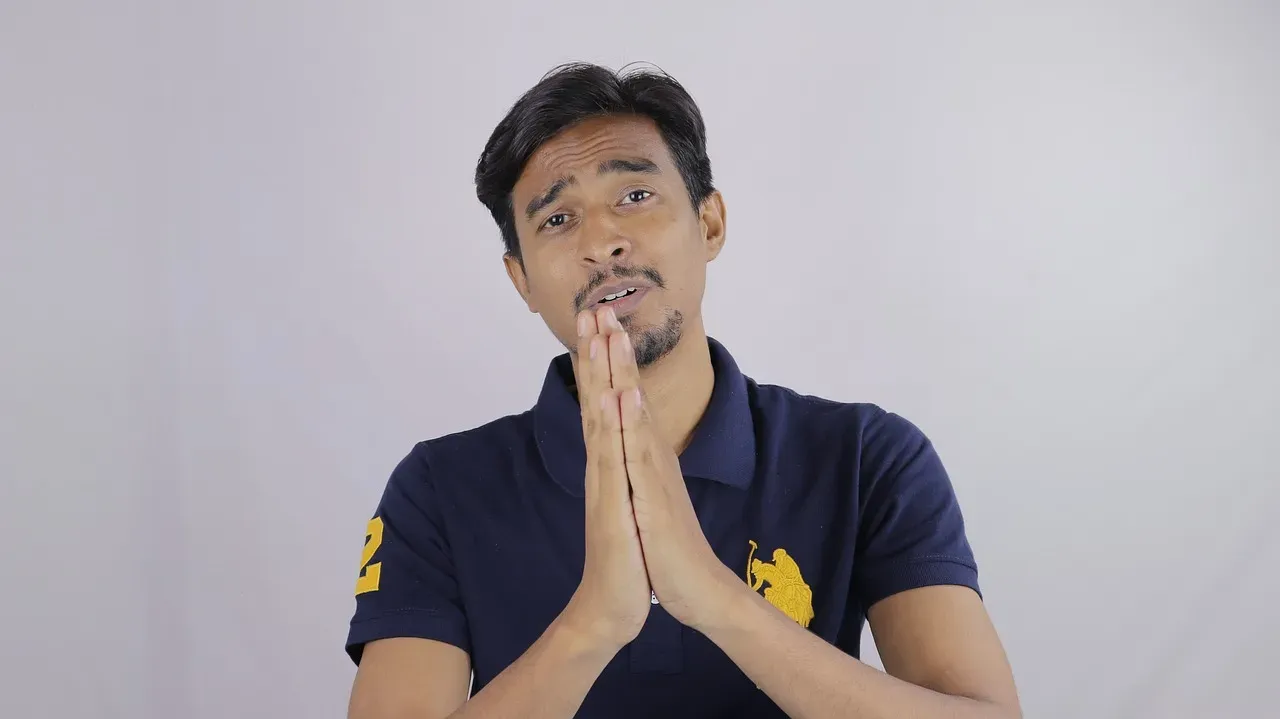
There is a healthy version of apologizing: owning harm, repairing trust, and showing you value the relationship. That kind of apology is grounded, specific, and proportional to what actually happened. But constant apologizing is different. It is not about genuine accountability; it is about self-erasure. The message underneath is often, “I am a problem. I take up too much space. I am sorry for existing in ways that might inconvenience you at all.” Over time, this chips away at a person’s sense of worth.
Living this way can quietly drain a life. The chronic apologizer may struggle to ask for what they need, take up space in a conversation, or say no without a long explanation drenched in guilt. They may downplay their achievements, avoid setting boundaries, and shrink their personality to avoid backlash that may never come. In a harsh twist, the habit intended to prevent abandonment can actually invite it, because people around them might feel uncomfortable, frustrated, or guilty, without fully understanding why. It is painful and ironic: the more someone apologizes for themselves, the harder it becomes for others to truly see and connect with who they are.
The Subtle Ways Over-Apologizing Warps Relationships

Over-apologizing does not just hurt the person doing it; it reshapes the dynamics of their relationships. Friends, partners, and coworkers might start reassuring them constantly, saying things like, “You do not need to apologize,” but still feeling the emotional heaviness of always having to be the safe, non-threatening one. This can make interactions feel lopsided, as if one person is permanently on the defensive while the other is forced into the role of gentle caretaker.
It also complicates conflict. If someone apologizes for everything, their real mistakes blend in with imagined ones, and meaningful repair gets lost in the noise. The other person may feel like they cannot bring up concerns without triggering a flood of guilt and apologies. Eventually, some people back away, not out of cruelty, but because the relationship starts to feel emotionally exhausting. For the abandonment-sensitive person, this withdrawal can feel like proof that they really are too much or too difficult, reinforcing the very fear that drove the behavior in the first place.
Breaking the Cycle: From Automatic “Sorry” to Honest Self-Expression

Changing this pattern is not about simply deciding to stop apologizing. If it were that easy, most over-apologizers would have quit years ago. The deeper work begins with noticing the urge in real time: that quick spike of anxiety, the instinct to blame yourself, the need to smooth everything over immediately. Slowing that moment down, even by a few seconds, creates space to ask a crucial question: did I actually do something wrong here, or am I just scared someone will be upset with me?
From there, small experiments can be transformative. Instead of “Sorry, can I ask you something?”, try “Do you have a minute? I’d like to ask something.” Swap “Sorry I am so emotional” for “I feel really emotional about this, and I want to talk about it.” These subtle shifts are not just language games; they retrain the nervous system to tolerate being visible and imperfect without dissolving into guilt. Therapy – especially trauma-informed or attachment-focused approaches – can offer a safe place to unpack the original abandonment wound, grieve what was missing, and rebuild a sense of self that does not hinge on being constantly agreeable.
Learning to Be Loved Without Apologizing for Existing

At the heart of this issue is a brutal belief that many people carry silently: that love is something you keep only if you are endlessly pleasing, non-disruptive, and easy to handle. Letting go of compulsive apologizing means risking a different belief – that you are allowed to have needs, preferences, bad days, and strong opinions without losing your place in someone’s life. That is terrifying if your early experiences taught you the opposite, but it is also where genuine intimacy starts.
There is something quietly revolutionary about catching yourself mid-“sorry” and choosing honesty instead: “I am not actually sorry. I am nervous. I am afraid you will be angry. But I still need this.” That kind of truth-telling can feel like standing at the edge of a cliff, waiting to see if the ground holds. Over time, with the right people, you start gathering new evidence: some relationships do survive your full humanity. Some people stay, not because you are perfectly pleasant, but because you are real. That slow, lived proof is what finally starts to loosen the grip of childhood abandonment on adult behavior.
Conclusion: Politeness Is Not the Point – Safety Is

When we say that people who constantly apologize are not simply being polite, we are not shaming them; we are telling the truth about what their nervous system has been trying to do for years. Those apologies are not empty manners. They are a shield, a negotiation, a plea: please do not leave. Seeing it this way changes how we respond – to ourselves and to others trapped in that loop. Instead of rolling our eyes at the tenth “sorry,” we can get curious about the story that taught someone they must earn every scrap of tolerance.
In my view, the real goal is not to raise a generation of people who never apologize, but a generation who apologize when it matters and feel no need to apologize for existing the rest of the time. That means honoring the childhood pain that created the pattern without letting it dictate the rest of a life. It means practicing relationships where boundaries do not equal abandonment, and disagreement does not equal exile. So the next time you hear yourself say “sorry” for something that does not require it, ask: is this about now – or about a younger me who still thinks love disappears at the slightest wrong move?