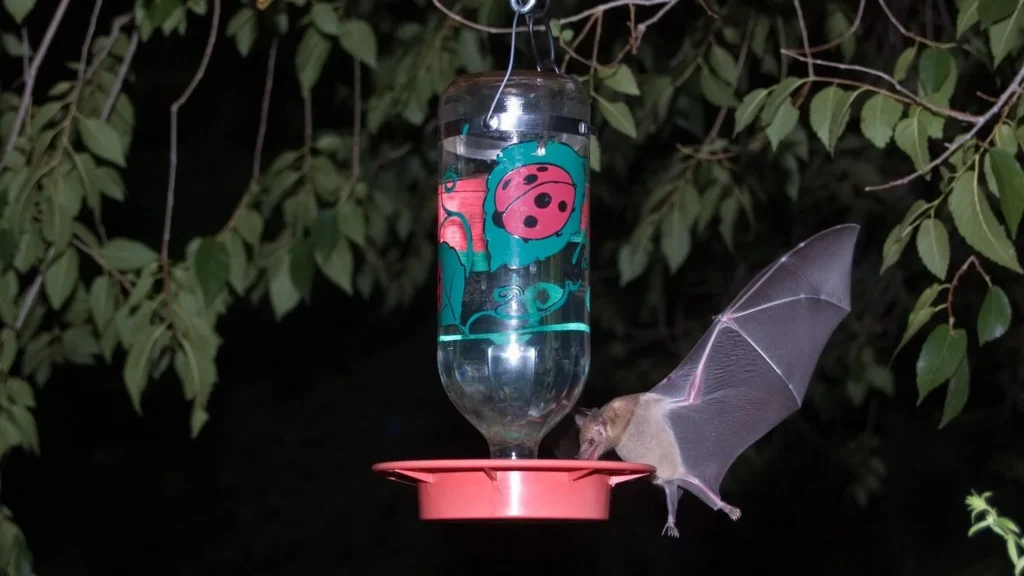
Portal, Arizona – Traces of DNA collected from hummingbird feeders have confirmed the presence of endangered Mexican long-nosed bats in this remote corner of the state. Researchers extended the species’ known range through a novel genetic survey that relied on everyday backyard devices. The finding marks the first record of these bats in Arizona, challenging previous assumptions about their distribution.
Distinguishing Look-Alikes in the Night
Distinguishing Look-Alikes in the Night (Image Credits: Upload.wikimedia.org)
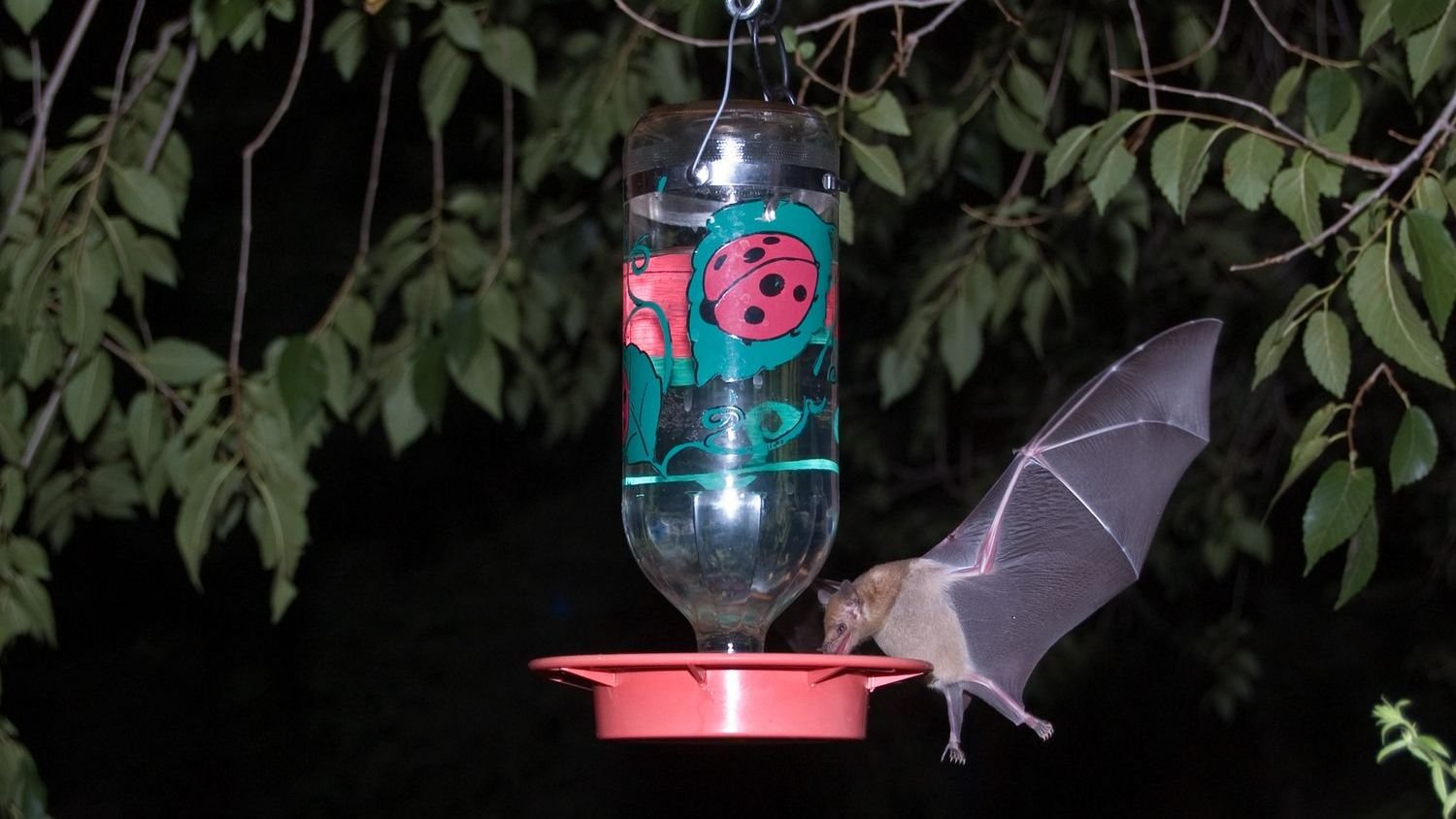
Trail cameras had already captured tequila bats, or Leptonycteris yerbabuenae, sipping from artificial hummingbird feeders in the area. These bats favor the sugar water when natural agave flowers grow scarce. Yet tequila bats closely resemble their endangered cousin, the Mexican long-nosed bat, or Leptonycteris nivalis, listed as federally endangered by the U.S. Fish and Wildlife Service.
Faith Walker, an associate research professor in wildlife genetics at Northern Arizona University, led efforts to tell the species apart. Her team targeted feeders in Portal, nestled in the foothills of the Chiricahua Mountains. Citizen scientists pitched in, swabbing the devices where bats had been spotted before. The bats lap nectar through small holes with their tongues, leaving behind enough genetic material for analysis.
Crafting Tools for Precise Detection
The study, detailed in the journal Environmental DNA, began with work by Walker and coauthor Kristen Lear of Bat Conservation International. Lear had filmed Mexican long-nosed bats visiting agave plants in Mexico and provided swabs for initial DNA testing. From those samples, the researchers developed two detection methods: a metabarcoding approach to identify multiple species and a targeted, cost-effective assay focused solely on the long-nosed bats.
Initial tests proved promising. “We screened them and found they worked great for detecting any Leptonycteris,” Walker noted. The technique succeeded despite the bats’ subtle feeding style. In 2024, these efforts yielded the breakthrough confirmation of Mexican long-nosed bats in Arizona, a location previously uncharted for the species.
Broader Horizons for Bat Tracking
Prior to this, biologists suspected the Chiricahua Mountains could suit these bats, given the habitat. The discovery aligns with records from Mexico, Texas, and New Mexico. Walker plans to expand sampling around Portal to map a potentially wider local range. Her team also swabs agave flowers in New Mexico to trace annual migration patterns.
Genetic surveys offer advantages for elusive species. “Mexican long-nosed bats are in Arizona; they feed from hummingbird feeders, and they may be in other areas that we just don’t know yet until we do a genetic survey,” Walker explained. “Genetic tools are a great way for tracking this species because they are so cryptic.” Current tests identify species but not individuals, though advanced options exist pending funding. Walker aims to quantify bat numbers visiting the area in future phases.
Key Detection Advances:
- Metabarcoding for multi-species ID
- Targeted assay for Mexican long-nosed bats
- Feeder swabs boosted by citizen science
- Potential for individual bat tracking
This approach highlights how simple interventions like feeders might aid struggling pollinators amid shifting resources. Researchers continue refining non-invasive methods to monitor these vital, nectar-dependent mammals.