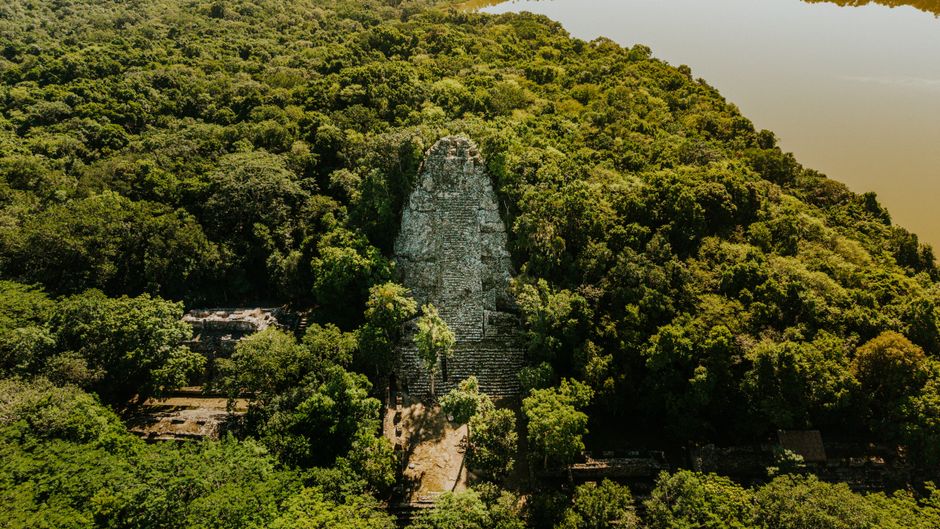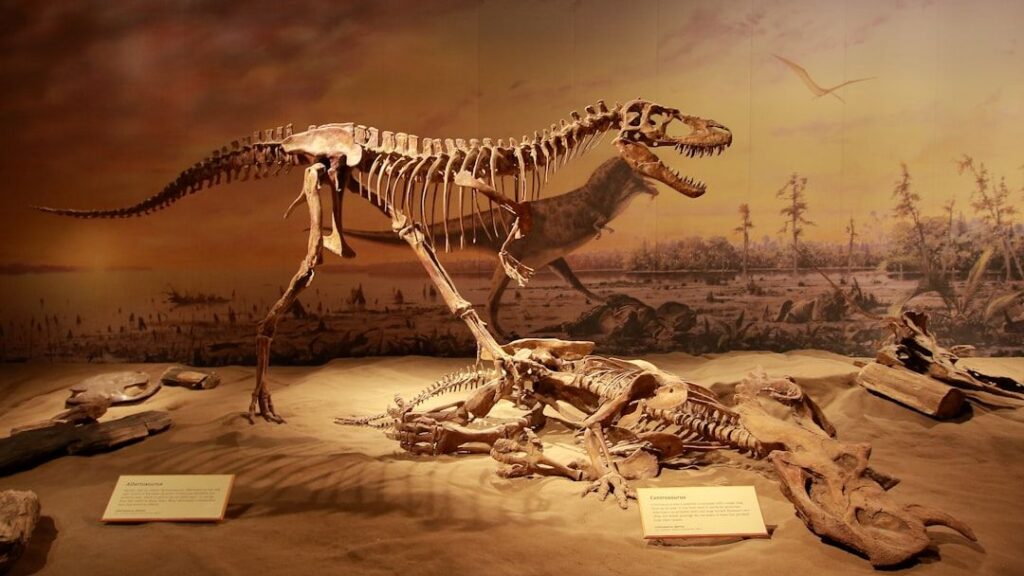
Have you ever found yourself lost in a documentary about early humans, cave paintings, or ancient villages – and then looked up to realize an hour has vanished, and you feel oddly calm? That quiet pull you feel toward the distant past is more than a quirky hobby; it might be your nervous system whispering that the speed and noise of modern life are out of sync with how you’re wired. While your calendar screams about deadlines and notifications, some deeper part of you is daydreaming about rivers, firelight, and people whose to‑do list was simply: find food, stay warm, stick together.
In a world obsessed with optimization, hustle, and constant novelty, an interest in ancient human history can seem strangely slow and soft. But that slowness might be exactly the point. When we look back at how humans lived for most of our existence, we catch a glimpse of a different rhythm: more walking than scrolling, more face‑to‑face sharing than group chats, more meaning in basic survival than in endless digital tasks. If you feel drawn to that world, it could be a sign that your brain is craving not another productivity hack, but a different way of being.
The Deep Brain: Why The Distant Past Feels Strangely Familiar
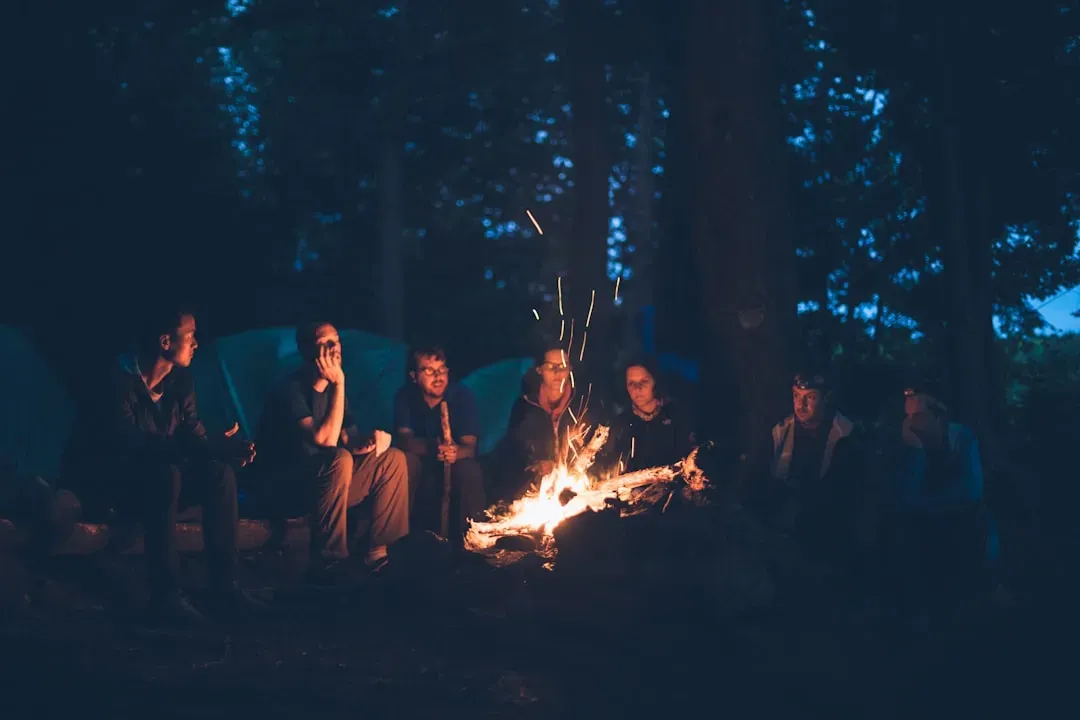
It can feel eerie how natural it is to imagine yourself around a campfire ten thousand years ago, even if you can barely remember what you did last Tuesday. Part of the reason is that our bodies and brains are shaped by hundreds of thousands of years of life before agriculture, cities, and smartphones. For almost all of human history, our ancestors lived in small groups, moved with the seasons, and navigated the world with their senses instead of screens. That deep evolutionary history is still baked into our nervous system today, like old software running under a shiny new operating system.
When you immerse yourself in ancient stories, tools, and ways of living, you are in some ways visiting home. You are seeing the environment your brain was originally designed to handle: slower, more predictable, more grounded in nature and direct human contact. Modern life, by contrast, is like forcing a Stone Age brain into a high‑speed trading floor. If you feel a sense of relief when you mentally step back into the past, that contrast is telling you something important about what your mind is missing in the present.
Attention Overload vs. Ancestral Pace
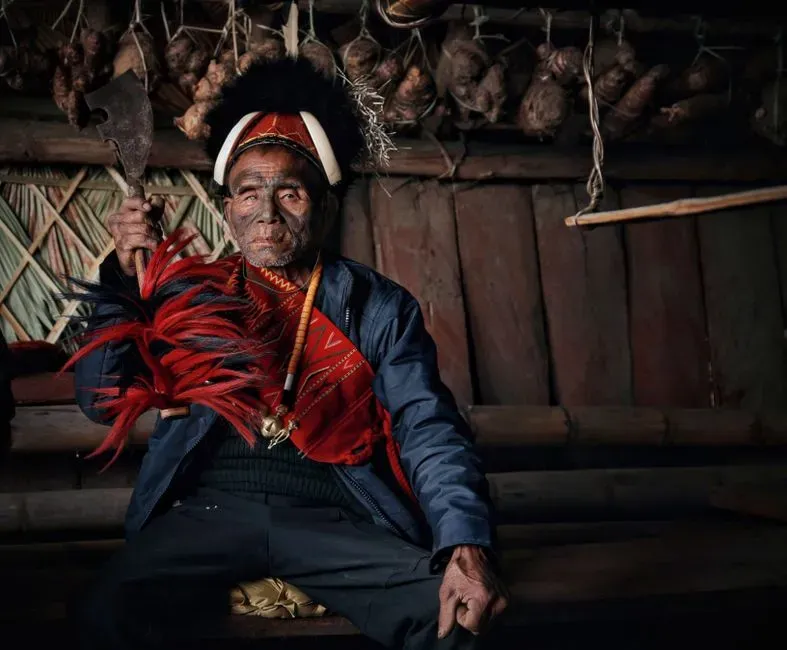
Most days today are defined by rapid context switching: emails, messages, news headlines, app alerts, and endless decisions. But our ancestors’ attention was mostly focused on a small set of immediate, tangible tasks – tracking an animal, weaving a basket, tending a fire, telling a story. Their environment certainly had dangers, but it did not bombard them with hundreds of competing inputs every hour. Our brains cope with modern overload, but they pay for it with fatigue, irritability, and that constant low‑level sense of being behind.
If you feel unusually soothed while reading about ancient tools, migrations, or early settlements, pay attention to that. You’re engaging with a world that moves at a pace your attention system can actually follow. There are no flashing banners in a Paleolithic campsite, no red badges demanding you check “just one more thing.” The calm you feel is not nostalgia for something you never lived; it’s the nervous system finally getting to breathe. That pull toward slower, older worlds is often a signal that you’re running on chronic mental overdrive in your daily life.
Story, Meaning, and the Hunger for Belonging
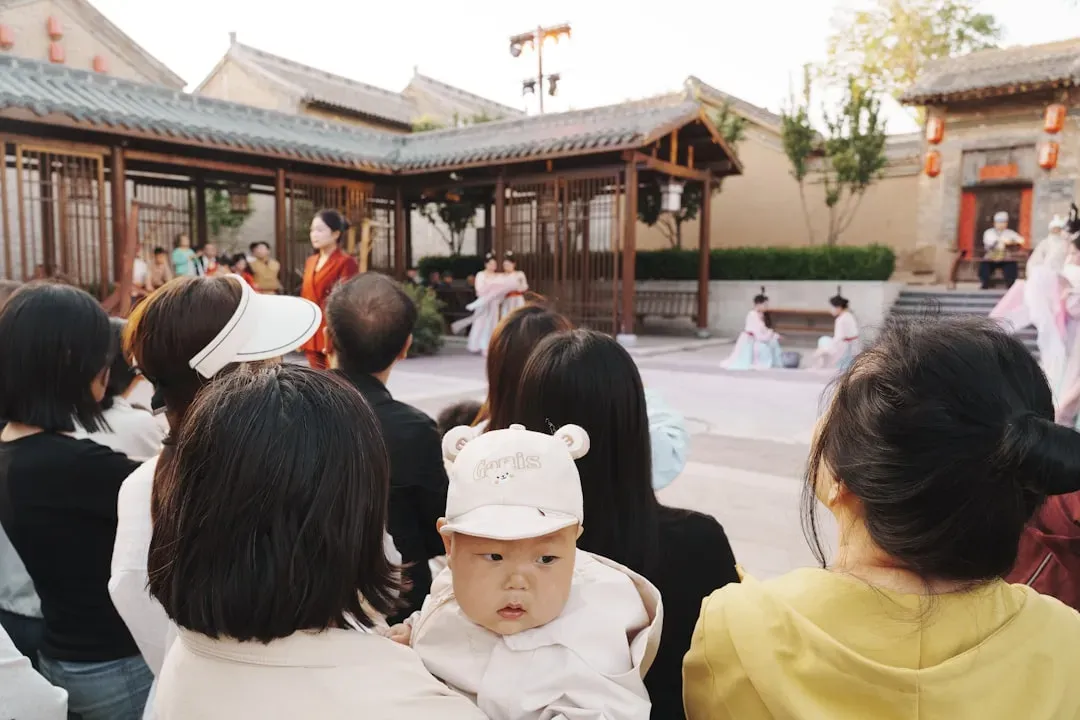
Ancient history is not just about bones and pottery; it is about meaning. Early humans used myths, rituals, and shared stories to explain who they were, where they came from, and what their lives were for. In small bands and early villages, people knew their role, their kin, and their responsibilities. Modern life, despite all its comfort and choice, often strips that sense of coherence away. Many people have jobs that feel abstract, relationships that feel scattered, and identities that feel constantly under revision.
When you’re captivated by ancient burial sites, cave art, or early religious practices, part of what fascinates you is how seriously those people took belonging and purpose. They organized their entire lives around shared beliefs and collective survival. If that world tugs at your imagination, it may be because you sense a similar hunger in yourself: for a clearer story about who you are, to whom you belong, and why your life matters. Your interest in ancient humans can be a clue that you are not actually craving more content, but deeper connection and a more solid narrative for your own existence.
Nature, Sensory Life, and the Quiet Your Brain Misses

Imagine the sensory world of early humans: the feel of dirt and grass underfoot, the crackling sound of fire, the slow change of light from dawn to dusk, the smell of rain before a storm. Compare that to the flat glow of a screen, the hum of air‑conditioning, and the sterile sameness of many indoor environments. Our brains evolved to read clouds, plants, tracks, and the expressions of nearby faces, not to process tiny digital symbols for ten hours a day. It is no wonder that documentaries showing wild landscapes or reconstructions of ancient campsites feel oddly healing.
If you’re drawn to that imagery, your brain might be saying it wants more real sensory life and less filtered simulation. This doesn’t mean you have to move to a cabin and hunt your own food, but it does mean that stepping outside, gardening, walking without headphones, or just watching the sky can do more for your mental health than yet another self‑help thread. Your fascination with ancient humans living under open skies is often a disguised craving to put your own nervous system back into contact with sun, wind, and earth more often than the modern schedule allows.
Tribes, Small Groups, and Why Huge Social Networks Feel Empty
Early humans lived in tight‑knit groups, probably no larger than a few dozen close contacts they actually saw and relied on. Everyone’s survival literally depended on everyone else, which meant each person mattered in a deeply practical way. Today, many people have hundreds or thousands of “connections,” yet feel lonelier than ever. That is not a personal failing; it is a mismatch between how our social wiring was built and how we now use it.
If you love reading about small bands of hunter‑gatherers or the first villages, you might secretly be craving a community where you are truly seen and needed. Scrolling through endless faces online can feel like walking past an infinite crowd where nobody looks you in the eye. By contrast, thinking about ancient groups sharing food, raising children together, or sitting in circles around a fire can trigger a surprising sense of longing. That longing is your cue: your brain does not care about follower counts, it cares about a handful of people with whom you share real time, real effort, and real vulnerability.
Work, Craft, and the Desire to Make Real Things

Much of modern work happens in the realm of symbols: emails, reports, dashboards, meetings about meetings. You can spend an entire week “working hard” and still struggle to say what you actually built. For most of human history, work produced visible, tangible results – a tool, a garment, a shelter, a cooked meal. That kind of craft satisfies a basic part of our brain that likes to see cause and effect, to feel weight in the hands, and to know, in a very literal sense, that you made something exist.
This is one reason ancient tools, pottery, textiles, and structures are so mesmerizing. You can picture the person’s hands, the hours of focus, and the immediate usefulness of the final object. If you find yourself binge‑watching videos about ancient construction techniques or early farming, maybe you are not just learning history; maybe you are hearing your own frustration with abstract, endless, digital work. Your brain may be gently pushing you toward slower, more embodied activities like cooking, gardening, woodworking, or art – anything where time goes in and a real, touchable thing comes out.
Stress, Safety, and the Illusion of Modern Security

On paper, modern life is far safer than the world of our ancestors. We have antibiotics, emergency services, and roofs that do not leak every time it rains. Yet many people feel constantly anxious, worried about money, social status, global crises, and a thousand invisible threats they can do nothing about. Early humans were vulnerable to predators, injuries, and storms, but the dangers were usually direct, visible, and shared by the group. The brain is actually better at handling a concrete risk it can respond to than a constant background hum of intangible worry.
If ancient history calms you, it might be because it shows a world where stress and safety were clearer, even if harsher. Your nervous system may find more peace in imagining a day structured around gathering, resting, and protecting your group than in juggling credit scores, performance reviews, and algorithm changes. This does not mean ancient life was magically better; it was often brutally hard. But your attraction to it can reveal that the modern idea of security – built on constant striving, permanent busyness, and endless contingency plans – feels hollow to you. Your brain may be longing for a simpler, more honest relationship with risk and safety.
Designing a Slower, More Meaningful Life in a Fast World
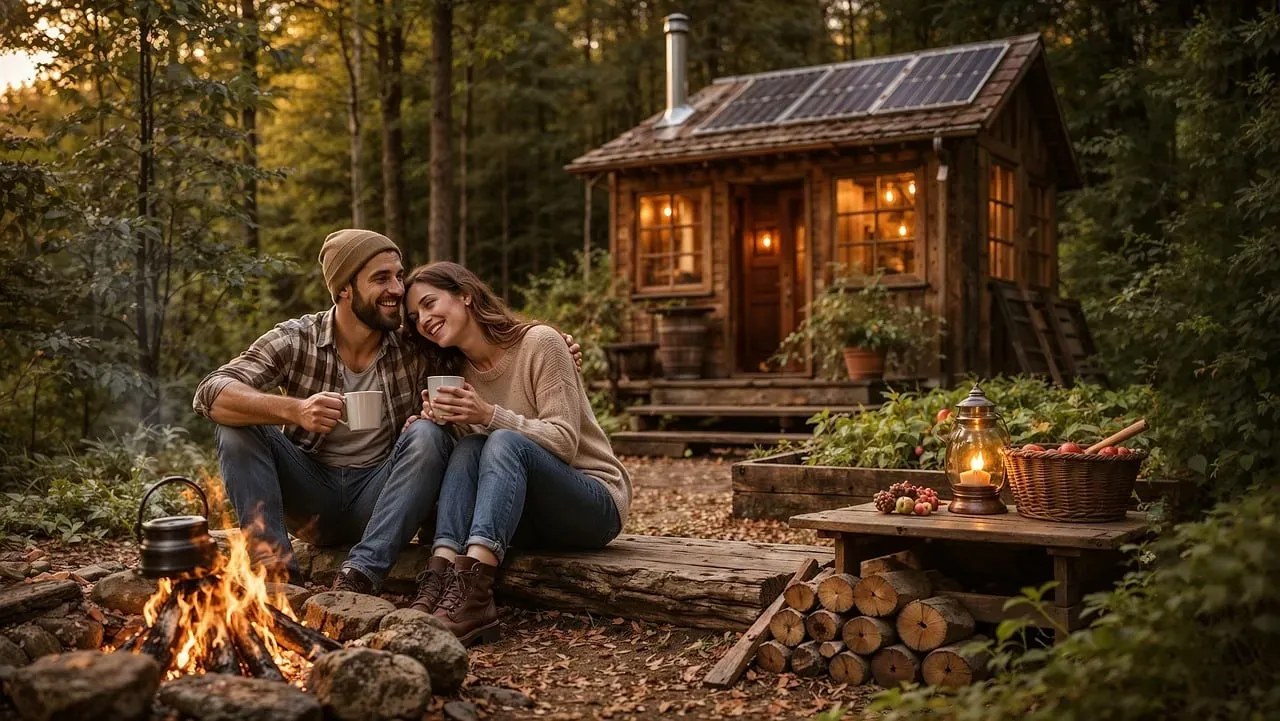
Here is the important part: your fascination with ancient human history is not a sign you were born in the wrong era; it is an instruction manual for how to live better in this one. When something about the past lights you up – the small communities, the rhythms of nature, the hands‑on work, the shared stories – you can translate that into modern choices. You can choose fewer but deeper relationships, more time outside, a craft or hobby that engages your hands, rituals that give shape to your days, and work that feels connected to real human needs whenever possible.
I have noticed, in my own life, that the weeks when I spend more time cooking from scratch, walking without my phone, and talking face‑to‑face feel strangely “bigger,” even if I do less. The days stretch in a good way, like they did when I was a kid. That is the feeling many of us are unconsciously chasing when we binge on ancient history content. Your brain is not asking you to abandon modern comforts; it is asking you to renegotiate your pace, your priorities, and your environment so they line up better with what a human animal can realistically thrive in.
Conclusion: The Past as a Compass, Not a Prison
If the ancient world has its hooks in you, I think your brain is sending a clear, almost defiant message: the way we live now is not the only way to be human, and it might not be the healthiest one for you. That does not mean we should romanticize prehistory or pretend early humans had easy lives. They absolutely did not. But it does mean we can treat our curiosity about them as data. When you feel a deep yes in your body while learning about slower, smaller, more grounded ways of living, that is worth taking seriously, maybe more seriously than another app promising to shave five minutes off your morning routine.
My opinion is that we should stop treating this fascination as escapism and start honoring it as guidance. The past is not a museum we visit to forget our lives; it is a mirror that shows us what parts of ourselves we have tried to outrun with technology and speed. If ancient human history fascinates you, it is probably because some wiser part of you refuses to accept a life of constant rush, shallow connection, and endless digital noise. The real question is not why you are drawn to that older world, but how much of its slower, more meaningful rhythm you are willing to bring into your own. What small, ancient‑feeling change could you make this week that your future self would quietly thank you for?