Imagine standing in a Jurassic twilight, the air thick and warm, while enormous silhouettes move between tree ferns and conifers. If dinosaurs had told stories around primeval lakes the way we trade myths over coffee, which creatures would they have worshipped, feared, and painted on rock faces as symbols of power and wisdom? And, because we’re modern humans who can’t resist it, which of those ancient icons would secretly match your zodiac sign?
In this article, we blend what science actually knows about dinosaurs with a playful, human twist. We will not pretend a T. rex really cared whether it was a Leo, but we will lean on real fossil evidence, behavior in modern animals, and what paleontologists think about how these creatures lived. Think of this as speculative anthropology for a civilization that never quite existed, filtered through astrology, pop culture, and what we now know about the deep past. Let’s step into a world where scales, feathers, and fangs stand in for lions, owls, and dragons.
The Dinosaur Pantheon: How Prehistoric Myths Might Have Worked
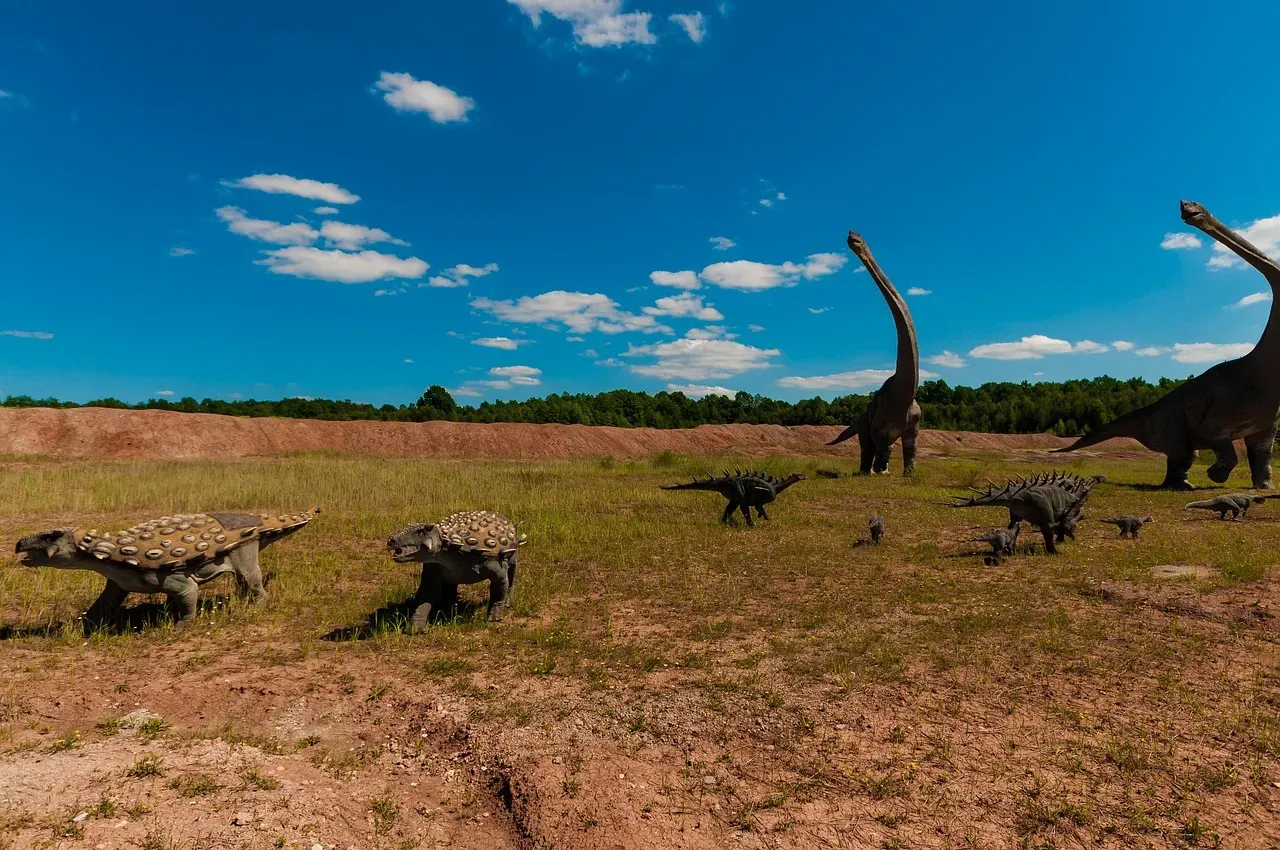
Before we match signs and species, it helps to picture how dinosaur mythology might even arise. Myths grow out of fear, wonder, and the need to explain a dangerous world, and dinosaurs lived in one of the most dangerous environments Earth has ever seen. Giant predators, shifting climates, volcanic eruptions, and asteroid strikes would all have been part of their reality, even if no one was around to tell the tale the way we do.
If intelligent, story-telling dinosaurs had existed, they would probably have mythologized the biggest threats and the strangest behaviors they encountered: towering sauropods that turned forests into salad bars, nimble pack hunters that materialized from the undergrowth, and armored tanks covered in spikes. Just as humans turned thunder into gods with hammers and snakes into symbols of death and rebirth, dinosaurs might have turned their own neighbors into walking metaphors for strength, cunning, patience, and terror.
Tyrannosaurus Rex: Cosmic Apex (Leo, Scorpio)
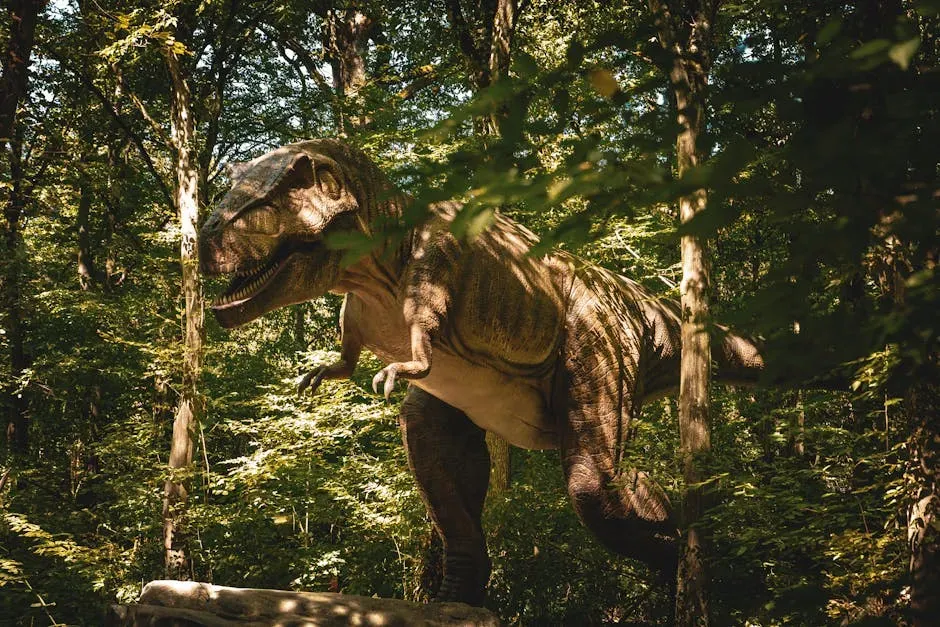
Tyrannosaurus rex almost feels like cheating in any discussion about dinosaur symbols of power. It is the creature that dominates movie posters and children’s books, with a skull longer than a grown person is tall and a bite force that would crush bone like chalk. In a dinosaur mythology, T. rex would likely sit where humans put war gods and thunder deities – a walking embodiment of strength, dominance, and the terrifying finality of being at the top of the food chain.
If we match this to astrology, T. rex is the unapologetic Leo–Scorpio hybrid: the show-stopping ruler who also carries a hint of darkness and intensity. Leo brings that commanding presence and center-stage energy, while Scorpio adds the aura of lethal focus and mystery. A dinosaur civilization might have carved its skull on cliffs to ward off enemies, or invoked it as the judge of battles and the enforcer of cosmic law. If your sign is driven, uncompromising, and a little dramatic, the T. rex would be the monster-god in your corner.
Triceratops: The Sacred Guardian (Taurus, Cancer)
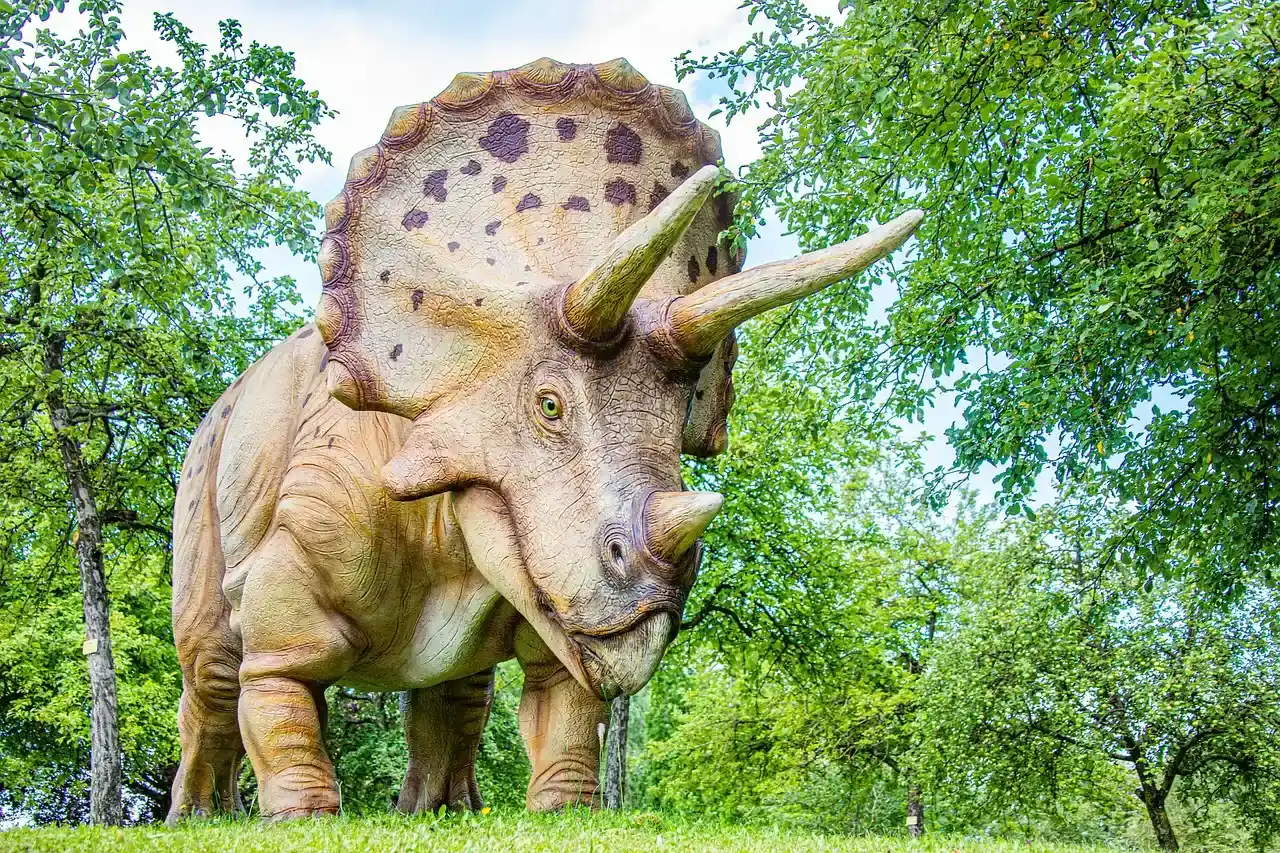
Now picture Triceratops: three horns, a massive bony frill, and a body like a living tank that could face off against a charging tyrannosaur. Despite that arsenal, it was a plant-eater, more interested in staying alive, defending the herd, and plowing through vegetation than picking fights. In a dinosaur myth-world, Triceratops would be the symbol you call on for protection, endurance, and stubborn, grounded power, the patron saint of holding your ground when something bigger bares its teeth.
This maps almost perfectly to Taurus and Cancer energy. Taurus brings the earthy, immovable vibe – the creature that lives for stability, food, and comfort, yet will absolutely lock horns if you threaten its space. Cancer connects to the idea of guarding the herd like family, circling the vulnerable, and using that giant frill as both shield and banner. If your sign is known for loyalty, protectiveness, and a stubborn streak a mile wide, Triceratops would be your prehistoric spirit armor.
Velociraptor (and Kin): Trickster Hunters (Gemini, Sagittarius)
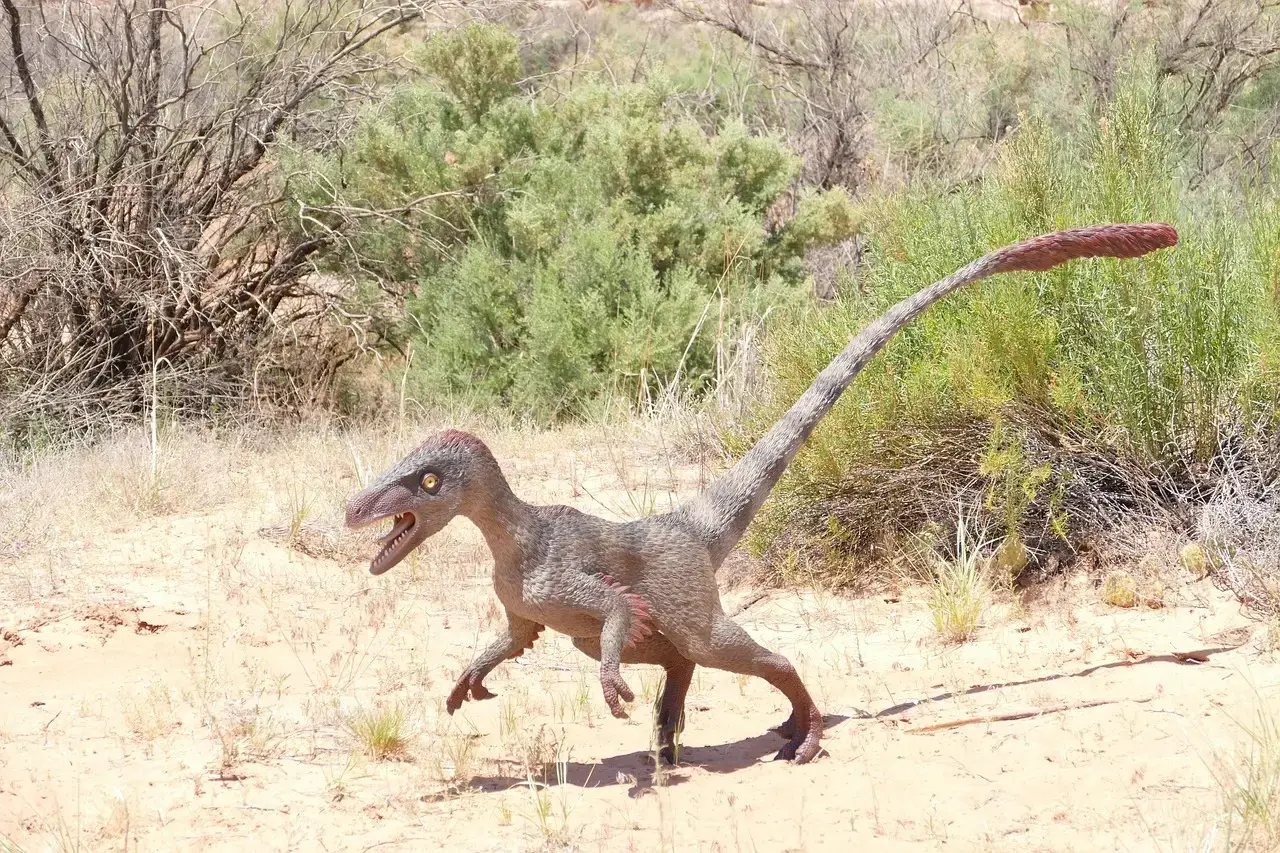
The Hollywood version of Velociraptor is bigger and scarier than the real animal, but the core trait is still on point: intelligence paired with agility. The actual Velociraptor was turkey-sized, likely covered in feathers, and built for speed and precision. Close cousins like Deinonychus and Utahraptor filled the larger, pack-hunter niche that the movies love. In dinosaur mythology, this whole raptor clan would become the trickster–warrior archetype: clever, collaborative, always two moves ahead.
In zodiac language, that screams Gemini and Sagittarius. Gemini covers the quick thinking, the ability to coordinate with others, and the restless curiosity that never stops testing boundaries. Sagittarius adds the roaming, strategic, big-picture hunter who can track, plan, and pounce with almost philosophical focus. A raptor god would rule over intelligence, teamwork, and the morally grey art of outsmarting your enemies. If your sign is known for wit, adaptability, and a little chaos, the feathered raptor is your emblem.
Brachiosaurus: Towering Ancestor of the Sky (Capricorn, Pisces)
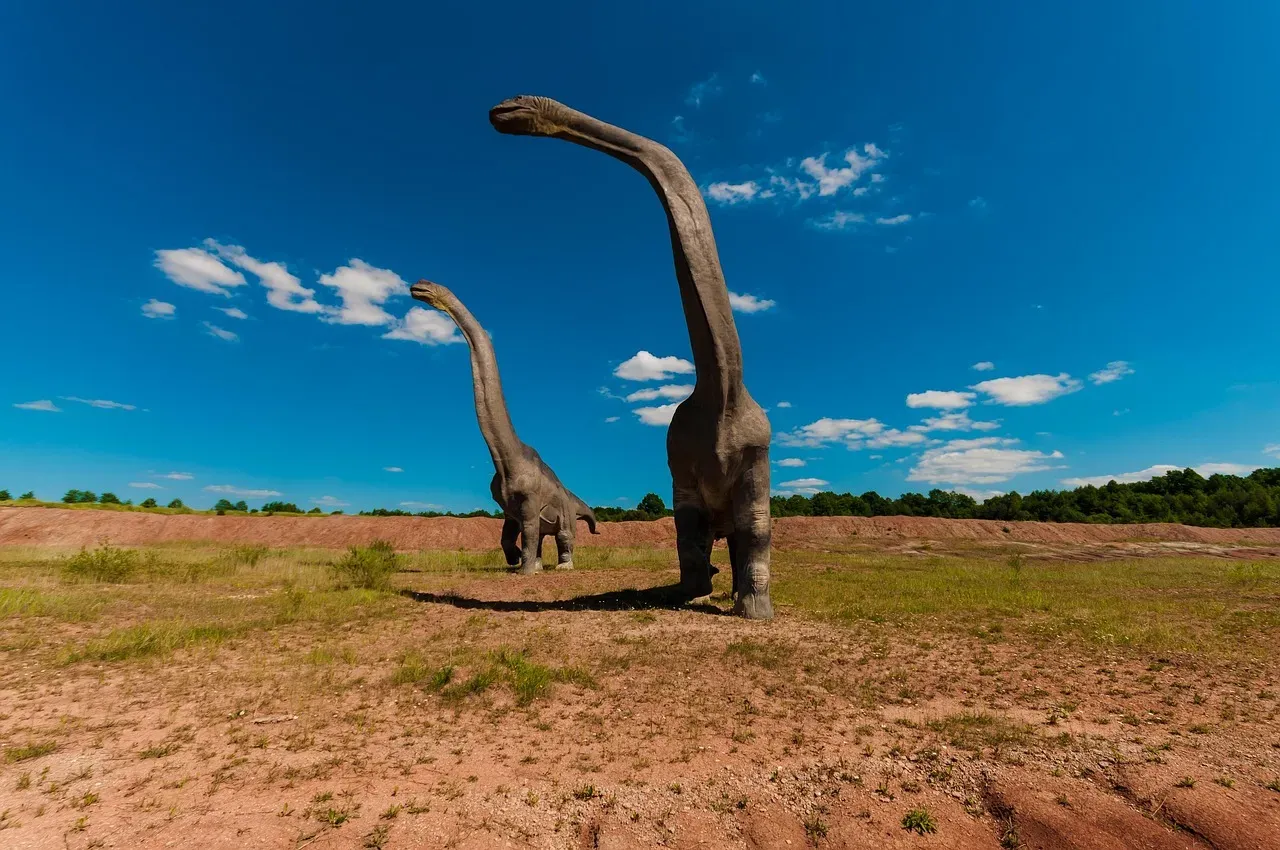
When you think “symbol of power,” you probably picture teeth, but the long-necked sauropods like Brachiosaurus quietly rewrote what power can look like. This animal could raise its head several stories high, turning entire trees into snacks and forcing everything nearby to live in its shadow. Its strength came from sheer size, patience, and the slow, unstoppable way it moved through its world. In a dinosaur myth system, Brachiosaurus would be the ancient, mountain-like ancestor spirit, towering and remote.
This pairs intriguingly with Capricorn and Pisces. Capricorn brings the slow-burn ambition, resilience, and ability to survive hard conditions just by outlasting everything else. Pisces adds that almost otherworldly distance, like a creature half in a dream, head in the clouds while its feet grind forward. A sauropod deity would symbolize endurance, long-term vision, and the kind of quiet power that never needs to roar. If your sign is patient, deep, or a bit aloof, Brachiosaurus is your gentle, gigantic totem.
Ankylosaurus: Living Fortress (Taurus, Virgo)
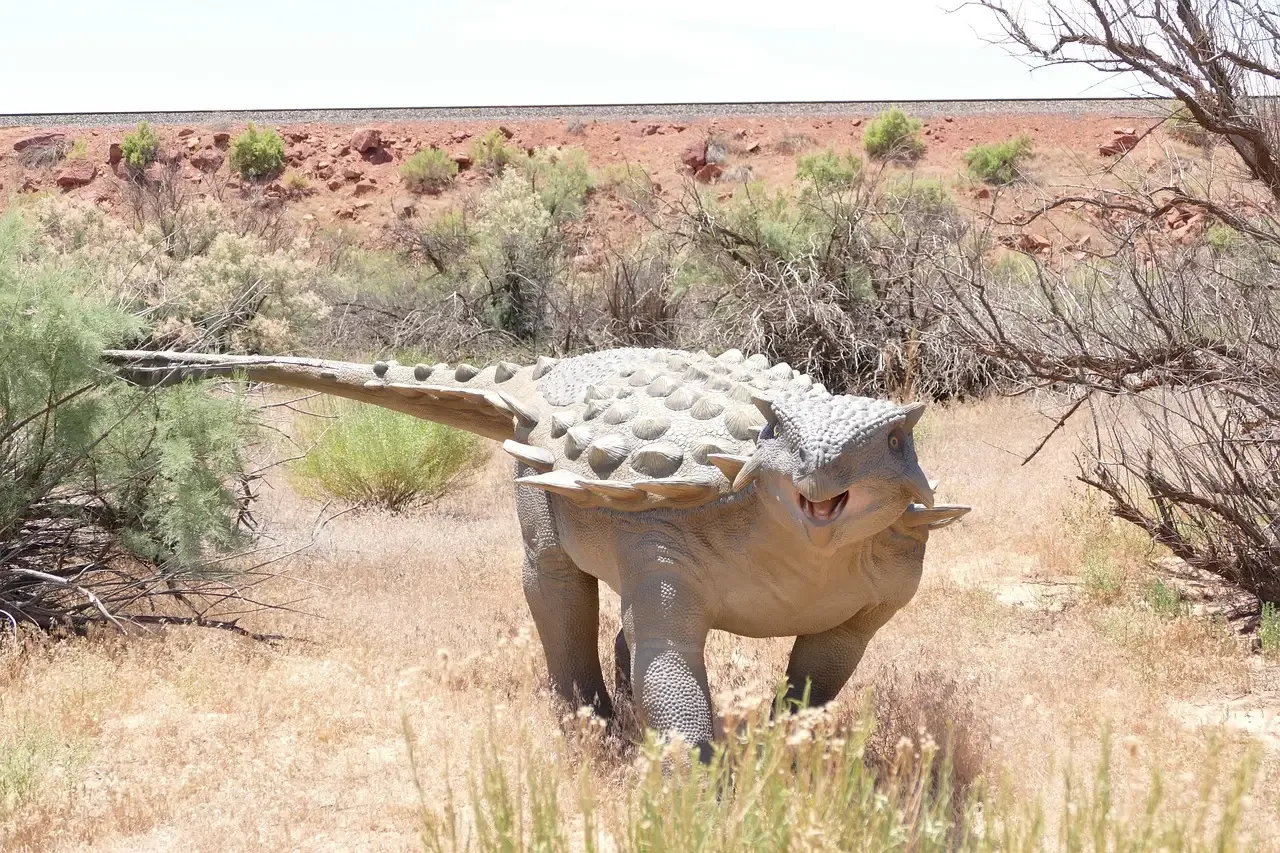
Ankylosaurus looked like an armored tank that evolution got carried away with: heavy body armor, bony plates, and a tail club that could shatter bones. It was a plant-eater, yet it carried the kind of built-in defense most predators could only dream of resisting. In a dinosaur mythology, Ankylosaurus would be the patron of fortifications, boundaries, and the right to live in peace without being pushed around. It is the quiet neighbor whose fence you do not test.
Astrologically, this creature syncs with Taurus and Virgo. Taurus again appears as the grounded, safety-loving energy that invests in security and comfort but fights back hard when provoked. Virgo adds the detailed, methodical aspect: each armor plate fitting perfectly, every defense optimized, turning the entire body into a carefully maintained fortress. If your sign is known for practicality, strong boundaries, and a low tolerance for nonsense, Ankylosaurus would be your prehistoric shield-maiden.
Spinosaurus: Lord of Two Worlds (Scorpio, Aquarius)
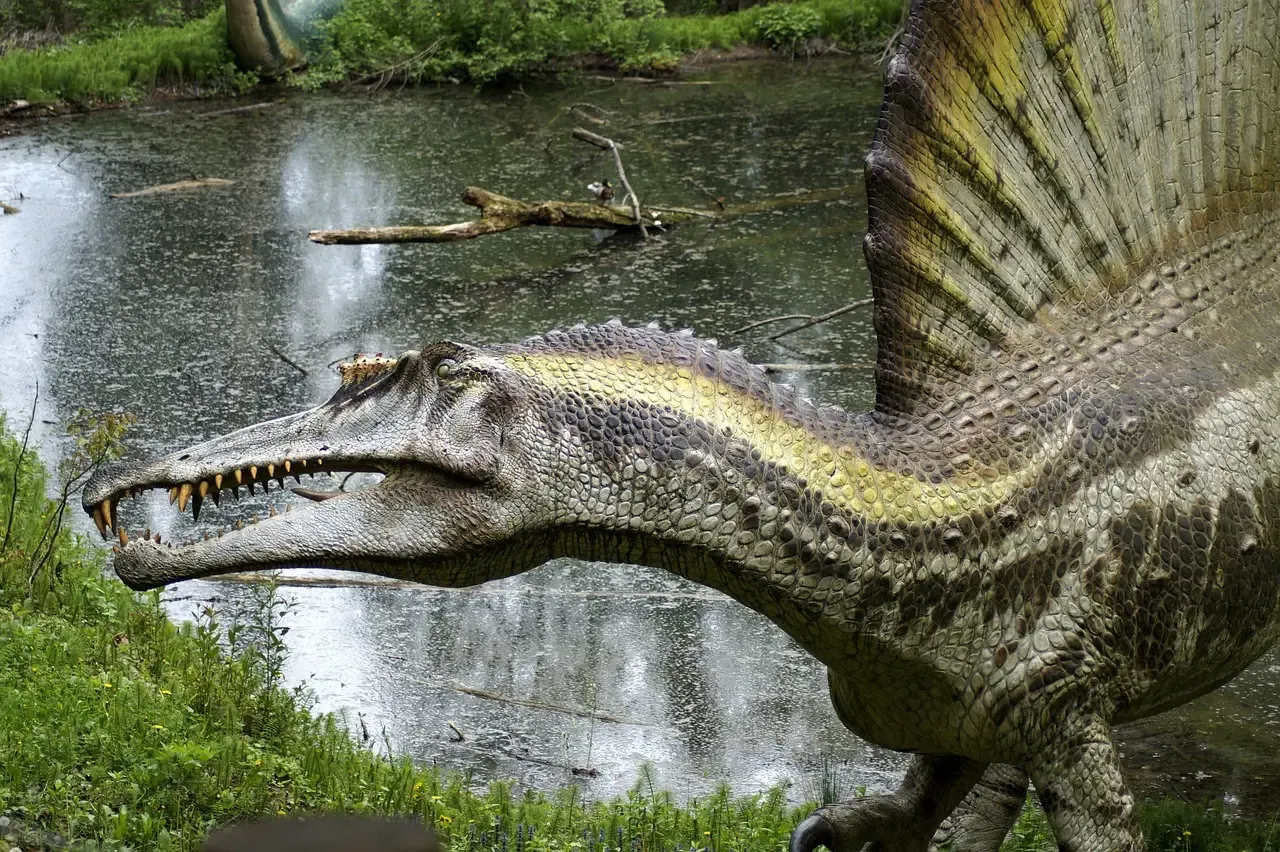
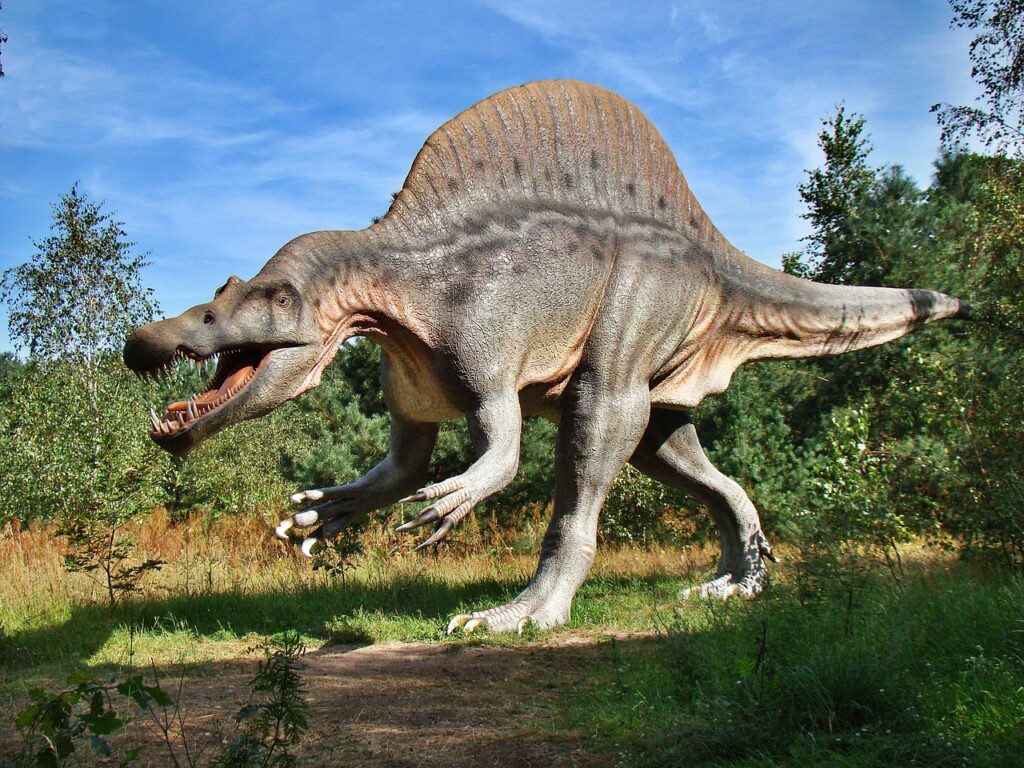
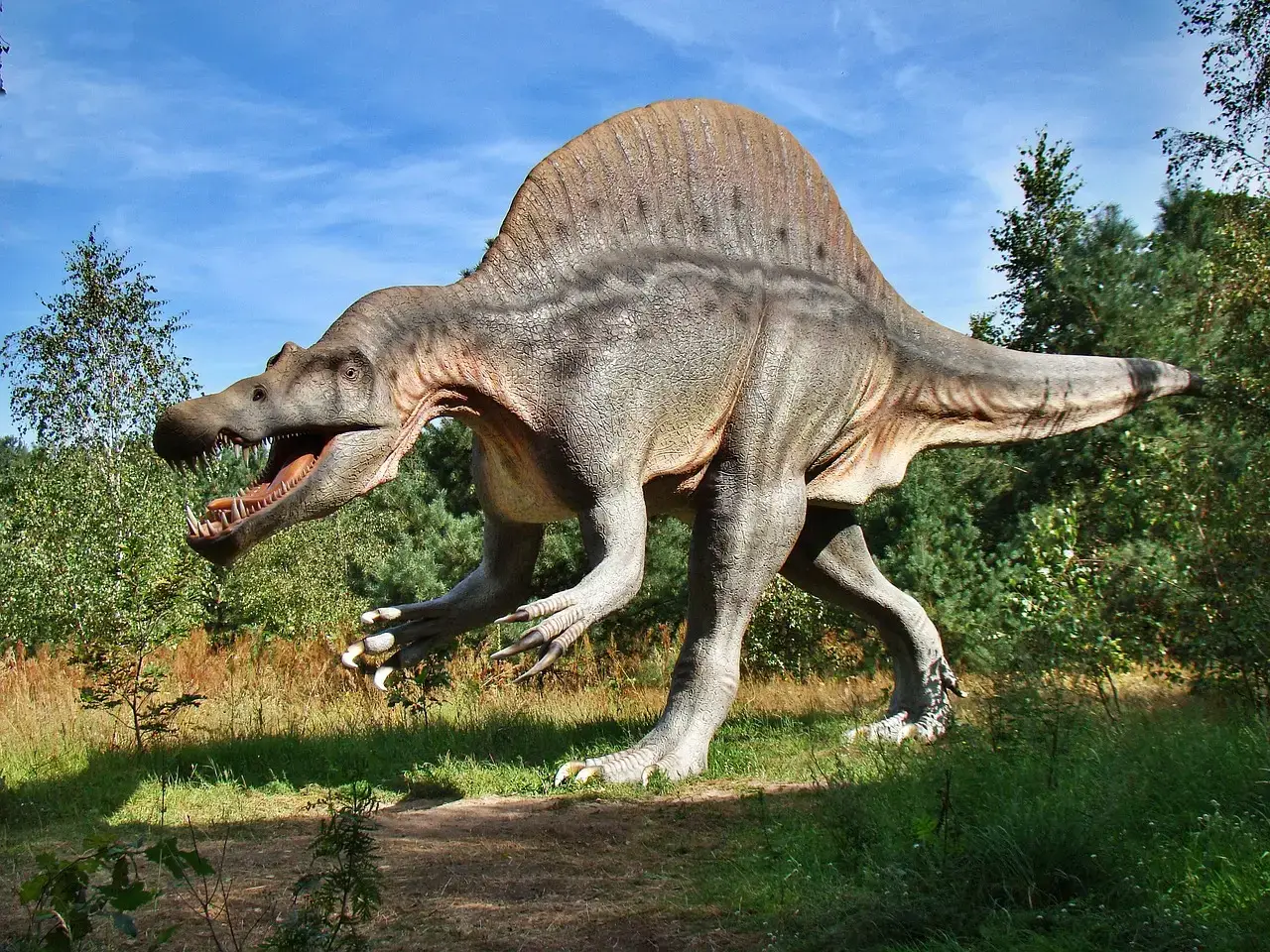
Spinosaurus is one of the most debated and fascinating theropods, with its long crocodile-like snout, huge sail on its back, and adaptations many researchers interpret as semi-aquatic. This was not just a land predator; it likely hunted in rivers and coastal systems, thriving where water and land met. In dinosaur mythology, Spinosaurus would be a liminal god of borders: between land and water, safety and danger, known and unknown.
That duality aligns with Scorpio and Aquarius. Scorpio handles the dark, intense, mysterious side: lurking in murky water, striking from below, holding power in spaces others fear to enter. Aquarius brings the unconventional, boundary-breaking side: a dinosaur that rewrote the rulebook on what a large predator could be, with its bizarre sail and aquatic lifestyle. If your sign thrives on being different, powerful, and somewhat unsettling, Spinosaurus would be your uncanny emblem of rebellion and depth.
Therizinosaurus: The Sacred Stranger (Libra, Pisces)
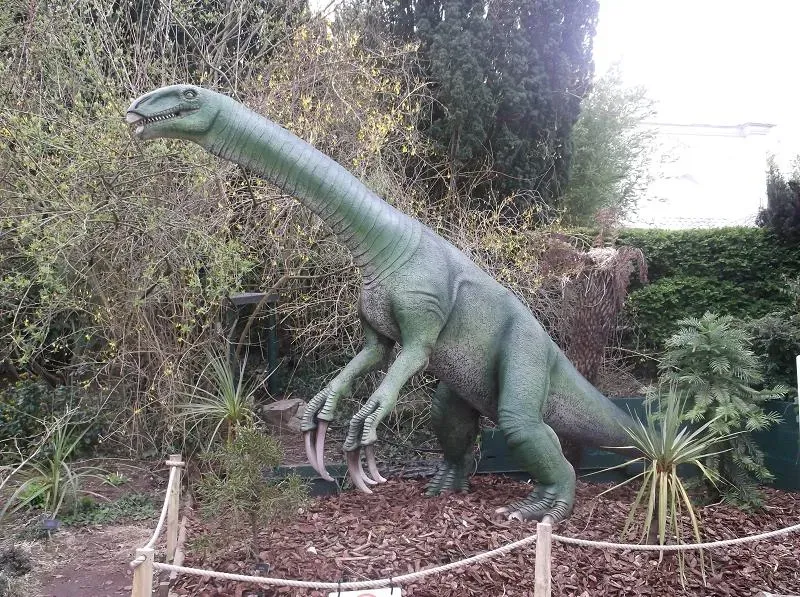
Therizinosaurus looks like something a sleep-deprived artist sketched as a joke: a tall, feathered plant-eater with a potbelly, long neck, and absurdly extended claws that could reach the length of a person’s arm. Those claws were probably used for reaching vegetation or defense, not constant attack, but the visual effect is unforgettable. In a dinosaur mythos, Therizinosaurus would become the strange prophet or oracle, embodying beauty, danger, and the unsettling feeling of something that refuses to fit your categories.
This connects surprisingly well with Libra and Pisces. Libra resonates with the idea of a creature that uses its dramatic features not just for violence but also for display, communication, or balanced movement through dense vegetation. Pisces adds the mystical, dreamlike quality: a dinosaur so bizarre it feels like it stepped out of a subconscious story rather than a field guide. If your sign is artistic, odd, or drawn to liminal roles, Therizinosaurus would be your weird and wonderful prehistoric mirror.
Pterosaurs: Winged Messengers of Fate (Gemini, Aquarius)
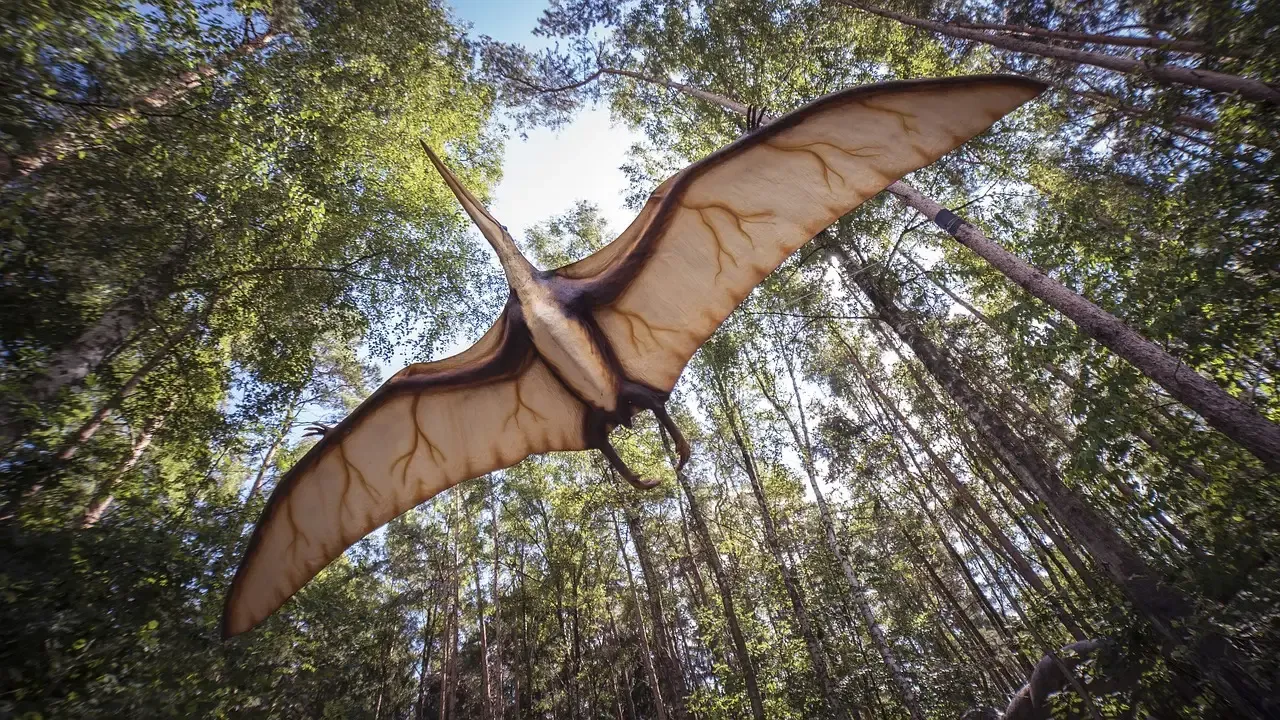
Strictly speaking, pterosaurs are not dinosaurs, but in a dinosaur culture’s sky mythology, they would completely steal the show. Gigantic forms like Quetzalcoatlus soared on wingspans rivaling small airplanes, gliding over coastlines and inland seas. To land-bound creatures looking up, these winged reptiles would be natural symbols of omens, messages, and the unreachable upper world. They are the closest thing the Mesozoic had to angels or storm spirits.
On the zodiac wheel, this energy feels very Gemini and Aquarius. Gemini echoes the messenger role: fast, alert, always moving information from one horizon to another. Aquarius captures the high-altitude detachment, the perspective from above, and the sense of belonging to a different realm altogether. If your sign is wired for ideas, freedom, and big-picture vision, the pterosaurs would be the mythic carriers of your thoughts across the ancient sky.
Dromaeosaur “Pack Gods”: Brotherhood and Strategy (Aries, Libra)
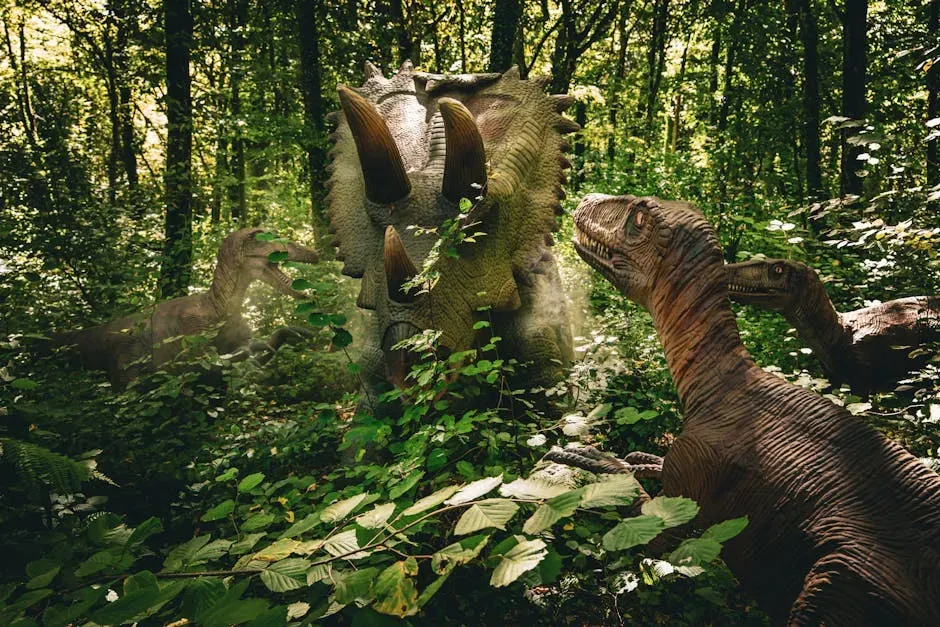
Even beyond famous names like Velociraptor, dromaeosaurids as a group represent agile, brainy hunters that may have used pack strategies, at least in some species. Fossils showing groups around potential prey and anatomical hints of good coordination suggest that some of these animals relied on more than just brute force. In a dinosaur belief system, there would likely be deities or heroic figures representing the pack itself: the brotherhood or sisterhood of hunters who win through timing and unity.
Astrologically, that points to Aries and Libra together. Aries is the raw courage and drive at the front of the charge, the first one to test a strategy in real time. Libra adds the relational intelligence: balancing roles within the group, maintaining cohesion, and navigating the tension between cooperation and competition. If your sign thrives in teams, debates, and bold shared projects, the dromaeosaur pack-god would be your prehistoric banner of courage plus harmony.
Small Feathered Dinosaurs: Keepers of Everyday Magic (Cancer, Virgo)
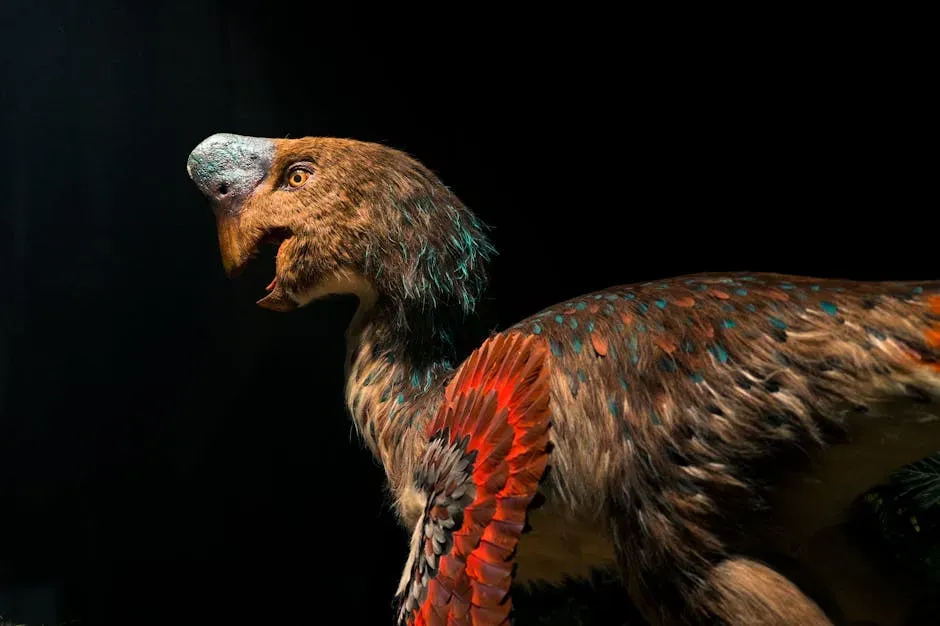
Not every mythic creature has to be enormous. Many non-avian dinosaurs were small, agile, and feathered, filling ecological roles similar to modern birds and small mammals. These quick, bright-eyed creatures would have been everywhere, flitting between vegetation, scavenging, hunting insects, and nesting in hidden spots. In a storytelling culture, they would quietly become symbols of home, luck, and the magic of survival in the margins.
This is where Cancer and Virgo quietly shine. Cancer resonates with nesting, caregiving, and the deep emotional weight of protecting eggs or chicks in a world of giants. Virgo lines up with the humble, detailed work of foraging, cleaning feathers, and staying alert to tiny changes in the environment. If your sign values small rituals, cozy spaces, and paying attention to details, the feathered little dinosaurs would be the quiet guardians of your mythic life.
Avian Dinosaurs: Phoenixes of the Real World (All Signs)
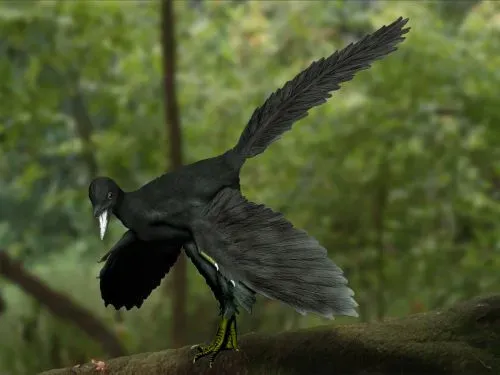
Here’s the twist: some dinosaurs did not just vanish; they changed, shrank, lightened, and became birds. Modern birds are, in a real evolutionary sense, avian dinosaurs carrying ancient DNA and behaviors into the present. In mythic language, they are the phoenix that never needed to burn, just gradually reworked its body until it could own the skies. That continuity makes them the most powerful symbol of all: survival through transformation.
This is where every sign finds a reflection. Fire signs can see the bold displays and territorial songs; earth signs can connect with the practical nesting and migration strategies; air signs can feel the constant motion and communication; water signs can resonate with the intense bonds and complex social lives some bird species maintain. In a dinosaur-made mythology, avian descendants would be living proof that no ending is absolute, only a chance to become something new. Whatever your sign is, some small, feathered survivor is still out there carrying your ancient banner.
So Which Dinosaur Power Symbol Really Fits You?
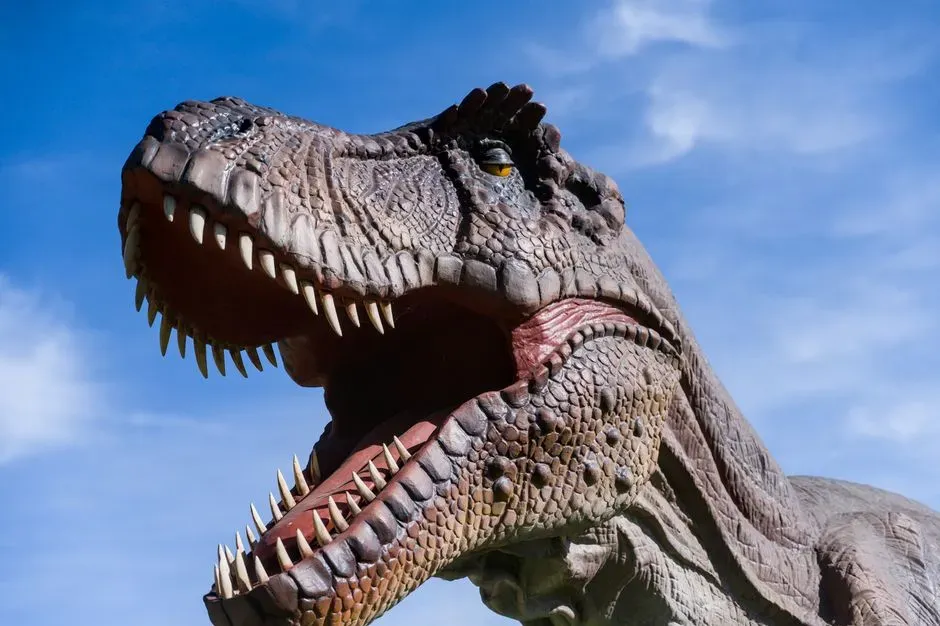
If we put it all together, the matches might look something like this: Aries with the bold dromaeosaur pack gods, Taurus with the unshakable Triceratops or Ankylosaurus, Gemini with the clever raptors or sky-roaming pterosaurs, Cancer with protective horned or small feathered dinosaurs, Leo with the dramatic T. rex, Virgo with the meticulously armored ankylosaurs and busy little insect hunters. Libra aligns with Therizinosaurus and the social side of pack hunters, Scorpio with the shadowy might of T. rex and Spinosaurus, Sagittarius with roaming raptors and long-striding predators, Capricorn with towering sauropods, Aquarius with strange, boundary-breaking creatures like Spinosaurus and pterosaurs, and Pisces with dreamy giants and mystical oddities like Therizinosaurus.
Of course, this is playful myth-building layered on top of serious science about fossils, ecosystems, and evolution. No dinosaur ever waited for a horoscope before hunting, but they did embody certain recurring patterns: dominance, cooperation, endurance, adaptability, and reinvention. When we map our zodiac signs onto their forms, we are really using their bones as mirrors for our own personalities and fears. The true power symbol is the one that makes you feel both small and strangely seen when you imagine it walking past you in the dark.
Conclusion: Why Our Myths Keep Returning to Monsters
What strikes me most, thinking about a dinosaur mythology, is how quickly it starts to sound like ours. We reach for huge predators to stand in for anger and war, plant-eating giants for stability and tradition, feathered tricksters for intelligence and rebellion. The fact that we can look at a fossilized skull and instantly slot it into the same symbolic roles as lions, owls, or dragons says something uncomfortable: our minds crave patterns, and we are very good at turning real animals into reflections of ourselves.
Personally, I like the idea that somewhere in their deep-time story, dinosaurs really did have brief flashes of awareness – not of astrology or gods, but of awe at the giant shapes on the horizon, the shadows overhead, and the sudden violence of their world. Our myths about them are probably more about us than about them, but they still push us to imagine lives and fears beyond our own. The question that lingers is simple and slightly unsettling: if an intelligent species millions of years from now dug up our bones, which of us would they turn into their symbols of power, wisdom, and fear – and which one would match their sign?