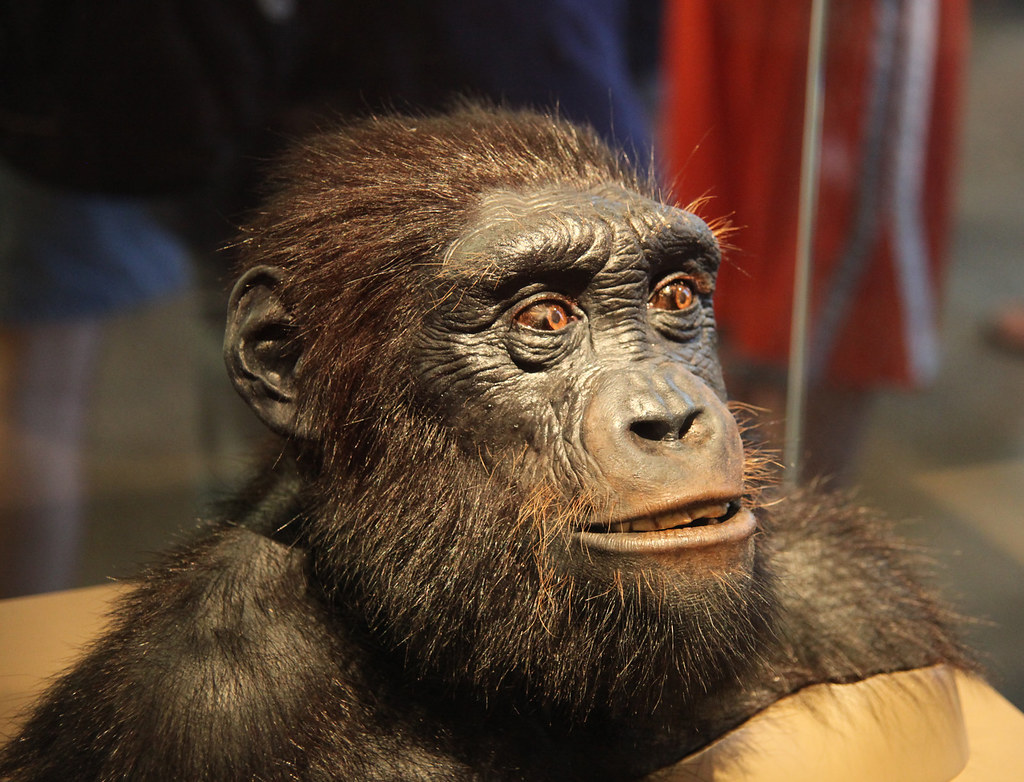
For a long time, many of us pictured the last common ancestor of humans and chimpanzees as something like a chimp in slow motion: knuckle-walking in a forest, starting to experiment with walking upright, somehow halfway between “ape” and “us.” It was a simple, satisfying story. It was also almost certainly wrong.
New fossil finds and more precise genetic work are quietly, and sometimes brutally, tearing up that old mental image. What is emerging instead is a stranger, more complex creature that does not fit neatly into any modern box. It might not have walked like a chimp, moved like a human, or lived in the kind of habitats we once assumed. And that uncomfortable uncertainty is exactly what makes this ancestor so fascinating.
A Mysterious Figure Hidden in Our DNA
The last common ancestor of humans and chimpanzees is not a single fossil sitting in a museum drawer; it is a ghost reconstructed from DNA and scattered bones. By comparing human and chimp genomes, researchers can estimate when our lineages split, usually landing somewhere between roughly about five and eight million years ago. That window marks the era in which this shared ancestor must have lived, even if we never find its full skeleton.
Yet knowing when it lived is easier than knowing what it actually looked like. DNA tells us about relationships and timing, but not the precise shape of a pelvis, the length of a finger, or how the ankle bends. To fill in those gaps, scientists rely on fossils from early human relatives and early chimp-like apes, then try to work backward. It is a bit like trying to reconstruct a burned photograph from a handful of charred scraps.
Why It Probably Did Not Look Like a Modern Chimp
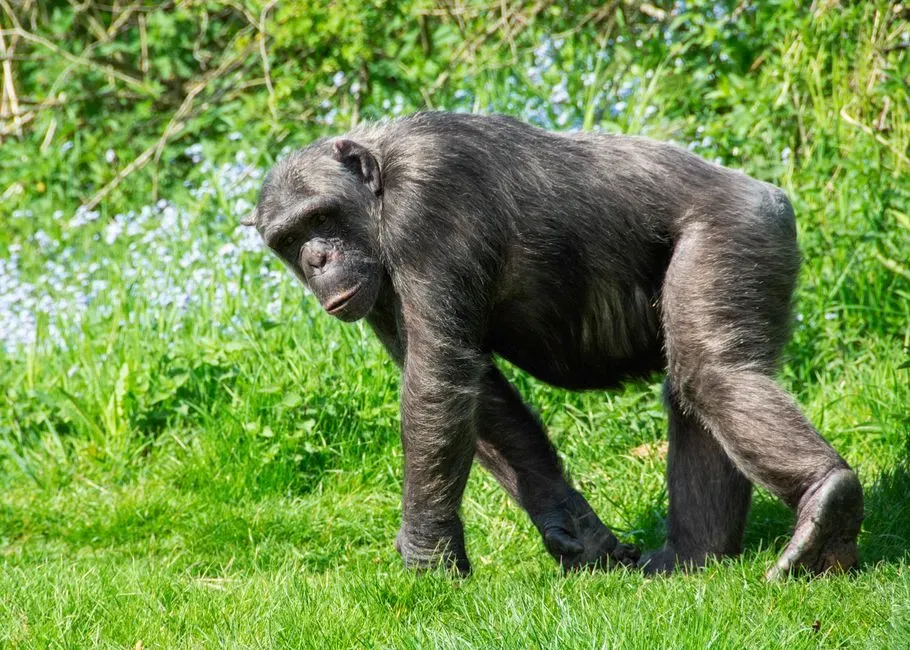
One of the biggest shifts in thinking is the realization that chimps themselves are not “living fossils.” For a long time, researchers casually treated them as rough stand-ins for our ancestor, assuming that their body plan and behavior had changed very little over millions of years. But genetic evidence and fossil discoveries suggest that chimpanzees have had their own long, dynamic evolutionary journey, with adaptations that are just as specialized as ours, only in a different direction.
Modern chimps are experts at life in dense forests, with powerful arms for climbing and a form of knuckle-walking that may not be ancient at all. That means the last common ancestor might not have shared that exact walking style, shoulder shape, or even the same kind of habitat. Instead of being a “proto-chimp,” it was more likely a different kind of ape altogether, one that gave rise to both the human lineage and the chimp lineage as they radiated off in their own ways.
Clues from Controversial Fossils
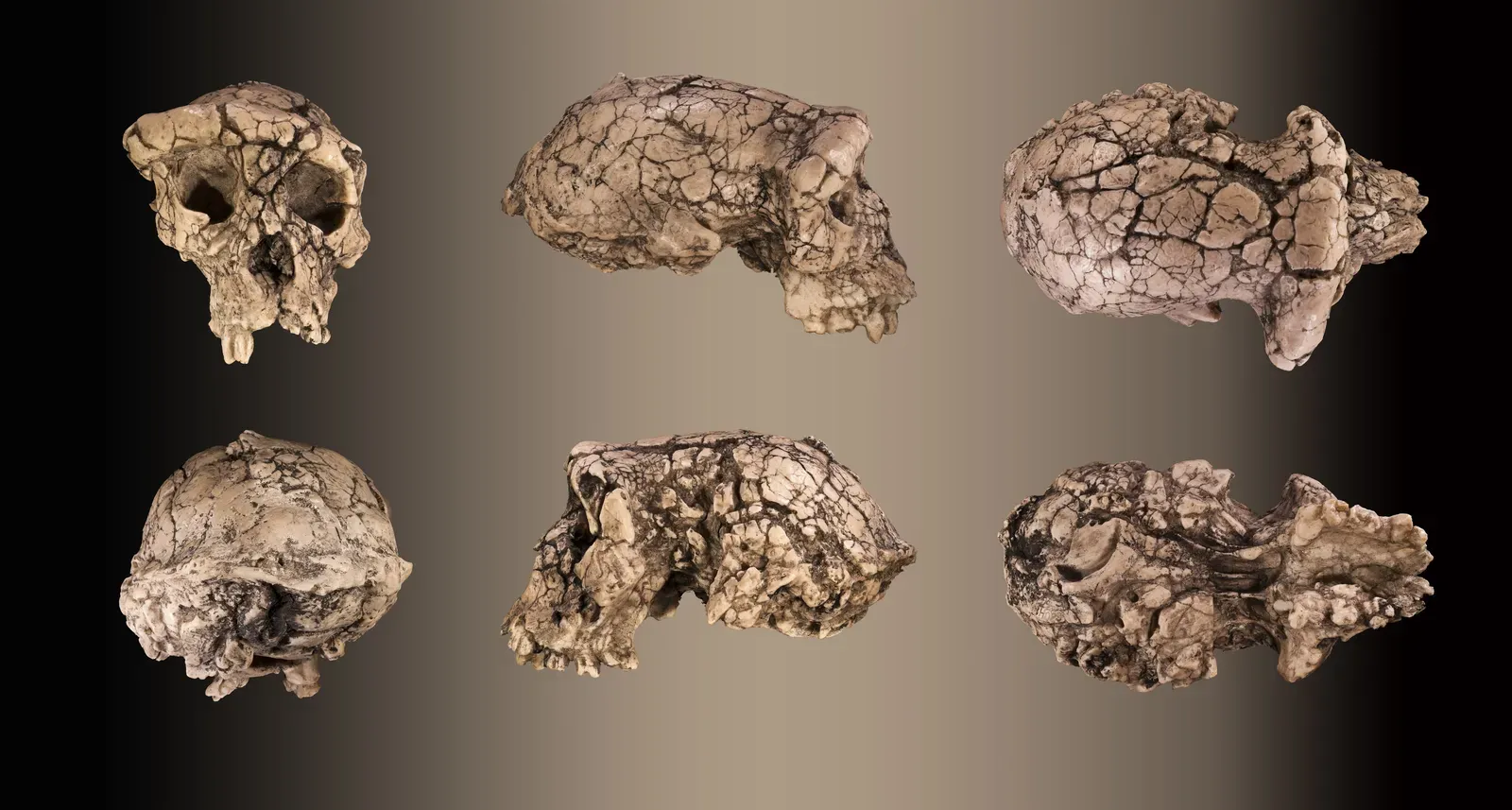
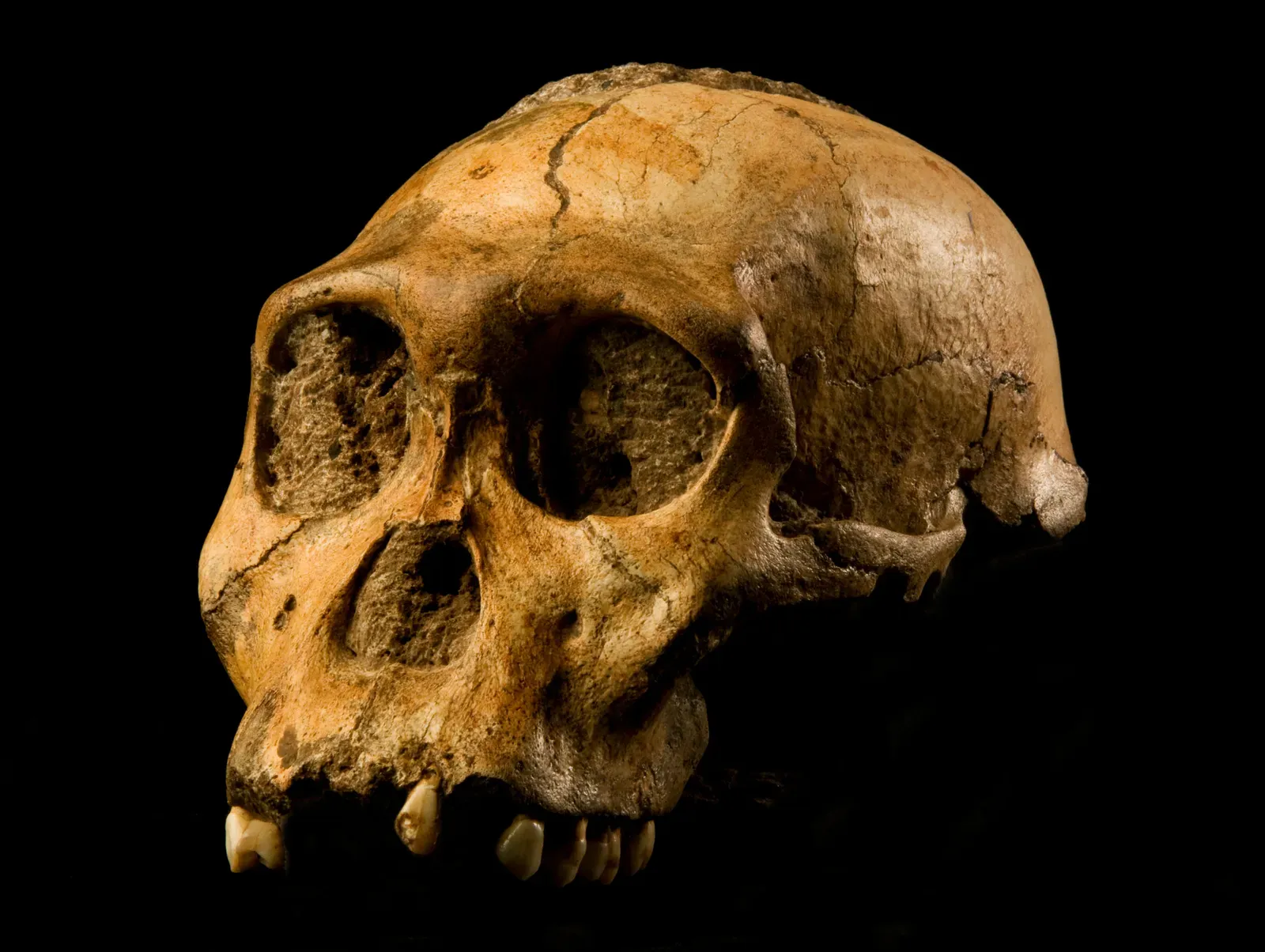
Since we cannot time-travel, fossils are the closest thing we have to eyewitnesses. Specimens like Sahelanthropus from Central Africa, Orrorin from Kenya, and Ardipithecus from Ethiopia have all been pulled into the debate about what this last common ancestor was like. Each of these fossils has features that seem part ape, part early human, and interpreting them is a bit like reading a heavily edited draft with half the pages missing.
Some of these remains hint at creatures that may have walked upright at least part of the time, but also climbed trees with ease. Others show skull shapes that suggest brains not much larger than modern chimpanzees, yet with subtle differences in the face and teeth. No single fossil has been universally accepted as the actual last common ancestor, but taken together they paint a picture of early forms that do not match the standard chimp-like stereotype we once leaned on.
Rethinking How It Moved: Not Just Knuckle-Walking vs. Upright
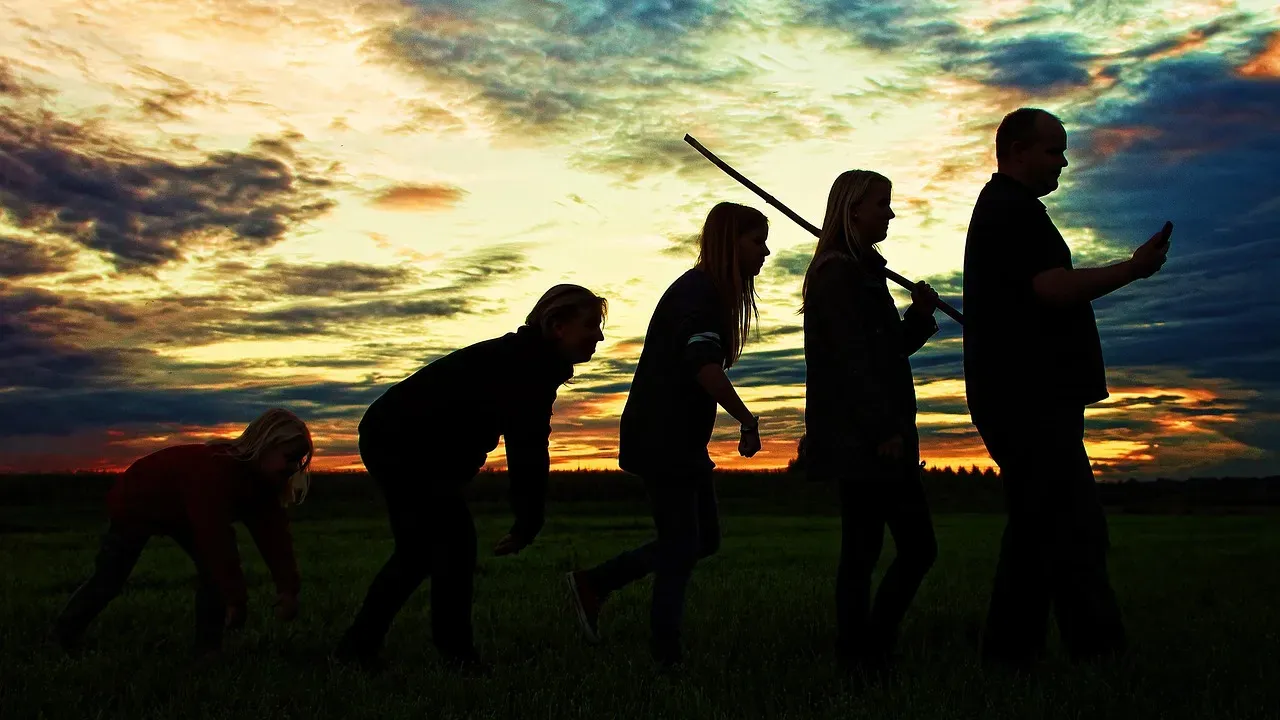
For years, the debate centered on a crude question: did our last shared ancestor walk on its knuckles like a chimp, or more upright like a human? That either-or framing now looks far too simplistic. Studies of limb bones, joints, and the inner structure of fossilized bones suggest a messy mix of behaviors, including climbing, clambering along branches, and some kind of cautious upright walking on the ground.
Imagine an animal that could move confidently in trees but was not fully committed to life up there, and that could stand and walk on two legs when it needed to, without having the smooth, energy-efficient stride of modern humans. That kind of flexible movement would make good evolutionary sense in patchy environments, where food and safety might alternate between the trees and the ground. Instead of a clear, clean switch from knuckle-walking to full bipedalism, we are probably looking at a long, overlapping transition of weird and experimental body plans.
Where It Lived: Forests, Woodlands, or Something In Between?
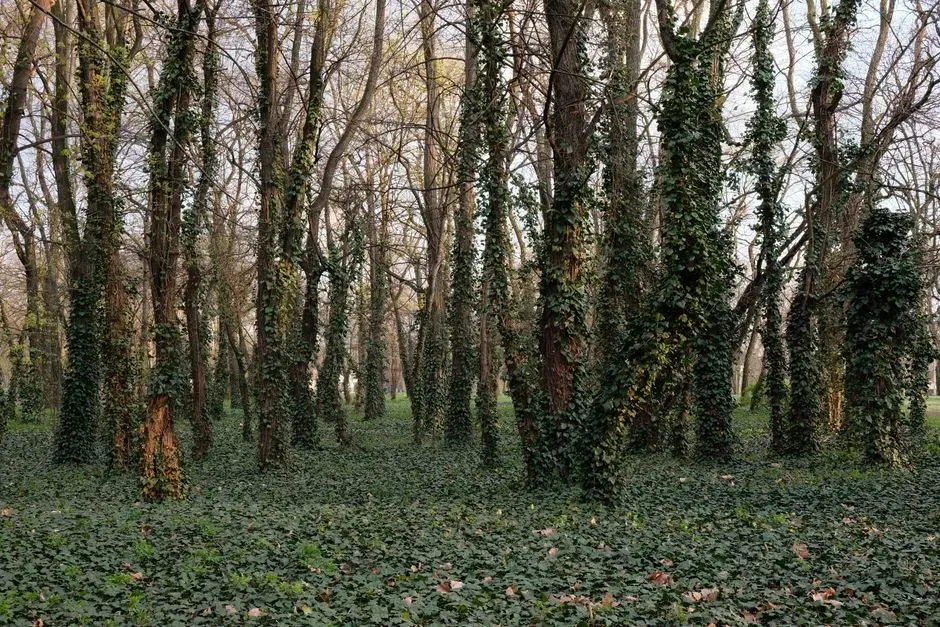
The classic story placed our last common ancestor deep inside tropical forests, with humans later marching out into open savannas. That neat timeline has also started to crumble. Analyses of ancient soils, plant fossils, and animal remains from early human sites suggest that some of our early relatives lived in more mixed environments, including woodlands and mosaics of forest, shrubs, and open patches.
If that is true, the last common ancestor might have been adapted to a world that was not purely forest and not fully open grassland either. It may have used trees for food and safety while also venturing onto the ground more often than a typical forest ape. That flexible lifestyle would have favored creatures that could climb, balance, and occasionally walk upright, which lines up with what we see in some of the early fossils. The environment, in other words, nudged our lineage toward experimentation long before anything recognizably human existed.
Face, Brain, and Behavior: Not a Half-Human, Half-Ape Cartoon
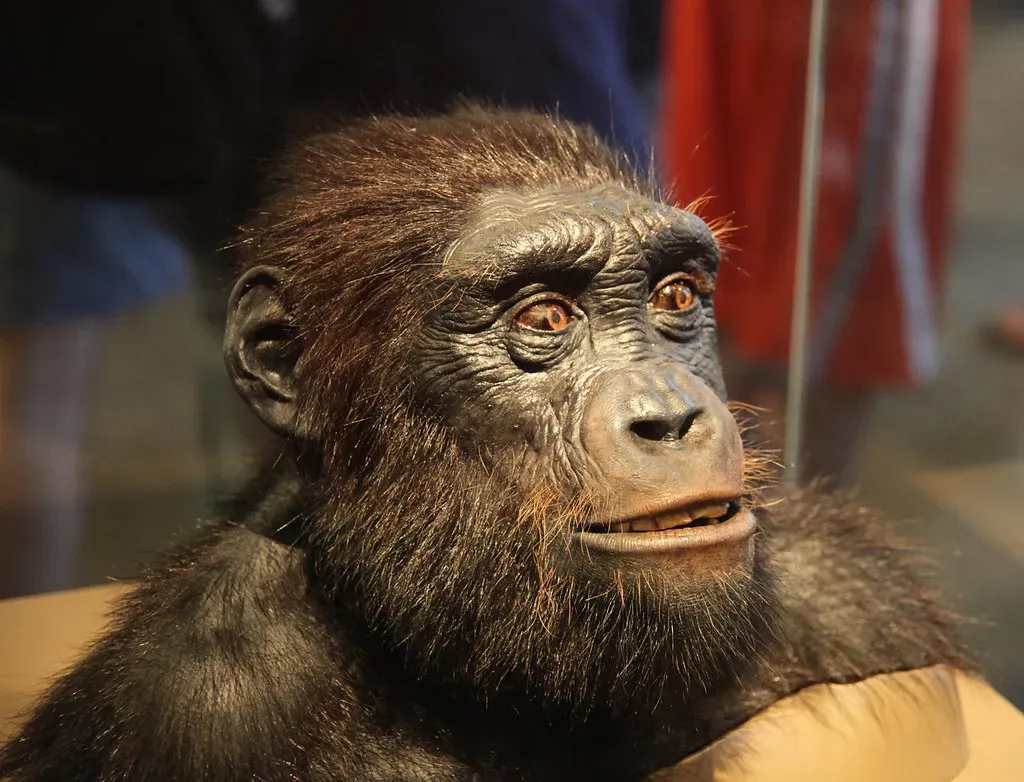
When people imagine this ancestor, they often picture a cartoonish in-between creature, with a half-flattened face, a slightly bigger brain, and a vibe that feels oddly human. Reality is almost certainly less flattering to our ego. Its brain was probably close in size to that of a chimpanzee, and there is no strong evidence that it had anything like human language or complex culture. It likely communicated in vocal calls and gestures, formed social bonds, and navigated alliances and conflicts much like other apes do today.
At the same time, small details in teeth, jaw shape, or the base of the skull might have set the stage for later changes in diet, speech, and brain organization. You can think of it as a starting template, not a halfway-completed human. It was not a primitive version of us, but a full, successful animal in its own right, managing to survive in a demanding environment. From that template, natural selection took different paths, one leading to modern humans and one to modern chimpanzees, each adding layers of complexity on top of a shared base.
How New Tools Are Changing the Story Again
One reason scientists are revising their picture of this ancestor is simply that their tools keep getting better. Advances in genetic analysis allow researchers to compare the fine details of DNA changes along the human and chimp lineages, revealing which traits are likely ancient and which are more recent. High-resolution scans of fossil bones can show internal structures that hint at how joints moved or how muscles attached, details that were invisible to earlier generations of paleoanthropologists.
On top of that, new dating techniques and careful fieldwork are constantly reshuffling the fossil timeline. A jawbone that seemed too young or too old a decade ago can suddenly take on a new significance after re-dating. Every time that happens, the mental model of the last common ancestor shifts slightly. To me, that is the exciting part: the story is not frozen. It is more like a long-running detective series where new clues keep forcing everyone to rethink their favorite suspect.
Why This Strange Ancestor Matters for How We See Ourselves
It might be tempting to treat all this as a niche academic argument about a creature we will never meet. But what scientists believe about the last common ancestor quietly shapes how the rest of us think about being human. If we imagine it as a nearly human figure striving heroically toward upright walking and bigger brains, we end up with a flattering, linear story where evolution was always “aiming” at us. The newer evidence paints a less ego-boosting picture: we are one quirky branch among several, not the inevitable destination.
Personally, I think that makes our story richer, not smaller. Knowing that our roots lie in a strange, not-quite-chimp, not-quite-human ape surviving in a changing landscape forces us to admit just how contingent our existence is. It challenges the comforting myth of steady progress and replaces it with a tale of chance, adaptation, and branching paths. That uncomfortable truth carries a quiet question for all of us: if our deepest ancestor was more alien than we once imagined, how willing are we to let go of the simple stories and embrace the messy, surprising reality instead?