Have you ever found yourself reacting to a situation only to regret it moments later? Or maybe you’ve struggled to understand why someone responded the way they did, leaving you feeling confused and disconnected. You’re not alone in this.
The way you navigate your emotions doesn’t just affect your internal world. It ripples outward, shaping every conversation, every relationship, and every decision you make. Emotional intelligence helps you build stronger relationships, succeed at school and work, and achieve your career and personal goals. The real question is, can you truly master this vital skill? Let’s dive in and find out.
Start With Self-Awareness

You can’t manage what you don’t understand. Self-awareness is the ability to identify and understand your own emotions and the impact you have on others, and it’s the cornerstone of emotional intelligence. Think of it as your emotional GPS. Without it, you’re driving blind.
When emotions surge, pause and ask yourself what you’re really feeling. Is it anger masking disappointment? Is frustration really exhaustion in disguise? Taking a moment to name your feelings and temper your reactivity is an integral step toward emotional intelligence. This simple practice creates space between stimulus and response, giving you back control.
Recognize Your Emotional Patterns

Once you’ve started tuning into your emotions, the next step is spotting the recurring themes. Regular emotional check-ins help you build self-awareness throughout your day, and this trains your brain to recognize emotional patterns before they spiral out of control. Maybe you always feel anxious before meetings. Perhaps certain people consistently leave you feeling drained.
Set reminders on your phone to pause and identify what you’re feeling in the moment. Over time, you’ll notice triggers you never saw before. Recognizing these patterns isn’t about judgment. It’s about gathering data so you can make informed choices instead of operating on autopilot.
Practice Mindfulness to Stay Present

Here’s the thing about emotions: they love to pull you into the past or push you into the future. Mindfulness brings you back to now. Mindfulness is the practice of purposely focusing your attention on the present moment without judgment, and it helps shift your preoccupation with thought toward an appreciation of the moment.
Mindfulness allows you to show up for yourself and others in ways that are noticeable and appreciated, and by staying present, you strengthen your connection with others and continue to improve your self-awareness and emotional intelligence. Even just ten minutes of meditation daily can recalibrate your nervous system. You don’t need to sit cross-legged for hours. Simple deep breathing while waiting in traffic counts.
Learn to Regulate Your Emotions

Self-awareness is step one. Self-regulation is where the rubber meets the road. You’re able to control impulsive feelings and behaviors, manage your emotions in healthy ways, take initiative, follow through on commitments, and adapt to changing circumstances. This doesn’t mean suppressing what you feel; it means choosing how you respond.
When you feel overwhelmed, count to six before responding, as this activates your prefrontal cortex and prevents impulsive reactions. Think of regulation as the pause button on your emotional remote control. It gives you the power to respond thoughtfully rather than reactively, which honestly can save you from countless awkward apologies.
Develop Active Listening Skills

Active listening involves paying full attention to the speaker, recognizing their emotions, and responding thoughtfully, and by practicing active listening, you can build trust and deepen your connections with others. This isn’t about waiting for your turn to talk. It’s about truly hearing what the other person is saying beneath their words.
Put your phone away. Make eye contact. Notice their body language and tone. Sometimes people aren’t looking for solutions; they just want to be heard. When you listen actively, you validate their experience, and that creates a foundation of trust that strengthens every relationship you have.
Cultivate Empathy for Others

Empathy is the bridge between your emotional world and someone else’s. Empathy involves understanding others’ experiences from their point of view, not just sympathizing with their situation, and being empathetic makes it easier to find common ground and resolve disagreements constructively. It’s not about agreeing with everyone; it’s about understanding why they feel the way they do.
When conflicts arise or relationships feel strained, consciously shift your perspective to see things through the other person’s eyes, considering their background, current stressors, values, and motivations that might influence their behavior. This simple shift can transform tense interactions into opportunities for deeper connection. Let’s be real, though: empathy takes effort, especially when you’re stressed or hurt.
Master Nonverbal Communication

Your body speaks louder than your words ever could. Nonverbal communication is crucial for emotional intelligence success, and as you become more skilled at reading nonverbal signals, you’ll better understand other people’s true feelings and respond more appropriately to their needs. Notice facial expressions, body posture, tone of voice, and gestures when interacting with others.
Notice when someone’s words don’t match their body language, as this often indicates underlying emotions they’re not expressing directly. A colleague might say they’re fine with your feedback, but crossed arms and a tight jaw tell a different story. Becoming attuned to these signals helps you navigate social situations with greater precision and sensitivity.
Manage Stress Effectively
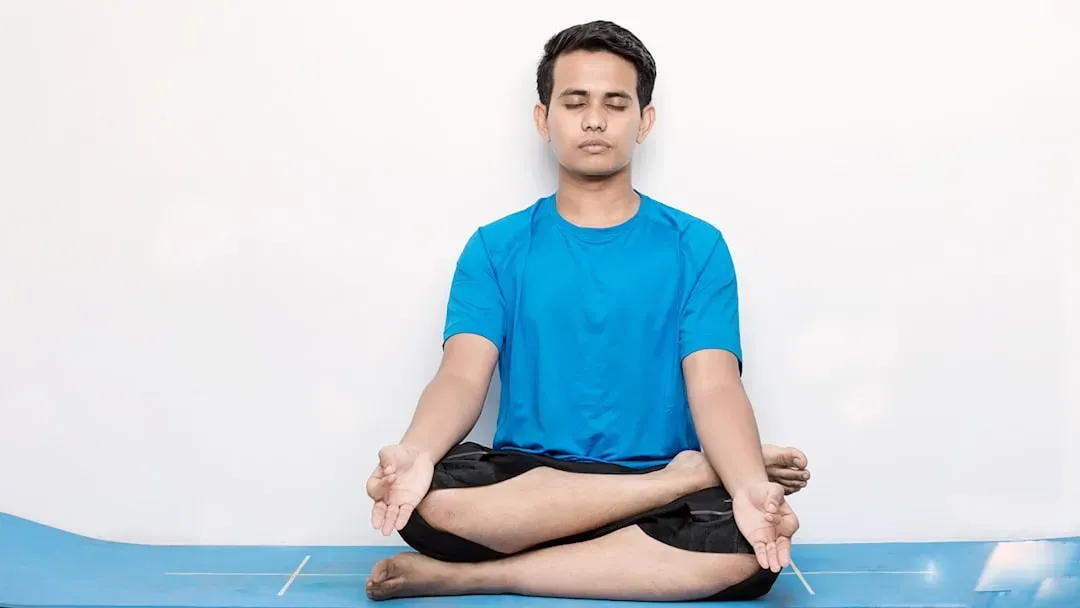
Stress can hijack your emotional intelligence, making it harder to think clearly or respond appropriately, so use stress-management techniques that work for your lifestyle and personality. Think of stress as emotional static. It interferes with your ability to read situations accurately and respond appropriately.
Practice relaxation techniques like deep breathing exercises, yoga, or meditation, and do hobbies or activities you enjoy, as they can help you take your mind off stress. Regular physical activity works wonders too. Just thirty minutes of walking can shift your entire mood. The key is having multiple strategies available so you can choose what fits each situation.
Set and Respect Boundaries

All relationships have a little give-and-take, so it’s important to acknowledge how far is too far and what’s allowed to affect your time and energy, and setting healthy boundaries helps you protect your values and maintain your goals while acknowledging and respecting other people’s boundaries is just as important too. Boundaries aren’t walls; they’re guidelines that help relationships thrive.
Without them, you become depleted and resentful. With them, you create sustainable connections where everyone’s needs matter. Learning to say no without guilt is a superpower. It protects your emotional energy so you can show up fully when it truly counts.
Practice Gratitude Daily

Gratitude may be the best-kept secret to help reduce stress and feel better, and focusing on what you’re thankful for every day can improve your health and emotional well-being. It sounds simple, maybe even cliche, but gratitude rewires your brain to notice the good instead of fixating on what’s wrong.
Start a gratitude journal, and once a week, give yourself ten to fifteen minutes and write down people, places, things, memories, or events you’re grateful for, or text a friend or call someone to tell them you are grateful for them and why. This practice doesn’t erase challenges, but it creates emotional balance. You begin to see difficulties as part of a larger picture rather than the whole story.
Seek Feedback From Others

You don’t know what you don’t know, right? Audit your self-perception by asking managers, colleagues, friends, or family how they would rate your emotional intelligence, asking them about how you respond to difficult situations, how adaptable or empathetic you are, and how well you handle conflict, and it may not always be what you want to hear, but it will often be what you need to hear.
This takes courage. Nobody enjoys hearing about their blind spots. Yet this feedback is gold. It reveals gaps between how you see yourself and how others experience you. Choose people you trust to be honest and specific, then listen without defending yourself. Growth lives in that uncomfortable space between perception and reality.
Build Resilience Through Challenges

Emotional intelligence isn’t just about feeling good. It’s about navigating the hard stuff with grace. Resolving conflict in healthy, constructive ways can strengthen trust between people. Every difficult conversation, every disappointment, every setback is an opportunity to practice what you’ve learned.
Resilience doesn’t mean you don’t feel pain. It means you don’t let that pain define you or dictate your responses. When challenges arise, remind yourself that discomfort is temporary but the skills you’re building are permanent. Each time you choose emotional intelligence over emotional reactivity, you’re strengthening neural pathways that make wise choices easier next time.
Conclusion

Mastering emotional intelligence isn’t a destination you reach and check off your list. It’s an ongoing practice, a daily commitment to understanding yourself and connecting more deeply with others. Emotional intelligence may come more naturally to some people than others, but it’s a skill set that can be developed over time, and improving your emotional intelligence will help you manage daily stressors and communicate with others more effectively.
The twelve strategies we’ve explored offer you a roadmap, but the journey is uniquely yours. Start small. Pick one or two approaches that resonate and commit to them for a month. Notice what shifts, what improves, what becomes easier. Your relationships will deepen, your stress will decrease, and your sense of self will strengthen. What would change in your life if you could truly understand and manage your emotions? The answer is waiting for you.