Southern Poland – Paleontologists recently identified the first confirmed fossils of softshell turtles from the Middle Miocene, around 12 million years ago. These remains, unearthed near Kielce, point to environments warm enough for tropical species even as global temperatures cooled. The discovery challenges assumptions about ancient distributions and highlights the role of ancient seas in animal migrations.
Serendipitous Unearthing of Ancient Remains
Serendipitous Unearthing of Ancient Remains (Image Credits: Upload.wikimedia.org)
A few broken bones from sandy deposits caught the eye of geologist Marcin Górka during fieldwork. He pieced together fragments of an upper jaw and skull roof, revealing a specimen several centimeters long from a much larger turtle. This find marked the debut of Trionychidae, or softshell turtles, in Poland’s Miocene record.
The fossils emerged from three sites south of Kielce, near Busko-Zdrój, within sediments of the receding Paratethys Sea. These layers captured coastal and river settings where aquatic life flourished. Researchers from the University of Warsaw, including Yohan Pochat-Cottilloux, Sergi López-Torres, and Mateusz Tałanda, detailed the specimens in the Journal of Anatomy.
Distinctive Features of These Aquatic Predators
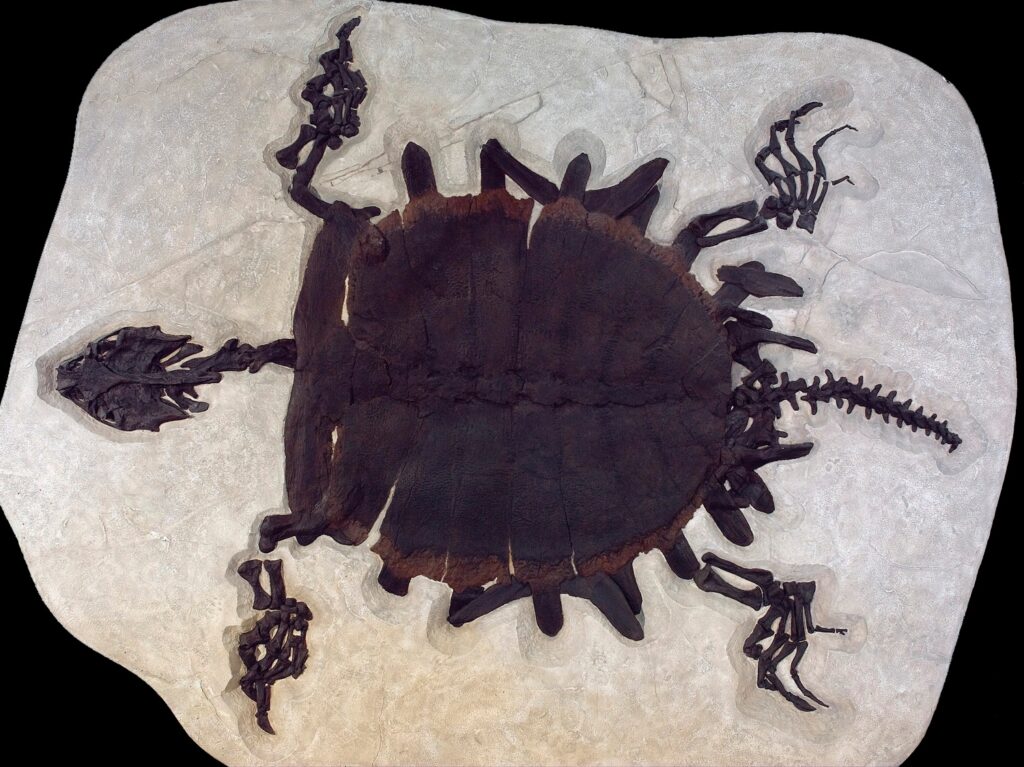
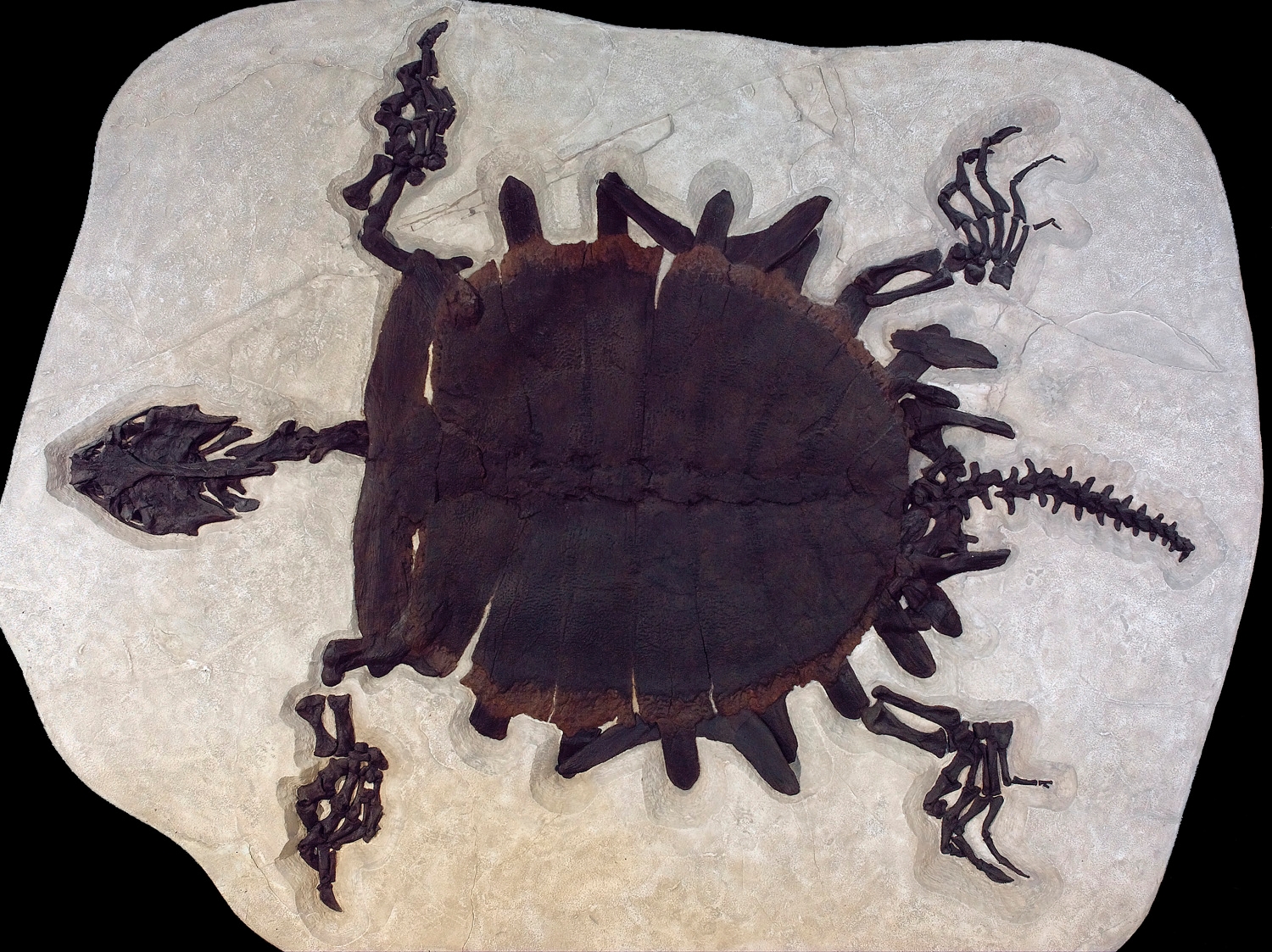
Softshell turtles stand out with their leathery, flexible shells, flattened bodies, and three sharp claws ideal for ambush hunting. Their elongated snouts, reminiscent of a pig’s, aid in probing soft sediments for prey like fish and invertebrates. Modern relatives thrive in warm rivers and lakes across Africa, Asia, and North America, often growing nearly a meter long.
“These turtles have a very unusual appearance, like a cross between a turtle and a mattress,” noted Mateusz Tałanda, a paleobiologist at the University of Warsaw. The Polish fossils included carapace fragments alongside the skull, confirming their identity through micro-CT scans that produced 3D models. Such technology allowed precise comparisons to living and extinct kin, tentatively linking the specimen to Trionyx cf. vindobonensis.
- Soft, rubbery carapace for streamlined swimming
- Three claws on each flipper-like limb
- Protractile neck and tubular snout
- Carnivorous diet suited to murky waters
- Preference for tropical to subtropical habitats
Evidence of Localized Warm Refugia
The Middle Miocene followed the Climatic Optimum, a peak warmth around 17 to 14 million years ago, after which Europe cooled. Yet these turtles required steamy conditions, suggesting southern Poland retained suitable microclimates. Swampy forests and Paratethys shorelines provided ideal habitats, much like today’s lignite-rich basins in Konin and Bełchatów.
Tałanda explained the setting: “The climate in what is now Poland was very warm back then, and large areas were covered by swampy forests… To the southeast was the shore of the vast, warm Paratethys Sea.” Such persistence of thermophilic fauna underscores regional variations in cooling trends. The northern Paratethys likely acted as a corridor for warmth-loving species.
Redrawing Maps of Ancient Turtle Dispersals
Prior Miocene turtles in Poland came from terrestrial sites like Przeworno and Opole, belonging to different families. Nearby Czech records featured Rafetus, while western Europe hosted Trionyx. This Polish Trionyx extends the genus farther north and east, implying overlap and potential competition.
Scientists now propose Trionyx gradually displaced Rafetus during the epoch. The northern Paratethys coastline facilitated eastward and northward pushes for tropical biota across Eurasia. This northernmost European Trionychidae record fills a key gap, prompting revisions to biogeographic models.
Key Takeaways
- First Miocene softshell turtles in Poland push their European range northward.
- Fossils indicate warm local conditions endured post-Mid-Miocene cooling.
- Trionyx presence suggests genus competition and dynamic migrations.
These fossils not only revive a slice of Poland’s steamy past but also remind us how ancient seaways shaped life’s paths. As research continues, more clues may emerge from Paratethys sediments. What do you think about these tropical time travelers? Tell us in the comments.