If you look out your window and see a sparrow hop across a branch, you are watching the last living dinosaurs in action. That sounds dramatic, but it is exactly what decades of fossil discoveries and modern biology have pieced together. Birds are not just “related” to dinosaurs in a vague, family-tree way; they are what remains of one very successful dinosaur lineage that never stopped evolving.
Once you see birds this way, everything about them feels different. Feathers stop being cute fluff and turn into high-tech dinosaur armor. Wings become re-engineered dinosaur arms. Even that chicken pecking at the ground suddenly looks like a highly modified little theropod, carrying a deep prehistoric story in its bones, beak, and lungs. You are surrounded by dinosaurs, whether you notice them or not.
1. Why You Are Already Living in the Age of Dinosaurs
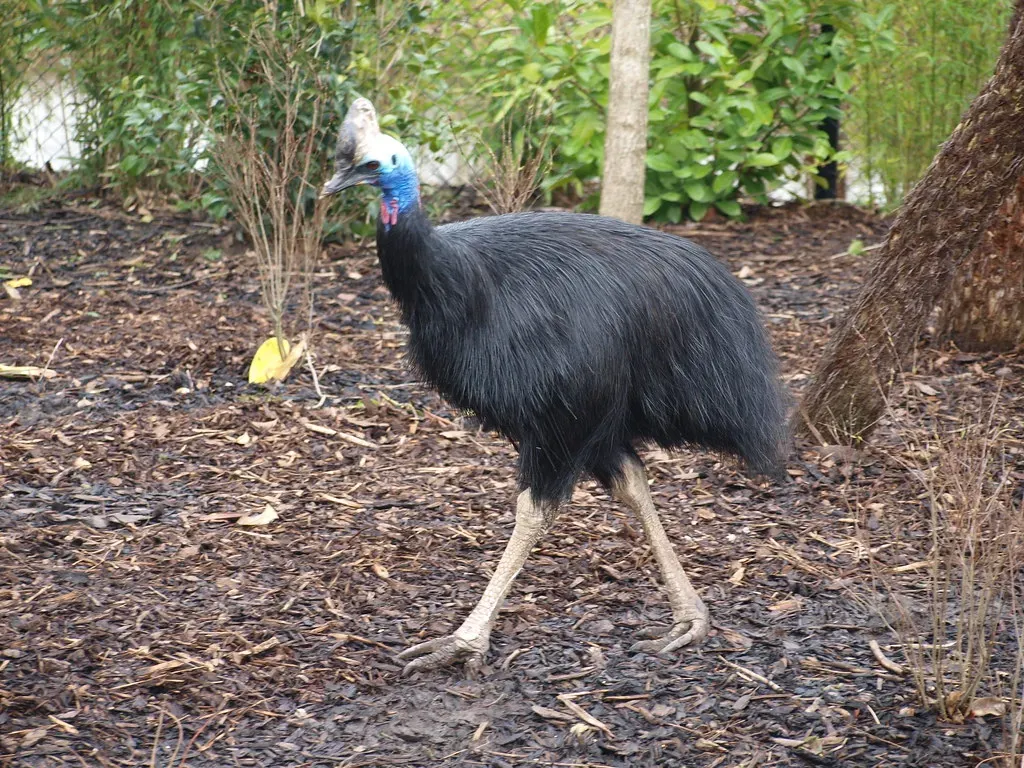
You probably grew up thinking dinosaurs vanished in a fiery catastrophe and that was the end of the story. In reality, only some dinosaur branches disappeared; one branch survived, shrank, changed, and took to the skies. Those survivors are the birds you see every day, from pigeons fighting over fries to hawks circling above highways.
If you could time-travel to the late Cretaceous and walk through a forest, you would recognize many creatures that look and behave like modern birds, even though you might still think of them as dinosaurs at first glance. Over millions of years, their descendants shed teeth, grew beaks, fine-tuned feathers, and became lighter and more agile. You are not living in a post-dinosaur world; you are living in a world where one dinosaur group became so successful it now occupies nearly every continent, climate, and niche you can imagine.
2. The Dinosaur Family Tree: Where Birds Fit In
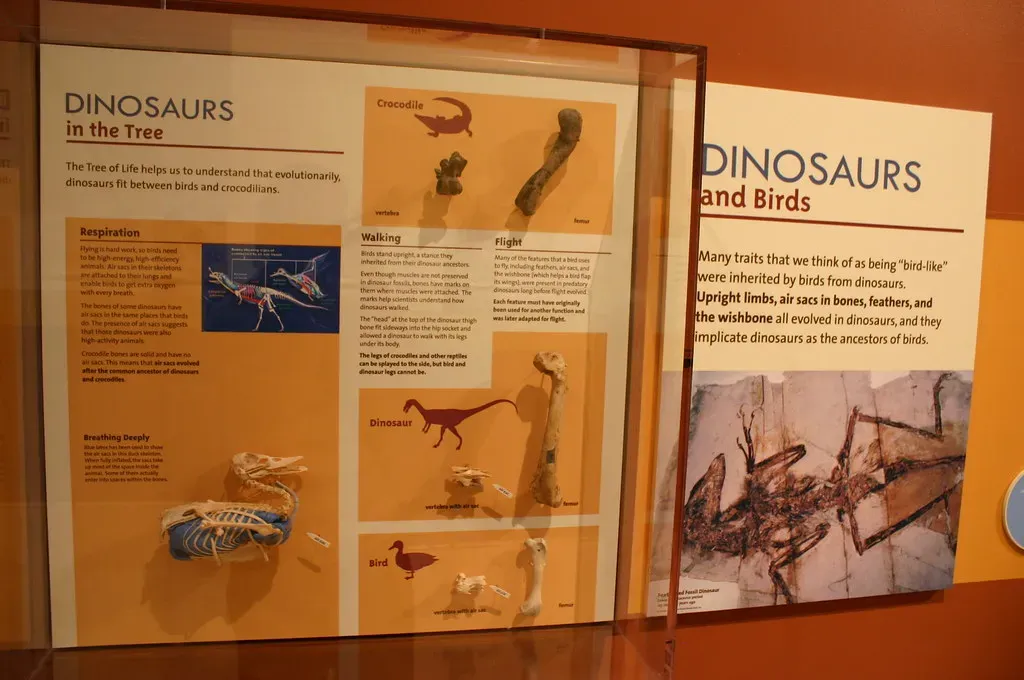
To understand how birds fit into the dinosaur picture, you need to zoom in on one particular branch of the dinosaur family tree: the theropods. This group includes some of the most famous names you know, like Tyrannosaurus and Velociraptor, but it also includes smaller, more lightly built predators. Within these theropods, there is a subgroup called maniraptorans, and even deeper inside that cluster is a line that slowly transforms into what you would recognize as early birds.
When you compare the skeletons of these theropod dinosaurs to modern birds, you see a series of subtle shifts rather than a sudden jump. The tail shortens, the hand bones fuse, the shoulder joint changes to allow powerful wing strokes, and the hip region rearranges for a more birdlike stance. You are not looking at two totally different creatures; you are looking at a gradual reshaping of one form into another, step by step, generation after generation.
3. Feathers: From Dinosaur Insulation to Flight Technology
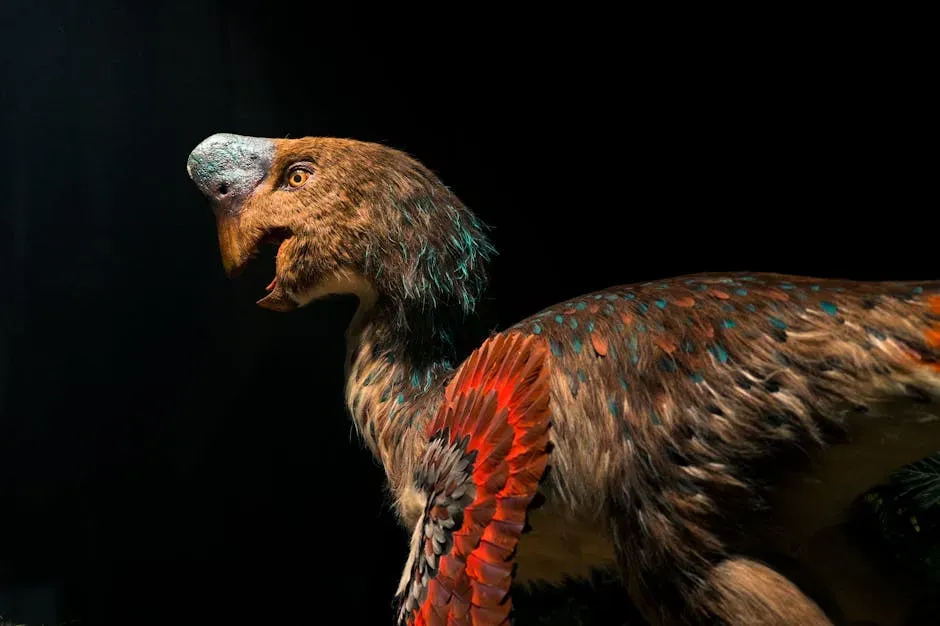
If you think feathers began as a way for birds to fly, you are giving evolution too little credit for creativity. Early feathers likely showed up on small theropod dinosaurs long before full-powered flight, probably as simple filaments that helped with insulation, display, or both. Picture something more like fuzzy, bristly fibers than sleek modern plumage, making these dinosaurs look surprisingly fluffy rather than scaly and reptilian.
Over time, those simple filaments became more complex, branching into the familiar vaned feathers you see on wings and tails today. At some point, those feathers started doing more than just keeping heat in or attracting mates; they began to catch air, add lift, and help control jumps, glides, and eventually true flight. When you run your fingers across a feather, you are touching a piece of dinosaur technology that was slowly tuned from body-warmth and visual signals into one of nature’s most elegant flight systems.
4. Archaeopteryx and Other “In-Between” Creatures You Can Picture
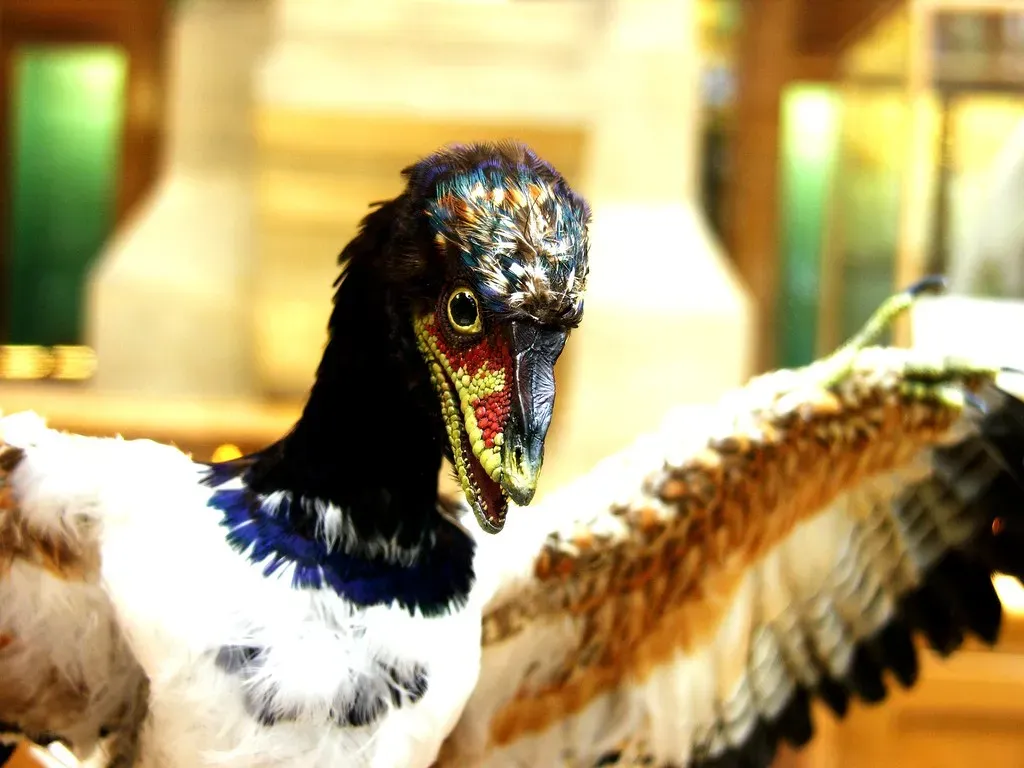
You might have heard of Archaeopteryx, often called one of the first known birds, and it is a perfect example of a creature that seems stuck halfway between what you think of as a dinosaur and what you think of as a bird. It has teeth in its jaws, a long bony tail, and clawed fingers on its wings, yet it also has true feathers and clear adaptations for some level of powered flight or at least wing-assisted movement. If you saw it alive, your brain would probably flip back and forth between calling it a bird and calling it a small dinosaur.
This kind of fossil is not a one-off curiosity; over the years, many “in-between” species have filled the gaps you might imagine existed between ground-running theropods and modern birds. When you look across them as a series, each one tweaks the formula slightly: shorter tails, more fused bones, better-developed flight feathers, changes in the shoulder and chest. Instead of a sharp line between dinosaur and bird, you see a slow fade, like a gradient where it becomes impossible to point to a single generation and say, “This is the first real bird.”
5. Your Chicken, Pigeon, and Crow as Everyday Dinosaurs
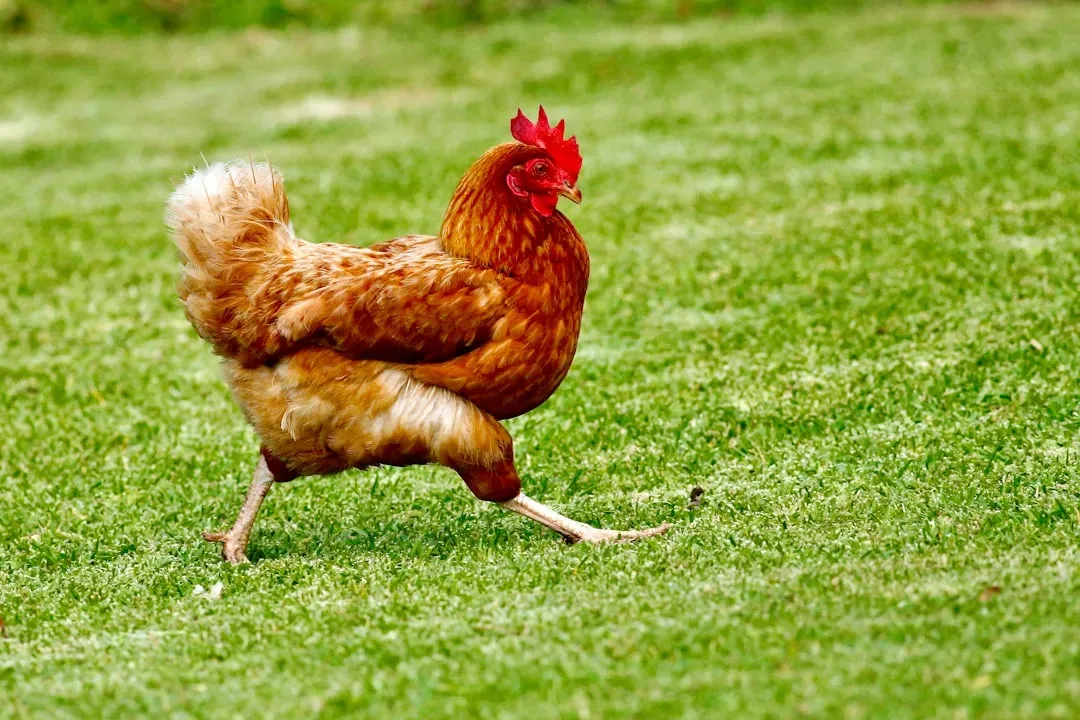
The next time you stand in front of a chicken coop, try mentally stretching the bird out, adding teeth, and lengthening the tail. When you do that, you essentially redraw it as a small theropod dinosaur, not unlike some of the species that once darted through undergrowth millions of years ago. The basic layout is still there: the bipedal stance, the three-toed feet, the strong hind limbs and lighter forelimbs, and the mobile neck with a head built for quick pecks and bites.
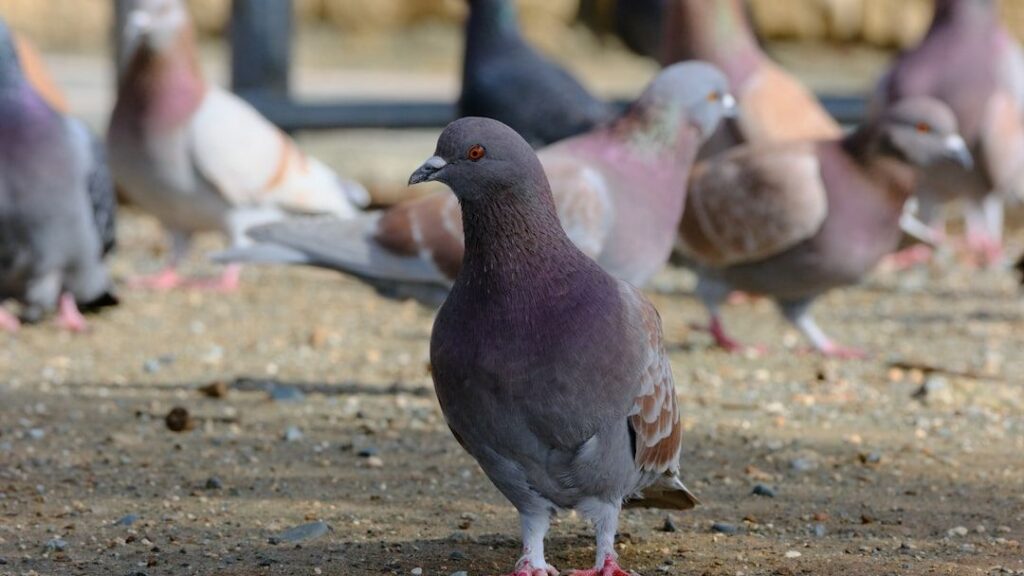
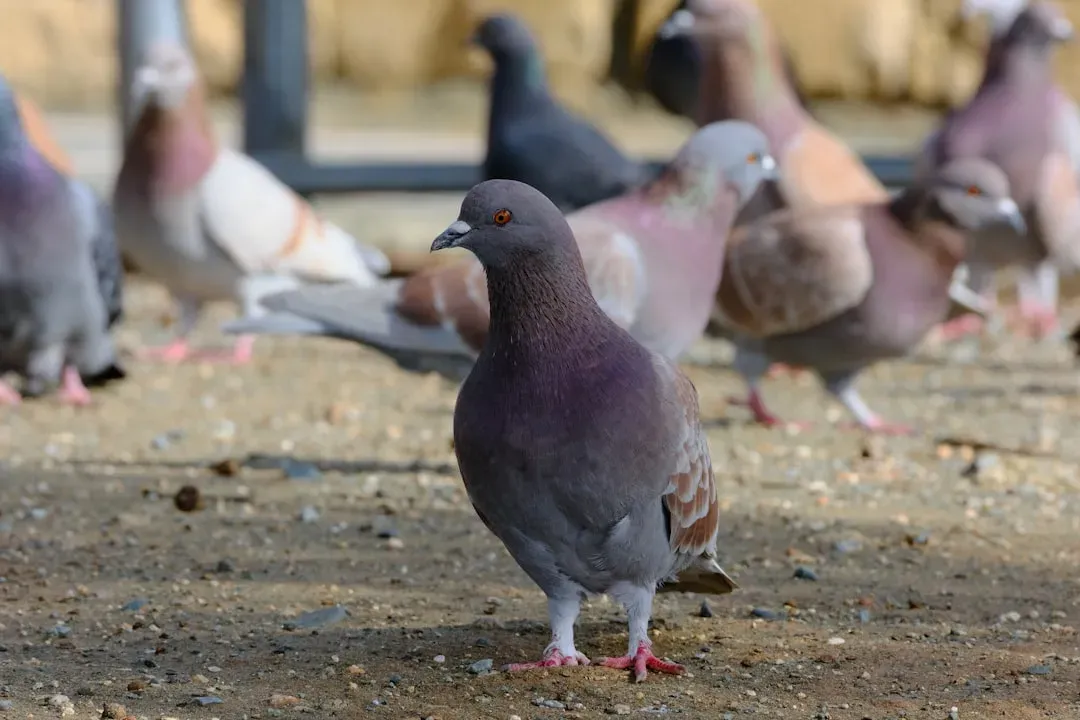
City birds tell the same story in different costumes. A pigeon landing on a railing uses outstretched wings like a theropod using its arms for balance and maneuvering, only now those arms are wrapped in layers of feathers. A crow tilting its head and studying you with a sharp, intelligent eye feels eerily like a small dinosaur doing the same, judging whether you are a threat or a source of food. Once you start seeing it, it becomes harder to think of birds as separate from dinosaurs at all; they are just the version of dinosaurs that made it through to your time.
6. Dinosaur Bones Hidden Inside Every Bird Skeleton
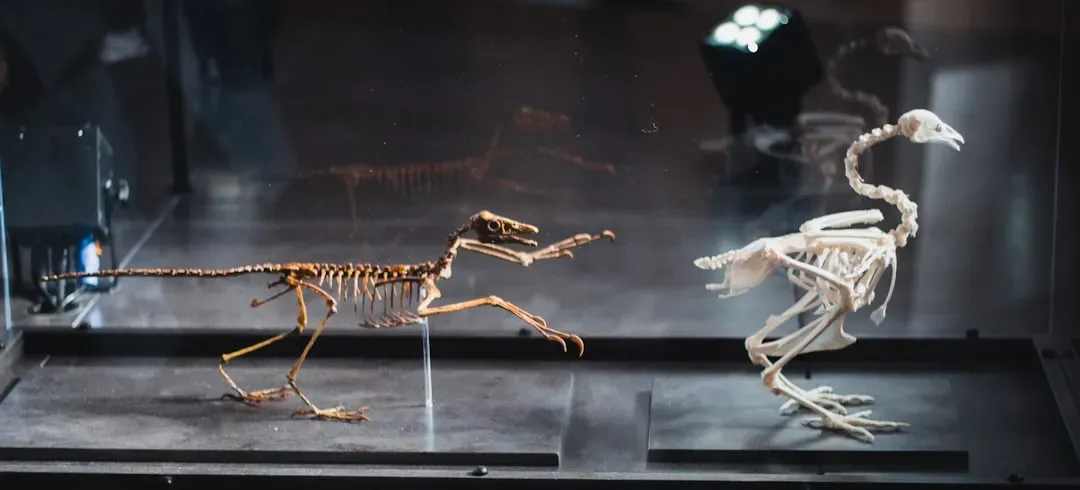
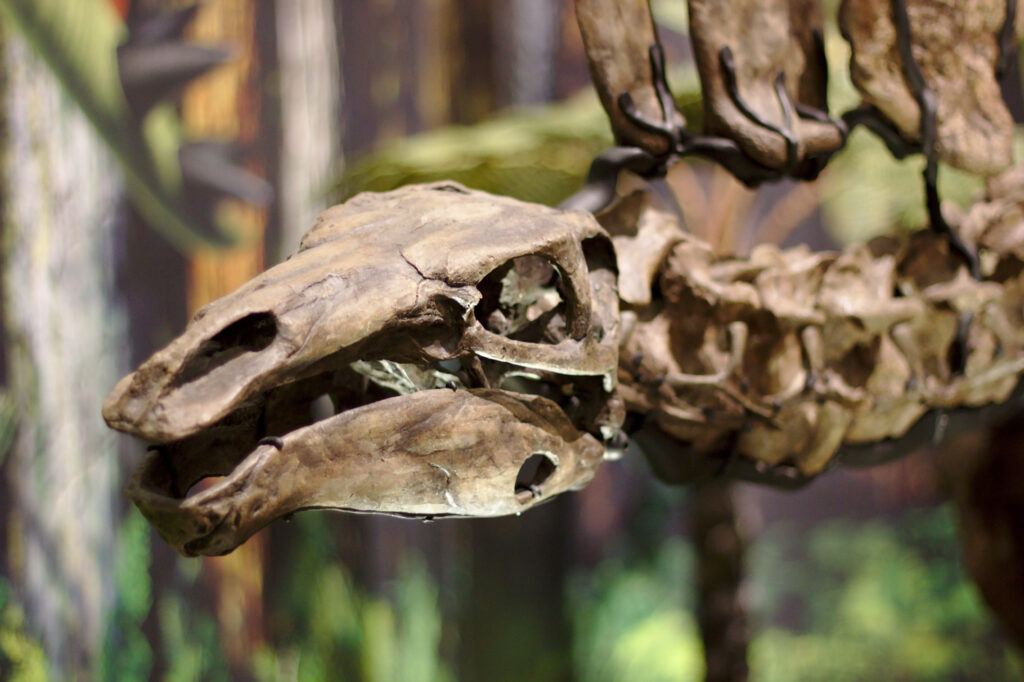
If you could hold a bird skeleton in one hand and a small theropod skeleton in the other, you would be struck by how many features line up almost perfectly. The S-shaped neck, the hollow bones, the three main toes on each foot, and the similar arrangement of the hips all echo the dinosaur blueprint. Your mental picture of dinosaurs as lumbering, heavy beasts misses how many of them were already light, agile, and built with air-filled bones that are not so far from what you see in birds.
Bird skeletons also carry more subtle dinosaur fingerprints. The wishbone in a modern bird, which helps anchor powerful flight muscles, evolved from fused collarbones seen in theropods. The arrangement of the shoulder, allowing a wide range of motion for the forelimb, also traces back to those same predatory ancestors. When you see diagrams comparing these bones, you are essentially looking at different versions of the same basic frame, modified and refined, but unmistakably related.
7. Breathing, Hearts, and Warm-Blooded Dinosaurs
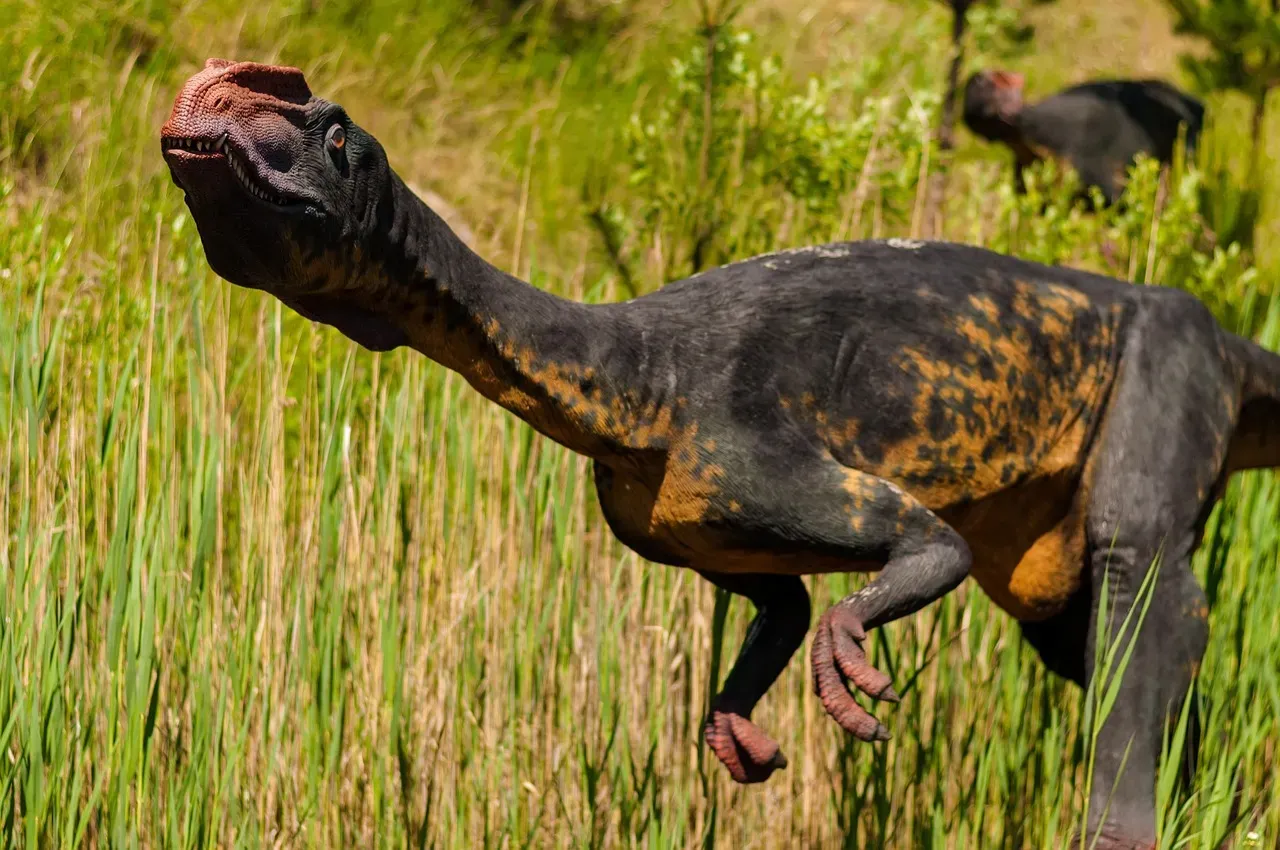
You might think the story is only about bones and feathers, but it runs deeper into organs and metabolism. Modern birds have an efficient respiratory system with air sacs that move air through the lungs in a one-way flow, providing a steady, rich supply of oxygen. Evidence from bone structures in some dinosaurs suggests that similar air-sac systems existed in those ancient animals too, hinting that they were not sluggish, cold creatures but active, fast-moving predators and runners.
Warm-bloodedness also seems to have a deep history in this lineage. Growth patterns in dinosaur bones and comparisons with modern mammals and birds point toward at least some dinosaurs maintaining high, stable body temperatures. When you watch a hummingbird’s frantic wings or a hawk’s long, powered flight, you are seeing the modern expression of a high-energy lifestyle that likely goes back to their dinosaur ancestors. Birds did not suddenly become warm, fast, and efficient; they inherited and then pushed those traits even further.
8. How You Can Still See Dinosaur Behavior in Modern Birds
If you watch birds long enough, you start noticing behaviors that feel surprisingly ancient. A rooster scratching at the ground and puffing up its feathers to impress rivals and mates is playing out a ritual that would not seem out of place in a dinosaur clearing its territory. Many ground birds perform elaborate displays, stamp their feet, spread their wings, and use sound and color in ways that echo the dramatic, showy displays you can easily imagine in feathered theropods.
Parenting behavior also carries that ancient thread. When you see a bird carefully building a nest, guarding eggs, and feeding helpless chicks, you are probably witnessing forms of care that existed in at least some dinosaurs too. Fossils of dinosaurs brooding over nests, curled around eggs, or gathered in structured colonies suggest that caring for the next generation is not a modern bird invention. It is more like a family habit that has survived across millions of years and countless environmental changes.
9. What This Dinosaur Connection Changes for How You See Nature
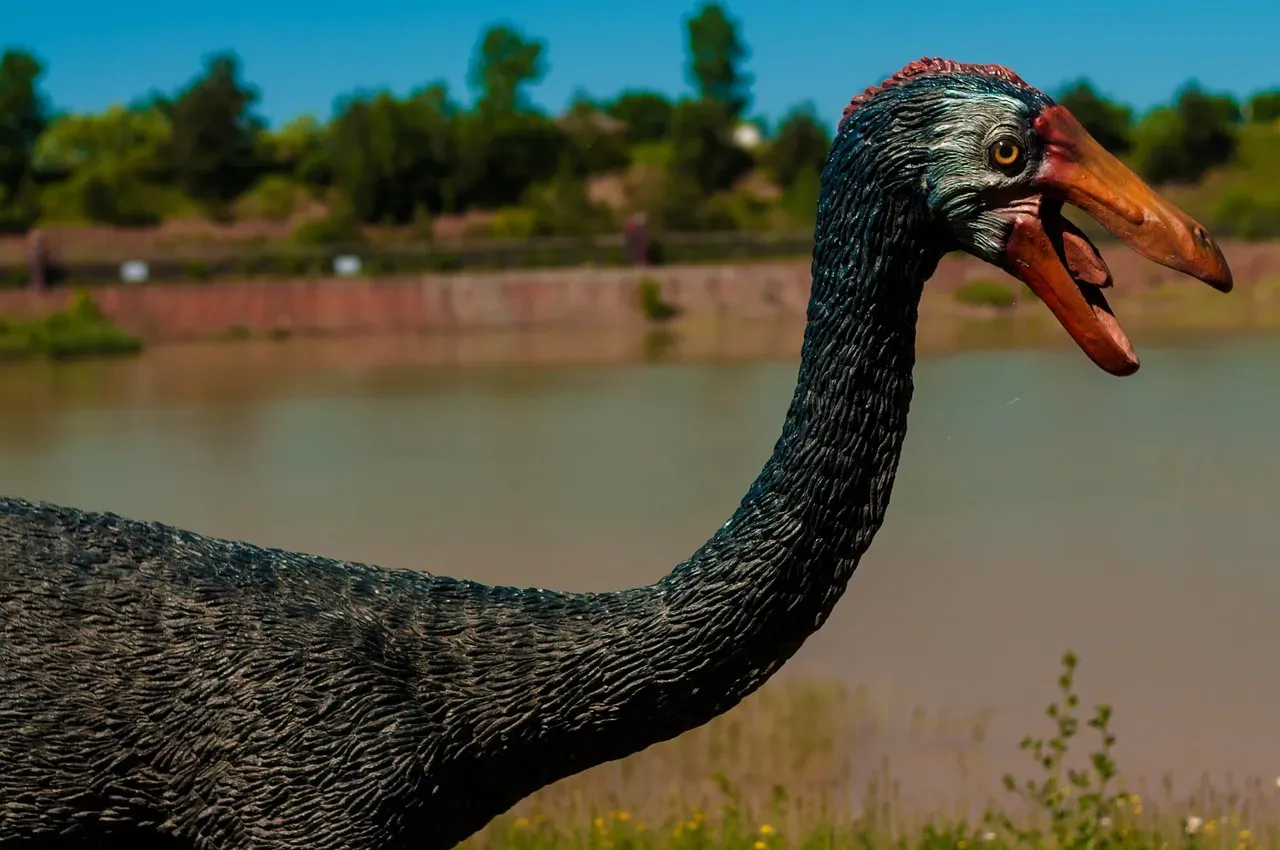
Once you accept that , your sense of time and continuity shifts. You realize you can walk into your backyard, sit quietly, and watch an unbroken evolutionary story play out right in front of you. Instead of picturing dinosaurs as distant, vanished monsters in museum halls, you start seeing them perched on power lines, singing in trees, diving into lakes, and gliding on ocean winds.
This connection also changes how you think about extinction and survival. The catastrophe that ended most dinosaur lineages did not wipe the slate clean; it reshaped the world and left one type of dinosaur in a position to explore new possibilities. When you notice a tiny songbird surviving winter storms, urban noise, and human disruption, you are looking at the toughness and adaptability that allowed its ancestors to outlast everything from asteroid impacts to climate swings. You are not just watching a bird; you are sharing the planet with a living fragment of deep time.
In the end, seeing birds as direct descendants of ancient avian dinosaurs does more than correct a detail in your mental textbook; it changes your relationship with the everyday world. A flock of geese flying overhead turns into a squadron of streamlined dinosaurs following age-old migration routes across continents. A gull stealing your fries at the beach becomes a clever little theropod that has learned to exploit human behavior as easily as it once exploited ancient shorelines.
When you step outside tomorrow and hear a bird calling, try pausing for just a second longer than usual. You are listening not only to a modern animal but to an echo stretching back tens of millions of years, carried in bone, feather, and instinct. Did you ever expect that the most familiar creatures in your daily life would be the last living dinosaurs hiding in plain sight?