Northern Mongolia’s rugged landscapes have yielded a remarkable paleontological find. Researchers confirmed fossilized footprints of large theropods dating to approximately 120 million years ago during the Lower Cretaceous period. These trackways mark the earliest known evidence of sizable carnivorous dinosaurs in the region, filling a significant gap in the local fossil record. The discovery highlights how these ancient predators roamed farther north than previously thought.
A Breakthrough in Remote Terrain
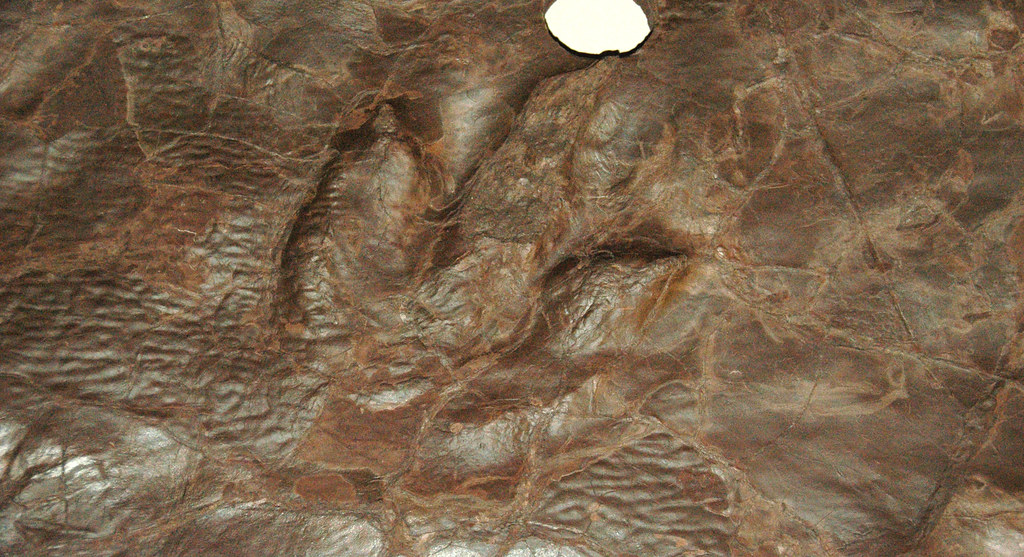
A Breakthrough in Remote Terrain (Image Credits: Flickr)
International scientists identified the trackways in the Saijrakh area of northern Mongolia. The footprints preserved in sedimentary layers offered clear impressions from theropods, the group that includes iconic predators like Tyrannosaurus rex and modern birds. This site emerged as the oldest dinosaur tracksite in Northeast Asia.
The team announced their findings recently, building on fieldwork that exposed multiple trackways. Each set revealed strides from dinosaurs estimated at around 8 meters in length. Such large individuals suggest a thriving population of meat-eaters during a time when the area formed part of a vast continental landscape.
Unpacking the Footprint Evidence
Theropod tracks typically feature three forward-pointing toes with sharp claws, ideal for grasping prey. The Mongolian specimens matched this pattern, confirming their carnivorous makers. Five trackways contained a total of 12 such footprints, indicating purposeful movement across a damp surface that later hardened into stone.
Associated traces hinted at interactions with herbivores, painting a picture of a diverse ecosystem. The preservation allowed experts to analyze stride length and foot size, pointing to agile hunters capable of bursts of speed. This combination of details provided concrete proof absent from earlier surveys in the area.
Theropods: Predators of the Cretaceous Dawn
Theropods dominated as apex predators throughout the Mesozoic Era. In the Lower Cretaceous, they diversified into forms ranging from small, feathered runners to massive bipeds. Mongolia’s new tracks extend their documented presence into northern latitudes during this epoch.
Prior records from the region focused on Late Cretaceous sites in the Gobi Desert, where fossils like Velociraptor surfaced. Those discoveries dated to 70-90 million years ago. The Saijrakh find shifts the timeline back by tens of millions of years, challenging assumptions about migration patterns and habitat ranges.
Implications for Regional Dinosaur Evolution
This evidence reshapes understanding of Early Cretaceous faunas in Central Asia. Large theropods likely pursued herds across floodplains, contributing to the dynamic food web. The tracks’ northern position suggests broader dispersal than skeletons alone indicated.
- Oldest confirmed theropod activity in Mongolia’s Lower Cretaceous strata.
- Proof of dinosaurs up to 8 meters long in northern reaches.
- Links to wider Northeast Asian tracksites, expanding known ranges.
- Highlights preservation potential in remote, underrepresented areas.
- Supports theropod adaptability to varying early environments.
Such insights aid reconstructions of ancient climates and terrains. The discovery underscores Mongolia’s role as a hotspot for Mesozoic remains.
Key Takeaways
- First large theropod footprints from 120-million-year-old layers in northern Mongolia.
- Trackways reveal 8-meter predators, previously undocumented in the region.
- Oldest dinosaur site in Northeast Asia, bridging gaps in fossil timelines.
The Saijrakh footprints not only extend theropod history in Mongolia but also invite further exploration of its prehistoric legacy. What do you think this means for future digs? Tell us in the comments.