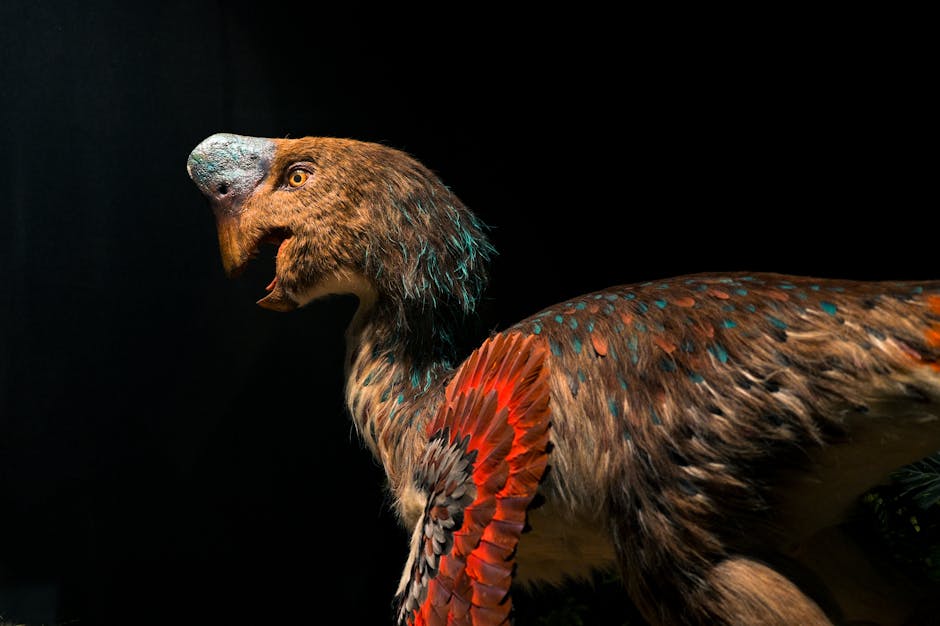
You probably grew up hearing that birds are just “modern dinosaurs,” and that part is broadly right. But the latest genetic work paints a far stranger, more specific picture of where your backyard robin or city pigeon actually came from. When researchers started stitching together hundreds of bird genomes and comparing them with fossils, they found that many long‑held assumptions about bird ancestry were, at best, half true and, at worst, flat wrong. Instead of a simple family tree, you’re looking at a story full of sudden bursts of evolution, vanished lineages, and unlikely survivors that slipped through a mass extinction that wiped out most of life on Earth. As you follow that story, you discover that many of the “primitive” birds you might picture as early ancestors are actually distant cousins, while some ordinary‑looking ducks and ground birds end up shockingly close to the root of the modern bird tree.
The Dinosaur Connection You Think You Know (But Don’t)
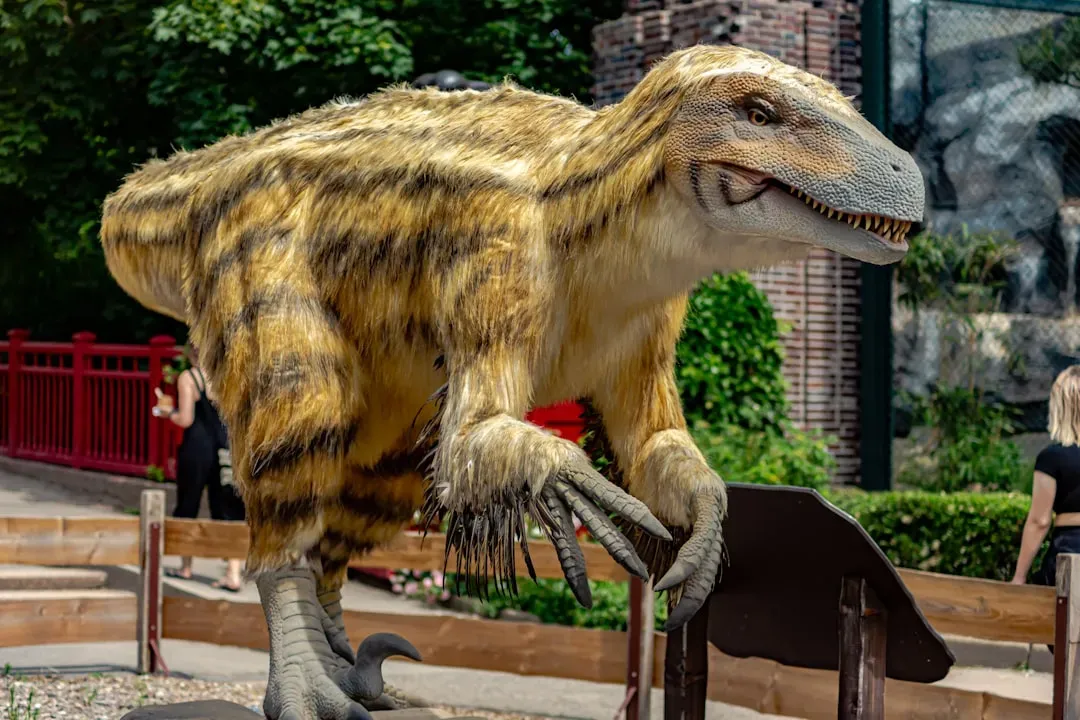
When you hear that birds evolved from dinosaurs, you might picture something like a T. rex sprouting feathers and taking off, but the real story is more subtle and, honestly, more impressive. Genetic and fossil evidence together point to birds coming from small, agile theropod dinosaurs that already had feathers, complex lungs, and high metabolisms long before any real flight happened. You are not looking at a simple “reptile turns into bird” moment but at a long, stepwise transition where dinosaur bodies were gradually re‑engineered for lighter bones, better balance, and ever‑more sophisticated feathers. ([sciencedirect.com](https://www.sciencedirect.com/science/article/pii/B9780128197707000098?utm_source=openai))
By the time the first true birds appear in the fossil record in the Late Jurassic and Early Cretaceous, the line between “feathered dinosaur” and “bird” is razor thin. From your perspective today, that means that modern birds did not suddenly pop into existence as something new; they are just one surviving branch of a much broader experiment in feathered, partially flying dinosaurs. When you watch a crow hop, glide, and tilt its head with that sharp, calculating look, you’re seeing the echo of those small predatory dinosaurs that once ran through fern forests beneath giant sauropods.
Why DNA Upended the Old Bird Family Tree
You might assume experts settled the bird family tree decades ago, but genetics has repeatedly blown up the old diagrams. Traditional classifications leaned heavily on bones and visible traits, like the shape of the palate or the arrangement of wing bones, and those features seemed to group big flightless birds together at the base of the tree. Once researchers began sequencing nuclear and mitochondrial DNA across dozens, then hundreds of bird orders, you suddenly saw that many of those “obvious” groupings were illusions, created by similar lifestyles shaping bodies in similar ways. ([academic.oup.com](https://academic.oup.com/mbe/article/17/3/451/993387?utm_source=openai))
From your point of view, the biggest shock is that some humble‑looking groups – like ducks and landfowl (think chickens and turkeys) – often end up right near the base of modern bird diversity when you look at molecular data. Meanwhile, other birds that look ancient or “primitive” based on their skeletons turn out to be more derived or tucked deeper in the tree. DNA, especially when sampled across hundreds of genes, is like turning on the lights in a room you thought you knew; suddenly, unrelated birds that evolved similar beaks or body plans pull apart, revealing very different ancestries beneath the surface. ([pmc.ncbi.nlm.nih.gov](https://pmc.ncbi.nlm.nih.gov/articles/PMC3144022/?utm_source=openai))
Modern Birds May Be Older Than You Were Told
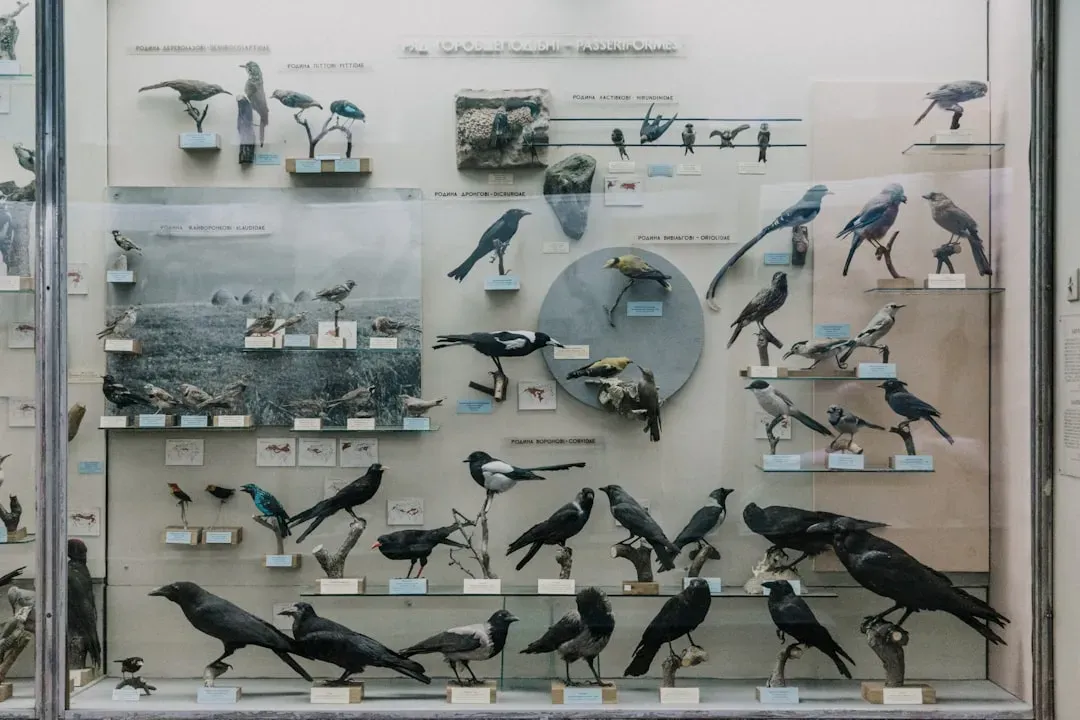
If you were taught that modern bird lineages mostly appeared after the dinosaurs died out, recent genetic analyses ask you to rethink that timeline. When scientists use molecular clocks – basically, the rate at which DNA accumulates changes – to estimate when living bird groups last shared common ancestors, they keep finding many major lineages already branching off in the Late Cretaceous, well before the asteroid impact. That suggests you had a surprising number of “modern‑style” birds quietly coexisting with the last non‑avian dinosaurs, even if their bones almost never made it into the fossil record. ([pmc.ncbi.nlm.nih.gov](https://pmc.ncbi.nlm.nih.gov/articles/PMC3144022/?utm_source=openai))
For you, this means that the “explosion” of modern birds after the Cretaceous–Paleogene extinction was not the birth of birds, but more like the sudden freeing of already existing branches to spread into empty ecological spaces. Picture a forest of young saplings growing in the shade of giant old trees; when a storm knocks the giants down, those saplings do not suddenly appear – they just shoot upward into the light. Genetic evidence says modern birds were those saplings, already rooted and waiting.
The Asteroid That Killed Dinosaurs Also Chose Your Birds
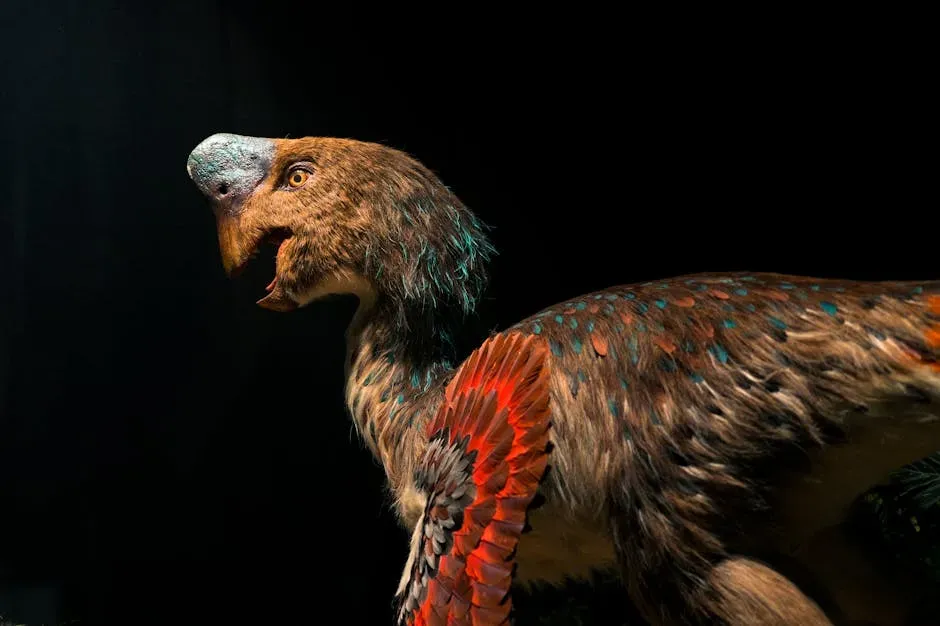
You probably think of the asteroid impact sixty‑six million years ago as the end of dinosaurs and the beginning of birds, but genetically informed timelines show that it was more of a filter than a dividing line. Many bird groups that flourished in the Cretaceous, like the enantiornithines, vanished completely at the boundary, while a handful of crown‑group ancestors slipped through and then diversified. When you trace those surviving genetic lineages, you see that your modern birds are not just random dinosaurs that made it; they are the descendants of very specific survivors with particular traits – likely small bodies, flexible diets, and ground‑foraging habits. ([sciencedirect.com](https://www.sciencedirect.com/science/article/pii/B9780128197707000098?utm_source=openai))
From your perspective, the whole thing feels almost unfair, like a cosmic lottery that picked a narrow subset of birds to carry the torch. But it also reminds you that resilience in times of catastrophe is often about being generalist, small, and adaptable, not large and spectacular. Next time you see a sparrow scratching around in a parking lot, you are looking at the kind of lifestyle that may have helped its ancestors ride out a global disaster that erased roughly three quarters of Earth’s species.
Heavy-Bodied Ground Birds As Surprisingly Ancient Relatives
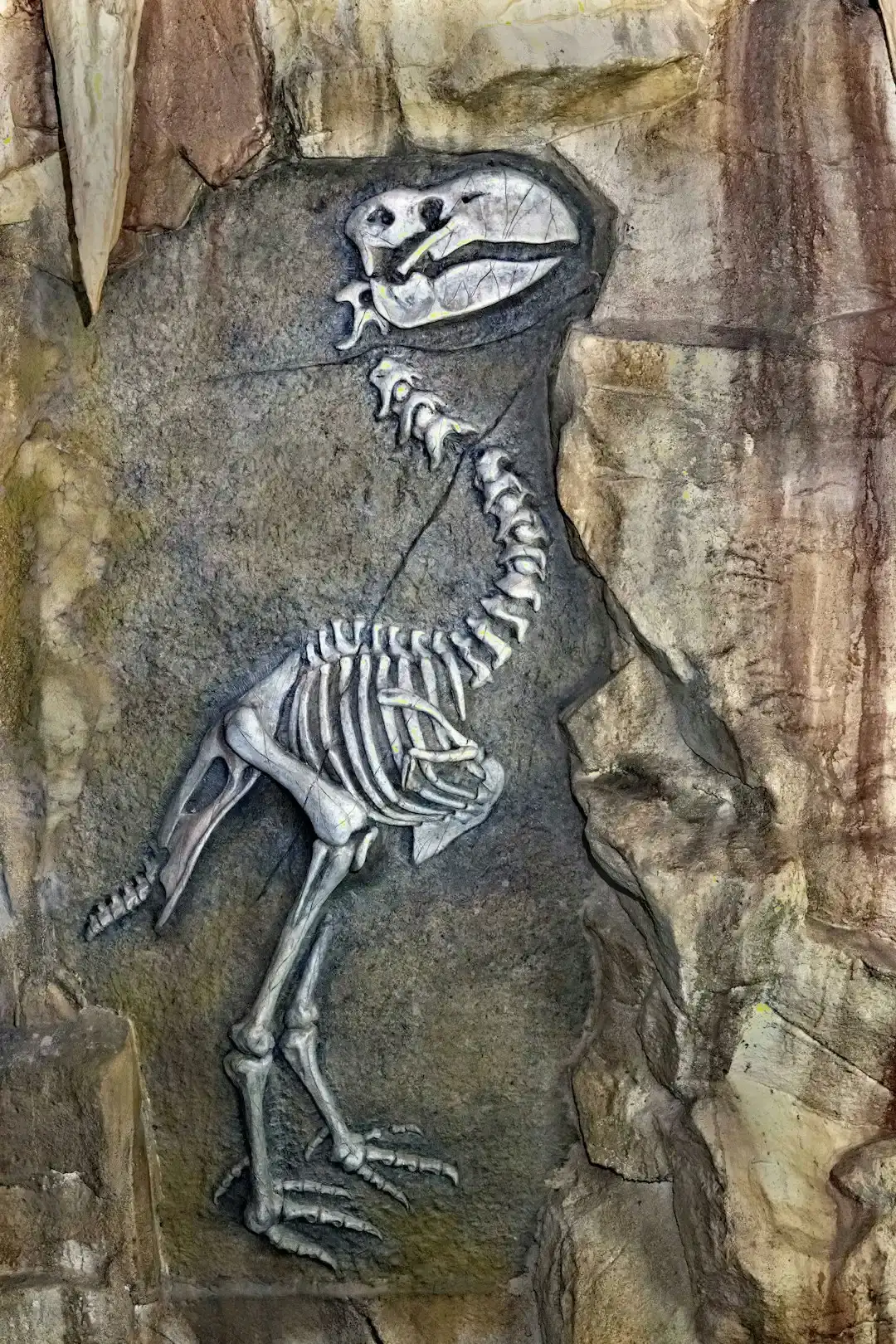
One of the most counterintuitive results from genetic work is the idea that early modern birds may have been more like chunky ground dwellers than sleek seabirds. Some earlier fossil interpretations pushed the view that shorebirds and marine forms sat near the base of modern birds, because those were the fossils you actually found in Cretaceous rocks. When researchers compared ribosomal DNA across all modern avian orders, though, they found strong support for basal lineages that point toward heavy‑bodied, non‑marine, ground‑living ancestors for neornithines. ([academic.oup.com](https://academic.oup.com/mbe/article/17/3/451/993387?utm_source=openai))
For you, that flips the mental image of early modern birds. Instead of imagining flocks of gull‑like creatures skimming ancient seas as the starting point, you may want to picture more terrestrial birds living in forested or open habitats, perhaps foraging on the ground and only later giving rise to the dramatic variety of flight styles and water‑adapted forms you know today. The fossil record is biased toward animals that die in watery settings, so your view from rocks alone was always skewed; genetics acts like a behind‑the‑scenes note telling you that some of the oldest players rarely fossilized in the first place. ([academic.oup.com](https://academic.oup.com/mbe/article/17/3/451/993387?utm_source=openai))
The Paleognath Puzzle: Flightless Giants With Flying Ancestors
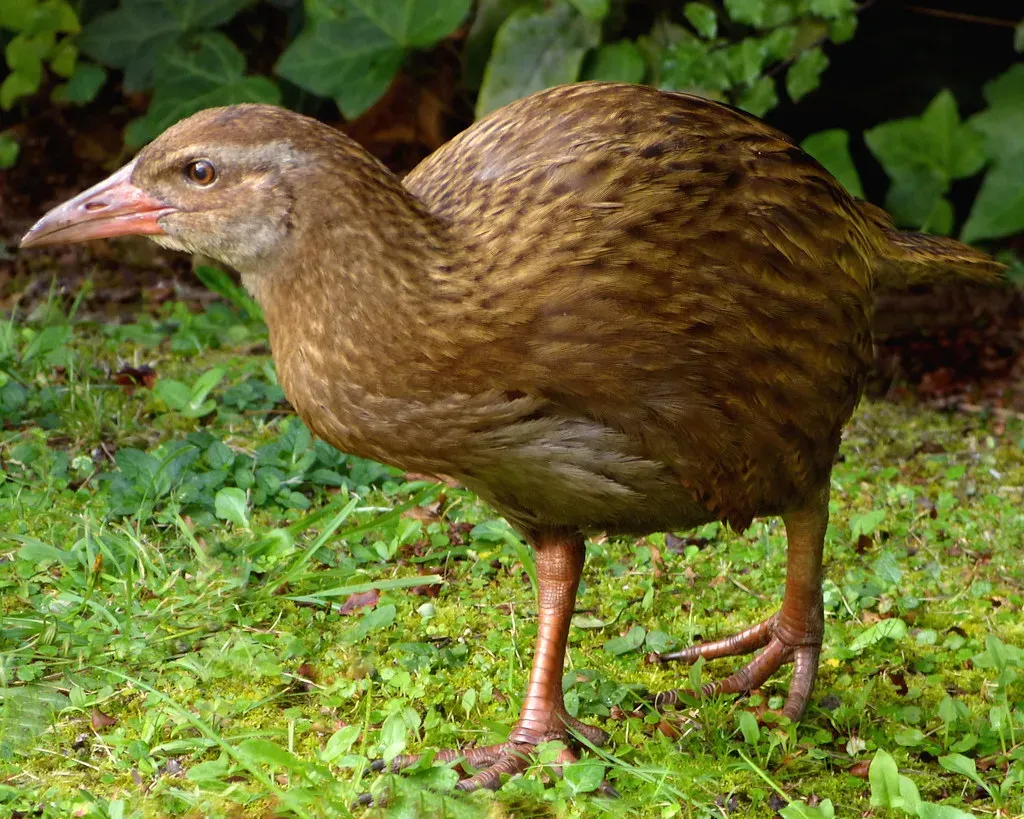
If you look at ostriches, emus, and rheas, it feels obvious that these massive, flightless birds must represent something close to the original blueprint. For a long time, many people assumed their ancestors simply walked across the supercontinent Pangaea, and when that landmass split, the birds were stranded on their current continents. Genetic data completely undermines that comfortable story. When you follow the DNA, you see that the shared ancestor of these paleognaths lived tens of millions of years after Pangaea had already broken apart, and the main lineages only diversified between the Late Cretaceous and early Paleogene. ([livescience.com](https://www.livescience.com/animals/birds/rare-ancestor-reveals-how-huge-flightless-birds-made-it-to-faraway-lands?utm_source=openai))
What this means for you is that those heavyweight runners most likely descended from smaller, flying ancestors that repeatedly lost flight after spreading over oceans, not ancient walkers left behind by drifting continents. In other words, flightlessness is not a primitive leftover; it is a repeated, recent adaptation. That changes how you see an ostrich sprinting across a savanna – you are not looking at a relic frozen in time but at a highly evolved specialist whose family tree once took to the skies.
The Neoavian Explosion: Why So Many Bird Groups Look “Suddenly” New
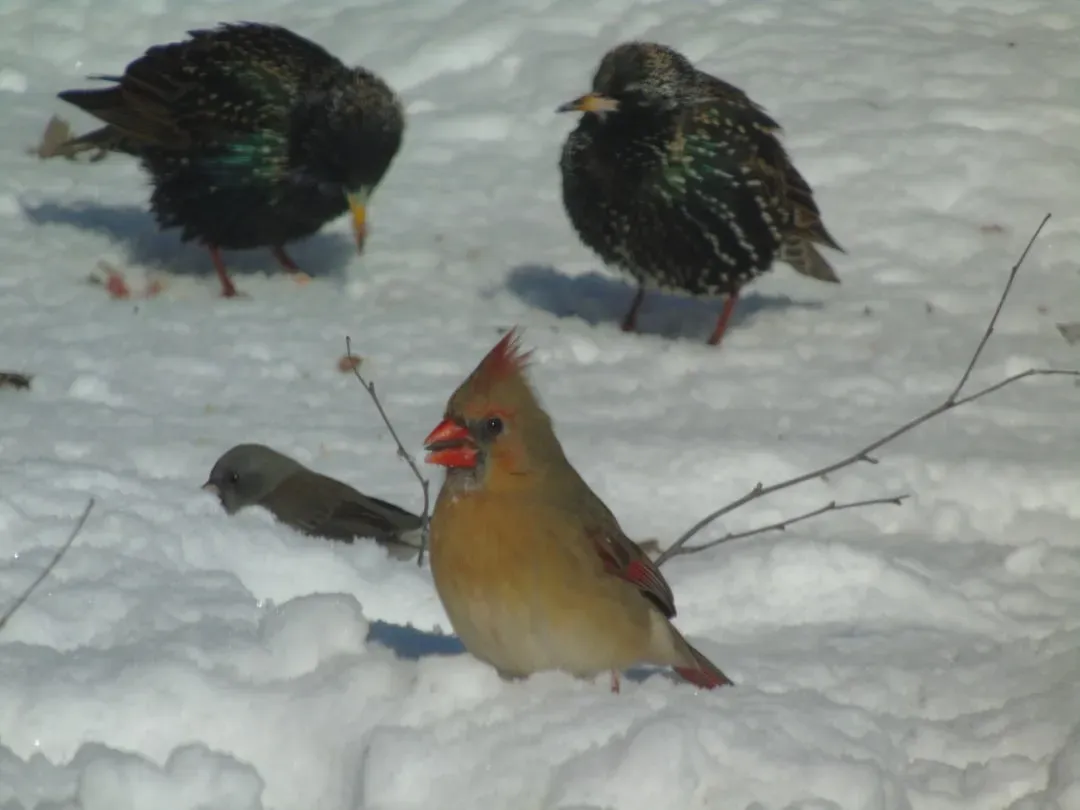
When you scroll through a bird guide, the sheer variety inside Neoaves – the huge group that includes songbirds, pigeons, hummingbirds, raptors, and more – can feel overwhelming. Genetic studies show why: many of these lineages diverged in a geologically short burst around the time of the asteroid impact. Because that diversification happened so rapidly, and because the fossil record from that window is spotty, reconstructing relationships among these birds has been famously difficult. Whole‑genome sequencing has only recently started to cut through that noise, revealing a few major clusters and deep splits that were invisible from bones alone. ([pmc.ncbi.nlm.nih.gov](https://pmc.ncbi.nlm.nih.gov/articles/PMC4730849/?utm_source=openai))
From your vantage point, this rapid radiation is why different genetic studies sometimes redraw the early branches of the bird tree as more data arrive. If you have ever been frustrated that experts keep revising where certain orders belong, you are seeing the consequence of trying to resolve a decades‑long evolutionary fireworks show with limited fossils and subtle DNA signals. The big takeaway for you is that most of your familiar modern bird groups are not slow, gradual experiments but the aftermath of a short, intense episode of diversification that followed a mass extinction.
Genomes Show How Birds Shrunk, Simplified, and Then Specialized
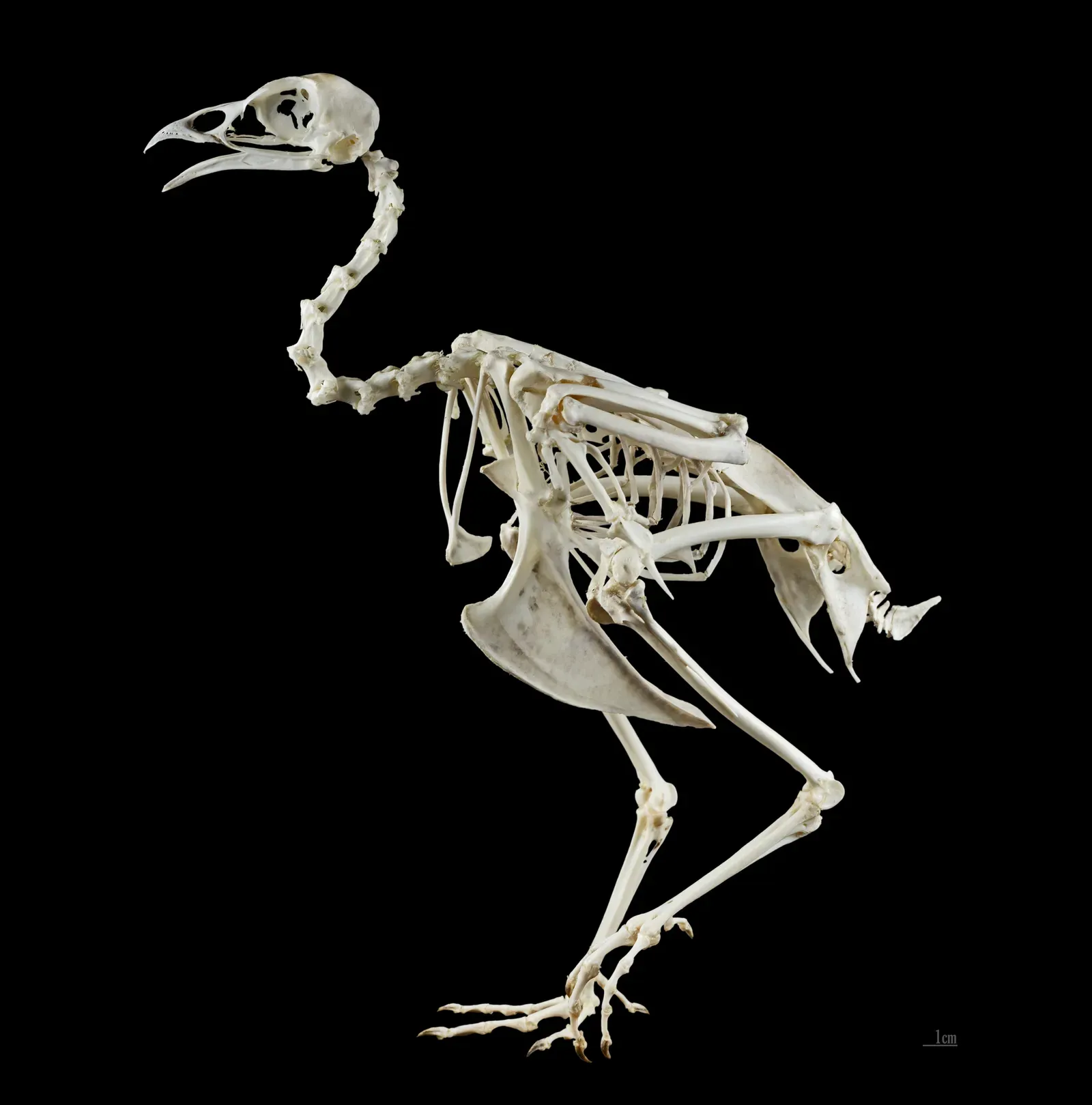
As you dig into bird genomics, another surprise pops up: birds carry some of the smallest genomes of any land vertebrates. That reduction is not random. Comparative studies suggest that, by the time modern bird ancestors were emerging, their genomes had already been streamlined – fewer repetitive elements, tighter packing, and leaner overall size. For you, this matters because it links genetic “downsizing” with the physical changes you associate with birds: lighter skeletons, faster metabolisms, and rapid developmental schedules that fit well with flight. ([en.wikipedia.org](https://en.wikipedia.org/wiki/Genomic_evolution_of_birds?utm_source=openai))
Once that compact genomic framework was in place, different lineages could layer on specializations, from the elaborate vocal learning circuits in songbirds to the extreme diving adaptations in penguins. You can think of the ancestral bird genome as a stripped‑down, high‑performance operating system that later branches customized for their own ecological “apps.” When you watch a hummingbird hover or an owl hunt silently, you are seeing the outcomes of those later tweaks on top of an already streamlined genetic base.
Fossils, Beaks, and Brains: Filling the Gaps Genetics Can’t Reach
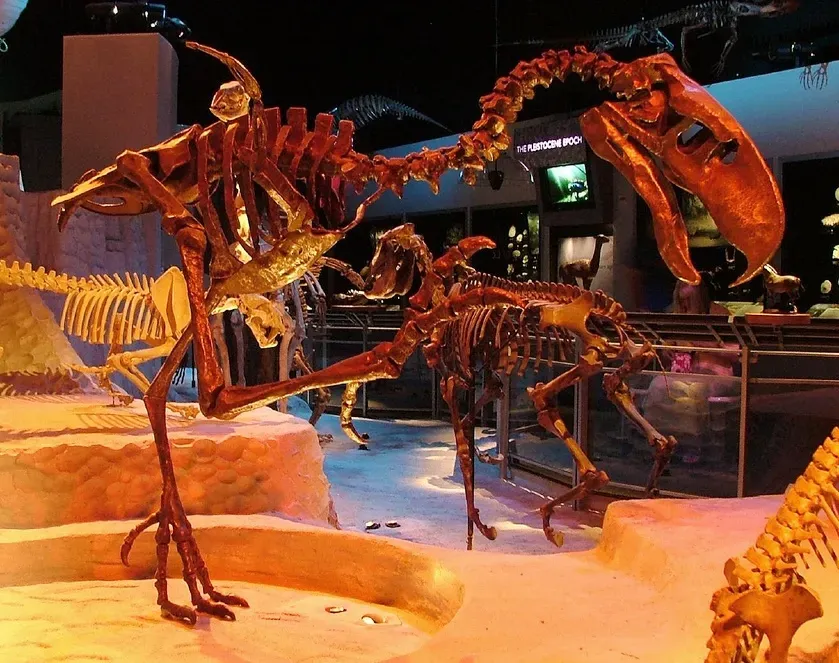
It is tempting to treat DNA as the final word, but if you rely only on genomes, you miss the story written in bones and even fossilized soft tissues. Recent studies using high‑resolution imaging of Cretaceous and Jurassic bird fossils have revealed details of plumage patterns, respiratory structures, and even aspects of brain shape, helping you understand how early birds actually lived and moved. Combined with new analyses of jaw and skull anatomy, these fossils clarify which ancient birds truly sit near the crown group and which are side branches that simply converged on similar shapes. ([pubmed.ncbi.nlm.nih.gov](https://pubmed.ncbi.nlm.nih.gov/40010392/?utm_source=openai))
For you, the sweet spot lies where genetics and morphology overlap. When both lines of evidence point to the same surprising conclusion – say, that a certain Late Cretaceous fossil really does nest within the modern bird crown group – you can be much more confident you are looking at a genuine ancestor rather than a look‑alike cousin. In practice, this means the story of bird origins is still being written, but each new fossil and genome tightens the picture, turning what used to be vague arrows on a chart into specific, testable relationships you can actually visualize.
What This Means for the Birds You See Every Day
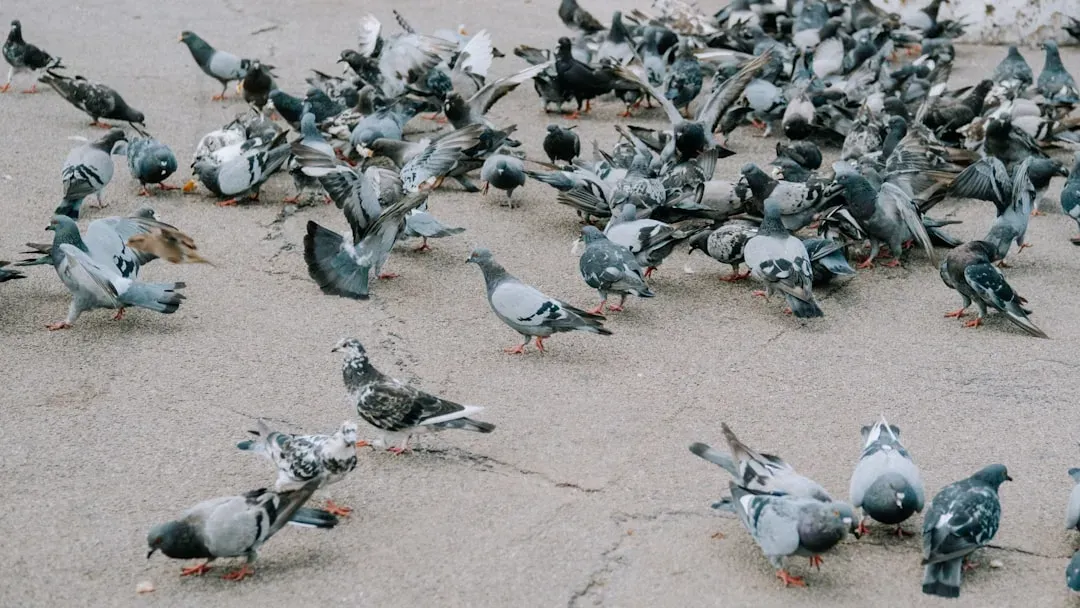
After all this talk of genomes and mass extinctions, it is easy to forget that the end result is the very real birds you hear before sunrise or see perched on power lines. When you know that a robin carries genetic traces reaching back into the Cretaceous, or that a pigeon’s ancestors dodged the same catastrophe that erased giant dinosaurs, you start to see them less as background noise and more as living fossils with bills and beating hearts. The fact that many “ordinary” birds trace back to unexpectedly ancient or surprising ancestors means you are constantly surrounded by survivors of one of Earth’s most dramatic evolutionary sagas. ([pmc.ncbi.nlm.nih.gov](https://pmc.ncbi.nlm.nih.gov/articles/PMC4730849/?utm_source=openai))
On a more personal level, understanding these genetic stories can change how you relate to nature. I still remember the first time I looked at a scruffy city pigeon and caught myself thinking of small, feathered dinosaurs picking their way through ferns under a darkened Cretaceous sky; suddenly, even that pigeon felt remarkable. When you carry that awareness into your daily walks or commutes, every chirp and wingbeat becomes a reminder that you are sharing your world with the improbable descendants of creatures that outlasted an apocalypse.
Conclusion: Rethinking Who Your Feathered Neighbors Really Are
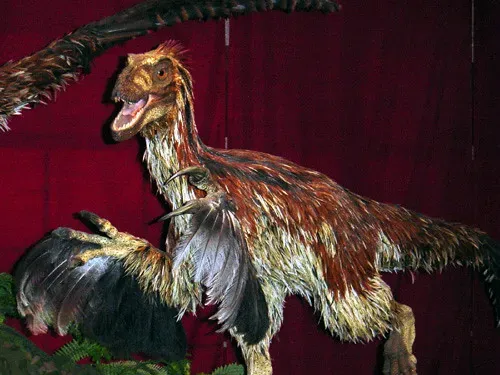
Genetic evidence has not just refined the story of bird origins; it has turned it inside out in ways you probably did not expect. Instead of a neat march from primitive, flightless ground birds to modern flyers, you see a messy, branching tale where small feathered dinosaurs gave rise to streamlined, genome‑light ancestors that already carried many traits of today’s birds. Those ancestors then weathered a planet‑wide extinction, exploded into new niches, and repeatedly reinvented body plans – from giant runners to deep divers – on top of the same ancient genetic backbone.
For you, the lesson is that the sparrows in your gutter and the geese in a city pond are not evolutionary afterthoughts but the latest chapters in a story that began long before the asteroid hit. When you listen to birdsong tomorrow morning, you are hearing echoes of lineages that threaded their way through deep time, mass extinction, and rapid bursts of change. Knowing that, how can you look at a “common” bird the same way again?