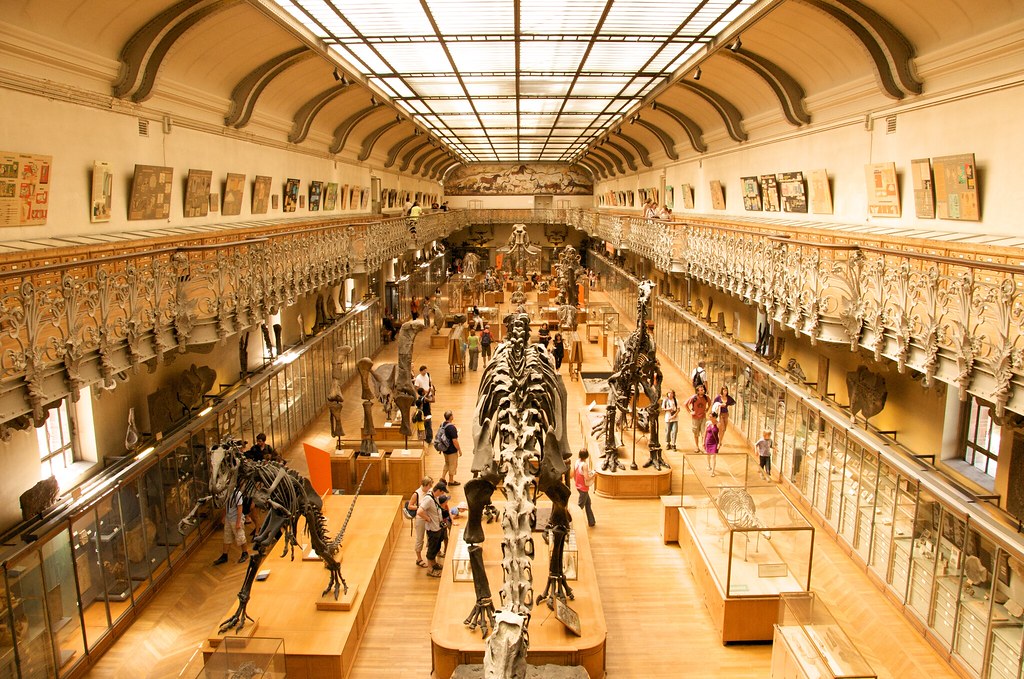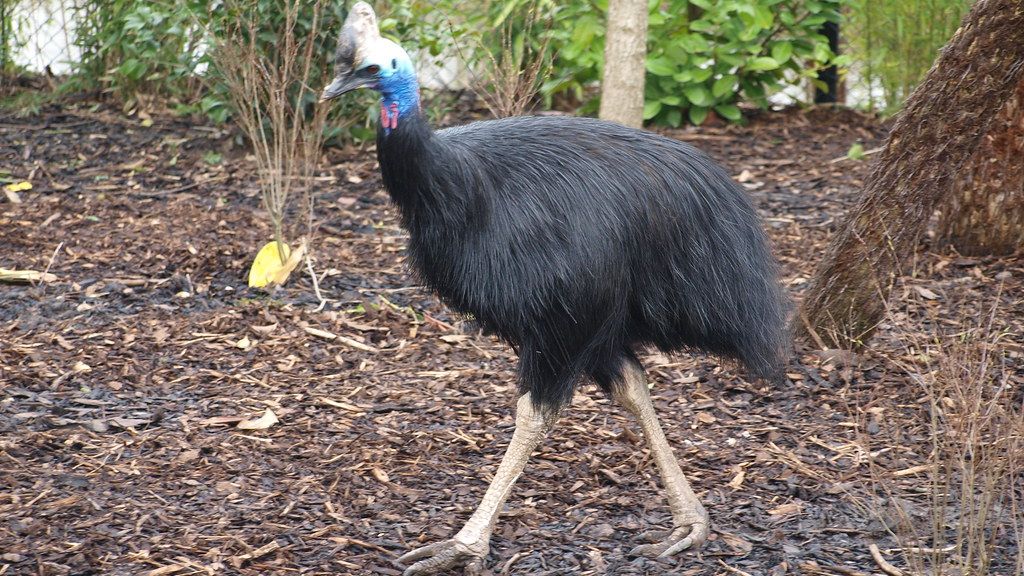
You have probably heard the line that birds are “living dinosaurs,” but it can still feel like a wild stretch when you look at a tiny hummingbird and then picture a roaring Tyrannosaurus. For a long time, this connection rested mostly on bones and feathers dug out of rocks. Now, new genetic work is tightening that link so much that, if you follow the data, you can literally trace the family line from a barnyard chicken back to a predatory theropod.
As you walk through a city park or listen to birds outside your window, you are actually surrounded by the last surviving branch of the dinosaur family tree. Modern DNA and protein studies are making that statement less of a metaphor and more of a precise biological fact. When you zoom out, you are not just watching sparrows and crows; you are looking at the results of a 150‑million‑year evolutionary experiment in turning a land‑running killer into a warm‑blooded, feathered flyer.
You Are Sharing Your World With Living Dinosaurs
If you could peel back time instead of distance, you would find that the pigeons, chickens, and songbirds around you sit inside the same broad group that once included Velociraptor and Tyrannosaurus rex. In modern evolutionary biology, birds are classified as a specialized branch of theropod dinosaurs, not just their distant cousins. That means you are not just being poetic when you call a bird a dinosaur; you are being technically correct.
This conclusion comes from decades of fossil discoveries combined with modern methods of building family trees based on shared traits and genetic data. When scientists feed skeleton measurements, feather evidence, lung structures, and now molecular data into their analyses, birds consistently nest within the theropod group. In other words, if you draw a dinosaur family tree honestly, you have to place birds on one of the branches, not off to the side.
Genetic Clues: What Bird DNA Tells You About Dinosaurs
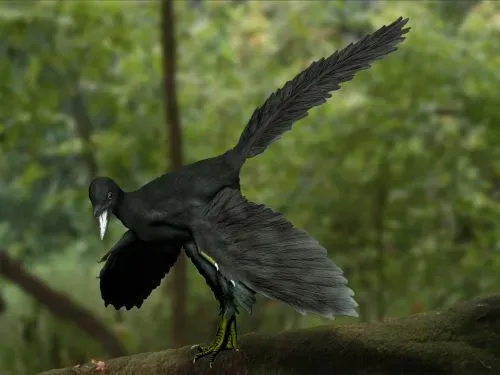
You live in a time when you can test deep evolutionary ideas, not just argue about them from bone shapes. One of the most striking pieces of evidence came from partial protein sequences extracted from a 68‑million‑year‑old Tyrannosaurus rex fossil. When researchers compared that ancient collagen to modern animals, it clustered closest to birds, particularly species like chickens and ostriches, rather than to lizards or crocodiles.
On top of that, whole‑genome studies of many modern birds show how tightly knit their branch is and how it radiated rapidly after the mass extinction that wiped out other dinosaurs. When you compare bird genomes to those of other vertebrates, you see familiar theropod patterns: changes linked to rapid growth, lightened skeletons, and complex brains and senses. You are essentially reading the long, edited genetic script of a dinosaur lineage that survived a global catastrophe and then reinvented itself in the air.
Fossil Time Capsules: Archaeopteryx And Other Key Links
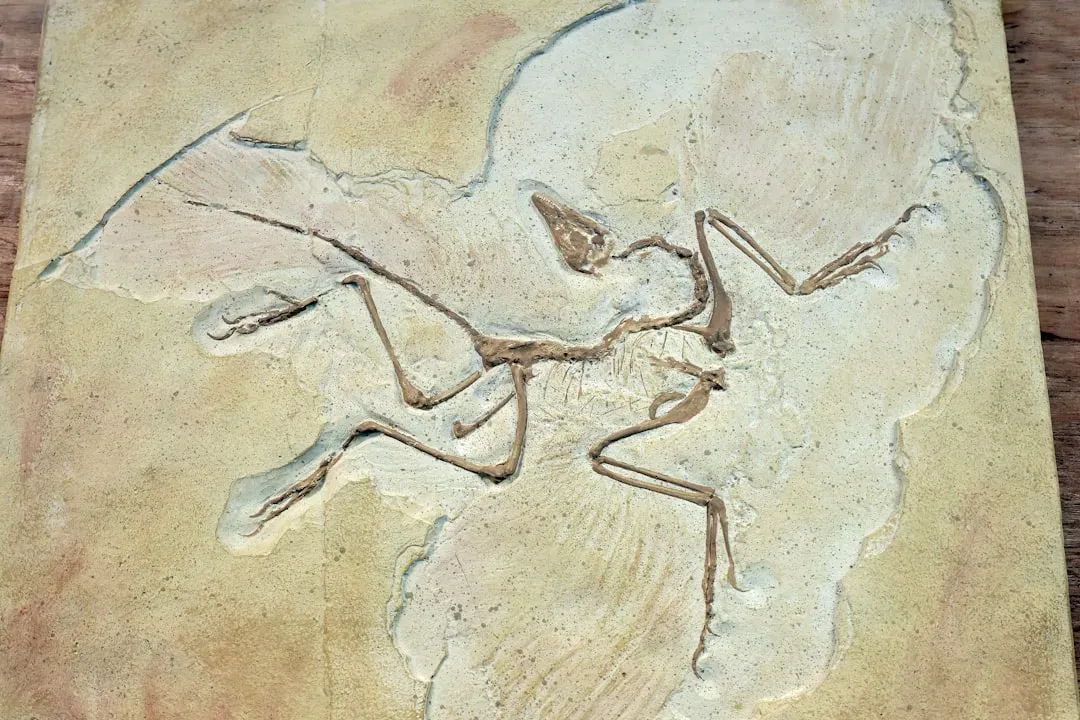
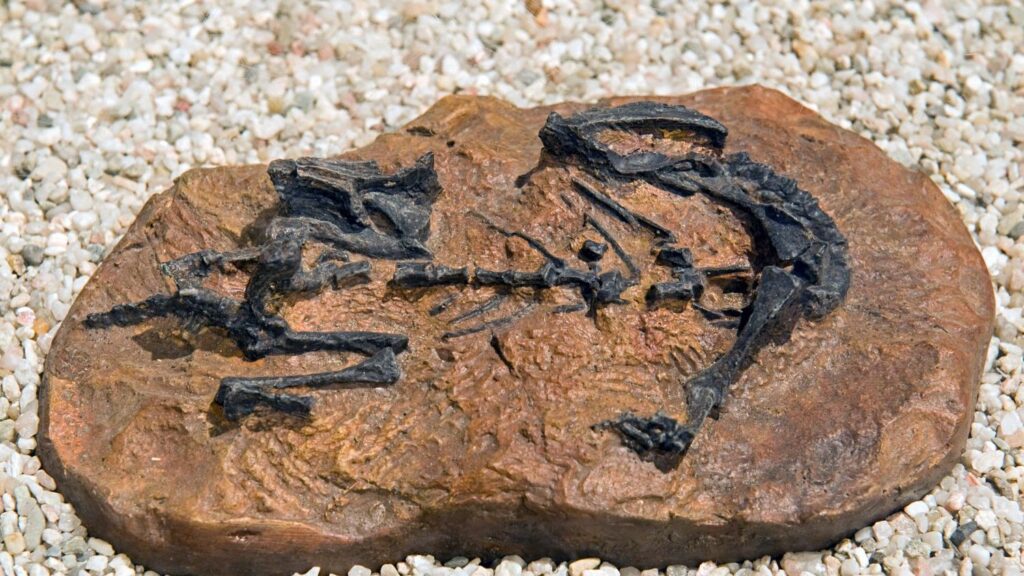
When you look at classic fossils like Archaeopteryx, you are seeing snapshots of this transition frozen in stone. Archaeopteryx, which lived about 150 million years ago, combines a long bony tail, claws, and teeth with fully formed flight feathers and bird‑like wings. Recent high‑resolution studies of new Archaeopteryx specimens have even revealed soft‑tissue details in the toes and feathers that match features you can see in ground‑dwelling and flying birds today.
Newly described bird‑like dinosaurs and early avialans from China, Europe, and elsewhere have filled in what used to look like a gaping hole between “dinosaur” and “bird.” You can now follow step‑by‑step shifts: tails shortening, teeth shrinking, wishbones strengthening, feathers growing more complex, and wings becoming more capable of powered flight. Instead of a sudden jump, you see a branching, bushy path with multiple experiments in gliding, flapping, and perching that eventually lead to the birds you recognize.
The Surprising Story Hidden In Bird Bones
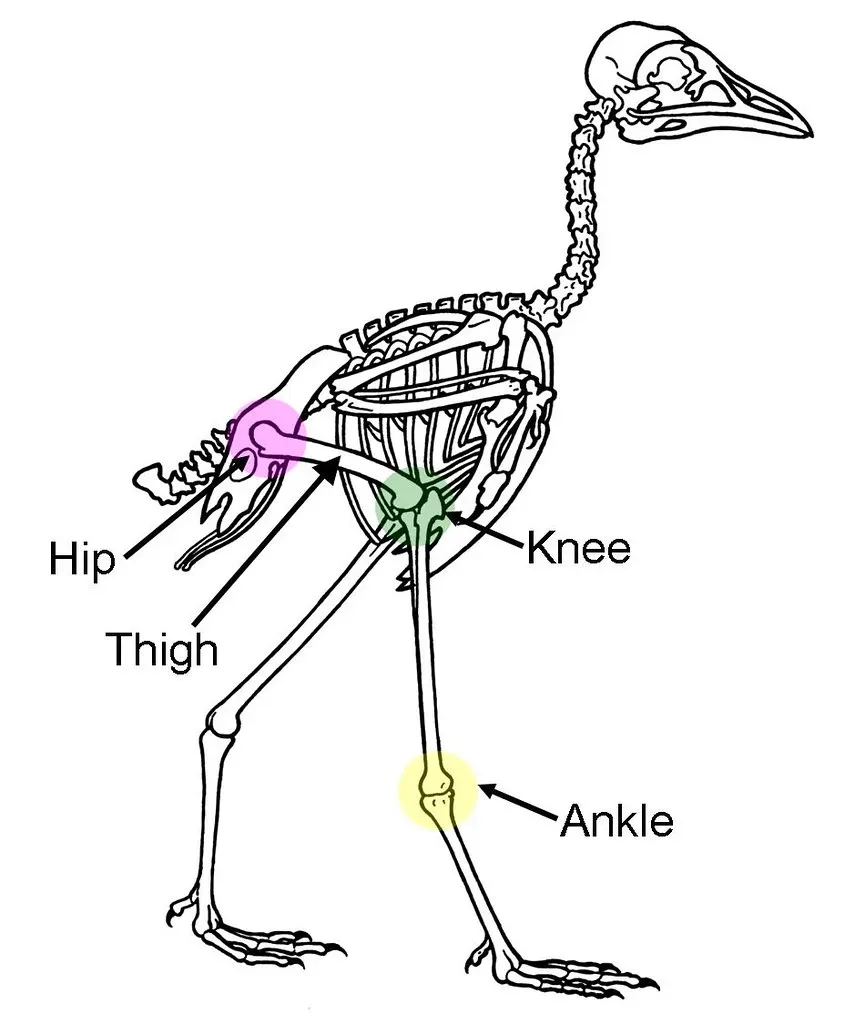
If you could hold a theropod limb bone in one hand and a bird bone in the other, you would feel something familiar: both are light yet strong, with thin walls and hollow spaces that once housed air sacs. Studies of dinosaur vertebrae have shown that air may have made up more than half the internal volume of some bones, echoing the air‑sac system that lets modern birds power sustained flight with a super‑efficient lung.
Even small wrist and shoulder bones tell you about this connection. Recent work on tiny wrist bones in bird‑like theropods has shown that the same structures that let birds fold and twist their wings were already evolving in non‑avian dinosaurs. When you flex your arm and imagine a bird folding its wing, you are watching the end point of a mechanical innovation that started long before anything truly looked like a sparrow.
Feathers: From Dinosaur Insulation To Your Backyard Songbirds
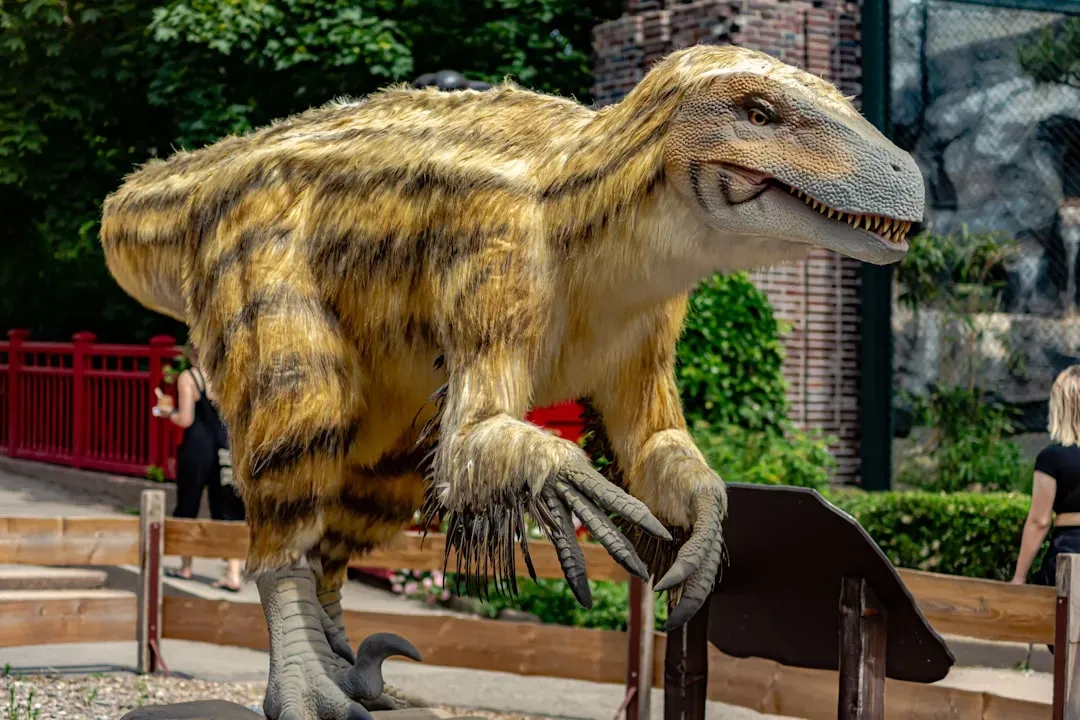
Feathers probably strike you as the ultimate bird signature, but fossils now show that they appeared in a wide range of theropod dinosaurs long before true birds took off. Early feathers looked more like simple filaments or fuzzy down, and they likely helped with insulation, display, or camouflage. As you trace fossils through time, those simple filaments branch and flatten, turning into vaned feathers much more like the ones you might pick up on a walk.
By the time you reach dinosaurs very close to the bird line, like small paravians, you see fully developed wings with layers of asymmetrical flight feathers. When you compare their feather arrangement and microscopic structure to those of modern birds, the similarities are so close that it becomes hard to say where “feathered dinosaur” ends and “bird” begins. The plumage on a crow outside your window is the refined descendant of those first fuzzy coats laid down on small Jurassic predators.
Behavioral Echoes: Nests, Brooding, And Bird‑Like Parenting
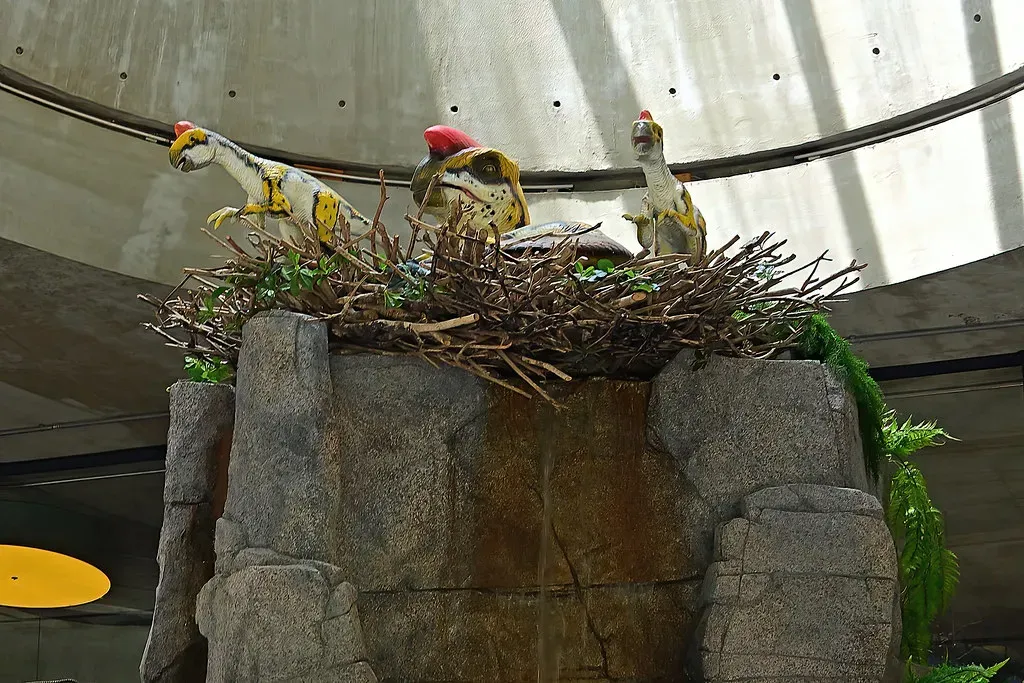
Genetics and bones are powerful, but you also get goosebumps when behavior leaves its mark in the fossil record. In multiple theropod species, you find adults preserved crouched over clutches of eggs in a pose that looks eerily like a modern bird brooding a nest. Eggshell structures and nest layouts in some of these fossils line up closely with patterns you see in ground‑nesting birds today.
Other fossils capture growth rings in bones and limb proportions that suggest rapid growth rates and high metabolisms, both hallmarks of modern birds. When you put this together, you are not just looking at skeletons that resemble birds; you are seeing an active, dynamic lifestyle with bird‑like growth, parenting, and possibly even feather care. The parenting instincts of a robin tending chicks on your balcony are part of a deep behavioral inheritance that reaches back into the Age of Dinosaurs.
What The “Chicken And T. rex” Connection Really Means For You
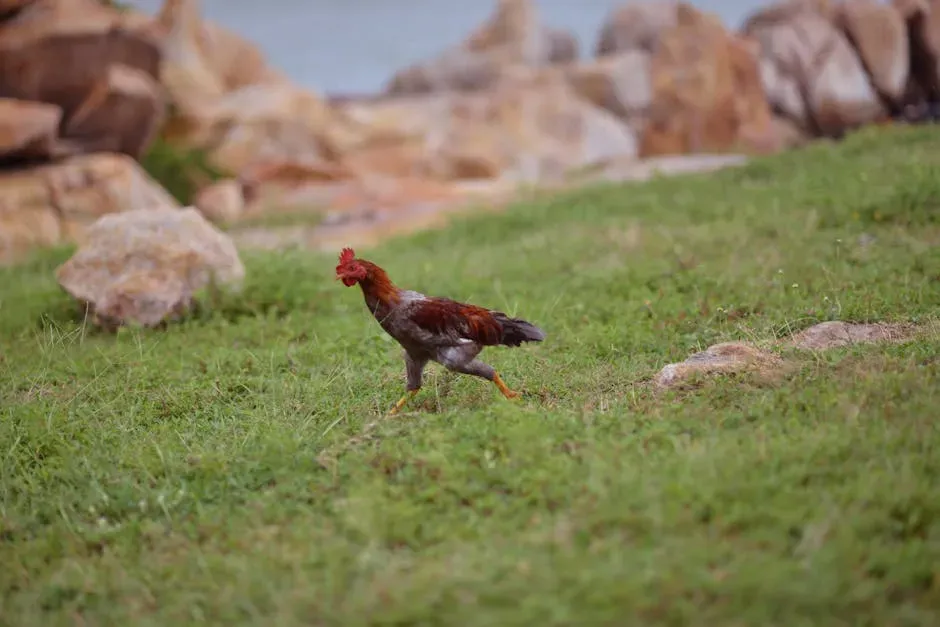
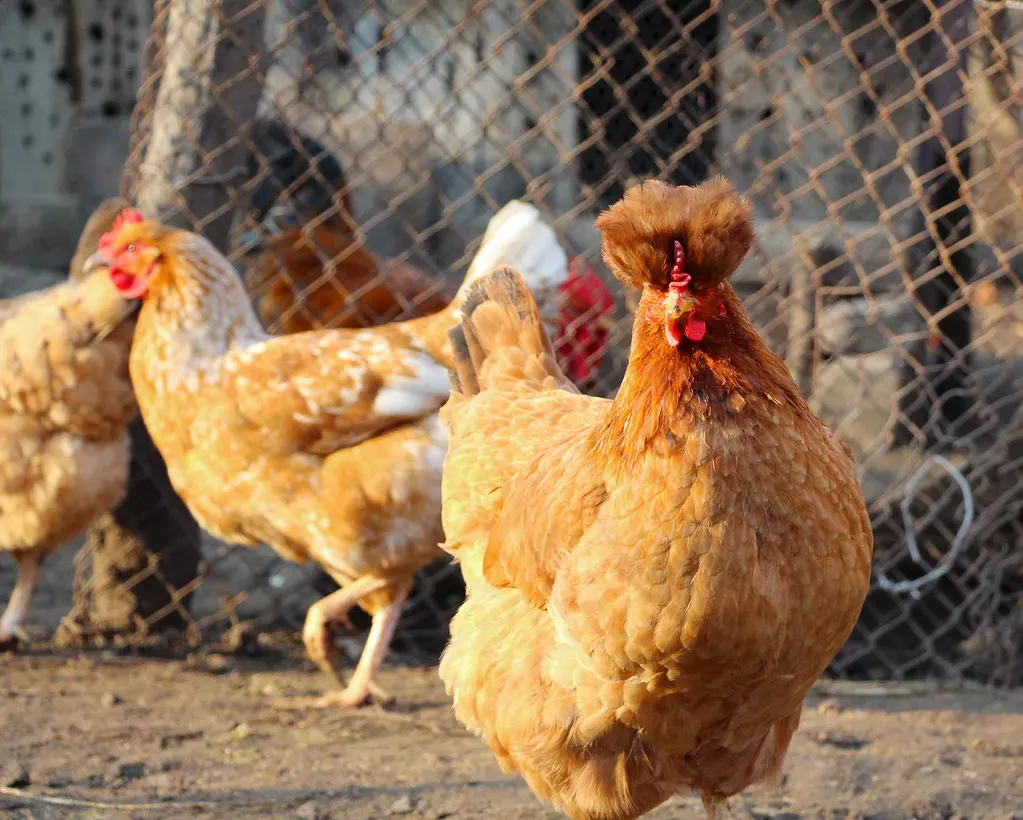
You might have heard people joke that a chicken is just a tiny T. rex, and it is easy to laugh that off as an exaggeration. But molecular comparisons of dinosaur proteins with modern animals have repeatedly placed birds, especially species like chickens and ostriches, as the closest living relatives of theropod giants. When you cut into a roast chicken, you are eating muscle built on the same basic blueprint that powered predatory dinosaurs.
Of course, you should not imagine a T. rex simply shrinking into a barnyard bird. The real story is a long series of smaller theropod lineages evolving into more agile, feathered, and eventually flying forms. Still, the genetic and anatomical ties are real enough that if you could ride a time machine and follow your chicken’s ancestors back, you would eventually be walking among full‑sized theropod dinosaurs. The familiar cluck and scratch are just the modern, harmless echo of something that once hunted in Cretaceous forests.
Why This Matters For How You See Evolution And Life Today
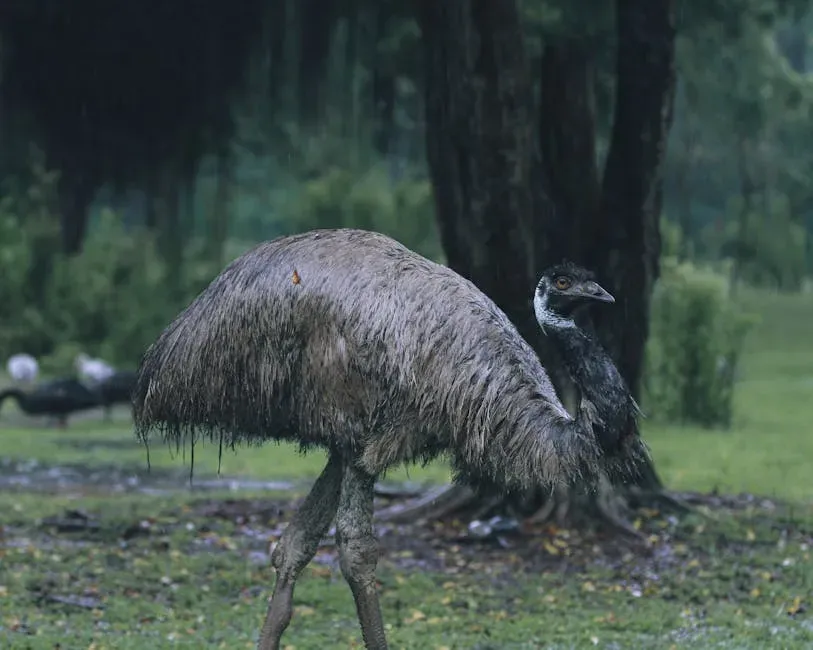
This bird–dinosaur connection is not just a fun fact; it changes the way you think about extinction, survival, and transformation. When you realize that dinosaurs did not simply vanish but rather survive as birds, extinction becomes less like a sudden end and more like a branching redirection. The catastrophe that wiped out other dinosaurs opened ecological space that bird lineages raced into, eventually leading to the roughly ten thousand bird species you share the planet with today.
For you, it is also a reminder that evolution often repurposes old parts instead of inventing everything from scratch. Feathers that started as insulation become tools for flight, hollow bones that lightened running predators become crucial to aerial acrobatics, and a dinosaur forelimb turns into a wing. When you look at a bird, you are watching evolution’s talent for recycling on grand display, turning yesterday’s predator toolkit into today’s diversity of singers, divers, runners, and flyers.
How You Can “Read” The Dinosaur In Any Bird You See
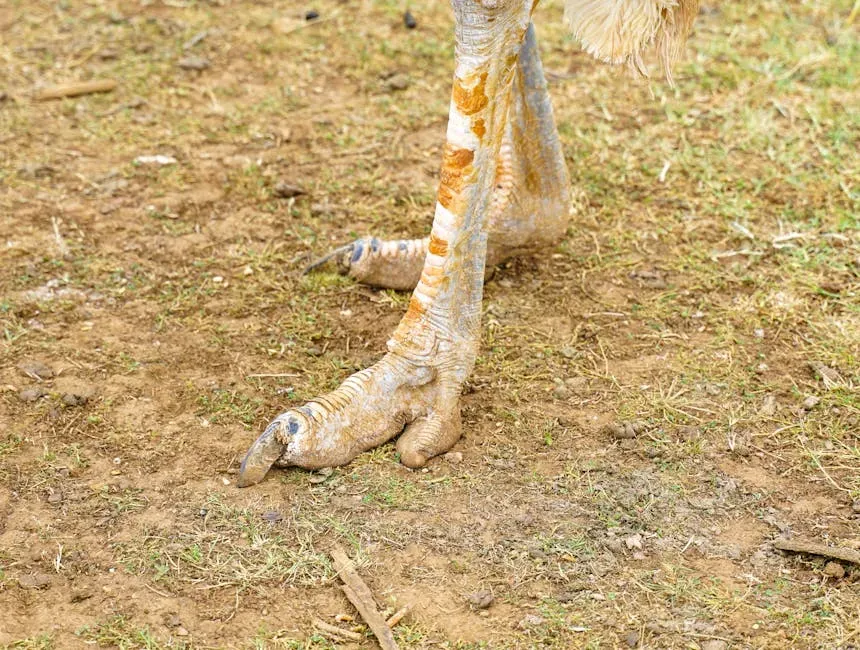
Next time you are near a bird, try viewing it like a paleontologist reading living fossils. When you notice the three main toes on a bird’s foot, you are seeing the same basic toe layout that theropod dinosaurs used for running and pouncing. When you glimpse a wishbone beneath the feathers of a chicken or gull, you are looking at a structure once thought unique to birds but now known to be present in many non‑avian theropods as well.
You can also watch the way a bird breathes and moves for clues. Rapid breathing, high body temperature, and quick reflexes all fit with the image of active, warm‑blooded dinosaurs that many modern researchers now favor. Even the way a crow tilts its head and inspects objects hints at complex intelligence layered onto an ancient predatory brain. With a little practice, you can spot the dinosaur heritage in almost every detail, turning everyday birdwatching into a quiet tour of deep time.
Conclusion: Once You See The Dinosaur, You Cannot Unsee It
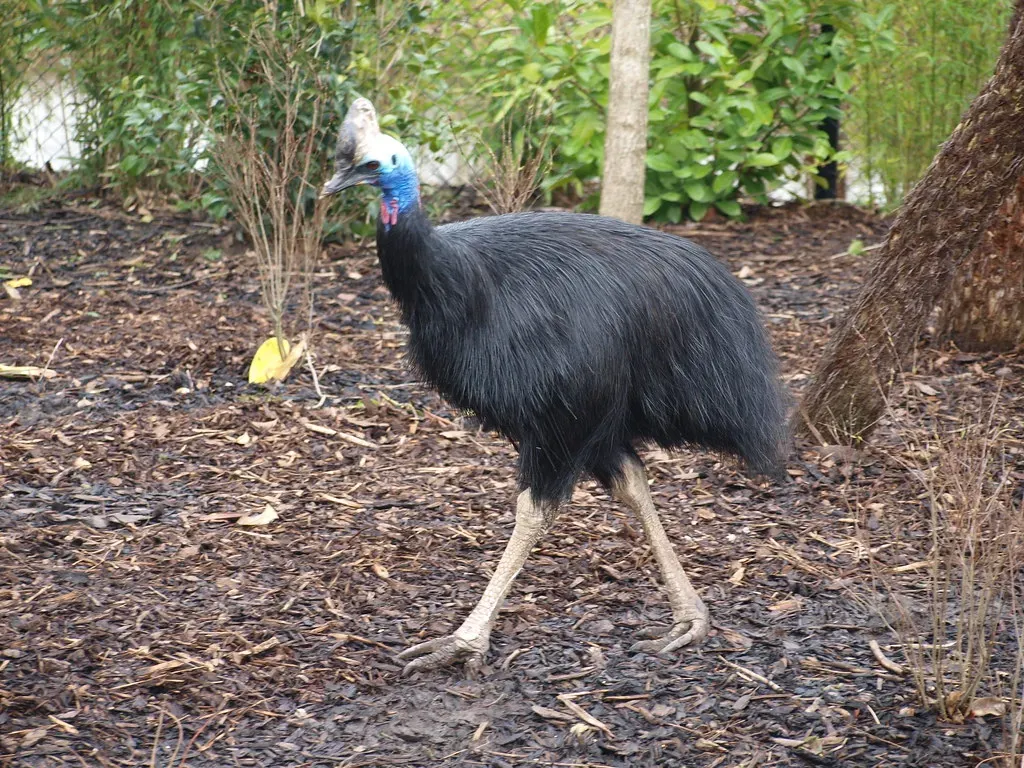
When you put all the pieces together – genetic data, fossil anatomy, feathers, lungs, behavior, and growth patterns – you end up with a surprisingly intimate connection between the birds around you and the theropod dinosaurs of prehistory. New genetic and protein studies are not replacing the fossil evidence; they are reinforcing it, stitching modern birds even more tightly into the dinosaur family tree. You are living alongside the only dinosaurs that made it through one of Earth’s worst mass extinctions and then exploded into a riot of forms and colors across the globe.
From the city pigeon strutting on a sidewalk to an eagle riding a thermal, every bird you see carries a story that starts with small, agile theropods picking their way through Jurassic landscapes. Once you recognize that, your everyday world feels older, stranger, and richer. The next time a bird flashes past your window, will you still think of it as just another animal – or will you see the quiet shadow of a dinosaur flying by?