If you zoomed back in time a few billion years, Earth wouldn’t look like the gentle blue marble we know today. The young Sun was wilder, blasting out intense radiation and charged particles that should have stripped our planet bare. And yet, somehow, fragile early life managed not just to appear, but to hang on. How?
New research is breathing fresh life into an old idea: that Earth’s magnetic field may have been one of life’s first bodyguards. The story is not fully settled, and scientists are still arguing over details, but a fascinating picture is emerging in which swirling molten rock deep underground quietly shaped the fate of every living thing above it.
A Young, Angry Sun and a Surprisingly Fragile Earth

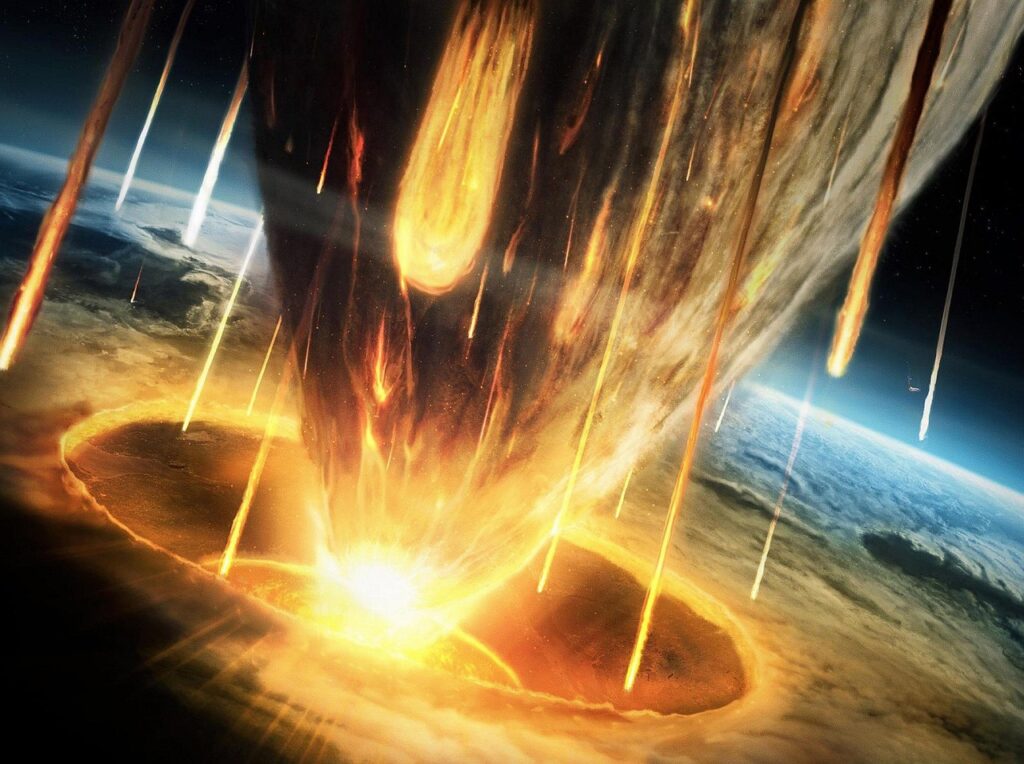
Imagine trying to build a sandcastle in the middle of a sandstorm. That is roughly what early life on Earth was up against. The young Sun blasted out far more high-energy radiation and violent solar storms than it does today, showering space with charged particles that can shred atmospheres and damage delicate molecules.
On an unprotected planet, those solar tantrums can strip away gases like hydrogen and water vapor over time, leaving a dry, hostile world behind. We see hints of this when we look at Mars, which likely once had flowing water but lost most of its atmosphere as its internal dynamo and global magnetic field faded. The question is whether Earth only escaped that fate by a cosmic stroke of luck, or whether our magnetic field made the crucial difference for life’s survival.
How Earth’s Magnetic Field Actually Works (Without the Jargon)
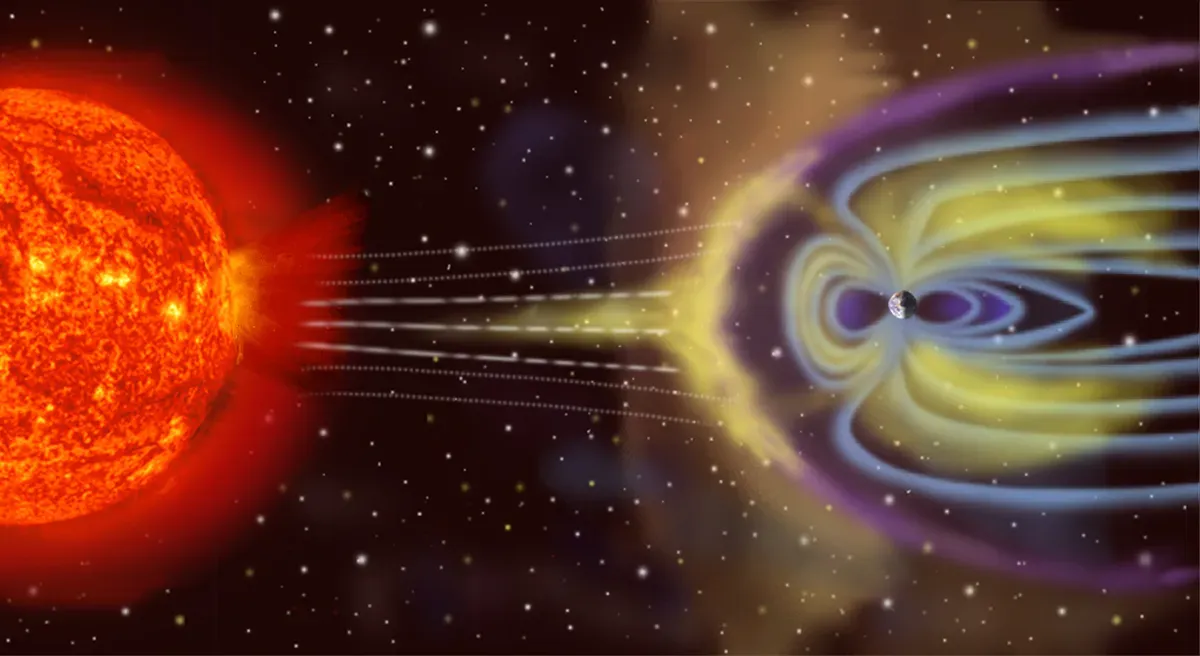
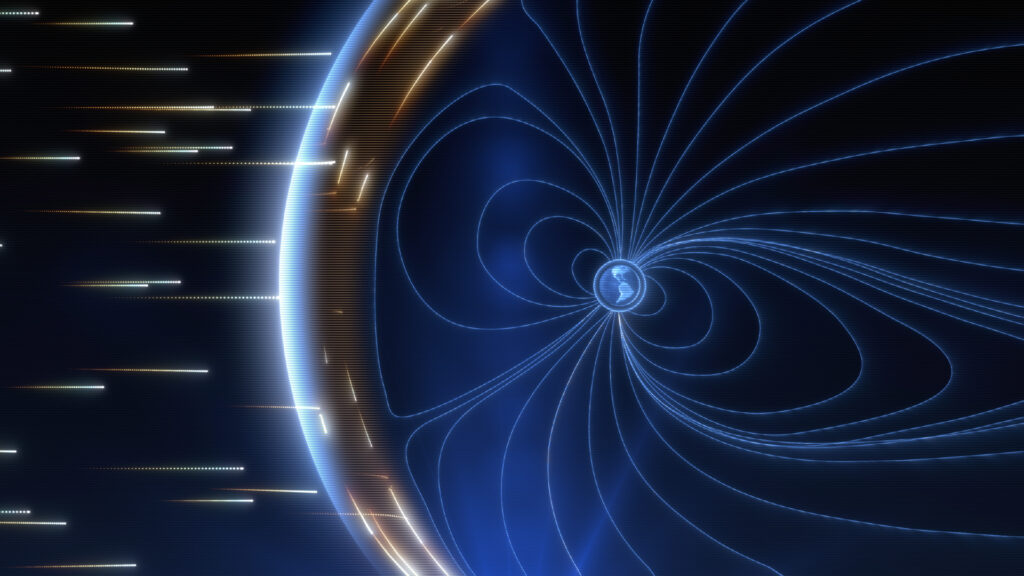
It helps to picture Earth not just as a rock, but as a giant electrical machine. Deep beneath your feet, liquid iron and nickel swirl around in the outer core, moving like a slow, churning ocean of metal. That moving metal generates electric currents, and those currents produce a global magnetic field that arcs far into space, forming a protective bubble around the planet.
This bubble, called the magnetosphere, deflects most of the charged particles coming from the Sun. Instead of slamming straight into our atmosphere and surface, many of those particles are guided around the planet, or channeled harmlessly toward the poles where they help paint the sky with auroras. Without this invisible shield, the upper atmosphere would be far more exposed, and early biological molecules would have been constantly under siege.
Early Life Was Already Playing on Hard Mode
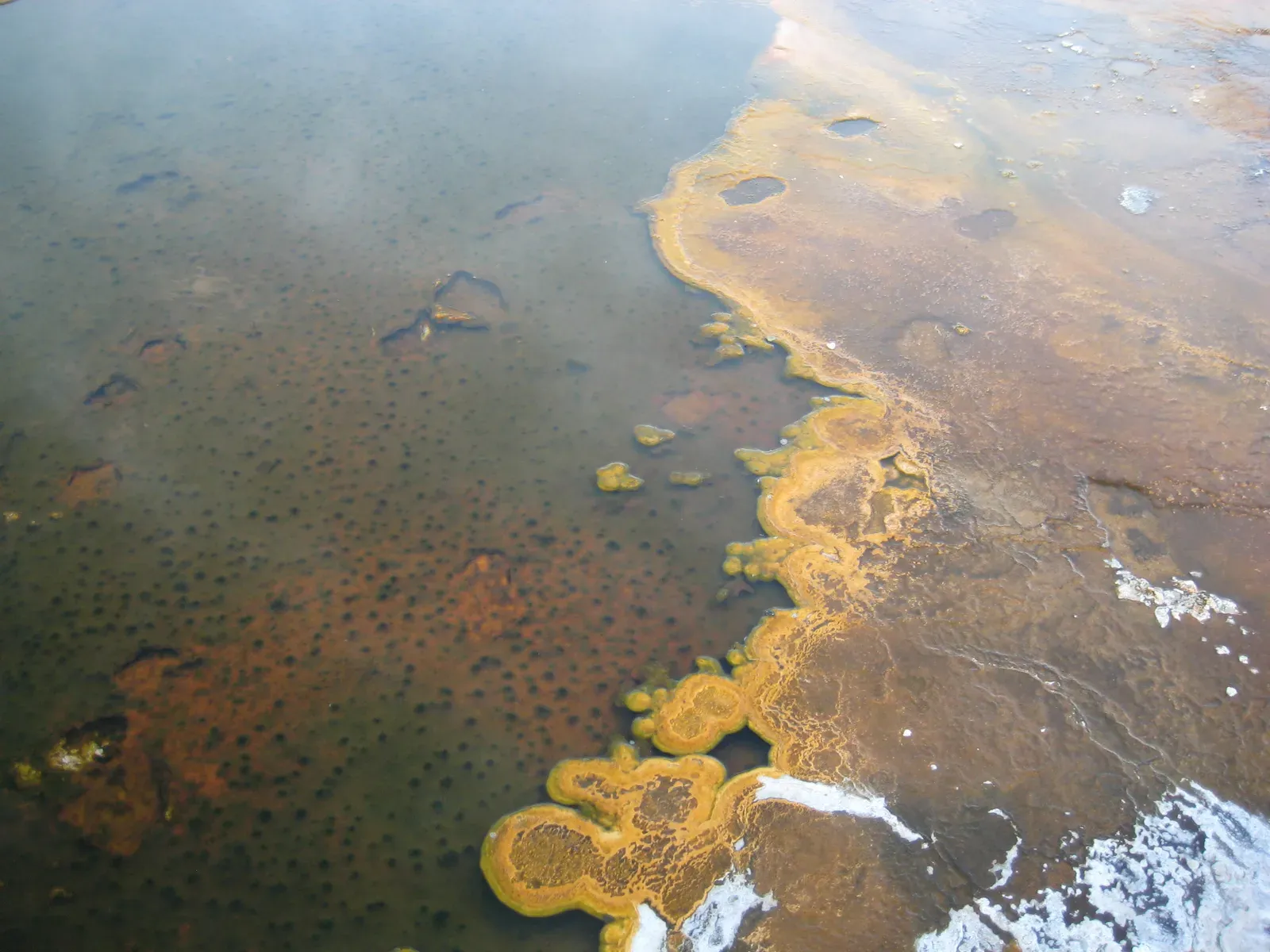
When we talk about “early life,” we are not talking about fish or plants or even simple algae. We are talking about microscopic, single-celled organisms surviving in oceans that were hotter, murkier, and chemically different from the ones we know now. These pioneer microbes probably clung to volcanic vents on the seafloor or shallow coastal environments, living off chemical reactions rather than sunlight.
Even there, they were vulnerable. High-energy ultraviolet and particle radiation can break apart DNA and other essential molecules, introducing deadly errors faster than life can repair them. A little radiation can drive evolution; too much is simply lethal. In that sense, early life was already operating at the very edge of what is survivable, so any extra protection, even an imperfect one, may have tipped the balance between extinction and persistence.
The Magnetosphere as a Cosmic Sunscreen
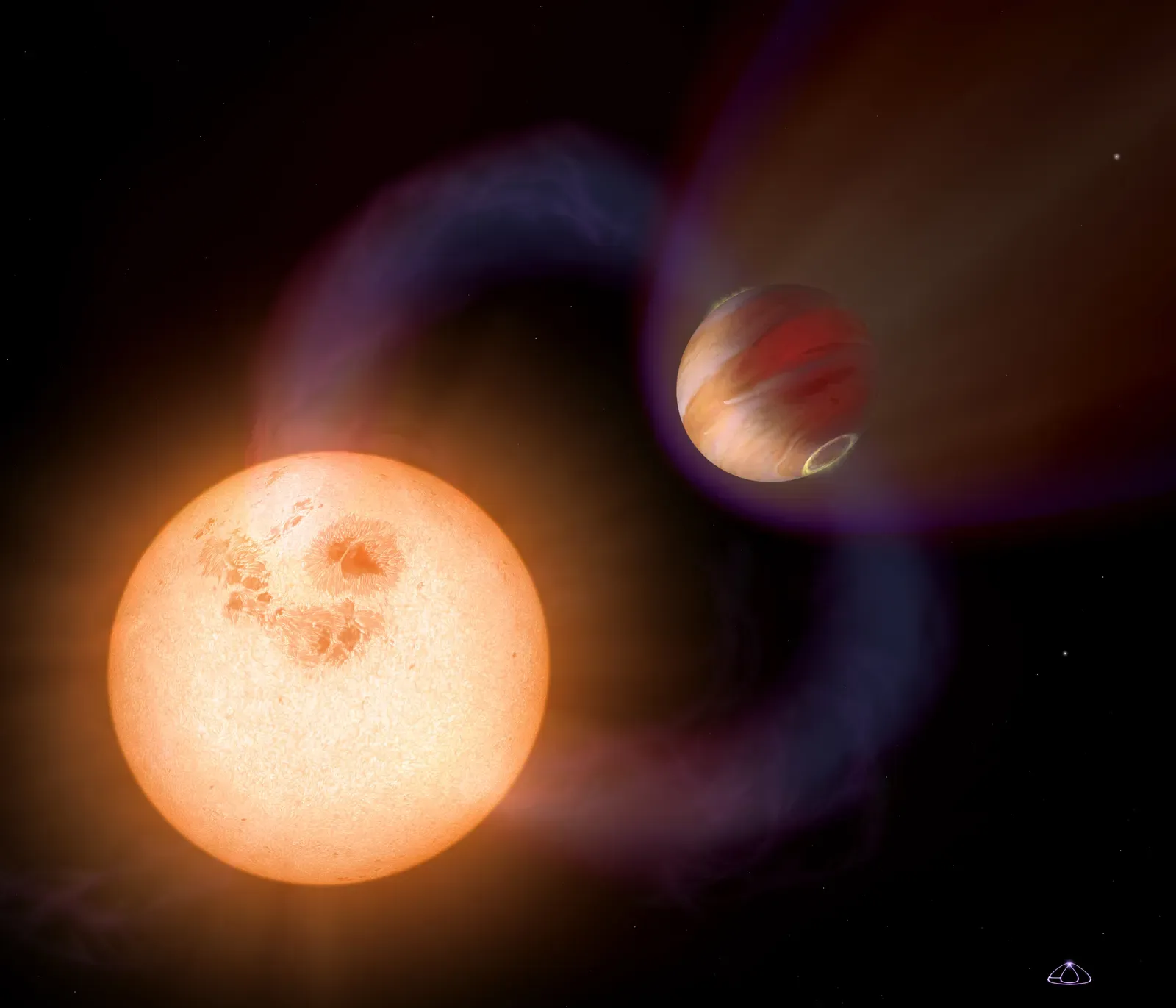
Earth’s magnetic field does not block all radiation, but it changes the game in a subtle way that matters. By steering charged solar particles away from the planet and moderating how they interact with the upper atmosphere, the field reduces the overall energy hitting those layers. That, in turn, helps preserve atmospheric gases and helps maintain conditions at the surface and in the oceans that are more stable over long timescales.
Think of the magnetosphere as a kind of planetary sunscreen paired with a windbreaker. It does not make the Sun safe, but it dulls the most harmful blows and slows down the erosion of the atmosphere. For early life, especially shallow-water and surface-dwelling microbes, that likely meant fewer catastrophic radiation spikes, more time to repair molecular damage, and a better chance to adapt as the young Sun gradually calmed down.
What the New Research Is Actually Saying (And What It Isn’t)
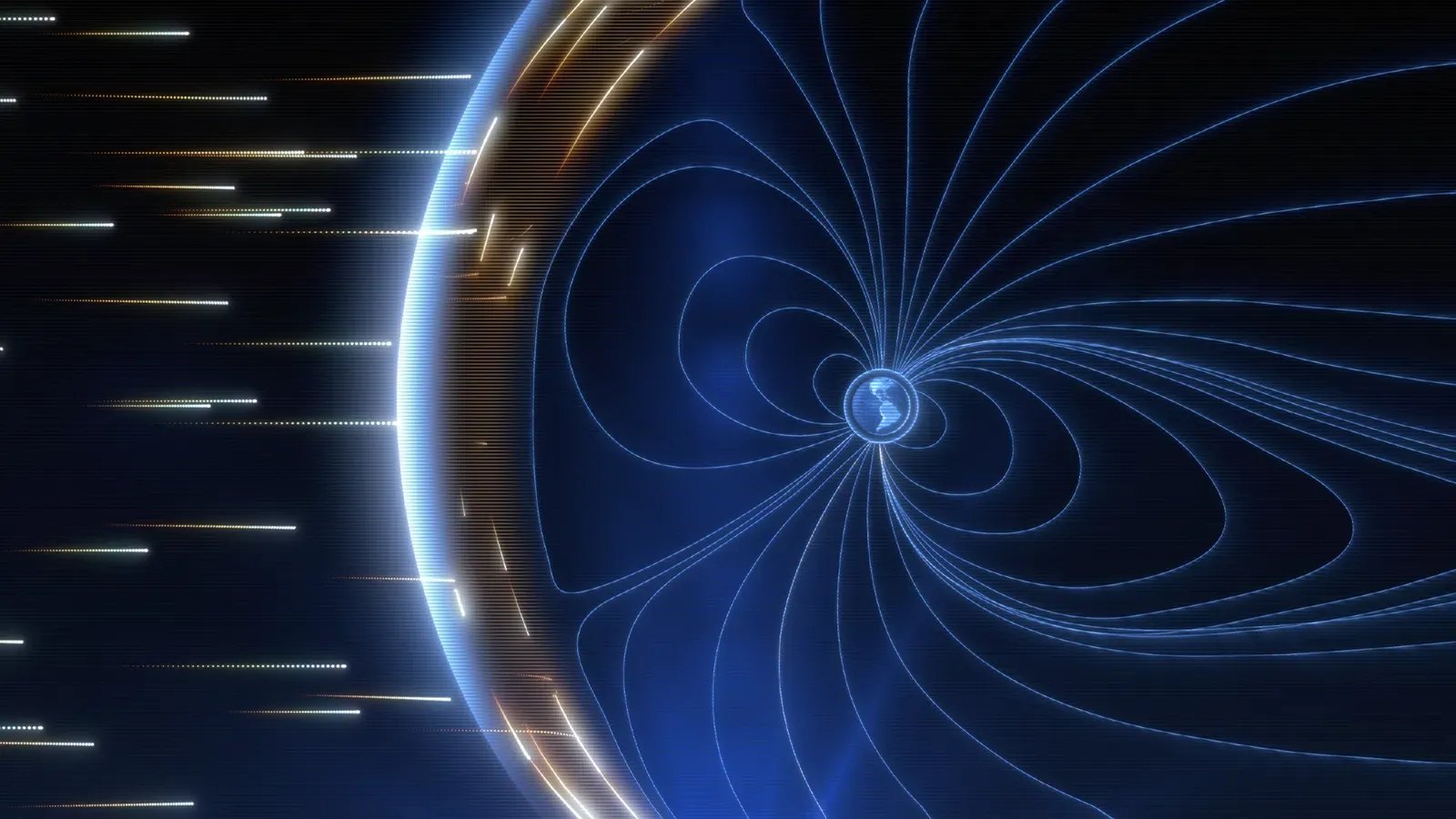
Recent studies are not claiming that life could not exist without a magnetic field, full stop. Instead, they suggest that a strong, long-lived magnetic field probably made early Earth significantly more hospitable by curbing atmospheric loss and moderating the most brutal effects of solar activity. Researchers look at ancient rocks, the chemistry of old minerals, and computer simulations of early solar wind conditions to piece together how powerful the field might have been and how it shaped the planet’s environment.
The picture that emerges is nuanced. The magnetic field likely worked hand in hand with other factors: Earth’s size, its volcanic activity and outgassing, the presence of liquid water, and the way the atmosphere itself absorbed and scattered harmful radiation. The new work strengthens the case that the field was not just a background detail, but a key player in keeping the early climate and surface conditions within a survivable range for those first fragile organisms.
Comparing Earth to Mars and Venus: A Natural Experiment
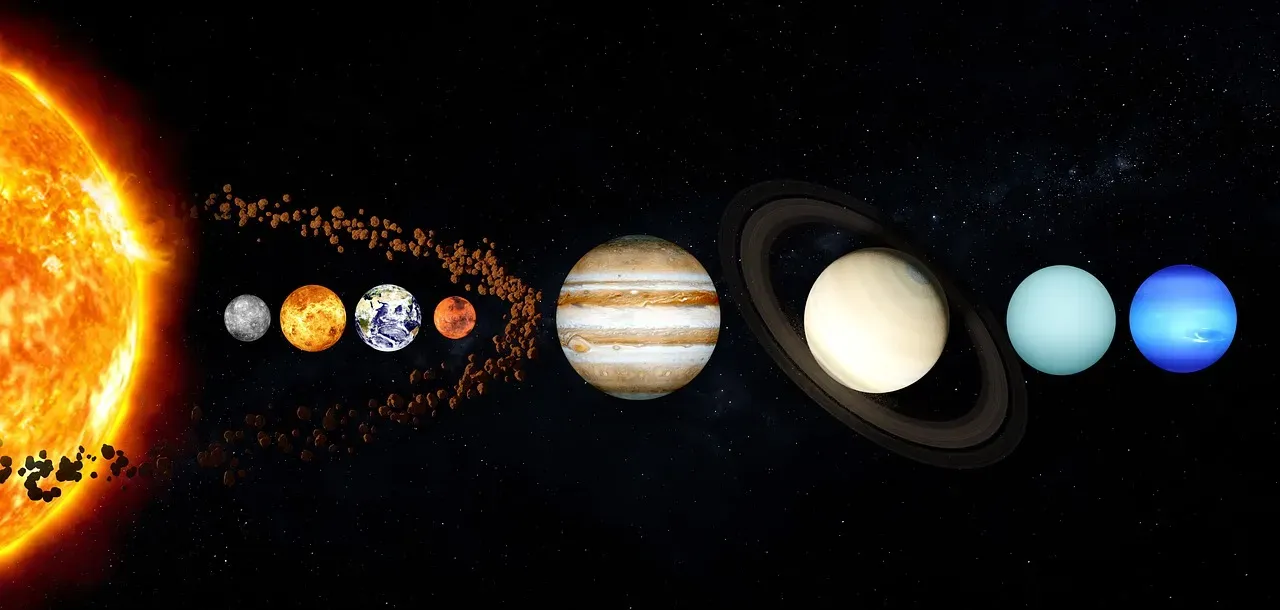
If you want to know how important a magnetic field is, you look at the neighbors. Mars once had a magnetic field and liquid water on its surface, but as its core cooled and its global field collapsed, the solar wind could interact directly with its upper atmosphere. Over immense stretches of time, this likely helped strip away lighter gases, leaving the thin, cold air we see today and turning a once wetter world into a dry desert.
Venus took a different path. It is similar in size to Earth and still has a thick atmosphere, but it lacks a global magnetic field and is blasted by intense solar radiation. Its dense, carbon-dioxide-rich atmosphere and brutal surface temperatures make it a cautionary tale of what can happen when greenhouse effects and solar input run away. These two neighboring worlds suggest that Earth’s long-lasting magnetic shield may have been one of the reasons our planet stayed in that narrow band where complex chemistry and stable oceans were possible.
Implications for Alien Life and the Search for Habitable Worlds
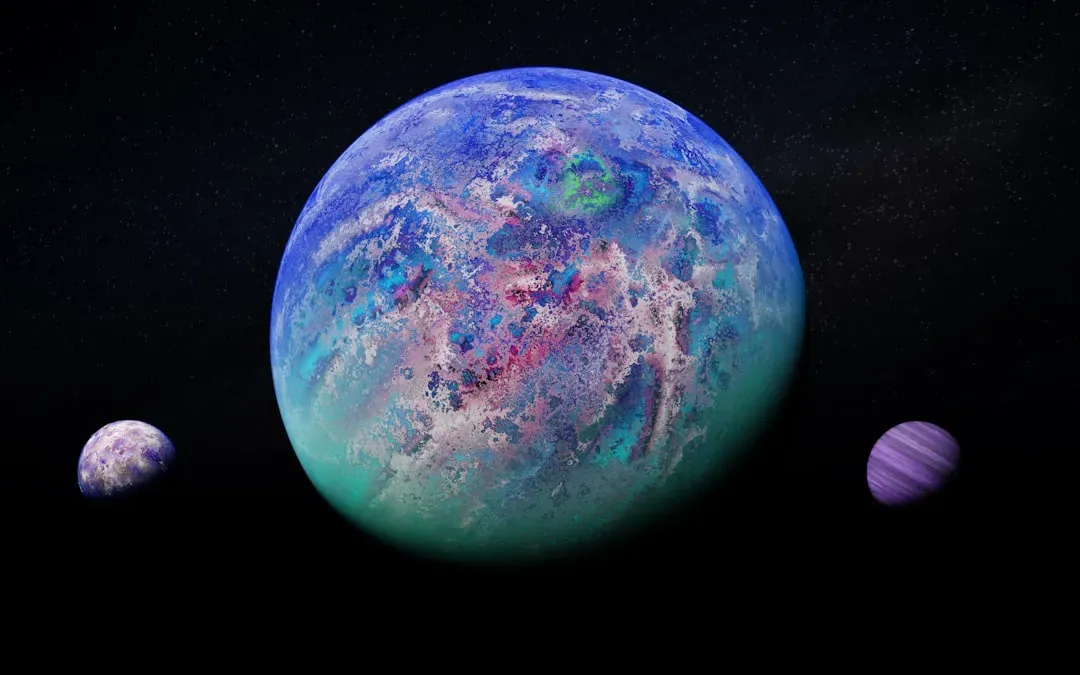
One of the most exciting parts of this story is how it reshapes our thinking about planets beyond our solar system. When astronomers find a rocky world in the so-called habitable zone, they now have to ask a deeper question: does it have an active interior and a magnetic field that can stand up to its star’s tantrums, especially during those wild, early billions of years? Without that shield, even a planet at the right distance could end up stripped, scorched, or chemically stunted.
This does not mean worlds without magnetic fields are automatically dead, but it does suggest that strong, long-lived dynamos might give planets a huge head start. When we eventually send better telescopes to study distant atmospheres or measure subtle signs of magnetic fields around exoplanets, we may find that the most promising homes for life look more like early Earth than we ever realized: restless inside, with a molten heart quietly protecting whatever might be swimming in their ancient seas.
The Quiet Hero in Earth’s Origin Story: An Opinionated Take
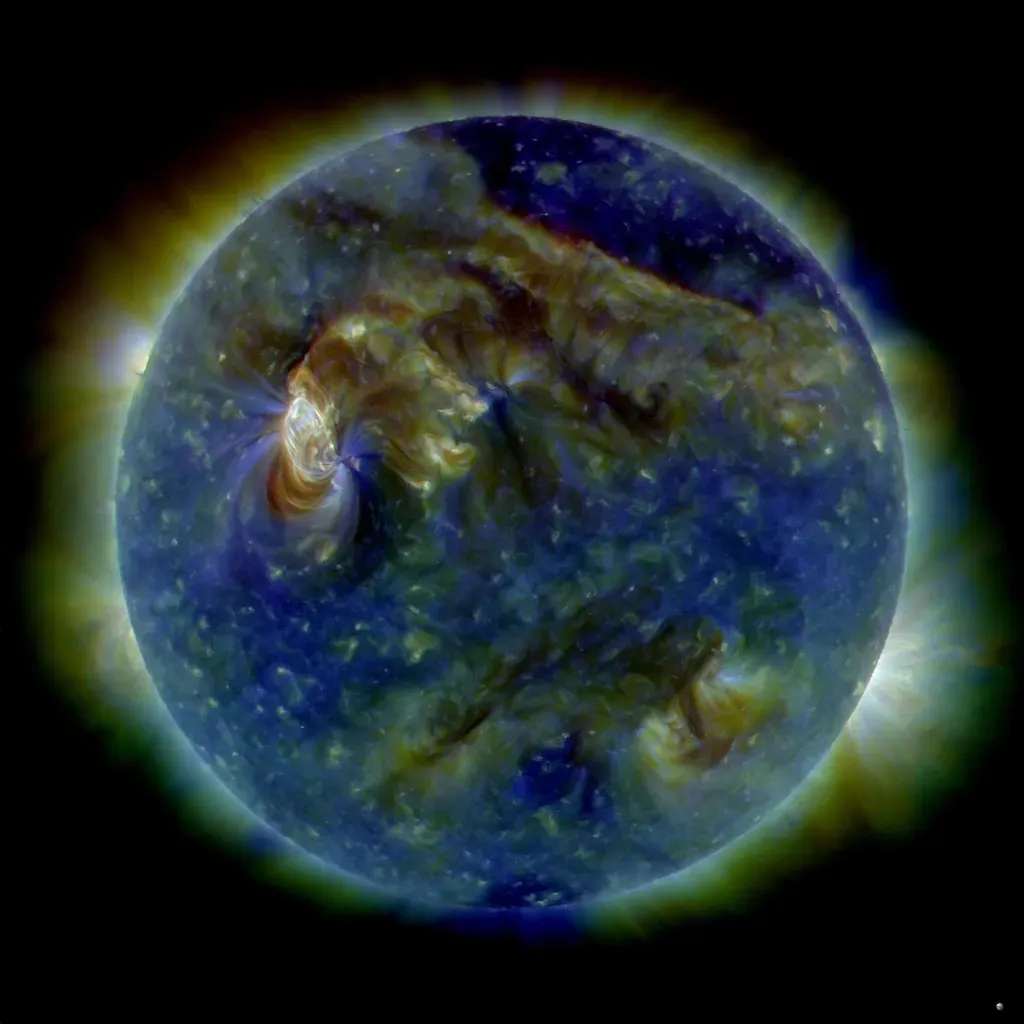
When people talk about why life flourished on Earth, they tend to focus on the obvious: liquid water, the right distance from the Sun, or the chemistry of carbon. Those are crucial pieces, but the more we learn, the more it feels like Earth’s magnetic field deserves a spot in the front row. It is the quiet hero of the story, rarely noticed in everyday life yet constantly deflecting hazards we almost never think about.
In my view, treating the magnetic field as an optional bonus undersells its role. It is more honest to say that for complex, long-lived biospheres like ours, a strong magnetic shield may be close to essential, especially around young, active stars. Our existence may depend on the fact that billions of years ago, deep within a molten core we will never see, the planet managed to fire up a dynamo and keep it running. Next time you watch an aurora video or see a compass needle swing, it is worth asking yourself: without that invisible shield, would anything be here to wonder about it at all?