You probably grew up thinking of dinosaurs as huge, dull, mud-colored reptiles lumbering through a brownish-green world. Lately, though, research is quietly rewriting that picture, and it is a lot more eye-catching than the old textbook art. When scientists started zooming in on fossilized feathers and skin with powerful microscopes, they realized something remarkable: you can often still see the tiny structures that once held pigment, and they behave in surprisingly predictable ways. That means you now live in a moment where the colors of animals that vanished tens of millions of years ago are finally coming into focus. You are not just guessing anymore; you can actually trace patterns, compare them with modern birds, and make testable claims about stripes, countershading, and even iridescent “oil-slick” shine. The result is a very different vision of the Mesozoic – one where dinosaurs were not just big, but beautifully painted by evolution.
The Old Myth of Drab, Swamp-Colored Dinosaurs
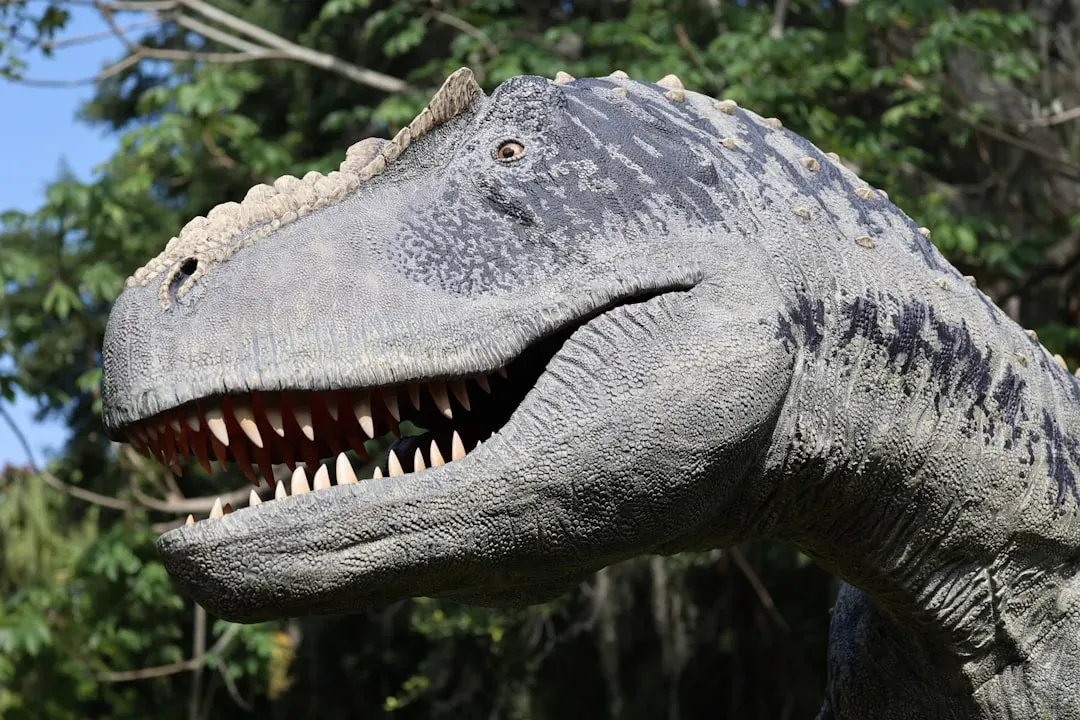
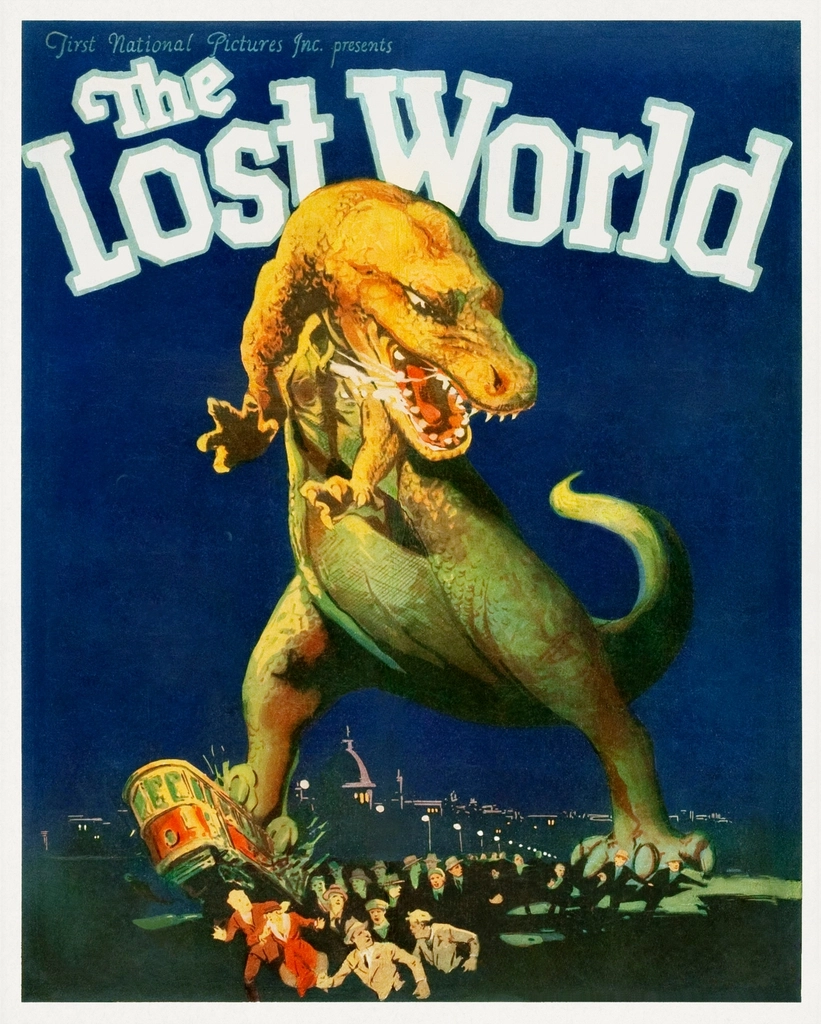
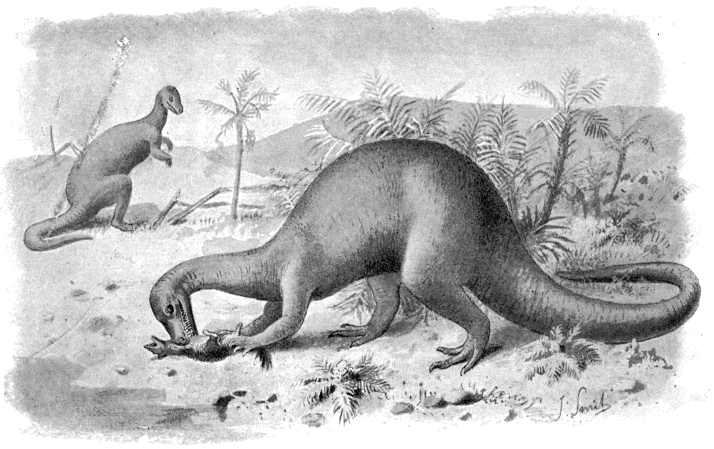
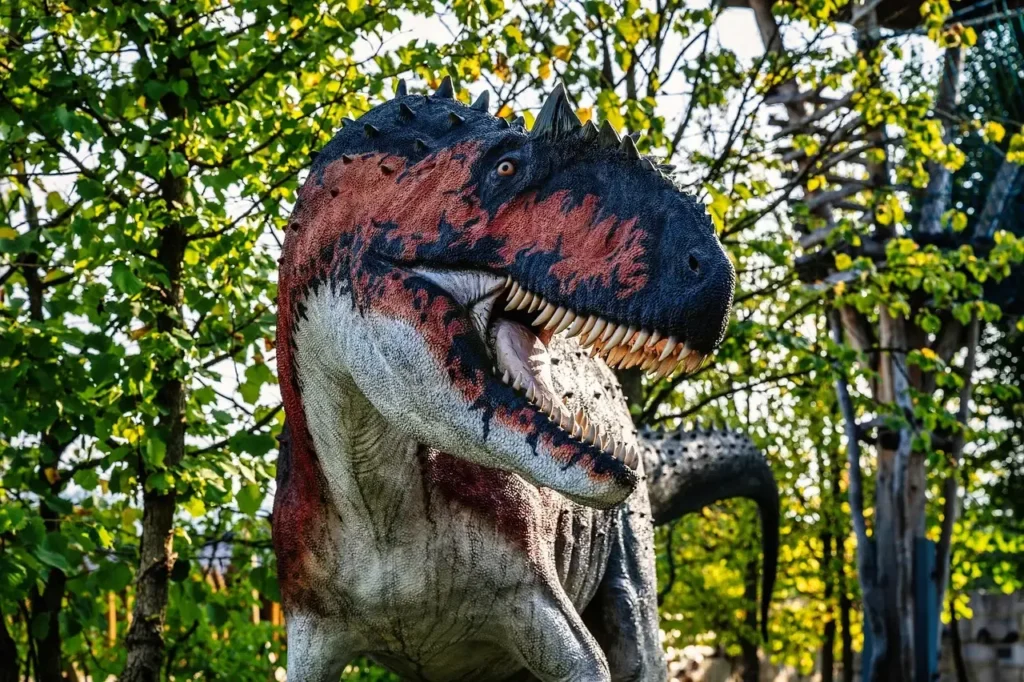
You have been fed the same visual story for decades: dinosaurs as olive-green, gray, or brown, almost like scaled-up crocodiles. That picture did not come from strong evidence; it came mostly from caution and habit. Since pigments usually rot away, early paleontologists simply chose safe, neutral colors rather than risk being dramatically wrong, and artists followed along. If you look at older books or movies, nearly every species seems to share the same muddy palette, as if someone turned the color saturation way down on prehistory.
Once you recognize that this “drab dinosaur” idea was basically a placeholder, you can let it go. You know from living animals that large predators and prey are rarely all the same flat shade; even relatively plain mammals have subtle gradients, markings, and shine when you see them in good light. The moment scientists began finding hints of the actual pigments preserved in fossils, the old assumption started to crack. Instead of asking whether dinosaurs had color, you can start asking how much, where, and what it meant for their lives.
How Tiny Fossil Pigments Let You See Dinosaur Colors
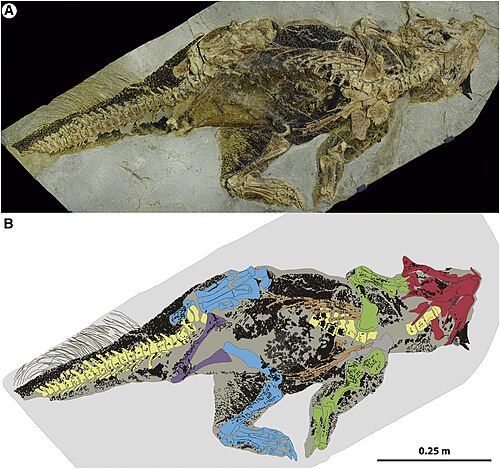
If you look closely at a fossil feather or patch of skin under an electron microscope, you sometimes find tiny, capsule-like structures called melanosomes. In living animals, melanosomes store melanin, the same pigment that darkens your hair, skin, and eyes. Different shapes and arrangements of these structures correlate very reliably with certain color families in modern birds: elongated ones tend to be linked with deep blacks or grayish tones, and rounder ones line up with rusty reds and chestnut hues. When you spot those same shapes in a fossil, you’re suddenly not guessing in the dark anymore.
Researchers then compare these fossil melanosomes to massive reference sets from living birds to statistically match them with likely colors. You end up with color “maps” for specific dinosaurs, sometimes down to bands, spots, or face masks. This method is not magic, and it does not give you every possible shade, but it is far more concrete than artistic intuition. For you as a reader, the key shift is this: scientists are now reconstructing dinosaurs using measurable, microscopic evidence, the same way you might infer a person’s hair color from a single preserved strand.
Striped Tails, Masked Faces, and Countershaded Bodies
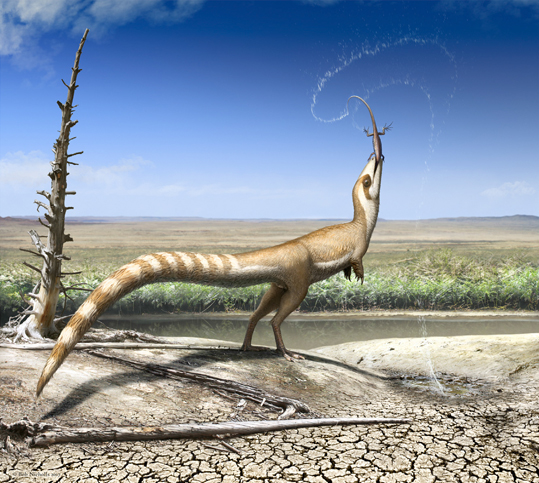
Once you start reading the detailed reconstructions, you see patterns that feel familiar from modern wildlife. Some small feathered dinosaurs show ringed tails, with alternating darker and lighter bands, much like a lemur or raccoon. Others appear to have darker facial regions, almost mask-like, and speckled or spotted limbs. You can picture these animals moving through dappled vegetation, their patterns breaking up their outlines like a camouflaged deer or fox. Color, in other words, was not just decoration; it was functional design shaped by natural selection.
One of the most striking findings is countershading: bodies that are darker on top and lighter underneath. You see this pattern today in everything from antelopes to sharks, because it helps flatten the body’s shape when light hits from above. Fossil evidence suggests certain dinosaurs used the same trick, with pale bellies and darker backs or flanks. For you, that means you can reasonably imagine some species blending into forest undergrowth or open habitats in a sophisticated way, rather than just trudging around as single-tone silhouettes.
Iridescent “Oil-Slick” Feathers and Rainbow Sheens
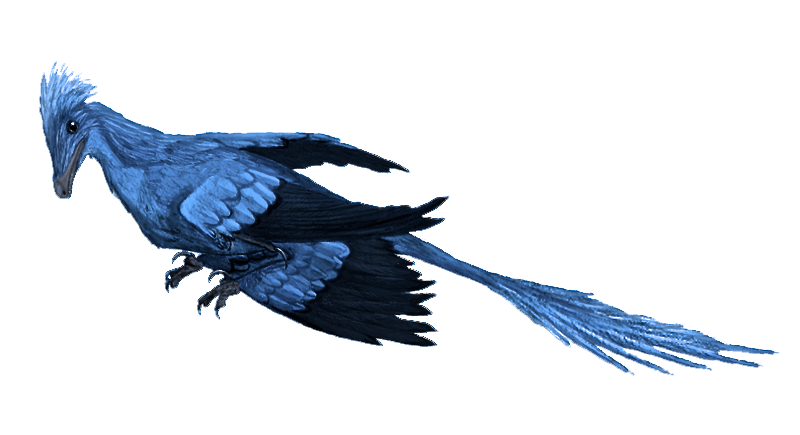
Not all dinosaur color was subtle. Some feathered species show melanosomes that are incredibly narrow and carefully layered – exactly the kind of arrangement that, in modern birds, produces iridescence. If you have ever watched a crow’s feathers flash blue-green in the sun or seen a hummingbird’s throat flare into metallic neon, you already know how this works. The structure of the feather bends and scatters light, creating a shifting, shimmering effect that changes with your viewing angle rather than relying on pure pigment.
When those same light-bending structures show up in dinosaur fossils, you are allowed to imagine animals with glossy, raven-like coats or patches of gleaming color on the head, neck, or wings. Some small, four-winged dinosaurs, for example, are now reconstructed with an overall black, iridescent plumage – closer to a modern corvid than a lizard. It is hard not to picture these creatures flashing and glinting as they climbed, glided, or hopped among tree trunks, their bodies as visually complex as any bird you see today.
Display, Communication, and the Social Lives Behind the Colors
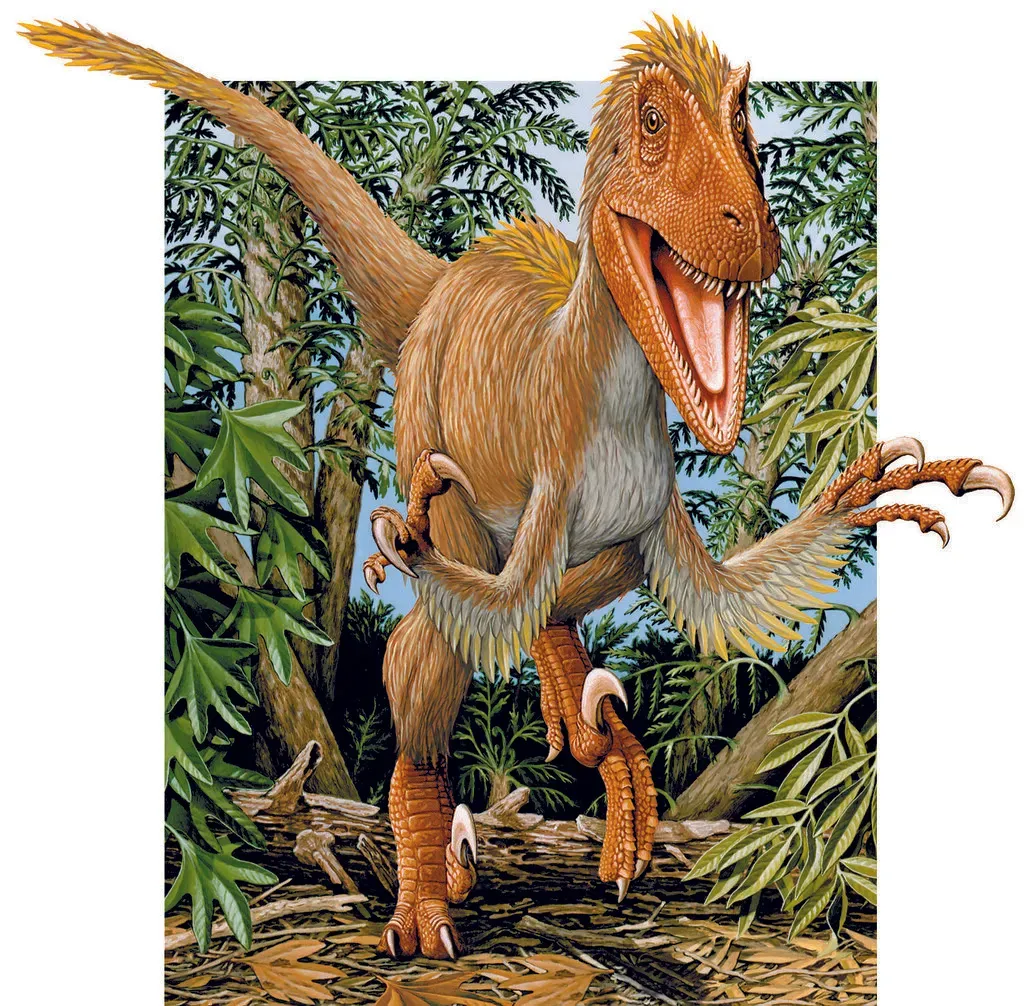
Once you accept that dinosaurs carried stripes, masks, countershading, and even iridescence, you have to ask why. Camouflage is an obvious answer, but the more flamboyant features point to social lives that were not bland at all. In modern birds, intense colors and iridescent patches often show up in courtship displays, territorial signaling, and dominance rituals. Bright plumage can advertise health, maturity, or genetic quality, even as it makes the wearer more obvious. There is a cost to shining, and that cost only makes sense if the visual message matters to other members of the species.
So when you see fossils with dramatic tail feathers, contrasting patterns, or glossy plumage concentrated in particular regions, it is reasonable to think about mating displays or social signaling. You can imagine certain dinosaurs fanning their tails, puffing out neck feathers, or flashing iridescent patches in rituals that would look strangely familiar if you have ever watched birds courting in spring. Color suddenly becomes a window into behavior, giving you a glimpse of body language and interaction that simple bone shapes can never fully reveal.
Why Many Dinosaurs May Have Been as Colorful as Birds
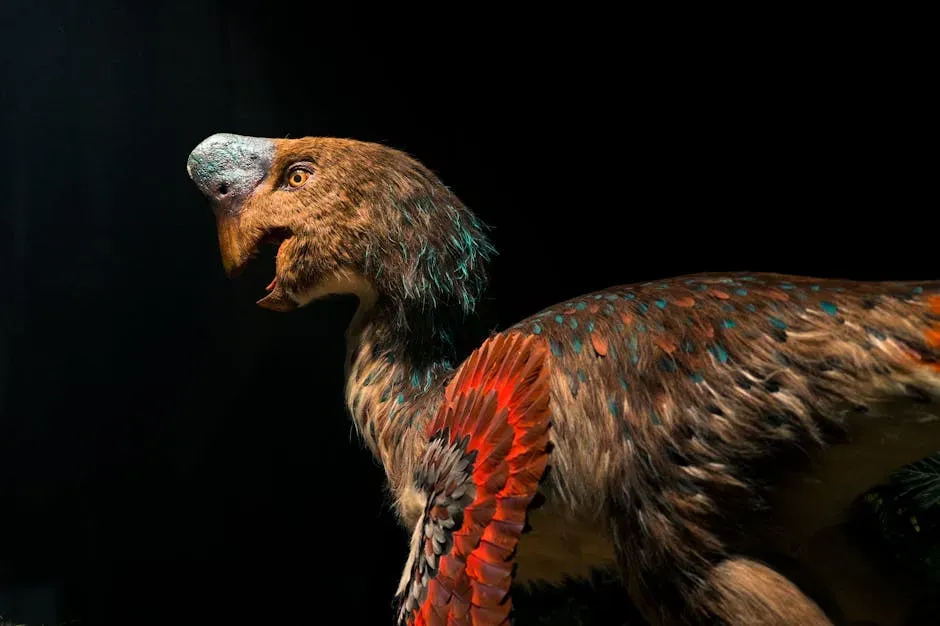
When you remember that birds are living dinosaurs, it becomes less surprising that their extinct cousins might have matched their flair. Many birds have excellent color vision, sometimes extending into ultraviolet ranges that you cannot see. Evidence suggests non-avian dinosaurs shared that heritage, which means color would have been a powerful communication channel, not just background decoration. If you can perceive fine differences in hue and pattern, evolution can use that to drive all kinds of signaling: species recognition, mate choice, warning displays, and more.
Some research even ties pigment-related genes to broader changes in metabolism and physiology, hinting that richer coloration may have evolved alongside more active, warm-blooded lifestyles. That does not mean every dinosaur was a walking rainbow; plenty were probably subtle, just as many modern birds are. But when you add together color vision, complex feathers, preserved melanosomes, and known examples of iridescence and countershading, you land on a sensible conclusion: you should think of dinosaurs as occupying a broad and vivid color spectrum, not a narrow band of brown and green.
What Science Still Cannot Tell You (Yet) About Dinosaur Color
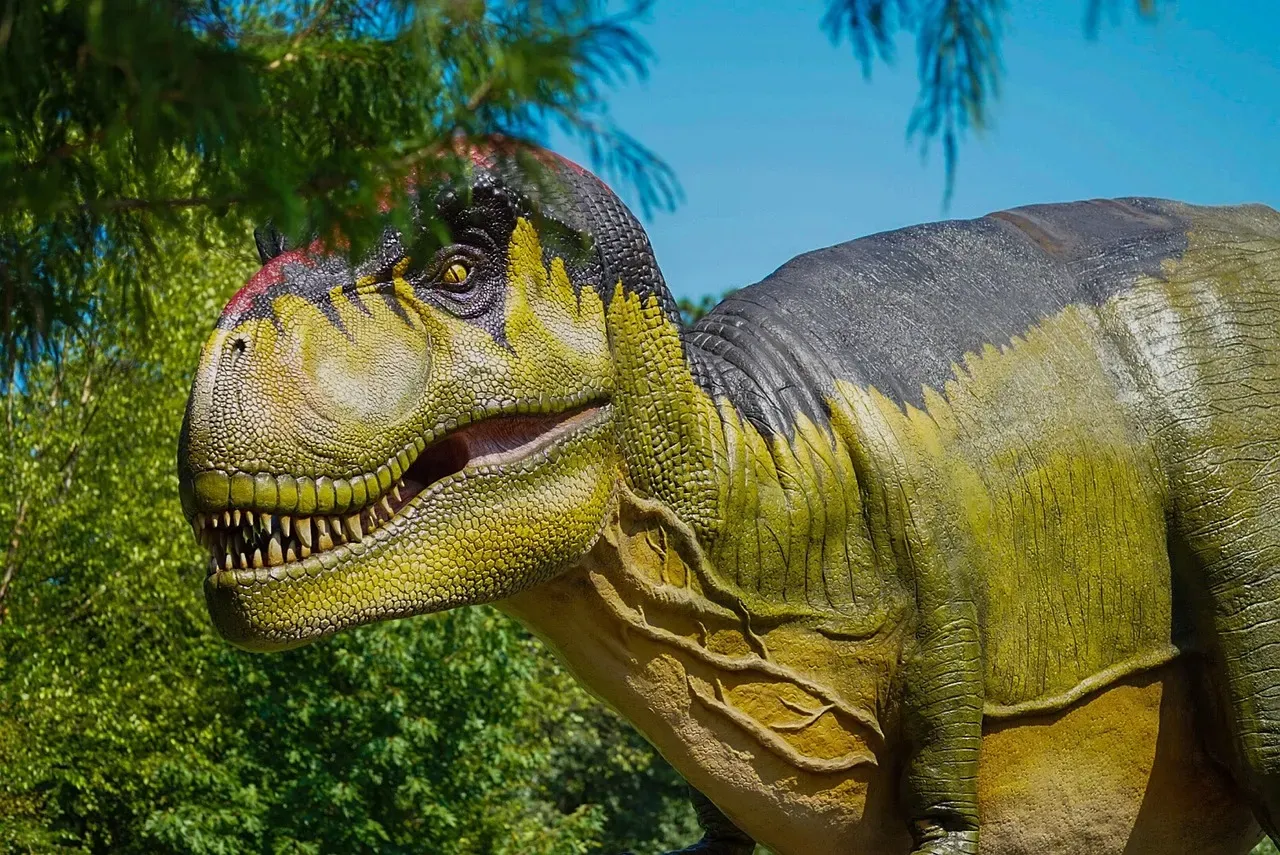
Even with all this progress, you should be careful not to overreach. Melanosomes are great for certain colors – blacks, grays, browns, red-browns, and iridescent effects – but they do not capture everything. Bright yellows, many greens, and some blues in modern birds are often produced by other pigments or by complex structural effects that do not always fossilize well. That means some of the most dazzling possibilities, like parrot-level greens or canary yellows, are still hard to confirm directly in ancient species. In many fossils, soft tissues are simply too degraded to give you a clear signal.
You also have to remember that reconstructions are usually conservative, based on the best-preserved individuals. Real populations would have included juveniles, seasonal coat changes, and sexual dimorphism, all of which could alter coloration in ways you cannot yet track from rock. So when you picture a specific dinosaur, it is safest to treat the current color reconstructions as carefully reasoned sketches rather than final photographs. The science tells you that definitely existed; it just cannot yet hand you the full palette for every species.
How This New Colorful View Changes Your Mental Picture of the Past
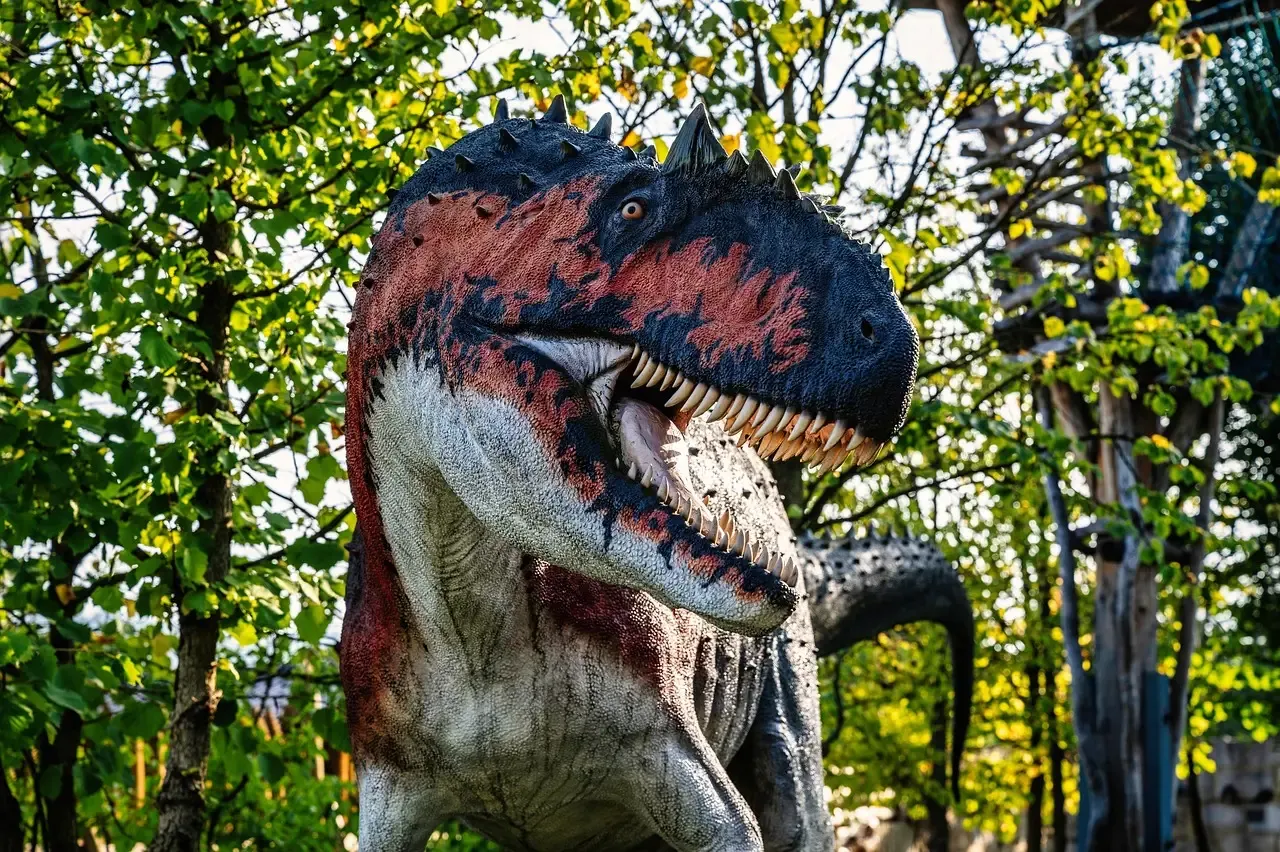
Once you mentally repaint dinosaurs with evidence-based colors, the entire prehistoric world feels different. Instead of a hazy scene of uniformly brown reptiles, you can imagine forests alive with patterned, countershaded animals slipping through the shadows, their plumage catching stray beams of light. Small, iridescent hunters flit and glide between branches, while larger herbivores display subtle gradients and markings that help them blend into open plains or patchy forest edges. Your inner movie of the Mesozoic gains contrast, depth, and movement you probably did not realize it was missing.
This shift also pulls dinosaurs a little closer to you emotionally. Color makes them feel more like real animals and less like statues from a museum hall. When you think about a striped tail flashing through ferns or a glossy, raven-black dinosaur puffing up to impress a mate, you are suddenly in familiar territory. You know those behaviors from the living birds outside your window. That connection does not just make dinosaurs more beautiful; it makes them easier to relate to as complex, dynamic creatures that lived nuanced lives in worlds full of light, shadow, and color.
In the end, new research on dinosaur coloration asks you to trade a safe, dull picture for a richer but messier one. You now have solid evidence that many dinosaurs wore vivid, complex patterns, that some gleamed with iridescent shine, and that color likely played roles in camouflage, communication, and display. At the same time, you have to hold space for uncertainty and accept that many hues remain invisible to you, locked in pigments and structures that did not survive the ages. That tension between what you can see and what you can only suspect is exactly where the science is most exciting.
So the next time you see a gray, featureless dinosaur in a movie or illustration, you can quietly remind yourself that the evidence points in another direction. A more colorful, birdlike vision is not just wishful thinking; it is supported by the tiny pigment capsules still lodged in fossils, whispering their stories from deep time. Knowing that, how will you picture a dinosaur now – as a faded shadow from prehistory, or as a living, breathing animal painted in shades you are only just beginning to rediscover?