The Western Pacific Regional Fishery Management Council recently finalized recommendations to allow commercial fishing in limited zones across four vast Pacific marine national monuments. These areas, encompassing coral atolls, deep trenches, and remote islands, have remained off-limits to commercial operations since their establishment over a decade ago. Spanning 3.1 million square kilometers, the monuments represent some of the planet’s most untouched ocean ecosystems. The proposal ignites fresh tensions between economic needs and conservation priorities in the U.S. Pacific territories.
Council’s Decisive Vote Marks Turning Point
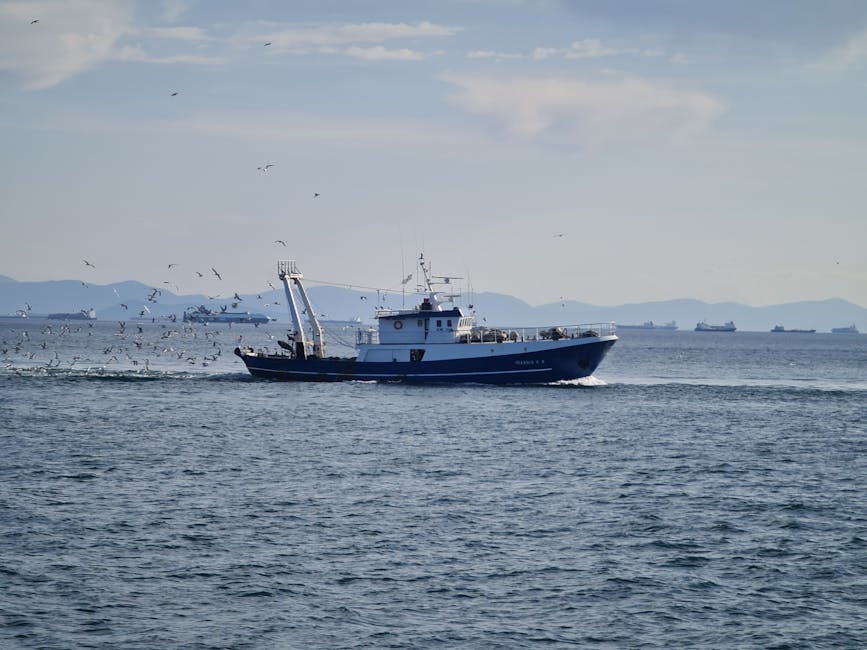
Council’s Decisive Vote Marks Turning Point (Image Credits: Pexels)
On March 25, 2026, the council concluded its 206th meeting with final actions on fishing access. Members weighed extensive public input, including around 70 written and oral comments, before approving the measures. Supporters emphasized benefits for local communities, while opponents highlighted risks to protected species.
The decision builds on a 2025 presidential proclamation aimed at bolstering U.S. fishing competitiveness. That order addressed concerns that prior bans had forced American vessels into distant international waters against foreign fleets. Council leaders framed the recommendations as a restoration of balanced management under the Magnuson-Stevens Act.
Specific Zones Targeted for Reopening
Each monument faces tailored adjustments to fishing prohibitions, preserving core no-take areas while opening outer zones. The council specified distances and gear types to maintain oversight. These changes apply existing rules on permits, reporting, catch limits, and bycatch mitigation.
- Pacific Islands Heritage Marine National Monument: Waters 50 to 200 nautical miles seaward of Jarvis Island, Wake Island, and Johnston Atoll.
- Rose Atoll Marine National Monument: 12 to 50 nautical miles off Muliava.
- Marianas Trench Marine National Monument: 0 to 50 nautical miles in the Islands Unit.
- Papahānaumokuākea Marine National Monument: 3 to 200 nautical miles for bottomfish and pelagic fisheries, with longline prohibited shoreward of 50 nautical miles.
Inner zones, such as 0 to 50 nautical miles in Pacific Islands Heritage, stay closed to commercial activity. The council also called for enhanced monitoring, including electronic systems and observers in some areas.
Economic Pressures Fuel the Push
Proponents point to hardships from past closures, including a 2009 ban in American Samoa’s exclusive economic zone that hit canneries and small businesses hard. Local leaders argue the monuments delivered few promised tourism gains, leaving communities reliant on imports. Restored access could bolster food security and cultural practices tied to fishing.
Fisheries in the region operate under decades-tested regulations designed for sustainability. Pelagic species like tuna migrate widely, prompting questions about the value of vast no-fishing buffers. Governors from American Samoa and other territories backed aspects of the plan for fleet viability.
Conservation Backlash Highlights Risks
Critics warn that longline and purse-seine gear could ravage nontarget species in these pristine waters. Before expansions in 2014, Hawaii longliners discarded over 5,600 sharks as bycatch in now-protected Papahānaumokuākea zones while targeting tuna. Turtles, seabirds, and sharks face similar threats today.
Native Hawaiian groups view commercial operations as clashing with traditional values, citing waste from discards. Environmental coalitions stress the monuments’ role as global biodiversity strongholds. Legal challenges, including from Earthjustice, question unilateral changes to protections under the Antiquities Act.
Next Steps Shape the Debate’s Outcome
Recommendations for Pacific Islands Heritage head to the National Marine Fisheries Service for review. Adjustments to the other three monuments require presidential action under Executive Order 14276. Papahānaumokuākea also involves sanctuary rules, adding layers to implementation.
Federal processes include public comment periods and potential court oversight. Outcomes could redefine how the U.S. balances ocean economies with preservation in its farthest reaches. Stakeholders await decisions that will echo across Pacific islands.
This council action underscores enduring conflicts over ocean use. Sustainable management demands vigilance to protect both livelihoods and legacies. What do you think about reopening these waters? Share your views in the comments.
Key Takeaways
- Four monuments targeted: Pacific Islands Heritage, Rose Atoll, Marianas Trench, and Papahānaumokuākea.
- Limited outer zones reopen under strict federal rules; core areas remain protected.
- Debate pits local economies against global conservation in pristine Pacific waters.