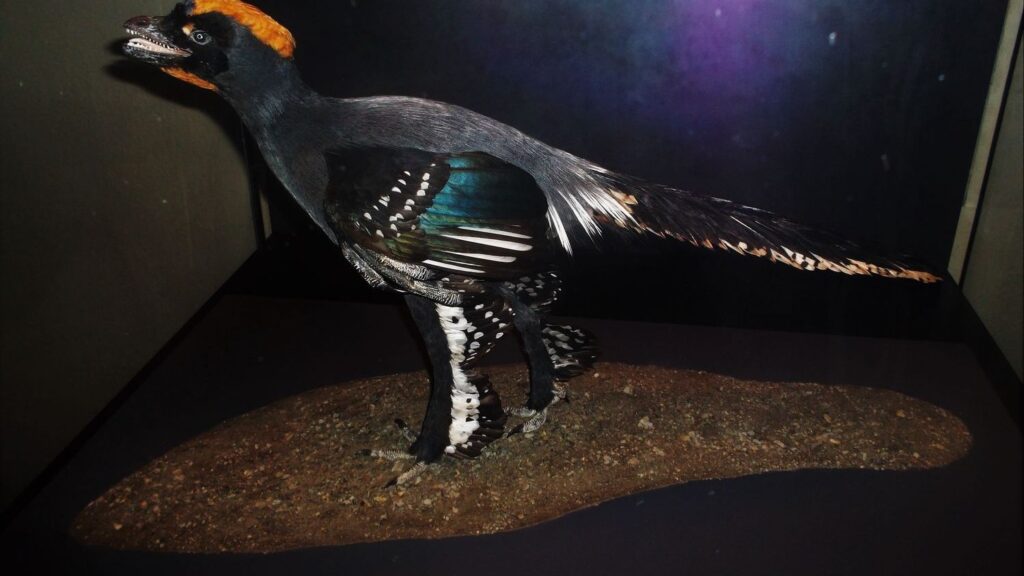
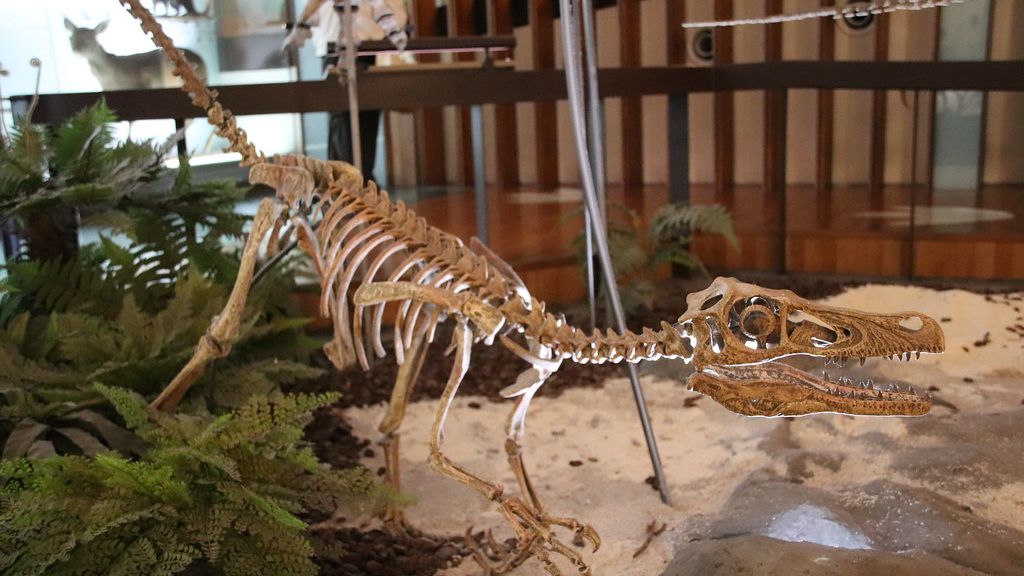
Picture this: colossal herbivorous dinosaurs munching their way through endless prehistoric forests, their digestive systems churning like massive methane factories. It sounds like the setup for a comedy sketch, but scientists have been seriously investigating whether dinosaur flatulence could have actually influenced Earth’s ancient climate. The idea might make you chuckle, but when you consider that a single sauropod could weigh as much as twelve elephants and consumed hundreds of pounds of vegetation daily, those prehistoric farts start looking less funny and more significant.
The Methane Mystery of Ancient Earth
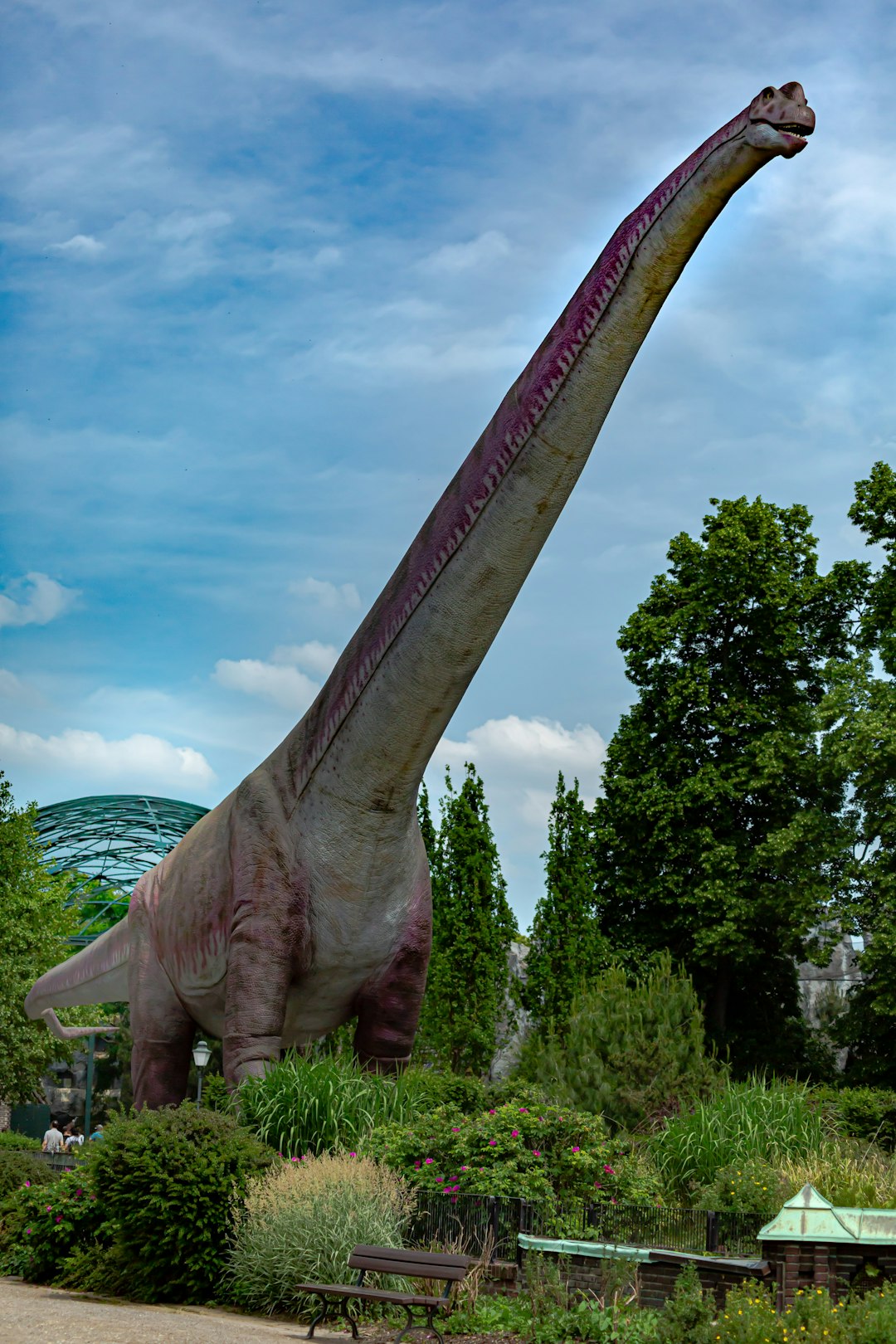
Scientists have discovered that Earth’s atmosphere during the Mesozoic Era contained surprisingly high levels of greenhouse gases, including methane. While volcanic activity and other geological processes certainly played their part, researchers began wondering if biological sources might have contributed more than previously thought. The connection between large herbivores and methane production isn’t new – modern cows produce about 220 pounds of methane annually through their digestive processes.
When paleontologists started crunching numbers about dinosaur populations and body sizes, they realized these ancient giants might have been operating on an entirely different scale. The sheer biomass of herbivorous dinosaurs during their heyday could have dwarfed anything we see in today’s animal kingdom. Some estimates suggest that the total weight of large herbivorous dinosaurs exceeded the combined weight of all current large mammals by a factor of ten or more.
Sauropod Digestive Powerhouses
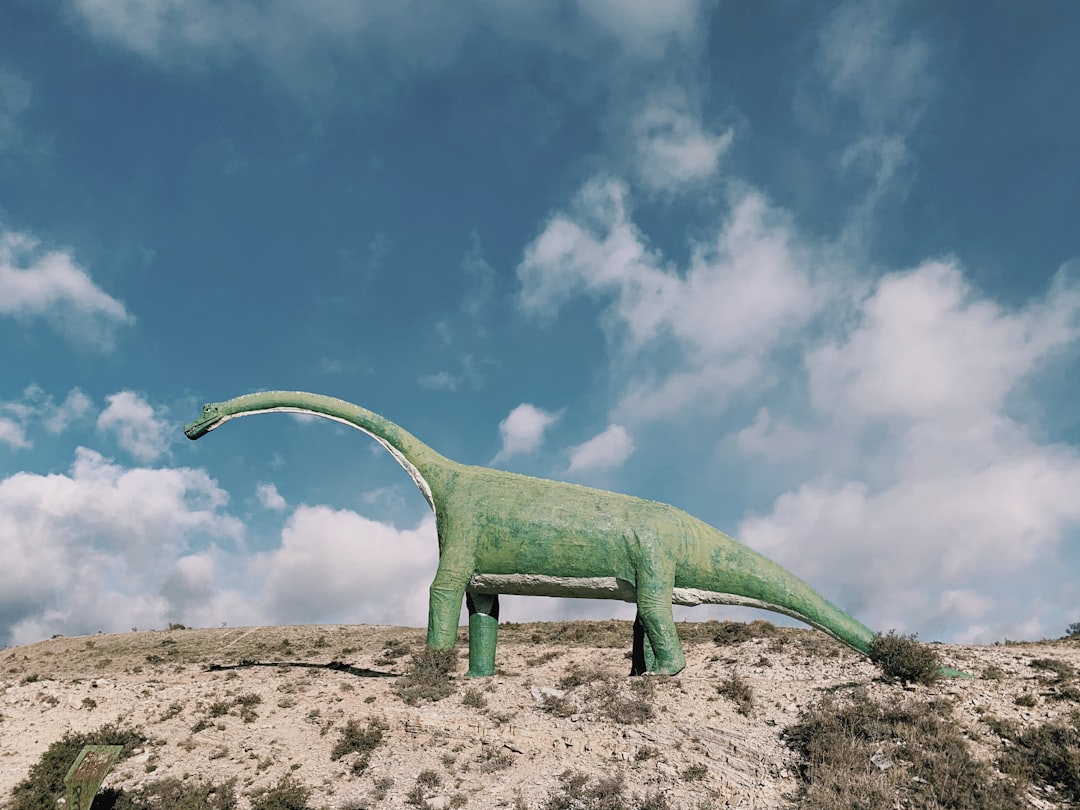
Long-necked sauropods like Brontosaurus and Diplodocus were essentially walking fermentation tanks. These massive creatures possessed incredibly long digestive tracts that allowed them to break down tough plant material through bacterial fermentation – the same process that produces methane in modern ruminants. Unlike cows, which can regurgitate and re-chew their food, sauropods likely relied on extended gut retention times and massive stomach capacities to extract nutrients.
The fermentation process in these dinosaurs would have been continuous and massive in scale. A single large sauropod could have harbored billions of methane-producing bacteria in its gut, churning out gas 24 hours a day. Archaeological evidence suggests these animals traveled in herds, meaning concentrated populations of methane-producing giants roamed across prehistoric landscapes.
Calculating Prehistoric Gas Production

Researchers have attempted to estimate dinosaur methane output using modern animal analogies and fossil evidence. A typical adult sauropod might have produced anywhere from 1,000 to 2,600 liters of methane daily – roughly equivalent to the annual output of several modern cows. When multiplied across estimated dinosaur populations during peak periods, these numbers become staggering.
Conservative estimates suggest that dinosaurs collectively might have produced between 520 million and 1.3 billion tons of methane annually during their zenith. To put this in perspective, current global methane emissions from all sources total around 600 million tons per year. The prehistoric methane output could have been double our entire modern production, coming from biological sources alone.
The Greenhouse Effect Connection

Methane is approximately 25 times more potent than carbon dioxide as a greenhouse gas over a 100-year period. This means that even modest increases in atmospheric methane can have dramatic effects on global temperatures. During the Late Jurassic and Cretaceous periods, Earth experienced some of the warmest climates in geological history, with tropical conditions extending far into what are now temperate regions.
The timing correlation between peak dinosaur diversity and Earth’s hothouse climate periods has caught scientists’ attention. While multiple factors contributed to these warm periods, including continental drift and volcanic activity, the potential contribution of biological methane production adds another layer to our understanding of ancient climate systems.
Modern Parallels and Measurements

Today’s largest land animals provide us with measurable data about methane production that scientists can extrapolate to dinosaur populations. African elephants, weighing up to 6 tons, produce roughly 200-300 liters of methane daily through their digestive processes. Hippos, despite their smaller size, can produce even more methane per pound of body weight due to their highly efficient fermentation systems.
These modern measurements help scientists create mathematical models for dinosaur methane production. By studying the gut bacteria of large herbivores today, researchers can estimate the types and quantities of methane-producing microorganisms that might have thrived in dinosaur digestive systems millions of years ago.
Plant-Dinosaur Ecosystem Dynamics

The relationship between dinosaur digestion and plant life created a complex feedback loop that might have amplified methane production. Dinosaur grazing patterns likely encouraged the growth of certain plant species while suppressing others, potentially favoring vegetation that produced more methane during digestion. Fast-growing, easily digestible plants might have dominated dinosaur-grazed areas, creating ideal conditions for maximum gas production.
Additionally, dinosaur waste products would have fertilized soil and promoted rapid plant regrowth, supporting larger herbivore populations in a continuous cycle. This ecosystem dynamic could have maintained high levels of methane-producing dinosaurs across vast geographic areas for millions of years.
Atmospheric Chemistry of the Mesozoic
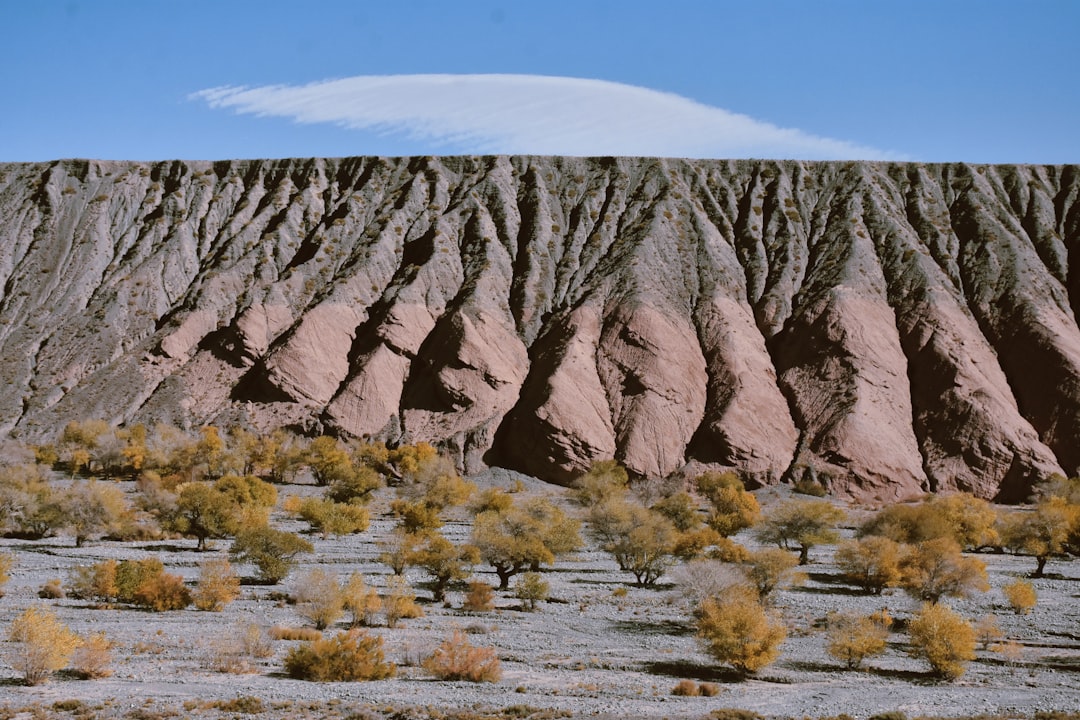
The Mesozoic atmosphere differed significantly from today’s composition, with higher oxygen levels and different atmospheric pressure systems. These conditions might have affected how methane behaved once released into the atmosphere, potentially allowing it to persist longer or interact differently with other atmospheric components. The absence of certain modern atmospheric processes could have meant that dinosaur-produced methane had even greater climate impact than similar quantities would today.
Geological evidence from ice cores and sediment layers suggests that atmospheric methane levels during dinosaur peak periods were indeed elevated compared to many other geological eras. While definitive proof of the biological source remains elusive, the correlation between high methane levels and dinosaur abundance periods continues to intrigue researchers.
Regional Climate Variations
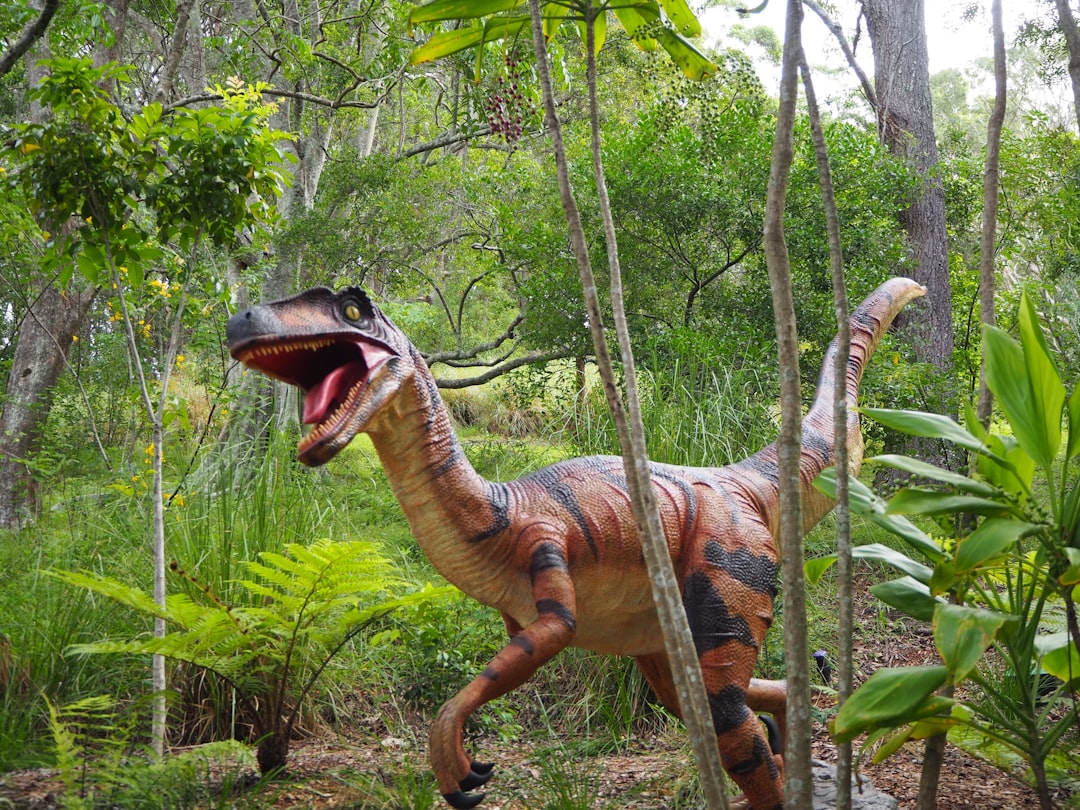
Different regions of the prehistoric world likely experienced varying degrees of dinosaur-related methane production based on local ecosystems and dinosaur population densities. Areas with high concentrations of large herbivorous dinosaurs, such as the Morrison Formation in North America, might have created regional methane hotspots that influenced local weather patterns and vegetation growth.
These regional variations could have created microclimates that were even warmer and more humid than the global average, potentially explaining some of the extreme tropical conditions preserved in the fossil record. The interaction between local methane production and regional geography might have created weather patterns unlike anything seen in the modern world.
Comparing Ancient and Modern Methane Sources

While dinosaur methane production might seem enormous, it’s important to consider that the prehistoric world had far fewer alternative methane sources than today’s industrialized planet. Modern methane comes from agriculture, fossil fuel extraction, landfills, and industrial processes – sources that didn’t exist in the Mesozoic Era. Natural wetlands and geological processes provided some methane, but biological production from large animals likely represented a much larger percentage of total atmospheric methane than it does today.
The concentration of methane production in dinosaur populations also means that changes in dinosaur populations could have had rapid and dramatic effects on atmospheric composition. Mass extinction events or population crashes might have caused sudden drops in atmospheric methane, potentially contributing to rapid climate changes preserved in the geological record.
Evidence from Fossil Coprolites
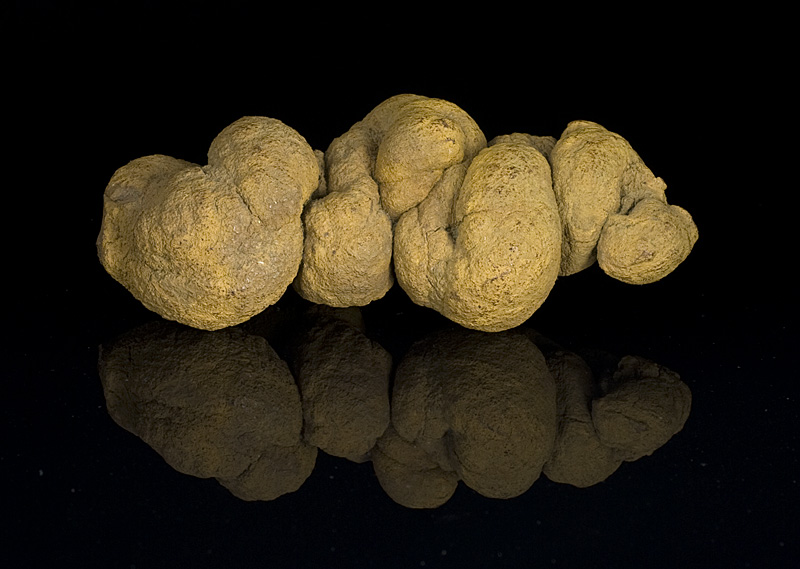
Fossilized dinosaur dung, known as coprolites, provides direct evidence of dinosaur digestive processes and the types of bacteria that lived in their guts. Analysis of coprolites has revealed preserved remains of methane-producing bacteria similar to those found in modern large herbivores, supporting the theory that dinosaurs were indeed significant methane producers.
These fossilized remains also show evidence of the plant materials dinosaurs consumed and how thoroughly they digested them. Less efficient digestion would have meant more fermentation and potentially higher methane production, suggesting that some dinosaur species might have been particularly prolific gas producers compared to modern animals.
Extinction and Climate Connection
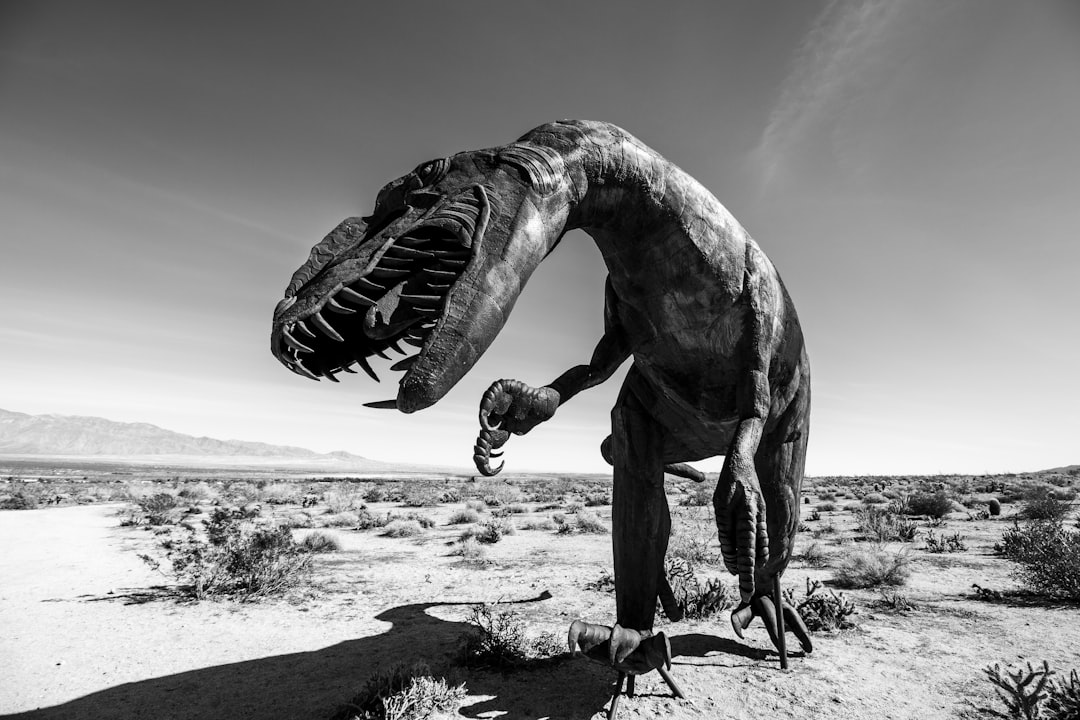
The end-Cretaceous extinction event that wiped out non-avian dinosaurs might have caused a dramatic and sudden reduction in global methane production. This rapid decrease in atmospheric methane could have contributed to global cooling effects, potentially accelerating the climate changes that followed the extinction event. The loss of millions of methane-producing dinosaurs would have been equivalent to shutting down a massive biological greenhouse gas factory almost overnight.
This connection between extinction and atmospheric change highlights how biological processes can influence global climate systems on geological timescales. The dinosaur extinction might have had cascading effects on atmospheric composition that lasted for millions of years after the last dinosaur died.
Implications for Climate Science

Understanding dinosaur methane production offers valuable insights into how biological processes can influence climate systems over long time periods. Modern climate models typically focus on human-caused emissions, but the dinosaur example demonstrates that natural biological processes can also drive significant atmospheric changes. This perspective helps scientists better understand the full range of factors that can influence Earth’s climate system.
The research also emphasizes the importance of biodiversity in maintaining stable atmospheric conditions. Large changes in animal populations, whether through extinction or population booms, can have far-reaching effects on global climate patterns through their impact on greenhouse gas production.
Future Research Directions
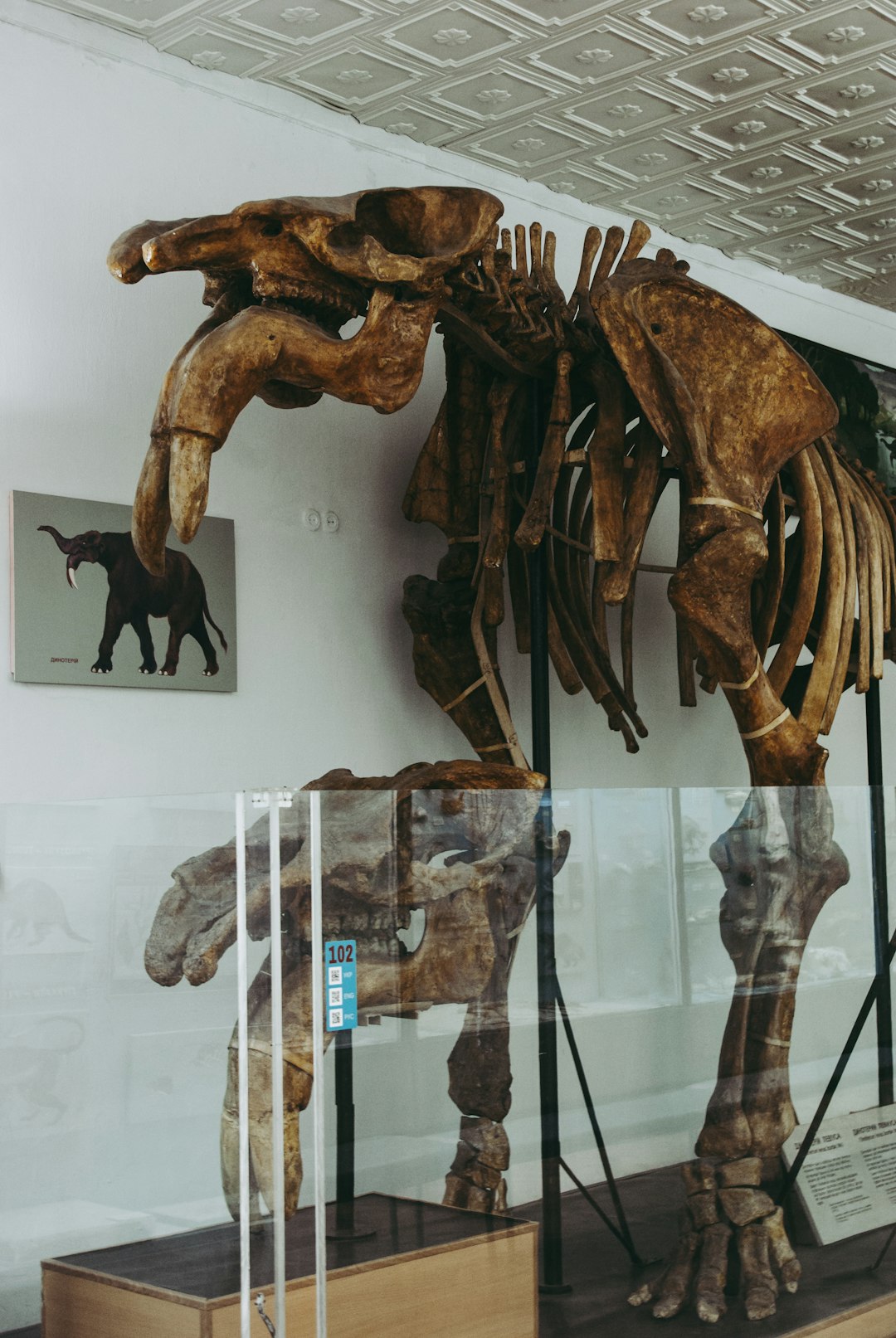
Scientists continue to refine their estimates of dinosaur methane production using new fossil discoveries and improved understanding of prehistoric ecosystems. Advanced computer modeling techniques allow researchers to create more sophisticated simulations of how dinosaur populations might have influenced ancient climate systems. These models incorporate factors like seasonal migration patterns, reproductive cycles, and ecosystem dynamics that could have affected methane production levels.
Ongoing research into the gut bacteria of modern large herbivores also provides new insights into the types of microorganisms that might have lived in dinosaur digestive systems. DNA analysis techniques continue to improve, potentially allowing scientists to identify specific methane-producing bacteria preserved in ancient coprolites.
The Bigger Picture

The study of dinosaur flatulence and its potential climate effects represents more than just an amusing scientific curiosity. It demonstrates how interconnected Earth’s biological and atmospheric systems have always been, and how changes in one can dramatically affect the other. The research challenges us to think more broadly about the factors that influence our planet’s climate and the role that all living organisms play in maintaining atmospheric balance.
Whether dinosaurs actually caused significant global warming through their digestive processes remains an open question, but the investigation has already expanded our understanding of how life and climate interact on our planet. The next time you see a cow in a field or watch a nature documentary about massive herbivores, you might find yourself wondering about the invisible but potentially powerful effects of biological processes on our world’s atmosphere.
What other surprising connections between ancient life and Earth’s climate systems might scientists discover next?