When you think of dinosaurs, you probably imagine earth‑shaking roars echoing across primeval jungles. But the more you look at the actual evidence, the more that Hollywood image starts to wobble. Paleontologists are slowly piecing together how dinosaurs may really have sounded, and what you find is less about deafening roars and more about deep, resonant, even subtle vocalizations.
You do not get neat, fossilized sound waves to play back, of course. Instead, you have to work like a detective with partial clues: delicate bones, weird bony crests, imprints of soft tissue, and comparisons to modern birds and crocodiles. As you follow that trail, a more nuanced picture emerges: many dinosaurs probably did make sounds, but not always the way you have been taught to imagine.
The Surprising Clues Hidden in Fossil Skulls
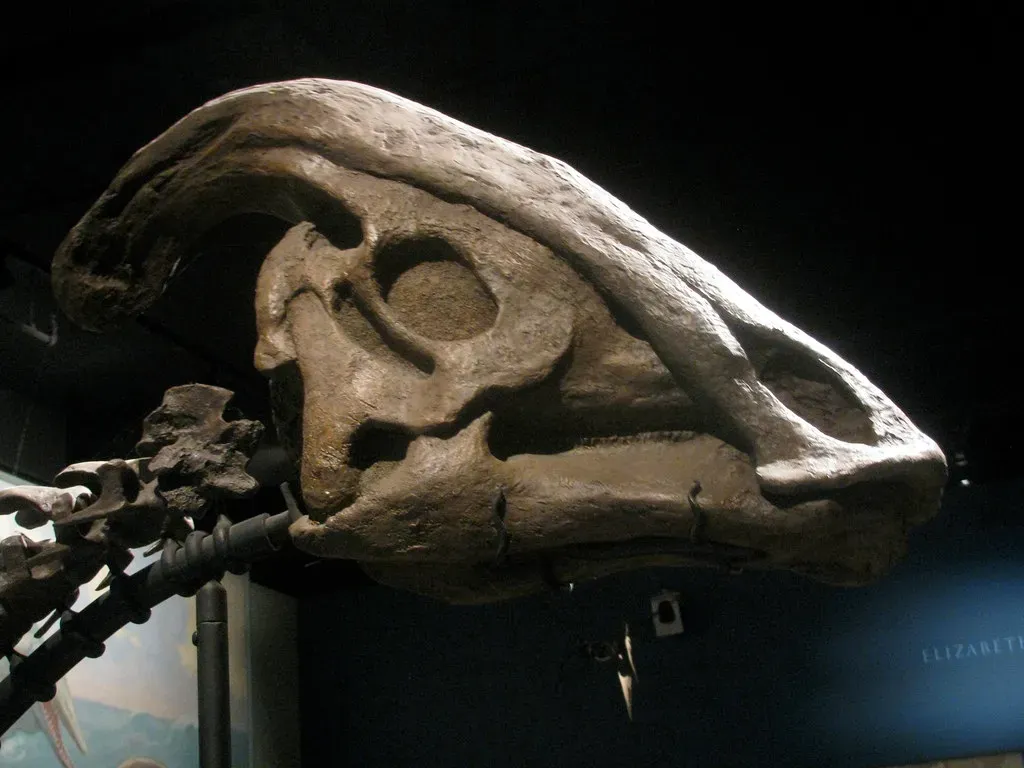
If you want to guess how a dinosaur sounded, you start by staring at its skull for a very long time. Inside those skulls, you often find complex sinuses, hollow chambers, and strange bony passages that hint at air flowing and resonating in different ways. In some species, the nasal passages seem exaggerated and twisted, almost as if nature sculpted them specifically to shape sound.
When you compare these structures to animals you know today, like birds, crocodiles, and mammals, you can begin to reverse‑engineer potential vocal paths. You are not listening to a direct recording, but you can say, for example, that a long, convoluted nasal passage is more likely to deepen and modify sound than a short, simple one. In a way, the skull becomes a built‑in speaker system, and you are trying to read its original settings.
Dinosaur “Horns” and Crests as Natural Musical Instruments
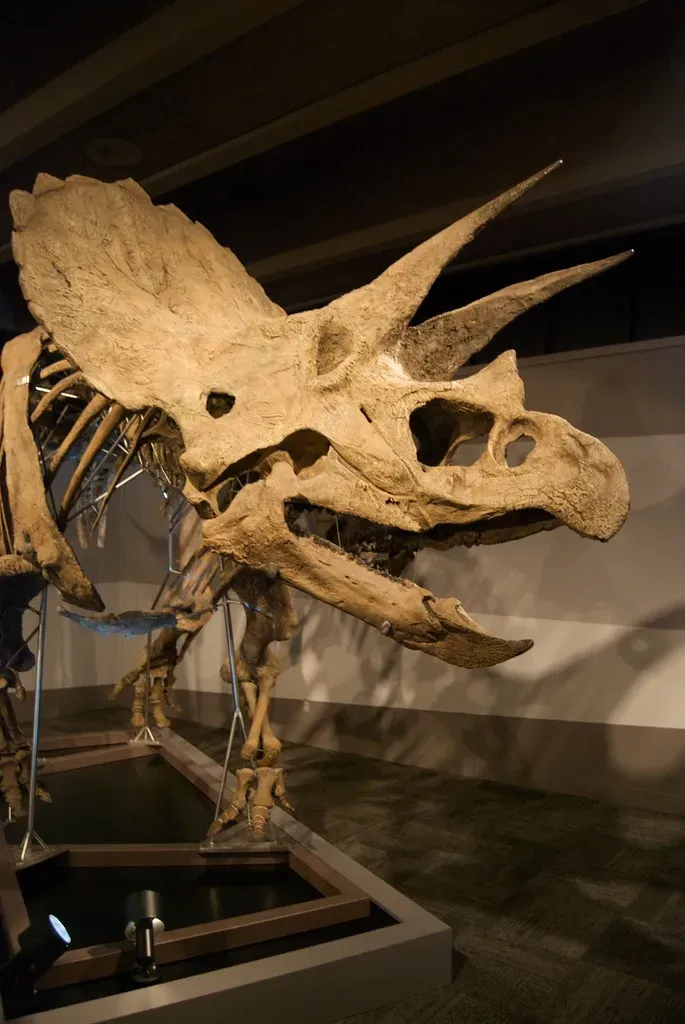
Some of the strongest hints about dinosaur sounds come from those wild, ornamental crests you see on certain species. Long‑crested hadrosaurs (the so‑called “duck‑billed” dinosaurs) carried hollow, tube‑like structures running from their noses up into their headgear and back into the skull. When you look at those tubes in cross‑section, they strongly resemble wind instrument pipes that could turn exhaled air into deep, haunting calls.
Researchers have digitally modeled these structures and run virtual air through reconstructed crests, producing low, foghorn‑like tones in simulations. That suggests you might be dealing with calls that carried a long distance across floodplains or forests, more like a ship horn than a lion’s roar. You can imagine a herd communicating through rumbling notes that you feel in your chest more than you hear with your ears, helping individuals keep track of each other through thick vegetation or twilight mist.
Birds, Crocodiles, and the Lost Dinosaur Voice Box

To get closer to the truth about dinosaur vocalizations, you lean heavily on living relatives. Modern birds and crocodilians bracket dinosaurs on the evolutionary tree, which means they give you the best hints about what the common ancestors could do. Crocodiles use deep, low‑frequency bellows and infrasound that make water vibrate, while birds produce an incredible range of songs, booms, hoots, and clicks using a specialized sound organ deep in the chest called the syrinx.
So far, you have only a tiny handful of syrinx fossils from ancient birds, and none that clearly belong to non‑avian dinosaurs. That absence suggests many classic dinosaurs may not have had a bird‑like syrinx, but that does not mean they were silent. They might have produced sounds more like crocodiles do today, using the larynx and vocal tract instead of a bird‑style voice box. That would point you toward low, resonant sounds, body vibrations, and maybe even subsonic communication rather than melodic songs.
Why the Hollywood Style “Roar” Is Probably Wrong
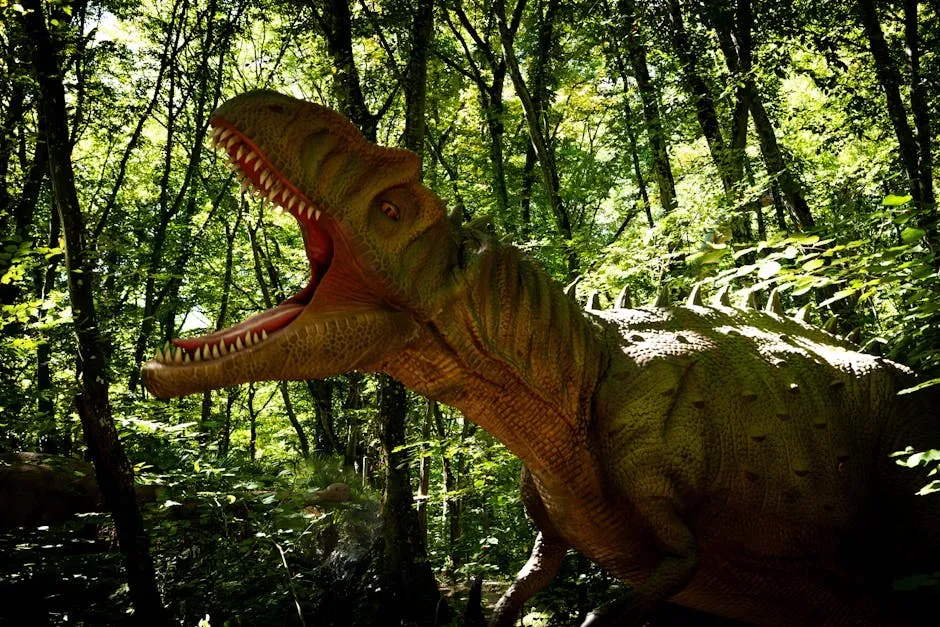
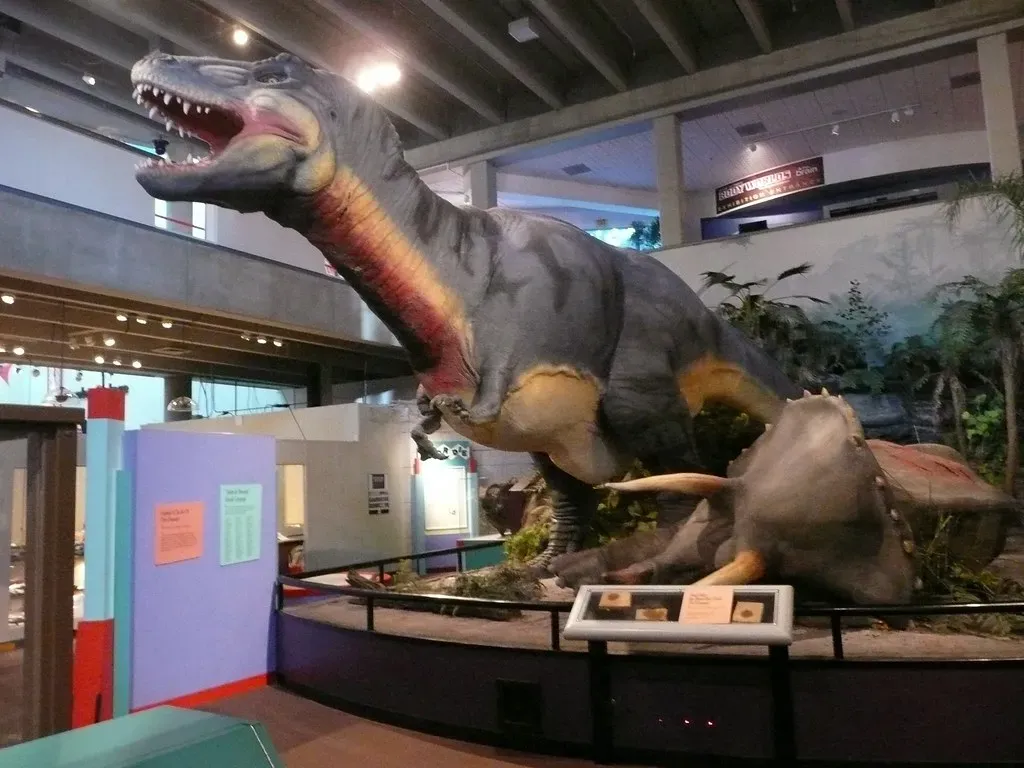
If you grew up on dinosaur movies, you almost feel like you have already heard a Tyrannosaurus rex roar. But when you compare that cinematic roar to real‑world analogues, it starts to look less and less plausible. The largest land animals alive today, like elephants and crocodiles, tend to rely on low‑frequency rumbles, bellows, and infrasound that carry far, rather than high‑pitched, snarling roars. Big bodies naturally favor deep, booming sounds, because large vocal tracts and sinuses resonate at lower frequencies.
Some researchers have suggested that many large dinosaurs may have communicated partly through closed‑mouth vocalizations, where they kept the mouth mostly shut and let the throat, chest, and skull vibrate. You can see something like this in ostriches or pigeons, which make surprisingly powerful hoots or coos without throwing their heads back and roaring. If you apply that idea to a giant theropod, you get less of a Hollywood scream and more of a bone‑shaking boom or rumble, spreading through the ground and air like distant thunder.
Silent Signals: Body Language, Displays, and Non‑Vocal Sounds
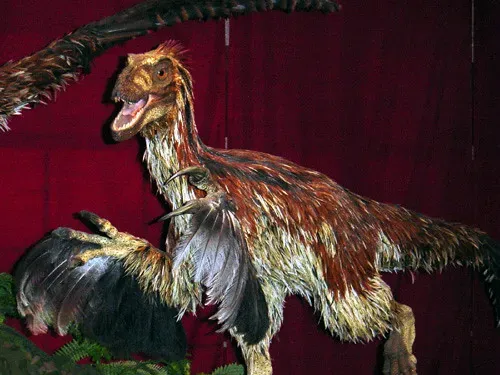
When you think “vocalization,” you probably focus on sounds made with the throat or lungs, but that is only part of the story. Many animals today use non‑vocal sounds to communicate: you hear tail slaps on water from beavers, wing claps from some birds, and foot drumming from rodents and antelopes. Dinosaurs, with their massive tails, powerful limbs, and sometimes elaborate feathers, likely had their own library of non‑vocal signals layered on top of any calls they produced.
Imagine a large dinosaur slamming its tail into the ground to create a percussive thud, or a smaller, feathered species rustling and snapping its plumage as part of a display. Some had bony armor plates or clubbed tails that might have echoed when struck against the environment. Pair that with color displays, posture changes, and group movements, and you get a form of conversation that is part sound, part sight, and part vibration. You would not just hear a dinosaur communication; you would feel it and see it, almost like a choreographed performance in a prehistoric arena.
What New Discoveries Can Actually Tell You (and What They Cannot)
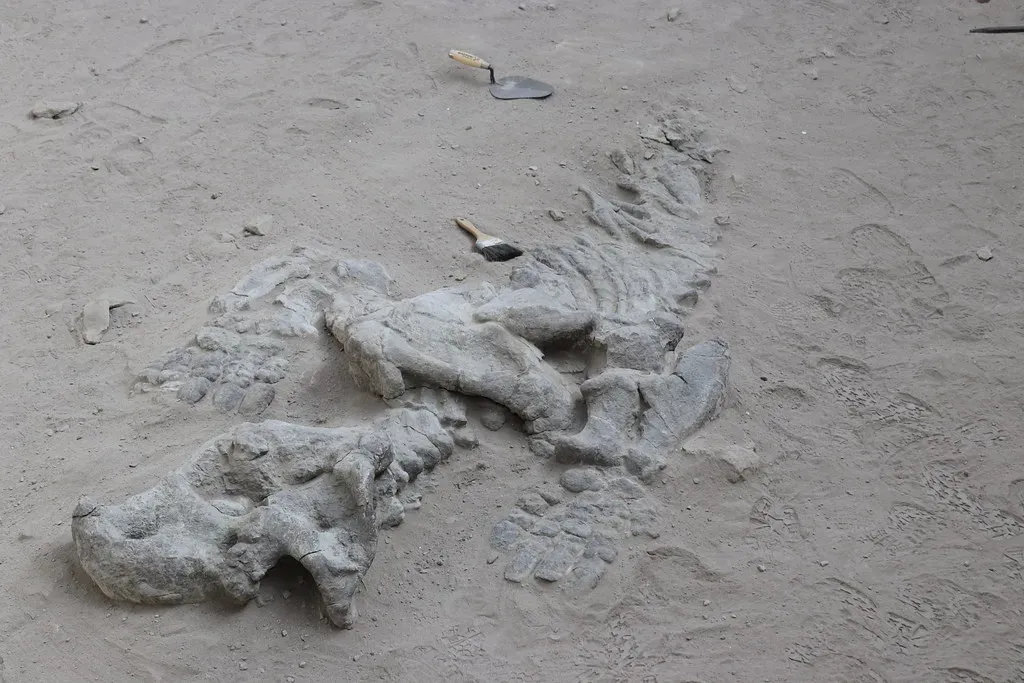
Every time a new well‑preserved dinosaur fossil is found, you quietly hope for just a bit more information about how that animal might have sounded. Occasionally, paleontologists uncover delicate hyoid bones (which support the tongue and throat), inner ear structures, or rare impressions of soft tissues around the head and neck. These finds do not hand you a perfect dinosaur soundtrack, but they do narrow the range of plausible sounds, hinting at how air moved, how sensitive an animal was to low or high frequencies, and whether a species seemed built for booming calls or quieter signals.
Still, there are hard limits you have to accept. Soft organs like larynxes and syrinxes rarely fossilize, and sound itself leaves no direct imprint, so you are always working with probabilities rather than certainties. Instead of claiming that a particular species “definitely sounded like this,” the responsible move is to say that certain types of sounds are more or less likely given its anatomy and evolutionary relationships. That kind of honesty can feel less dramatic than a movie trailer roar, but it respects the evidence and reminds you that science is about reducing uncertainty, not pretending that guesses are facts.
How You Can Rethink Dinosaur Sounds in Your Own Imagination
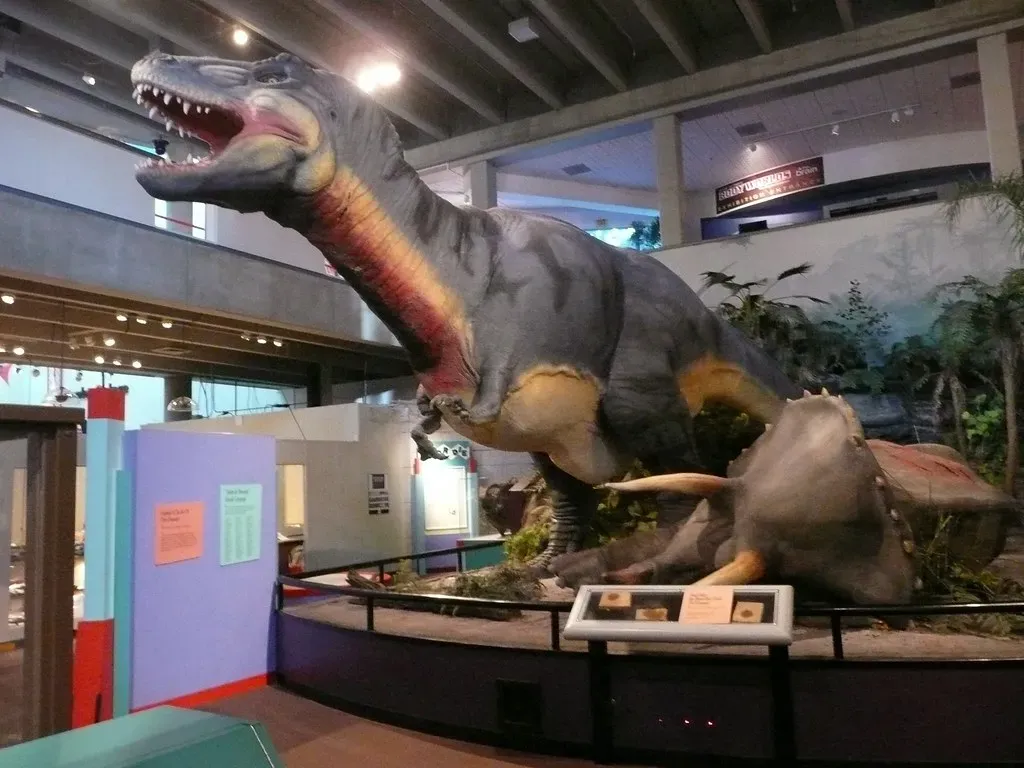
Once you take this evidence on board, your mental soundscape of the Mesozoic starts to change in some pretty dramatic ways. Instead of a wall of chaotic roars, you might picture a more atmospheric chorus: distant low‑frequency booms from crested hadrosaurs, ground‑shaking rumbles from giant predators, and closer by, a tapestry of hoots, grunts, hisses, and feathered rustles. It becomes less like a monster movie and more like standing in a strange, ancient wetland at dusk, where you feel as much as hear the animals moving and communicating around you.
Personally, once I learned about things like closed‑mouth vocalizations and hollow resonance crests, I stopped thinking of dinosaurs as noisy cartoon villains and started imagining them more like elephants, cranes, and crocodiles sharing an alien soundscape. You can do the same shift in your own head: the next time you see a dinosaur drawing or movie, mentally swap out the exaggerated roars for deep, echoing booms or subtle calls. It makes the whole prehistoric world feel richer, more believable, and oddly more alive, even if it is not as loud as your childhood memories.
In the end, you are left with a picture that is less about dramatic certainty and more about careful, evidence‑based imagination. Fossil skulls, crests, and comparisons to modern relatives all hint that many dinosaurs did make sounds, but not always in the ways you were taught to believe. As new fossils and better digital models keep appearing, your understanding of that ancient soundscape will probably continue to change and sharpen.
You may never hear an actual dinosaur voice, but you can get closer than pure fantasy by letting the fossils and living animals guide your imagination. And that raises a fun question you can keep turning over in your mind: if you were suddenly dropped into a Late Cretaceous forest at dusk, what would you expect to hear first – a roar, a boom, or a low, unearthly hum you feel in your bones before you realize it is a voice at all?