
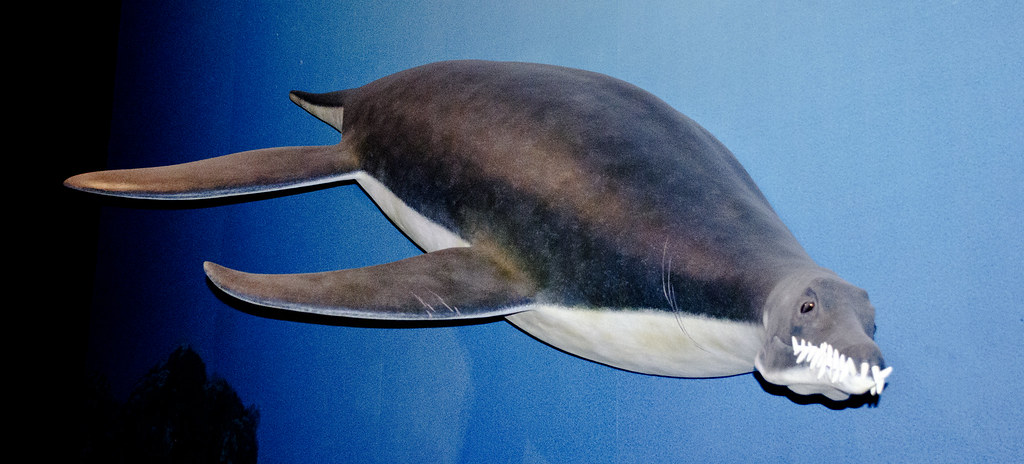
Picture an ocean where the top predator is not a shark, not a killer whale, but a reptile with jaws like a bear trap and eyes built for low light, cruising through warm, shallow seas that no longer exist. That is the world paleontology keeps revealing as new fossils come out of rocks on every continent, forcing us to rethink who really owned the oceans in deep time. Ancient marine reptiles were not just weird side characters; for an astonishingly long stretch of Earth’s history, they were the ones setting the rules.
When you zoom out across hundreds of millions of years, a pattern jumps out: again and again, reptiles moved into the seas, exploded in diversity, and rose to the very top of marine food webs. They became ambush hunters, high-speed pursuit predators, deep-diving specialists, and even whale‑sized apex giants. Sharks did well, sure. But if you’re judging pure evolutionary success in the role of ocean super‑predator, the fossil record makes a pretty strong case that the crown belongs to them.
The Great Reptile Takeover of the Seas
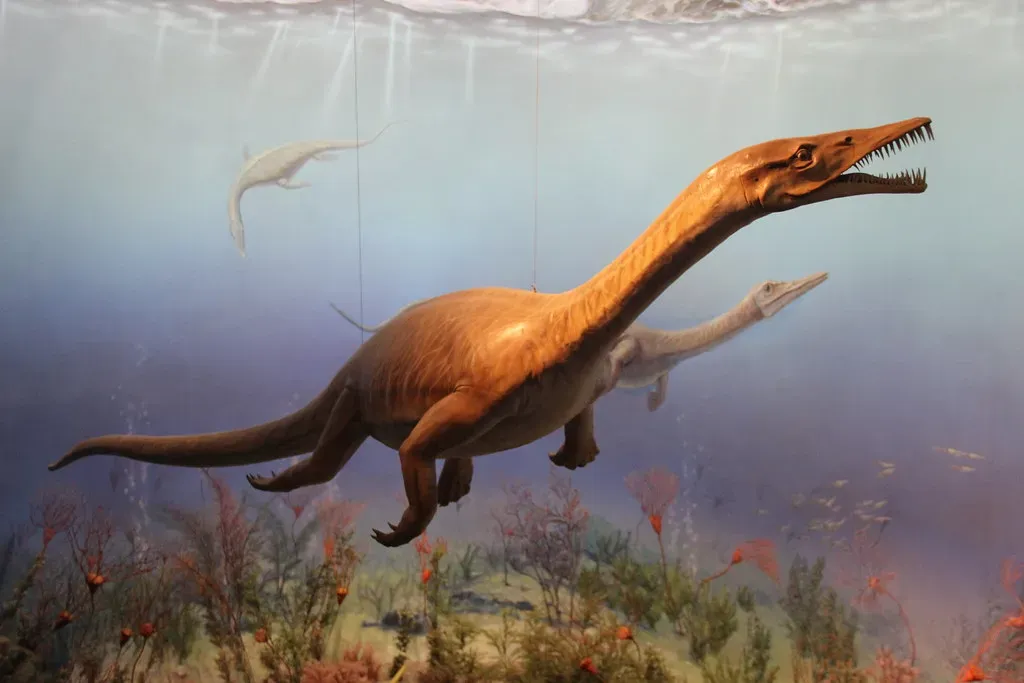
One of the most shocking things about marine reptiles is how quickly they moved from land into water and then into the top predator niche. After the end‑Permian mass extinction more than 250 million years ago, life on Earth was basically rebooting, and reptiles were among the first big vertebrates to exploit the open oceans. Within only a few tens of millions of years, you already see a full cast of marine reptile types: long‑necked fish hunters, stout‑bodied ambush predators, and sleek, fish‑shaped speedsters built for pursuit.
This rapid takeoff was not a one‑time event either. Different groups of reptiles independently invaded marine environments over and over: ichthyosaurs, plesiosaurs, pliosaurs, mosasaurs, and several lesser‑known lineages all made the leap. That repeated success tells you something important: the reptilian body plan was highly flexible, capable of being reshaped by evolution into almost any kind of marine predator the ecosystem demanded. When the oceans opened a vacancy at the top, reptiles kept showing up to fill it.
Ichthyosaurs: The Ocean’s First Reptilian Super‑Predators
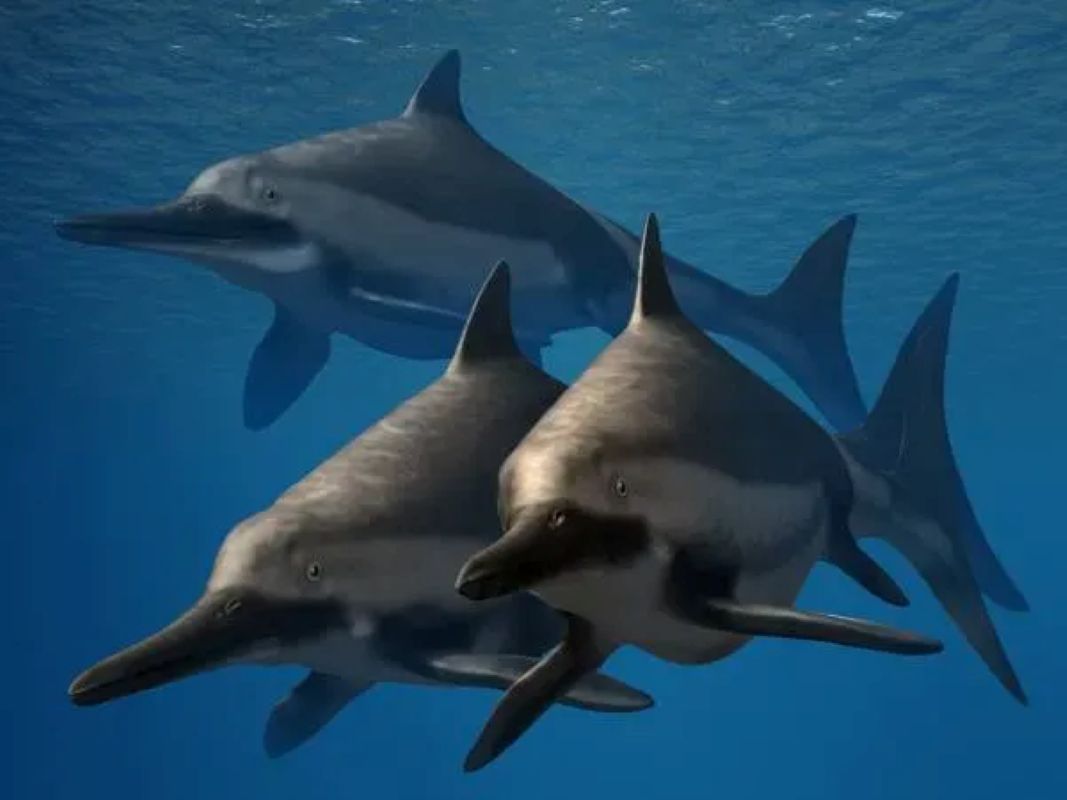
If you time‑traveled to the early and middle Triassic seas, you might mistake ichthyosaurs for dolphins or tunas at first glance. Their bodies evolved into streamlined, fish‑like shapes with powerful tails and paddle‑like limbs, a classic example of convergent evolution where unrelated animals arrive at similar designs because those shapes simply work. Some ichthyosaurs became terrifying macropredators with massive skulls and jaws lined with conical teeth, clearly built to tackle big, struggling prey like large fish and other marine reptiles.
What makes ichthyosaurs feel especially “successful” is how fast they diversified and how long they dominated. For roughly about one hundred million years, they occupied top or near‑top positions in marine food webs around the world, from what is now Europe and Asia to North America and beyond. Fossils show everything from small, agile hunters to giants the size of modern whales, and that ecological range is a strong sign of evolutionary mastery. They were not just filling one niche; they were occupying a whole suite of predator roles all at once.
Plesiosaurs and Pliosaurs: Two Very Different Ways to Rule the Waves
Later in the Mesozoic, another set of marine reptiles rose to power: plesiosaurs and their close relatives, the pliosaurs. What is wild is that these animals shared a common ancestry but took body plans in radically different directions. Classic long‑necked plesiosaurs had small heads on extremely elongated necks and broad, four‑flippered bodies, perfectly tuned for chasing schools of fish or darting after small, agile prey in three dimensions. Their bodies worked almost like underwater drones, highly maneuverable and stable as they glided through ancient seas.
Pliosaurs went the opposite route: shorter necks, colossal heads, and massive, crushing jaws that could take down large prey in single, devastating strikes. Some pliosaurs reached lengths comparable to modern baleen whales, with skulls that look like something out of a nightmare sketchbook. Together, these two forms show how a single reptile lineage could split into very different top predator strategies and succeed at both. Long‑necked precision hunter or heavy‑jawed ambush titan – evolution tried both, and for tens of millions of years, both worked spectacularly well.
Mosasaurs: The Late‑Cretaceous Apex Terrors
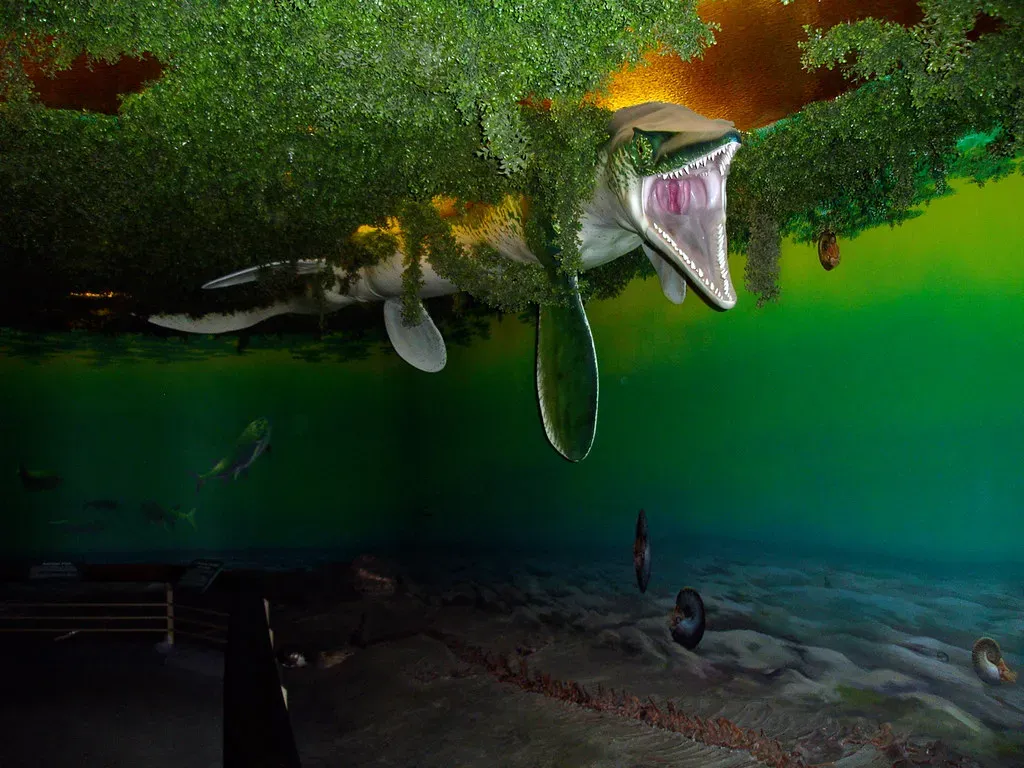
By the Late Cretaceous, the oceans changed hands again, and mosasaurs took center stage. These were not dinosaurs, but large marine lizards related to monitor lizards and snakes, and they exploded in size and diversity with almost reckless ambition. Their bodies became elongated and muscular with powerful tails, flipper‑like limbs, and jaws packed with sharp, replaceable teeth. Many species had secondary sets of tooth‑bearing bones in their throats, helping them drag prey down just like some modern snakes do.
Mosasaurs were not picky about what they ate, and that broad diet probably made them very resilient as apex predators. Fossil stomach contents and bite marks suggest they went after fish, turtles, ammonites, other marine reptiles, and sometimes even members of their own kind. In many Late Cretaceous marine ecosystems, they clearly sit at the top of reconstructed food webs, overshadowing even large sharks. When people imagine prehistoric oceans now, they often picture mosasaurs launching from the depths, and there is a reason: they really were that dominant near the end of the age of reptiles.
Why Call Them “Evolution’s Most Successful Ocean Predators”?
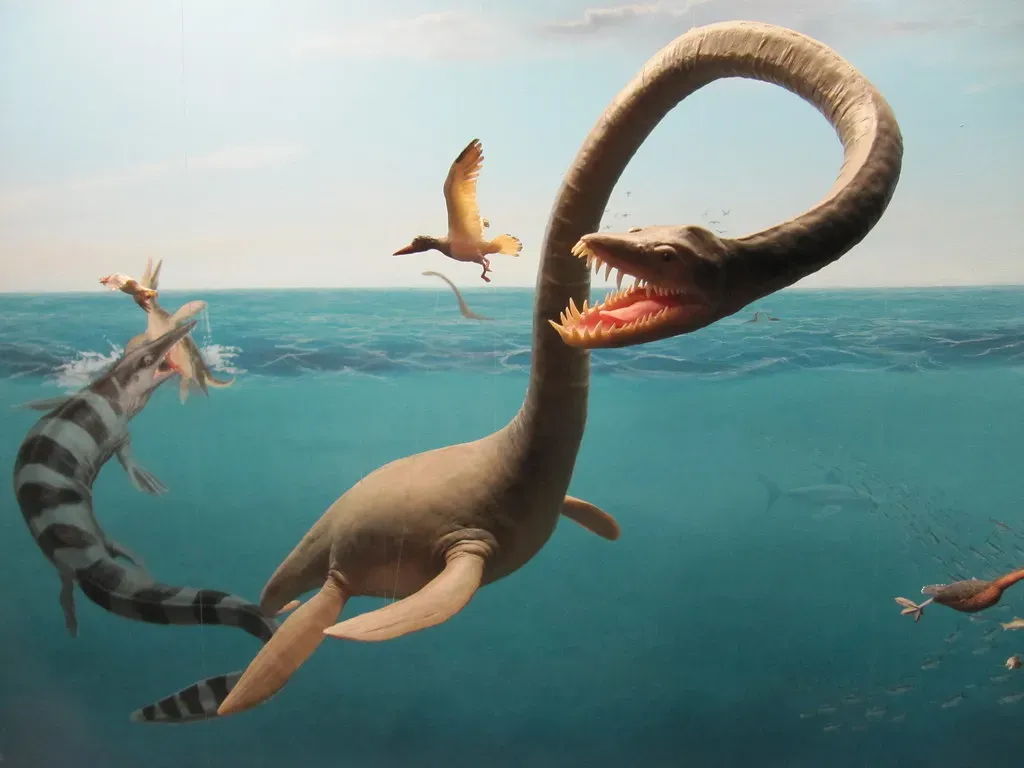
Saying ancient marine reptiles were evolution’s most successful ocean predators is a bold claim, and it deserves a careful look. One big point in their favor is how consistently they dominated top predator roles across multiple geological periods, from the Triassic through the Cretaceous, and across multiple lineages that evolved independently. It is not just one group having a lucky run; it is a repeating pattern of reptiles rising to the apex wherever and whenever ecosystems allowed it. Measured in terms of time, global spread, and ecological variety, that is hard to beat.
Another reason is their morphological and behavioral adaptability, inferred from the fossils we have. You see streamlined pursuit hunters, deep‑bodied ambush predators, long‑necked precision feeders, and giant macropredators all emerging from reptilian origins. Modern sharks and marine mammals are amazing, but most of their major radiations are squeezed into shorter windows of time compared with the long Mesozoic sweep of marine reptiles. To me, if you think of evolution like a competitive league, marine reptiles were the dynasty team that kept making it back to the championship for an absurdly long run.
How They Stack Up Against Sharks and Marine Mammals
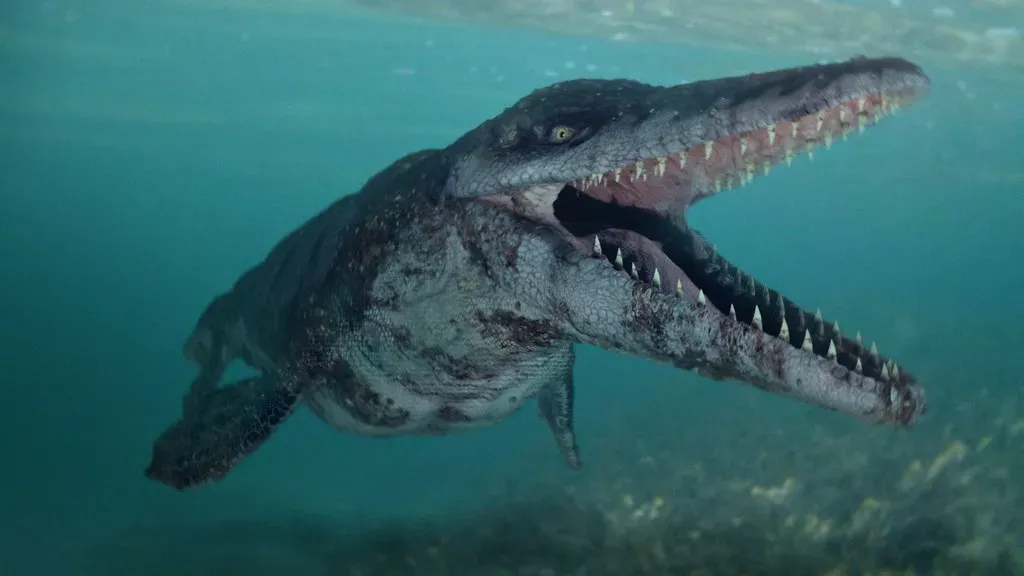
People often ask whether sharks or whales should really hold the title of greatest ocean predators, and it is a fair challenge. Sharks have been around a long time, and modern whales and dolphins are incredibly sophisticated hunters with advanced social behavior and complex communication. But if you compare apples to apples – looking at the Mesozoic era when marine reptiles were at their peak – you often find reptiles occupying the absolute top of the food chain while sharks played more of a supporting or mid‑level predator role in many ecosystems. That does not diminish sharks; it just highlights how dominant reptiles were in that particular chapter of Earth’s story.
Marine mammals, on the other hand, are comparatively recent arrivals that surged after the dinosaurs and marine reptiles vanished. They have done amazingly well in the Cenozoic, filling many of the same niches once held by ichthyosaurs, plesiosaurs, and mosasaurs, including the giant filter‑feeder and the fast‑moving apex hunter. You can argue that if we extend the game forward another hundred million years, whales and dolphins may look just as dominant in hindsight. But as of now, looking back at the full Mesozoic, marine reptiles still feel like the longest‑running, most repeatedly successful ocean apex lineage we know.
What Their Fossils Reveal About Life in Ancient Oceans
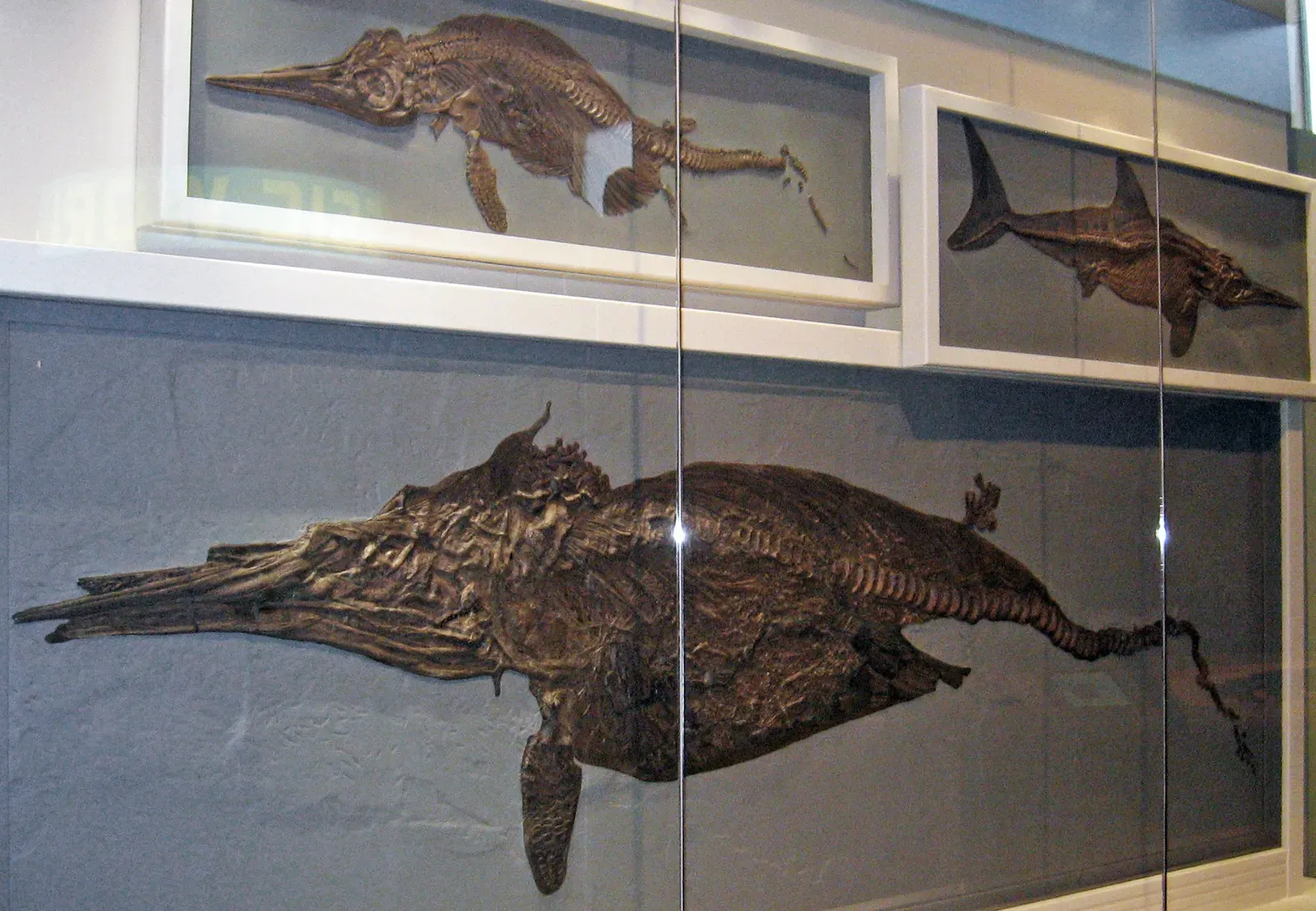
One of the underrated reasons marine reptiles feel so compelling is how vividly their fossils bring ancient oceans to life. We are not just talking scattered bones; in many cases, we get articulated skeletons, gut contents, embryos inside mothers, and even preserved outlines of soft tissues. Ichthyosaur fossils with unborn young preserved inside show that at least some of these animals gave birth to live offspring at sea, just like whales and dolphins. That tells you they were not casual visitors to the water; they were fully committed marine animals.
There are also bite marks on bones, tooth fragments embedded in skeletons, and fossilized poop that preserve actual snapshots of their diets and interactions. It is as if someone left crime‑scene files scattered across the seabed and we are only now learning how to read them. Every time a new, well‑preserved specimen appears – from a complete plesiosaur to a giant mosasaur skull – it adds another piece to the puzzle of who was eating whom and how these ecosystems functioned. The more we uncover, the clearer it becomes that marine reptiles were not just present in ancient oceans; they engineered and dominated those food webs in ways that shaped the entire marine biosphere.
Conclusion: The Ocean’s Original Apex Dynasty
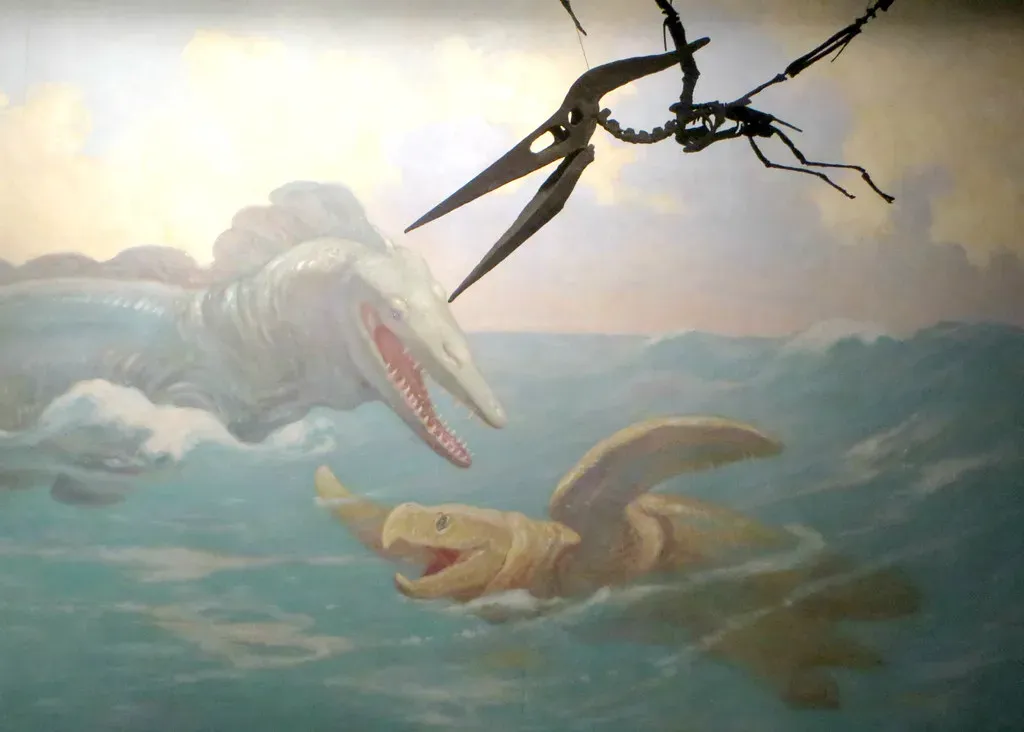
When I look at the big picture, I think calling ancient marine reptiles evolution’s most successful ocean predators is not just sensational, it is largely justified – so long as we are honest about what we mean by success. Over an immense span of time, across multiple independent lineages, reptiles repeatedly invaded the seas and climbed straight to the top, evolving into everything from streamlined ichthyosaur torpedoes to hulking mosasaur juggernauts. Their reign left such a mark that when they disappeared at the end of the Cretaceous, it opened a huge ecological vacuum that later let sharks and marine mammals step into similar roles.
At the same time, there is something humbling about realizing how temporary even these dynasties are. The oceans that ichthyosaurs ruled are gone; the seas of the mosasaurs vanished with them when an asteroid and shifting climates reset the board. Today, whales, dolphins, and great white sharks feel untouchable in their element, but the fossil record of marine reptiles is a quiet reminder that no top predator holds the throne forever. When you think about that, it is hard not to wonder: if we checked back another hundred million years from now, whose fossils would be telling the story of the next great ocean empire?