If you picture the age of dinosaurs, chances are you imagine a T. rex stalking through a steamy forest, not a shadow sweeping beneath the waves. But when paleontologists dig into the fossil record, a different story starts to surface: the real nightmare zone of deep time was not on land, but offshore. Jurassic forests had teeth, claws, and drama, sure – but the oceans were essentially nature’s ultimate testing ground for killing machines.
That sounds dramatic, almost like a movie tagline, yet it is surprisingly close to what the science suggests. Marine reptiles with jaws like bear traps, sharks adapted to slice through flesh, squid-like predators armed with hooks, and vast numbers of smaller hunters all packed into layered food webs made ancient seas brutally competitive. On land, big predators were spectacular but relatively sparse; in the oceans, you were never far – vertically or horizontally – from something that could eat you. Let’s dive into why many paleontologists quietly suspect the seascape was far deadlier than the dinosaur-filled landscape we usually romanticize.
The Predator Density Problem: More Killers Per Cubic Meter
![The Predator Density Problem: More Killers Per Cubic Meter (By Printed under a CC BY license, with permission from Nadine Bösch and Beat Scheffold, original copyright [2013]., CC BY 2.5)](https://nvmwebsites-budwg5g9avh3epea.z03.azurefd.net/dinoworld/4ddfabcc3a56d82dd95db916ac039746.webp)
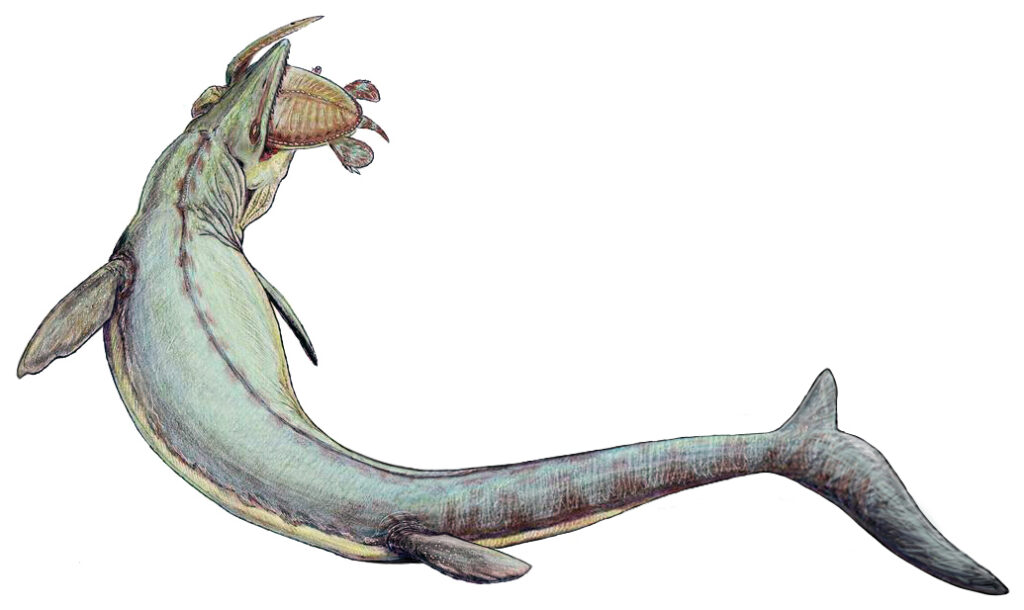
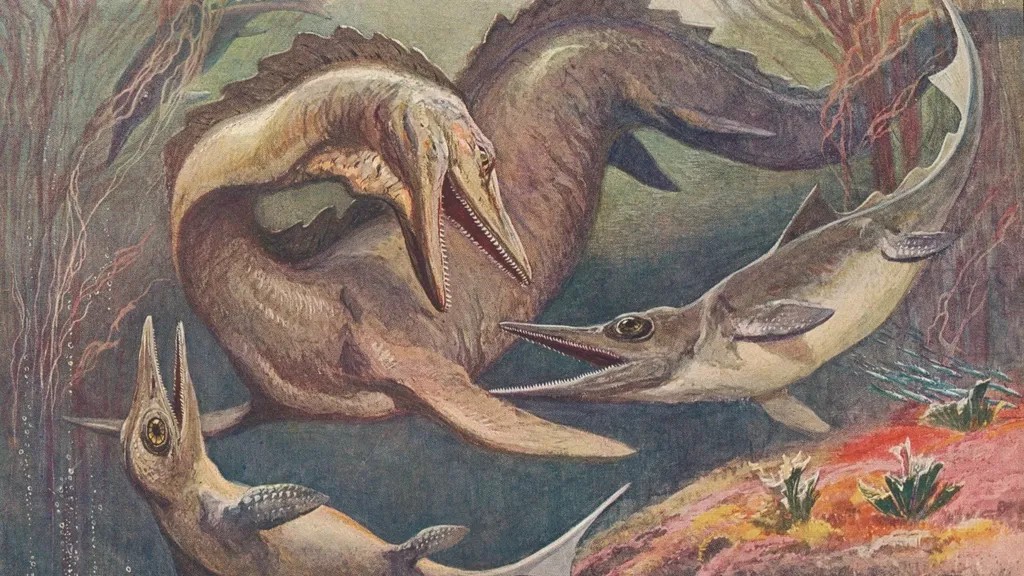
One of the most striking differences between ancient oceans and Jurassic forests is how many predators could occupy the same space. Marine ecosystems, both today and in the past, tend to stack carnivores in layers: small fish eat plankton, bigger fish eat them, marine reptiles or sharks eat those fish, and even larger apex predators sit at the very top. In some fossil-bearing marine deposits, scientists find an overwhelming dominance of carnivorous species, from tiny teeth of small fish to massive jaws of ichthyosaurs and pliosaurs. That kind of density means that if you were prey, threats came at you from above, below, behind, and even from microscopic directions.
Compare that to Jurassic forests, where apex predators like Allosaurus or Ceratosaurus were incredibly frightening but relatively few. The energy available on land supports fewer large meat-eaters, so huge carnivores tended to be spread out over large territories. In the sea, by contrast, the high productivity of coastal waters and upwelling zones could support whole communities of mid-size and large predators in relatively confined spaces. Paleontologists see this in bone beds packed with marine reptile remains and in diverse assemblages of predatory fish and cephalopods. If danger on land was like running into an angry tiger once in a while, danger in the sea was more like swimming through a crowded bar full of armed strangers who were all slightly hungry.
Marine Reptile Super-Predators vs. Land Dinosaurs
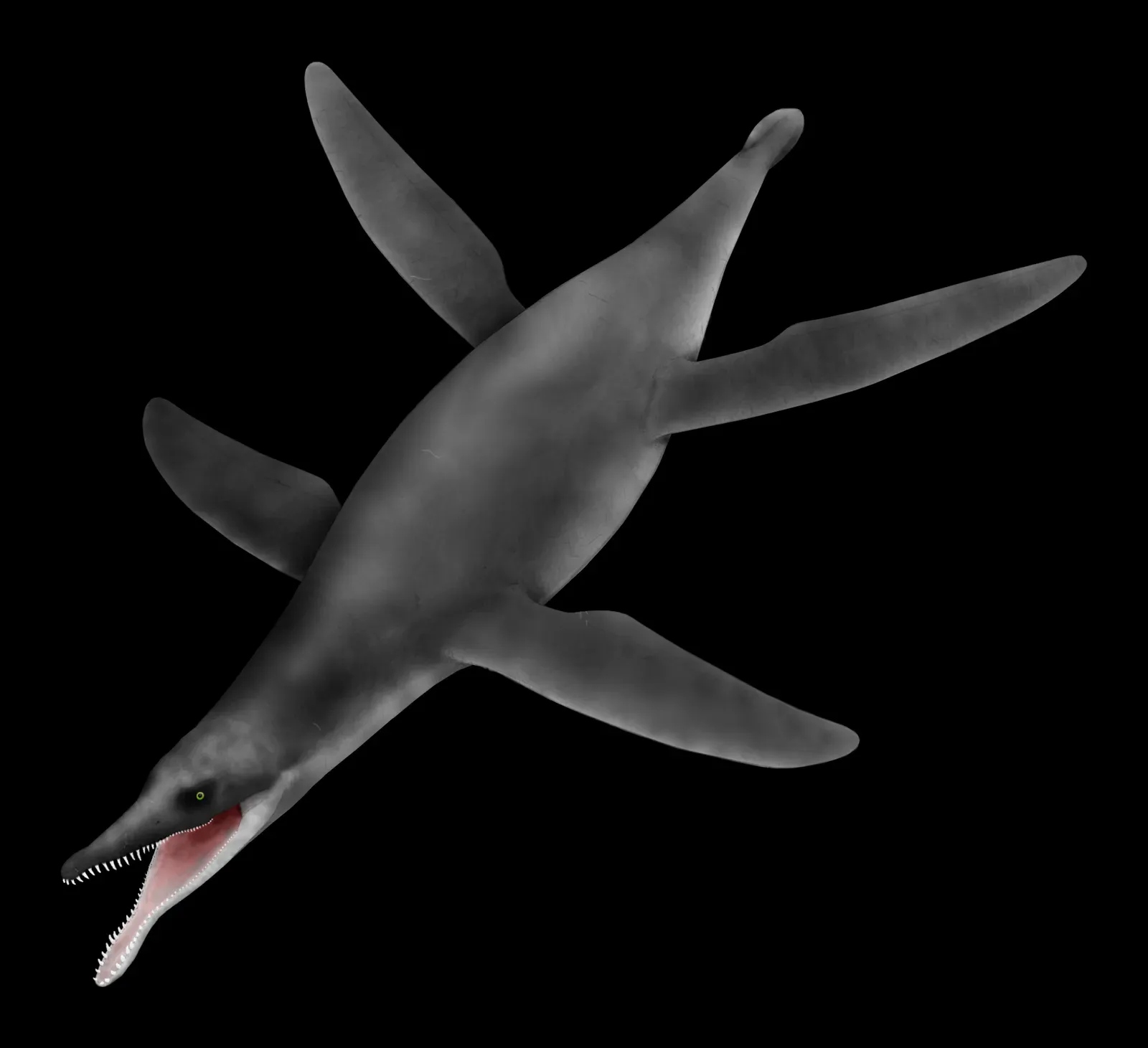
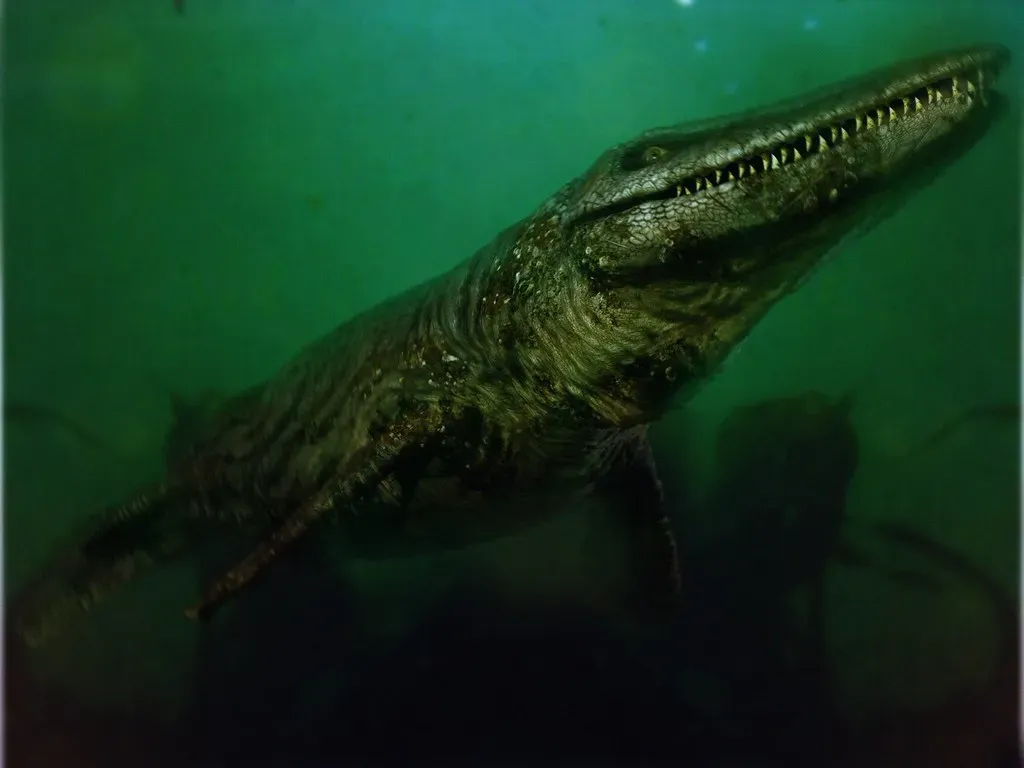
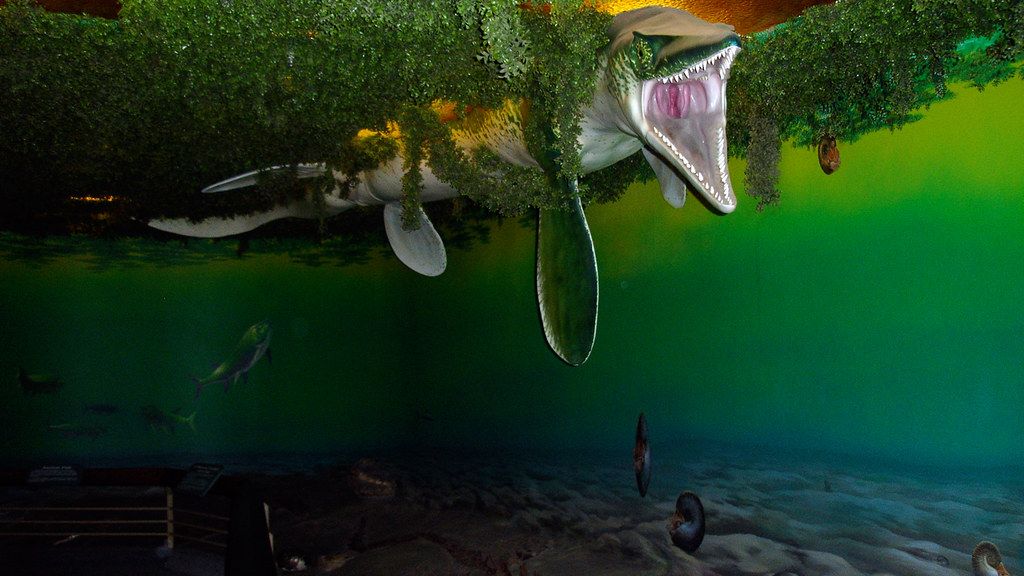
The Jurassic tends to be marketed as the age of dinosaurs, but in the oceans it was the age of marine reptiles, and some of them were arguably better-designed for killing than their land-based cousins. Pliosaurs, for example, combined enormous heads with incredibly strong necks and torpedo-shaped bodies, making them like biological battering rams with bone-crushing bites. Ichthyosaurs, streamlined like modern dolphins but often much larger, were high-speed pursuit predators that could chase down agile prey in three dimensions. These animals did not just kill; they specialized, taking full advantage of the physics of water to amplify speed and power.
By contrast, even iconic land carnivores of the Jurassic – large theropods – had to navigate uneven terrain, conserve energy, and deal with obstacles like trees, rocks, and other dinosaurs. They were dangerous in their own right, but physical geography limited how and when they could attack. Underwater, drag and buoyancy changed the rules of the game. Some marine reptiles could accelerate rapidly, twist sharply, and attack from angles impossible on land. Add in giant predatory fish and early sharks, and the ancient oceans look less like a single apex predator ruling a region and more like a rotating cast of super-predators constantly testing each other in a lethal arms race.
Three-Dimensional Hunting: Nowhere to Hide Underwater
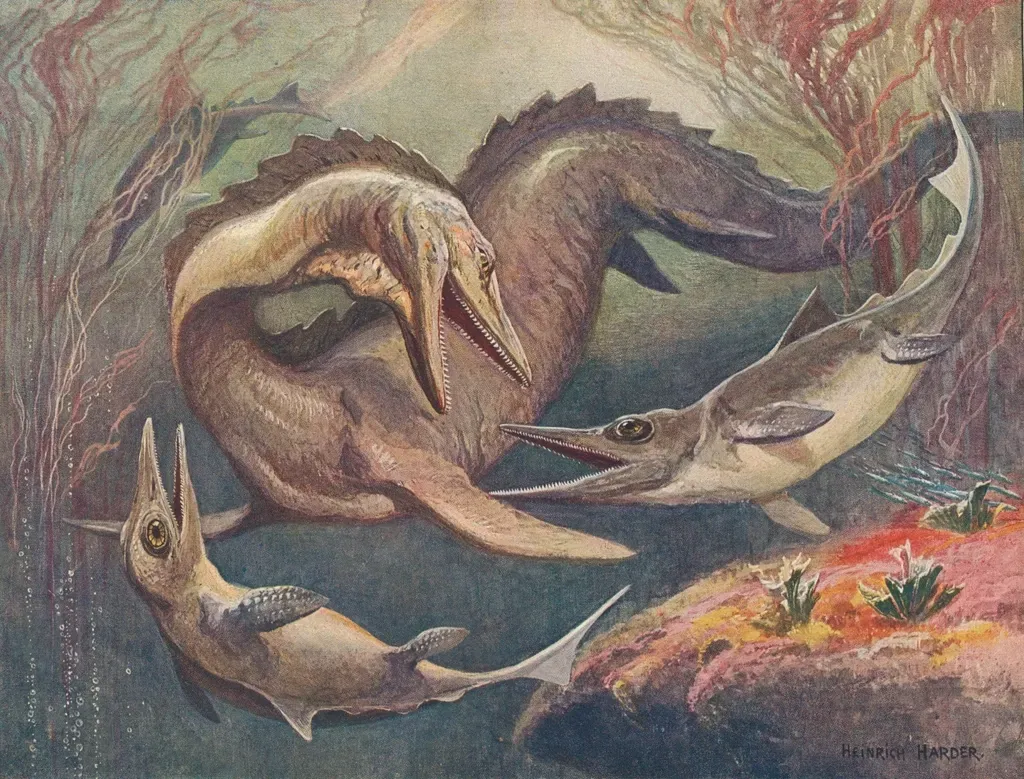
On land, most threats come from roughly your own eye level or from above in the form of ambush predators and, rarely in the Jurassic, large flying reptiles. You could at least count on ground and sky as your main axes of danger. In the oceans, prey animals lived in a fully three-dimensional combat zone. Attacks could rise from the dark below, dart in from the side, or dive from above. Fossil evidence from bite marks on bones, healed injuries, and even fossilized stomach contents shows that marine animals often fell victim to predators that used surprise and vertical advantage in ways that simply were not possible in forests.
This three-dimensional danger also meant that common strategies, like hiding in vegetation or burrowing, had limits. Sea floors hosted their own predators, while open water exposed you to fast-moving hunters that could see you from tens of meters away. Even shallow coastal zones, often thought of as safe nurseries, were populated by juvenile predators honing their skills. Jurassic forests did have their ambush hunters – theropods lurking near rivers or ceratosaurs using cover – but plant density and terrain created more reliable hiding spots compared to the fluid, shifting shelter offered by kelp-like algae or reefs that could just as easily host something with teeth. In the water, true safety was fleeting and mostly temporary.
Weaponized Bodies: Teeth, Beaks, Hooks, and Venom
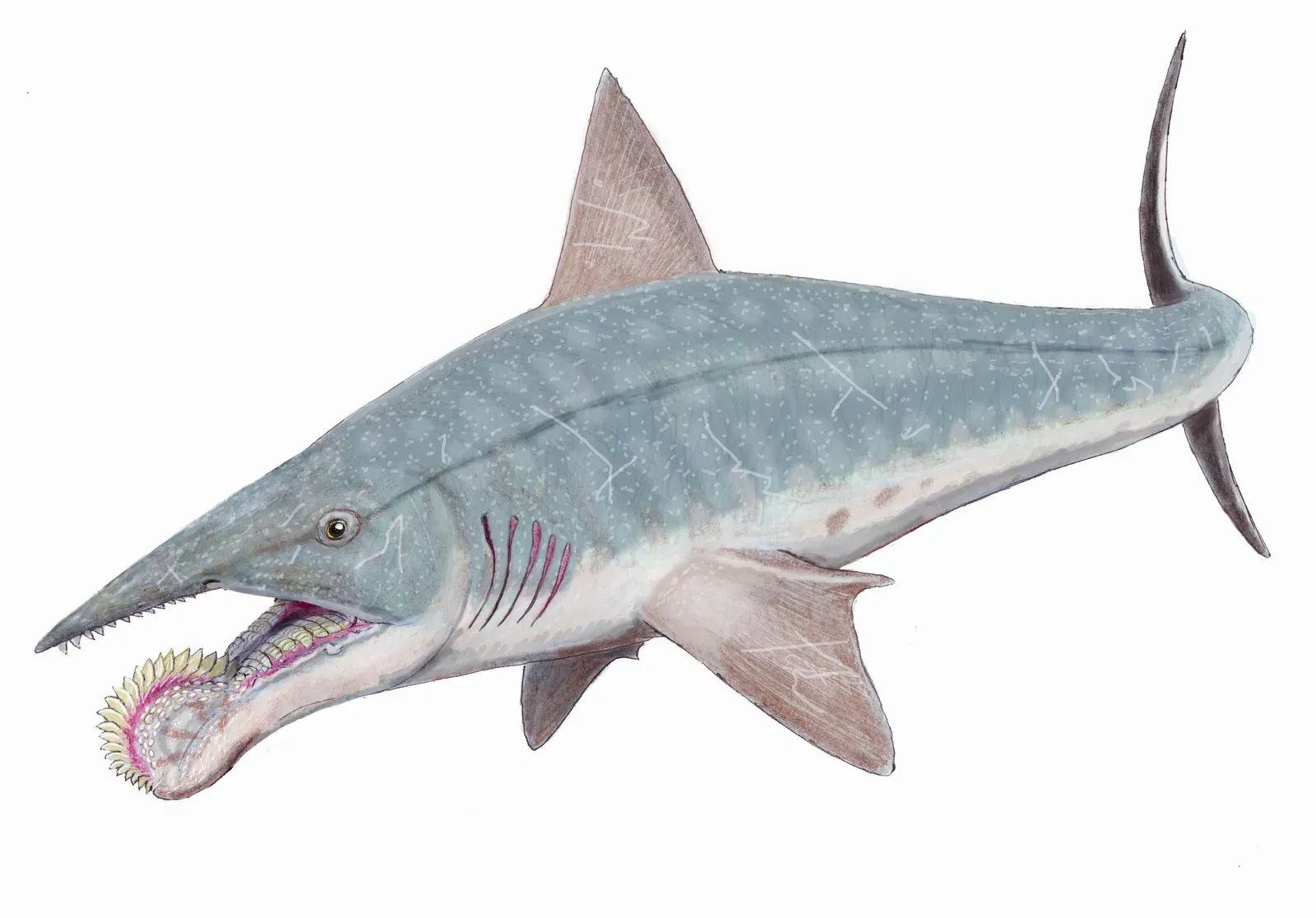
Another reason ancient seas edge out forests in the danger contest is the sheer variety of biological weapons that evolved there. Fossil teeth of marine reptiles and fish reveal everything from conical, gripping teeth perfect for catching slippery prey, to flattened, blade-like structures ideal for slicing flesh. Some species had interlocking jaws that formed cage-like traps; others had crushing plates built to pulverize shells. Ammonites and belemnites, the ancient relatives of squid and cuttlefish, bore hooks on their arms, turning each limb into a many-fingered grappling device. The oceans were not just full of predators, but predators with highly specialized hardware.
We also have clues, from both fossils and comparison with modern relatives, that biochemical weapons likely played a role. While direct fossil evidence of venom is extremely rare, some extinct marine lineages are close kin to modern venomous animals. Combined with spines, barbs, and possibly venom-laced bites, many small marine animals probably added another layer of risk that large dinosaurs on land did not have to face as frequently. A small misstep in the forest might mean a painful insect bite; a small mistake in the sea might mean a sting, a toxin, or a disabling wound that quickly attracted scavengers and larger predators. The water column, in effect, turned every encounter into a broader gamble with your entire body on the line.
Pack Ambush, Swarms, and Cooperative Killers
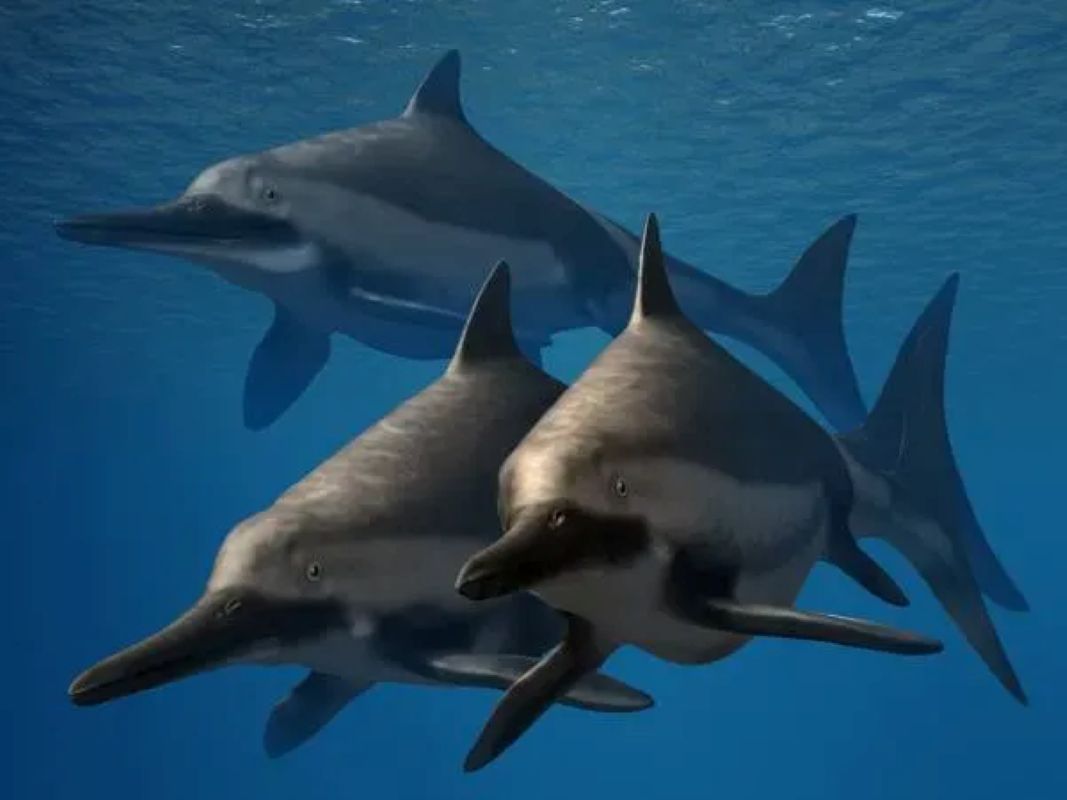
When people think about group hunting, they usually imagine a pack of dromaeosaurs (raptor-like dinosaurs) or a coordinated strike by big theropods. The evidence for truly complex pack behavior in land dinosaurs is still debated and somewhat fragmentary. In marine environments, though, schooling and coordinated movement are absolutely foundational, and this dynamic likely extended deep into the past. Even if not all ancient marine hunters were deliberate pack strategists, many would have benefited from moving in groups that functioned as a collective weapon. A wall of predatory fish or a swarm of smaller hunters could trap prey in ways a single large land predator could not.
Some extinct marine reptiles show patterns in fossil finds that suggest group occurrence, and many fossil fish beds capture animals preserved en masse, hinting at schooling behavior. Once you have schools of predatory fish, numbers alone become a lethal strategy: they can encircle, confuse, and exhaust prey more effectively than solitary hunters. Land-based Jurassic predators certainly had their own advantages, but the forest did not host the same scale of coordinated, three-dimensional assaults you see in complex marine systems. That difference in social and swarm dynamics tilts the danger meter in favor of the oceans, where the line between individual and group threat blurred constantly.
Survival Odds: Life Expectancy in Sea vs. Forest
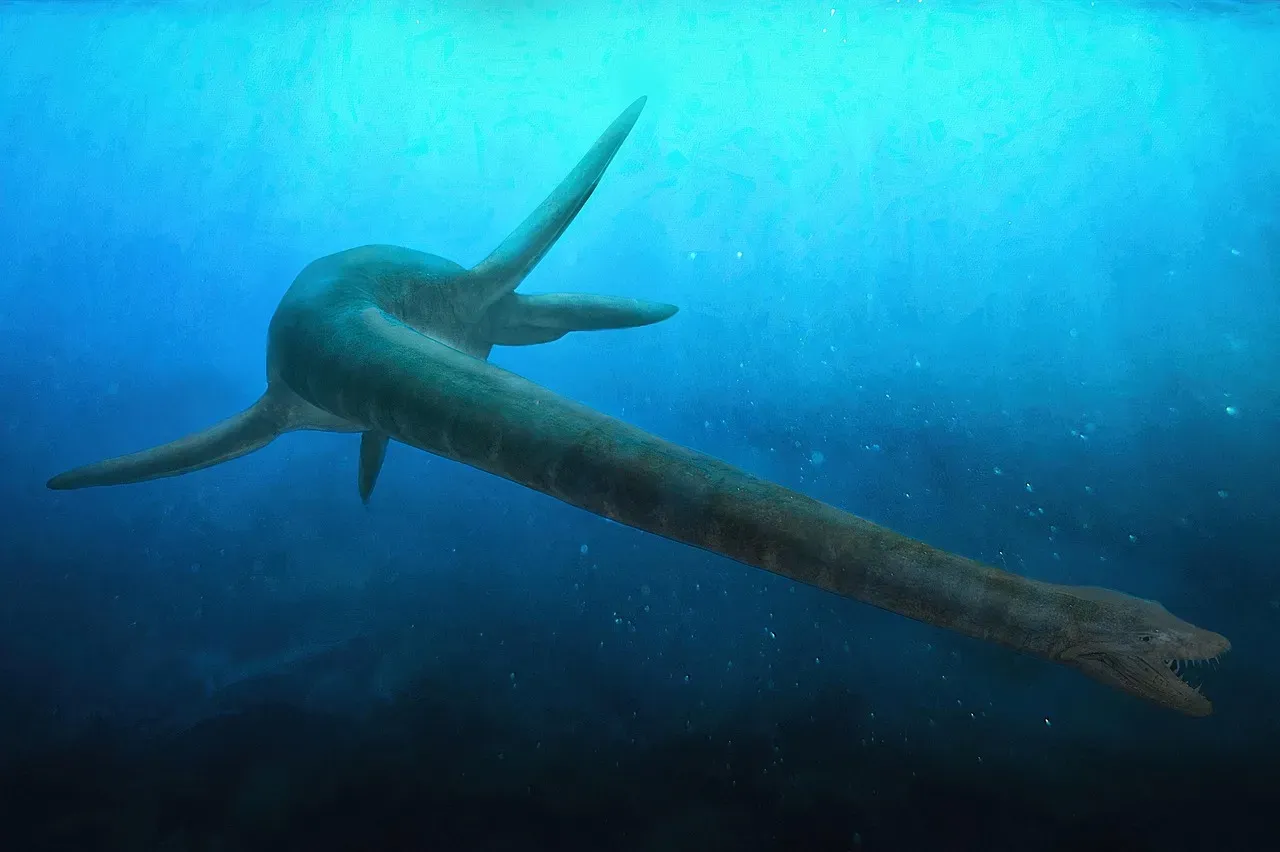
Paleontologists often infer survival odds indirectly, using things like growth rings in bones, patterns of injuries, and how many juveniles versus adults show up in fossil deposits. In marine settings, the fossil record for some groups suggests high juvenile mortality and frequent injury, consistent with heavily predation-driven ecosystems. Many marine animals never made it to full size, and their remains show bite marks, partial healing, and re-injury that paint a picture of a life lived under constant attack. Survival was less about avoiding one big predator and more about navigating a continuous barrage of mid-level threats.
On land, the story is still harsh but a bit different in feel. Large sauropods and herbivorous dinosaurs that made it to adulthood had relatively few natural enemies, simply because hunting something that big was costly and risky for predators. Juveniles were more vulnerable, but for adults the main threats might have been disease, injury, or environmental stress rather than constant predation. In the sea, there was always something big enough – or numerous enough – to take a shot at you, whether you were a small fish or a mid-level reptile. If you measure danger by the everyday likelihood of being eaten or maimed, ancient oceans make Jurassic forests look almost relaxed by comparison.
Climate Shocks, Dead Zones, and Mass Kill Events
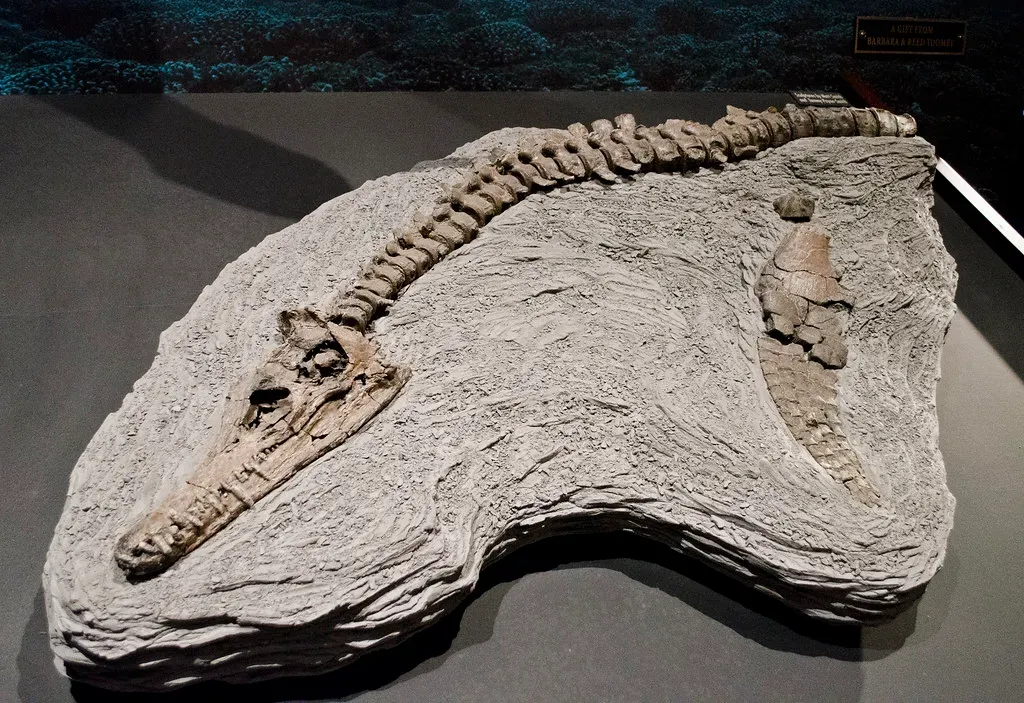
Danger is not just teeth and claws; it is also about how quickly your environment can turn against you. Ancient oceans were especially vulnerable to changes in temperature, oxygen levels, and chemistry, and the fossil record records multiple events where marine life took particularly heavy hits. Sudden warming episodes, shifts in ocean circulation, or drops in dissolved oxygen could create vast dead zones where animals suffocated or starved. When these events hit, they often tore through marine ecosystems faster than comparable crises on land, because water spreads heat and chemical changes rapidly over huge areas.
Jurassic forests did suffer from wildfires, droughts, volcanic activity, and long-term climate shifts, but plants and land animals had more micro-refuges to hide in – valleys, highlands, shaded forests, and local wetlands. In the ocean, if your region turned hypoxic or acidic, you might have had limited time and options to escape, especially if you were tied to specific habitats like reefs or continental shelves. Massive die-offs of marine species show up clearly in certain rock layers, hinting at sudden collapses of entire food webs. In that sense, the oceans were not only full of everyday predators but also uniquely exposed to catastrophic, system-wide kill events that could erase vast communities in geologic moments.
Why the Sea Was the Real Jurassic Nightmare
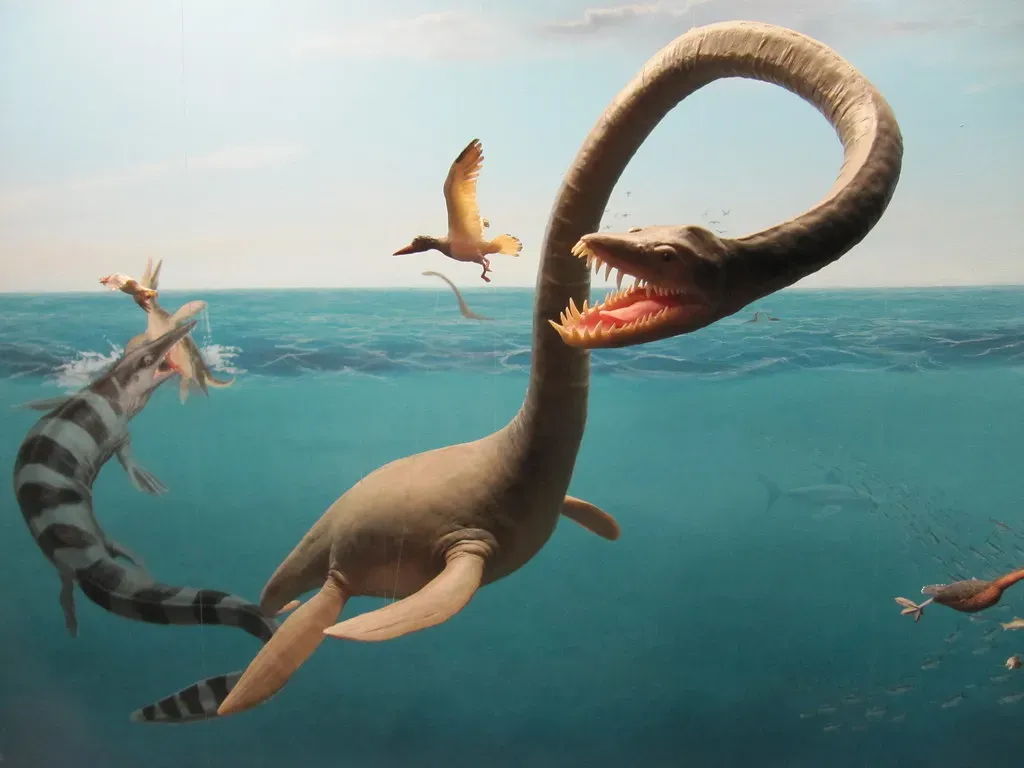
When you line up the evidence – higher predator densities, specialized marine super-predators, three-dimensional hunting, biochemical and mechanical weaponry, swarm dynamics, and vulnerability to climate shocks – it becomes hard to argue that Jurassic forests were the most dangerous places on Earth. Iconic dinosaurs dominate our imaginations because they were huge, dramatic, and land-based like us, but the data quietly point offshore. If you had to pick a habitat with the worst odds of going a full day without some sort of lethal encounter or ecological shock, the smart money is on the ancient oceans, not the fern-filled clearings of dinosaur country. Land predators were terrifying headliners; marine ecosystems were the never-ending horror franchise.
In my view, the ocean wins this danger contest not because individual marine predators were always bigger or flashier than land dinosaurs, but because the entire system was stacked against you from every direction. Every breath, every movement, every shift in temperature carried risk. The Jurassic forest might give you nightmares about a single roaring carnivore bursting through the trees; the ancient sea should give you a quieter, more suffocating dread, where you never quite know what is watching from the blue. Next time you picture the age of dinosaurs, ask yourself honestly: would you rather take your chances in the shadows of the forest, or in the cold, dark water with no solid ground beneath your feet?