
Picture standing on a modern shoreline, watching a city bus roll past. Now imagine something even longer than that bus gliding silently beneath the waves, armed with teeth the size of your hand or tentacles powerful enough to crush bone. That isn’t a movie pitch; it is what paleontologists think some ancient seas were really like. The fossil record keeps hinting at a brutal, oversized world where the top hunters made today’s great white sharks look almost modest.
What makes this so fascinating is that we are still piecing the story together from scattered clues: teeth, vertebrae, beaks, bite marks, and strange bones pulled out of cliffs and seabeds. Every new find can rewrite what we thought we knew about how big predators could get, what they ate, and how they ruled their watery kingdoms. The further back in time we go, the more we realize that our modern oceans, impressive as they are, might just be a toned‑down echo of a far wilder age.
The Bus-Sized Benchmark: How Big Is “Bigger Than a City Bus,” Really?
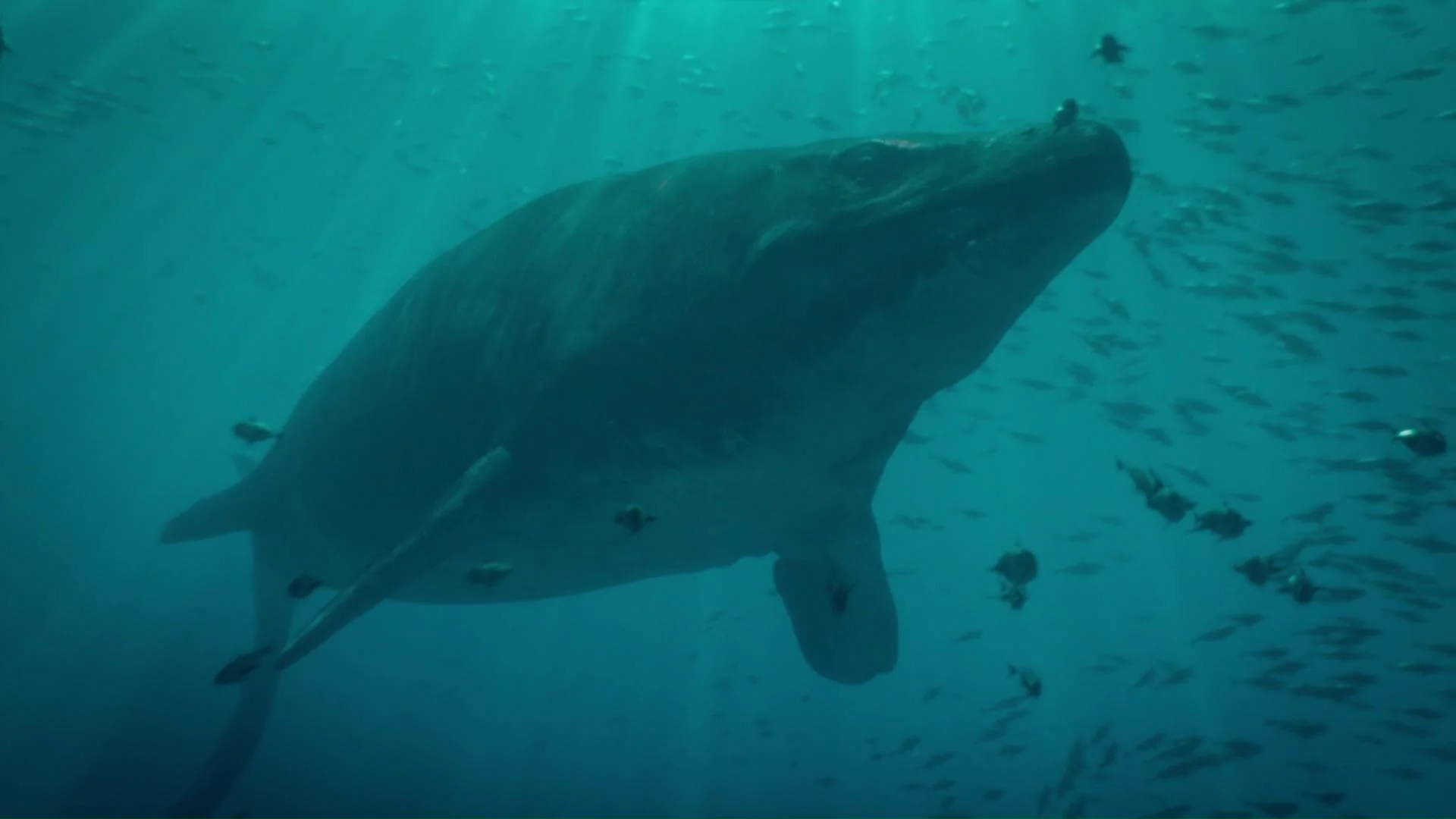
When paleontologists say an animal was bigger than a city bus, they are not just being dramatic; they are trying to translate absurdly large numbers into something your brain can actually visualize. A typical city bus runs around twelve meters, give or take, so any fossil creature in that size range or above immediately sits in the mental category of almost unbelievably huge. That makes species like colossal sharks, giant ichthyosaurs, and some long‑necked marine reptiles feel much more real instead of just abstract measurements in a research paper.
Of course, there is nuance behind that comparison. Different predators might reach bus‑like lengths in very different ways: some with long necks and streamlined bodies, others with thick, muscular torsos and massive skulls. From a distance, they might share a similar headline length, but up close, one would strike you more like a sleek bullet while another would feel like an underwater truck. The bus analogy is just our starting point; the real story lives in how those meters of body were put together and weaponized.
Megalodon: The Monster Shark That Makes Great Whites Look Small
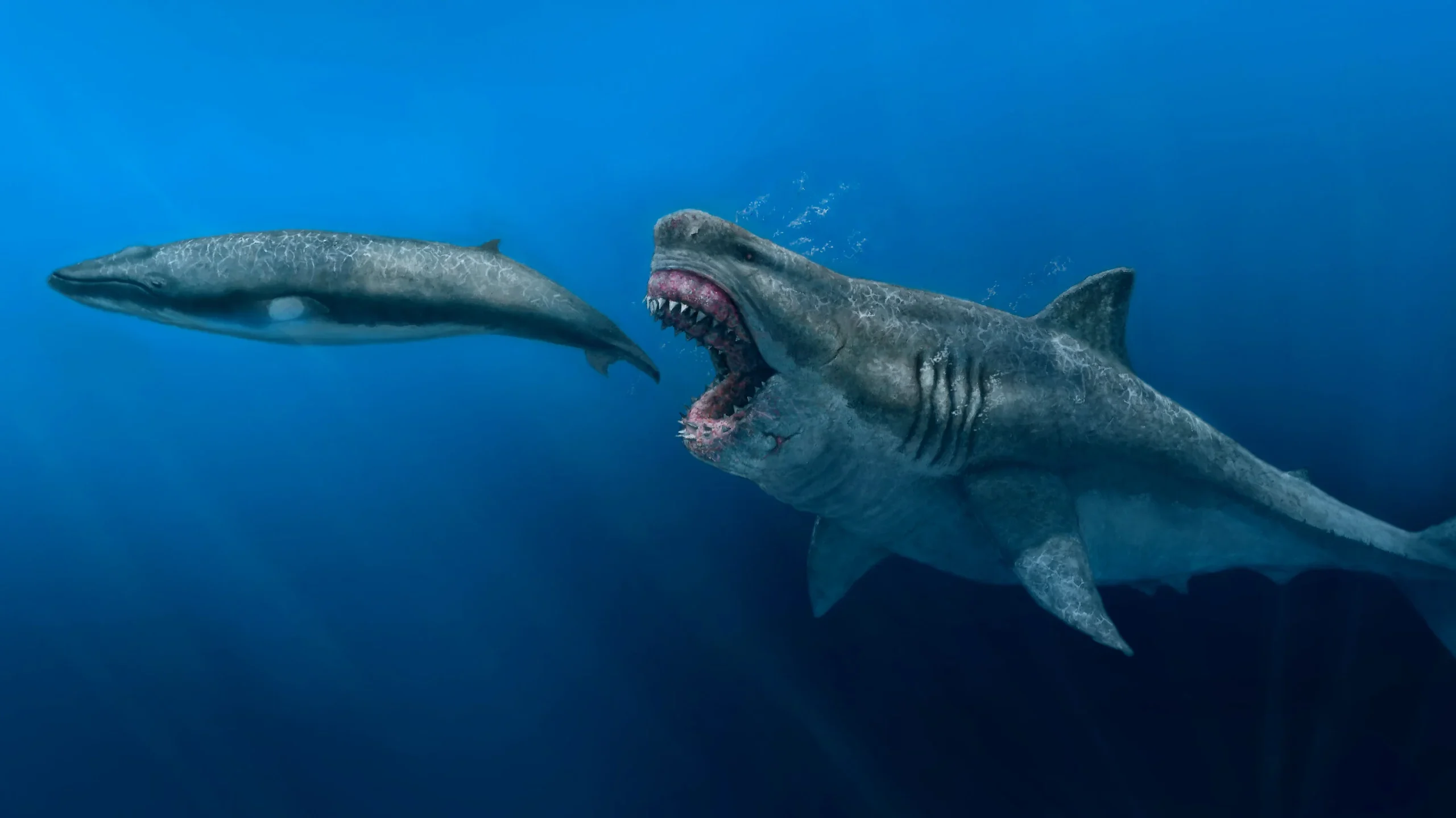
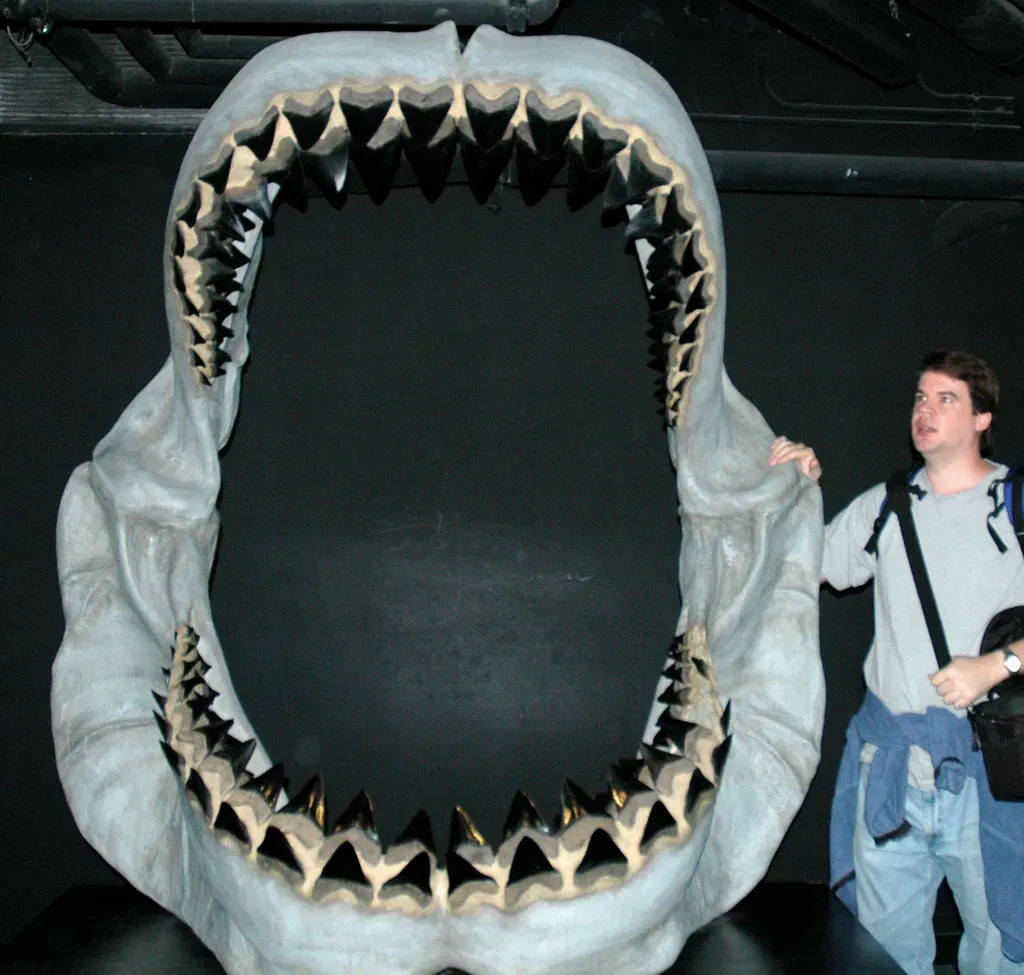
If there is one ancient marine predator that has truly gone mainstream, it is the giant shark commonly known as megalodon. Even using conservative estimates from tooth size and jaw scaling, this shark appears to have stretched well beyond bus length, likely rivaling or exceeding it by several meters. Its jaws could have been wide enough to engulf you standing upright with room to spare, and its bite force is often reconstructed as one of the most powerful of any vertebrate ever known.
What truly sets megalodon apart is not just its size, but its lifestyle. Evidence suggests it targeted large prey like whales, leaving bite marks in bones that tell a chilling story of ambush and raw power. You can imagine the modern ocean suddenly gaining a predator that views a humpback whale the way a lion views a zebra. The idea that something that massive and efficient once cruised the same oceans we swim in today is one of those facts that quietly rearranges your sense of scale.
Ichthyosaurs: Reptilian “Super-Fish” That Rivaled Whales in Size
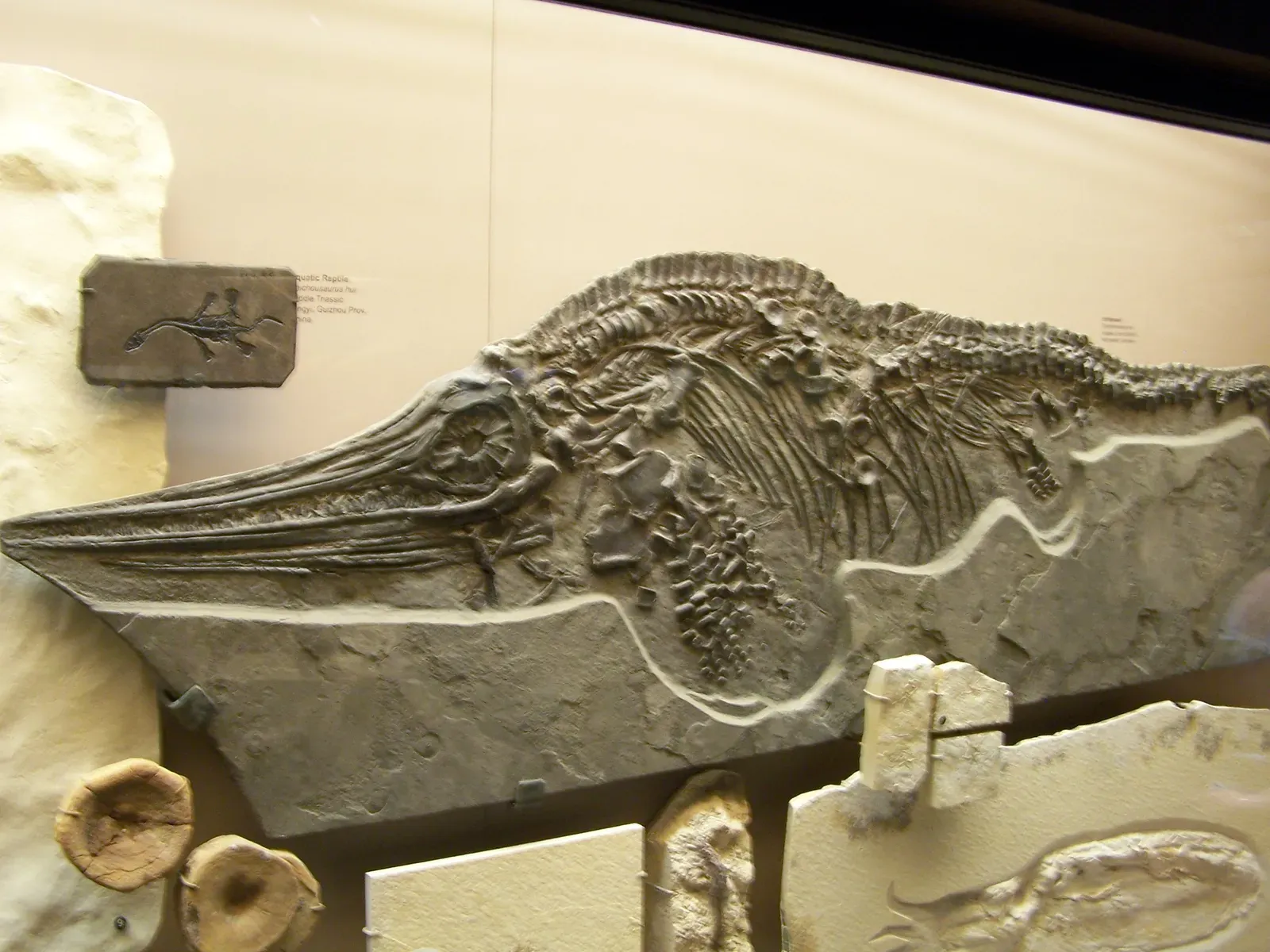
Long before megalodon patrolled the seas, the oceans were already home to giant reptilian hunters called ichthyosaurs. At their peak, some species reached lengths comparable to or even longer than a city bus, with sleek, fish‑like bodies and enormous eyes adapted to the dim light of deeper waters. Fossils discovered in recent decades have revealed skulls and vertebrae so large that scientists had to rethink just how big these animals really got.
Unlike the more crocodile‑like marine reptiles people often imagine, ichthyosaurs were built for speed and endurance, more like a mash‑up between a tuna and a dolphin on performance enhancers. Some specimens have been found with fossilized remains of other sizeable marine reptiles in their stomachs, suggesting they were anything but gentle giants. It is sobering to realize that during some parts of the Mesozoic era, if you were a large animal in the open ocean, there was a decent chance you were on an ichthyosaur’s menu.
Pliosaurs and Plesiosaurs: The Long-Necked Nightmares and Short-Necked Bruisers
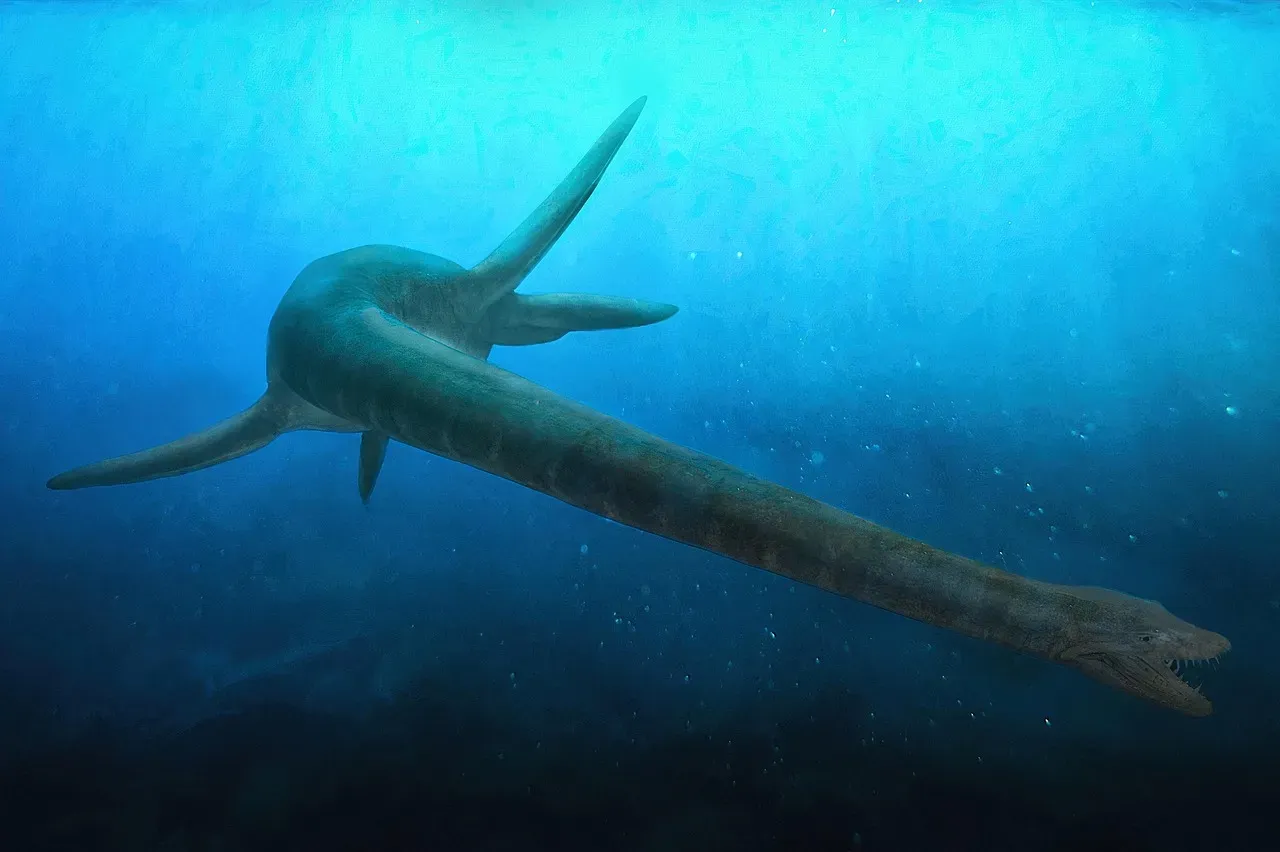
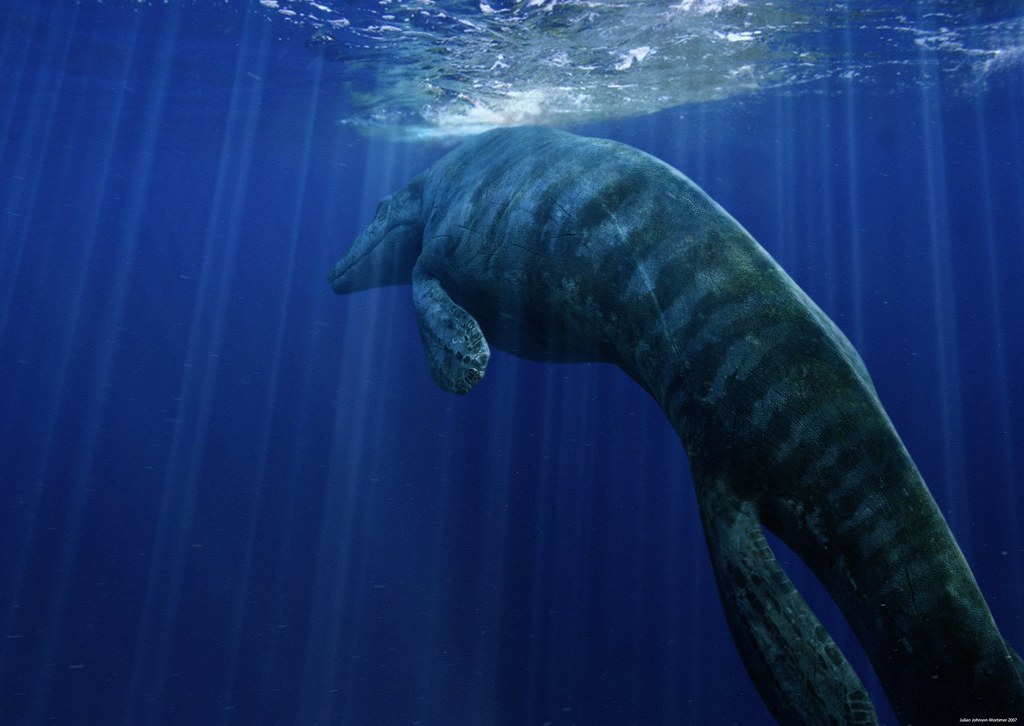
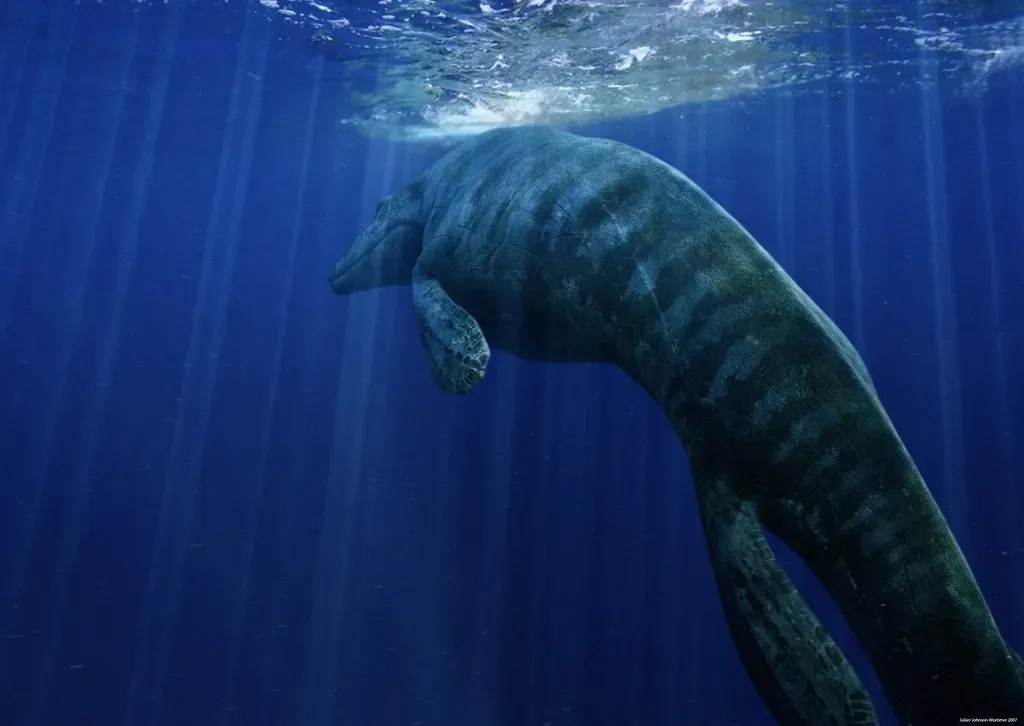
Another group of marine reptiles that pushed the limits of size were the plesiosaurs and their more heavy‑hitting cousins, the pliosaurs. While classic long‑necked plesiosaurs spread their length out in elegant, swan‑like necks, some pliosaur species compacted their bulk into shorter, more muscular bodies with enormous heads. Certain pliosaurs have been reconstructed at lengths comparable to large buses, their skulls alone rivaling the height of a person.
Imagine coming face to face with a predator whose head is basically a snapping, bone‑crushing boulder attached to a torpedo‑shaped body. The teeth of large pliosaurs were conical and deeply rooted, ideal for gripping slippery prey and tearing through flesh. Combined with powerful flippers for short bursts of speed, they were likely ambush predators of the open ocean and continental shelves. It is not hard to see why many paleontologists casually describe them as the marine equivalents of tyrannosaur‑level threats.
Mosasaurus and the Age of Giant Marine Lizards
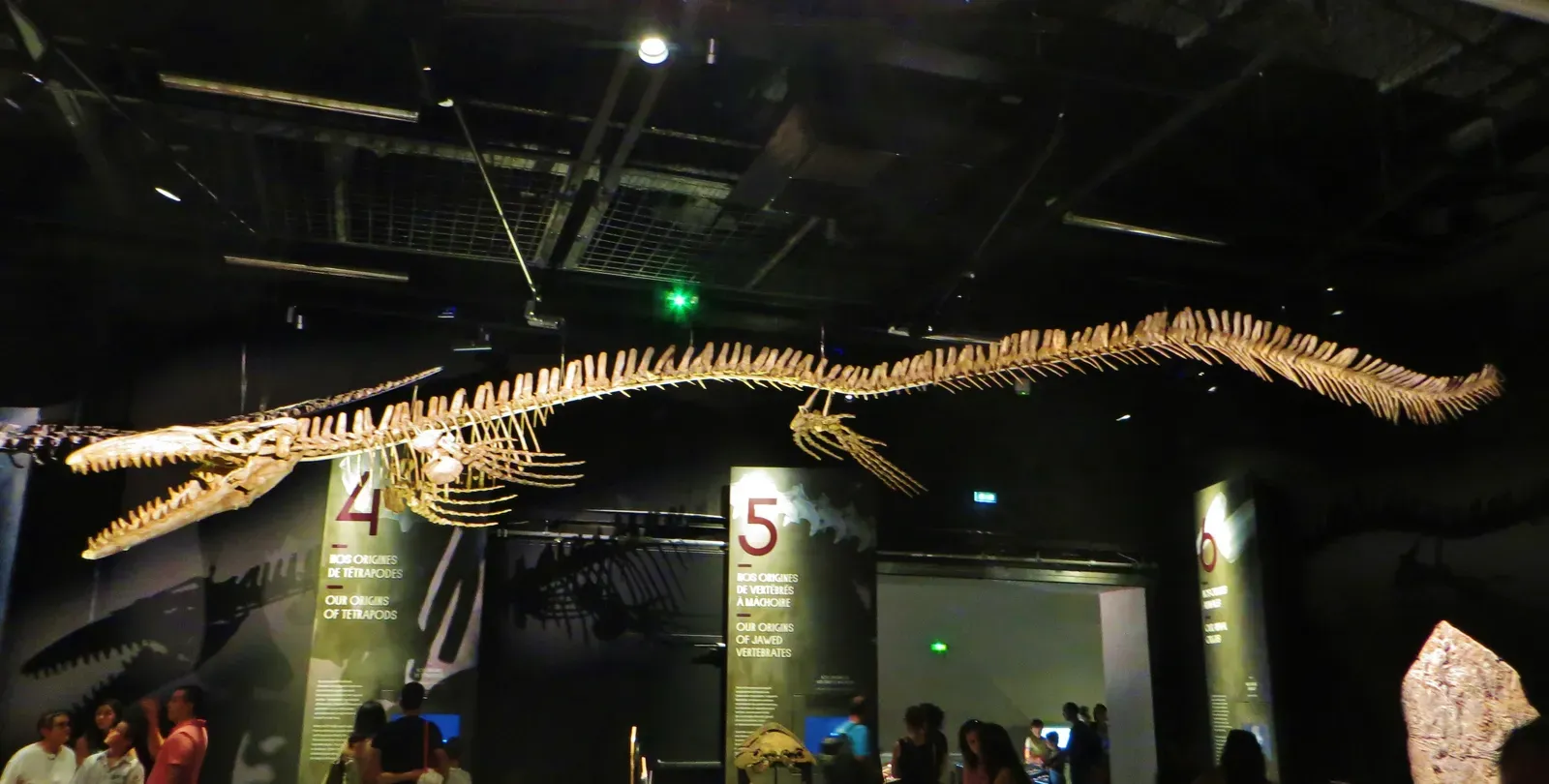
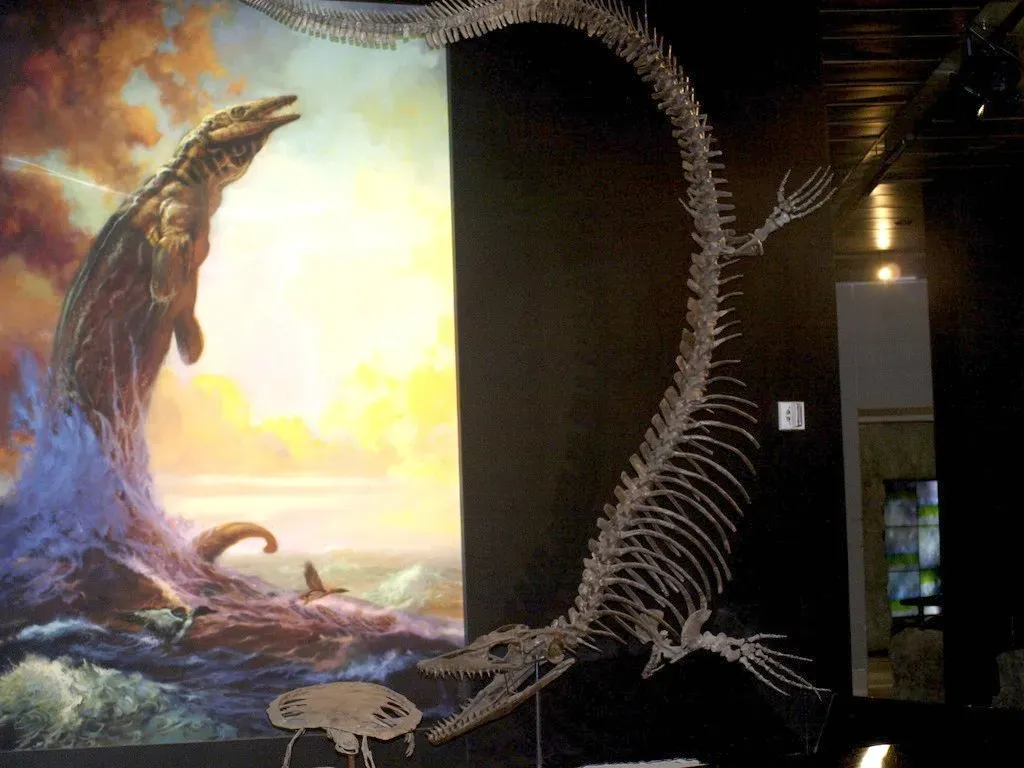
In the Late Cretaceous, as dinosaurs dominated the land, the seas were ruled by enormous marine lizards known as mosasaurs, with Mosasaurus often cast as the apex of the group. Reaching and surpassing bus‑like lengths, these predators had long, muscular bodies, double‑hinged jaws, and teeth that screamed business. Their bodies were not awkward or crocodile‑slow; they were adapted for efficient swimming, with large tails and limb‑like flippers.
Mosasaurs basically turned the oceans into reptilian hunting grounds, preying on fish, other reptiles, and even members of their own kind. Some fossils show healed bite marks, hinting at violent clashes between individuals, perhaps over territory or mates. If you dropped Mosasaurus into a modern ocean, alongside great white sharks and killer whales, it would not just fit in; it would probably terrorize everything in sight. In my view, this was one of the closest things the real world has ever produced to the stereotypical movie sea monster.
Colossal Squid and Their Ancient Kin: Tentacled Terrors in the Deep
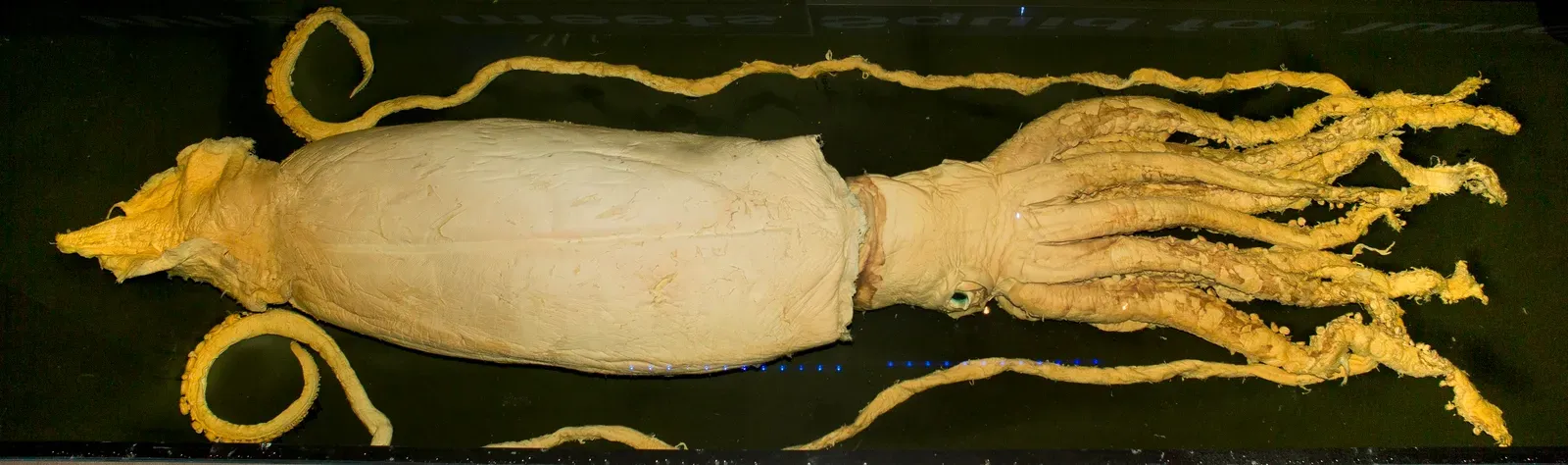
Not all giant marine predators had bones; some were soft‑bodied, like the ancestors and relatives of today’s colossal and giant squids. While living colossal squids already push toward bus‑like lengths when you include their long tentacles, the fossil record hints that some ancient cephalopods could reach similarly daunting sizes, at least in total body extension. Because soft tissue preserves poorly, much of what we know comes from preserved beaks, hooks, and the remains of their armored shells in older lineages.
The real horror story emerges when you combine this with evidence of large predators bearing sucker scars and circular wounds, suggesting wrestling matches deep in the dark. Imagine a massive marine reptile or early whale suddenly ensnared by loops of powerful arms, dragged into depths where light barely reaches. While the exact maximum sizes of their ancient relatives remain debated and cautious, the idea of giant, bus‑length tentacled hunters lurking in the black water feels less like fiction and more like a tempered, scientific maybe.
Why Ancient Oceans Could Grow Such Super-Sized Predators
One of the big questions is not just how big these animals were, but why the oceans kept producing such massive hunters. A key factor appears to be the sheer abundance of food during certain periods, with rich plankton blooms feeding huge populations of fish, ammonites, and marine reptiles. If you have oceans thick with potential prey, evolution is more likely to reward lineages that can grow large enough to tackle big, energy‑rich meals like other reptiles or early whales.
On top of that, water supports weight more effectively than air, which makes it easier for bodies to scale up without collapsing under their own mass. Cooler, oxygen‑rich oceans in some eras might also have boosted the metabolic wiggle room needed for large, active predators. Personally, I think of those ancient seas as the planetary equivalent of a high‑calorie buffet; when the table is that full, it is almost inevitable that some diners evolve into oversized, apex competitions.
How Scientists Reconstruct Size From Broken Fossils
Reconstructing these monsters is not as simple as finding a complete skeleton laid out like a museum display; more often, paleontologists are working from scattered teeth, partial skulls, or a few vertebrae sticking out of rock. To estimate total length and body mass, they compare those pieces to better known, more complete relatives, using mathematical scaling relationships between, say, tooth size and body length. It is a bit like trying to guess the length of a car from just the door handle, but with a lot of comparative data and statistics backing it up.
Of course, this means there is always some uncertainty and debate. Some early size estimates get revised downward as new fossils or better methods appear, while others move upward when unexpectedly massive bones are discovered. I actually like this uncertainty; it forces scientists to stay honest and cautious rather than chasing the most sensational numbers. The real excitement is not in having a single dramatic figure, but in watching our picture of these animals sharpen and shift over time.
What These Giants Tell Us About Today’s Oceans
Looking at the fossil record of ancient sea monsters is not just about gawking at past extremes; it also gives us a reality check on what Earth’s oceans are capable of producing. Today’s largest predators, like orcas and great white sharks, are impressive but do not always reach the bus‑level scale that some ancient species routinely achieved. That gap says a lot about how marine ecosystems, climate, and food webs have shifted across deep time, sometimes favoring giants and sometimes capping their potential.
There is also a quiet warning here. Many of the giant predators of the past disappeared during major environmental upheavals: changes in sea level, temperature swings, shifts in prey availability, or mass extinction events. When we alter the oceans rapidly today, through overfishing, warming, and pollution, we are running a risky experiment in real time. The fossil record shows that top predators are powerful, but they are not invincible, and when they go, entire ecosystems can reshuffle in ways that are hard to predict.
Conclusion: The Deep Past Makes Our Fears Look Small
When you line up all these ancient bus‑sized predators side by side in your mind, a pattern emerges: the oceans have repeatedly pushed life to extremes that make our usual fears of sharks or deep water feel almost quaint. Megalodon shredding whales, ichthyosaurs chasing down other reptiles, mosasaurs and pliosaurs turning coastal seas into war zones – this was not a one‑off anomaly, but a recurring theme in Earth’s history. From my perspective, it is almost arrogant to assume that the modern ocean is the peak of what nature can do; the rocks quietly say otherwise.
At the same time, there is something oddly humbling and grounding about all of this. These titans rose, dominated, and vanished long before humans appeared, yet their legacy shapes how we think about power, danger, and the unknown in the sea. The next time a shark documentary tries to scare you, remember that it is, in some ways, showing you a scaled‑down, gentler version of what used to lurk offshore. Knowing that, are you more amazed that such monsters once existed – or more surprised that the oceans today feel relatively tame by comparison?