Science has always thrived on discovery, pushing the boundaries of what we know about life on Earth. Yet sometimes the hunger for groundbreaking findings creates opportunities for deception that can fool even the most brilliant minds. Paleontology, with its tantalizing promise of uncovering ancient secrets buried in stone, has witnessed some of the most elaborate scientific hoaxes in history.
These fabricated fossils didn’t just trick amateur enthusiasts or gullible journalists. They deceived respected scientists, influenced major theories, and shaped public understanding of evolution for decades. What makes these deceptions particularly fascinating is how they played on our deepest desires to understand our past, exploiting the gaps in our knowledge with carefully crafted lies that seemed almost too perfect to be true.
The Piltdown Man – Four Decades of Deception

The Piltdown Man was a paleoanthropological fraud in which bone fragments were presented as the fossilised remains of a previously unknown early human. Although there were doubts about its authenticity virtually from its announcement in 1912, the remains were still broadly accepted for many years, and the falsity of the hoax was only definitively demonstrated in 1953.
The story began when Charles Dawson, an amateur archaeologist and fossil collector, claimed to have discovered skull fragments in gravel beds near Piltdown, East Sussex. In February 1912, Dawson contacted Arthur Smith Woodward, Keeper of Geology at the Natural History Museum, stating he had found a section of a human-like skull in Pleistocene gravel beds near Piltdown, East Sussex. That summer, Dawson and Woodward purportedly discovered more bones and artifacts at the site, which they connected to the same individual. The discovery seemed to provide the perfect “missing link” between apes and humans that scientists desperately sought. The Piltdown Man hoax succeeded so well because, at the time of its discovery, the scientific establishment believed that the large modern brain preceded the modern omnivorous diet, and the forgery provided exactly that evidence.
Exposing Britain’s Greatest Scientific Scandal
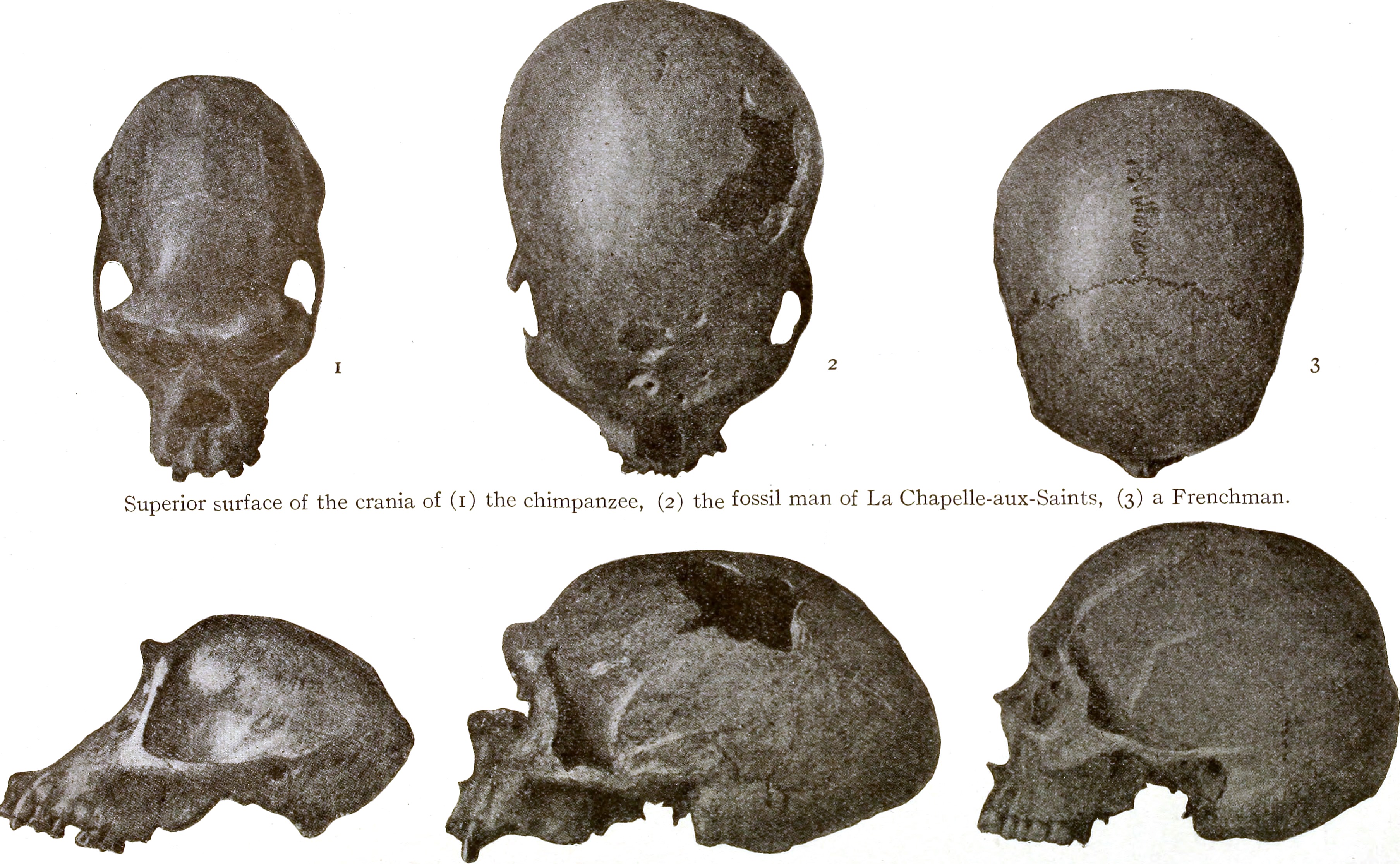
The unraveling began decades later with advanced scientific techniques. In 1949, physical anthropologist Kenneth Oakley conducted fluorine tests on the Piltdown Man bones to estimate how old they were. With this method, Oakley determined Piltodwn Man wasn’t so ancient; the fossils were less than 50,000 years old.
In 1953, anatomist Wilfrid Le Gros Clark and anthropologist Joseph Weiner took a closer look at Piltdown Man’s anatomy and realized the jaw and skull fragments belonged to two different species. The skull was most likely human while the jaw resembled an orangutan. Microscopic scratches on the jaw’s teeth revealed someone had filed them down to make them appear more like human teeth. The hoax had been meticulously crafted, but modern science finally revealed its true nature. An extensive scientific review in 2016 established that amateur archaeologist Charles Dawson was responsible for the fraudulent evidence.
The Cardiff Giant – America’s Greatest Archaeological Joke
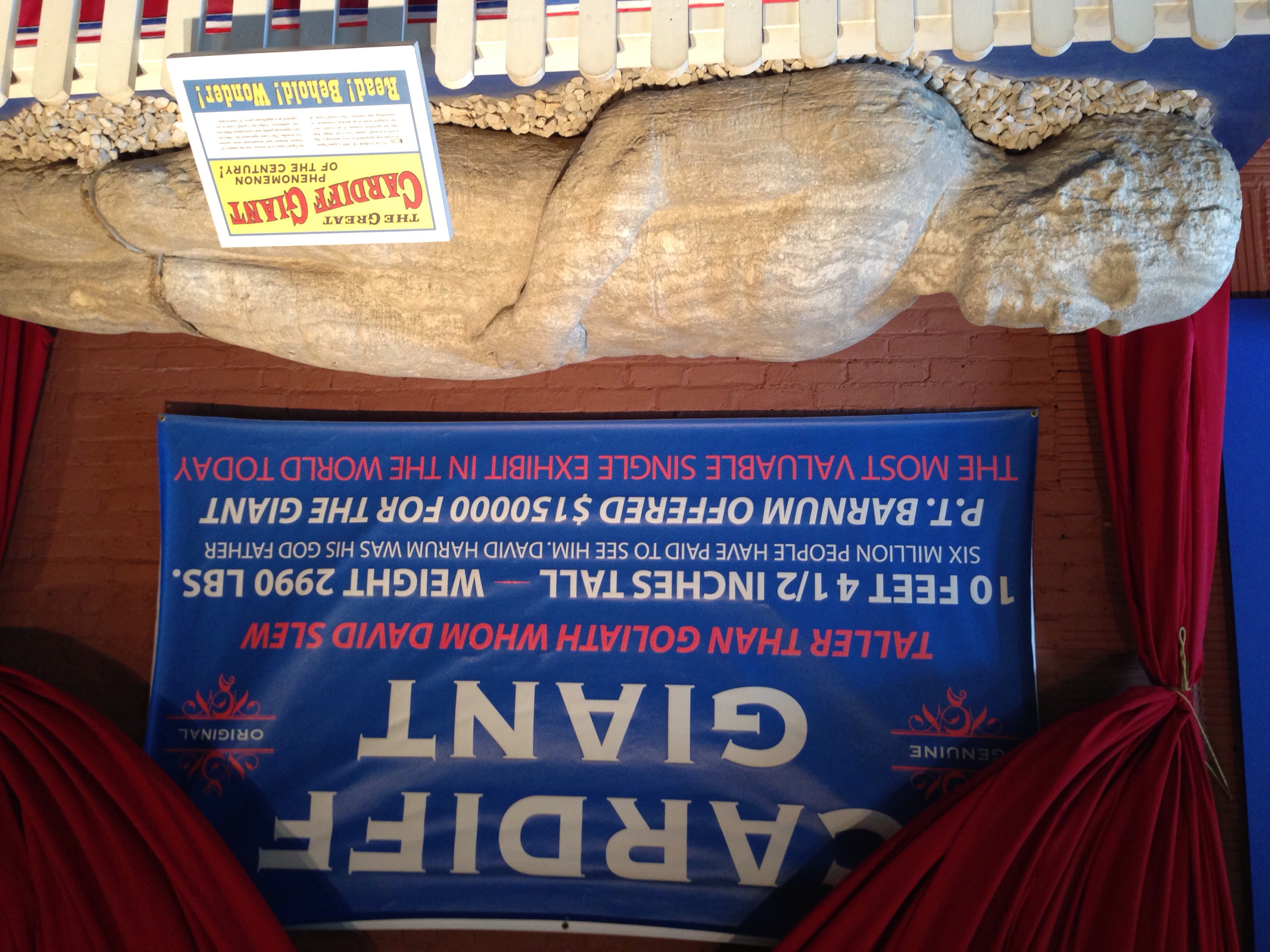
The Cardiff Giant, the best American entry for the title of paleontological hoax turned into cultural history, now lies on display in a shed behind a barn at the Farmer’s Museum in Cooperstown, New York. This gypsum man, more than ten feet tall, was “discovered” by workmen digging a well on a farm near Cardiff, New York, in October 1869.
The hoax was the brainchild of George Hull, a cigar manufacturer (and general rogue) from Binghamton, New York. He quarried a large block of gypsum from Fort Dodge, Iowa, and shipped it to Chicago, where two marble cutters fashioned the rough likeness of a naked man. Hull made some crude and minimal attempts to give his statue an aged appearance. He chipped off the carved hair and beard because experts told him that such items would not petrify. He drove darning needles into a wooden block and hammered the statue, hoping to simulate skin pores. Finally, he dumped a gallon of sulfuric acid all over his creation to simulate extended erosion.
When Greed Masqueraded as Biblical Discovery

Unlike more sophisticated scientific hoaxes, the Cardiff Giant was transparent from the beginning to trained eyes. Piltdown was cleverly wrought and fooled professionals for forty years, while the Cardiff Giant was preposterous from the start. How could a man turn to solid gypsum, while preserving all his soft anatomy, from cheeks to toes to penis? Geologists and paleontologists never accepted Hull’s statue.
Hull’s main motivator was religious ideology, or more precisely anti-religious ideology. As a strong atheist, Hull believed the Bible was full of false stories and that Christians were gullible enough to believe anything that was in it. He did this by having the Cardiff Giant created, and poorly at that, to see how many people would believe that it really was a giant that the Bible claims once walked the earth. Based on the today’s equivalent of $750,000 that Stub Newell collected in under a month, it seems Hull’s theory was right and many people believed it was. The hoax succeeded not because of scientific credibility, but because it appealed to religious beliefs about giants mentioned in biblical texts.
The Calaveras Skull – A Miner’s Practical Joke

On February 25, 1866, workers found a human skull buried deep inside a mine on Bald Mountain in Calaveras County, California. The skull was located 130 feet below the surface, beneath a layer of lava. Whitney, the State Geologist of California and Professor of Geology at Harvard University. Whitney determined that the skull was evidence of the existence of Pliocene age man in North America. This made it the oldest known record of human existence in North America.
However, the skull’s modern appearance immediately raised suspicions among many scientists. J. M. Boutwell, investigating in 1911, was told by one of the participants in the discovery that the whole thing was indeed a hoax. The miners of the Sierra Nevada apparently did not greatly like Whitney (“being an Easterner of very reserved demeanor”) and were “delighted” to have played such a joke on him. Furthermore, John C. Scribner, a local shopkeeper, claimed to have planted it, and the story was revealed by his sister after his death. Radiocarbon dating in 1992 established the age of the skull at probably less than a thousand years old, placing it in the late current geological epoch age.
Archaeoraptor – National Geographic’s Greatest Embarrassment
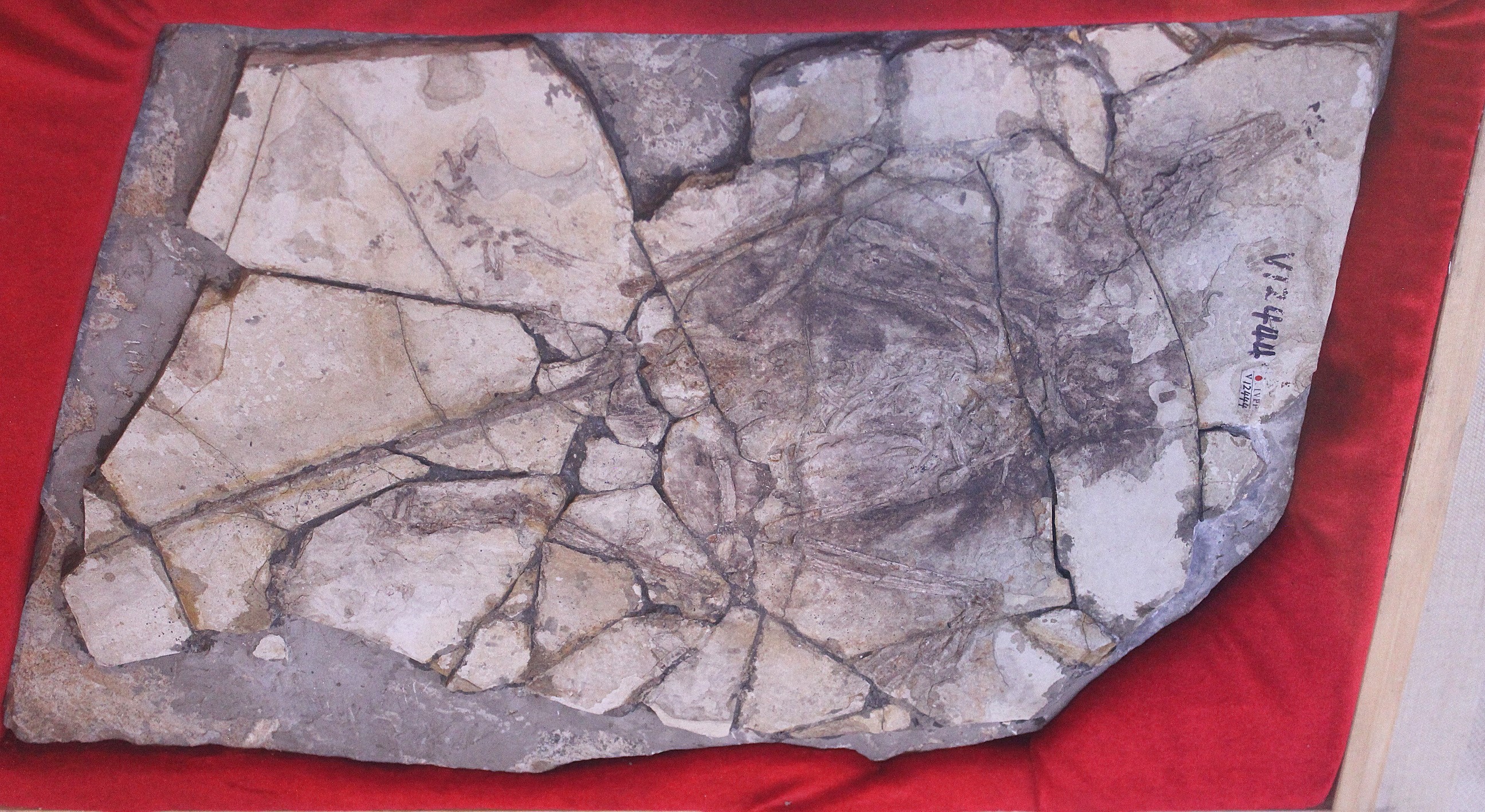
According to National Geographic’s report, the story of “Archaeoraptor” begins in July 1997 in Xiasanjiazi, China, where farmers routinely dug in the shale pits with picks and sold fossils to dealers for a few dollars. This was an illegal practice, but it was common then. In this case, one farmer found a rare fossil of a toothed bird, complete with feather impressions. The fossil broke into pieces during collection. Nearby, in the same pit, he found pieces including a feathered tail and legs. He cemented several of these pieces together in a manner that he believed was correct. He knew that it would make a more complete-looking and, thus, more expensive fossil.
Heralded as the “missing evolutionary link” that proved modern-day birds evolved from feathered dinosaurs nearly three decades ago, the Archaeoraptor liaoningensis fossil was a discovery thought to change how the world saw evolution. On publication, the turkey-sized fossil was described as “a missing link in the complex chain that connects dinosaurs to birds” that captured “the paleontological ‘moment’ when dinosaurs were becoming birds.” For National Geographic – a bastion of publishing usually beyond reproach – this embarrassment would be one of the greatest blunders in its 125-year history.
The Scientific Detective Work That Exposed the Fake
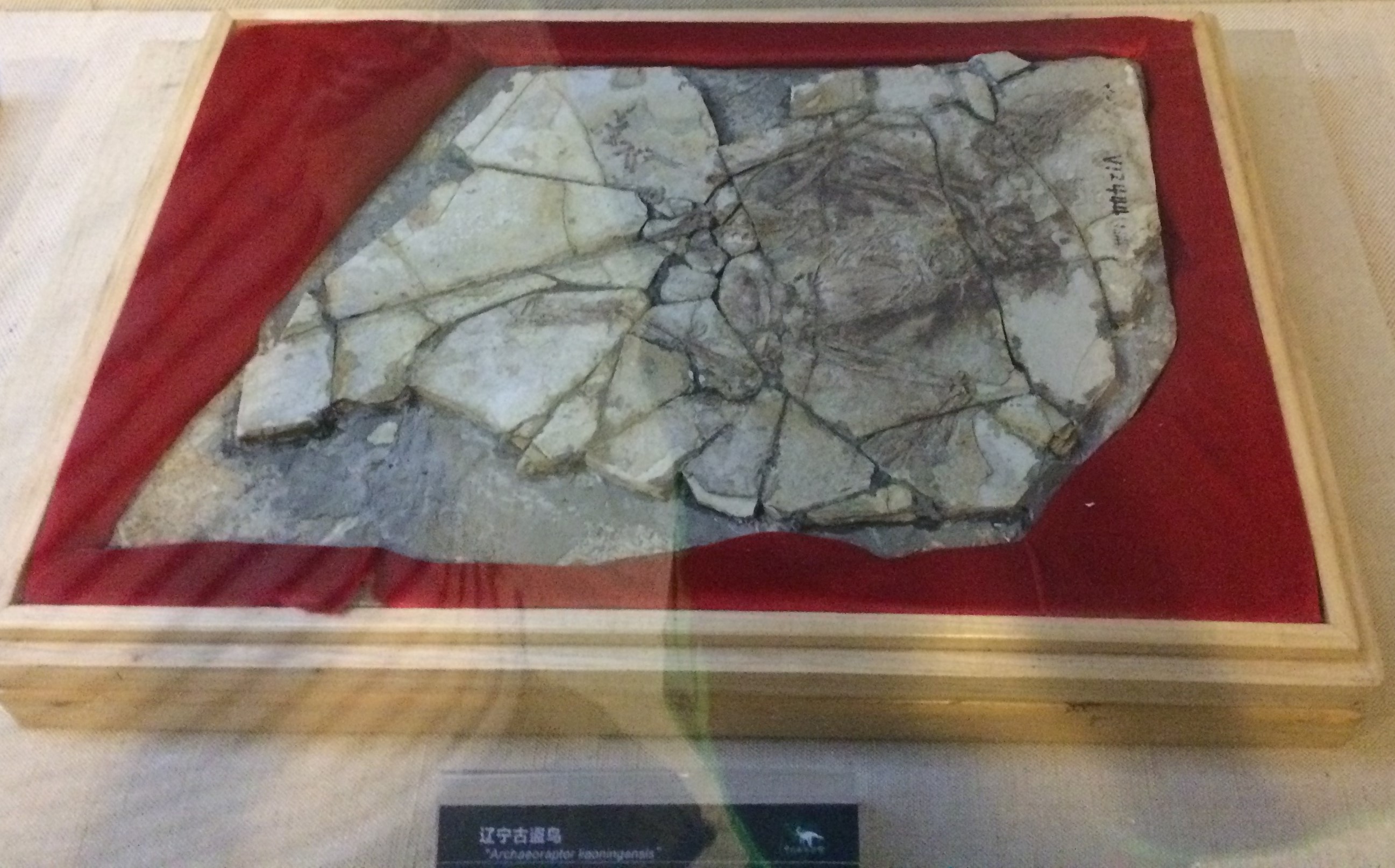
The unmasking of Archaeoraptor showcased how modern scientific methods could detect even sophisticated forgeries. Chinese paleontologist Xu Xing played a pivotal role in exposing the fraud. After reviewing the Archaeoraptor photograph and studying a maniraptoran dinosaur specimen, Xu noticed a strong resemblance between his specimen’s tail and Archaeoraptor’s tail. In December 1999, Xu returned to China, found the fossil site, and located a counterpart slab for the Archaeoraptor’s tail, which definitively showed it belonged to a different genus, Microraptor.
Subsequent detailed CT scans by Rowe revealed that Archaeoraptor was glued together from 88 pieces of different individuals fossils. Subsequent detailed CT scans by Rowe revealed that Archaeoraptor was glued together from 88 pieces of different individuals fossils. Mostly they came from two species unknown to science, making the specimens important in their own right. The tail was from Microraptor, then the smallest dinosaur ever discovered, while the front half was a primitive bird subsequently named Yanornis in a 2002 Nature paper entitled “Archaeoraptor’s better half”. The hoax, paradoxically, led to legitimate scientific discoveries when the separate components were properly studied.
Nebraska Man – When One Tooth Fooled the World
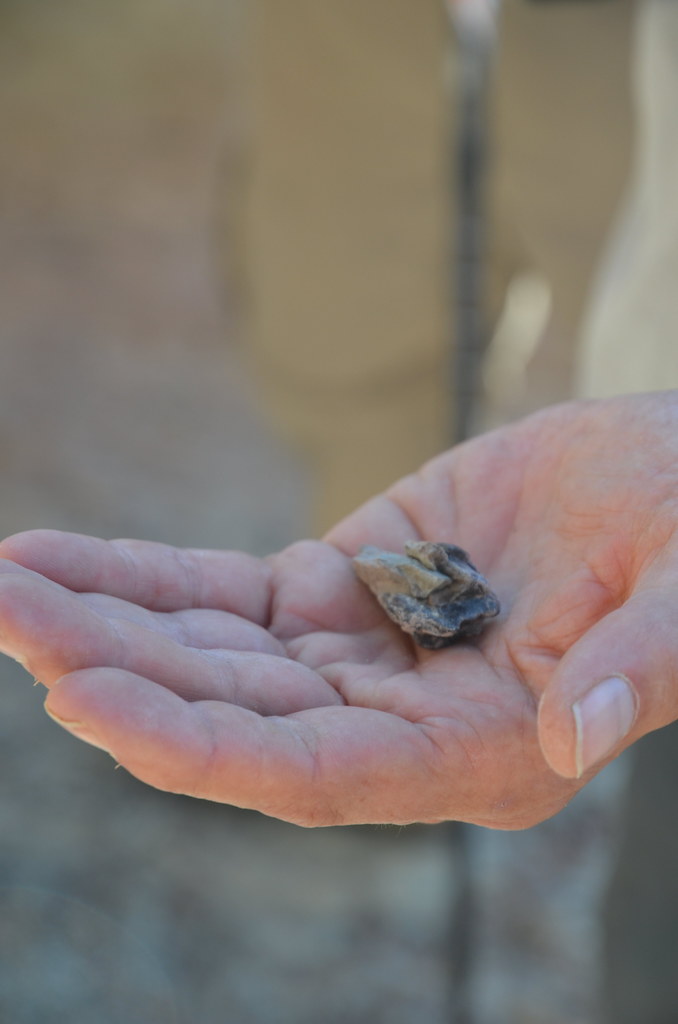
Nebraska Man is another notable hoax that emerged from a single tooth discovery in 1922. The tooth was initially thought to belong to an early human ancestor. The find caused excitement, leading to significant media coverage and illustrations of the reconstructed figure. In 1922 Osborn was the president of the American Museum of Natural History when a rancher sent him a fossil tooth he’d found in Nebraska in 1917. So Osborn examined the tooth carefully and published a paper describing the ape that the tooth came from. The media found out about the discovery and wrote articles about the missing link between humans and apes, which was a popular topic back before people fully understood how evolution worked and when so little was known about human ancestry. The papers called the fossil ape the Nebraska man.
The reality proved far less sensational. There was no deliberate hoax behind Nebraska man, but there was no Nebraska man, either. The fossil was that of a wild pig called a peccary. Though now confined to Central and South America, the piggies roamed the Great Plains in the Pleistocene. This case demonstrated how eagerness to find human ancestors could lead scientists to misinterpret evidence, even without malicious intent. The tooth genuinely belonged to an extinct pig, but wishful thinking and incomplete evidence created a phantom human ancestor that captured public imagination before scientific scrutiny corrected the record.
Lessons from Scientific Deception

These paleontological hoaxes reveal fascinating patterns about human nature and scientific progress. An implication of both of these hoaxes is that they both exemplify the self-corrective nature of science. Dozens and dozens of scientists examined each piece of “evidence” and did not let the inaccuracies stand. Science is always evolving, changing, and it is not out of the ordinary for long held beliefs to be proven wrong. Any real scientist accepts that and the principle that science is always falsifiable is exemplified with in these hoaxes.
The hoaxes succeeded partly because they told people what they wanted to hear – whether it was Britain’s desire for its own “missing link,” America’s fascination with biblical giants, or the scientific community’s eagerness to fill gaps in evolutionary theory. The controversy led to a significant overhaul of the peer-review process in paleontology, with many journals implementing more stringent checks to prevent similar hoaxes. This event taught the scientific community about vigilance against fraud, particularly concerning fossils obtained through the unregulated private fossil market, which can be prone to altered specimens for commercial gain. Modern technology, from fluorine dating to CT scans and radiocarbon analysis, has made it increasingly difficult for hoaxers to fool the scientific community for extended periods.
These stories of paleontological deception remind us that even in science, human desires and biases can lead us astray. Yet they also demonstrate the ultimate strength of scientific methodology – its ability to self-correct, to question, and to eventually expose the truth no matter how well-crafted the lie. What do you think drives people to create such elaborate scientific hoaxes? Tell us in the comments.