
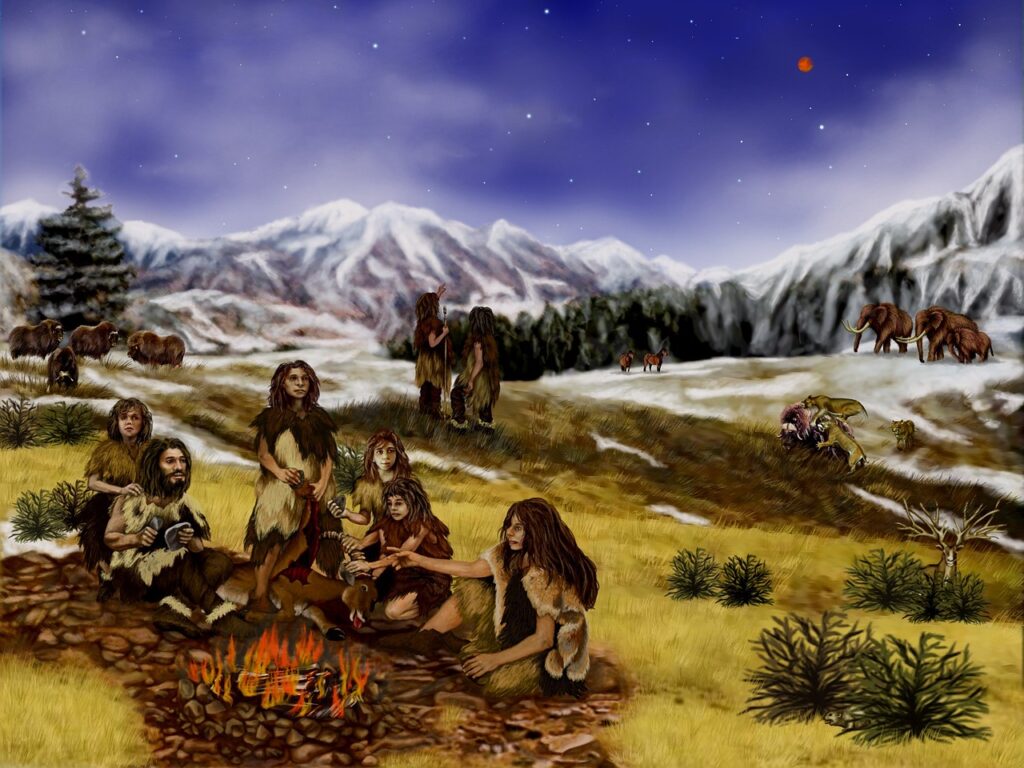
Imagine a harsh Ice Age landscape where every extra mouth is a risk and every slow step could mean death. Now picture someone stopping in that world to help a lame companion walk, or to feed a group member who could no longer hunt. That image alone already feels deeply human, but the surprise is this: the ones doing it were not us, but Neanderthals.
Over the last few decades, archaeologists have quietly built a case that Neanderthals did something unexpected in a brutally pragmatic environment: they cared. They tended badly broken bones, helped disabled individuals survive for years, and did so in situations where this help did not obviously improve group survival. That finding forces an uncomfortable question: if compassion can exist where it offers no clear payoff, then maybe empathy is not a luxury of civilization at all, but something far older and more stubbornly human than we thought.
When Skeletons Start Telling Emotional Stories
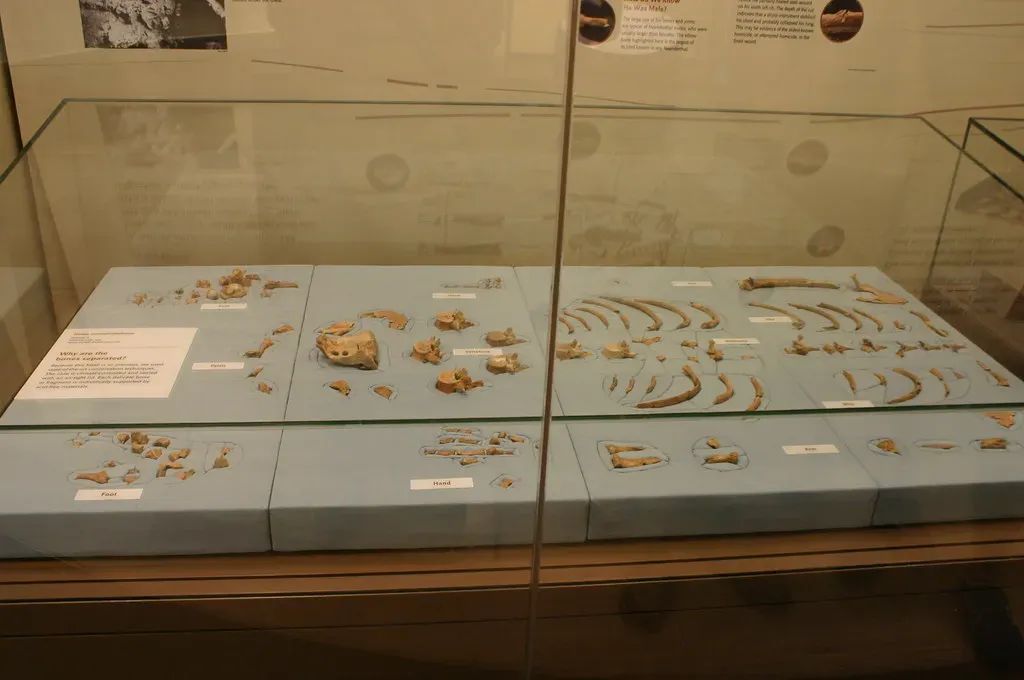
The most striking evidence for Neanderthal care does not come from tools or art, but from bones that look like biographies written in fractures and healing lines. Researchers have found Neanderthal skeletons with severe injuries that had clearly healed long before death, meaning these individuals lived for years after accidents that would have left them unable to hunt or forage on their own. In a world without hospitals or pharmacies, survival after such trauma almost certainly required help from others with food, protection, and daily support.
One famous example is an older Neanderthal male whose skeleton shows multiple serious injuries, including damage that likely caused blindness in one eye and limited mobility. Yet signs of healing on his bones indicate he survived for a long time afterward, which suggests he remained part of a group that did not abandon him when he became less physically useful. The bones are not just medical data; they are quiet but powerful hints that social bonds and emotional attachments mattered enough to override cold survival math.
Surviving While “Useless”: Why That Shouldn’t Have Happened
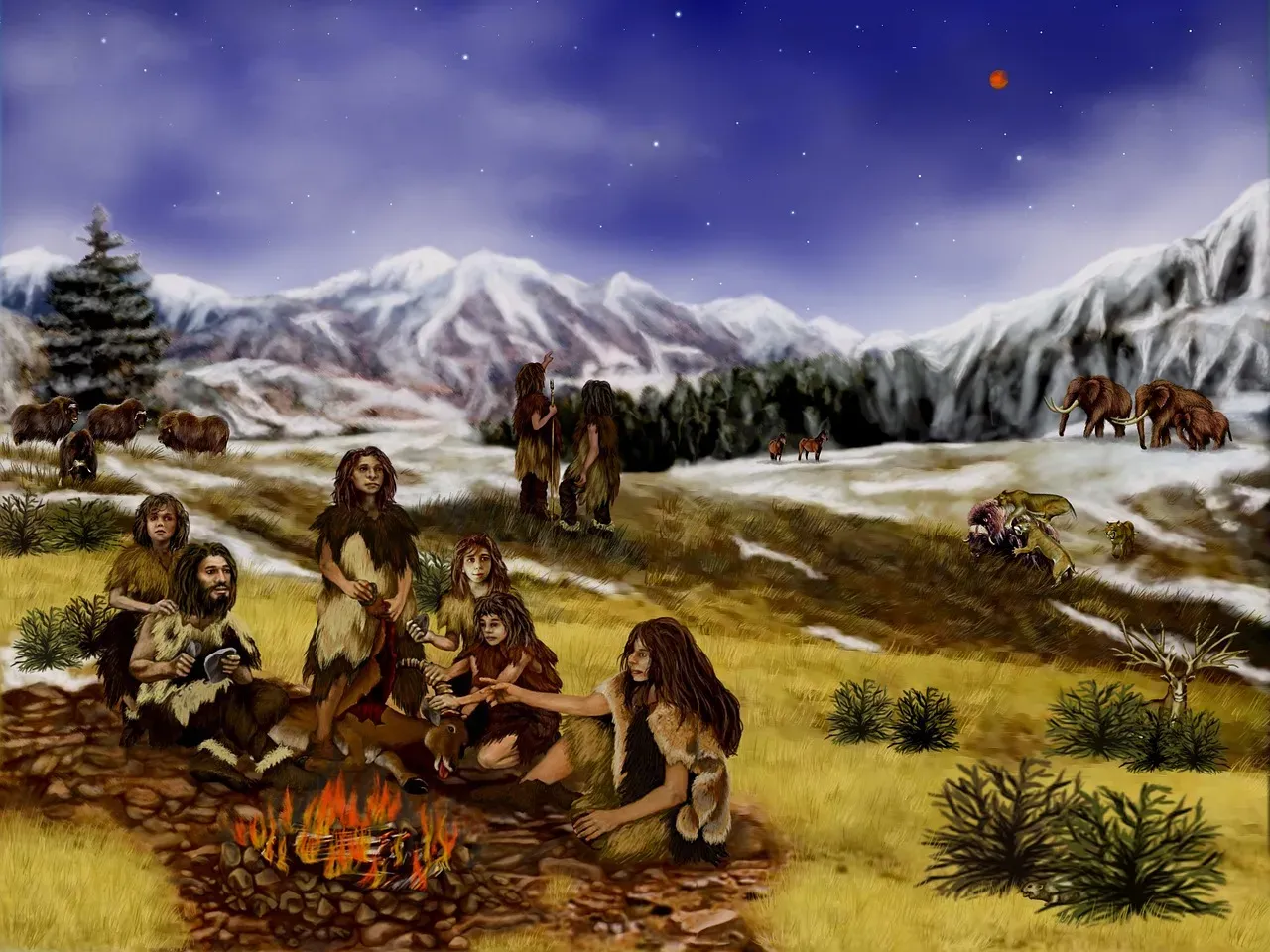
From a pure survival-of-the-fittest standpoint, investing resources in injured or elderly members of a small hunting band looks like a bad deal. Every injured individual who cannot walk long distances or participate in dangerous hunts means more weight to carry, more food to share, and more noise or vulnerability to predators and rival groups. In a harsh Ice Age environment with limited calories, the pragmatic choice would have been to leave the weak behind or let nature take its course.
Yet the archaeological record shows individuals who appear to have outlived their usefulness in purely economic terms. They have extensive joint damage suggesting chronic pain, missing teeth that would have made chewing difficult, or healed fractures that likely limited their mobility. Their survival tells us something simple but profound: their groups chose, again and again, to carry emotional and practical burdens that made no obvious short-term sense. That looks a lot like compassion, even if Neanderthals did not name it that way.
Medical Care, Neanderthal Style
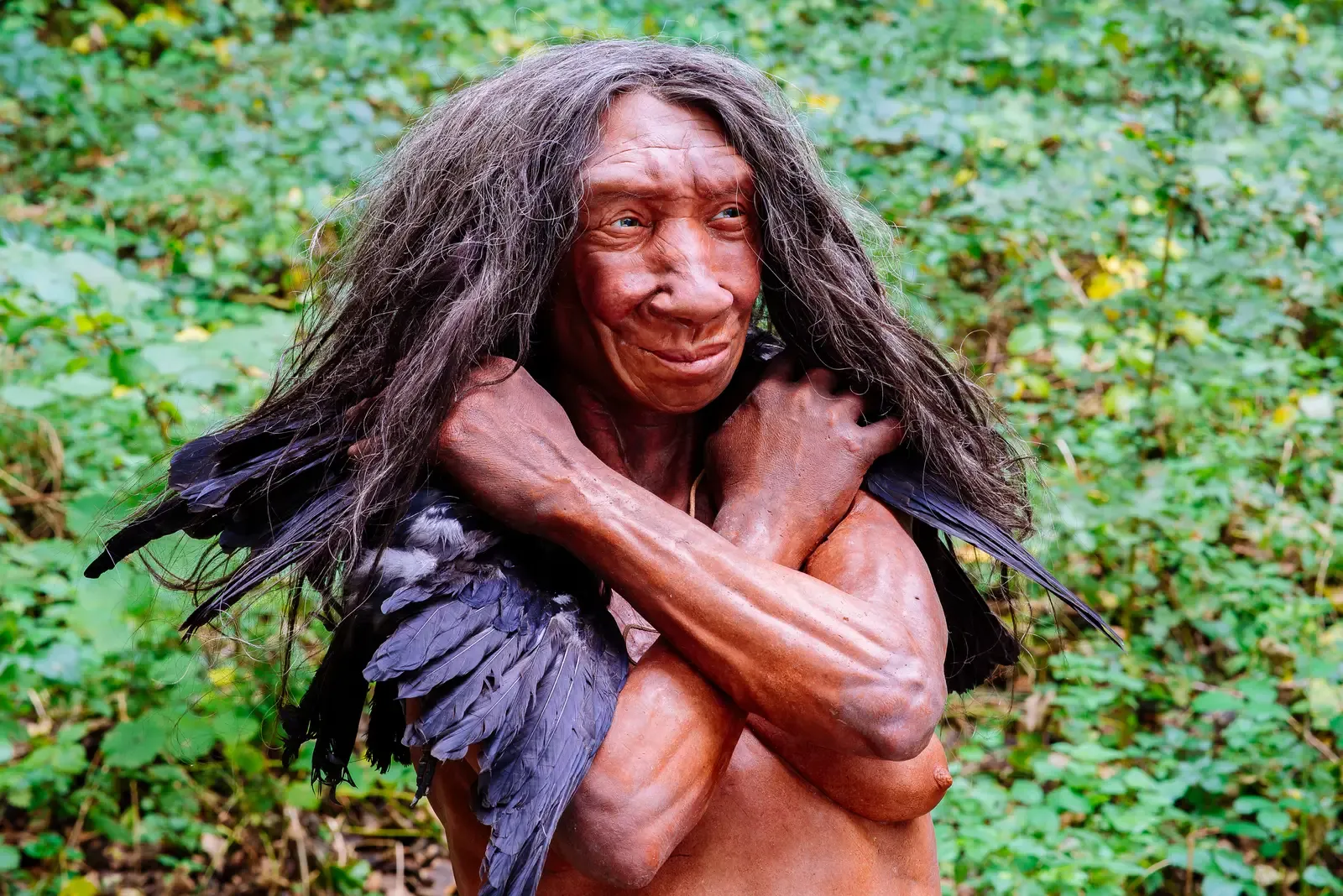
Neanderthals were obviously not surgeons in the modern sense, but their injured bones show patterns that hint at basic medical attention and careful handling. Some fractures are aligned in ways consistent with stabilization, suggesting that limbs were immobilized enough for proper healing rather than left to mend in random, crippling positions. Other skeletal evidence points to injuries that would have required careful rest, which implies that someone protected the injured individual from daily demands and helped them access food and shelter while they recovered.
There are also indications that Neanderthals may have used plants with possible medicinal properties, although this evidence is more tentative and debated. Even without confirmed herbal remedies, simply keeping a wounded member warm, safe, and fed over weeks or months was already a demanding form of caregiving. In a setting where every day was a survival challenge, the choice to invest time and effort into someone who might never be as strong again is hard to explain purely as self-interest.
The Mystery of Elderly Neanderthals
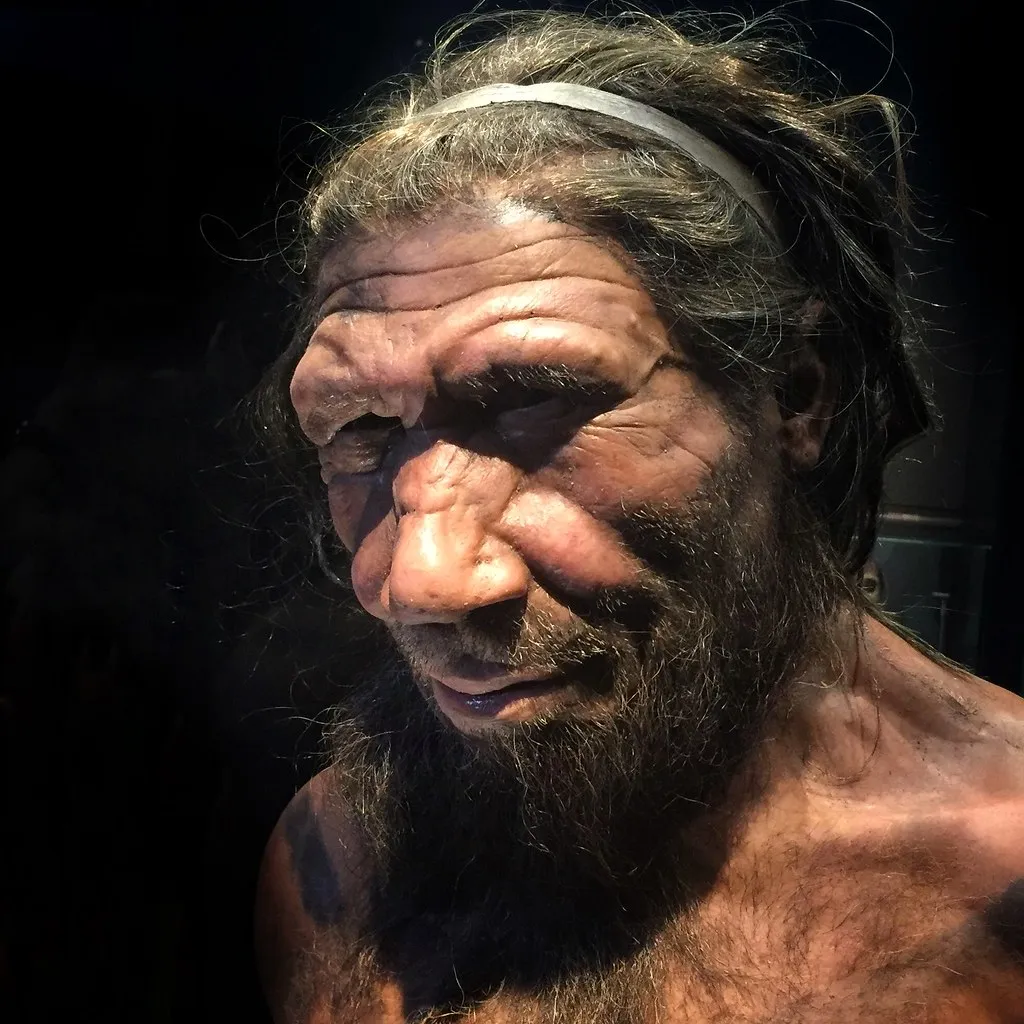
One of the most quietly shocking details about Neanderthal finds is the presence of individuals who lived into what would have been considered old age for that era. These older adults often show advanced tooth wear, arthritis, and other signs of long-term physical strain. Some were likely unable to process tough meat or chew hard foods without help, meaning someone else in the group had to adjust the way food was prepared, sharing softer portions or pre-chewing and carefully distributing scarce resources.
In small, mobile bands where every person’s ability to carry loads and hunt mattered, an elderly individual with worn teeth or diminished strength could easily be seen as a liability. Yet the fact that they reached that age at all suggests they were not treated as disposable. It raises the possibility that Neanderthals might have valued the knowledge, experience, or social presence of elders, even when their physical contribution had faded. Whether that value was practical, emotional, or both, it points toward a richer social life than the old stereotype of the brutal caveman allows.
Kinship, Emotions, and the Limits of “Cold” Evolution
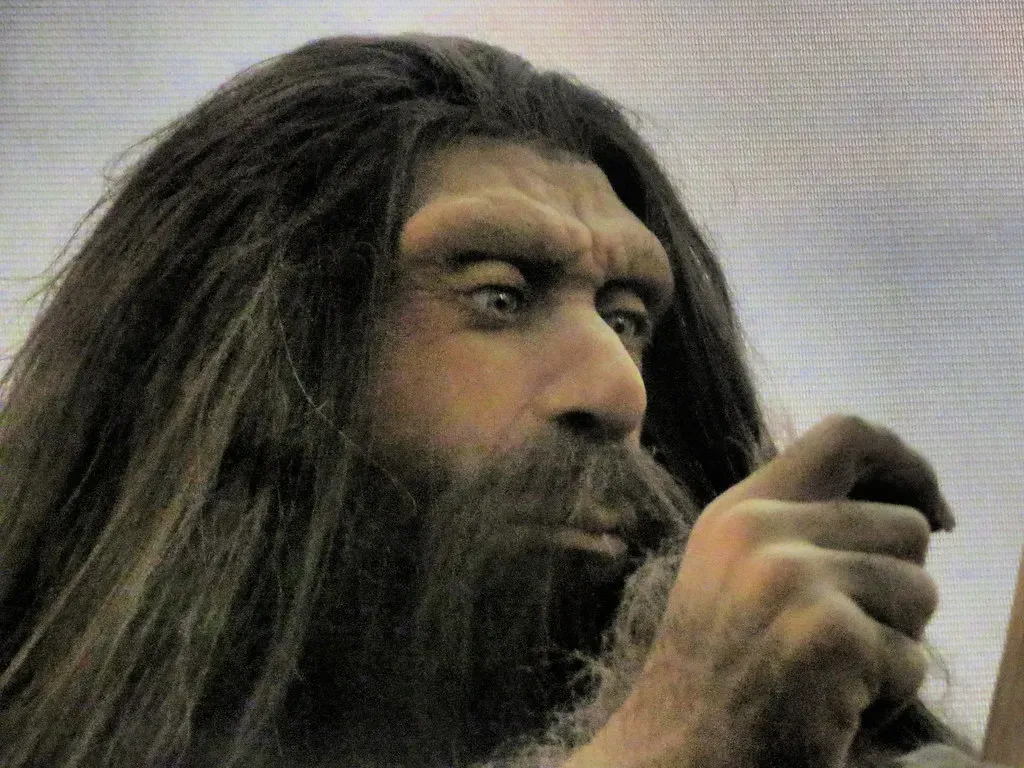
Evolutionary thinking often focuses on genes and survival, but humans – and apparently Neanderthals – do not live as isolated calculators of cost and benefit. Caring for injured and elderly individuals might partly be explained through kin selection, since helping relatives can indirectly preserve shared genes. But some Neanderthal cases challenge even that explanation, because the intensity and duration of care seem to go beyond what a strict gene-focused model would easily predict in such a demanding environment.
It is plausible that emotions like affection, attachment, and grief were already doing real work in Neanderthal groups, nudging behavior away from ruthless efficiency. Once social bonds reach a certain strength, leaving someone behind is no longer just a practical decision; it becomes an emotional rupture that affects the entire group. The archaeological record cannot show feelings directly, but the choices implied by years-long support for disabled individuals hint that inner lives and emotional worlds were already shaping survival long before written history.
Compassion Without a Payoff: What That Really Means
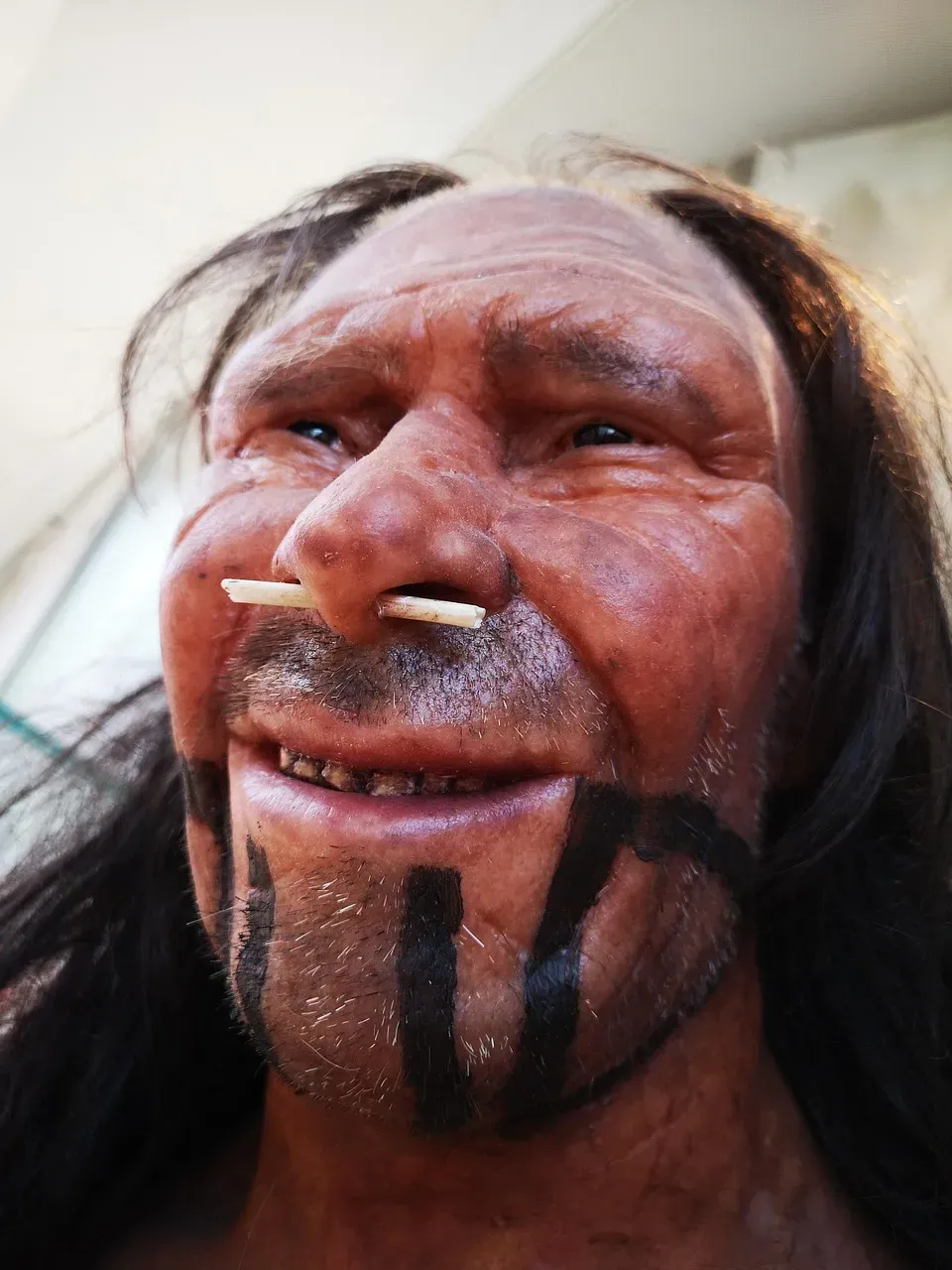
When scientists argue that Neanderthals cared for group members with no obvious survival advantage, they are not claiming that every act of care was purely selfless or that all Neanderthals were gentle saints. Instead, the point is that in multiple documented cases, the cost of caring appears to outweigh any clear practical benefit, at least in the short term. Keeping an injured hunter alive who may never fully recover, or supporting an elder who cannot contribute much physically, looks like compassion leaking beyond the tight boundaries of natural selection’s simplest rules.
This does not mean evolution stops at compassion’s door, but it suggests the story is more complex than a neat equation. Once a species evolves the capacity for deep social bonds, empathy, and long-term memory of shared experiences, those traits can drive behavior that seems irrational in a narrow sense. Compassion can persist and even flourish in conditions where it is risky, wasteful, or dangerous, simply because the emotional cost of turning away becomes too high. That is exactly what the Neanderthal evidence whispers: caring can stubbornly survive, even where it does not obviously help you survive.
Why Neanderthal Compassion Changes How We See Ourselves
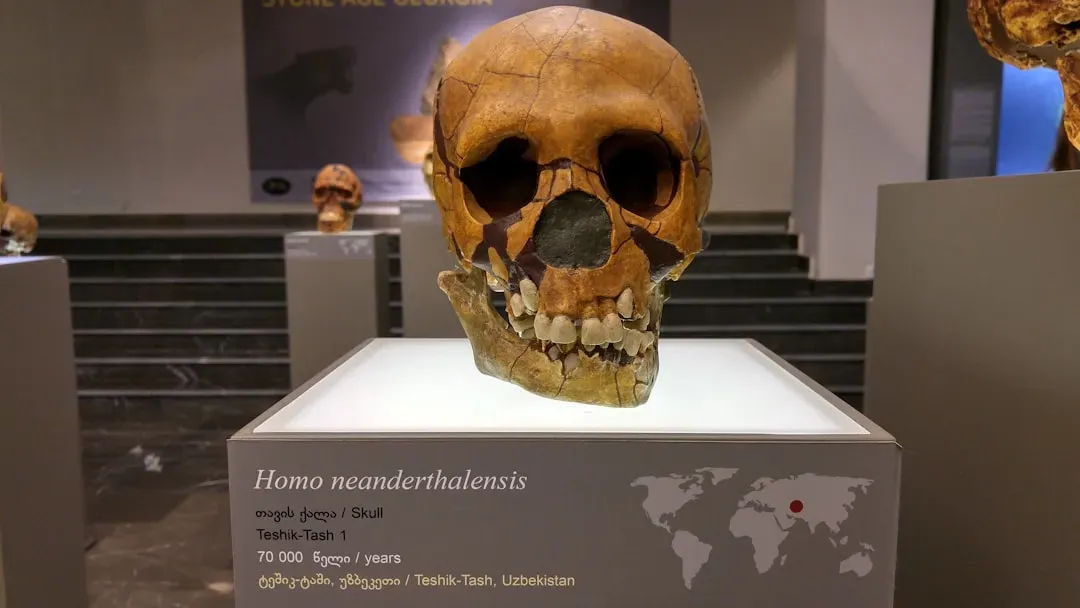
Many of us grew up with a simple story: modern humans are the smart, symbolic, empathetic species, and Neanderthals were our dim, brutal cousins who could not keep up. The growing body of evidence for Neanderthal caregiving punches a hole right through that comforting narrative. If another human species – one that vanished tens of thousands of years ago – nurtured its injured and honored its elders, then empathy is not our exclusive badge of sophistication. It is something older, more widespread, and possibly more tangled into our shared evolutionary roots than we like to admit.
I find that personally humbling. It means that when we talk about kindness as a marker of progress or civilization, we might be missing the fact that compassion was already walking beside us in icy valleys long before cities, writing, or religion. To me, the real provocation is this: if Neanderthals could carry vulnerable companions through environments that genuinely threatened their own survival, what excuse do we have, with all our technology and abundance, when we fail to care for people who need us now?
Conclusion: The Oldest Test of Who We Are
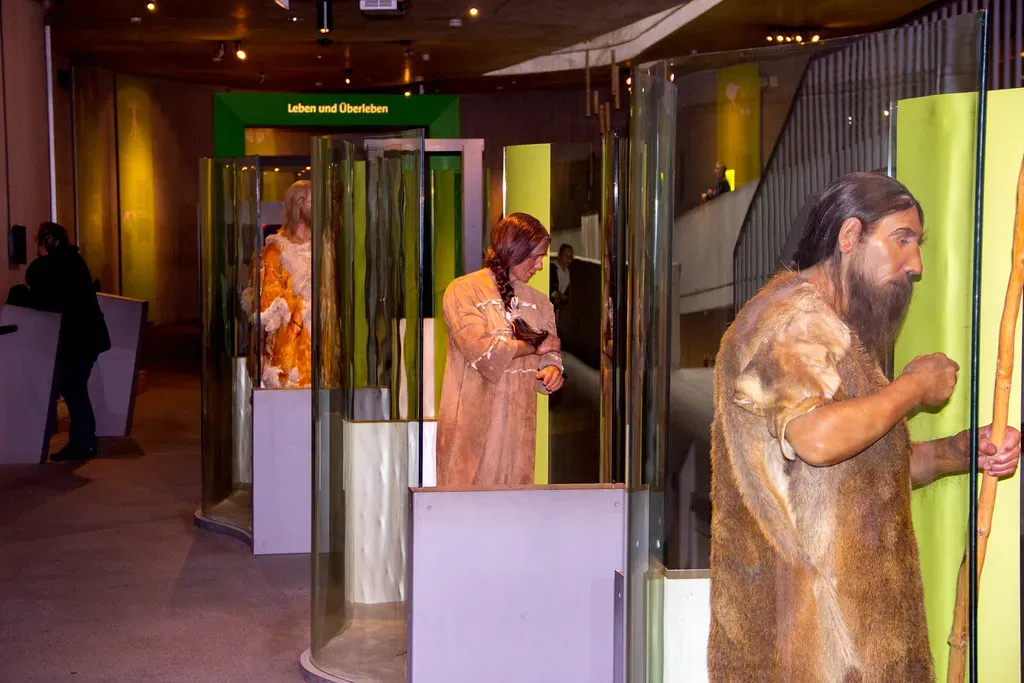
Looking at Neanderthal skeletons that bear the scars of old injuries and the signatures of long survival, it is hard not to feel that we are glimpsing the roots of our moral instincts. The evidence does not show sugary sentiment or romantic heroism; it shows messy, costly choices to keep people alive who could have been left to die. In my view, that makes Neanderthals feel closer to us, not further away: they faced the same ancient question we still face today – do we walk on, or do we stay and help?
If a species living on the edge of extinction could repeatedly choose care over convenience, then compassion is not a fragile ornament that appeared late in human history. It is a deep, stubborn current that flows underneath our survival strategies, sometimes in defiance of them. That puts the burden back on us: whenever we act as if kindness is a luxury we cannot afford, we are being less human, not more advanced. In the end, maybe the real measure of any society – ancient or modern – is not how efficiently it competes, but how stubbornly it cares when there seems to be nothing to gain. Did you expect that lesson to come from Neanderthals?