

Think about the last time you were left on read, not invited, or quietly dropped from a group chat. Your logical brain probably said it was no big deal, but your body told a different story: racing heart, tight chest, spiral of self-doubt, maybe even that weird mix of anger and shame. It feels wildly out of proportion for something as small as a text or a look, but that intense reaction is not your imagination. Your nervous system is still playing by Stone Age rules, where being excluded could literally mean death.
Psychology and neuroscience increasingly suggest that our brains treat social rejection less like a minor emotional inconvenience and more like a life-threatening event. The stakes inside your body feel closer to getting banished from the only tribe that can protect you from predators, hunger, and total isolation. Once you see rejection through that lens, your own reactions start to make a surprising kind of sense – and that realization is both unnerving and strangely comforting at the same time.
The Ancient Survival Logic Behind Modern Hurt Feelings

Imagine living in a small hunter–gatherer group where survival depends on everyone having your back. If the tribe turns on you, you lose protection, shared food, and any chance of passing on your genes. In that world, being rejected is not just embarrassing, it is an existential emergency. Our ancestors who took social threats seriously were more likely to survive, stay connected, and raise children who did the same, so over countless generations, those hypersensitive social alarm systems got wired deep into us.
Fast forward to now, and that ancient wiring has not caught up with smartphones, big cities, or the ability to order groceries alone in your apartment. Your brain does not distinguish very cleanly between being frozen out by a small nomadic band and being ghosted after a third date. The context has changed completely, but the core survival logic has not: exclusion feels dangerous, belonging feels safe, and your body reacts as if the tribe might be slipping away any time someone pulls back or criticizes you.
Rejection Hurts Because Your Brain Treats It Like Physical Pain
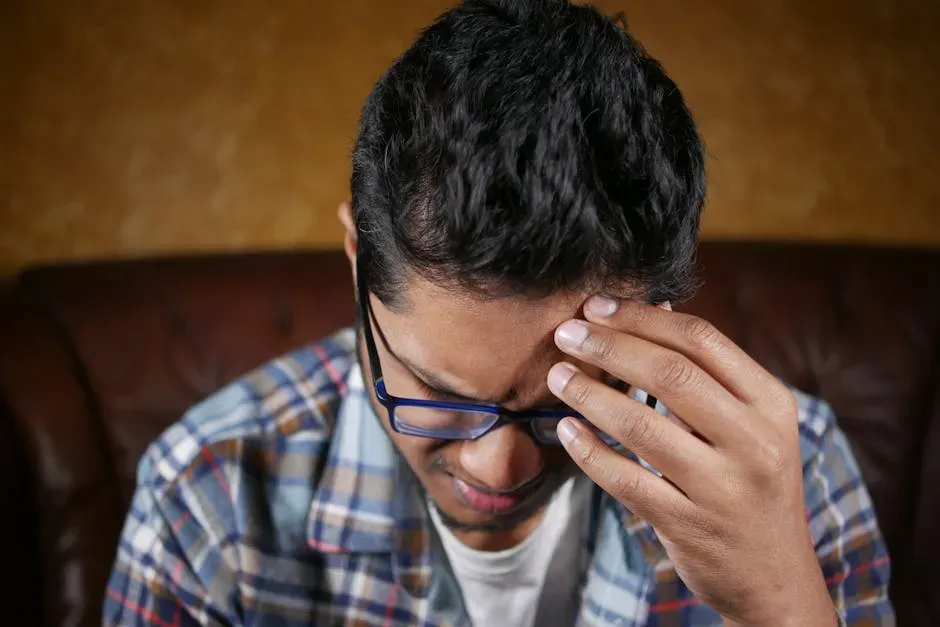
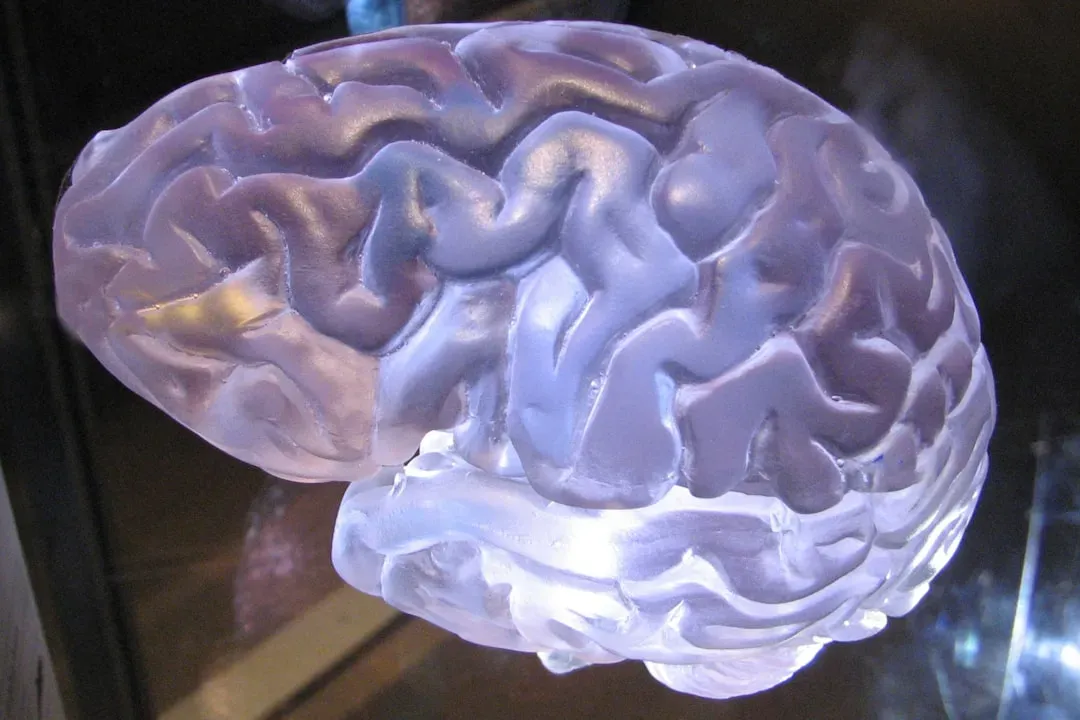
One of the most striking findings from social neuroscience is that social rejection and physical pain share overlapping brain circuitry. When people are excluded in experiments – like being left out of a simple ball-tossing game – areas in the brain tied to the unpleasantness of physical pain light up in brain scans. The brain is not just using a poetic metaphor when we say rejection hurts; it is literally processing it in ways surprisingly similar to being burned or injured.
This overlap is not an accident, it is an adaptation. Pain systems evolved to warn us about threats to our physical survival, so it appears evolution piggybacked on that same circuitry to warn us about threats to our social survival. It is more efficient to reuse an alarm system than build a completely new one from scratch. That is why even small slights can feel sharp and visceral, and why people sometimes describe heartbreak or humiliation with the same language they use for bodily wounds, even if they are not consciously aware that their brain is blurring that line.
Why Being Left Out Feels Disproportionately Catastrophic
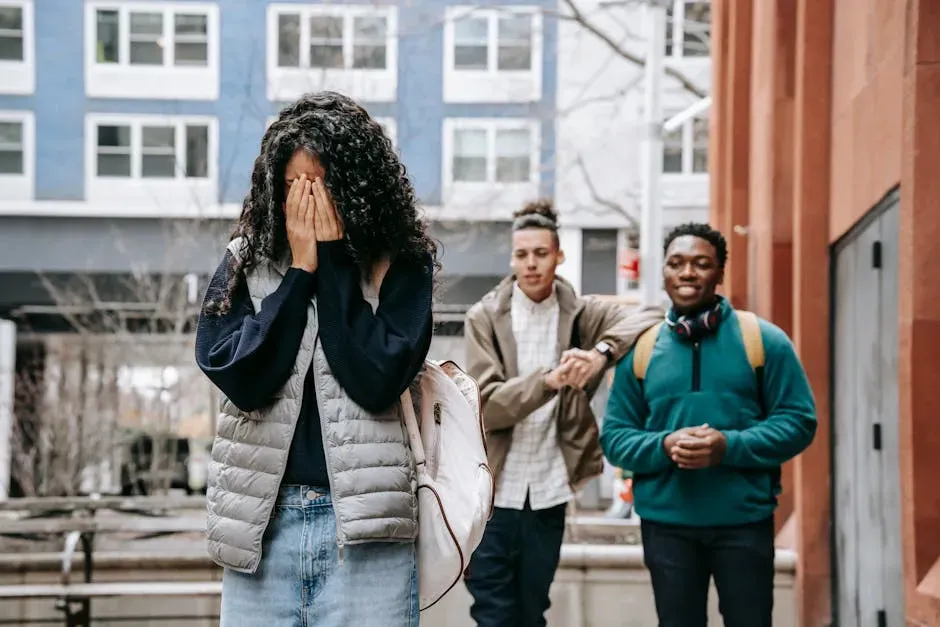
Most of us know, rationally, that missing one invitation or getting unfollowed is not going to end our lives. But our threat detection systems are not designed to be rational; they are designed to be fast and overprotective. In a tribal environment, underreacting to rejection could have been fatal, while overreacting was relatively low cost. It was safer to treat every hint of exclusion as a potential catastrophe, and that bias still lives in the way we interpret other people’s moods, words, and silences.
This is why a passing comment can ruin your day or a minor conflict can spiral into hours of rumination. Your mind jumps from one small event to sweeping meanings about your worth, your likeability, and your long-term belonging, as if everything is suddenly on the line. It feels like the emotional version of your smoke alarm going off at burned toast: annoying, but understandable once you realize it was built to react strongly long before there is an actual fire. The alarm is calibrated for survival, not for social nuance.
How Rejection Hijacks Your Body: Stress, Anxiety, and Shutdown

When you sense social rejection, your body often flips into a stress response that looks remarkably similar to what happens during physical danger. Stress hormones surge, your heart rate can increase, your muscles tense, and your attention narrows around the perceived threat. From an evolutionary perspective, this makes some sense: if your place in the group is shaky, you need to be hyper-alert to every cue that might tell you whether you are in or out, safe or in trouble.
For some people, this shows up as anxious people-pleasing and overanalyzing every tiny interaction, trying desperately to fix whatever went wrong. For others, the nervous system eventually gives up and swings into a kind of shutdown, where you feel numb, detached, or deeply unmotivated, much like an animal playing dead when escape feels impossible. Both patterns are ancient survival responses trying to solve a social problem with a biological toolkit that was never designed for the subtleties of office politics or group chats.
Social Media: A Stone Age Brain in a Hyperconnected Arena
Social media pours gasoline on our ancient fear of exile. In a small tribe, you might have known roughly where you stood with twenty or thirty people. Today, you can watch, in real time, how many people respond, react, or scroll past you, and every number or silence becomes a signal your brain tries to decode. Your nervous system, built for face-to-face cues and tone of voice, is forced to interpret likes, unread messages, and vague posts instead, which leaves a lot of room for worst-case interpretations.
That is why a dip in engagement or a wave of online criticism can feel devastating, even when you know on some level that algorithms and timing play a huge role. Your Stone Age brain does not see code and server traffic; it sees visible evidence that the tribe may be turning away, and it reacts as if your safety is at risk. The cruel twist is that the more you hurt, the more you may seek validation online, which keeps your nervous system stuck in a loop of craving, comparison, and constant fear of social death.
How Our Rejection Sensitivity Warps Relationships

When rejection feels like exile, we often behave in ways that unintentionally push people further away. If you are highly sensitive to signs of distance, you might start over-texting, overexplaining, or demanding reassurance in ways that feel overwhelming to others. On the flip side, some people cope by pulling away first, convincing themselves they do not care or that connection is not worth the risk, which can make genuine closeness harder to build or maintain.
I have watched friendships and dating situations crumble not because anyone was cruel, but because both sides were busy managing their own ancient fear of being the one left behind. Someone waits a bit too long to reply, the other person feels rejected, reacts defensively or goes cold, and suddenly both are acting from a place of wounded pride rather than honest connection. Underneath the messy behavior is usually the same quiet terror: if you really saw me and knew me, would you still keep me in the tribe, or would you eventually send me packing?
What Actually Helps: Rewiring the Tribal Alarm System
The goal is not to stop caring about belonging, because that need is baked into being human, but to update the alarm system so it is not constantly screaming that your life is on the line. One powerful starting point is simply naming what is happening: instead of thinking you are overdramatic, you can recognize that your brain is running an ancient survival script. That tiny bit of distance makes it easier to pause before you react, to breathe, and to question the catastrophic story your mind is spinning about being unlovable or permanently excluded.
Over time, consistent experiences of safe connection can literally reshape the brain pathways involved in threat and trust. This can look surprisingly ordinary: a few close friends you can be honest with, a therapist who offers steady support, or even a hobby group where you feel accepted without performance. Each moment of being included when you expected rejection is like gently teaching your nervous system a new rule: not every conflict equals exile, not every silence means the tribe is gone, and you can survive discomfort without abandoning yourself or others.
Conclusion: We Still Fear the Spear, Even When It Is Just a Seen Message
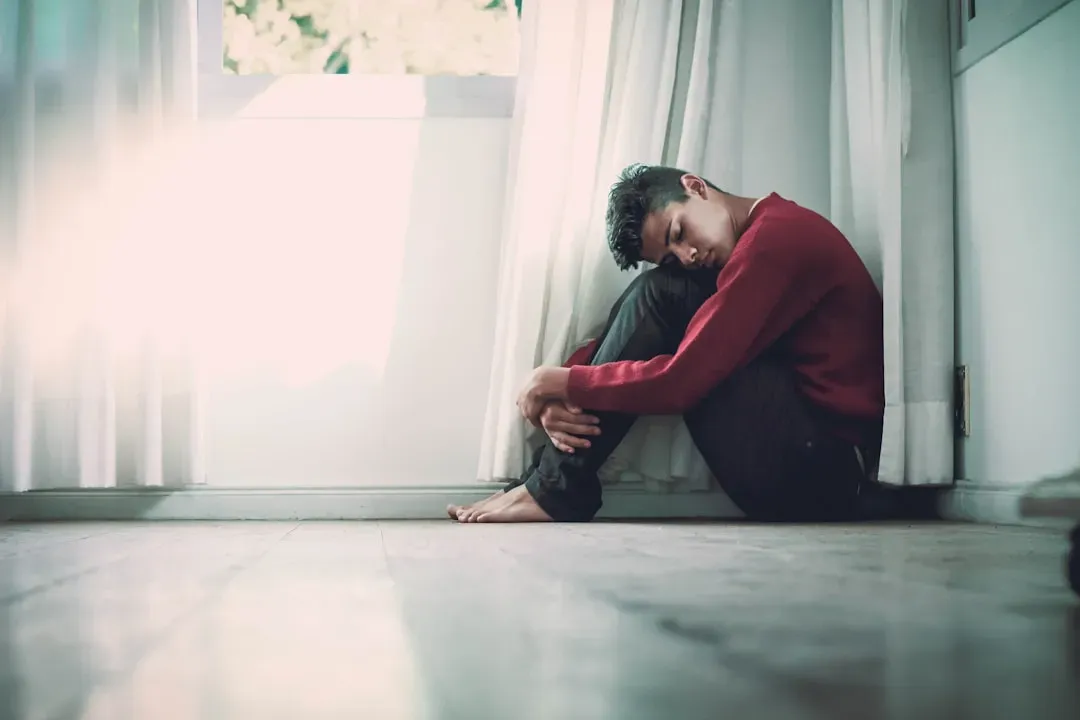
At a biological level, we are still walking around with nervous systems tuned for campfires and small bands of familiar faces, while living in a world of notifications, crowded cities, and fragile digital ties. That mismatch helps explain why something as small as a canceled plan or a cold tone can feel as dangerous as a flashing predator in the dark. Our reactions are not weak or irrational so much as outdated, built for a time when losing connection really did mean losing almost everything. The pain is real, but the stakes are often not as lethal as our brains insist.
My own opinion is that one of the most quietly radical things we can do is to treat social pain as seriously as we treat physical pain, without letting it dictate our every move. Instead of mocking ourselves for caring too much, we can respect that ancient part of us while also choosing more modern responses: honest conversations, healthier boundaries, and a willingness to stay present even when we feel shaky. We may never fully silence the old tribal alarm, but we can learn to hear it, thank it for trying to protect us, and then decide for ourselves what kind of tribe we want to build and keep. When you feel that old fear rising, what if the real question is not whether you will be exiled – but whether you are willing to stay truly present with the people who are actually here?