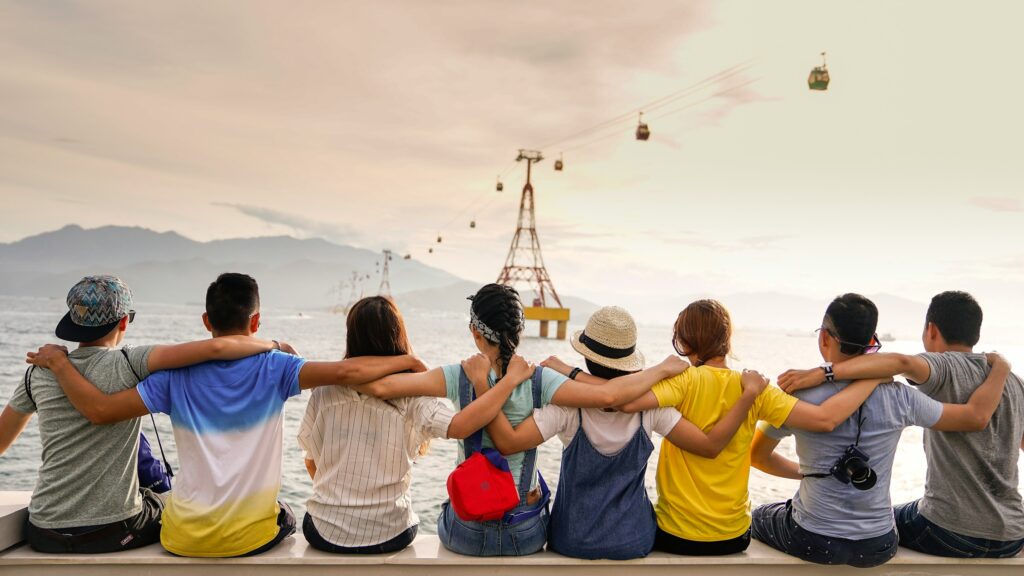
Think about the last time you felt left out – maybe a group chat you were not added to, a party you saw only on social media, or a colleague lunch you heard about after the fact. That small sting of exclusion feels strangely big, almost disproportionate to what actually happened. Yet psychology suggests that this reaction is not dramatic at all; it is ancient wiring, honed over thousands of years when being left out did not just hurt your feelings, it threatened your survival.
Our need to belong is not some soft, modern craving for validation; it is a hardwired survival mechanism that helped our ancestors stay alive in harsh, unpredictable environments. When you realize that your brain still acts as if social rejection could be deadly, a lot of modern behavior suddenly makes sense – from obsessing over likes to staying in draining relationships just to avoid being alone. The real question is not whether we want to belong, but how much of our life is still being quietly steered by this old survival instinct.
The Ancient Roots of Our Need to Belong
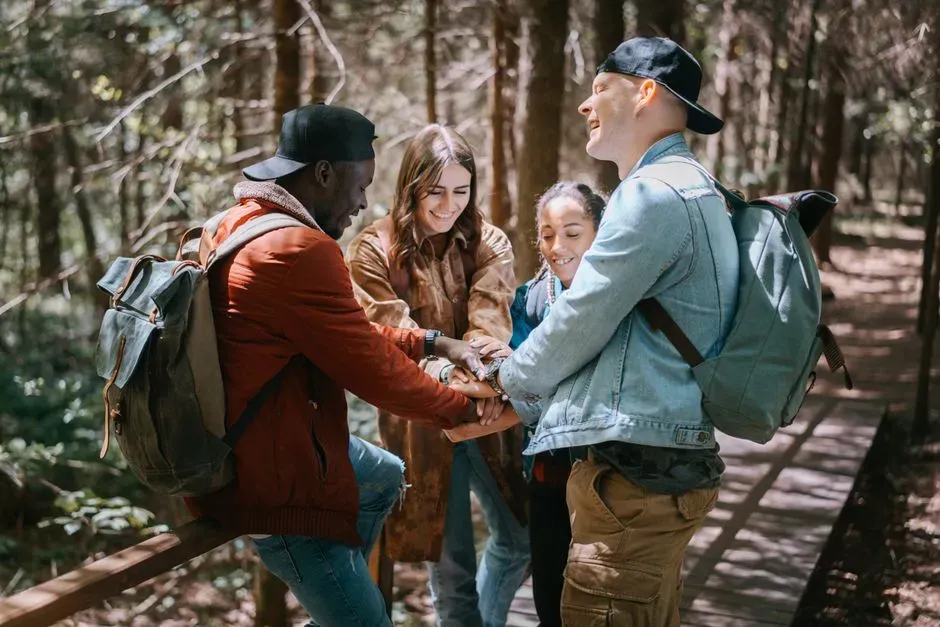
Long before cities, smartphones, and office politics, humans survived in small groups that hunted, gathered, protected one another, and shared resources. Being part of a group meant food, warmth, protection from predators, and help when you were injured, pregnant, or sick. On the flip side, being cast out – even a little – could mean less food, less protection, and a much lower chance of passing on your genes. Over time, people whose brains treated rejection as a serious threat were more likely to take steps to stay connected and, as a result, more likely to survive.
This is why modern rejection can feel so primal, even when nothing physically dangerous is happening. A delayed text back or a cold response from a friend can trigger a rush of anxiety that feels much bigger than the situation calls for. On a deep level, your nervous system is still running the ancient equation: belonging equals safety, isolation equals danger. Our emotional life today is built on a nervous system that learned its rules in caves and open plains, not in offices and comment sections.
Why Rejection Hurts Like Physical Pain
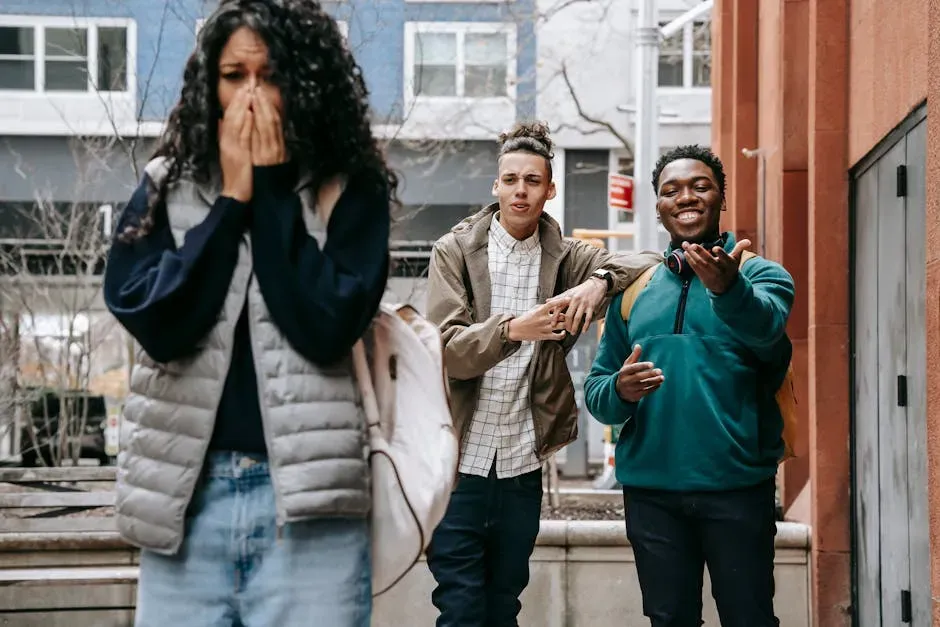
Have you ever noticed that heartbreak or social exclusion does not just feel “sad,” it feels like being physically hit? That is not just a poetic description; brain imaging studies show that some of the same neural regions involved in processing physical pain light up when we experience social rejection. In other words, the brain tags being left out as a threat worth paying close attention to, not a minor emotional inconvenience.
From an evolutionary standpoint, this overlap makes sense. If you are wired so that exclusion feels painful, you are much more likely to change your behavior to avoid being pushed out of the group. Pain is the body’s emergency siren, screaming that something is wrong and needs fixing. Social pain uses the same alarm system to say: you are drifting toward isolation, do something before it is too late. That is why people will sometimes compromise their values, stay quiet, or even join in on something they dislike, just to avoid that unbearable sting.
The Brain’s Social Radar: Always Scanning for Belonging
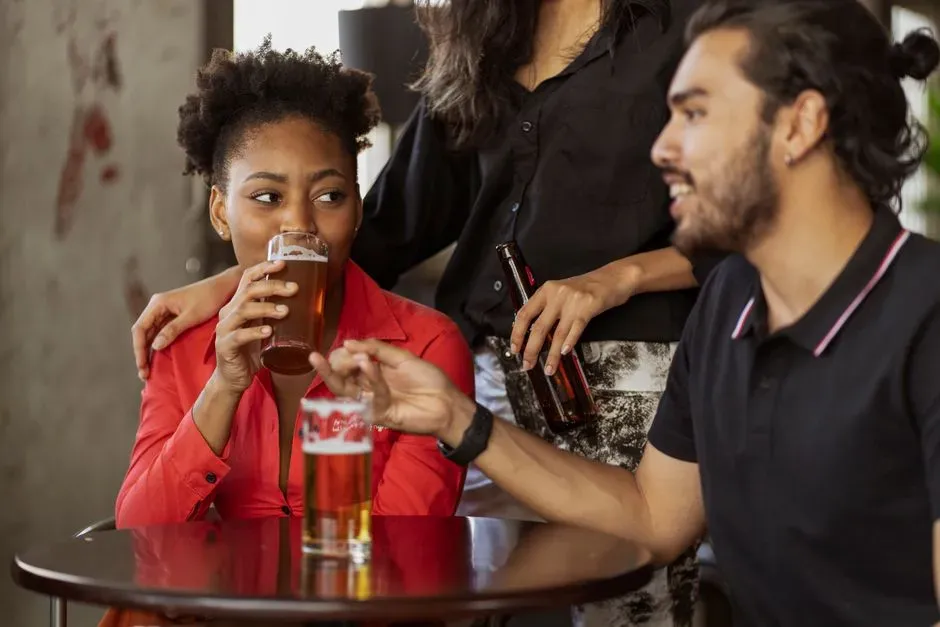
Our brains are constantly scanning for signals about where we stand with others, even when we are not consciously thinking about it. Subtle cues – tone of voice, eye contact, a quick glance at a phone while we are talking – can all be read by the brain as signs of inclusion or exclusion. This “social radar” evolved to help us track whether we were safely in the group or at risk of being pushed out, long before we had language to talk about feelings or relationships.
This is one reason why social anxiety can feel so overwhelming: the brain treats uncertain social situations like high-stakes tests of safety. Will they like me, will I fit in, will I say something wrong – these are not just worries about awkwardness, they are echoes of a deeper fear of being alone in a dangerous world. The modern environment, with constant digital feedback and comparison, turns that radar up to maximum volume, giving it more signals to interpret – and overinterpret – than it was ever designed to handle.
Tribes, Teams, and “Us vs. Them” Instincts

Belonging is powerful, but it has a sharp edge: as soon as there is an “us,” there is almost always a “them.” Early humans who formed tight-knit tribes had an advantage, because coordinated groups could share labor, defend territory, and outcompete rivals. The same instinct that makes us feel safe with “our people” can also make us suspicious or hostile toward outsiders, even when they pose no real threat. You can see this instinct play out today in everything from sports fandoms to political polarization.
Psychologically, humans are wired to categorize quickly: who is with me, who is not, who can I trust? That snap sorting was efficient in life-or-death environments, but in a modern, diverse world, it can easily become a source of prejudice, conflict, and misunderstanding. The challenge now is learning to harness our tribal instinct for belonging – building communities, teams, and friendships – without letting it harden into rigid walls that separate, dehumanize, or divide.
How Belonging Shapes Identity and Behavior
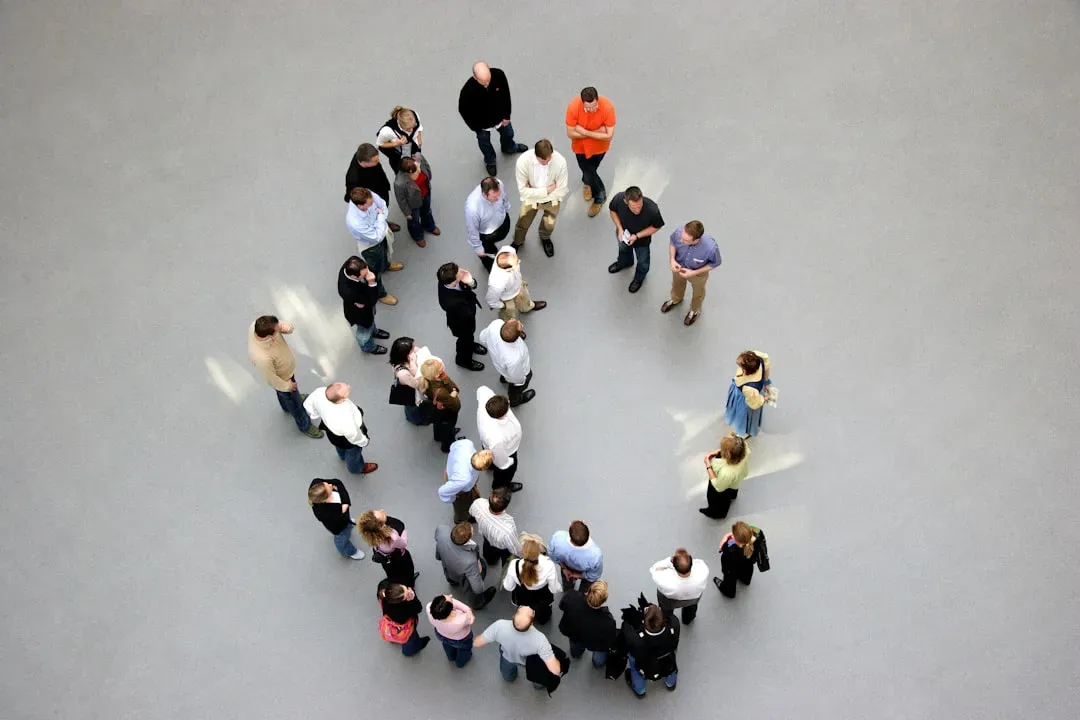
We like to think we choose our beliefs, habits, and even our tastes purely by logic or personal preference. In reality, the groups we belong to shape our identity far more than most of us want to admit. People often adopt the attitudes, language, and values of their closest circles, sometimes without realizing it. If your group sees something as normal – like working nonstop, drinking heavily, or always being “on” – you are much more likely to go along, not because it is objectively right, but because it keeps you safely inside the circle.
This does not mean we are mindless followers; it means that the cost of going against your group is high enough that your brain will quietly lean toward conformity. On the positive side, this is exactly how supportive communities help people change their lives for the better, whether it is getting healthier, staying sober, or taking creative risks. When being your best self is the price of admission to a group, our survival instinct to belong suddenly becomes a powerful engine for growth instead of a trap of conformity.
The Dark Side: Loneliness as a Modern Survival Alarm

Loneliness is not just about being alone; it is about feeling that you do not meaningfully belong anywhere, even when you are surrounded by people. Researchers increasingly view chronic loneliness as a serious health risk, linked with higher rates of illness and earlier mortality. From an evolutionary angle, this makes unsettling sense: if your system perceives you as socially isolated, it shifts into a kind of alert mode, treating the world as more threatening and your future as more uncertain.
Ironically, that survival mode can make things worse. People who feel lonely may become more guarded, suspicious, or self-critical, which makes it harder to form the very connections they need. It is like your brain is pulling the fire alarm but also locking the doors. Understanding loneliness as an ancient warning signal – not a personal failure – can soften the shame around it and make it easier to reach out, join communities, or ask for help. In a world where so many people feel disconnected, answering that old alarm might be one of the most important health decisions we can make.
Social Media: Ancient Instincts on Modern Steroids
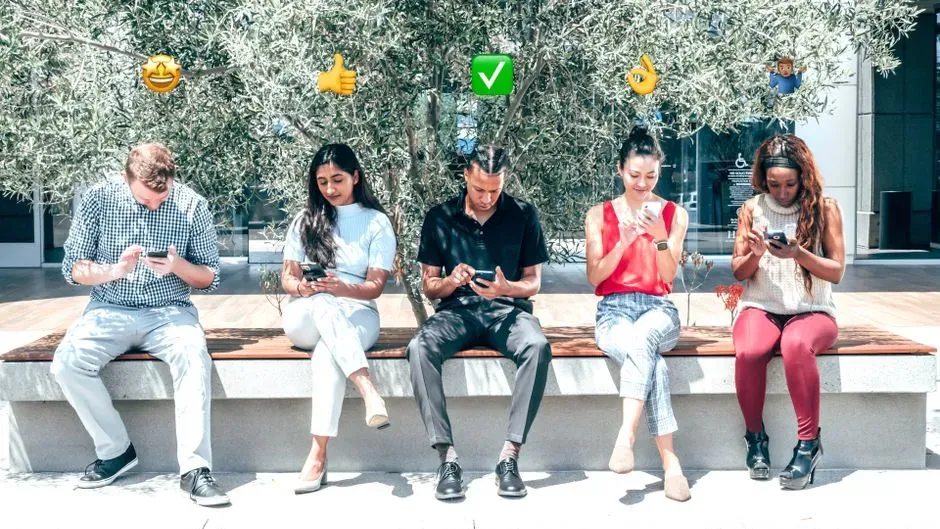
Our need to belong was calibrated for small groups where feedback was slow and local: a nod around the fire, a shared meal, a story told to a handful of people. Social media takes that same instinct and plugs it into a global amplification system. Now, tiny signals of belonging – likes, follows, comments – arrive in constant waves, and a single moment of exclusion or criticism can be broadcast to thousands. No wonder so many people feel emotionally whiplashed by their feeds.
What makes this especially tricky is that the brain does not fully distinguish between online and offline social cues. That anxious feeling when a message is left on read or a post flops is your ancient survival system reacting as if you are losing status or being side-eyed by your tribe. Used thoughtfully, social platforms can absolutely help people find real community and support. But if we are not aware of how old instincts are being hijacked by new technology, we end up letting algorithms shape our self-worth more than our actual lived relationships do.
Turning Our Need to Belong into a Superpower
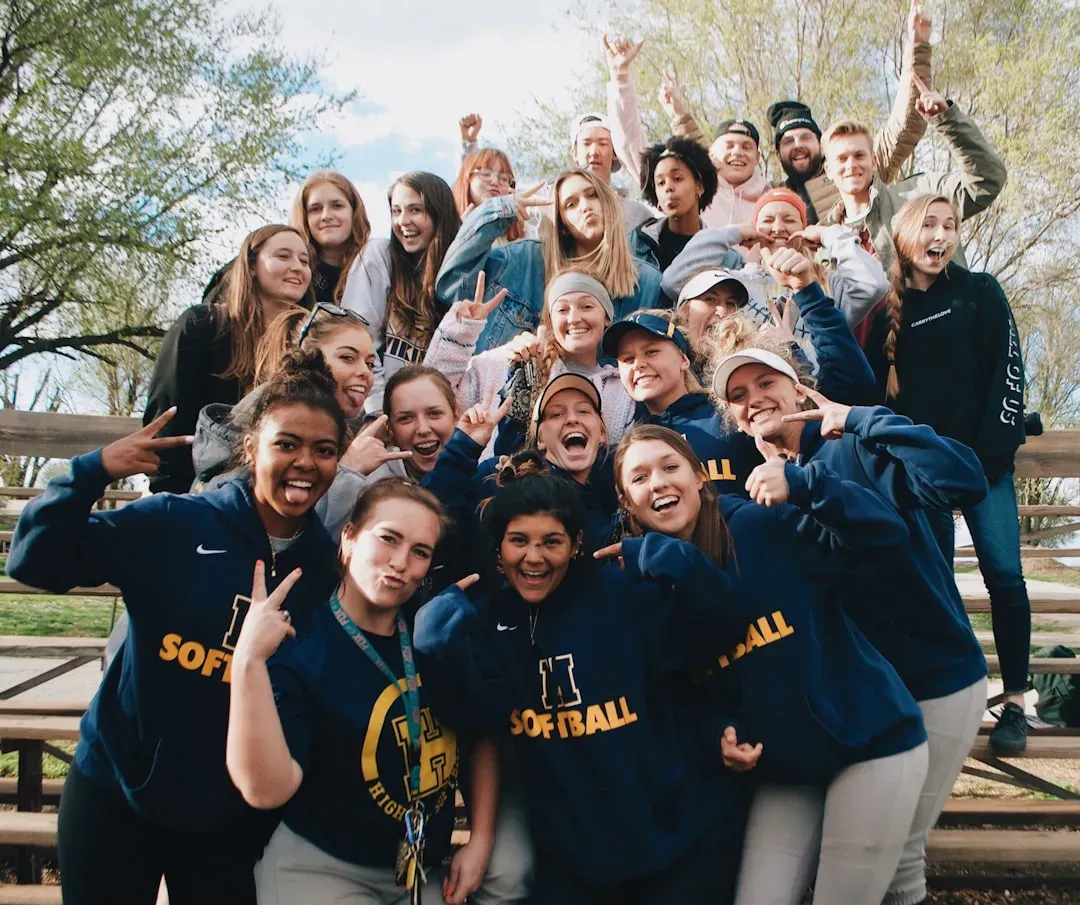
Here is the hopeful twist: if the need to belong is that deep and that powerful, we can either let it run our lives on autopilot, or we can work with it deliberately. That means choosing communities, friendships, and environments that genuinely align with our values, instead of chasing acceptance from any group that will have us. It also means recognizing when we are about to betray ourselves – agreeing with something we do not believe, staying silent when we should speak – just to avoid the old fear of being pushed out.
On a personal level, one of the most freeing realizations is that everyone, even the people who seem confident and self-contained, is fighting some version of the same ancient fear. I remember sitting in a crowded café once, looking around and thinking: every person here wants to feel like they matter to someone, just like I do. That simple thought made me softer, more willing to smile first, send the first text, or invite someone in. When we honor our need to belong without letting it own us, it stops being a weakness to hide and starts becoming a compass that points us toward deeper, healthier connection.
Conclusion: Belonging as Both Vulnerability and Power
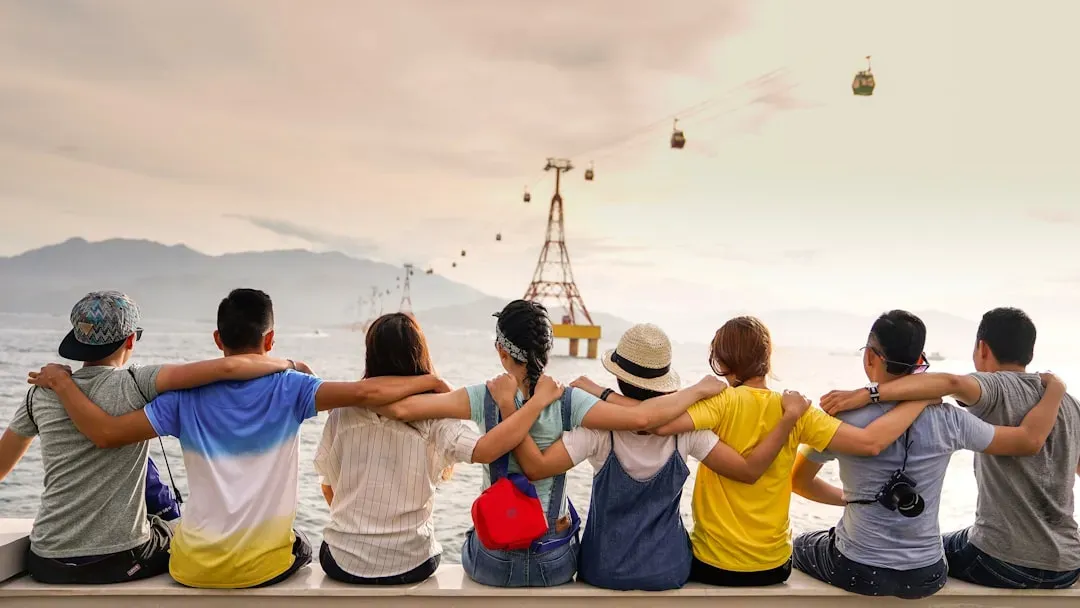
If you strip away the layers of modern life, one stubborn truth remains: humans have always survived together, not alone. Our need to belong is not a flaw to outgrow, it is an ancient survival code still running in the background of everything we do. Ignoring it leaves us lonely and confused; worshipping it turns us into people-pleasers and echo chambers. The real power lies in seeing it clearly – knowing that the sting of exclusion and the warmth of inclusion are not overreactions, but the echoes of a time when your group really was your lifeline.
In my view, the bravest thing we can do now is to update that old survival instinct instead of pretending we are above it. Choose where you belong instead of begging to be accepted anywhere, question your own “us vs. them” reflex, and treat other people’s longing to be included as something sacred, not weak. Our biology may be ancient, but what we build with it is up to us. If belonging has always been about survival, maybe the next evolution is making sure we create groups where everyone is actually worth surviving with – would you have guessed something so old could still be that urgent?