If you’ve ever fallen down a late-night rabbit hole of dinosaurs, dodos, mammoths, or giant ancient sharks, you’re not weird – you’re onto something deeply human. That pull toward extinct creatures is about much more than cool fossils and dramatic documentaries. For a lot of people, it comes with a quiet feeling that the present day is oddly flat, overexplained, and stripped of mystery, like someone turned all the world’s colors down a notch.
I’ve noticed this in my own life. The more time I spend reading about creatures that vanished millions of years ago, the more the traffic, screens, and endless notifications around me feel strangely small. Psychology actually gives us a few good reasons why this happens. Let’s dig into why people who are obsessed with extinct life often feel that the modern world has lost its sense of wonder – and why that feeling might be both a warning sign and a hidden gift.
The Deep-Time Effect: When Your Mind Time-Travels and Everyday Life Shrinks
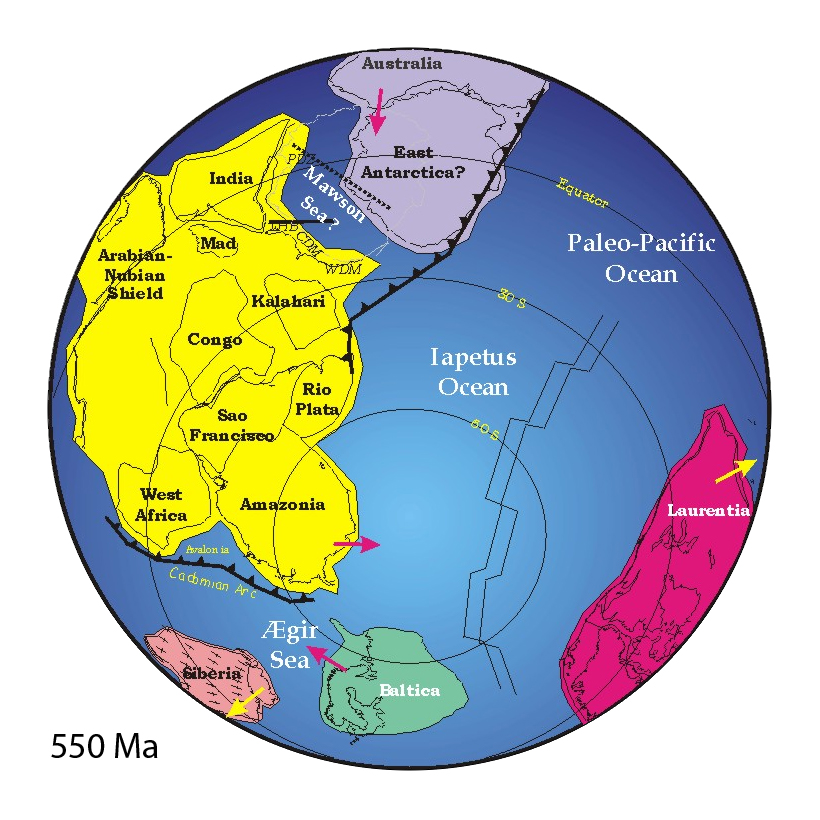
Think about what your brain has to do when you picture a dinosaur or a trilobite. You are not just imagining an animal; you are imagining a planet that looked nothing like the one outside your window. Oceans in different places, continents in other shapes, skies filled with unfamiliar species – your mind is forced into what psychologists call deep-time thinking, where your usual sense of “recent” and “long ago” completely breaks down. That shift can make the present feel small and temporary, like a short chapter in a book that’s billions of pages long.
Once you get used to thinking in deep time, rush-hour traffic, office deadlines, or social media arguments start to feel strangely fragile and almost absurd. It is not that these things stop mattering, but they lose their illusion of being the entire universe. This contrast can leave people both awestruck and a bit disoriented. If you spend your evenings mentally wandering through a Cretaceous swamp, it is no wonder that a brightly lit supermarket at 10 p.m. feels oddly empty of magic.
Nostalgia for a Past You Never Lived: Psychological Longing Without a Memory
Many people obsessed with extinct creatures describe a kind of homesickness for eras they never experienced. Psychologists sometimes talk about this as a form of existential or historical nostalgia – missing a time or place not because you remember it, but because it represents something you feel is missing now. Ancient worlds packed with bizarre animals become a symbol of raw, untamed mystery, the kind you rarely bump into while scrolling through your phone.
There is a quiet heartbreak built into this kind of fascination. Every extinct animal is a story that ended, a branch of life cut off forever. When you care about those lost branches, you are also confronting the reality that not everything is replaceable or fixable. That can amplify the sense that our own moment in history is oddly thin, more about convenience than wonder. In a way, loving extinct creatures becomes a protest against an age that treats novelty like a product launch instead of a deep, soul-level experience.
Over-Explained Lives: How Information Kills (and Can Revive) Mystery
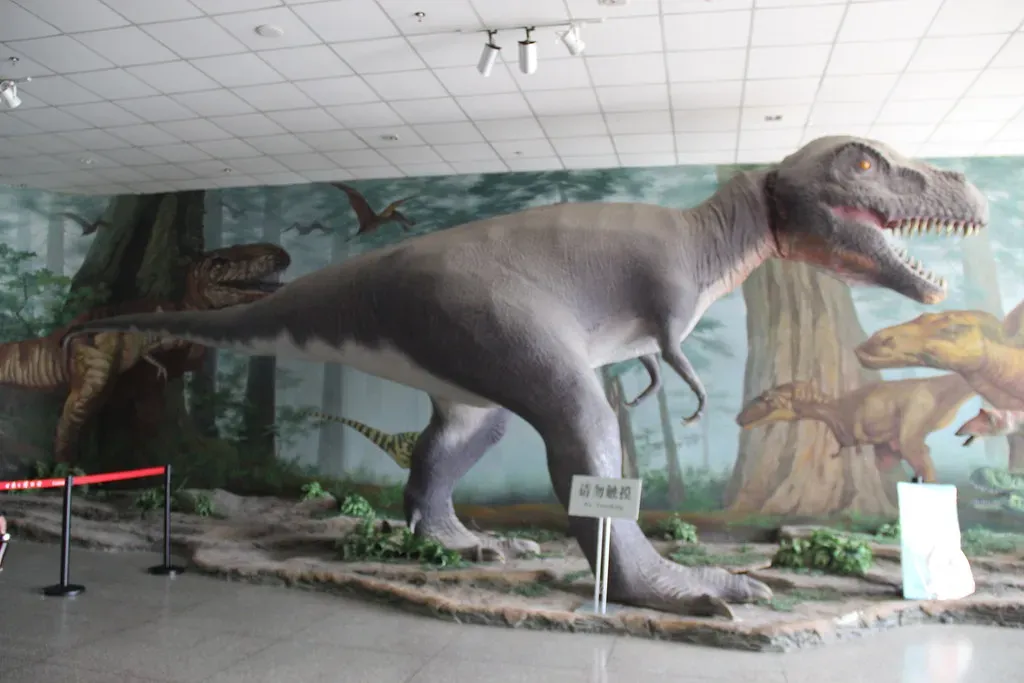
We live in a time when you can look up almost anything in seconds, and on paper that sounds like paradise. But psychologically, endless information can flatten experience. When every question seems to have a quick, bite-sized answer, your brain stops lingering in uncertainty, which is exactly where feelings of awe and wonder like to live. Extinct creatures are one of the few topics where – even with all our tech – we still run into honest unknowns and unsolved puzzles.
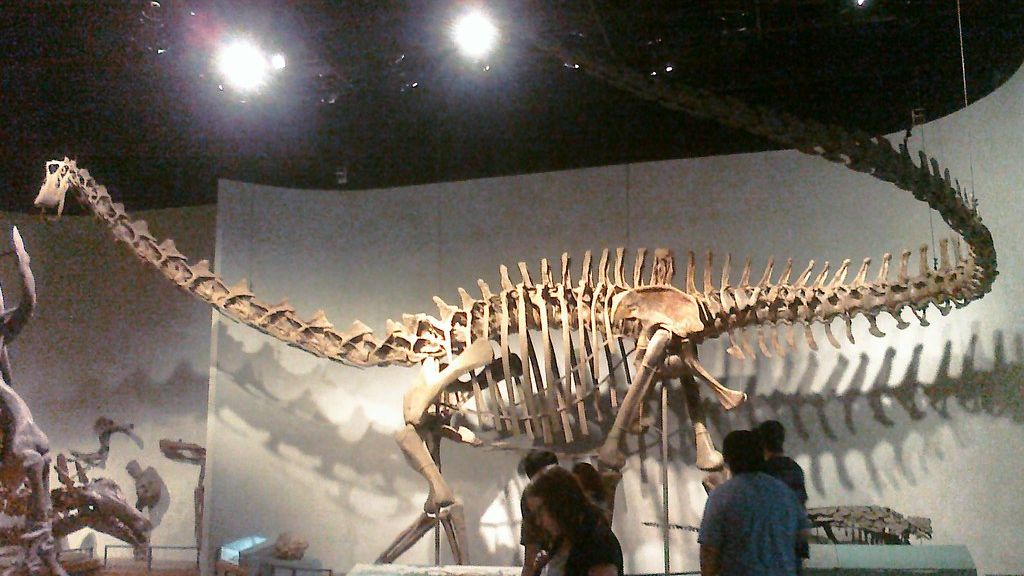
We do not know exactly what many dinosaurs looked like in color, how some species behaved in detail, what they sounded like, or how certain ecosystems really felt. There are educated guesses and models, but still huge gaps. Those gaps are not flaws; they are openings where the imagination can breathe. For people who feel suffocated by the constant illusion that “everything important is already known,” extinct animals are a reminder that the world, and our understanding of it, is still wildly incomplete.
Escaping the Algorithmic Present: Extinction as Quiet Rebellion
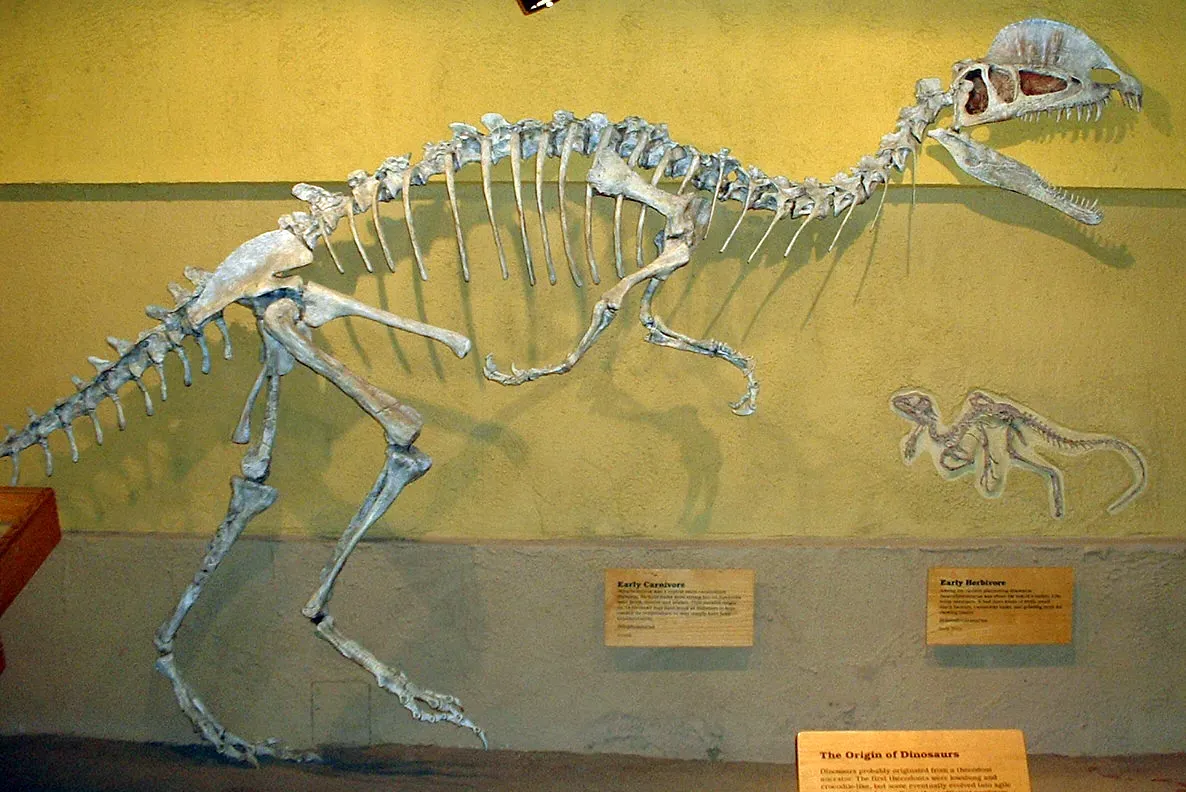
In a culture where algorithms constantly push what is trending, extinct creatures are, in a strange way, wonderfully off-trend. They are not trying to sell you something, they are not refreshing their feed, and they do not care about your notifications. When you spend time with paleontology books, museum exhibits, or long scientific lectures about fossilized ecosystems, you are stepping outside today’s hyper-optimized attention economy. That can feel like a small act of rebellion against a world that wants you to move fast and never look too deeply.
Psychologically, this is powerful. You are choosing to invest focus in something that will never be “current,” never go viral in a conventional sense. That choice can sharpen your sense that modern life is obsessed with the immediate and the disposable. When you are emotionally invested in creatures that lived millions of years ago, it becomes very obvious how shallow it can feel to live inside a twenty-four-hour news and trend cycle. Extinct animals, paradoxically, make the present look more temporary and less important than it pretends to be.
Awe, Fear, and the Thrill of Powerless Wonder
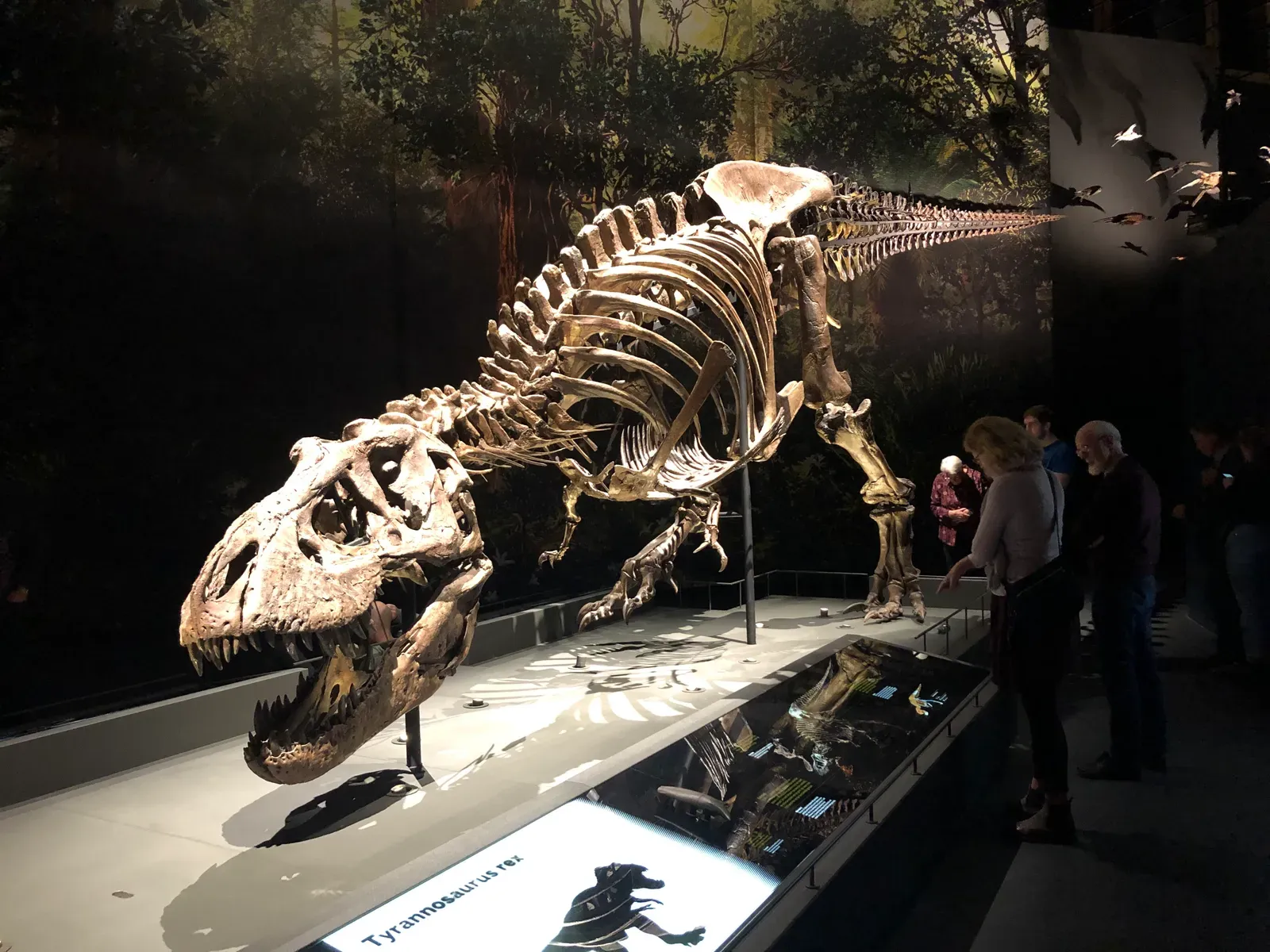
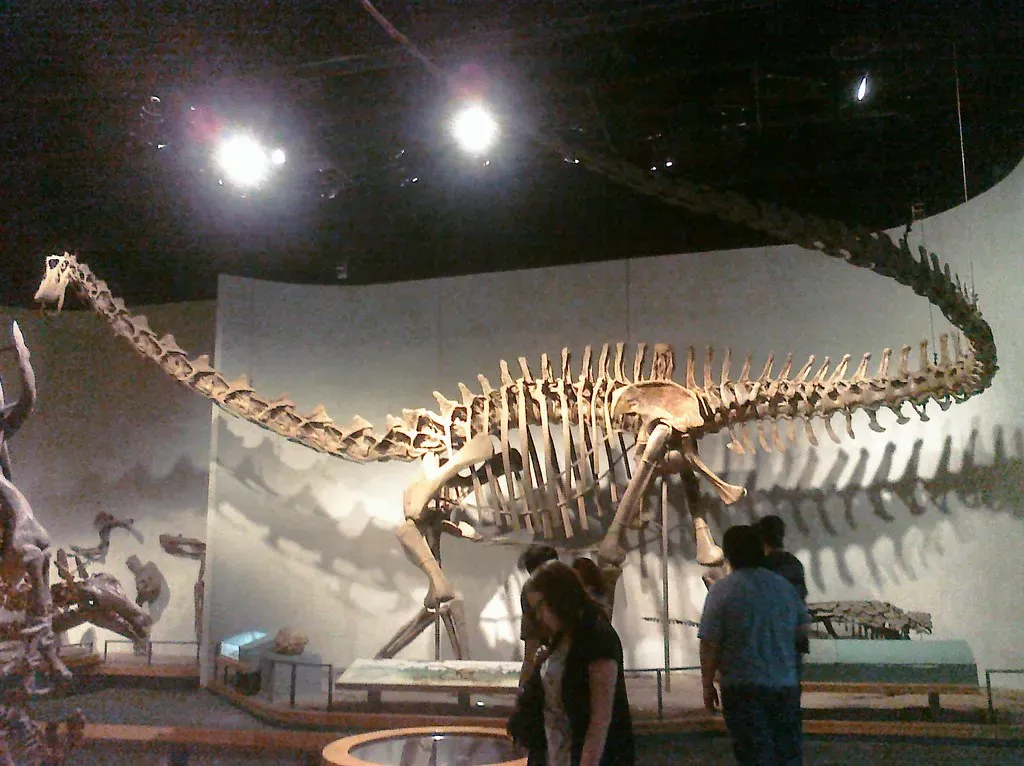
Extinct creatures, especially the giant or bizarre ones, are perfect machines for generating awe. Awe is that mix of being overwhelmed and fascinated at the same time, when something feels too big or too strange to fit neatly into your usual mental boxes. Psychologists have found that awe can make people feel smaller in a good way, less self-focused and more connected to something bigger. Dinosaurs, ancient marine reptiles, and long-lost megafauna deliver that feeling on demand, because you simply cannot imagine them without realizing your own smallness.
At the same time, there is a hint of fear in that fascination. Many extinct animals were dangerous, powerful, or just deeply alien by our standards. Yet they are safely gone, so the fear is abstract, almost like a controlled fire behind glass. People who feel that the modern world has lost wonder might be unconsciously seeking out this safe awe-and-fear mix because it reminds them that existence is not as tame as it currently appears. You are not supposed to feel like everything is manageable and optimized; some part of you craves the shock of realizing how little control you really have.
Extinction as a Mirror: Modern Anxiety About Loss and Collapse
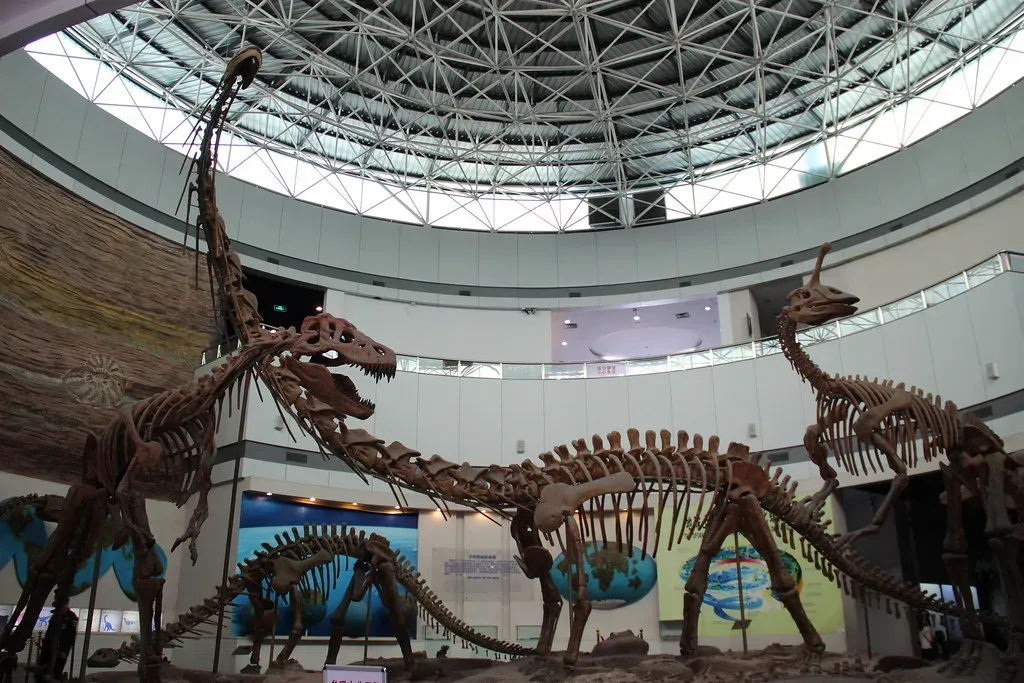
It is hard to care about extinct species without eventually asking how they vanished – and what that says about us. Extinction stories are rarely comforting. They involve changing climates, shifting environments, bad luck, and sometimes massive, sudden catastrophe. For people who are already worried about environmental damage, biodiversity loss, or climate change, extinct creatures become a kind of mirror held up to our own era. That mirror can make the present feel fragile and strangely haunted.
Instead of seeing the modern world as the triumphant end point of progress, people who think a lot about extinction often see it as just another precarious moment in a long chain of rise-and-fall cycles. That perspective can drain the glamour from shiny new technologies or consumer comforts. When you have spent time with the fossil record, you know entire ecosystems richer than ours have vanished. It becomes harder to believe that our moment is the peak of anything, and easier to feel that we might be standing on a very temporary ledge.
Childhood Wonder That Never Quite Went Away

Ask someone when they first got fascinated by dinosaurs or extinct monsters, and they will usually take you back to childhood. Little kids are naturally drawn to creatures that are big, strange, or slightly scary, because those things stretch their imagination as far as it can go. For some people, that curiosity never fades; it just gets more detailed and scientific. Instead of plastic toys, they collect field guides, academic lectures, or museum memberships. In a way, they are protecting a piece of wonder that adulthood tries to grind out of them.
When the adult world starts to feel dominated by bills, emails, and small talk, a person whose inner child is still alive will feel that mismatch very strongly. Extinct creatures become a portal back to that raw, unedited sense of amazement they felt as kids. If the modern world feels like it has lost its sense of wonder, it is often because adults are expected to trade curiosity for efficiency. People obsessed with extinct animals are, sometimes stubbornly, refusing that trade. They are choosing to keep a part of themselves that the modern world quietly tells them to discard.
Reclaiming Wonder in a Living World: Where Do We Go From Here?

Here is my honest opinion: people who are fascinated by extinct creatures are not just being nostalgic or quirky – they are diagnosing a real problem. The modern world is incredibly good at delivering comfort, speed, and stimulation, but not so great at delivering awe. That does not mean true wonder is gone; it means we have to work harder to find it, especially in places that are not designed to keep us endlessly clicking and consuming. Extinct animals are a powerful reminder that the universe is stranger and more dramatic than our daily routines will ever admit.
The challenge, I think, is to use that fascination as a bridge instead of an escape hatch. Let the awe you feel for extinct creatures push you to look differently at living ones, at wild places, at the night sky, even at the hidden ecosystems in a city park. If the past can blow your mind this much, the present deserves a closer look too. Maybe the real rebellion is refusing to accept a flattened, wonderless version of reality. So the question is not whether the world has lost its sense of wonder – it is whether we are willing to fight to see it again. Would you say you are just a dinosaur fan, or are you actually searching for a bigger, stranger story to live inside?