
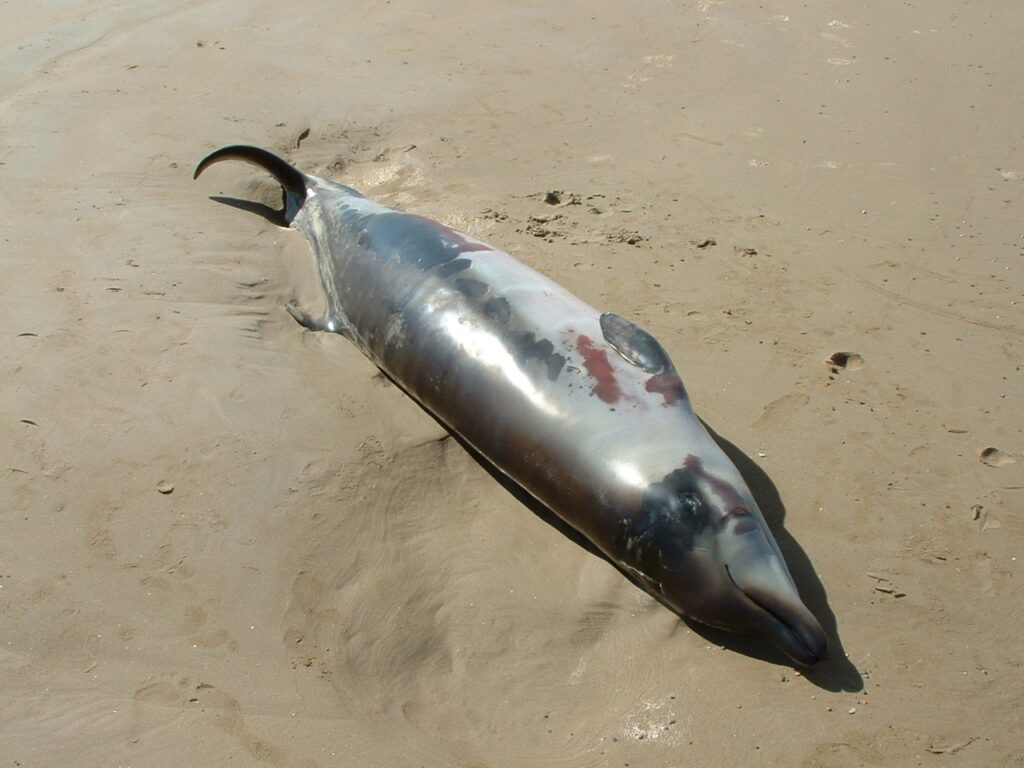
Cyprus – A young male beaked whale washed ashore dead near the village of Akanthou in the Famagusta district this week, prompting swift action from local wildlife teams.
A Startling Beach Find Raises Alarms
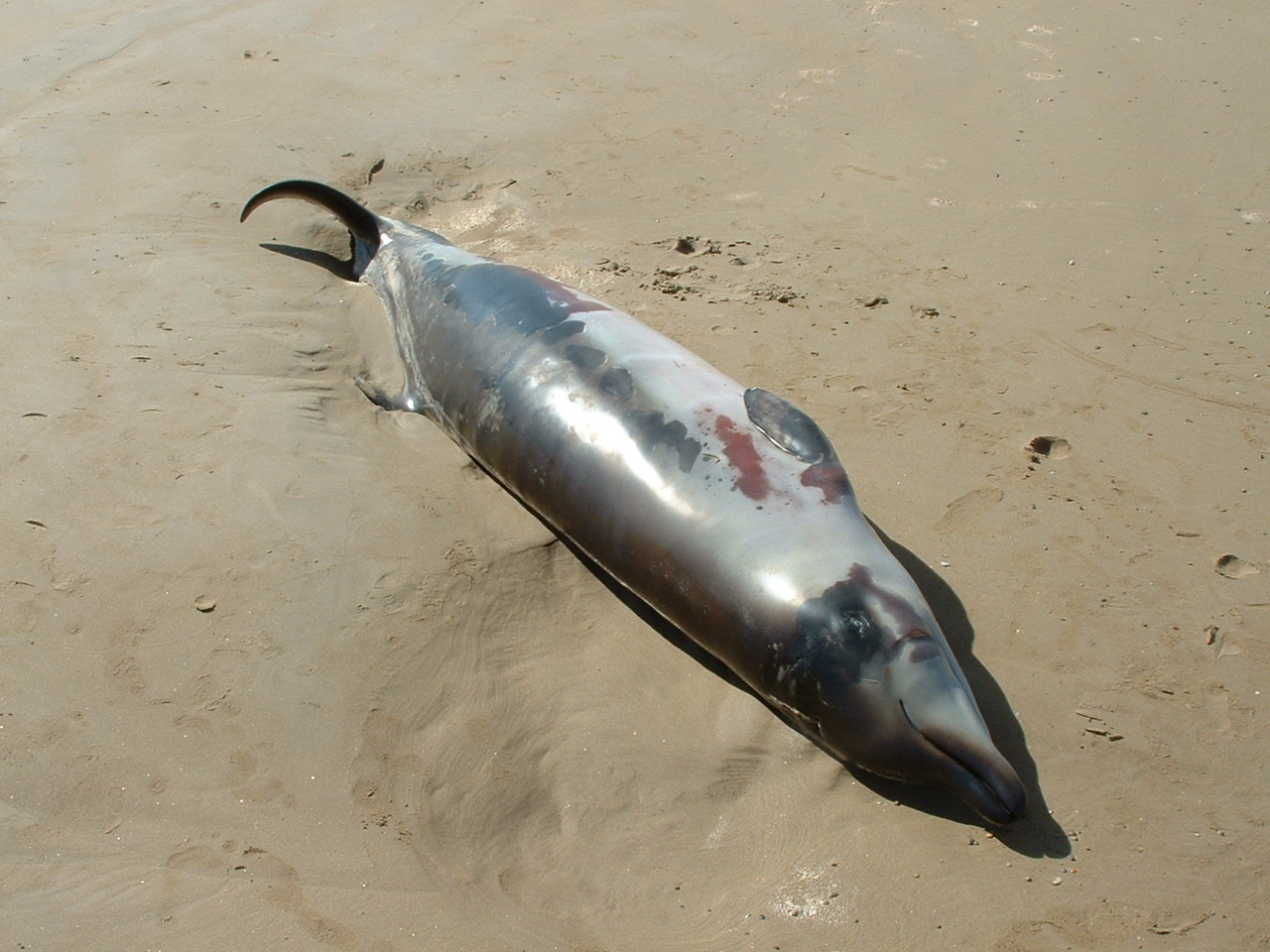
A Startling Beach Find Raises Alarms (Image Credits: Upload.wikimedia.org)
The five-meter-long mammal, weighing approximately 1.5 tons, appeared lodged among rocks on a difficult-to-access shoreline. Local authorities received reports on Tuesday afternoon, February 12, and mobilized recovery efforts immediately. Teams worked carefully to extract the carcass from its precarious position. This rare sighting underscored the elusiveness of beaked whales, which typically inhabit deep ocean waters far from land. Wildlife officials transported the animal to a center for further examination.
Such strandings remain uncommon in the region, drawing attention from conservation groups. The incident highlighted vulnerabilities in marine ecosystems around the island. Experts noted the whale’s condition suggested it had been dead for a short time before discovery. Preliminary assessments classified it as a young adult male.
Profile of the Enigmatic Beaked Whale
Beaked whales belong to a family of deep-diving cetaceans known for their elongated snouts and reclusive nature. These animals often plunge to depths exceeding 1,000 meters in search of prey like squid. Sightings near coasts prove exceptionally rare due to their preference for remote oceanic habitats. Strandings like this one fuel questions about underlying pressures on their populations.
Biologists recognize over 20 species of beaked whales, with many still poorly understood. Cyprus waters occasionally host these visitors, but beachings prompt investigations into health or environmental factors. The species’ shy demeanor complicates live observations, making necropsies vital for insights.
Authorities Mobilize for Answers
Tashkent Nature Park director Kemal Basat oversaw the recovery operation. He shared updates via social media, detailing the challenges posed by the rocky terrain. “The animal is being carefully removed from the rocks by teams from the Tashkent nature park and transported to the centre for the necropsy,” Basat stated. “We hope that the results of the necropsy will provide a clearer understanding of the cause of death.”
Personnel from the Department of Fisheries and Marine Research assisted in the process. They secured the specimen for a thorough post-mortem analysis. Possible causes under review include natural illness, injury, or disorientation. Human-related factors, such as naval activities or pollution, also warrant consideration in similar cases.
Echoes of Previous Marine Tragedies
Cyprus recorded a notable mass stranding of beaked whales in February 2023, when 12 individuals washed up across southern and northern coasts. Seven appeared in the south, five in the north, mostly deceased upon discovery. Investigations at the time explored links to seismic activity or sonar use. Single strandings occurred in 2021 and 2022 as well.
These events form a pattern that conservationists monitor closely. The latest Akanthou case, while isolated, reignites concerns over recurring threats. Turkish Cypriot media reported the details, amplifying calls for regional marine protection efforts.
Key Takeaways for Marine Conservation
- Beaked whale strandings signal potential distress in deep-sea populations.
- Necropsies offer critical data on natural versus anthropogenic causes.
- Cyprus history of incidents underscores need for vigilant monitoring.
This discovery serves as a reminder of fragile ocean balances. As necropsy results emerge, they could inform strategies to safeguard these elusive creatures. What steps should Cyprus take next to protect its marine life? Share your thoughts in the comments.