Imagine waking up one morning to find that the world around you is not just a little colder or hotter, but utterly transformed: landscapes drying into dust, animals disappearing, coastlines creeping in or flooding out. For our ancient ancestors, this was not a movie plot or a distant warning. It was reality, and new scientific work suggests that surviving these extreme swings did more than just test them. It may have rewired the trajectory of our evolution as a species.
In the last couple of decades, climate scientists, archaeologists, and geneticists have been quietly piecing together a dramatic story hidden in sediments, fossils, and DNA. The picture that is emerging is surprisingly bold: early Homo sapiens did not evolve in a stable, gentle cradle. Instead, we seem to have been forged in the chaos of some of the wildest climate shifts Earth has seen in hundreds of thousands of years. The question is not just how we survived, but how those hardships might have made us who we are.
The Planet That Would Not Sit Still
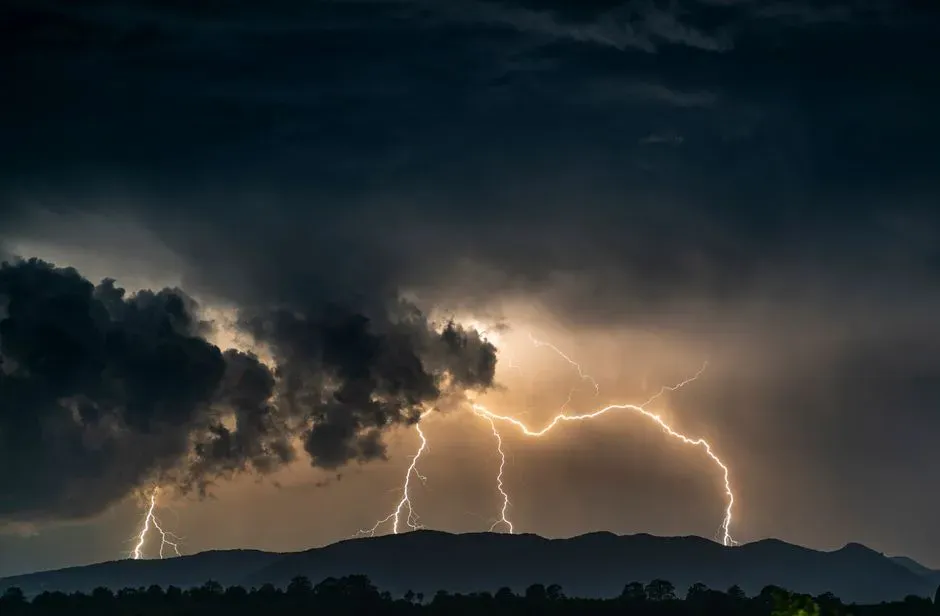
It is tempting to picture the deep past as a long, slow slide of ice ages coming and going like a dimmer switch. The data tell a very different story. Climate records from ice cores, deep-sea sediments, and ancient lake beds show that during key periods of human evolution, environmental conditions could swing violently in just a few generations, sometimes even within a single lifetime.
In parts of Africa where Homo sapiens emerged, researchers have reconstructed what they often describe as climate whiplash: lush, wet environments flipping to extreme aridity and then back again on surprisingly short timescales. For people dependent on wild plants and animals, these shifts were not background noise; they were existential shocks. You could be born into a green landscape of lakes and rivers and die in a dustier, more barren version of the same valley.
Drying Lakes, Shifting Grasslands, and the Shrinking Safe Zones
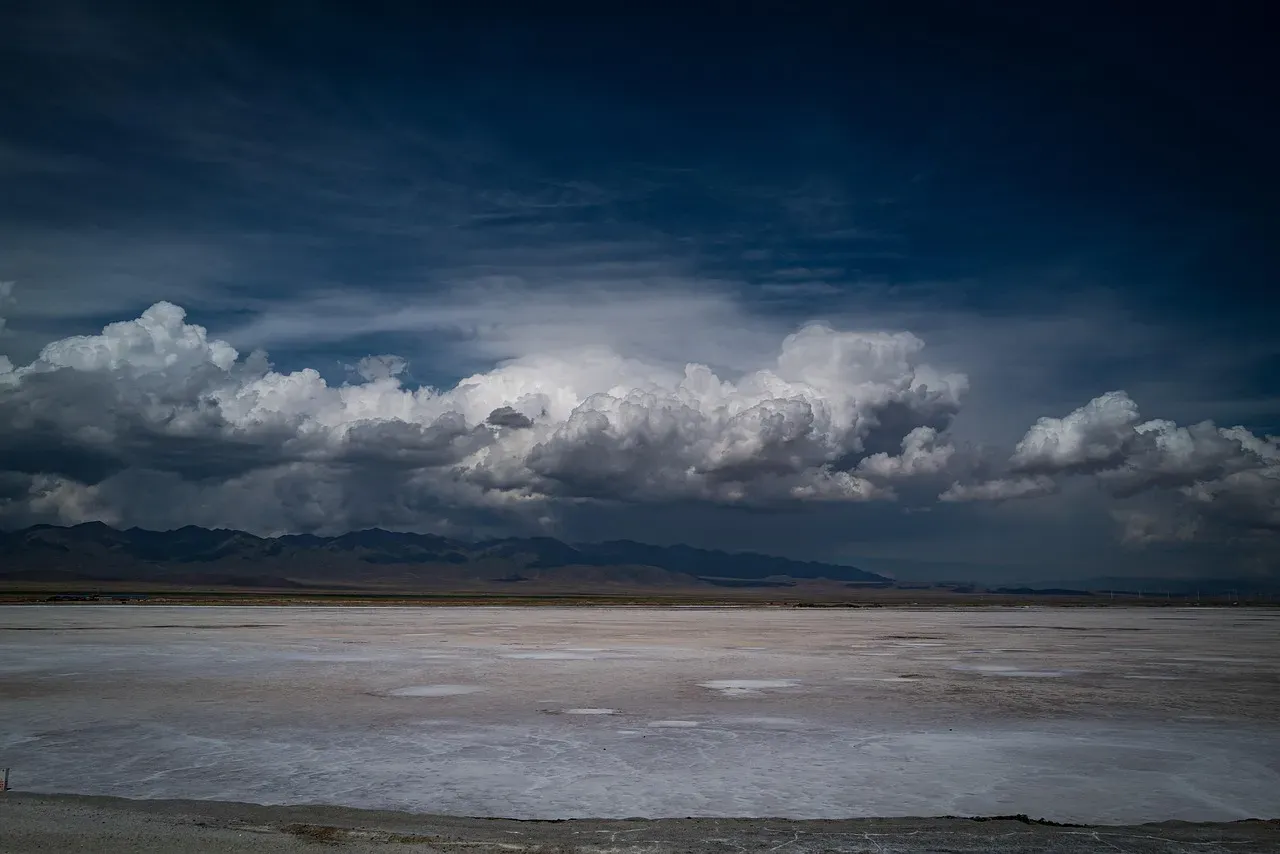
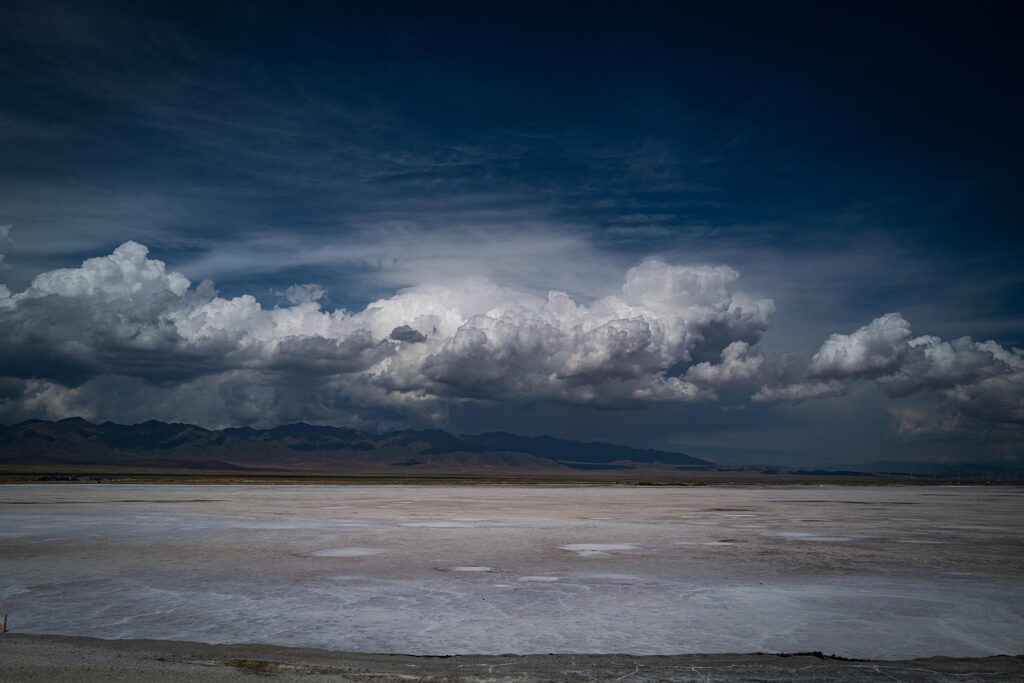
Some of the most striking clues come from ancient lakes that once stretched across parts of East Africa and the Sahara. Sediment cores from these basins reveal repeated cycles of high water followed by dramatic drawdowns, leaving behind shorelines far above today’s dusty plains. Each rise and fall meant a reshuffling of where animals clustered, where plants thrived, and where people could actually live.
When lakes dried and grasslands retreated, the habitable pockets for hunter-gatherers shrank like islands in a receding sea. These environmental pinches might have forced populations into smaller refuges where food and space were tight. In those squeezed conditions, groups likely had to innovate, cooperate more tightly, or move on. It is in these stressful bottlenecks, rather than in easy times, that the seeds of some of our most important human traits may have been sown.
Climate Stress and the Birth of Behavioral Flexibility
Surviving an unstable world rewards one trait above almost all others: flexibility. Archaeologists see this in the changing toolkits and behaviors of ancient humans. In some regions, stone tool styles shift more rapidly during periods of environmental turmoil, hinting that people were experimenting with new ways of hunting, cutting, and processing food rather than sticking rigidly to old habits.
Behavioral flexibility is not just about technology; it also shows up in diets and movement patterns. Evidence from animal bones and plant remains suggests that, when favorite foods became scarce, ancient humans broadened what they were willing and able to eat. They may have switched between hunting large herd animals and relying more on small game, fish, or hard-to-process plant foods. That willingness to pivot, to try something new when the old ways stopped working, might have been a key evolutionary advantage in a planet that refused to stay predictable.
Genetic Bottlenecks: Hard Times Written in Our DNA
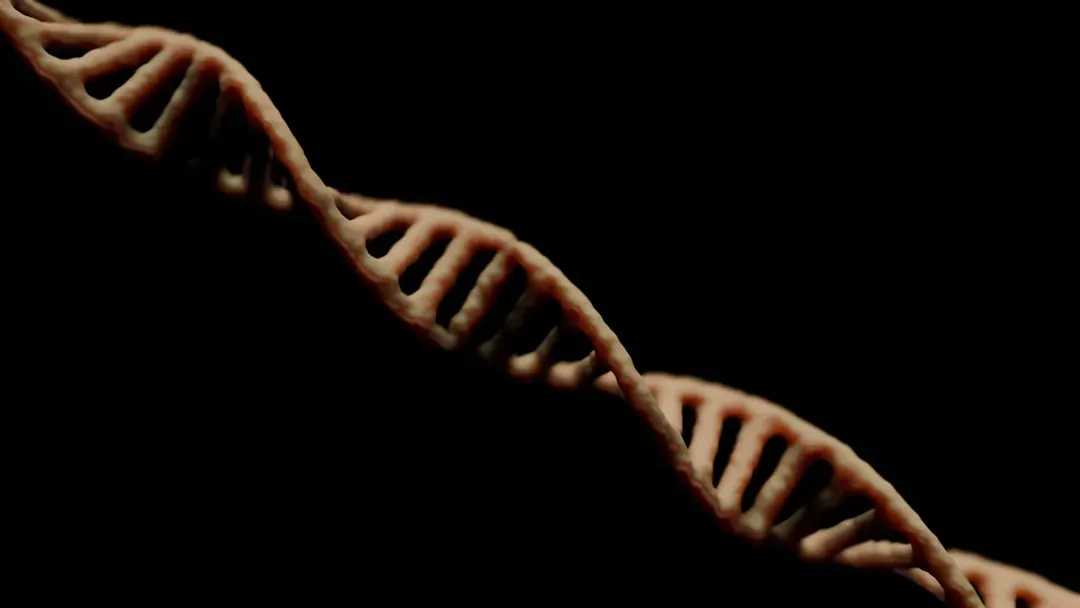
Our own genomes carry scars of hard times. Genetic studies point to periods in the past when the number of breeding humans seems to have dipped dramatically, suggesting population bottlenecks. While the exact timing and severity are still debated, many researchers suspect that harsh environmental changes, including intense shifts in climate, played a major role in squeezing our numbers down.
When populations shrink, evolution can speed up. Traits that help with survival and reproduction in a harsh setting can spread more quickly, while less useful traits may be lost. That does not mean climate alone sculpted us like a deliberate artist, but it does mean that the changing environment acted as a relentless filter. Only those lineages that could weather the crisis – through luck, innovation, cooperation, or some mix of all three – carried their genes forward.
Migrations on a Planet in Flux
![Migrations on a Planet in Flux (Skin colour and vitamin D: An updateProvided under Creative Commons free license (p.1, with link to Attribution 4.0 International (CC BY 4.0) page)"This is an open access article under the terms of the Creative Commons Attribution License, which permits use, distribution and reproduction in any medium, provided the original work is properly cited. © 2020 The Authors. Experimental Dermatology published by John Wiley & Sons Ltd" [1], CC BY-SA 4.0)](https://nvmwebsites-budwg5g9avh3epea.z03.azurefd.net/dinoworld/a381913eabda0ee938fd59935b97da02.webp)
Extreme climate shifts did not just make life harder where people already lived; they also opened and closed doors to new lands. When rainfall patterns changed or sea levels dropped, corridors that were once impassable could briefly become inviting routes. Later, those same paths might close again, trapping or isolating groups that had already moved. Much of the story of early human migration out of Africa and across Eurasia is now being reinterpreted through this lens of shifting environmental gateways.
These migrations were not leisurely strolls. Moving into new regions meant confronting unfamiliar predators, diseases, and seasons. It demanded new survival strategies and likely encouraged cultural and technological creativity. In a very real sense, a restless climate turned the entire planet into a moving puzzle, and our species responded by becoming remarkably good at solving new kinds of problems in new kinds of places.
Culture as a Survival Technology
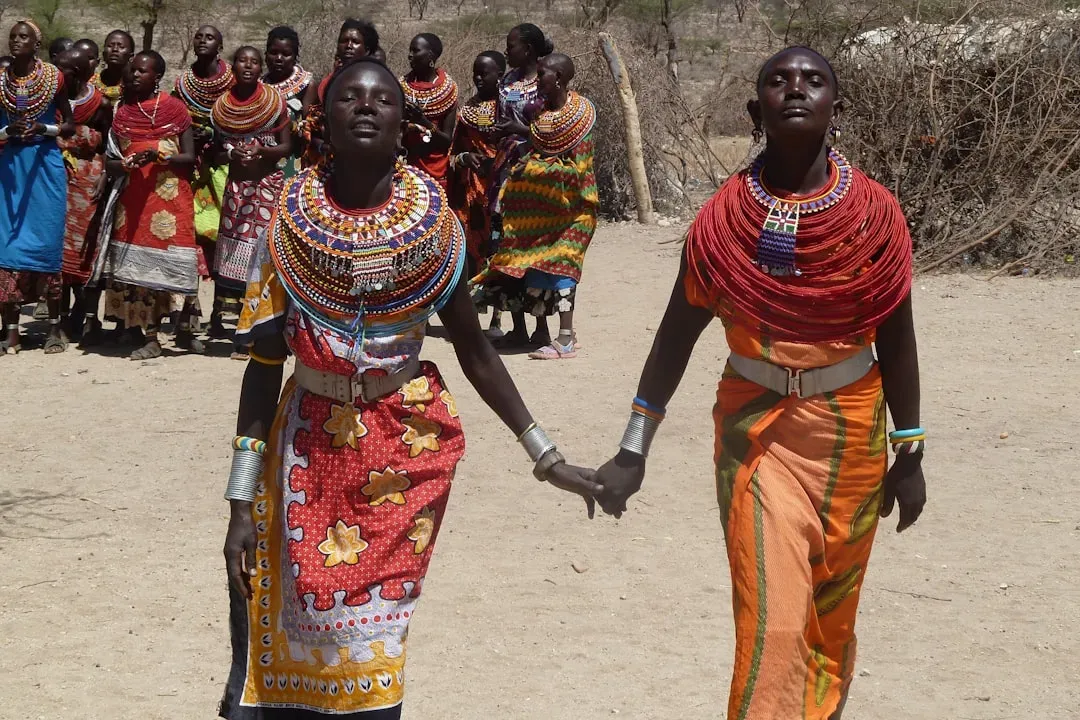
One of the most fascinating ideas to emerge from this research is that culture itself may have been our most powerful adaptation to climate chaos. Unlike physical traits, cultural tools – like shared knowledge, social norms, languages, and symbolic thinking – can change within a single generation. That kind of rapid adjustment is priceless when your grandchildren might face a completely different environment than you did.
As conditions swung between extremes, groups that were better at transmitting and updating useful knowledge would have had a crucial edge. Stories about where water could be found in dry years, how to process tough foods, or when to move to avoid seasonal hazards could literally be the difference between life and death. Over time, this pressure may have strongly favored brains and social structures tuned to learn, teach, and innovate together.
Why This Ancient Drama Matters for Our Future
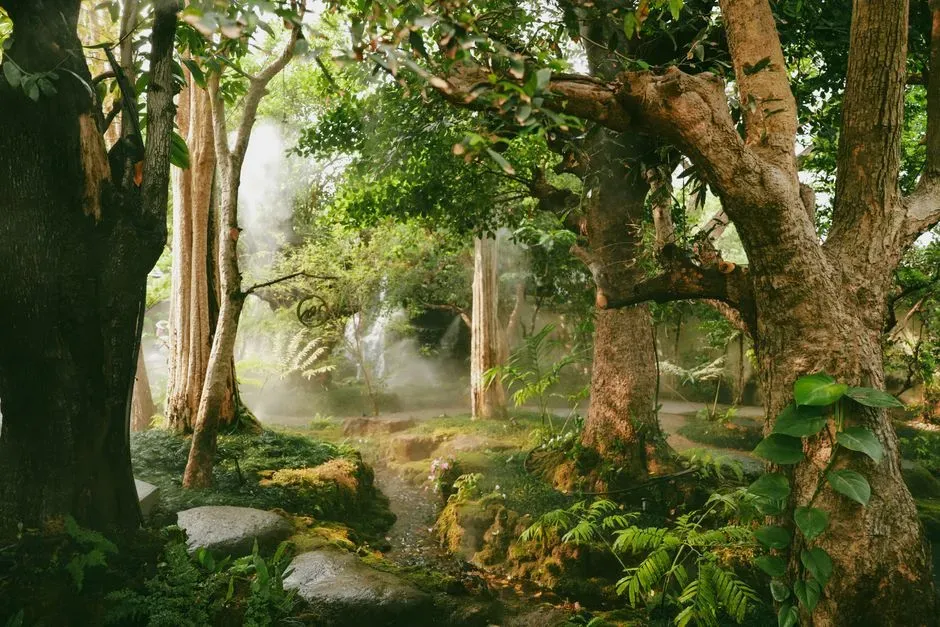
Learning that our species was shaped in part by surviving extreme climate swings is both unsettling and strangely empowering. On the one hand, it reminds us that humans are fragile biological creatures deeply tied to the conditions around us, no matter how modern our cities feel. On the other hand, it highlights resilience, creativity, and cooperation as traits that helped our ancestors endure when their world felt like it was falling apart.
There is a temptation today to tell a simple story: climate changes, humans adapt, everything works out. The ancient record does not support that kind of easy optimism. Many populations did not make it. Survival often meant painful losses, migrations, and transformations that would have felt catastrophic at the time. If anything, the past teaches us that our abilities have limits and that adapting well requires facing reality early rather than denying it until it is too late.
Conclusion: Forged in Crisis, Tested Again
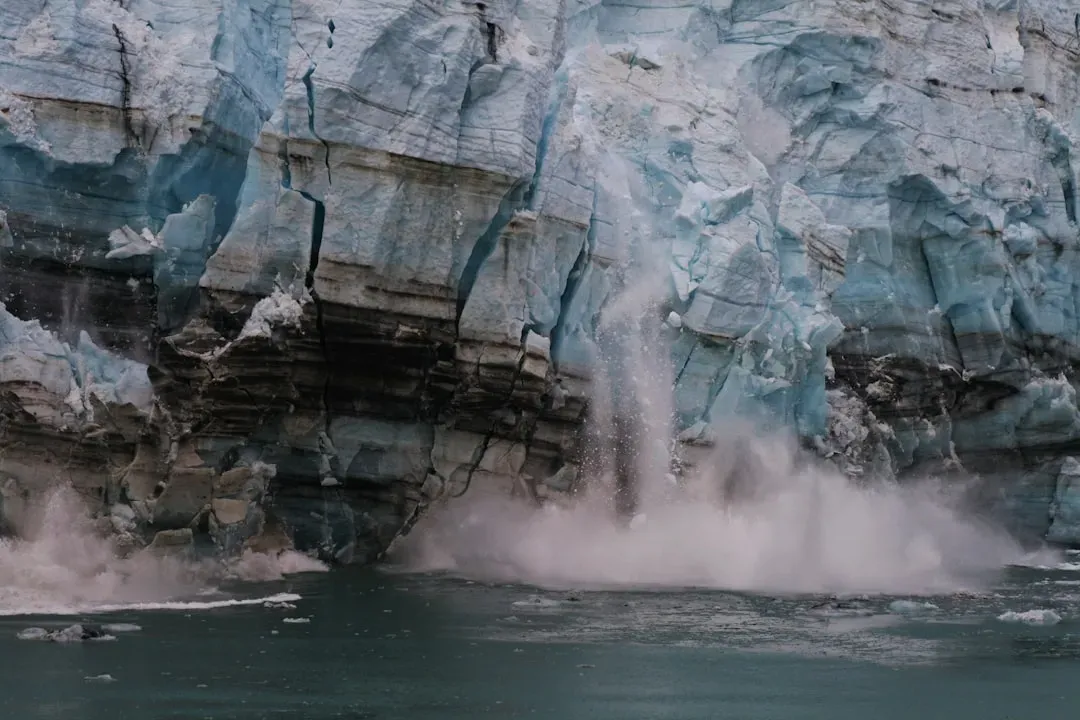
I find it hard not to see a mirror between those ancient climate shocks and the world we are living through now. Our ancestors were forged in crisis, but they did not have billions of people, global supply chains, and fossil-fuel economies amplifying every small shift. Yes, we carry the legacy of flexibility and ingenuity that helped us survive violent swings in the past, and that is a reason for cautious hope. But it would be naive to assume that what saved a scattered few tens of thousands will automatically save nearly eight billion.
If anything, the deep-time story pushes us toward a sharper, more uncomfortable truth: climate instability helped make us human, but it did not promise us a happy ending. We evolved under pressure to become problem solvers, storytellers, and collaborators. Whether we use those gifts to soften the blow of modern climate change or to stumble into avoidable disaster is up to us, not our genes. When you think about our ancestors staring down dried-up lakes and failing rains, what do you think they would make of the choices we are making now?