Singapore – Citizen science initiatives have doubled the population of Raffles’ banded langurs in Singapore over the past decade, demonstrating a practical path for urban conservation. These efforts matter now as fragmented forests pose ongoing risks of inbreeding and decline for this critically endangered primate. Volunteers contribute data that directly shapes reconnection projects, blending community passion with scientific strategy in one of the world’s most urbanized landscapes.
A Treetop Specialist Under Siege
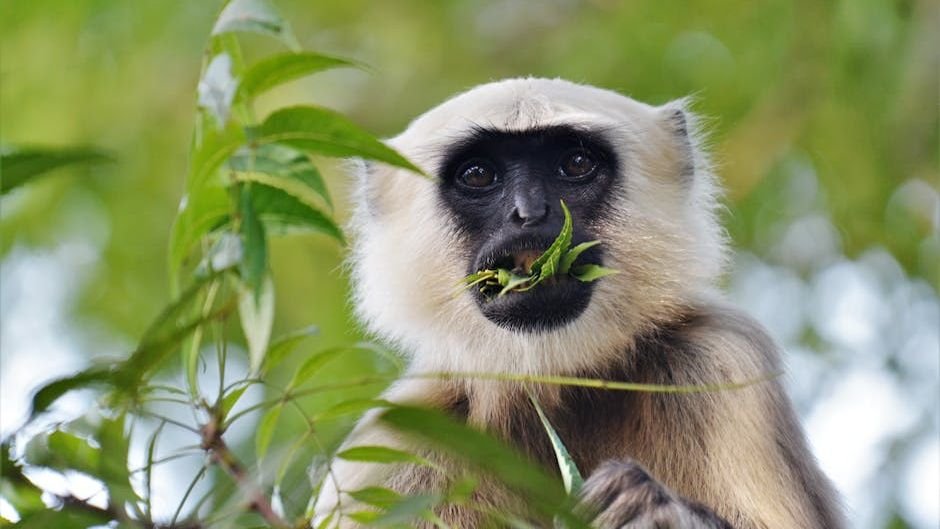
A Treetop Specialist Under Siege (Image Credits: Pexels)
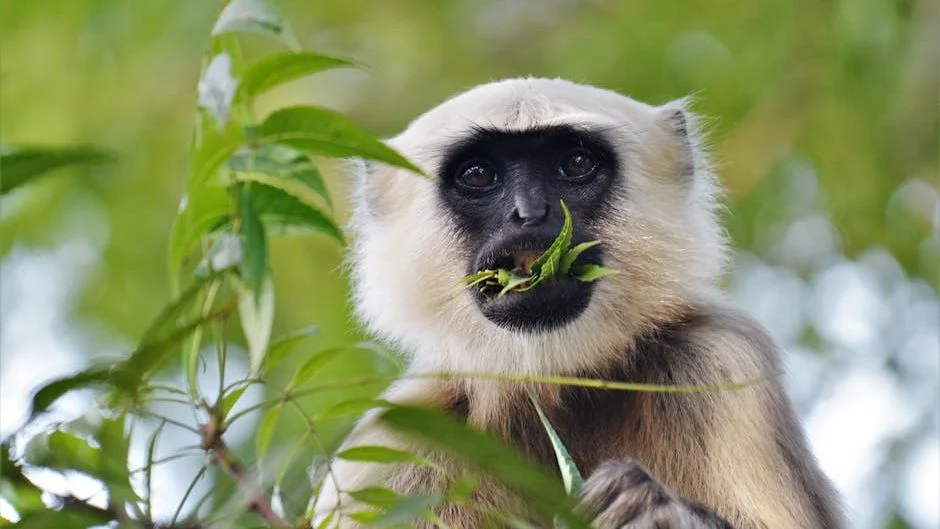
Raffles’ banded langurs, or Presbytis femoralis, cling to survival in isolated pockets of forest across Singapore and southern Peninsular Malaysia. Classified as critically endangered by the IUCN, the species counts only 200-250 mature individuals worldwide, with fewer than 80 in Singapore. These leaf-eaters rely on unbroken canopy cover to forage for fruits, leaves and flowers while avoiding ground-level dangers.
Urban development has erased nearly all of Singapore’s primary forest, leaving less than 1% intact. Secondary forests cover about 20% of the island, but just 4.3% qualifies as high-quality mature habitat suitable for arboreal species like the langurs. Roads and power lines now sever their travel routes, trapping small groups and heightening extinction risks through isolation.
Community Surveys Fuel Vital Insights
More than 100 volunteers, including long-time surveyor Lay Hoon, conduct monthly weekend patrols in areas like Lower Peirce Reservoir Park, a 10-hectare secondary forest near the Central Catchment Nature Reserve. Hoon, who has visited for eight years, tunes her ears to their calls first. “Before we see the langurs, we usually hear them,” she noted during a recent outing.
Trained in ecology and observation techniques, these citizen scientists log group sizes, demographics and behaviors. Their data has mapped langur movements across urban edges, revealing five groups in the Central Catchment area that represent roughly half of Singapore’s total. Even fruitless patrols build resilience, as Hoon described: “Walking through the forest is therapeutic.” This program, launched under a 2016 species action plan by groups including the National Parks Board and Mandai Nature, turns public engagement into actionable conservation intelligence.
From Data to Canopy Corridors
Volunteer findings guide targeted interventions to bridge forest gaps. Enrichment planting fills corridors with langur-preferred plants like figs and mangroves, identified through surveys. These efforts, led by the National Parks Board and partners, also benefit squirrels, civets and other primates such as the Sunda slow loris and long-tailed macaque.
Rope bridges address deadly road crossings. Installed along a 3-kilometer stretch between Lower Peirce Reservoir Park and Thomson Nature Park, the 10-meter-high structures use steel-reinforced nylon ropes. Traffic signs and calming measures complement them. Andie Ang, a Mandai Nature researcher with nearly two decades of study, explained the langurs’ caution: they took months to try the bridges, unlike playful macaques.
Trajectories of Recovery and Caution
Singapore’s langur numbers rose from 40 in 2011 to about 80 today, the only growing population among related leaf monkeys, according to primatologist Vincent Nijman. A 2023 study projected potential growth to 244 individuals by 2071, provided habitats expand and connect. Ang highlighted awareness as an early barrier: “People don’t really know about them. And if you don’t know about them, you can’t really start to conserve them.”
Challenges persist amid land pressures. Natural regeneration, artificial links and protected expansions remain essential. Lessons from Singapore could aid Malaysian populations through cross-border collaboration, treating scattered groups as one metapopulation.
These citizen-driven steps underscore a quiet triumph: in a city-state of concrete and speed, persistent human effort is weaving back the wild threads that langurs need to thrive.