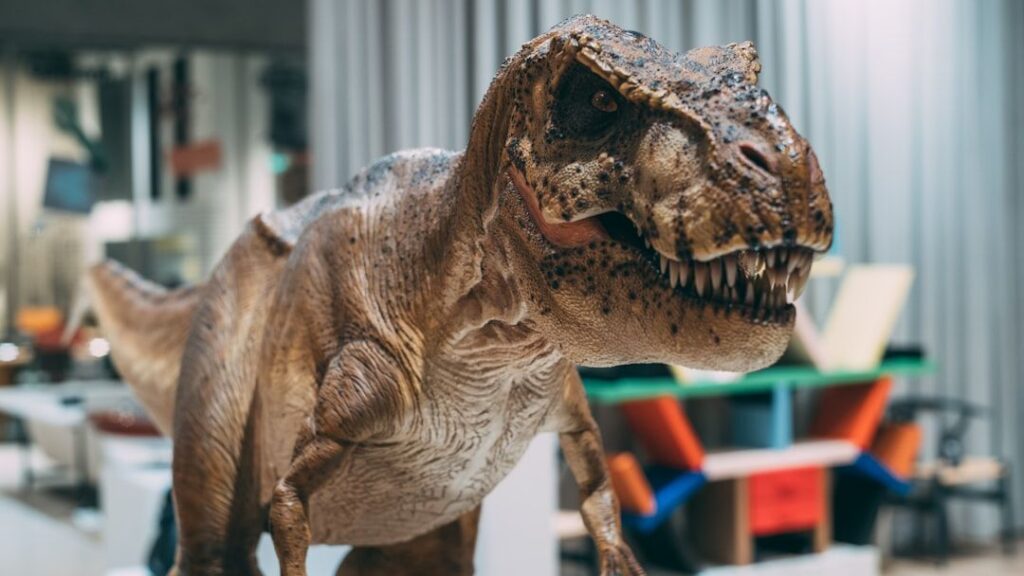
If you grew up picturing Tyrannosaurus rex as a giant crocodile with a permanent toothy grimace, that mental image is now on shaky ground. In the past few years, a wave of new research has been quietly rewriting what we thought we knew about the most famous dinosaur of all time – starting with one surprisingly controversial body part: its lips.
The idea that T. rex had fleshy lips covering its teeth sounds almost silly at first, like arguing about the color of a movie costume. But this “small” detail reshapes how we understand its bite force, feeding style, facial sensitivity, and even how it looked stalking its prey. Once you dig in, you realize the pop-culture T. rex – from museum posters to blockbuster films – is less a scientific fact and more a decades-long artistic habit that we’re finally, and a bit painfully, growing out of.
The Shocking Truth: T. Rex Probably Didn’t Walk Around With Exposed Teeth
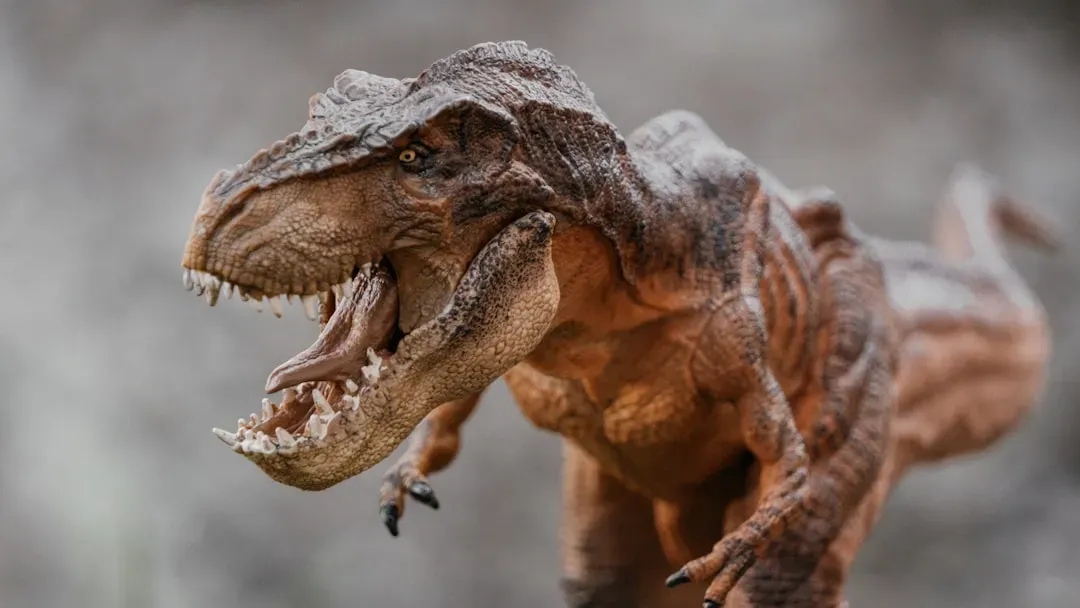
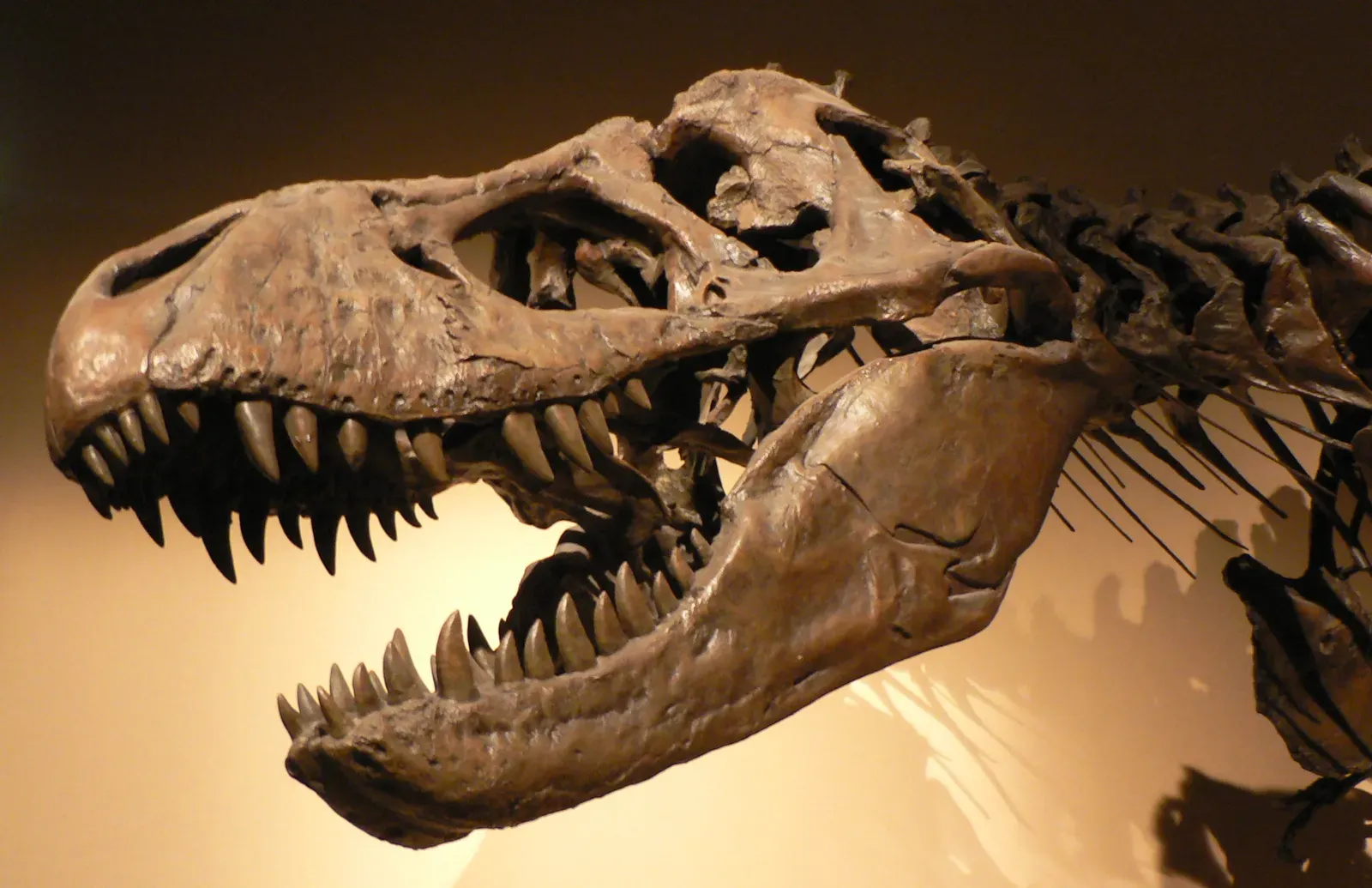
Here’s the twist that makes a lot of dinosaur fans do a double take: the classic image of T. rex with its teeth always hanging out like a crocodile is probably wrong. Recent anatomical and comparative studies point toward something more like modern big lizards – think Komodo dragons – where the teeth are covered by scaly lips when the mouth is closed, not on permanent display. That means no constant skeletal grin, no endless row of daggers glinting in the prehistoric sun.
This changes how we picture its everyday life in a big way. Instead of a monster that always looks like it’s mid-roar, imagine an animal that, at rest, looked a bit more reserved, with a smooth upper and lower snout and teeth hidden behind soft tissue. It could still tear you in half, of course, but it did not need to advertise that every second of the day. The moment it opened that mouth, the teeth would have flashed into view – which honestly might have been even scarier, like a horror movie where the monster only shows its true nature at the last possible moment.
Why Scientists Now Think T. Rex Had Lips
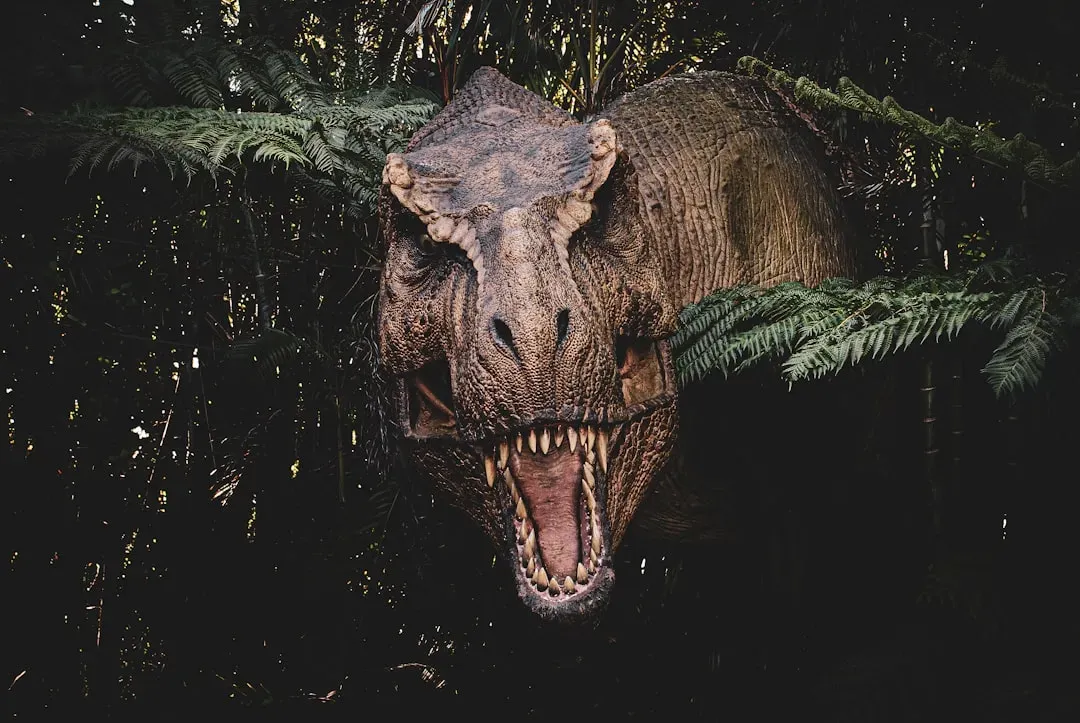
The push toward a “lipped” T. rex is not about making dinosaurs cuter, it’s about following the anatomy wherever it leads. Paleontologists have compared the skulls and tooth sockets of large theropod dinosaurs (like T. rex) with both crocodiles and lizards, and the fit matches lizards better. The way the teeth sit in the jaw, the spacing of the bone surfaces, and the wear patterns on the teeth themselves all point to them being covered when the mouth was closed rather than constantly exposed.
One especially important clue comes from tooth wear and enamel health. Teeth that are left exposed to open air all the time, like a crocodile’s, show a very particular kind of wear and dehydration pattern because the enamel is constantly dried out and hit by the environment. T. rex teeth, by contrast, look more like those of lizards with lips, which are better protected when at rest. In short, the teeth look like they lived most of their lives behind soft tissue, not hanging out in the wind like prehistoric billboards.
Goodbye Hollywood Monster, Hello Real Animal
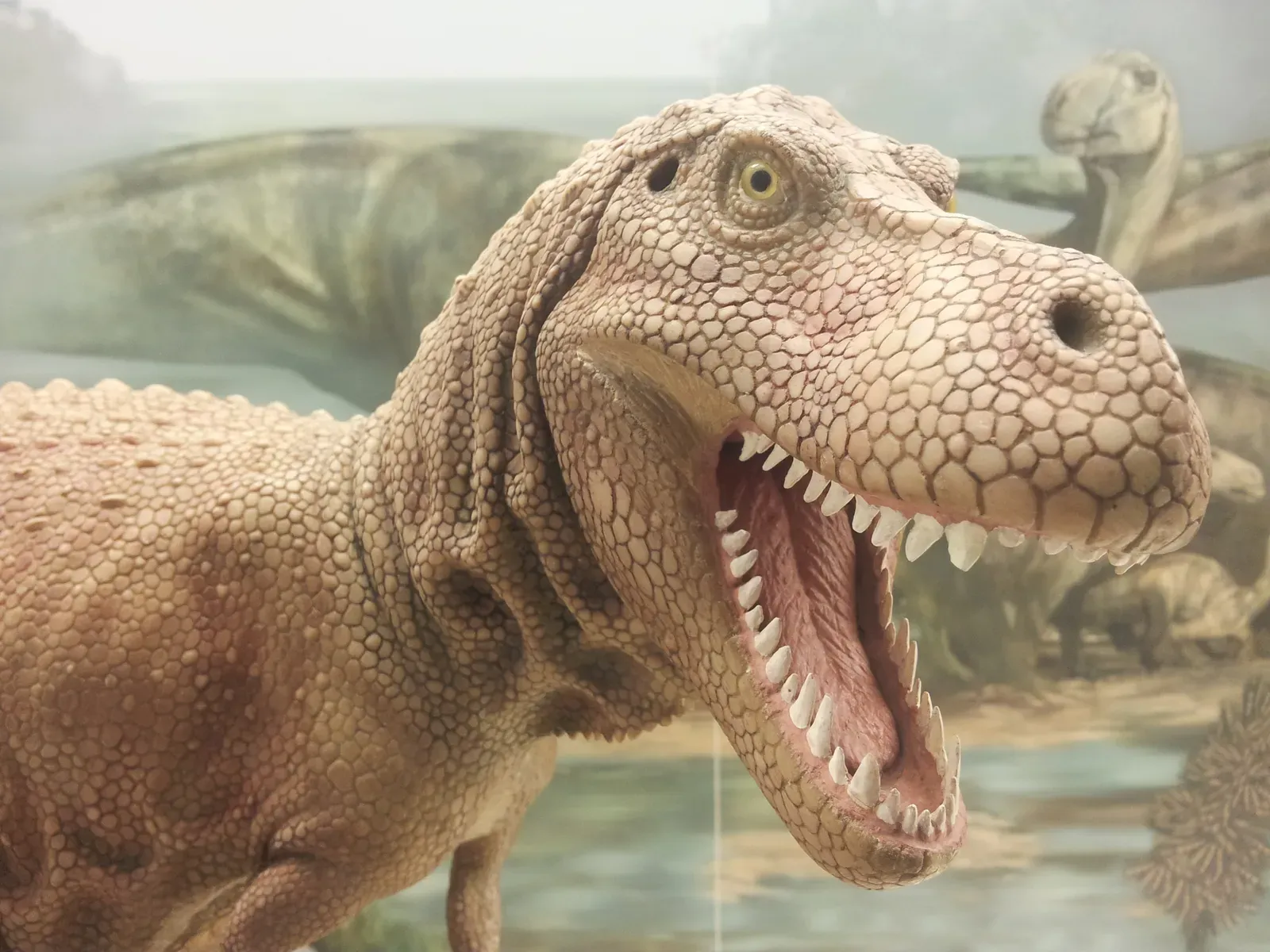
Once you add lips to T. rex, the entire facial vibe of this animal changes, and that might be the part that feels most unsettling. We are used to Hollywood’s T. rex: a monster designed to look as terrifying as possible from every angle, even when it is just standing there. But real animals do not walk around in “attack mode” all day. Just like lions or eagles, a real T. rex would have had neutral, resting expressions most of the time, only flashing teeth and pulling back lips during feeding, threat displays, or roaring.
This shift forces us to take T. rex seriously as a living creature rather than a walking horror prop. It probably still had powerful muscles around its jaws and neck, but now those muscles are covered in scales and skin, not framed by a permanent skeletal grin. That actually makes it more impressive, not less: an apex predator that did not need theatrical overkill to be terrifying. Personally, I find this version much more compelling – like discovering that your favorite movie villain was based on a real animal that was even more interesting than the special-effects version.
How Lips Changed T. Rex’s Bite and Feeding Style
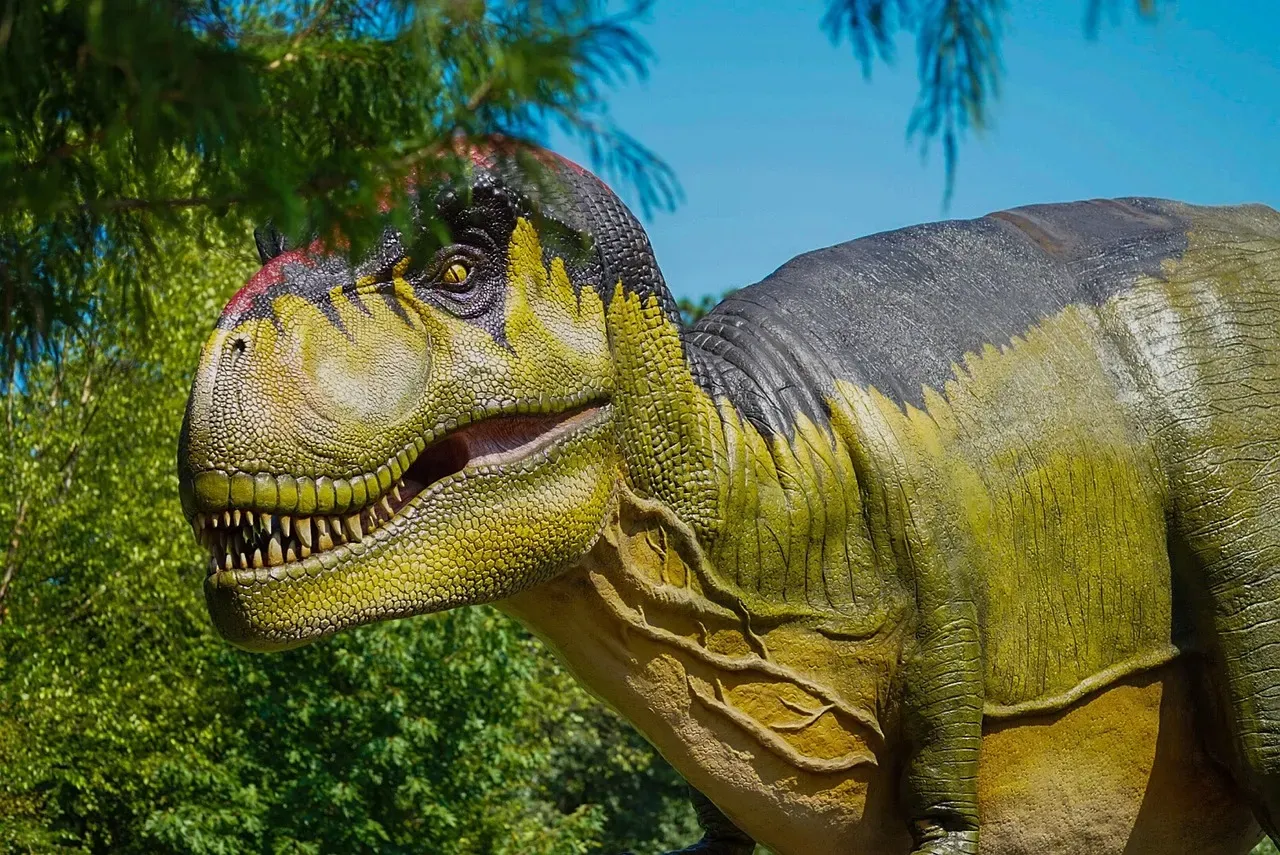
At first glance, lips seem cosmetic, like arguing over whether your favorite dinosaur had a better hairstyle. But in reality, they matter a lot for how this animal used its teeth. Soft tissue covering the teeth would have kept them hydrated and protected, preserving their cutting edges between hunts. For an animal with massive, banana-sized teeth adapted for crushing bone and ripping flesh, keeping those tools in top shape was a serious survival advantage.
A lipped mouth also helps control how bite forces are distributed. When T. rex bit into prey, its lips would have been drawn back, of course, but at rest those lips may have helped seal in moisture and protect the inner surfaces of the mouth from damage and infection. That means a healthier mouth over a lifetime of brutal feeding. Imagine a high-end chef keeping their knives in a padded case rather than just tossing them on a concrete floor. The knives will still cut, but one method clearly treats the tools with a bit more respect – and T. rex, consciously or not, seems to have done the same with its teeth.
Soft Tissues, Hard Science: Why Dinosaur Faces Are Being Reimagined
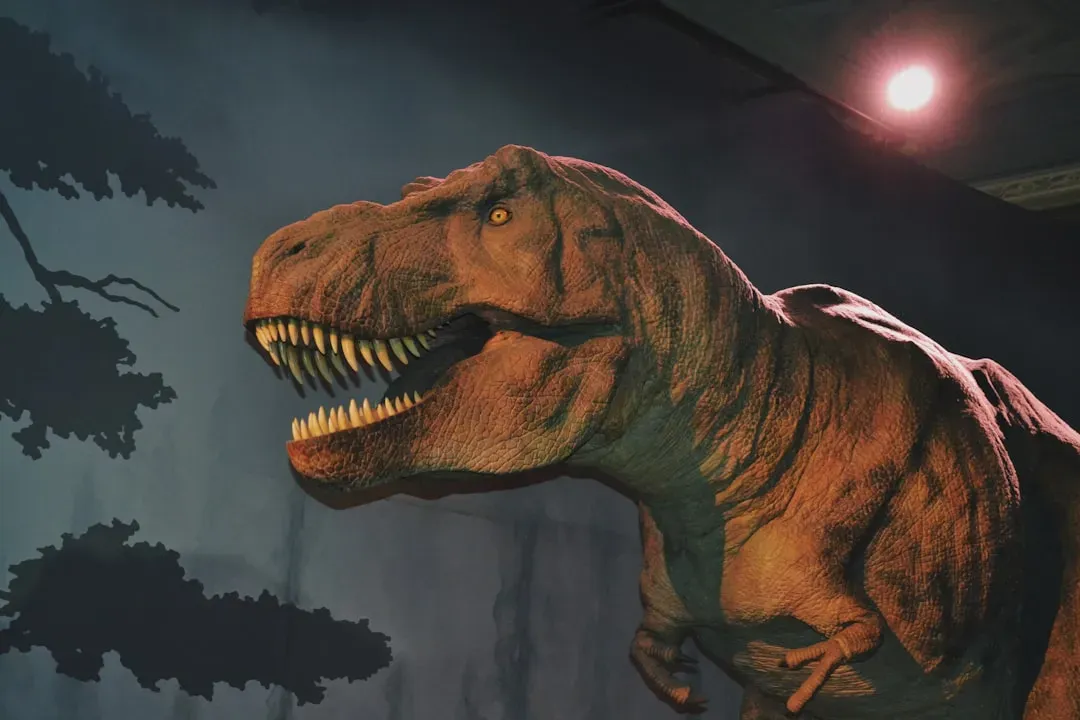
The lip debate is part of a much bigger shift in how scientists reconstruct dinosaurs in general. For a long time, paleoart and public imagination were built around bare-bones reconstructions with minimal soft tissue, mostly because bones are what fossilize best. But in the past couple of decades, discoveries in skin impressions, feather traces, and modern animal comparisons have pushed us toward richer, more realistic reconstructions. Faces that once looked like skulls with skin painted on are now being given muscles, fat pads, scales, and, yes, lips.
That means the dinosaurs you see in older books and even some modern films are starting to look quaint, like old sci-fi aliens that no longer convince anyone. We now know that many theropods had complex feathers, that some herbivores had elaborate beaks and cheeks, and that the overall silhouette of a dinosaur’s head could be quite fleshy and nuanced. T. rex having lips fits neatly into this new paradigm: dinosaurs as dynamic, fleshy, expressive animals, not just walking skeletons given a thin skin for drama’s sake.
Why Paleontology Keeps Proving Our Childhood Dinosaurs Wrong
If it feels like every few years your childhood dinosaur knowledge gets tossed out the window, you are not imagining it. Science does not care how iconic a movie scene is or how many toys were sold; it cares about new evidence. Dating techniques improve, new fossils are found, and new models of biomechanics and anatomy are developed, and suddenly the old assumptions start to wobble. The lipless T. rex survived for so long mainly because it looked cool and matched a very limited set of comparison animals, not because it was the best-supported hypothesis.
There is something humbling about realizing how often we have to correct the record, especially on such a famous creature. But that is also the fun of it. Dinosaurs sit at this beautiful intersection of serious science and childlike wonder, and updating T. rex from “skull-faced movie monster” to “lipped, living predator” is part of that continuing adventure. I still remember staring at a T. rex toy as a kid and thinking it looked weirdly bare-faced; now, decades later, the science is finally catching up to that vague discomfort and giving us a version that makes more biological sense.
What This Means for How We Imagine Prehistoric Life
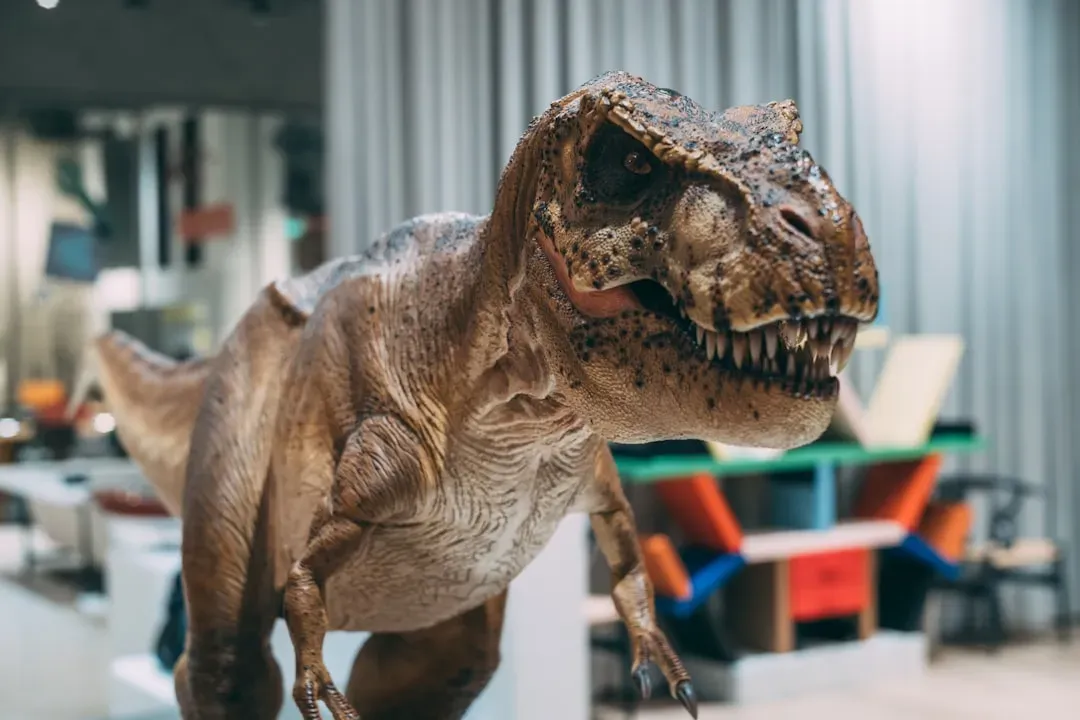
Once you accept that T. rex had lips, it becomes a kind of gateway to rethinking the entire prehistoric world. If the most famous dinosaur on Earth was drawn wrong for decades, what else have we misunderstood? Maybe those endlessly gray, scaly landscapes should be more colorful. Maybe the sounds these animals made were less roaring dragon and more low-frequency rumbling and hissing. Maybe their social lives, parenting strategies, and daily routines were every bit as complex and surprising as those of modern large predators.
In a way, giving T. rex lips is like putting a new lens on a camera and suddenly seeing the same scene in sharper focus. The bones are still there, the facts we knew are still valid, but the interpretation becomes richer and more grounded in how real animals work. Instead of a flat, one-note monster, we get a multi-dimensional creature with a functional face, sensitive tissues, and a mouth designed not just to kill, but to last. That makes the Cretaceous feel less like a movie set and more like a living, breathing ecosystem we are only just beginning to glimpse.
Conclusion: The Lipped T. Rex Is Less Cute, More Real – And That’s A Good Thing
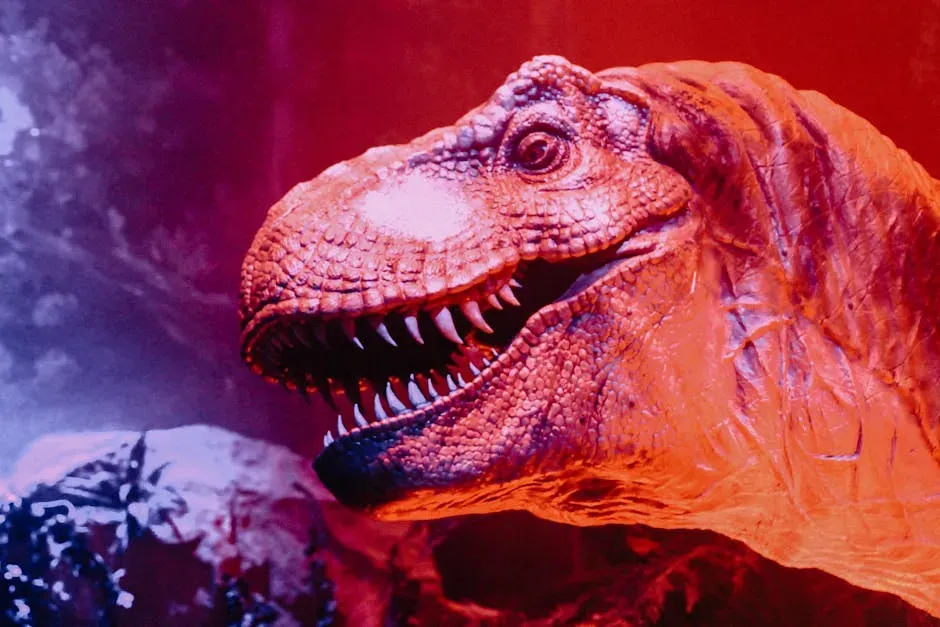
There will always be people who resist the idea of a lipped T. rex because it messes with an image they have loved for years. I get that; the toothy, lipless version is stitched into pop culture and nostalgia. But clinging to an outdated reconstruction just because it feels cooler is like insisting the Earth is flat because the old maps looked nicer. The more I look at the evidence, the more the lipped T. rex feels not just plausible, but honestly inevitable.
In my view, this updated T. rex is not softer or less terrifying; it is sharper, stranger, and more impressive because it feels like a real animal that actually walked this planet. If we are going to be awed by dinosaurs, let’s be awed by the truth, not by a design choice from a movie released decades ago. A predator with lips, hidden teeth, and a powerful, complex face is far more fascinating than a permanent skeletal snarl. When you picture T. rex now, are you still seeing the movie monster, or can you let the lipped, living version step into the spotlight instead?