Huai Kha Khaeng Wildlife Sanctuary, Thailand – Herds of russet-colored banteng now graze openly in grassy clearings near this premier protected area, drawing visitors and marking a conservation triumph. Once teetering on the brink of extinction in the country, these wild cattle have rebounded dramatically, prompting local communities to pivot from potential conflict to sustainable tourism. The shift highlights a model where wildlife recovery fuels economic gains and stronger forest stewardship.
Banteng Herds Make a Dramatic Comeback
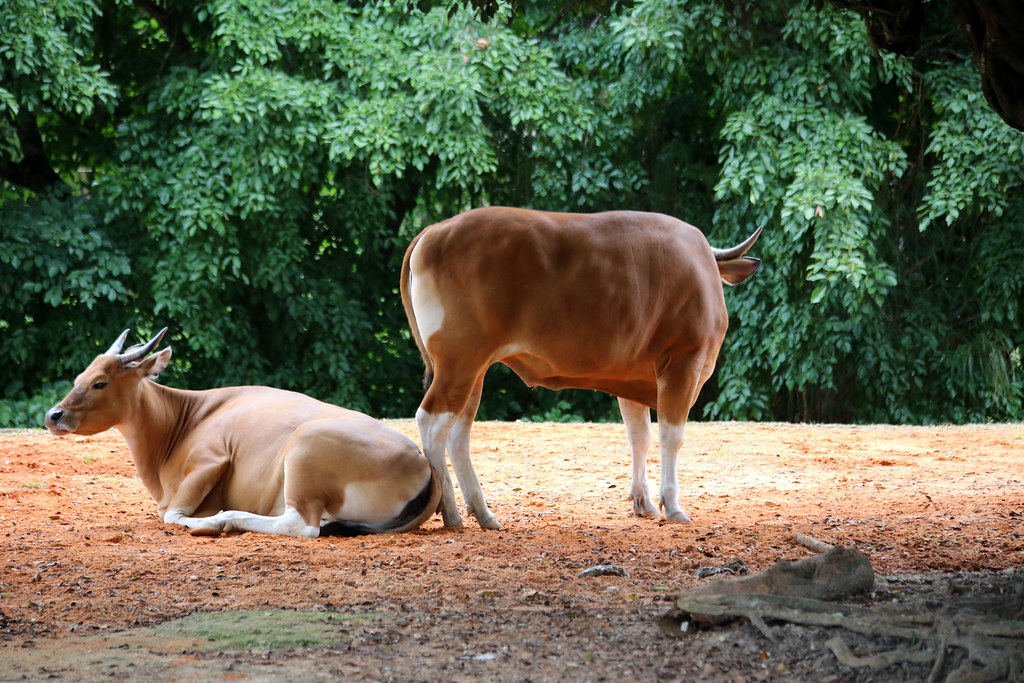
Banteng Herds Make a Dramatic Comeback (Image Credits: Flickr)
“Five years ago, we’d never have been able to see this,” Boonlert Tianchang remarked while scanning a buffer-zone grassland with binoculars. The tour leader from Rabam subdistrict pointed out mothers, calves, and males browsing vegetation just steps from a viewing platform. Such sights were once unimaginable without trekking deep into the forest.
Thailand’s banteng population, classified as one of the world’s rarest wild cattle species, plummeted to a few hundred individuals at the turn of the century. Deforestation, agricultural expansion, and hunting ravaged their numbers across Southeast Asia. In Huai Kha Khaeng, however, dedicated protection efforts doubled the local count over two decades to at least 1,400 animals, the largest in the region. This recovery positioned the sanctuary as a critical hub for broader reintroduction programs.
SMART Patrols Drive Conservation Success
Ranger teams armed with the Spatial Monitoring and Reporting Tool transformed management here since 2006. The system collected data on wildlife signs, threats, and patrols, enabling targeted antipoaching actions. Previously, rangers encountered mostly carcasses during night walks, recalled Anak Pattanavibool, an emeritus lecturer at Kasetsart University involved in the program’s rollout.
Collaborations between the Department of National Parks, Wildlife and Plant Conservation, Wildlife Conservation Society, and Kasetsart University’s Faculty of Forestry sustained these efforts. Reduced poaching not only bolstered banteng but also revived tigers and prey like sambar deer. The approach scaled to 237 Thai protected areas, training over 10,000 staff. Banteng now aid seed dispersal, nutrient cycling, and fire suppression in dry forests.
Dispersal Sparks Human-Wildlife Tensions
Thriving herds began spilling into surrounding buffer zones, where communities grazed livestock and farmed. Crop trampling frustrated smallholders, while poaching risks loomed amid weaker enforcement. In 2020, authorities urged hundreds of farmers to remove domestic cattle to curb disease transmission.
Rabam subdistrict residents, hit hardest, faced a pivotal choice. Wildlife once symbolized loss; now, it threatened livelihoods directly. Yet this proximity birthed opportunity. Villagers reframed banteng not as pests, but as potential partners in prosperity.
Ecotourism Emerges as a Game-Changer
In 2021, over 320 residents from 19 villages launched banteng-watching tours. The initiative expanded to wildlife viewing, boat trips, and cultural experiences, turning tourism into primary income for many. A community fund channels 5% of earnings into infrastructure, while strict rules ban hunting wild animals or harvesting protected plants.
“In the past, I would look at wildlife as a type of food,” reflected Supaporn Kulkhot, a participant. “But now my understanding has changed… they can be an everlasting source of income.” Boonlert echoed the sentiment, noting the site’s uniqueness for banteng sightings. The model deters poaching through cultural and financial incentives, fostering shared forest ownership.
- Wildlife watching platforms overlook key grasslands.
- Boat tours navigate nearby waterways.
- Cultural activities showcase local traditions.
- Patrol contributions support ongoing monitoring.
- Revenue sharing builds village resilience.
A Blueprint for Balanced Coexistence
The banteng story underscores how robust protection breeds abundance, but sustained success demands community buy-in. Rabam’s venture proves ecotourism can resolve conflicts, secure habitats, and uplift lives. As herds stabilize, the sanctuary remains a beacon for wild cattle conservation amid global declines.
Challenges persist, including ongoing patrols and disease vigilance. Still, the transformation offers lessons worldwide: empower locals, and wildlife thrives alongside people.
Key Takeaways
Conservation victories like this rely on innovation and collaboration. What do you think about this model? Tell us in the comments.