Imagine two dinosaurs squaring off like heavyweight boxers in a stadium, dust clouds swirling, smaller animals scattering, the fate of the Mesozoic world hanging in the balance. That is how movies, comics, and video games love to show dinosaur battles: perfectly matched rivals locked in slow‑motion showdowns. It is thrilling, but it is also almost certainly wrong. Real ecosystems are messy, unfair, and full of ambushes rather than honorable duels.
Still, there is something irresistible about asking: what if? What if we took some of the most iconic or outrageous dinosaur-versus-dinosaur matchups people talk about online, and then calmly admitted they almost definitely never happened? In this article, we will walk through ten dream fights, keep the science honest, and still let our inner twelve‑year‑old have some fun along the way.
1. Tyrannosaurus rex vs Spinosaurus: The Meme Fight That Erases Time and Geography
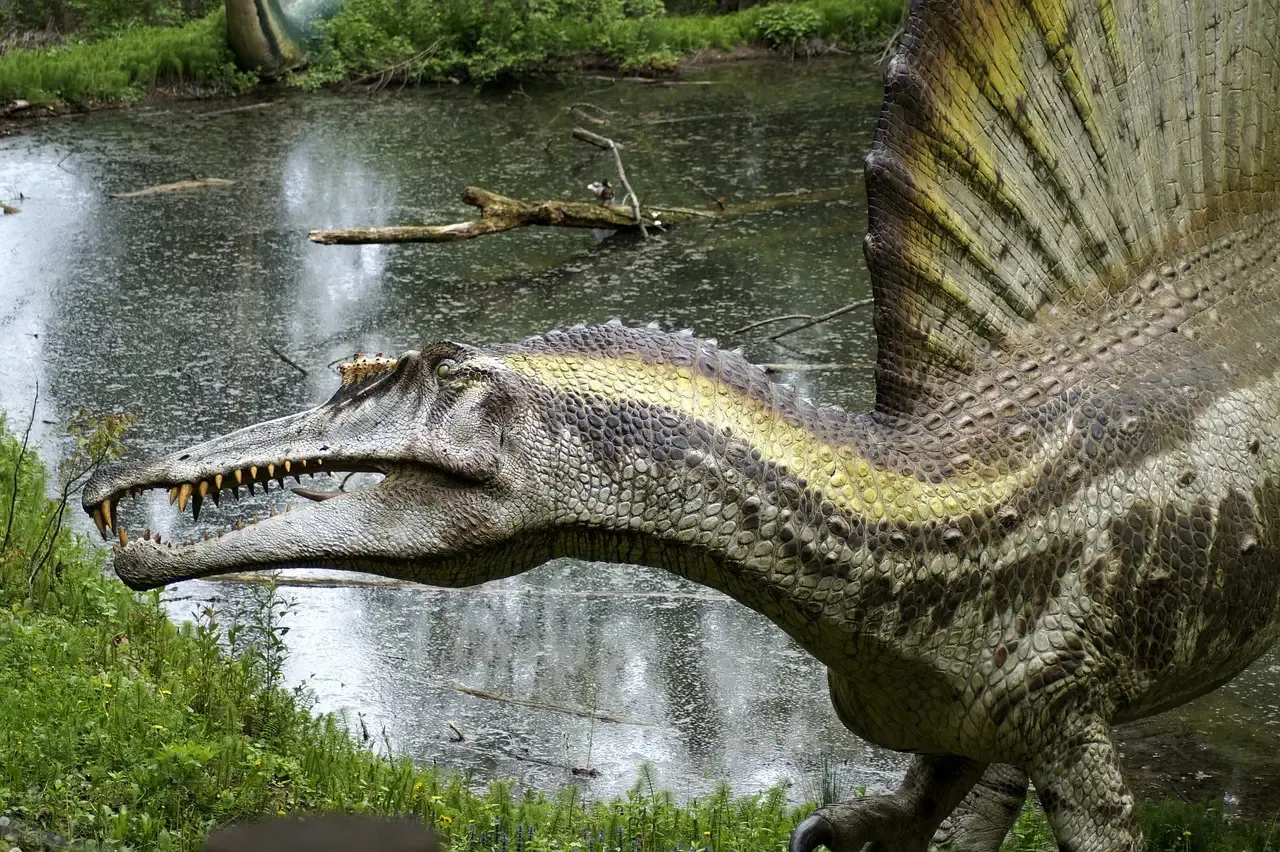
If dinosaur fandom had a boxing poster, it would probably be T. rex in one corner and Spinosaurus in the other, snarling across a lightning‑lit sky. Movies have staged this battle, internet threads never stop arguing about it, and toy companies lean into the rivalry like it is some ancient grudge match. The problem is that these two animals were separated by both oceans and millions of years of time, so the idea they ever locked jaws is pure fantasy.
T. rex lived in what is now western North America at the very end of the Cretaceous, while Spinosaurus hunted in North Africa more than ten million years earlier and in a very different ecosystem. They were not even playing the same game: T. rex was a land-based super‑predator built for crushing bites, while Spinosaurus seems to have been more semi‑aquatic, specialized for catching fish. So it is fun to debate who would win, but in reality it is like arguing who would win in a fight between a grizzly bear and a crocodile that lived on another continent in another era – dramatic in our heads, nonexistent in the fossil record.
2. Velociraptor Packs vs Full‑Grown Triceratops: Hollywood’s Favorite Underdog Story
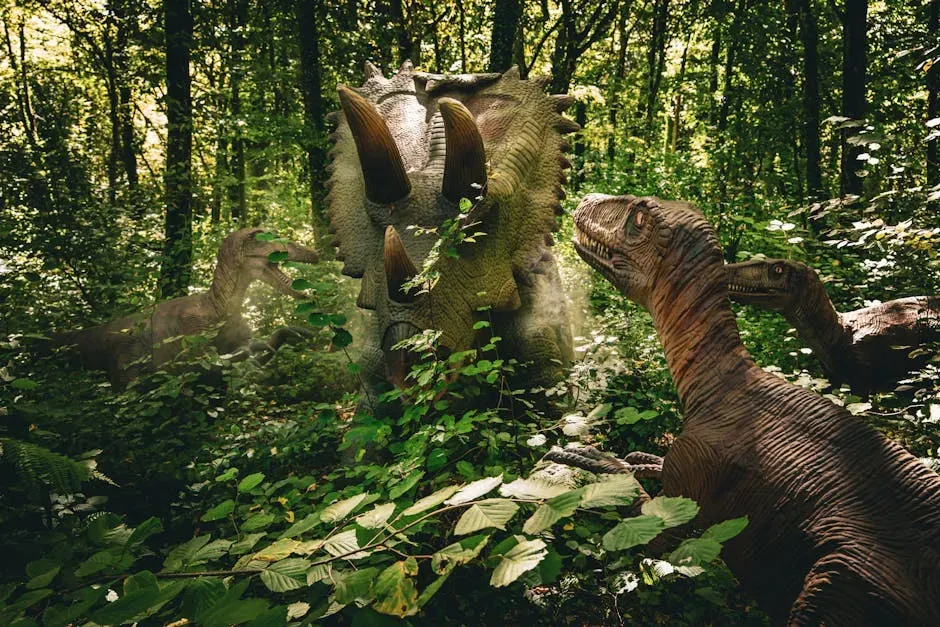
There is something cinematic about a dozen sleek Velociraptors darting around a massive Triceratops, leaping on its back while it swings its head and slashes with its horns. It feels like watching wolves circle a bison, all coordination and risk and near misses. But actual Velociraptor was a small, feathered predator about the size of a large turkey, and it lived in Asia, not in the North American habitats where Triceratops roamed.
Even if you replace Velociraptor with larger North American dromaeosaurs, like Dakotaraptor or Deinonychus, there is still no solid evidence of coordinated, wolf‑style pack hunting aimed at gigantic, healthy horned dinosaurs. Some bite marks show that raptors scavenged or attacked smaller or weakened prey, but a full‑scale face‑off against a healthy adult Triceratops would be a terrible business model. Hollywood loves the visual of nimble hunters taking down a tank; real evolution usually rewards animals that choose safer, more efficient meals instead of heroic suicide missions.
3. Giganotosaurus vs Tyrannosaurus rex: The “Who Was the Biggest?” Showdown
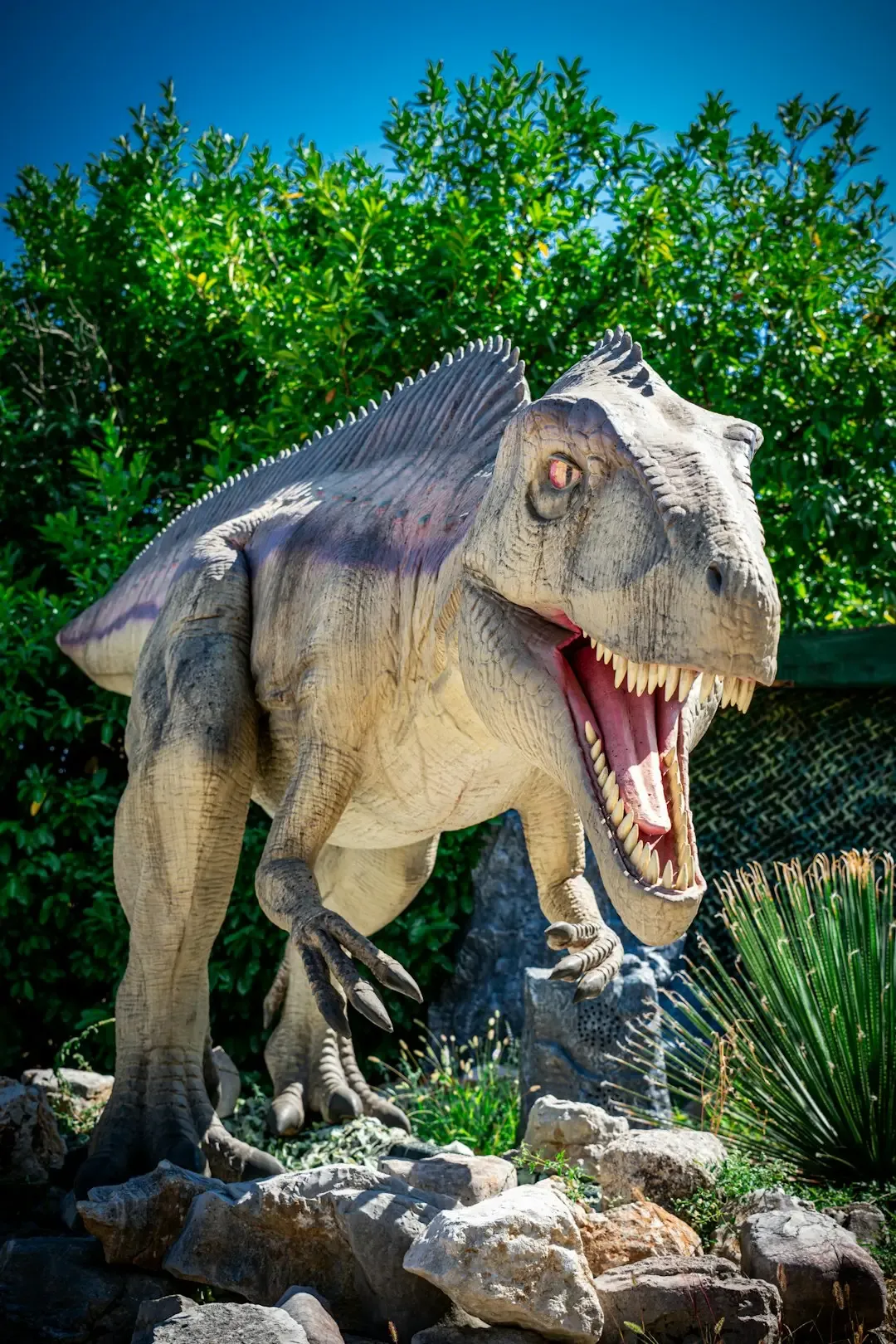
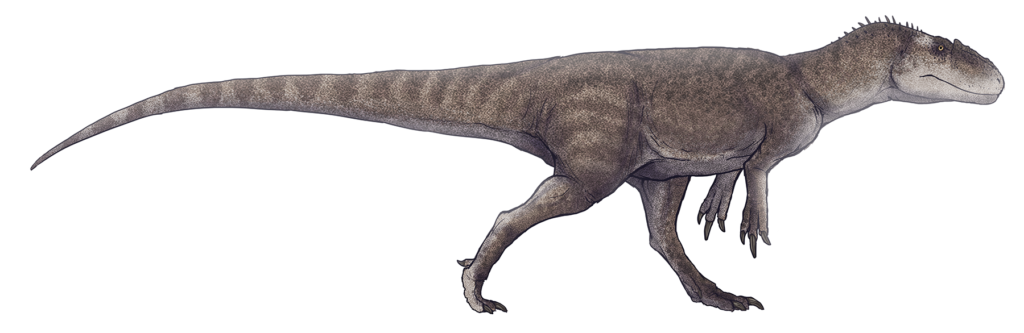
Dinosaur debates often devolve into measuring contests: who was larger, heavier, or had the stronger bite? Giganotosaurus, from South America, frequently gets cast as the southern rival to the northern T. rex, and fans quickly jump from size comparisons to imagining a brutal one‑on‑one fight. In reality, these animals never saw each other, and their ecosystems were separated by both space and time, not to mention different prey communities and climates.
Giganotosaurus lived earlier in the Cretaceous and likely specialized in hunting large sauropods, while T. rex evolved much later in an ecosystem full of horned and duck‑billed dinosaurs. Their bodies reflect these roles: T. rex had a famously powerful bite adapted for bone‑crushing, while Giganotosaurus seems more like a slash‑and‑bite predator. They were the apex hunters of their own worlds, but imagining them duking it out on a neutral battleground is more like fantasy wrestling than plausible paleontology.
4. Ankylosaurus vs Tyrannosaurus rex: Hammer Tail vs Bone‑Crusher in Fair Combat
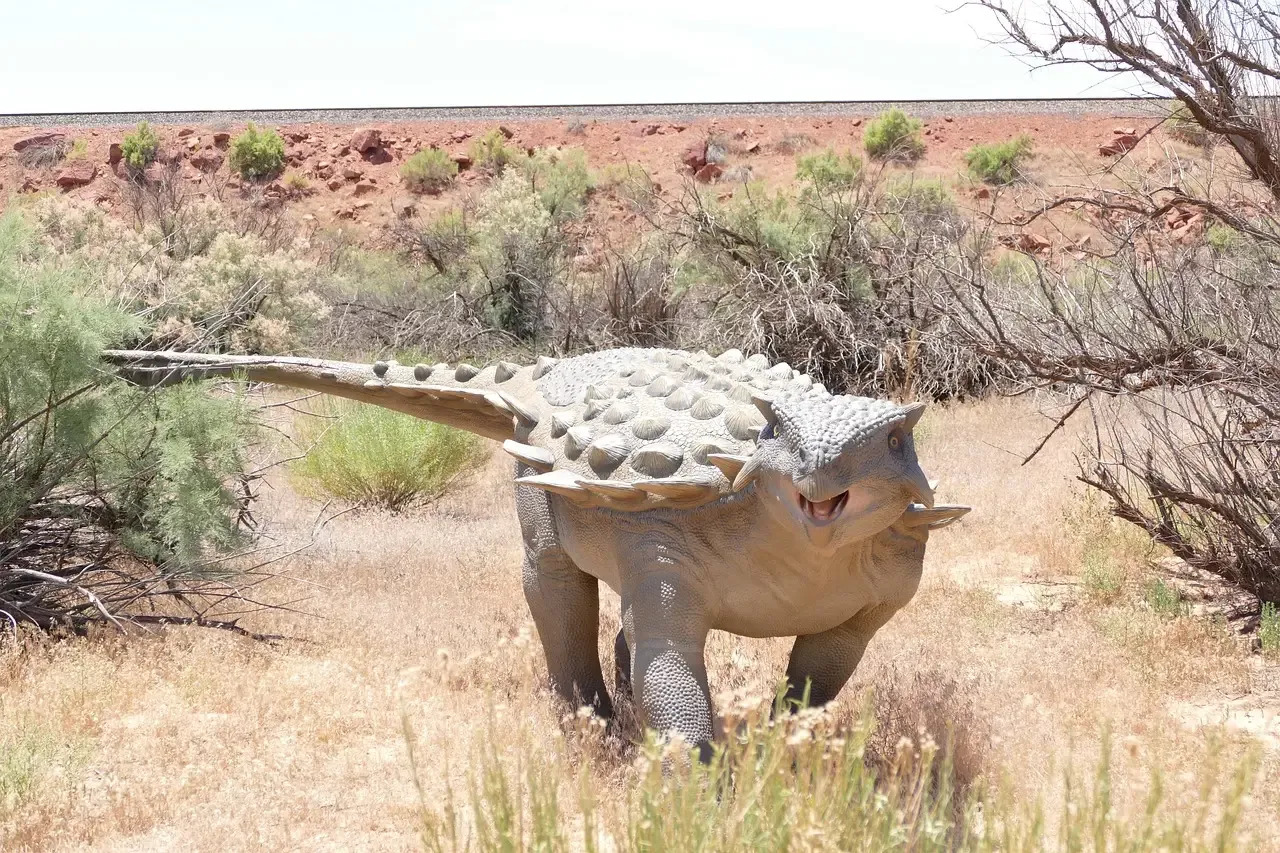
Ankylosaurus is the tank of the dinosaur world: low to the ground, wrapped in armor, brandishing a massive club at the end of its tail. T. rex is the infamous predator with a bite strong enough to crush bone. Put them in the same landscape and you get an instant mental image of a gladiator match, complete with sparks flying off armor plates and dramatic tail swings. Fossil evidence does suggest these animals coexisted, and healed bite marks on ankylosaurs show that big predators sometimes attacked them.
But even here, the romantic idea of a clean, cinematic duel is misleading. Any encounter was likely messy and opportunistic, with T. rex trying to catch a distracted or vulnerable ankylosaur and the herbivore doing everything possible to avoid a confrontation in the first place. If a tail club connected with a tyrannosaur leg, it could cause serious damage, yet that does not mean they squared off like two knights testing each other’s armor. Most of the time, both animals probably preferred not to gamble their lives in dramatic showdowns that only look good from the audience’s perspective.
5. Sauropod Giants vs Theropod Giants: The “Boss Battle” That Ignores Herd Life
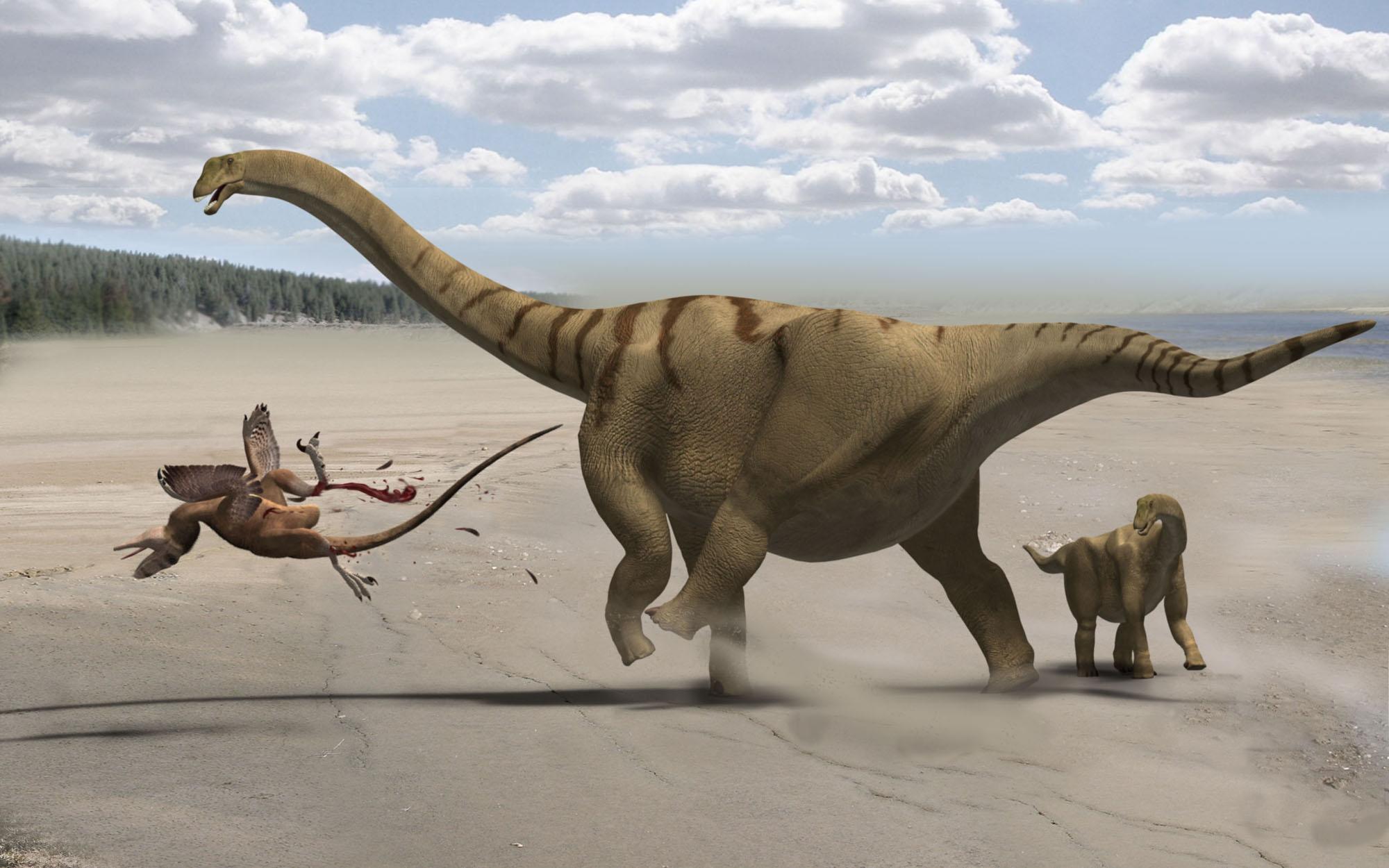
Many kids’ books show a huge theropod leaping at the throat of an equally huge sauropod, their sizes matched like final‑level video game bosses. The image is thrilling: a long‑necked giant rearing up while a predator hangs from its flank. However, adult sauropods like Argentinosaurus or Brachiosaurus were so enormous that they were probably nearly immune to routine predation once they reached full size. Predators typically focus on the young, the sick, or the unlucky stragglers, not on the biggest and healthiest members of the herd.
Theropod tracks and bonebeds suggest that even large carnivores often targeted smaller prey or scavenged when they could. While it is likely that juveniles of giant sauropods were attacked, the tidy concept of a one‑on‑one duel between evenly matched titans flattens a complex reality. Herd behavior, environmental hazards, and sheer size differences made dramatic single combat between fully grown giants a rare and risky event, not the daily routine that sensational art often implies.
6. Utahraptor vs Any Adult Large Theropod: Raptor as Super‑Ninja Assassin
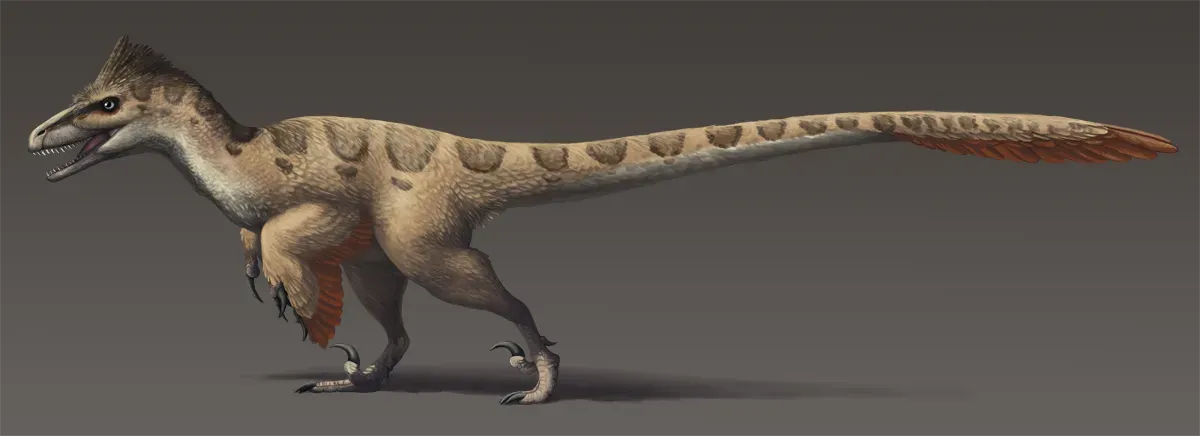
Utahraptor has become a kind of cult favorite among dinosaur fans: it is big, charismatic, and wrapped in a cloud of speculation. Because it was a very large dromaeosaur, people love to imagine it taking down almost anything in its environment, including fully grown big theropods, by leaping, slashing, and outsmarting heavier opponents. This plays into our fondness for the underdog hero – small but cunning beating big but clumsy.
In reality, we do not have good evidence that even large raptors formed disciplined packs or regularly attacked other top predators that were much bigger than they were. Taking on a large carnivore head‑on would be incredibly risky for animals that relied on agility and their legs for survival. More likely, Utahraptor and other big dromaeosaurs focused on medium‑sized herbivores and opportunistic scavenging, and tried hard to avoid getting into lethal conflicts with the neighborhood heavyweights. The ninja‑assassin storyline is entertaining, but it is probably more anime than actual ecology.
7. Allosaurus vs Stegosaurus: Iconic Enemies Turned into Ritual Duelists
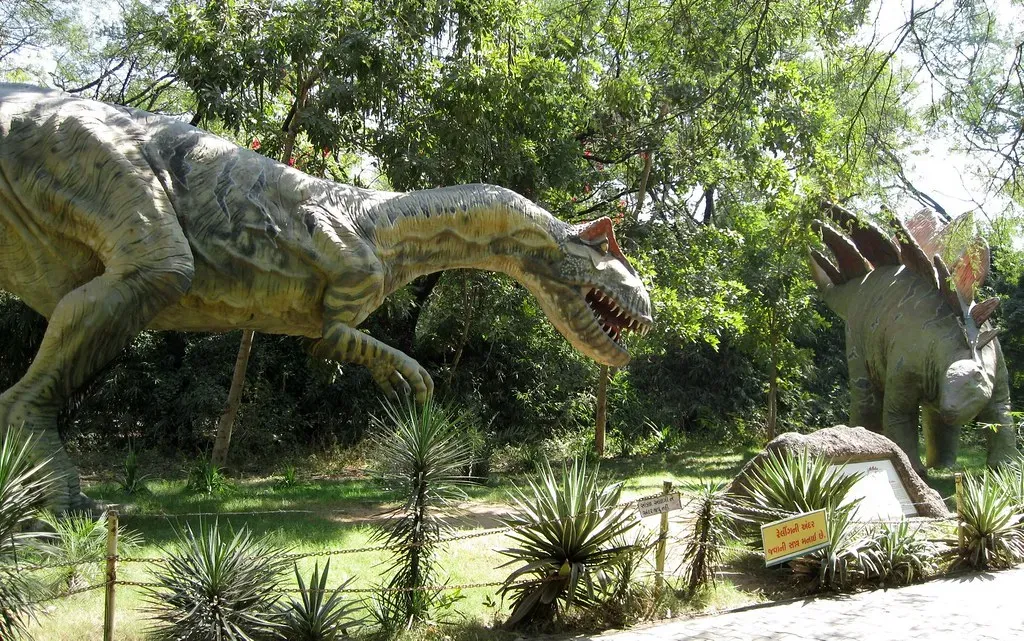
Allosaurus and Stegosaurus lived in the same Jurassic ecosystems in what is now North America, and there is some intriguing fossil evidence of interaction, including bite marks on Stegosaurus bones and damage on Allosaurus skeletons that might connect to stegosaurs. That has inspired countless pieces of art where a Stegosaurus swings its spiked tail at an advancing Allosaurus in a dramatic standoff. These scenes often look like they were choreographed, almost like ritualized duels between species destined to fight each other.
But even in this rare case where predator and prey truly shared an environment, the notion of evenly matched, honorable combat is overblown. Allosaurus would have chosen moments of advantage – young stegosaurs, distracted adults, or weakened individuals – and Stegosaurus would have used its weaponry mainly to defend itself and then get out of danger. A well‑placed swing from that tail could be devastating, yet that does not mean these animals spent their lives regularly reenacting the same dramatic clash. It was more likely a low‑frequency, high‑stakes event in a world full of foraging, resting, and avoiding pointless risks.
8. Ceratopsians vs Each Other: Never‑Ending Horned Dinosaur Cage Matches
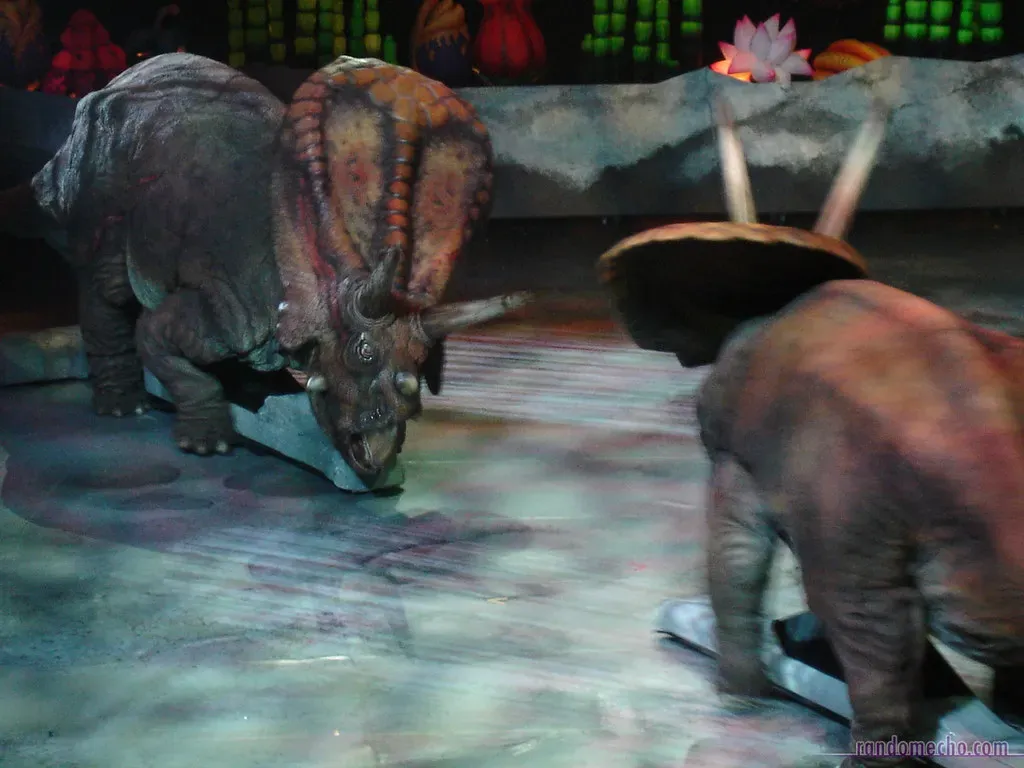
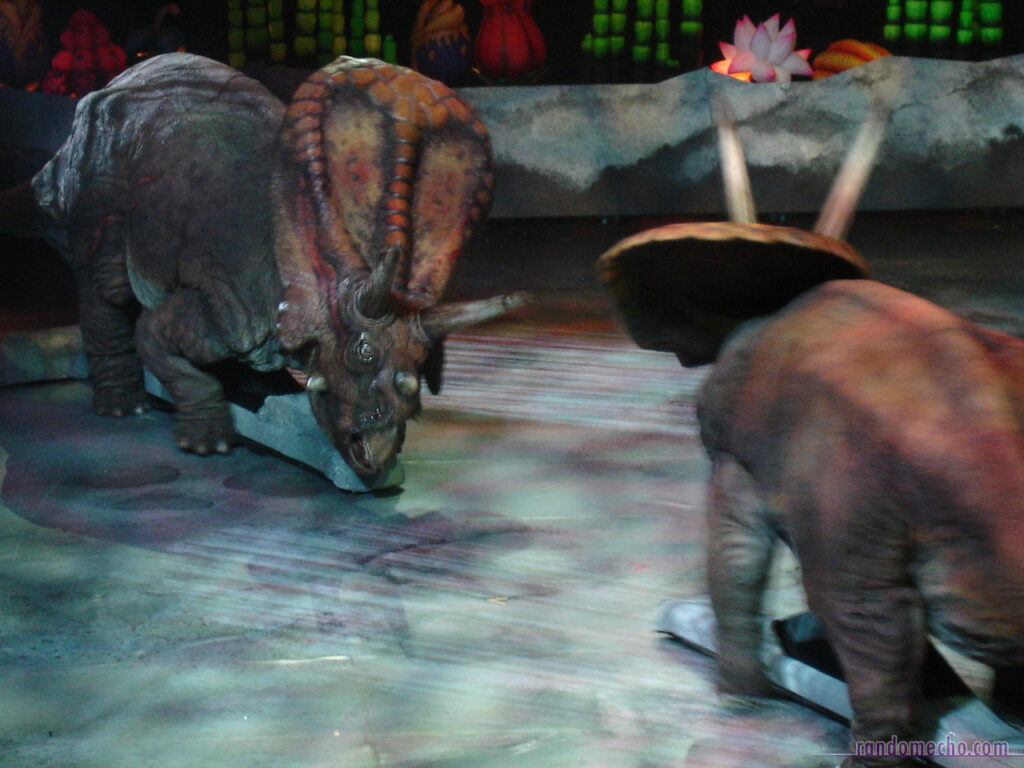
Horned dinosaurs like Triceratops, Centrosaurus, and Styracosaurus look like they were built for fighting. Massive skulls, elaborate frills, eye‑catching horns – it is easy to picture them crashing into each other like rhinoceroses in endless territorial battles. Some fossils do show injuries that may come from horn strikes, especially on skulls, and that supports the idea of intraspecific combat over mates or status, much like modern animals with horns do today.
But the popular image of constant, bloody cage matches between rival species of ceratopsians, charging head‑to‑head until one randomly drops, is exaggerated. Many of these injuries could be from ritualized pushing contests, brief clashes, or accidental impacts that did not always turn into lethal brawls. Different horn shapes and frills also may have helped with display and recognition rather than pure combat. So while horned dinosaurs probably did fight each other sometimes, the nonstop rivalry narrative where every interaction is a brutal duel is more drama than data.
9. Mixed‑Era Mash‑Ups: Jurassic vs Cretaceous “All‑Star” Battles
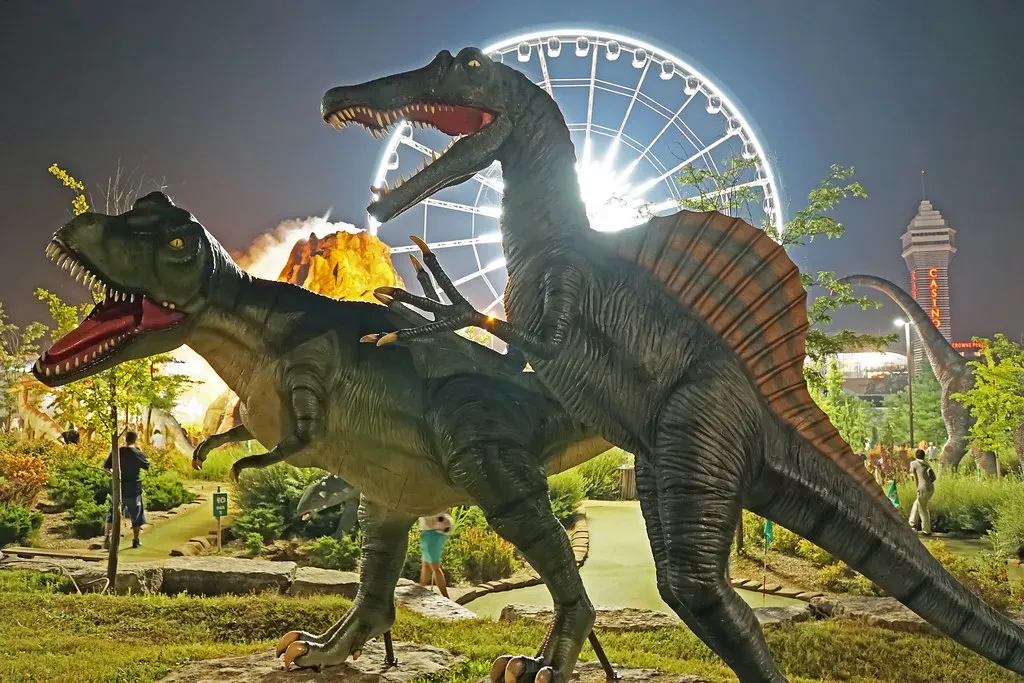
One of the wildest habits in dinosaur media is throwing together animals from totally different periods as if they were neighbors. You get Stegosaurus from the Late Jurassic facing off against T. rex from the Late Cretaceous, or early raptors hunting alongside ceratopsians that evolved millions of years later. It is like hosting a sports tournament where ancient Roman gladiators play against modern basketball teams and pretending that tells you anything about real history.
These mash‑ups happen partly because the word “dinosaur” flattens about 160 million years of evolution into one mental image. It feels natural to picture them all in the same lush valley, roaring at each other under the same volcano. In truth, many of the most popular “versus” battles are chronologically impossible; entire mountain ranges would have risen and eroded away between the lifetimes of some of these species. They make for fun posters and games, but they do not have any more scientific basis than a fantasy crossover between mythological creatures.
10. The Dinosaur Free‑for‑All: Every Species Fighting, All the Time
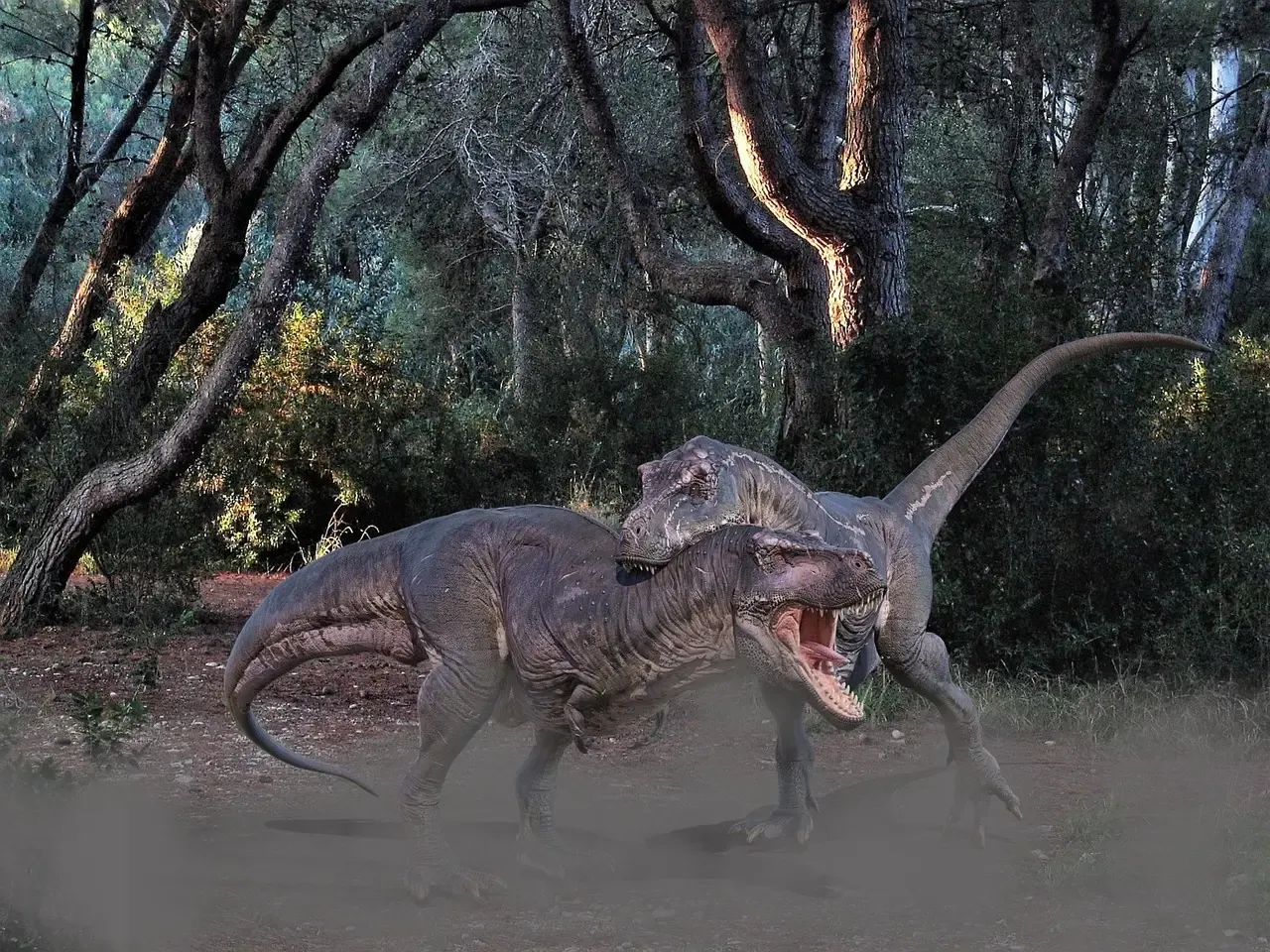
At the extreme end, there is the idea that the Mesozoic was basically a never‑ending battle royale, with dinosaurs constantly attacking anything that moved, including each other. This vision shows every encounter as either predator versus prey or rival versus rival, like a planet‑wide combat arena. It is exciting, but it forgets that living things spend most of their time doing very uncinematic things: feeding, resting, migrating, raising young, and simply trying not to get hurt.
In modern ecosystems, serious physical fights are relatively rare because they are dangerous and energy‑intensive, and many animals rely on intimidation, display, or avoidance instead. There is every reason to think dinosaurs followed similar rules. They evolved impressive weapons and defenses, but those traits existed within broader behaviors focused on survival, not constant brawling. The idea of an all‑out dinosaur free‑for‑all is one of the most dramatic stories we tell – and one of the least likely to reflect how these animals actually lived.
Conclusion: Why Imaginary Dinosaur Duels Still Matter
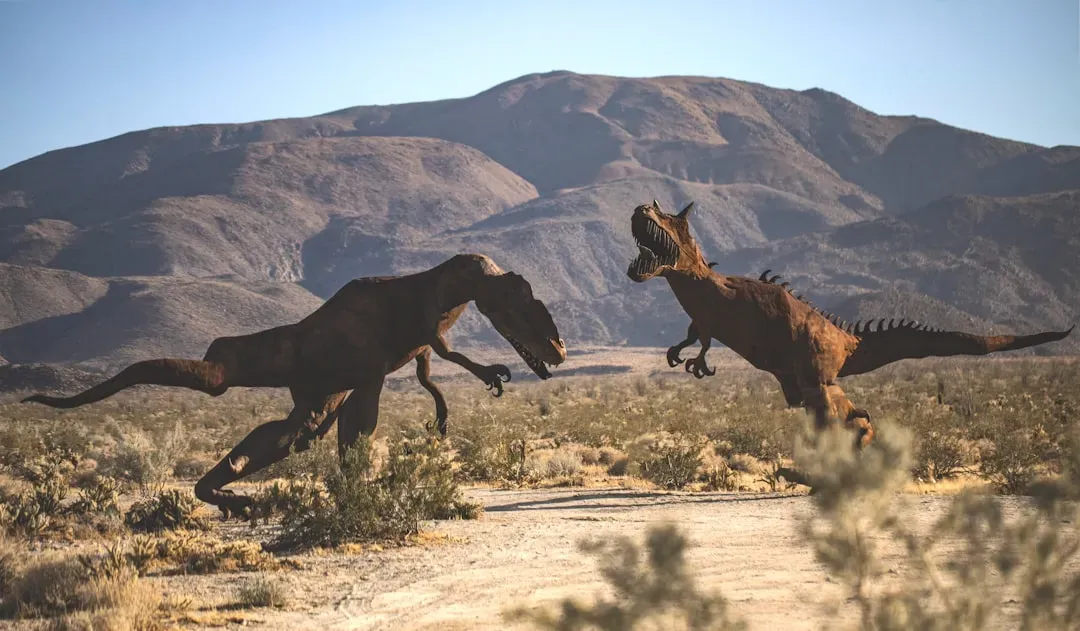
It is tempting to roll our eyes at all these impossible matchups and declare them a total waste of time, but that would miss something important. The same wild imagination that pits T. rex against Spinosaurus or turns Utahraptor into a lone assassin is often what pulls people toward real science in the first place. Many paleontologists will quietly admit that their careers started with over‑the‑top artwork, toy battles on the living‑room carpet, and arguments with friends about who would win in a fight that never happened.
The trick is not to get rid of the fantasy, but to learn to separate it from evidence and let the two talk to each other. We can enjoy the drama while also appreciating that real dinosaurs were complex animals in intricate ecosystems, not just combatants in an endless tournament. When we do that, the truth turns out to be just as fascinating as the myths, even if it is less cinematic. And honestly, knowing these battles probably never happened makes the question even more fun: if you could break the rules of time and space for just one prehistoric showdown, which impossible fight would you actually want to see?