
You never really outgrow your dinosaur phase. Some of us just swap plastic toys for hiking boots, field guides, and a camera roll full of fossil selfies. The magic truly hits when you leave the glass cases behind and stand outside where the animals actually walked, swam, or sank into mud and tar millions of years ago. That is what the best open-air dinosaur and fossil sites in the United States deliver: science you can literally step into.
In this guide, we’re walking through six standout places where the exhibits are not just indoors on pedestals, but spread across cliffsides, riverbeds, quarries, and even bubbling tar pits. These are not theme parks with foam T. rexes; they are active scientific sites and protected landscapes where the fossils (or the tracks they left behind) are still locked into the earth. Think of it as a mash-up of road trip, time machine, and geology lab – only with sunscreen instead of safety goggles.
Dinosaur National Monument, Colorado/Utah: A Canyon Full of Bones
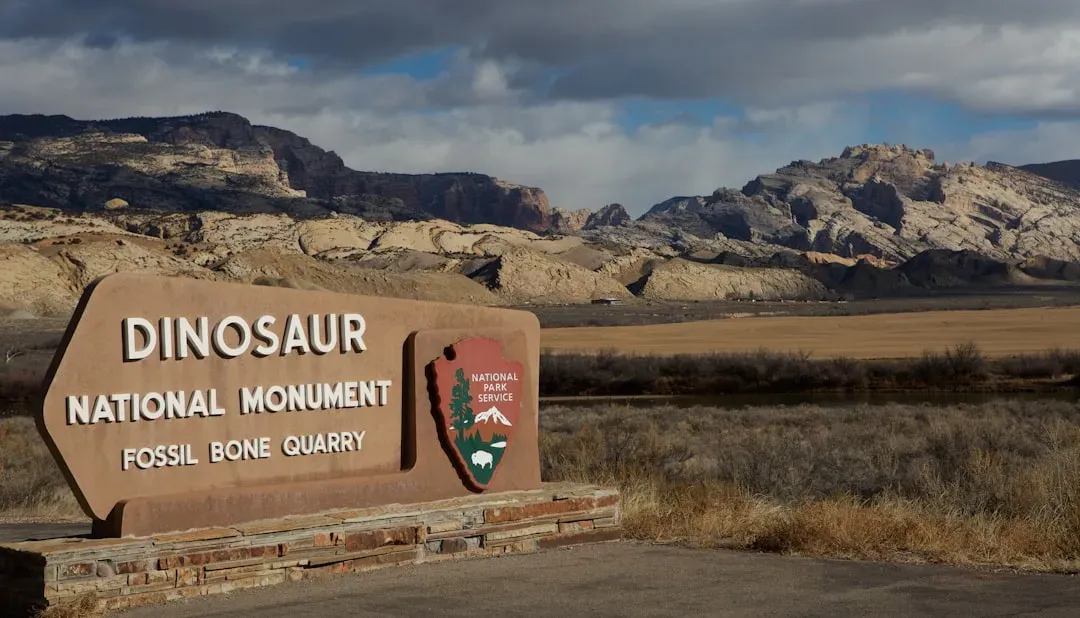
If you’ve ever wanted to feel physically dwarfed by deep time, the Wall of Bones at Dinosaur National Monument is the place. A towering rock face holds roughly about one and a half thousand dinosaur bones still embedded exactly where they were discovered, including remains from long-necked sauropods such as Diplodocus and massive predators from the Late Jurassic. A modern Quarry Exhibit Hall is built right over the original Carnegie Quarry so you can stand inches from leg bones, vertebrae, and skull fragments that have not moved since they were entombed more than about one hundred and fifty million years ago. ([nps.gov](https://www.nps.gov/dino/planyourvisit/quarry-exhibit-hall.htm?utm_source=openai))
Step outside the hall and the “museum” suddenly expands into more than two hundred thousand acres of canyons, river valleys, and desert benches. Rafting the Green or Yampa Rivers takes you past sheer rock layers that stack up like a visible calendar of Earth history, while trails lead to smaller fossil sites, petroglyphs, and wild overlooks with bighorn sheep scrambling across the same formations that hold dinosaurs. In early 2026, construction work near the Quarry turned up brand new fossils – the first quarry-area excavation in more than a century – which is a wild reminder that this landscape is still actively giving up secrets. ([axios.com](https://www.axios.com/local/denver/2026/01/20/new-fossils-dinosaur-national-monument?utm_source=openai))
Dinosaur Valley State Park, Texas: Walking in Real Footprints
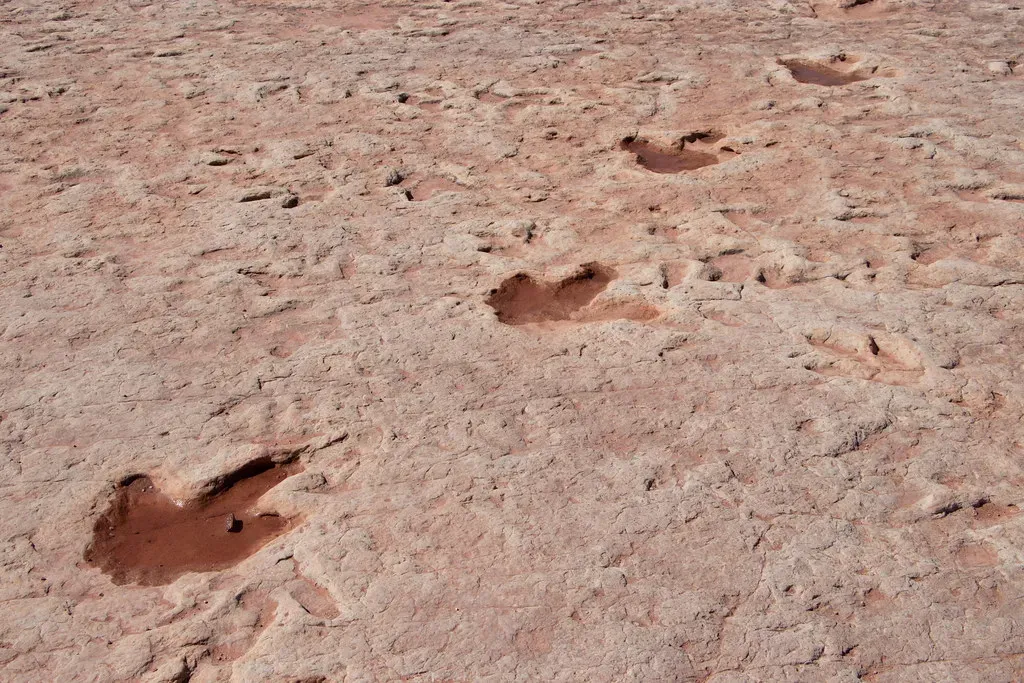
Most dinosaur museums show you reconstructed skeletons and tell you how the animals might have moved; Dinosaur Valley State Park casually lets you follow their actual footprints along a riverbed. About one hundred and thirteen million years ago, giant sauropods and three-toed theropods trudged through soft mud along what was then a coastal environment. Today those tracks are preserved in limestone along at least five mapped tracksite areas, including the famous Ballroom Track Site where hundreds of prints overlap and crisscross like a prehistoric traffic jam. ([en.wikipedia.org](https://en.wikipedia.org/wiki/Dinosaur_Valley_State_Park?utm_source=openai))
What makes this place so addictive is how physical the experience is. You clamber down to the Paluxy River, hunt for the three-toed impressions, and suddenly you are matching your stride to an animal that may have stood taller than a house. In dry seasons, low water levels reveal more tracks, and big floods sometimes scour the riverbed and expose new ones, keeping the site dynamic instead of frozen in time. The surrounding park adds miles of hiking and biking through Texas Hill Country, so it feels less like “going to a museum” and more like spending a day in a living outdoor lab with dinosaurs as your invisible hosts. ([americasstateparks.org](https://www.americasstateparks.org/state-park/dinosaur-valley/?utm_source=openai))
Dinosaur Ridge, Colorado: A Fossil Highway on the Hogback
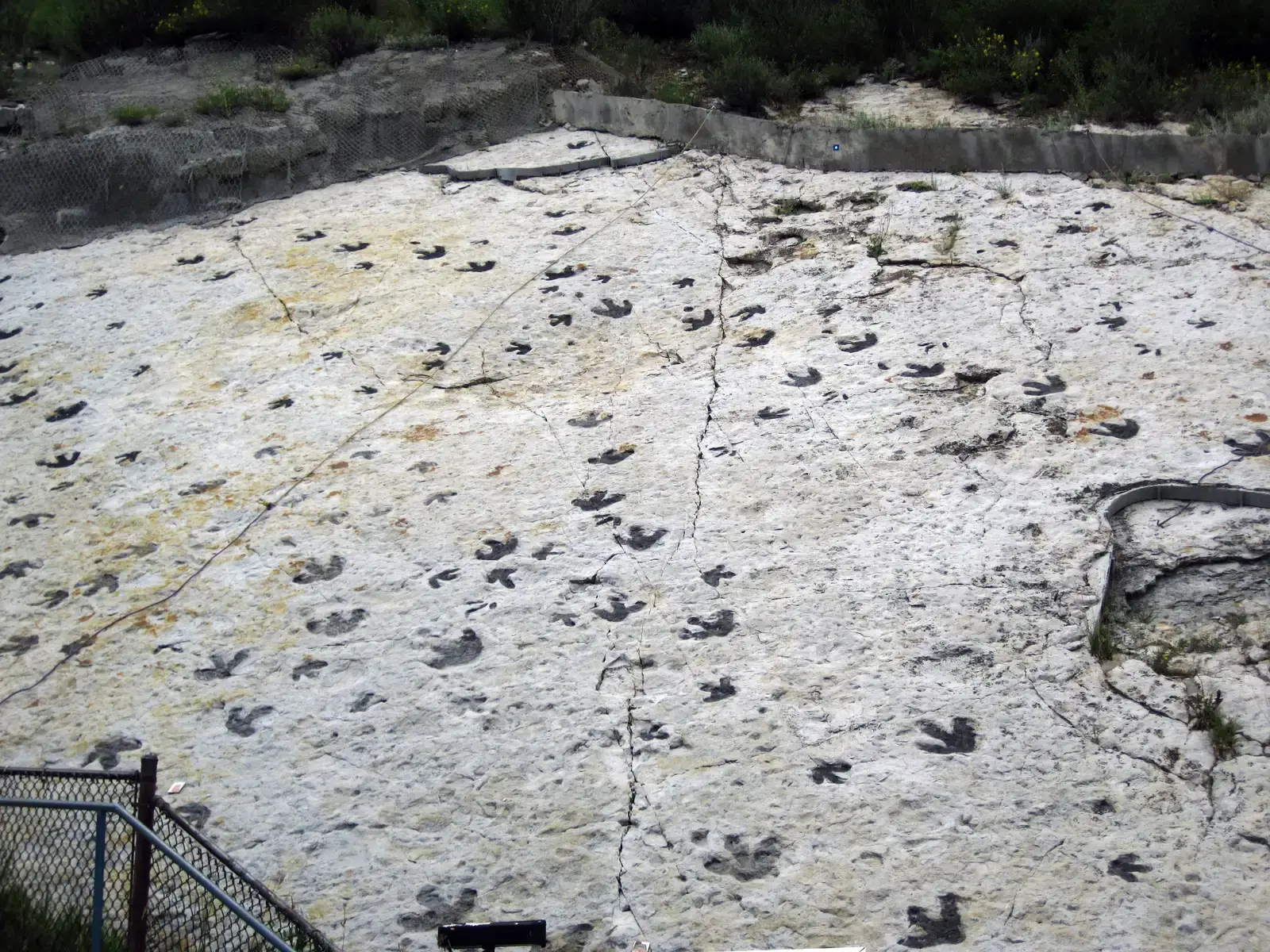
Just west of Denver, rush-hour traffic zips past one of the most important dinosaur tracksites in North America, and most drivers have no idea it is there. Dinosaur Ridge is a stretch of the Dakota Hogback where tilted sedimentary layers expose both fossil bones and trackways right on the surface. Along a closed section of road, you can stroll past slabs packed with three-toed tracks from duck-billed dinosaurs and carnivorous theropods, ripple marks from ancient shorelines, and even impressions of dinosaur skin. ([en.wikipedia.org](https://en.wikipedia.org/wiki/Dinosaur_Ridge?utm_source=openai))
What sets Dinosaur Ridge apart, in my view, is how seamlessly it blends into everyday life. This is not some remote canyon that requires three days of backcountry permits; it is twenty minutes from downtown Denver, with buses and bike racks and city life right over the hill. Interpretive signs, volunteer guides, and a small visitor center help you decode the geology without drowning you in jargon. Standing there with the Front Range skyline in one direction and the urban sprawl in the other, it hits you that this entire metro area is draped over rocks that once formed a dinosaur coastline – and the ridge itself is basically an open textbook someone forgot to close.
La Brea Tar Pits, California: Ice Age Fossils in the Middle of Los Angeles
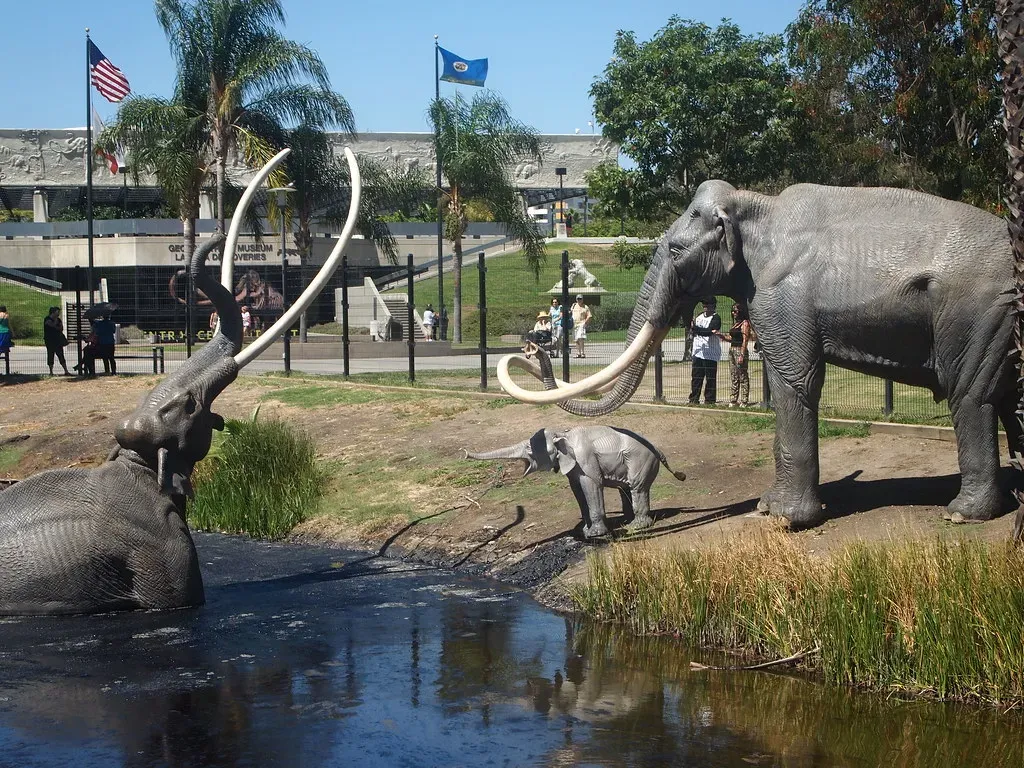
Strictly speaking, La Brea is not a dinosaur site – it showcases Ice Age mammals like saber-toothed cats, dire wolves, mastodons, and giant ground sloths rather than Jurassic giants. But if you care about open-air fossil museums, it absolutely belongs on a short list of the best. Right in Los Angeles, pools of natural asphalt have trapped animals for tens of thousands of years, creating what many scientists consider one of the richest late Pleistocene fossil records on the planet. The outdoor park is dotted with fenced-off pits, active excavation areas, and the famous “lake pit,” where gas bubbles still disturb the tar-black surface. ([en.wikipedia.org](https://en.wikipedia.org/wiki/La_Brea_Tar_Pits?utm_source=openai))
What I love about La Brea is how obvious the process side of paleontology is. Even as the indoor museum heads into a major renovation, visitors can still watch excavations at sites like Pit 91 from outdoor viewing points, seeing plaster jackets, grid systems, and fossil prep work unfold in real time. You are not just looking at mounted skeletons; you are watching them being found, cleaned, and cataloged a few meters from where they were pulled from sticky asphalt. It is chaotic, weirdly urban, and smells faintly like roofing tar – more like stumbling into a movie set than walking into a quiet gallery – and that messy realism makes the science feel alive rather than distant. ([tarpits.org](https://tarpits.org/experience-tar-pits/pit-91?utm_source=openai))
Rowan University’s Edelman Fossil Park & Museum, New Jersey: Hands-On at the End of the Age of Dinosaurs
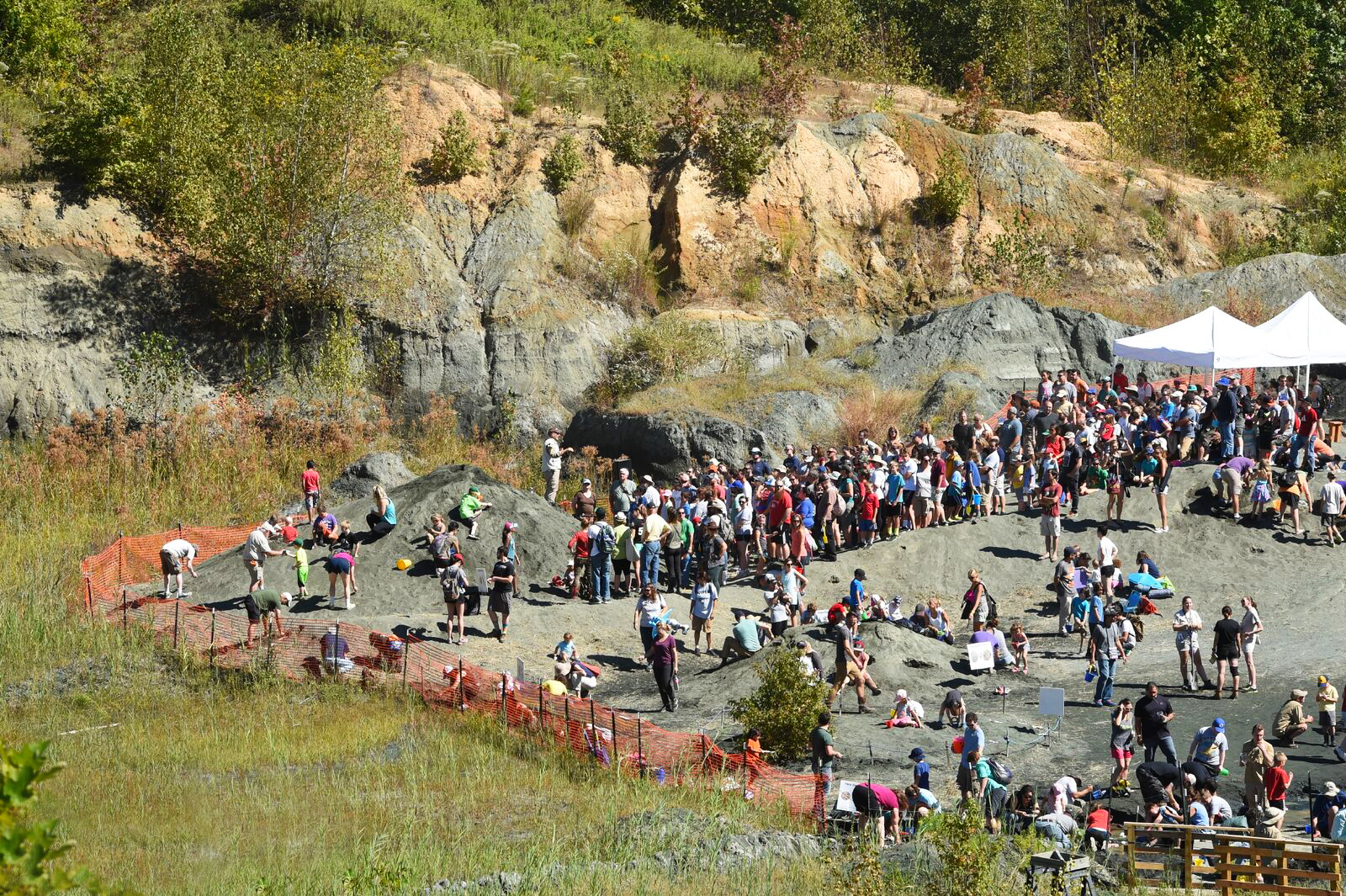
On the opposite coast, an old quarry in southern New Jersey has quietly become one of the most exciting public fossil digs in the country. The Edelman Fossil Park & Museum sits on a site preserving sediments from the very end of the Cretaceous, close to the time of the mass extinction that ended the age of non-avian dinosaurs. Visitors can head outdoors to an active quarry area, sift through the loose sediment, and often find small fossils of marine creatures that lived in the shallow sea that once covered the region. ([rowan.edu](https://www.rowan.edu/fossils/?utm_source=openai))
To me, the magic here is its mix of community feel and big-picture science. School groups and families kneel side by side with educators, pulling out pieces of ancient shells and bones that are scientifically real enough to be part of ongoing research. Above the quarry, the campus layers in nature trails, life-sized dinosaur sculptures, and even a pterosaur-themed playground, which keeps it squarely in the “open-air museum” category rather than just a dig site. It is one of the clearest examples of how modern paleontology is trying to be hands-on and participatory instead of telling people to stay behind the rope line.
Como Bluff and Bone Cabin Country, Wyoming: The Classic Fossil Frontier
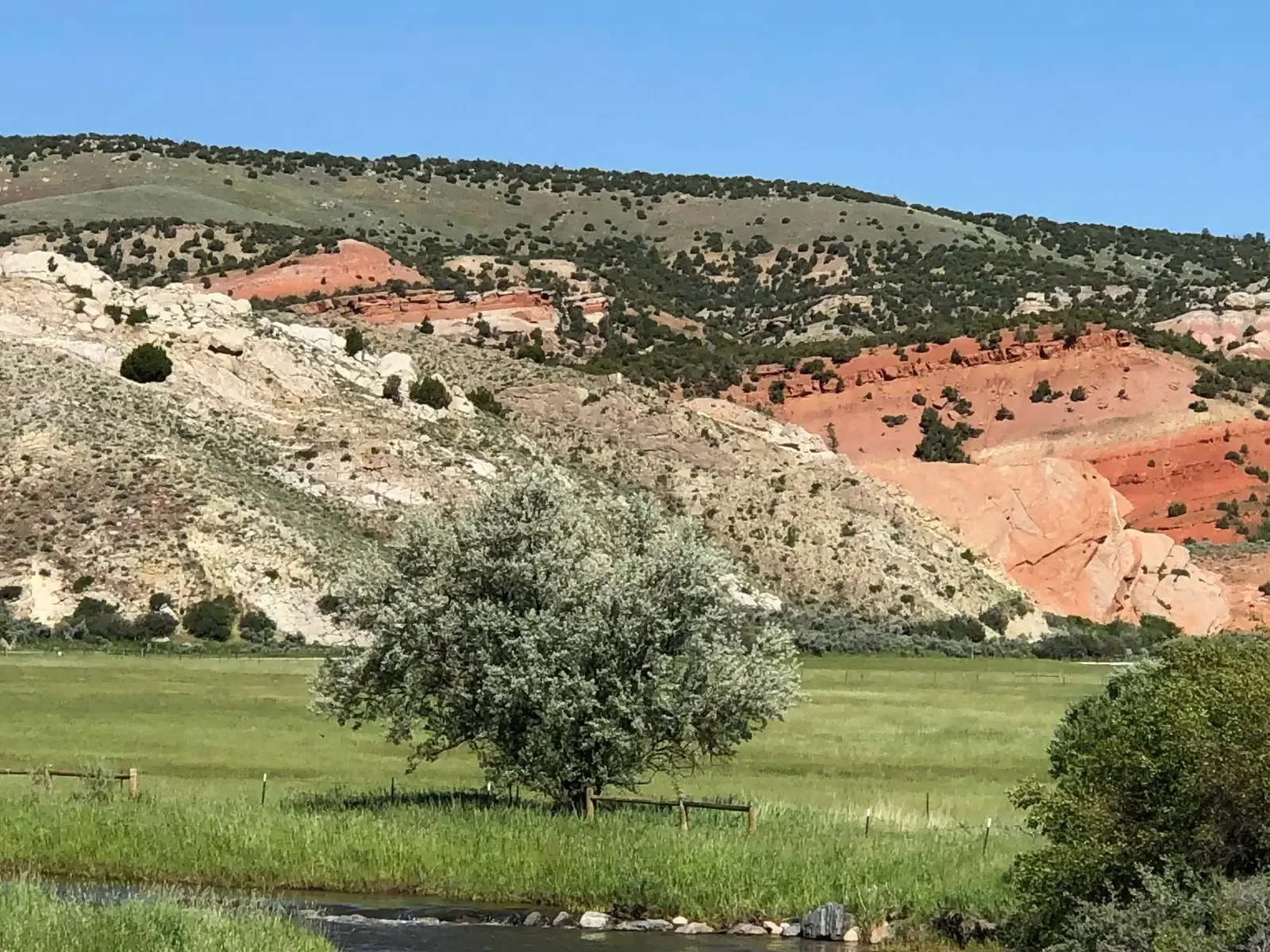
If Dinosaur National Monument is the polished, official face of American dinosaur history, the ridges around Como Bluff and Bone Cabin Quarry in Wyoming are its gritty origin story. In the late nineteenth century, this area became a battleground in the infamous “Bone Wars,” when rival paleontologists raced to out-collect each other and shipped boxcars full of Jurassic bones to Eastern museums. Sites like Bone Cabin Quarry, named for a local shack built with fossil-bearing rocks, yielded major dinosaurs from the Morrison Formation and helped define our modern image of long-necked sauropods and plated stegosaurs. ([en.wikipedia.org](https://en.wikipedia.org/wiki/Bone_Cabin_Quarry?utm_source=openai))
Today, this is less of a formal, signposted museum and more of a historic fossil landscape, and that is exactly why I think it earns a spot on this list. You are moving through open ranch country and low ridges knowing that many of the skeletons you have seen in classic museum halls were pulled from these very rocks. Some areas remain active research or educational sites under permits, while others are protected and off-limits to collecting, which is crucial given the very real problem of fossil poaching. It feels raw and a little wild, like visiting a famous battlefield where the cannons are gone but the ground still holds the story.
Why These Six Open-Air Fossil Sites Still Matter
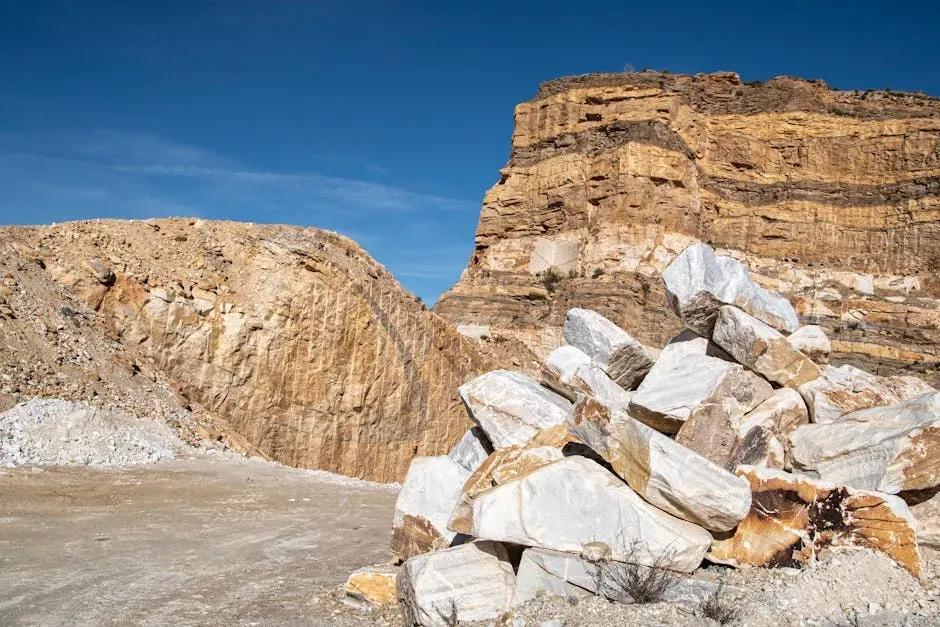
With so many digital experiences and virtual tours available, it is easy to wonder whether we still need to travel to remote quarries or stand in the sun squinting at footprints in a riverbed. After spending time at places like these, my honest opinion is that online images are no substitute. The scale of the Wall of Bones, the shock of realizing your shoe fits neatly inside a theropod print, the surreal sight of tar bubbling up between skyscrapers – those things do something to your brain that a thumbnail on a phone screen simply cannot. They make deep time feel literal and physical, not just a number in a textbook.
These six sites are not the only great open-air fossil destinations in the United States, but they sketch a pretty compelling map: from canyon walls on the Colorado–Utah border to a New Jersey quarry, from Texas riverbeds to Colorado hogbacks and Los Angeles asphalt pits. Each of them shows a different way that life and landscape intertwine, and each forces you to confront how temporary our own moment really is. If anything, I think we should be treating these places less like casual roadside attractions and more like national treasures of curiosity. Next time you plan a trip, are you going to settle for another outlet mall stop – or are you ready to go stand where giants actually walked?