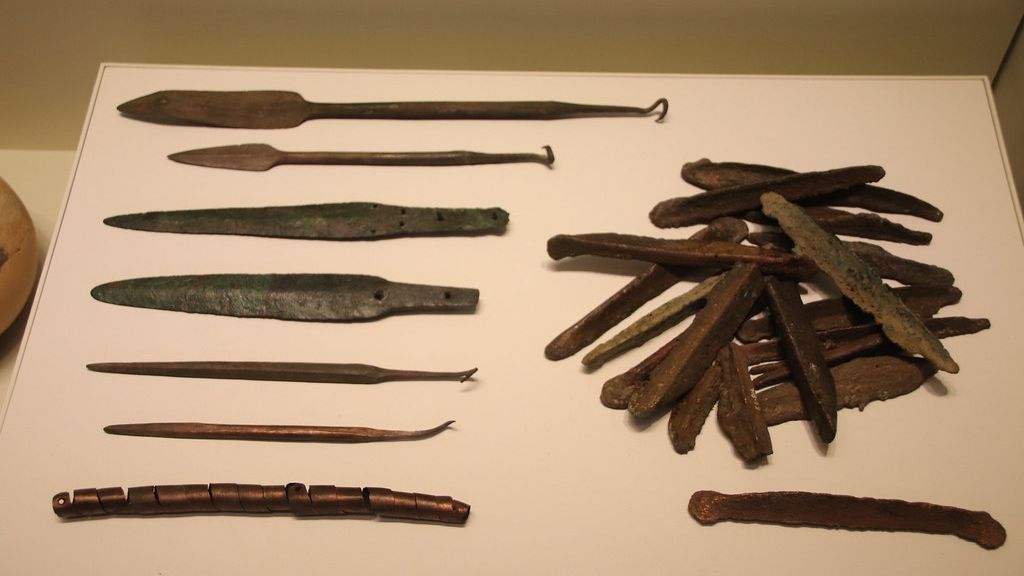
You probably hear more about the Stone Age and the Iron Age, but the real plot twist in human history quietly happened in between. During the Bronze Age, people like you – just as curious, anxious, and ambitious – stumbled into a set of inventions that reshaped how humans live, work, fight, love, and remember. You might not see bronze tools lying around your house today, but the systems and ideas born in that era still sit under almost everything you do.
When you look closely, the Bronze Age is less about shiny metal and more about the first big experiment in what we would now call civilization at scale. Cities thickened, trade routes stretched across continents, and new technologies demanded new ways of thinking about labor, power, and knowledge. As you explore these seven inventions, you are really looking at the moment your world started to look strangely familiar – crowded, connected, unequal, inventive, and endlessly restless.
1. Bronze Metallurgy: The First High-Tech Material
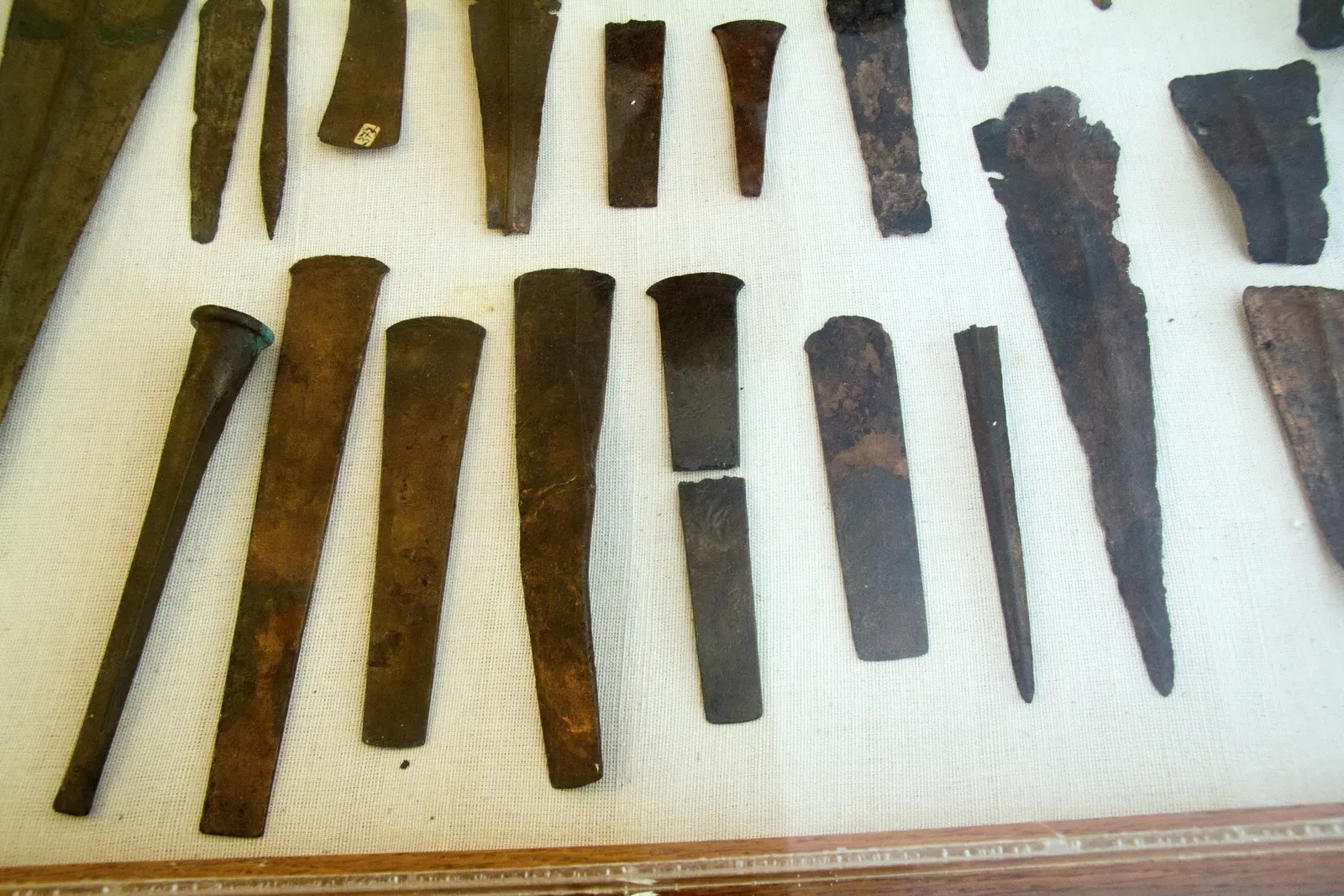
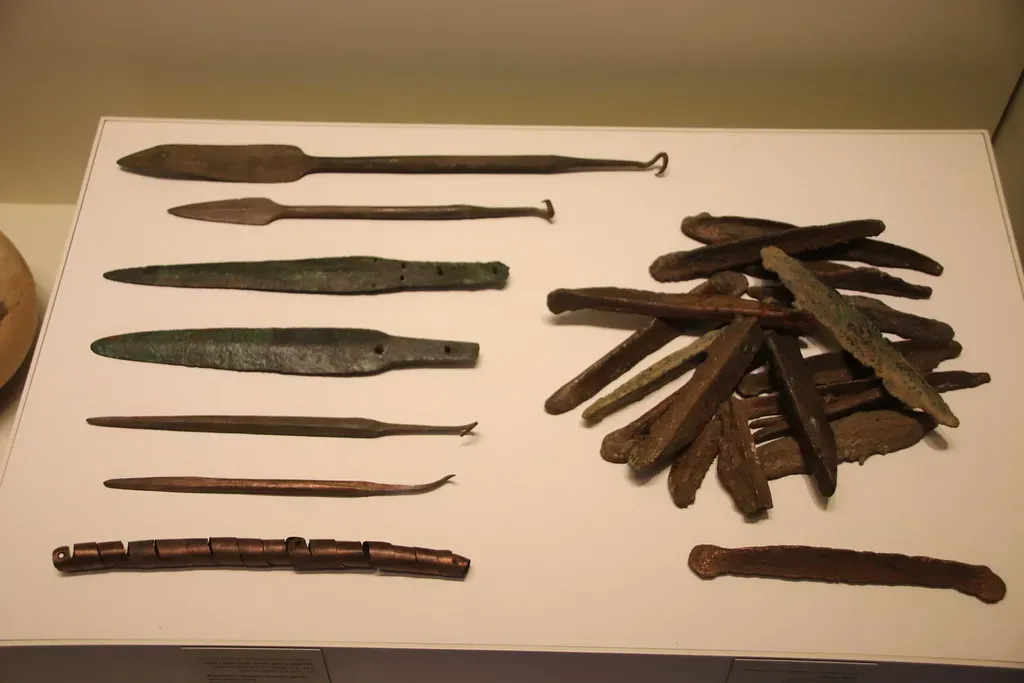
Imagine living in a world where your toughest tool is a carefully chipped stone or a polished bone, and suddenly you discover you can melt rock, mix it with another rock, and pour out something harder, sharper, and more durable than anything you’ve ever held. That is what bronze did: by alloying copper with a small amount of tin, people created a metal that transformed how you could farm, build, hunt, and wage war. It was your era’s version of discovering industrial steel, but wrapped in myth, experimentation, and a lot of trial and error with hot furnaces.
With bronze, you could shape axes that bit deeper into wood, plows that cut into stubborn soil, chisels that sliced through stone, and swords that did not shatter as easily as earlier blades. You also started to see social shifts: whoever controlled the copper and tin, and the secret of alloying them, suddenly held power. If you imagine a workshop glowing at night, a group of specialists tending their furnaces, you are looking at one of the first technological elites – people whose skills made them valuable to rulers and traders across vast distances.
2. The Plow and Bronze Agricultural Tools: Feeding More Than Villages
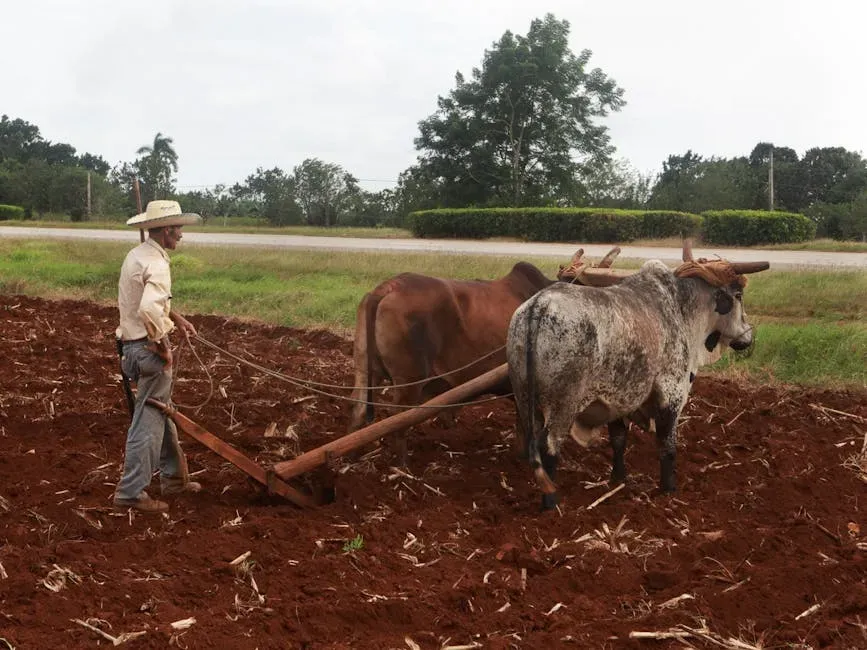
Before metal-tipped plows, farming was backbreaking in a way that is hard to fully picture. You scratched at the earth with wooden sticks or simple hoes, and large areas of tough or dry soil were basically off-limits. Once you attach a bronze blade to a plow, suddenly you are able to cut deeper furrows, turn heavy ground, and open up new land for crops. That means you can grow more food for more people, which is the quiet, unglamorous engine behind cities, armies, priesthoods, and bureaucrats.
As agricultural yields rose, you were no longer tied to the idea that almost everyone had to farm to survive. A portion of society could specialize: some of you became full-time soldiers, others metalworkers, builders, scribes, or long-distance traders. The surplus you pulled from the soil with that improved plow paid for temples, palaces, and walls. In other words, every time you picture a grand Bronze Age city, remember that it rests on a grid of fields carved and shaped by metal tools grinding through stubborn earth.
3. The Wheel and Wheeled Vehicles: Shrinking Distance and Time
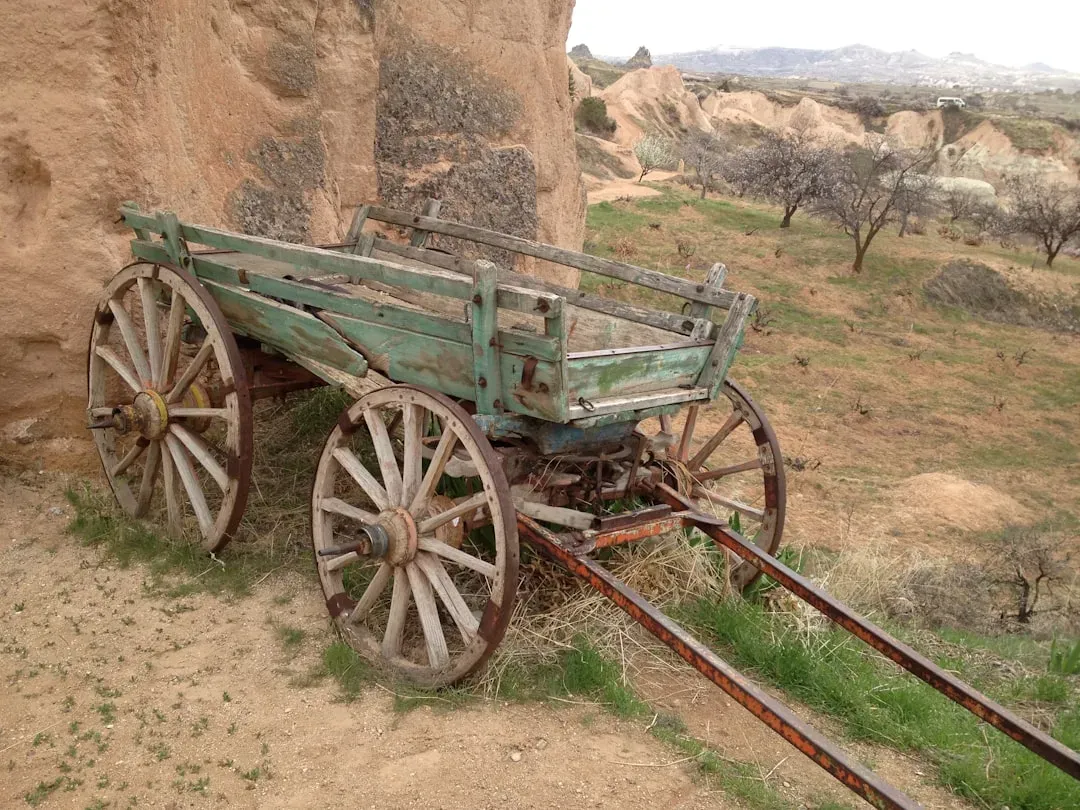
The wheel might sound older than the Bronze Age, and basic forms do appear slightly earlier, but it is in this era that you really start to see wheels and vehicles explode in importance. When you add stronger wooden construction, better carpentry, and metal fittings like bronze axle caps or reinforcements, wheeled carts and wagons become sturdier and more reliable. That lets you move heavier loads across longer distances, and suddenly the world around you feels just a bit smaller and more reachable.
If you picture yourself loading wool, grain, or metal ingots onto a wagon and creaking across dusty roads to a distant town, you are reenacting one of the Bronze Age’s biggest revolutions: mobility at scale. Wheeled vehicles supported large-scale trade, supplied armies, and tied rural farms to urban markets. Even the simple realization that you could rotate a disk on an axle – then refine it, standardize it, and use it widely – pushes you toward other mechanical ideas, from potter’s wheels to more advanced transport designs that would evolve over centuries.
4. The War Chariot: Speed, Shock, and the Politics of Power
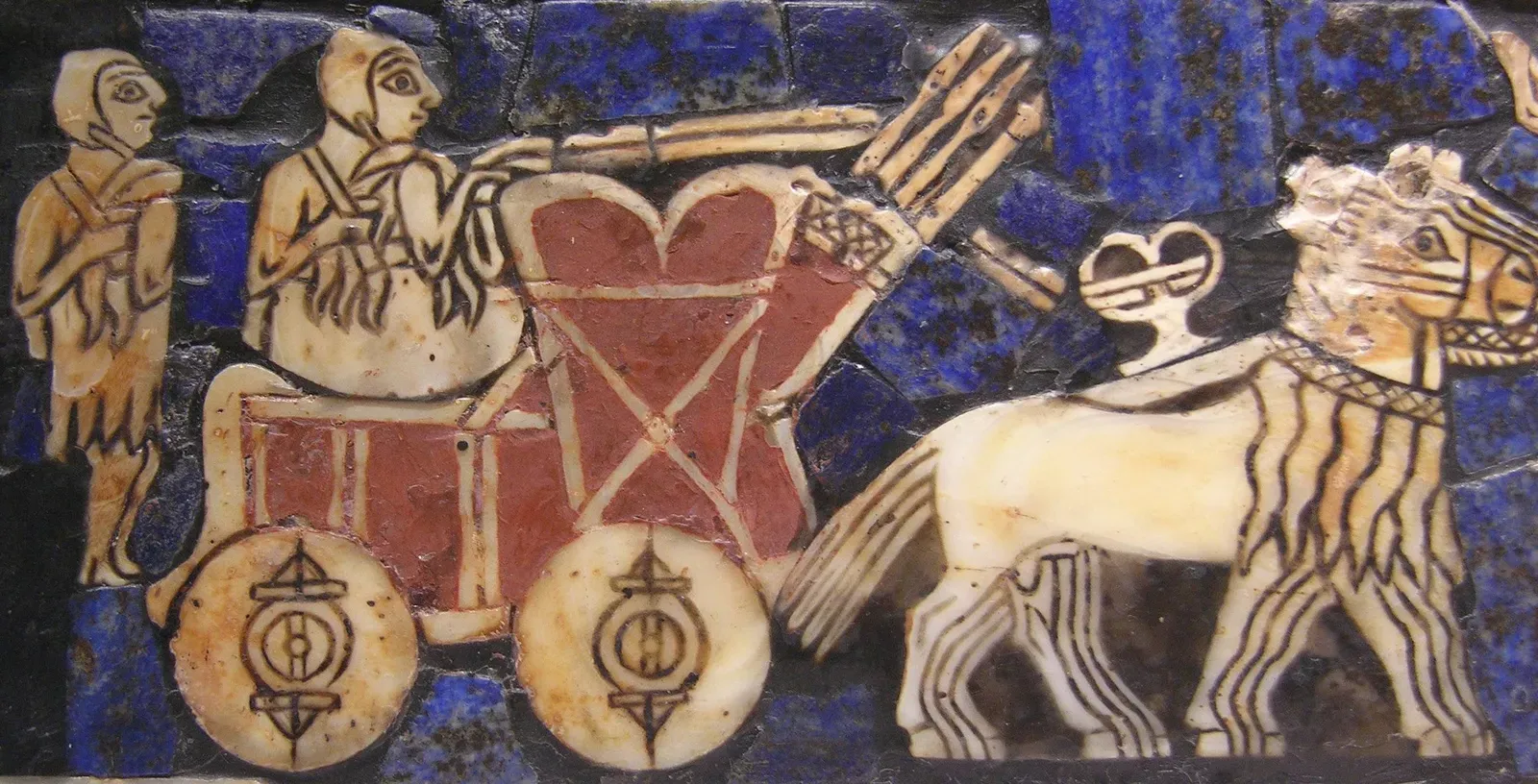
Nothing says Bronze Age drama quite like the war chariot thundering across a battlefield. When you hook light, spoked wheels to a carefully balanced car and hitch it to fast horses, you create an early form of mobile weapon platform. You are no longer just a foot soldier trudging along; you are elevated, moving faster, striking harder, and projecting a terrifying blend of speed and status. Chariots turned warfare into something closer to organized theater, with elites racing past lines of infantry, loosing arrows or hurling spears from a platform of controlled momentum.
Chariots were expensive, temperamental machines, and they needed skilled drivers, trained horses, and expert craftsmen. That meant they were usually tools of the ruling class, a visible sign that power and technology went hand in hand. If you wanted to rule a Bronze Age kingdom, you did not just need a crown – you needed stables, workshops, and a small army of specialists keeping your chariot corps ready. In a sense, the war chariot is your first glimpse of a military technology that shapes state structures, forcing you to centralize resources and authority just to keep it rolling.
5. Early Writing Systems: Turning Memory Into a Tool
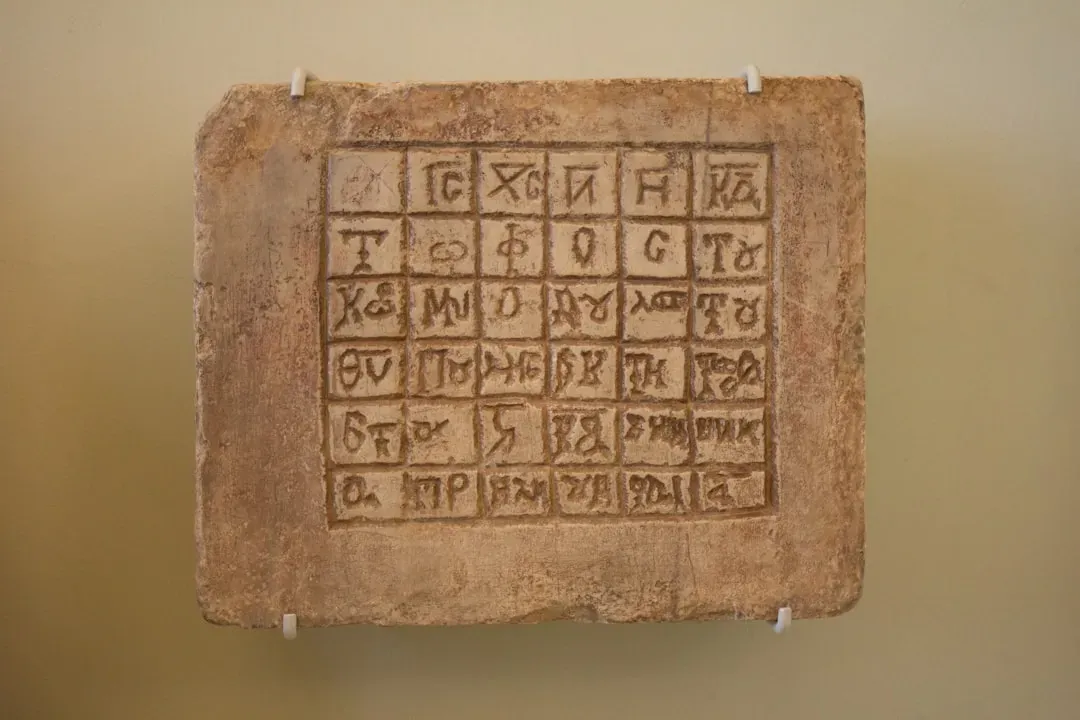
At some point in the Bronze Age, memory stopped being enough. You could only track so many harvests, debts, trade shipments, and political deals in your head or through word of mouth. That is where early writing systems step in: pictographs and wedge-shaped marks pressed into clay tablets in Mesopotamia, or complex signs carved and painted in Egypt. At first, these marks mostly recorded things like rations, offerings, and property, so if you were a scribe, your job looked surprisingly practical: you were the accountant and administrator of your world.
But once you have writing, you quickly realize you can do more than count grain and list names. You can record myths, legal codes, royal boasts, diplomatic letters, and even glimpses of everyday life. Writing lets you talk across time, sending your voice forward to people who have never met you. If you have ever felt the strange intimacy of reading someone’s words from centuries ago, that feeling has its roots in this age, when you first began to trap speech in signs and let information outlive the body that spoke it.
6. Long-Distance Trade Networks: The First Global Web
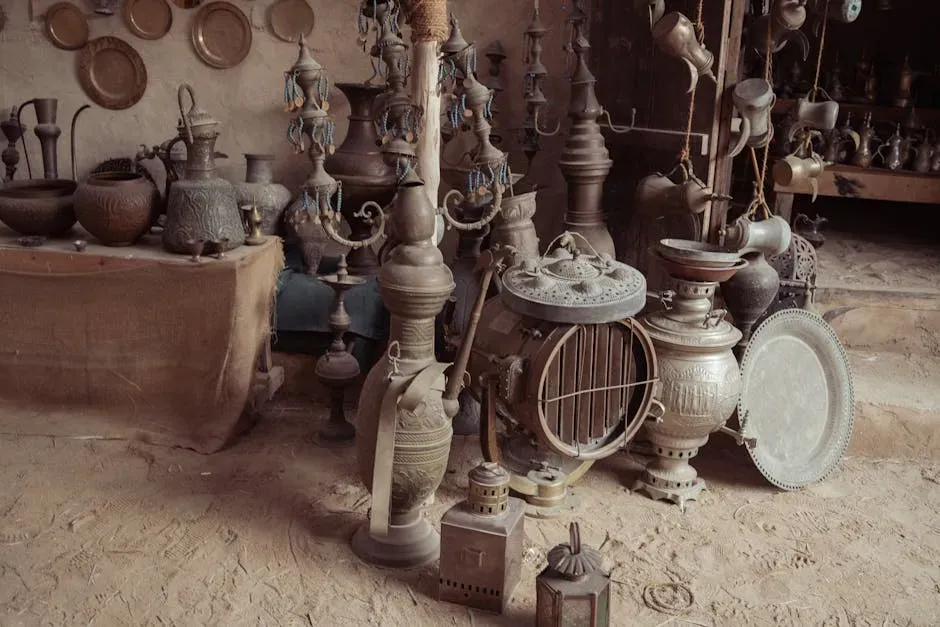
When you think of the Bronze Age, you might picture isolated kingdoms, but the reality is closer to an early version of globalization. Copper might come from one region, tin from another, luxury stones from somewhere far beyond the next mountain range. To make bronze and build prestige goods, you had to weave connections across seas and deserts, linking ports, caravan routes, and river valleys. If you were a merchant, your life meant negotiating with strangers, learning foreign customs, and trusting that the road or sea lane ahead was safe enough to risk your cargo.
Those trade networks did more than move metal and textiles. They also moved ideas, stories, artistic styles, religious symbols, and political tactics. When you hold a beautifully crafted object that uses materials from three different regions, you are literally holding a map of relationships in your hands. Over time, these routes became arteries of interdependence, so much so that when parts of the network collapsed, entire regions suffered. The Bronze Age quietly teaches you that once your world becomes interconnected, your prosperity and your vulnerability travel together.
7. Monumental Architecture and Urban Planning: Building the First Complex Cities
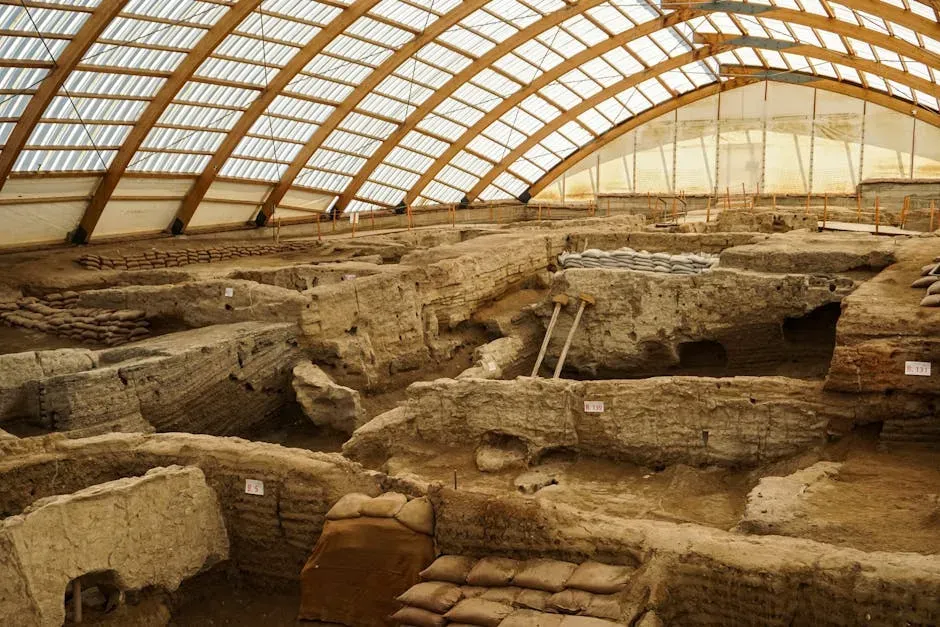
Bronze Age cities did not just grow by accident; they were increasingly shaped by deliberate choices. When you walk through a planned city today – with its main roads, districts, and public buildings – you are tracing a pattern that took form in this period. People began arranging streets in grids, separating residential areas from administrative or ritual spaces, and surrounding their settlements with massive walls. Bronze tools helped you cut stone blocks, shape timber, and haul heavier building materials into place, turning mudbrick towns into imposing cityscapes.
The real breakthrough, though, is not just the buildings; it is the organizational thinking behind them. To raise a temple platform or a palace complex, you needed coordinated labor, logistics, and governance. That meant someone was measuring, recording, assigning tasks, and managing supplies. Living in such a city, you would feel the difference: rules to follow, officials to answer to, shared spaces to gather in, and symbols of power looming over you. These early experiments in urban life set the tone for what it means to be a city-dweller today, caught between opportunity and hierarchy, community and control.
Conclusion: The Bronze Age Is Closer Than You Think
When you strip away the distance of time, the Bronze Age stops feeling like a hazy myth and starts looking like an early version of your own world. You see people learning to harness new materials, reorganize work, connect distant lands, and store knowledge outside their heads. You see technology reshaping power, from the farmer pushing a metal-tipped plow to the ruler standing in a chariot or presiding over a city planned on a purposeful grid. These seven inventions are not just artifacts of a vanished age; they are the roots of habits you still live with every day.
If you have ever worried about what new technology will do to your job, your community, or your sense of control, you are asking the same questions Bronze Age people quietly faced as bronze tools, chariots, writing, and trade networks rewired their lives. The tools have changed, but the pattern feels eerily familiar: new possibilities, new inequalities, and a constant scramble to adapt. Next time you hear the phrase “Bronze Age,” you might picture less rusted helmets and more the first great rehearsal for the complex, fast-changing world you navigate now. Did you expect that distant past to feel this much like a mirror?