If you still picture the dinosaur apocalypse as a single bad day with one unlucky T. rex staring at a fireball, you’re wildly underestimating how dramatic that event really was. The Chicxulub impact was less a moment and more a reset button, a violent reboot that rewrote the rules of life on Earth and quietly cleared the stage for our furry, warm‑blooded ancestors.
What followed was not a smooth, heroic rise of the mammals, but a messy, terrifying, and weirdly creative chapter in Earth’s history. Oceans turned toxic, forests burned, skies darkened for years, and entire food webs collapsed and then rebuilt themselves from scratch. The wild twist is that out of this chaos came the blueprint for the modern world: rainforests, grasslands, big‑brained primates, and eventually, us.
A Planet-Wide Catastrophe, Not Just a Dinosaur Disaster
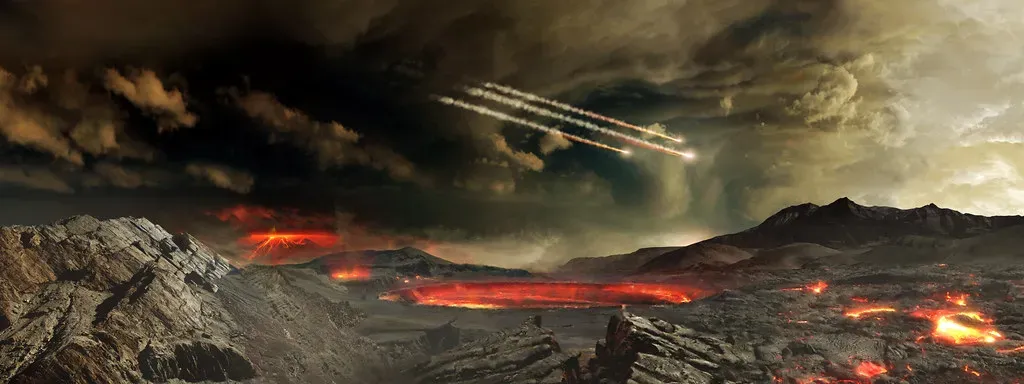
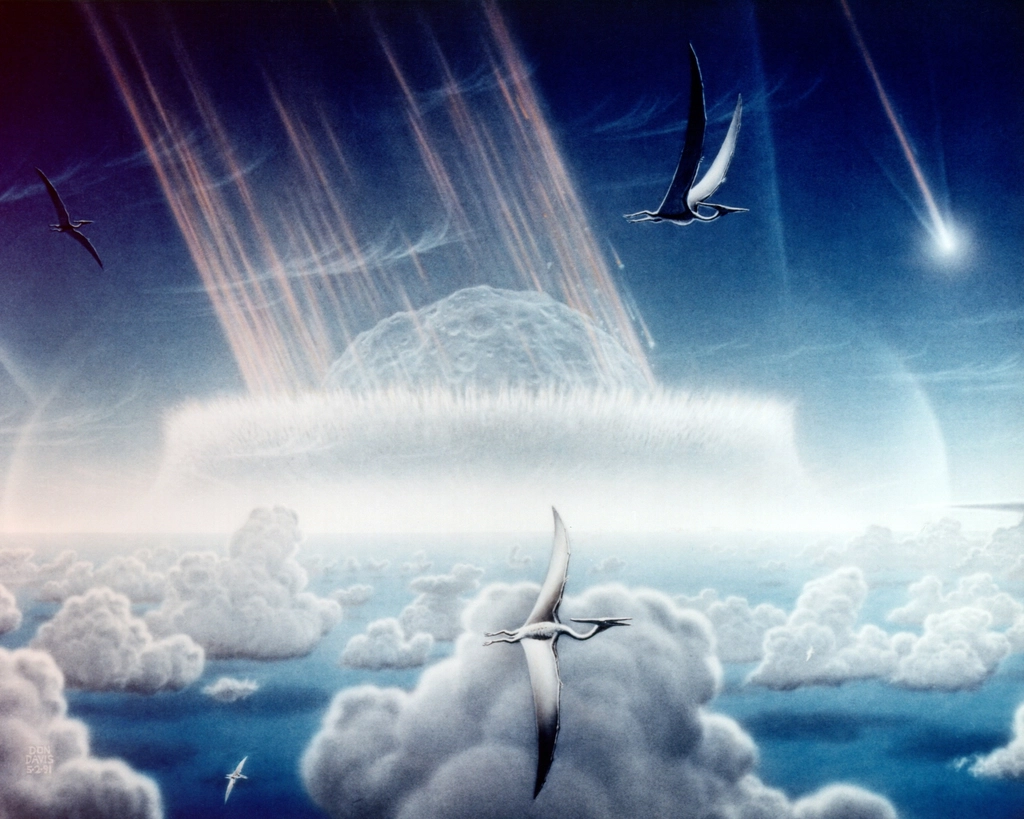
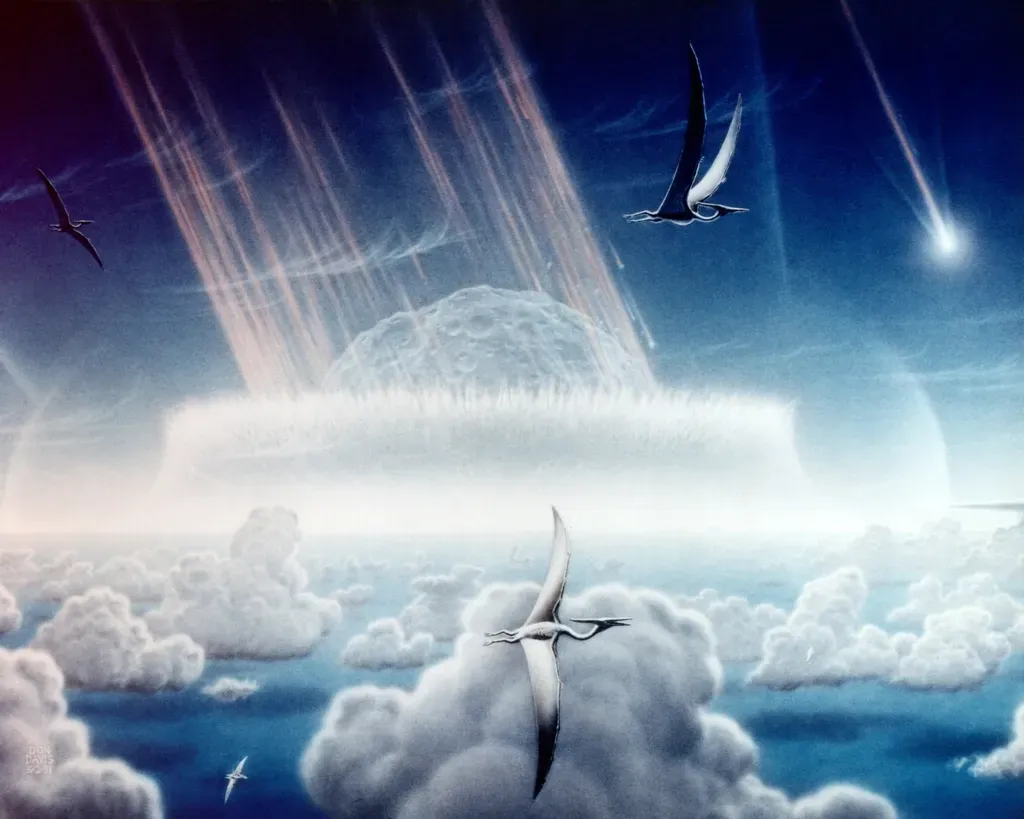
The Chicxulub asteroid slammed into what is now Mexico’s Yucatán Peninsula about sixty‑six million years ago, with an energy release that dwarfs anything humanity has ever created. Rock and vapor shot into the atmosphere, shock waves raced around the globe, and tsunamis slammed into distant coastlines. The dinosaurs were in trouble, yes, but so was almost everything else alive at the time.
In the first hours and days, forests ignited, coastlines were erased, and the surface of the planet briefly turned into something closer to a hellscape than a blue‑green marble. Yet the real story stretched out over months to centuries: dust and aerosols in the atmosphere dimmed sunlight, temperatures plunged, photosynthesis stalled, and food chains from the surface ocean to the deepest forests began to unravel. It was a planetary systems crisis, with every ecosystem suddenly forced to play by new rules.
The “Impact Winter” That Silenced Photosynthesis
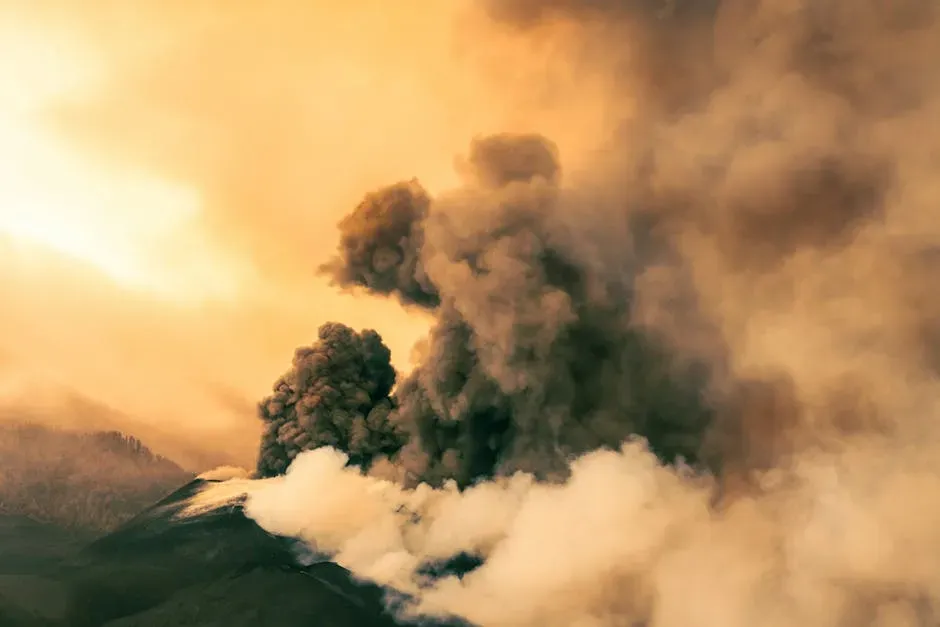
One of the most brutal consequences of the impact was the so‑called impact winter, a long period when sunlight reaching Earth’s surface was dramatically reduced. Tiny particles lofted into the stratosphere acted like a global dimmer switch, plunging parts of the planet into a chilly, gloomy twilight. For organisms that depended directly on sunlight – think plants on land and phytoplankton in the sea – this was an existential emergency.
When photosynthesis slows or stops, the entire food web starts collapsing from the bottom up, like pulling the foundation out from a skyscraper. Herbivores starve first, then the predators that feed on them, and so on up the chain. Large, energy‑hungry animals, such as many dinosaurs and giant marine reptiles, were especially vulnerable. In contrast, smaller, more flexible creatures – some mammals, birds, and insects – were better suited to surviving in a world suddenly short on sunlight and food.
Acidified Oceans and Collapsing Marine Food Webs
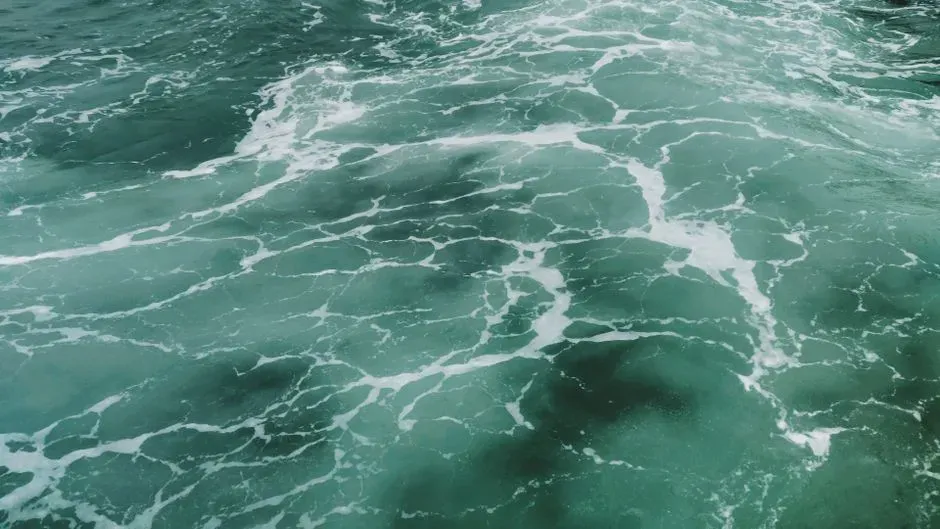
On land, the devastation was obvious – fire, freezing, famine – but the oceans experienced their own quiet catastrophe. The impact vaporized carbonate‑rich rocks and injected massive amounts of carbon and sulfur compounds into the atmosphere. When these mixed with seawater, they acidified the oceans, making life much tougher for shell‑forming organisms that relied on calcium carbonate, such as many plankton, corals, and mollusks.
Because marine food webs rest heavily on microscopic plankton, their decline triggered a cascading collapse. Large marine reptiles were already in decline before the impact, but this final blow helped wipe them out completely, along with many species of ammonites and other marine invertebrates. The survivors at sea tended to be smaller, more generalist, or more tolerant of harsh chemical conditions – echoing the pattern on land and hinting at why mammals, which could exploit flexible diets and behaviors, were well placed to thrive later.
Burned Forests, Dark Skies, and a New Kind of Plant World
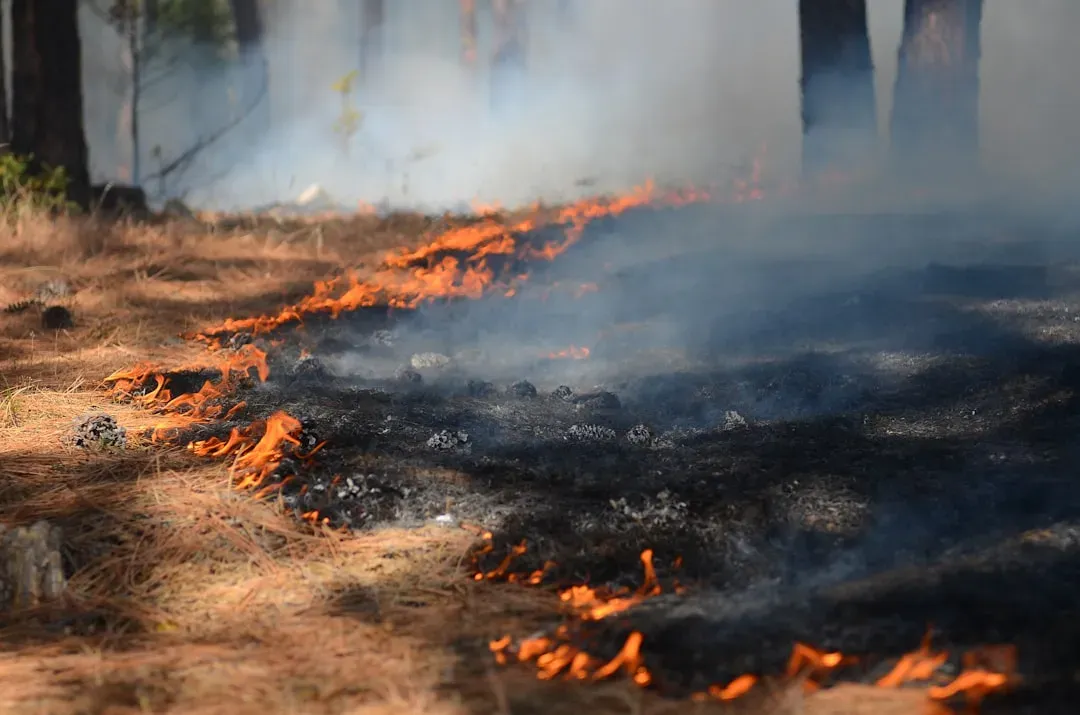
The immediate blast and the heat pulse that followed likely ignited continent‑scale forest fires in many regions, stripping huge areas of vegetation. Imagine landscapes where towering conifer forests were abruptly replaced by charred stumps and ash, more like the aftermath of dozens of overlapping wildfires than anything we see today. In that bare, smoking world, plants had to start over, and not all of them were equally equipped for that reset.
Evidence from fossil pollen and plant fossils suggests that fast‑growing, opportunistic plants – ferns first, then flowering plants – moved in aggressively after the fires and the impact winter. Forests that eventually returned looked different from the ones that burned, with greater dominance of flowering plants that offered fruits, seeds, and complex structures. That shift in plant communities mattered deeply for mammals: it created new food sources, new niches, and more three‑dimensional habitats where small, adaptable animals could hide, forage, and experiment with new ways of life.
Why Body Size, Diet, and Reproduction Gave Mammals an Edge
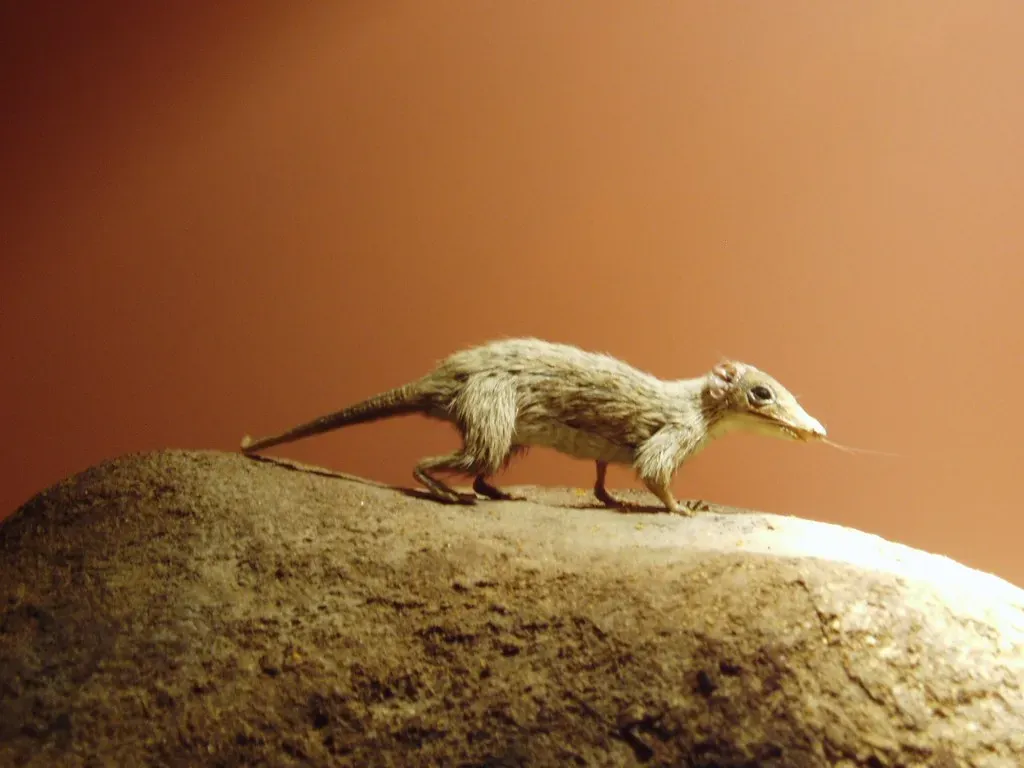
Mammals did not “win” because they were smarter or somehow destined to rule; they survived because they happened to have a set of traits that worked in this new, hostile world. Many were small, which meant they needed less food and could shelter in burrows or crevices, away from heat, cold, and falling debris. Being warm‑blooded and often nocturnal, they were already used to operating in low‑light, variable conditions – exactly what the impact winter delivered.
Equally important, early mammals were often generalist feeders: they could eat insects, seeds, small vertebrates, or plant material, rather than relying on one specific prey type or plant group. Their reproductive strategies helped, too; giving birth to small, well‑developed young and providing parental care meant better odds of survival in unstable environments. While many lineages still perished, enough mammal species squeaked through the bottleneck to launch an evolutionary explosion once the dust (literally) began to settle.
The Post-Impact Mammal Explosion and Ecosystems Rebuilt from Scratch
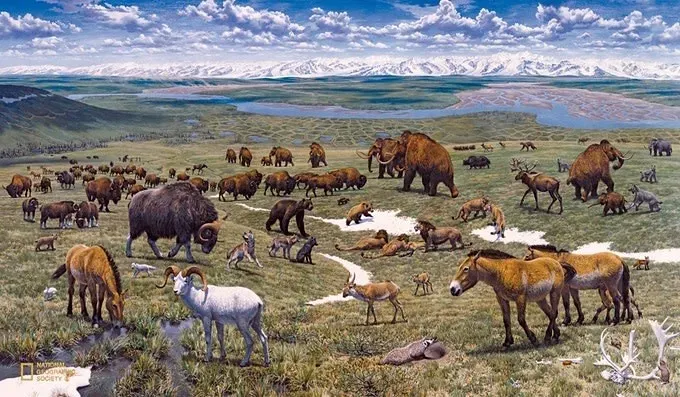
In the millions of years after the impact, the fossil record shows mammals rapidly diversifying in body size, shape, and lifestyle. This was not a gentle, linear rise but more like a chaotic marketplace suddenly emptied of old businesses, with new ones rushing in to fill every niche. Mammals evolved into large herbivores, fast‑running predators, tree‑climbers, burrowers, and eventually swimmers and fliers, stepping into roles once dominated by dinosaurs and other vanished groups.
As mammals spread and diversified, entire ecosystems reshaped around them. Predation pressures changed, plant communities responded to new grazing and browsing patterns, and interactions such as seed dispersal and pollination became more complex. Over time, the world began to resemble something closer to what we recognize today: mammal‑dominated landscapes with intricate food webs, rich forests, and, eventually, lineages that would lead to primates, apes, and humans. The asteroid did not just knock down the old system; it cleared the field for a completely different kind of biosphere to take over.
From Cosmic Accident to Human Existence: The Wildest Plot Twist
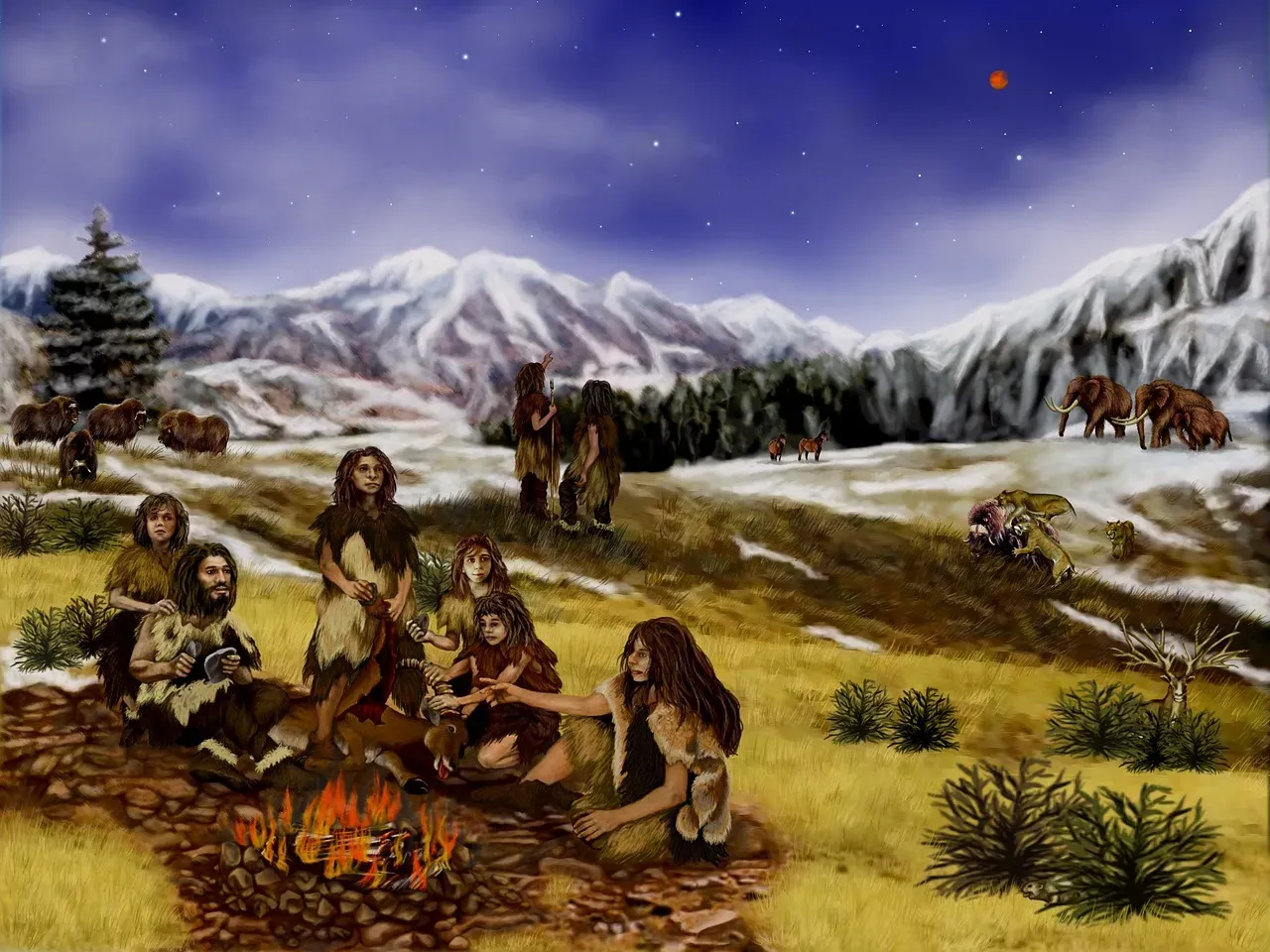
When you zoom all the way out, one uncomfortable, awe‑inducing truth emerges: if the Chicxulub asteroid had missed, the world would almost certainly not be run by mammals today, and humans might never have existed. Dinosaurs were diverse and successful at the time of impact; there is no strong reason to think they were about to fade away on their own. The chain of events that followed the collision – impact winter, ocean acidification, forest collapse, and selective survival – was the improbable path that opened space for mammals to become big, bold, and eventually self‑aware.
This does not mean the asteroid was “for” us in any cosmic sense; it was blind physics, not destiny. Still, there is something humbling about realizing that everything from your morning coffee to modern cities hangs on a single ancient bad day and the messy ecological drama that followed. Our dominance as mammals is less a story of inevitable progress and more a story of surviving chaos and then exploiting the opportunities chaos left behind.
Opinionated Conclusion: We Live in a Post-Disaster World, and We Behave Like We Forgot
To me, the Chicxulub story is a reminder that Earth’s stability is far more fragile than we like to believe. Our entire mammal‑dominated world is, in a sense, built on the ruins of an earlier biosphere that was wiped away in a geological instant. We are the beneficiaries of a catastrophe we did not earn, thriving in niches that only exist because countless other lineages were erased from the game.
That should make us cautious, not complacent. We are now the first species capable of triggering our own planet‑wide crises – through climate change, habitat destruction, and biodiversity loss – on a scale that, while different from an asteroid, could echo its long‑term consequences. If one rock from space could reshuffle every ecosystem on Earth and hand mammals the crown, it is not hard to imagine how our choices could rewrite the script yet again. The real question is whether we learn from that ancient disaster or keep acting as if the world was made for us and cannot break – what do you honestly think we are doing right now?