You know that weird rush you get when a song hits the perfect note, or when a cold breeze snakes under your jacket, and suddenly your skin prickles with tiny bumps? For most of us, goosebumps are just a random bodily quirk we barely think about. But buried inside that strange reaction is a story millions of years old, written in hair, muscle, climate, and survival.
Evolutionary biology has a blunt answer: goosebumps make almost no practical sense for modern humans because they are a leftover from a time when our ancestors were much hairier. What used to be a powerful full‑body response has been downgraded to a minor skin ripple. Once you see how this tiny reflex connects you to your ancient relatives, you might never look at your own arm the same way again.
What Actually Happens During Goosebumps?
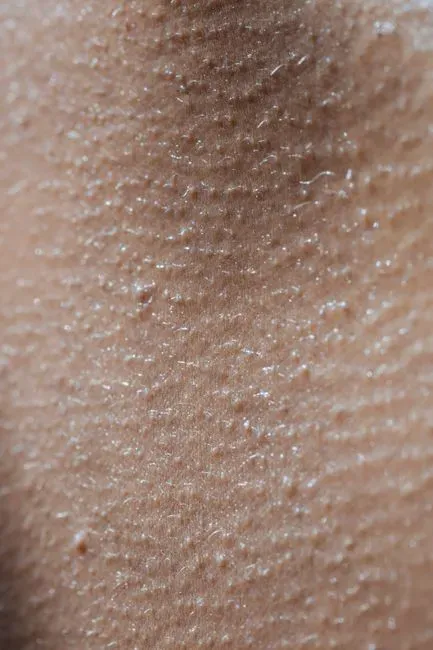
When you get goosebumps, it feels like magic – but it is really just a finely tuned chain reaction between your brain, nerves, and skin. A trigger shows up first: maybe a chill in the air, a shock of fear, or a wave of intense emotion. Your brain reads that signal and flips on part of the autonomic nervous system, the same system that controls your heartbeat and breathing without asking your permission.
Tiny muscles attached to hair follicles, called arrector pili muscles, receive the message next. These microscopic muscles contract, tugging on each hair like pulling a tiny lever. Even though we are not very hairy by mammal standards, every little contraction lifts the hair shaft and wrinkles the surrounding skin into those familiar bumps. What looks like a simple shiver on the surface is actually a coordinated response across millions of follicles.
Why Hairier Ancestors Needed This Reflex
To understand why we have goosebumps at all, you have to imagine a version of our ancestors with a thick coat of body hair. On a cold morning, contracting all those arrector pili muscles at once would puff up the hair layer, trapping a thicker cushion of air close to the skin. That extra air acted like natural insulation, the way a puffy jacket keeps you warmer than a thin shirt.
The same reflex helped with more than just temperature. Making the hair stand on end also made an animal look bigger, rounder, and more imposing. Think of how a startled cat balloons its fur or a frightened dog bristles along its spine. For our hairier relatives, goosebumps were not a minor quirk – they were a built‑in tool for staying warm and looking more dangerous in a tight spot.
Why Humans Lost Most Of Their Body Hair

So if goosebumps worked so well, why are we not still covered in fur? Evolutionary biologists think several pressures pushed humans toward less body hair. As early humans moved into hotter, open environments and became more active, especially during the day, shedding heavy body hair made it easier to cool down through sweating and air flow over the skin.
There might also have been social and parasite‑related reasons for losing hair. Less dense hair makes it easier to spot skin problems, injuries, or unwelcome hitchhikers like ticks and lice. Whatever mix of forces drove it, the end result was clear: our species kept the machinery for raising hair, but drastically thinned out the hair itself, leaving goosebumps behind as a mostly useless echo of a colder, furrier past.
Goosebumps As A Classic “Evolutionary Relic”
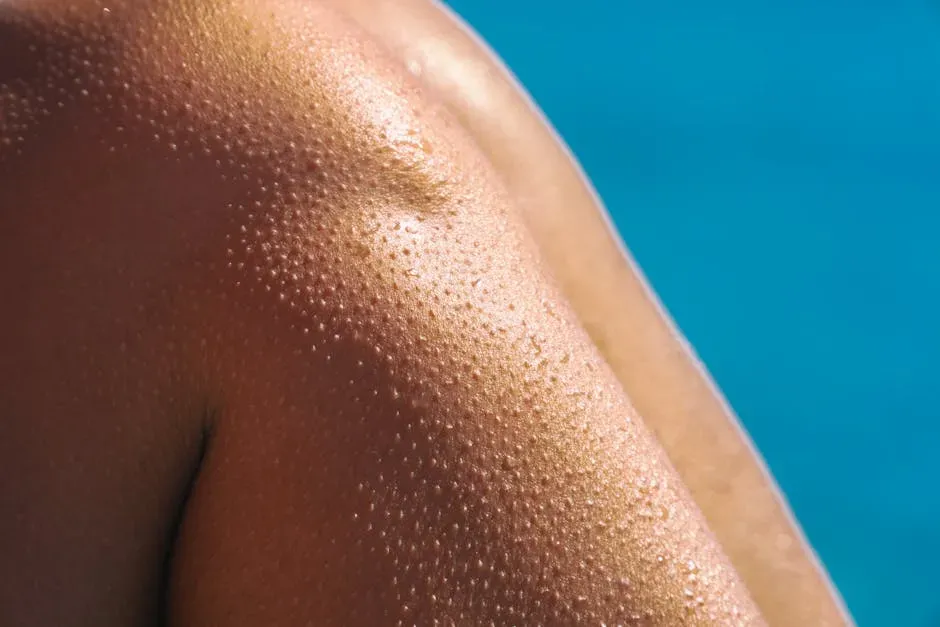
Biologists call features like this vestigial traits – structures or behaviors that once had a clear function but no longer serve their original purpose. Your appendix, your tailbone, and the muscles that let some people wiggle their ears all fit into this category. Goosebumps belong on that list too: the reflex is still wired up and fully functional, but its original job has mostly vanished.
What makes goosebumps especially fascinating is that the entire system is still there: the nerves, the muscles, the follicles, and the brain circuits that control them. Evolution often trims or repurposes features rather than deleting them outright. That is why you still get full‑body chills from a song or a scary scene, even if that muscular effort no longer does much to protect you from wind or predators.
Fear, Threat, And The “Make Yourself Bigger” Response
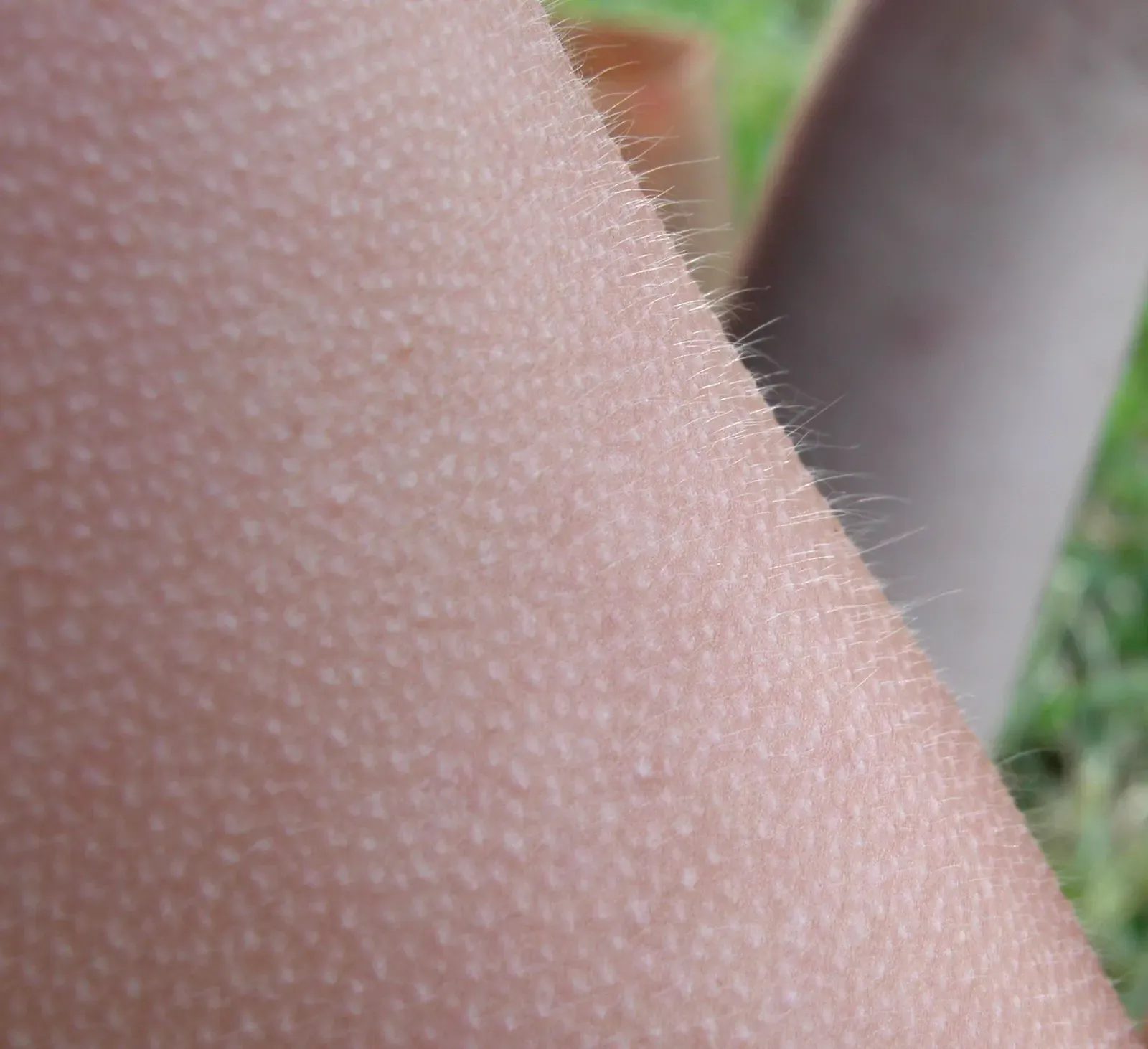
Even in humans, goosebumps still show up during fear or stress, not just cold. This traces back directly to that ancient survival tactic of looking larger and more intimidating. When your brain perceives a threat, it activates the same sympathetic nervous system responsible for fight‑or‑flight responses: heart rate spikes, breathing changes, blood rushes to your muscles, and those tiny hair muscles tighten as part of the overall alarm mode.
In a lion, a wolf, or a monkey with thick fur, this bristling effect carries a clear message to rivals or predators: I am bigger and not an easy target. In us, raising sparse arm hairs does almost nothing visually, but the nervous system has not gotten the memo. It still hits the same ancient buttons, like pressing an old light switch that no longer connects to a working bulb.
Why Music, Memories, And Awe Give You Goosebumps

Not all goosebumps are about cold or danger; some are triggered by art, nostalgia, or moments of awe. That sudden shiver you feel when a chorus explodes, or when a memory hits you out of nowhere, comes from emotional regions of the brain tapping into the same autonomic pathways that evolved for threat and temperature control. The system is old, but it is now wired into parts of our lives it was never originally built for.
In a way, evolution repurposed a crude physical reflex into part of our emotional landscape. Instead of just reacting to predators or icy winds, the nervous system now fires that same goosebump response during powerful internal experiences – meaningful lyrics, a movie scene, the sight of a mountain range, or the rush of falling in love. It is like an ancient alarm bell that has been invited into the orchestra, chiming in at peak emotional moments.
Do Goosebumps Still Help At All Today?
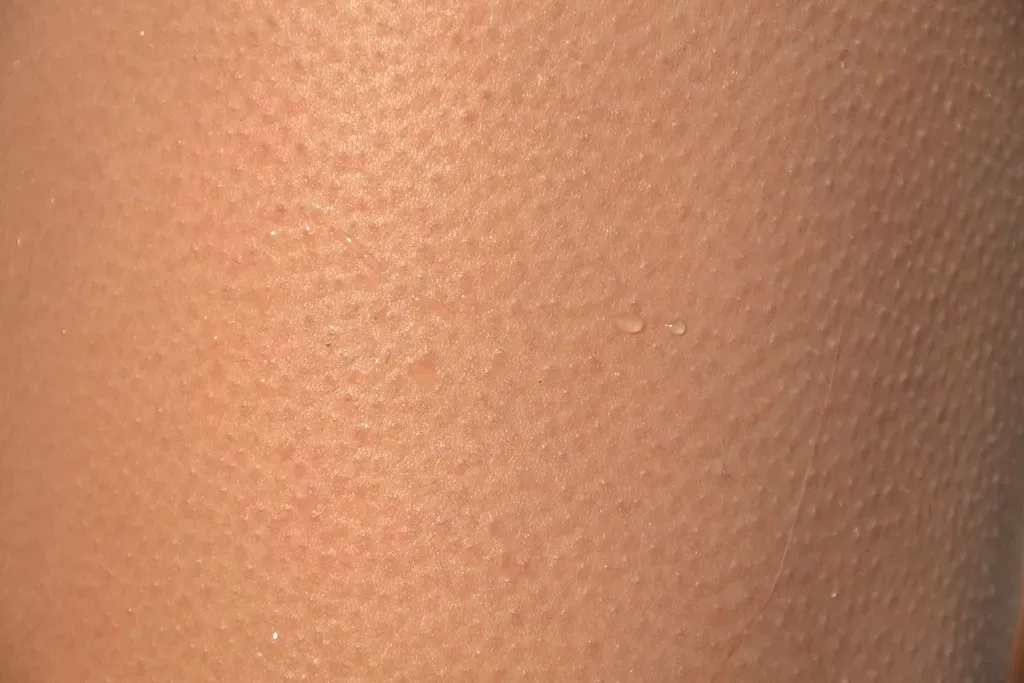
For most modern humans, goosebumps are not a game‑changer for staying warm or safe. Our body hair is just too sparse to trap much extra air when it lifts. You would freeze waiting for goosebumps to function like a winter coat, and no rival is going to back down because your forearm fuzz stood up a little during an argument.
That said, they are not completely meaningless. Goosebumps are a clear, visible sign that your autonomic nervous system has been activated. They can act as a kind of emotional barometer, showing when something – cold, fear, excitement, beauty – has hit you strongly enough to recruit an ancient survival circuit. They may no longer be practical for temperature or intimidation, but they still tell a quiet truth about what is happening under the surface.
Goosebumps, Identity, And Feeling Ancient In A Modern Body
Every time your skin prickles, you are bumping up against your own evolutionary history. That one tiny reflex connects you with mammals across the planet and with human ancestors who relied on thick hair and sharp senses to make it through harsh nights. It is a reminder that your body is not a sleek new design – it is an old house that has been renovated again and again, with strange features and leftover wiring still hiding in the walls.
On a personal level, I actually find that comforting. When a song gives me goosebumps, it feels like more than just a random reaction; it feels like my nervous system tipping its hand, revealing how old, layered, and deeply wired my responses really are. In a world obsessed with the newest thing, there is something oddly grounding about knowing your skin is still running ancient software, flickering to life with every chill and every shiver of awe.
Conclusion: A Useless Reflex Worth Keeping
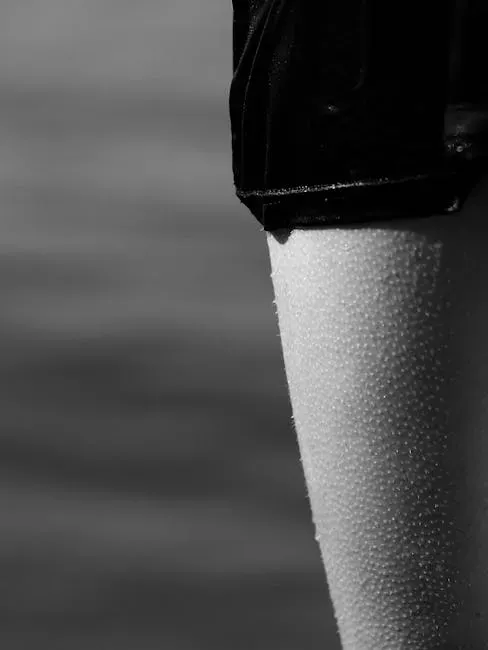
From a strict survival standpoint, goosebumps are close to useless for modern humans. They barely warm us, they do not scare off enemies, and we could function just fine without them. But I think calling them pointless misses the deeper story: they are a living fossil built into our own skin, proof that our bodies remember struggles and environments we have long since left behind.
If anything, that makes goosebumps more interesting, not less. They are an everyday reminder that evolution is not neat or optimized, it is messy, layered, and full of leftovers. So the next time your arms prickle during a song or a cold wind, maybe pause for a second and notice it. Did you ever expect a tiny bump on your skin to say so much about where you came from – and who you still are underneath the hoodie and headphones?