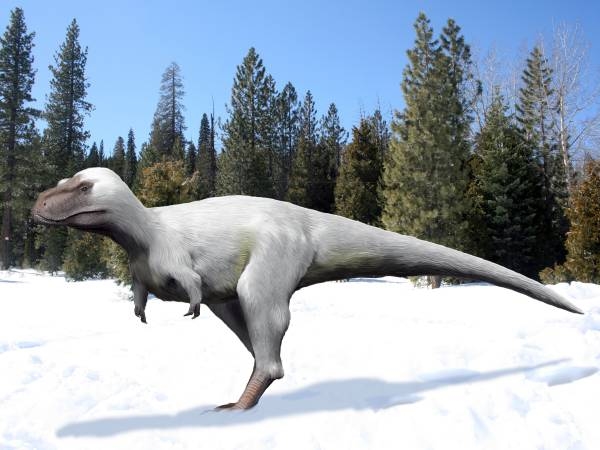
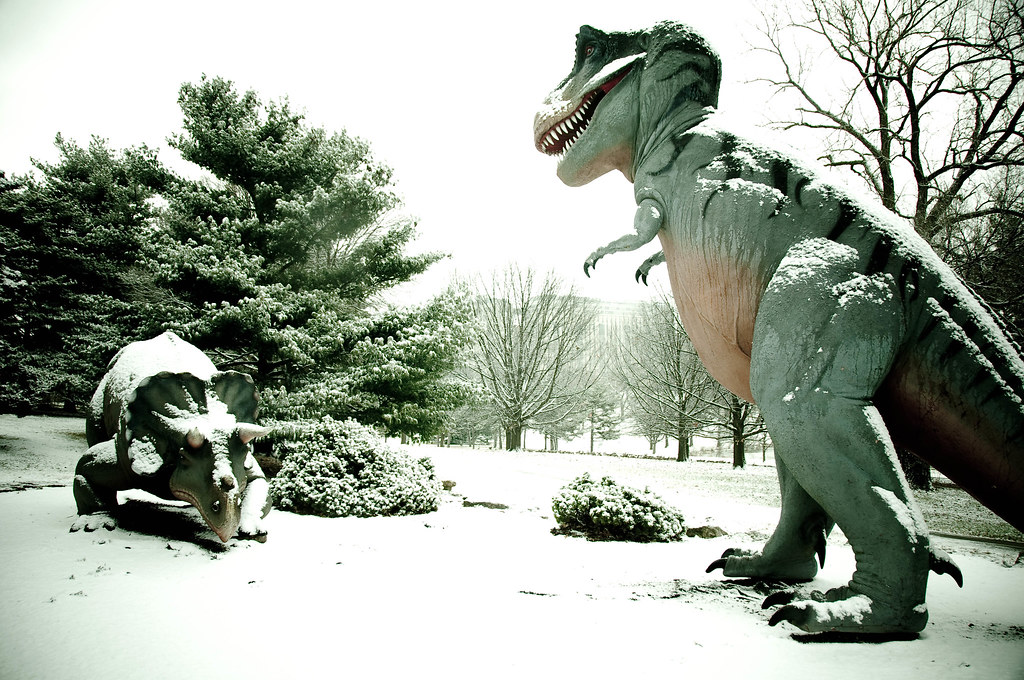
Picture a massive tyrannosaur trudging through snow, leaving three-toed footprints in the powder as flurries fall on the feathers along its back. This scene might sound like pure fantasy, vastly different from the steamy swamplands we typically associate with dinosaurs. Yet millions of years ago, an entire menagerie of spiky, feathered, and beaked creatures thrived in polar habitats marked by prolonged winter darkness and bone-chilling temperatures.
The discovery of polar dinosaurs has completely revolutionized our understanding of these ancient giants. Rich and other scientists working in Australia, Alaska and even atop a mountain in Antarctica have unearthed remains of prospered in environments that were cold for at least part of the year. These resilient creatures didn’t just survive the harsh conditions – they flourished, developing remarkable adaptations that allowed them to call the world’s coldest places home. So let’s dive into the extraordinary world of polar dinosaurs and discover how they managed to thrive where most reptiles would have perished.
The Antarctic Pioneer: Cryolophosaurus ellioti
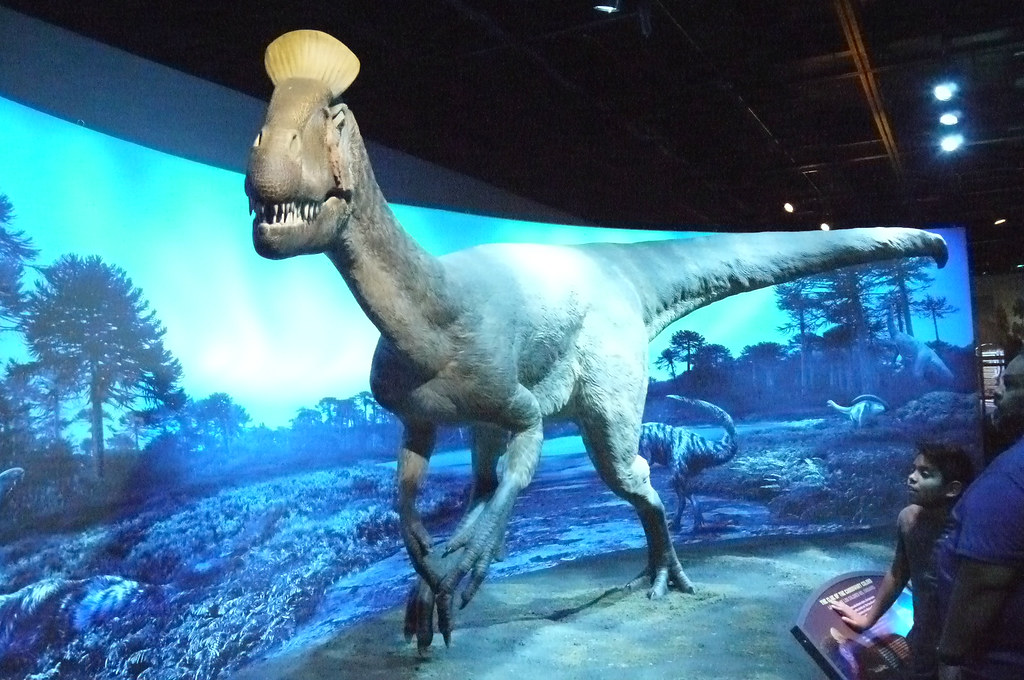
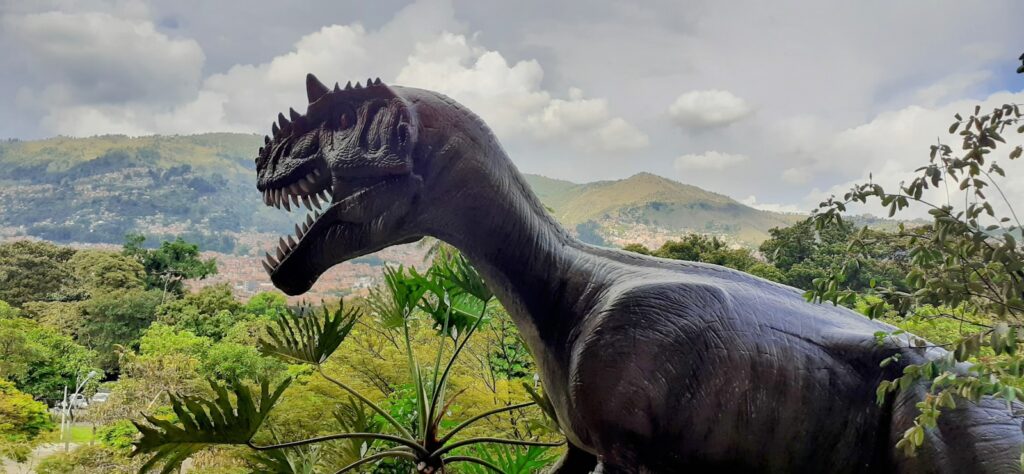
Standing as one of the most remarkable polar dinosaur discoveries, Cryolophosaurus ellioti was discovered in 1991 by paleontologists, who discovered an unidentified species of dinosaur in the frozen wastes of Antarctica. He has pried out the bones of Cryolophosaurus ellioti, a 22-foot-long meat-eater with a bony crest curving up from its forehead like a cowlick. This impressive predator approximately 190-196 million years ago, making it one of the earliest known polar inhabitants.
What makes Cryolophosaurus so fascinating isn’t just its distinctive Elvis-like crest, but where it chose to call home. Antarctic dinosaurs have been discovered, including the very primitive theropod Cryolophosaurus and the Ankylosaurid Antarctopelta. The time range for the Antarctic dinosaurs is also quite surprising, as the earliest Antarctic dinosaurs known some 200 million years ago with the latest living 65 million years ago This carnivorous dinosaur proved that even the most extreme polar environments could support large predatory species throughout much of the Mesozoic Era.
Alaska’s Arctic Tyrant: Nanuqsaurus hoglundi
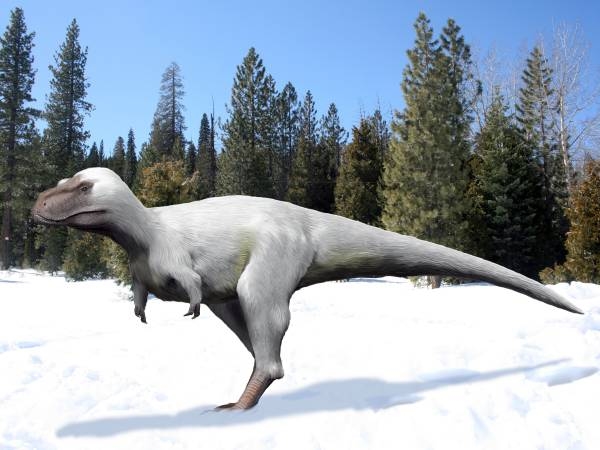
In the frozen tundra of northern Alaska, paleontologists uncovered evidence of another cold-adapted predator that would challenge everything we thought we knew about tyrannosaurs. Nanuqsaurus (meaning “polar bear lizard”) is a genus of tyrannosaurine theropod dinosaur known from the Late Cretaceous (middle Maastrichtian age) Prince Creek Formation of the North Slope of Alaska, having roughly 70-68 million years ago. It contains a single species, Nanuqsaurus hoglundi, known from a partial skull and multiple undescribed postcranial and teeth elements.
Having resided at an estimated 80°–85°N paleolatitude, the area Nanuqsaurus thrived in experienced climatic extremes unlike that experienced by most other dinosaurs. The temperature of this Northern environment would’ve ranged from around 10 to 12 °C during the warmer months and about -2 °C ± 3.9 °C during the colder months. As well as this, the environment would have faced 120 days of continuous low-light conditions during the Winter. Yet this polar bear of the dinosaur world not only survived but thrived in these harsh conditions.
The Big-Eyed Wonder: Leaellynasaura amicagraphica
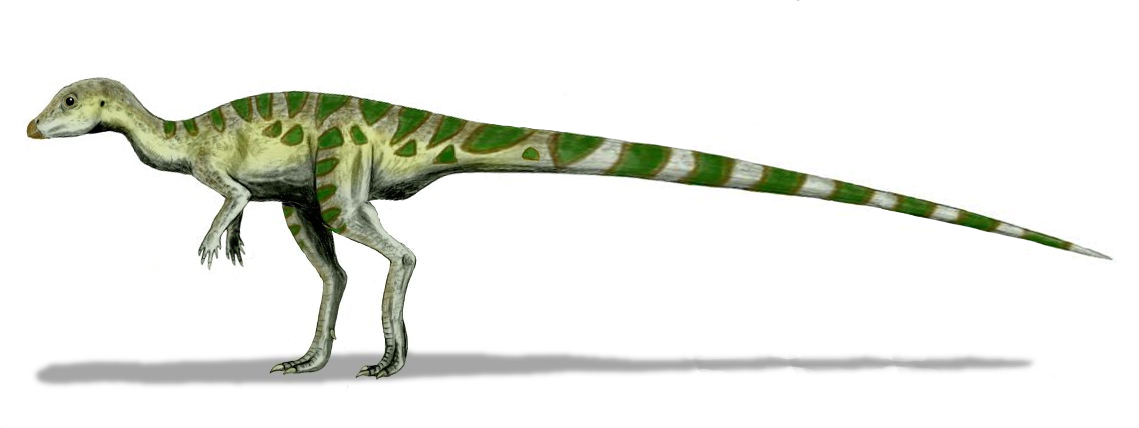
Perhaps no polar dinosaur demonstrates adaptation to extreme conditions better than the small herbivore Leaellynasaura. Leaellynasaura was a small herbivorous ornithopod dinosaur of about 60–90 cm in length from the earliest Cretaceous, first discovered in Dinosaur Cove, Australia. Strangely enough, at this period in time, Victoria would have been well within the Antarctic Circle, which is now very cold. This means that Leaellynasaura was living and apparently thriving much further south than any reptile could today.
The most remarkable adaptation of this knee-high dinosaur was its oversized eyes. Hypsis generally had big eyes, but Leaellynasaura’s are disproportionately large – perhaps so they could capture more light during the protracted murk of polar winters. Rich found that the dinosaur had bulging optic lobes, parts of the brain that process visual information. Leaellynasaura’s optic lobes are larger than those from hypsis that in non-polar environments, suggesting that it had extra brainpower to analyze input from its big eyes. These adaptations allowed it to remain active during the months of polar darkness.
The Duck-Billed Arctic Survivor: Edmontosaurus
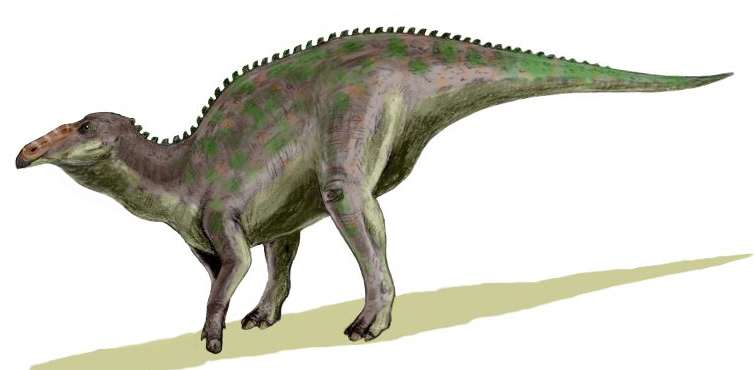
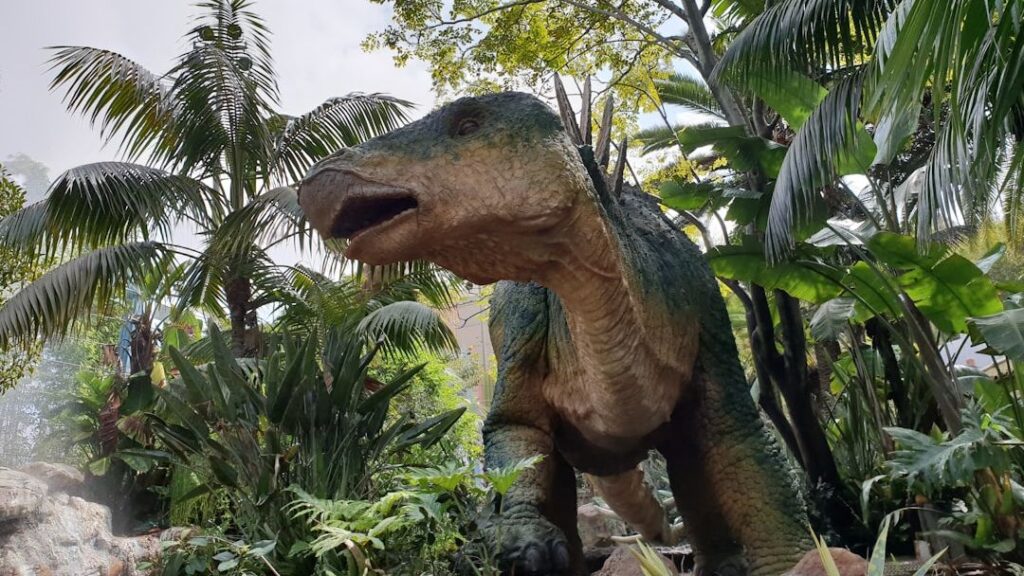
One of the most surprising polar dinosaur discoveries was finding massive duck-billed dinosaurs in the Arctic. The animal was called Edmontosaurus, a gentle giant, a 35-foot-long, four-ton, duck-billed plant eater, a member of the Hadrosaur family, found in 70-million-year-old rock, a mere 50 miles from the Arctic Ocean, where temperatures can drop as low as minus-60 degrees Fahrenheit. These enormous herbivores challenged the notion that only smaller dinosaurs could survive in polar regions.
Others turn out to be familiar – a duckbill dinosaur previously thought to be a new species has turned out to be Edmontosaurus, a wide-ranging hadrosaur found elsewhere. The presence of this species in both temperate and Arctic environments demonstrates remarkable adaptability. Edmontosaurus – These were wide spread in North America, but it was a little surprising to find a Dinosaur this large in the far North. ( they could be 30ft long) Their discovery proved that gigantism wasn’t necessarily incompatible with polar living.
The Feathered Hunters: Troodon and Dromaeosaurus
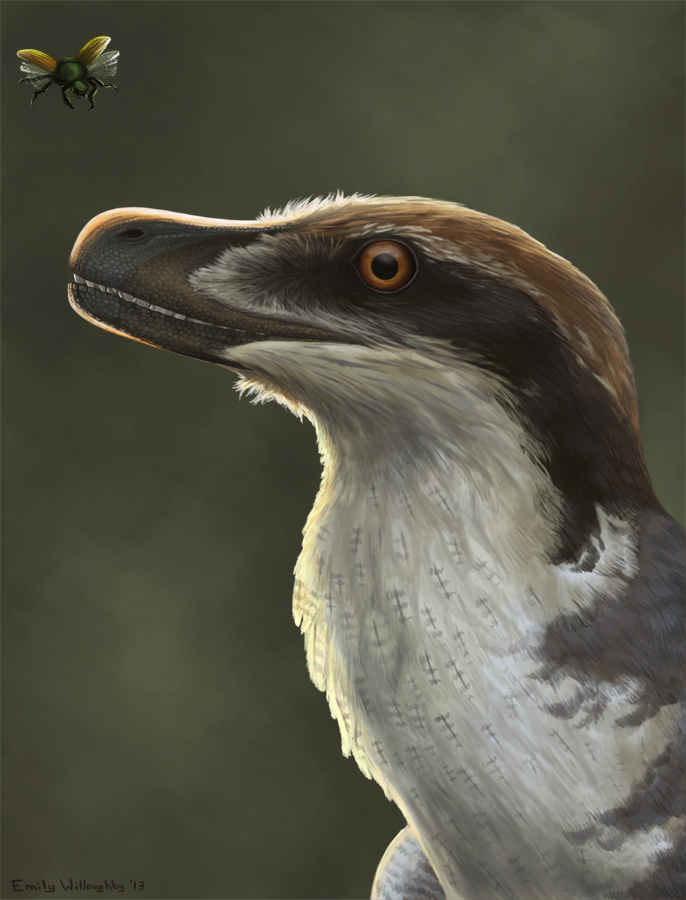
Among the most successful polar predators were the small, feathered theropods that roamed the Arctic landscape. The raptor-relative Troodon was a feathery, eight-foot-long dinosaur with large eyes. While rare elsewhere, Fiorillo says, “it is the overwhelmingly abundant theropod dinosaur.” The small-carnivore’s large eyes may have given it an advantage, especially during the dark months. These intelligent hunters possessed enlarged brains and keen eyesight that made them perfectly suited for polar hunting.
In competition: Troodon, six feet long, 150 pounds – small but ferocious; and Dromaeosaurus, a wolf-like two-legged hunter, which may have had feathers as insulation. Some species, such as the Alaskan raptor Dromaeosaurus and Tyrannosaurid Nanuqsaurus, have close ancestors that possessed feathers and thus would have exhibited them as well. These feathered coats likely served as natural down parkas, helping them maintain body temperature during the harshest months.
The Horned Giants: Pachyrhinosaurus
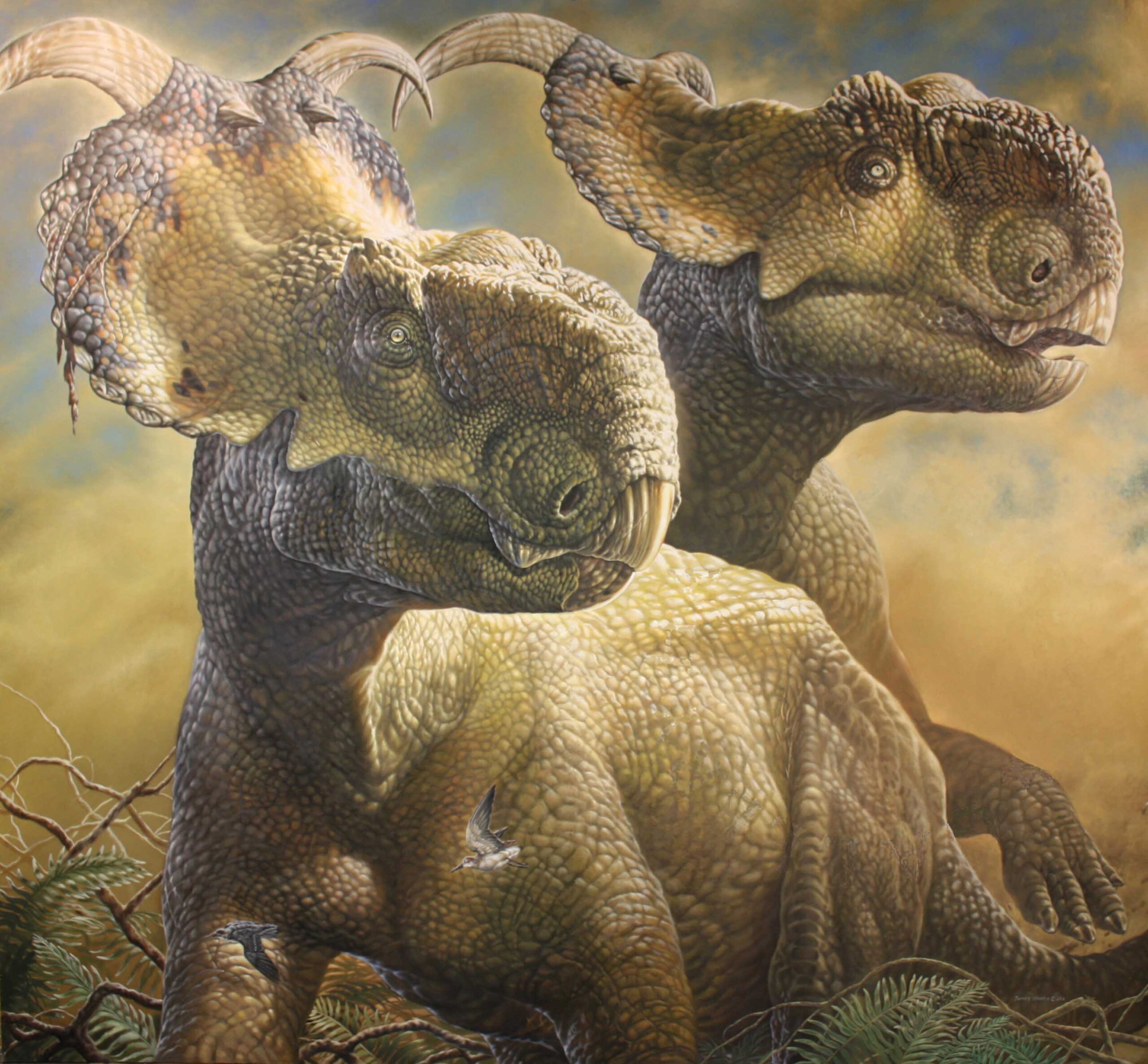
The Arctic wasn’t just home to predators and small herbivores – massive horned dinosaurs also called these frozen lands home. It shared its cold climate with the large hadrosaurids Ungrunaaluk and Edmontosaurus, and the ceratopsian Pachyrhinosaurus. These four-ton plant eaters possessed distinctive bony frills and thick skulls that may have helped them survive in harsh conditions.
The comparatively small stature of this dinosaur, as well as the downsized species of horned dinosaur called Pachyrhinosaurus in the area, hints that types of dinosaurs that grew big elsewhere adapted to become smaller and thereby get by on less food in the cool of ancient Alaska. This adaptation to smaller body size demonstrates how polar dinosaurs evolved specific strategies to cope with reduced food availability during long, dark winters. …a massive four-ton plant eater, with a broad, bony frill protecting its neck, an elongated skull with a beaked mouth, and a thick bone above the nasal opening
The Insulated Survivors: Feathered Polar Dinosaurs
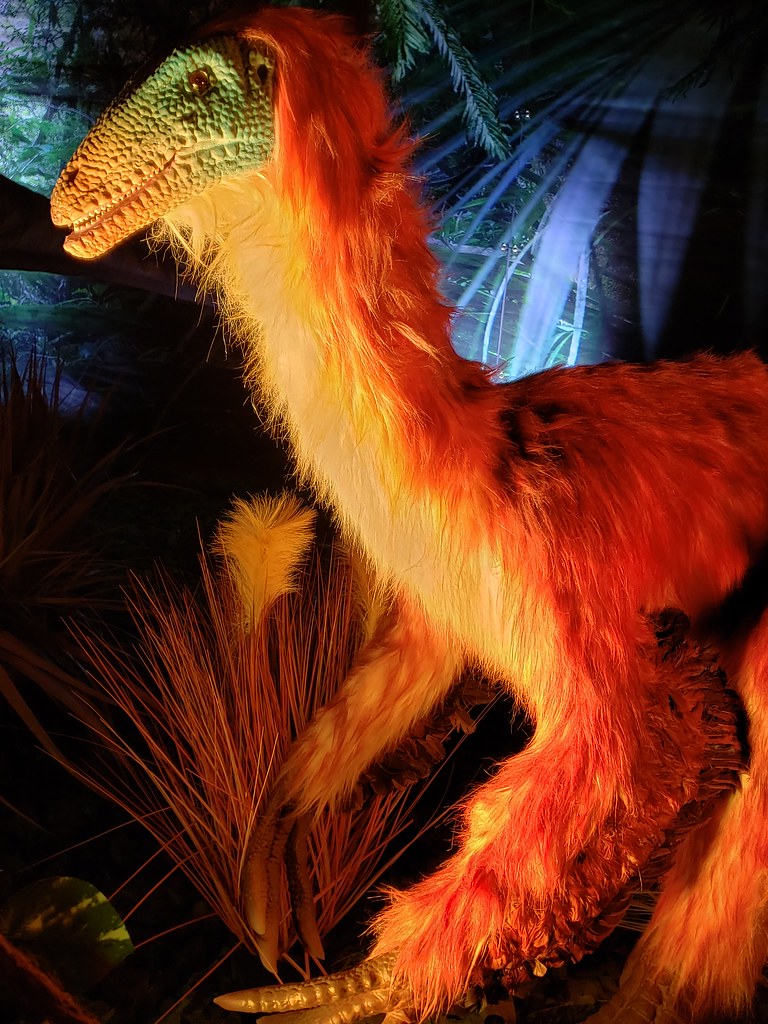
Perhaps the most remarkable adaptation among polar dinosaurs was the evolution of feathers for insulation rather than flight. Now, researchers have identified the first fossil evidence that dinosaurs donned feather coats to weather the Cretaceous-era climate in the South Pole. “Fossils feathers have never been found in polar settings before,” says study coauthor Benjamin Kear, a paleontologist at Uppsala University in Sweden. “Our discovery … shows for the first time that a diverse array of feathered dinosaurs and flight-capable primitive birds inhabited the ancient polar regions.”
Instead, the press release said, dinosaurs at the time would have been covered with simpler “hair-like” feathers for insulation. “We now understand that probably most of the meat eating dinosaur groups we find up there were probably feathered,” said Druckenmiller. “You can think of it as their own down parka, to help them survive the winter.” These discoveries revolutionized our understanding of dinosaur physiology and their ability to regulate body temperature in extreme environments.
The Ultimate Test of Survival: Year-Round Arctic Living
Recent discoveries have provided compelling evidence that these polar dinosaurs weren’t just seasonal visitors – they were permanent residents. The new study is the first to show unequivocal evidence that at least seven dinosaur species were capable of nesting at extremely high latitudes – in this case the Upper Cretaceous Prince Creek Formation which lies at 80-85 degrees North. “That’s amazing because it demonstrates that these dinosaurs weren’t just living in the Arctic, they were actually able to reproduce in the Arctic.”
This evidence suggests that both Nanuqsaurus and its likely prey items remained in the paleo-Arctic yearlong and would have had to cope with ~120 days of constant winter darkness each year, as opposed to resorting to migration to escape the harsh conditions. What’s more, given what is known about how some species incubated their eggs well into the summer, the dinosaur young would not have had time to mature and be ready for a long journey before winter arrived, the team argues. This evidence proves that polar dinosaurs had evolved complete life cycles adapted to extreme conditions.
Conclusion
The discovery of polar dinosaurs has fundamentally changed how we view these ancient creatures. Dinosaur ecological dominance resulted from adaptations to cold, allowing them to survive volcanic winters 202 million years ago. From the crested Cryolophosaurus prowling Antarctic landscapes to the feathered Nanuqsaurus stalking prey in the Arctic darkness, these remarkable animals proved that life finds a way even in the most extreme conditions.
These cold-adapted giants challenge our preconceptions about dinosaur biology and demonstrate the incredible diversity of survival strategies that evolved over millions of years. Their success in polar environments provides compelling evidence that dinosaurs were far more sophisticated than simple cold-blooded reptiles – they were complex, warm-blooded creatures capable of thriving anywhere on Earth. The next time you imagine dinosaurs, don’t just picture them in tropical swamps. Instead, envision them as the ultimate survivors, conquering every corner of our planet, from equatorial rainforests to the frozen polar realms. What other surprises might these ancient polar pioneers still have in store for us?