You know a franchise has cultural power when actual paleontologists keep getting asked about it at dinner parties. The Jurassic movies are that kind of phenomenon: wildly entertaining, occasionally thoughtful, and scientifically… let’s say “creative.” What started in the early 1990s with a genuinely science‑curious blockbuster has, over time, morphed into a rollercoaster series where biology and physics sometimes get tossed out of the Jeep along with the rear‑view mirror.
What follows is not a ranking of which film is “best” or “most fun,” but a brutally honest look at how each movie treats science, especially genetics, evolution, animal behavior, and basic physics. We’ll go from the least scientifically offensive (closest to what real researchers might reluctantly nod along to) all the way to the most gloriously, spectacularly unhinged. If you’ve ever wondered where the line lies between “plausible sci‑fi” and “absolutely not how DNA or ecosystems work,” this is your guide.
1. Jurassic Park (1993) – The Most Science‑Respectful of the Bunch

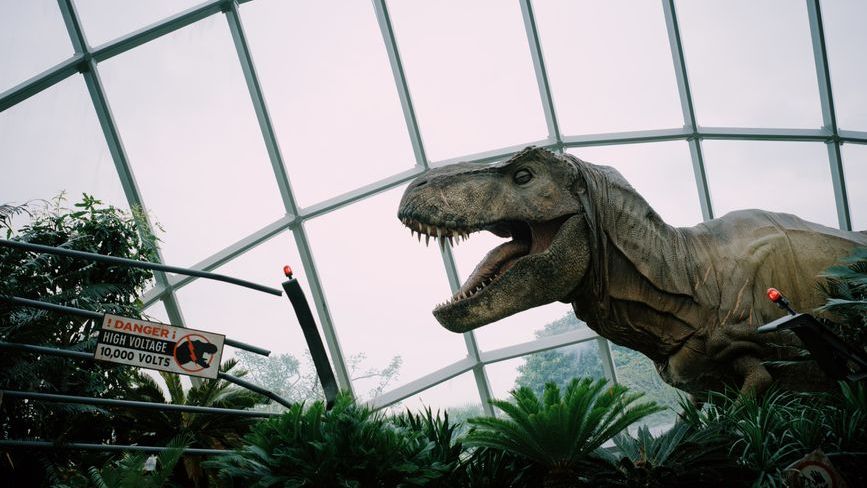
Here’s the surprising thing: the original Jurassic Park, for all its dinosaurs‑eating‑people chaos, is still the least scientifically offensive film in the series. The core idea – recovering fragments of dinosaur DNA from blood in amber‑trapped mosquitoes and filling the gaps with DNA from living animals – lands in that sweet spot of “not currently possible, but conceptually grounded in real genetics.” The movie actually takes time to talk about gene splicing, control populations with lysine contingencies, and the philosophical problem of resurrecting extinct species in a modern ecosystem. For a big summer blockbuster, it treats science with a level of seriousness that feels almost quaint by today’s standards.
Yes, there are issues. We now know many theropods likely had feathers or proto‑feathers, not the lizard‑smooth look we see on screen. Velociraptor is massively oversized, more like a Hollywood mash‑up with Deinonychus. The T. rex’s vision “based on movement” is not backed by current research, which suggests it probably had decent eyesight. But these inaccuracies mostly come from the limitations and knowledge gaps of early 1990s paleontology, not sheer disregard. The film’s biggest “offense,” ironically, is that it set such a high bar that everything that followed had to either keep up with science – or decide to floor it straight into fantasy.
2. Jurassic Park III (2001) – Messy Plot, Comparatively Sane Science
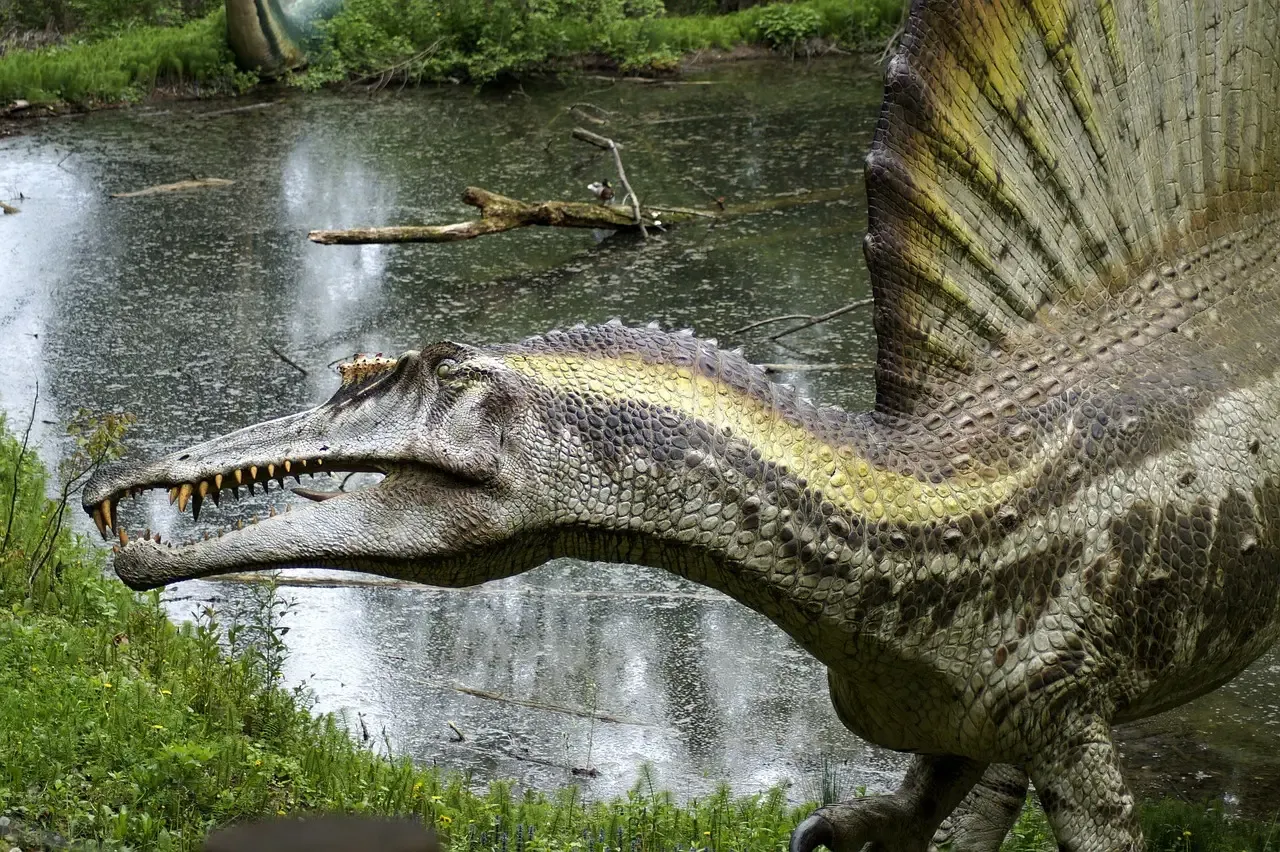
Jurassic Park III is often the forgotten middle child of the original trilogy, but in terms of scientific sins, it’s not nearly as wild as some of its younger cousins. The dinosaurs still behave like recognizable animals most of the time: they hunt, defend territory, show curiosity, and lose interest once the immediate threat is gone. The movie trades bombastic genetic monologues for more straightforward survival horror, which unintentionally keeps it from stumbling into too many new pseudo‑scientific rabbit holes. It mostly works within the world that the first film already set up.
The big offender here is the Spinosaurus, turned into a ridiculous super‑predator that can casually kill a T. rex in one short fight. That is more branding than biology. The vocal‑chamber “resonating raptor larynx” that can be used like a dinosaur talkbox is also deeply suspect; animal vocal communication is far more complex than blowing through a replica skull like a flute. Still, compared with later movies that rewrite basic genetics and animal psychology, Jurassic Park III feels like a film that takes a familiar, if flawed, toy box and mostly plays by the rules already on the box.
3. The Lost World: Jurassic Park (1997) – Mostly Grounded, with a Side of City‑Stomping
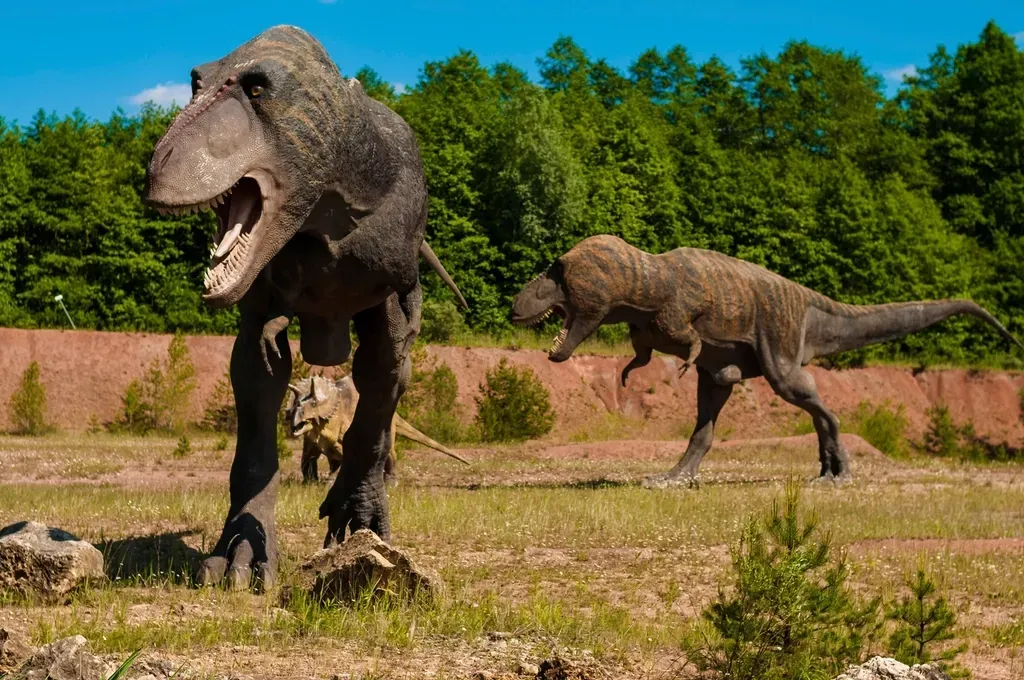
The Lost World is where the franchise first starts stretching scientific credibility, but it still stays closer to the “realistic enough” end of the spectrum. The idea of a second island used as a breeding facility, separate from the original theme park, is logistically silly yet conceptually plausible in a corporate‑cover‑up sort of way. The dinosaurs themselves, again, mostly behave like animals: they form herds, defend offspring, react to loud noises, and show reasonably consistent predator‑prey dynamics. The film even brushes up against ecological ideas, like how introducing a top predator into a new environment could destabilize everything around it.
Things go sideways once the T. rex is shipped to San Diego. The logistics alone – sneaking a massive apex predator across the ocean, sedating it, and somehow nobody checking the boat until it’s already docked – require extreme suspension of disbelief. A T. rex stomping around an American city is great cinema but terrible realism; the animal’s physiology, stress response, and likely rapid health collapse in such an environment are basically ignored. Still, compared to the genetic theme park of Jurassic World and the hybrid fever dreams of later entries, The Lost World is more like a movie that took one big, flashy leap off the scientific deep end rather than building a condo there.
4. Jurassic World (2015) – When Science Starts Bending for Spectacle
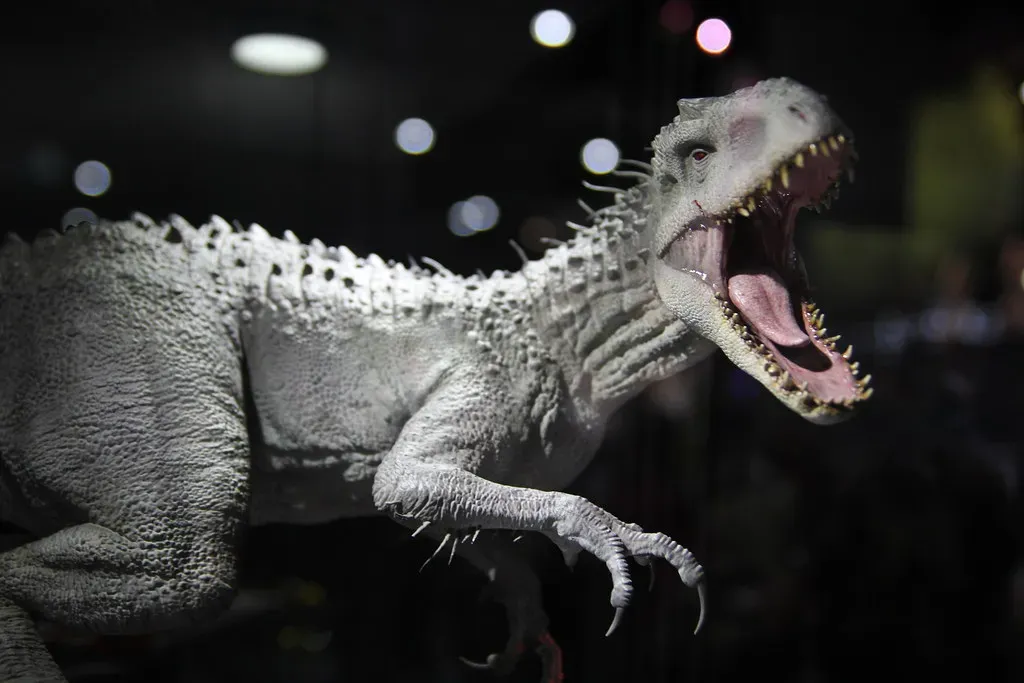
Jurassic World is where the franchise openly stops pretending that it cares much about plausibility and starts caring more about theme‑park escalation. The basic premise – that InGen succeeded in building and operating a fully functioning dinosaur resort – is already stretching the economic and safety realities of such a project, but you can squint and imagine a world where corporations do what corporations do best: gloss over risk with marketing. Some aspects, like behavioral conditioning of raptors and using clicker‑training style cues, draw loosely from real‑world animal training, even if the execution is exaggerated to superhero levels.
The big scientific red flag is the Indominus rex. This creature is supposed to be a genetically engineered hybrid built for marketability, cobbled together from T. rex, Velociraptor, cuttlefish, tree frog, and who knows what else. The problem is not just “hybrid dinosaur exists” but the laundry list of magical traits: active camouflage like a chameleon on steroids, rapid temperature regulation, and almost human‑level strategic thinking. Real genetics does not work like a buffet menu where you pick powers à la carte. Complex behaviors and traits are the result of countless interacting genes and developmental processes, not one frog gene plus one cephalopod gene equaling invisibility ninja monster.
5. Jurassic World: Fallen Kingdom (2018) – Gothic Mansion, Cartoon Genetics
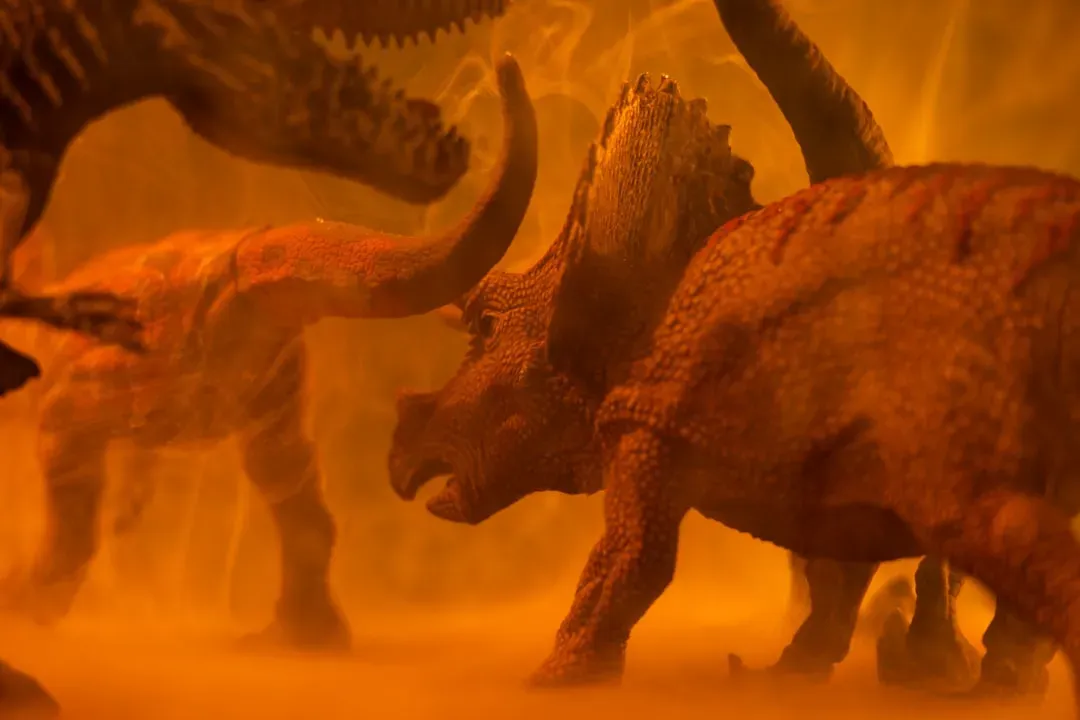
Fallen Kingdom is where the franchise steps fully into pulp science territory. The idea of rescuing dinosaurs from a volcanic island disaster is already emotionally charged, but scientifically, it raises enormous questions the movie mostly waves away. How do you triage which species to save? What is the plan for their long‑term care and ecological impact? Instead, we get a lot of dramatic imagery and very little attention to the enormous logistical and biological nightmare that relocating multiple large, dangerous species would create in the real world.
Then there’s the Indoraptor and the infamous laser‑and‑sound “targeting” system that turns it into a living, breathing, four‑ton sniper rifle. Behavioral conditioning is real; treating a hyper‑intelligent predator like a programmable weapon that flawlessly obeys a few gadget cues is not. The film also flirts with human cloning and genetic ethics but never really digs into what those topics mean biologically or socially. By this point in the series, genetics is less a science and more a magic spell component: add a drop of DNA here, press a button there, and out comes a perfectly engineered nightmare.
6. Jurassic World Dominion (2022) – Global Stakes, Global Scientific Headaches

Dominion tries to blow the doors off the franchise by making dinosaurs a global reality, wandering into cities, rural areas, and black‑market ecosystems. On a story level, that is a bold, fascinating direction. On a scientific level, the movie mostly sidesteps the true horror of invasive species and ecosystem collapse. Large animals with no evolved predators, unfamiliar pathogens, and unpredictable breeding patterns would reshape entire biomes, agriculture, and disease dynamics in ways far beyond random street chases and cool aerial shots.
Then there’s the genetically altered locust subplot, which shifts the franchise from dinosaur cloning to large‑scale agricultural bio‑terror. Engineered insects that selectively spare crops linked to a specific corporation’s products is a very real kind of fear in biotechnology discussions, but the way it plays out here feels more like a comic‑book villain pitch than a grounded thought experiment. The movie hints at important themes – corporate control of food systems, unintended consequences, weaponized ecosystems – but it rushes through the details, making the whole thing feel more like speculative chaos than a remotely realistic portrayal of genetic engineering gone wrong.
7. Velociraptor Behavior Across the Series – From Animal to Super‑Soldier

If you track one dinosaur across the franchise to see how science gradually erodes, the Velociraptors are the best case study. In the original Jurassic Park, they are terrifying but recognizably animalistic: intelligent pack hunters, capable of problem‑solving but still bound by instinct. Their ability to open doors and coordinate attacks pushes the limits of what we know about animal cognition but does not completely break them; real‑world corvids, dolphins, and some primates have shown surprising levels of problem solving and social strategy.
As the films progress, raptors inch closer to becoming quasi‑human characters. By Jurassic World, you have “Blue” essentially forming an emotional bond with Owen, executing complex battlefield maneuvers, and making choices framed almost like moral decisions. By Fallen Kingdom and Dominion, tracking, loyalty, and strategic planning are treated as if we are dealing with a special forces unit rather than a non‑human species. Real animals can form bonds with trainers and show remarkable intelligence, but the franchise eventually treats raptors less like animals with instincts and more like furry action heroes who happen to have claws and sickle‑shaped talons.
8. Genetics and Cloning Logic – When DNA Becomes Movie Magic
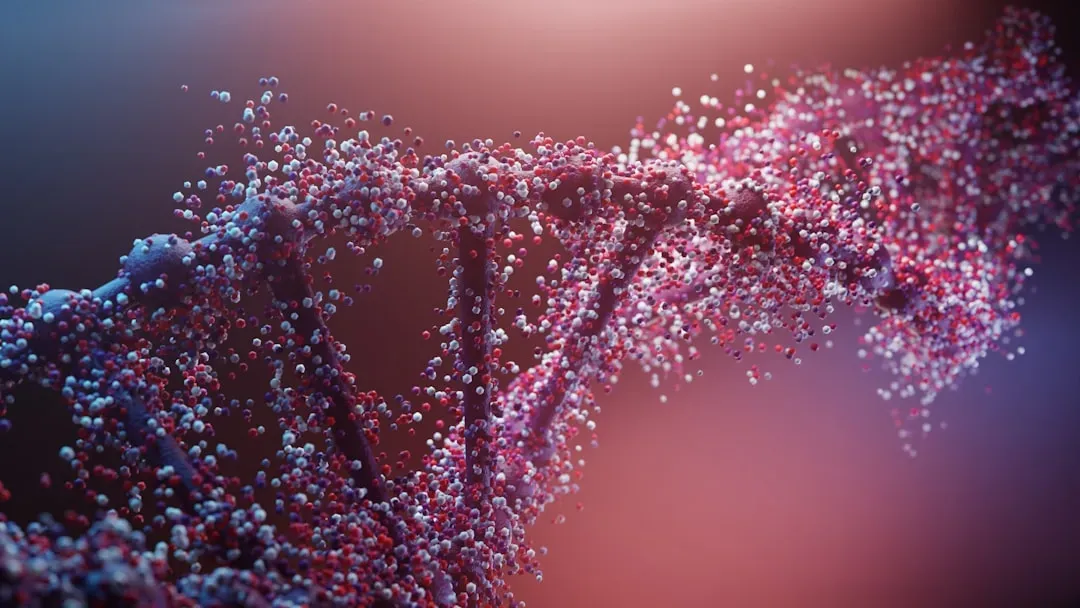
Across all six films, the treatment of genetics gradually mutates from vaguely plausible to outright fantasy. In the early entries, there is at least a nod toward the complexity of cloning: degraded DNA, the need for compatible genomes from living animals, unpredictability in the results. You get the sense that the scientists are wrestling with forces they do not fully control, which echoes real concerns in genetic engineering and de‑extinction debates. That tension gives the early films a kind of eerie credibility, as if they are only a few breakthroughs away from possible.
Later films treat DNA like a software plug‑in. Need camouflage? Add cuttlefish DNA. Need a weapon that tracks like a guided missile? Sprinkle in some unspecified genetic cocktail and suddenly behavior, intelligence, and physiology all line up perfectly with the script. In reality, inserting genes from unrelated species is fraught with complications, and traits like intelligence, social behavior, and environmental adaptation arise from thousands of interacting genetic and developmental pathways, not one neat DNA “upgrade.” The more the movies lean on custom‑ordered monsters, the further they drift from anything a real geneticist would recognize as even theoretically workable.
9. Anatomy, Movement, and Physics – The Dinosaurs’ Bodies vs. Reality
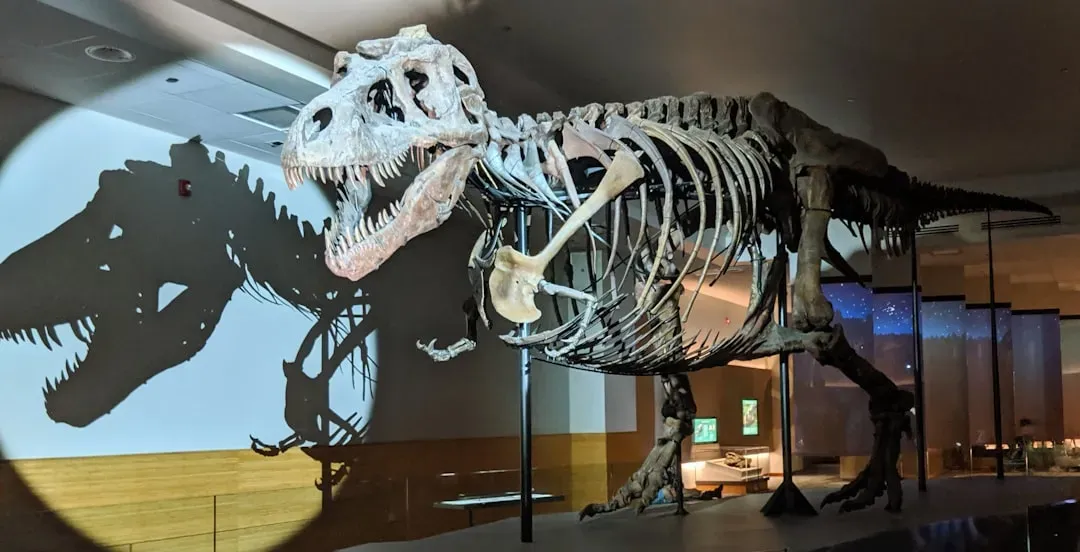
Beyond genetics and behavior, the series often plays fast and loose with anatomy and physics. In the first few films, dinosaur movement, weight, and physical limits feel at least somewhat constrained. The T. rex is heavy, loud, and powerful, but it is also shown struggling with tight spaces and momentum, which lines up with what we know about large animals and biomechanics. Herds behave like herds, with stampedes that look and feel chaotic in ways that map roughly onto real animal group dynamics.
As the franchise evolves, so do the stunts. Dinosaurs leap from impossible heights, crash through structures that should either break their bones or slow them down enormously, and recover from wounds that would be catastrophic in real life. Some of this is just action‑movie inflation – you have to top the last film – but it widens the gap between the on‑screen creature and any plausible living organism. When you see a massive carnivore shrug off multiple falls, explosions, or impalements, you are no longer watching a speculative reconstruction of a prehistoric animal; you are watching a superhero in scaly cosplay.
10. Final Verdict – Why the Science Still Matters, Even in a Popcorn Franchise
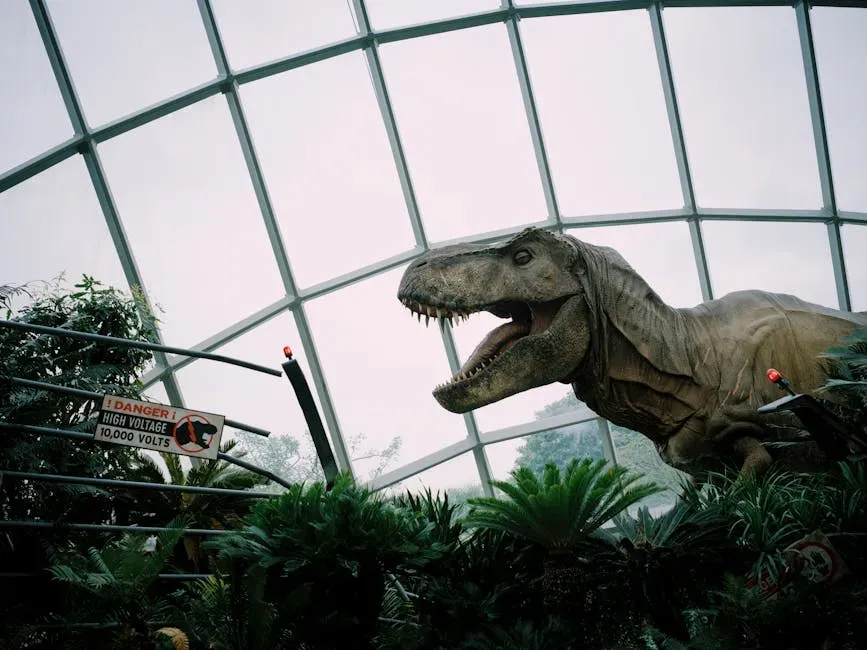
If you line up all six movies and squint, you can see a clear slide from “science‑informed thriller” to “science‑flavored spectacle.” Jurassic Park sits at the top of this ranking as the least scientifically offensive because it tried, in good faith, to be in conversation with paleontology and genetics as they were understood at the time. Jurassic Park III and The Lost World live in that middle zone of “fun but patchy,” while the Jurassic World trilogy gleefully starts doing backflips off the edge of plausibility, especially with hybrid monsters, designer locusts, and global dinosaur free‑for‑alls that barely touch the real consequences of such a world.
Personally, I still love these movies, even the messy ones, but I think it matters that we can tell where entertainment ends and reality begins. When films lean too hard on the idea that DNA is a magic spell or that wild animals are just untrained soldiers waiting for the right gadget, it quietly shapes how people think about real science and real ecosystems. Maybe the best way to enjoy the franchise in 2026 is to let yourself be thrilled by the roar, the chase, and the chaos – while keeping a small, skeptical paleontologist in the back of your mind, arms crossed, silently judging the physics. After all this, where would you draw the line between clever sci‑fi and pure fantasy?