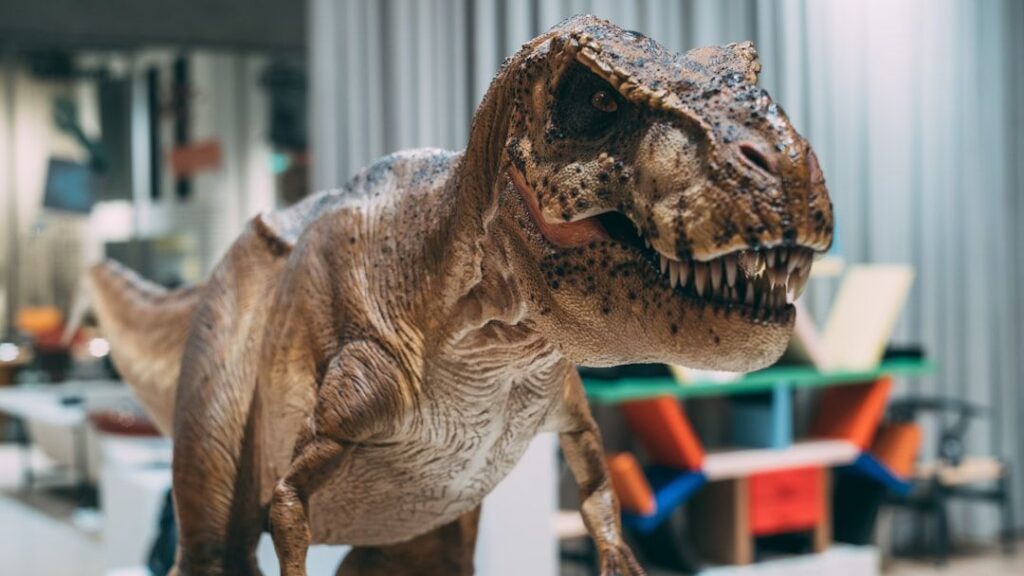
If your mental picture of Earth’s past starts with a T. rex roaring at the sky, you’re skipping more than three billion years of the story. Dinosaurs were dramatic, sure, but they walked onto a stage that had already seen countless acts, quiet revolutions, and near-apocalyptic disasters. In a way, the Age of Dinosaurs is like joining a movie two hours in and thinking you’ve seen the whole plot.
When I first learned just how long life existed before dinosaurs, it honestly felt a bit humbling, like realizing your favorite celebrity is only the latest guest at a party that has been going on for ages. The real story of life on Earth is slower, stranger, and way more surprising than most school timelines suggest. Let’s rewind the clock all the way back and see why the dinosaurs were not the beginning, but a middle chapter in an unimaginably long saga.
The Birth of a Habitable Earth: From Hellscape to Ocean World
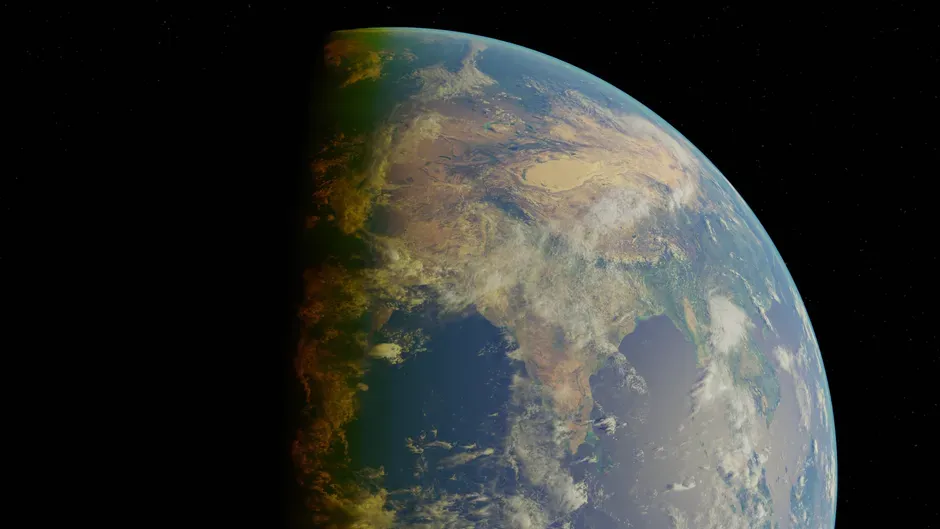
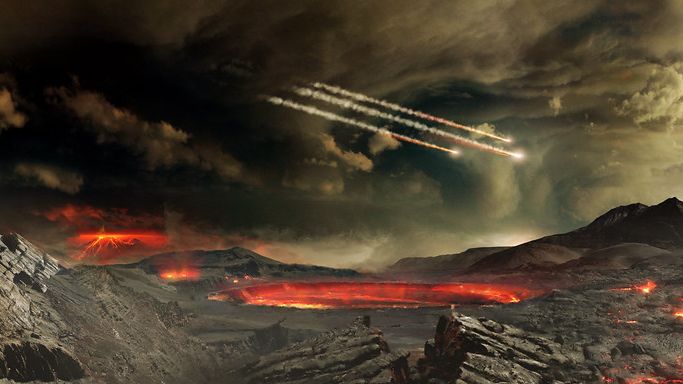
Imagine Earth in its earliest days, around four and a half billion years ago, and forget the blue marble you know. Picture instead a molten, hellish world: oceans of magma, constant asteroid bombardment, a toxic atmosphere, and zero chance of life as we recognize it. This violent era, often called the Hadean, was more like a cosmic construction site than a planet ready for biology. Yet hidden in all that chaos, the basic ingredients for life – water, minerals, and organic molecules – were slowly gathering.
Over tens of millions of years, the surface began to cool, crust formed, and liquid water pooled into the first oceans. Those early seas would become the cradle of life, rich in chemical energy and constantly stirred by geothermal vents and impacts. It is almost eerie to think that in a place that hostile, our entire story was setting up in the background. Before a single dinosaur, tree, or fish existed, the planet had to transform itself from a fiery rock to a world with oceans, continents, and stable enough conditions for life to get a foothold.
The First Life: Tiny Microbes in an Ancient, Alien Ocean
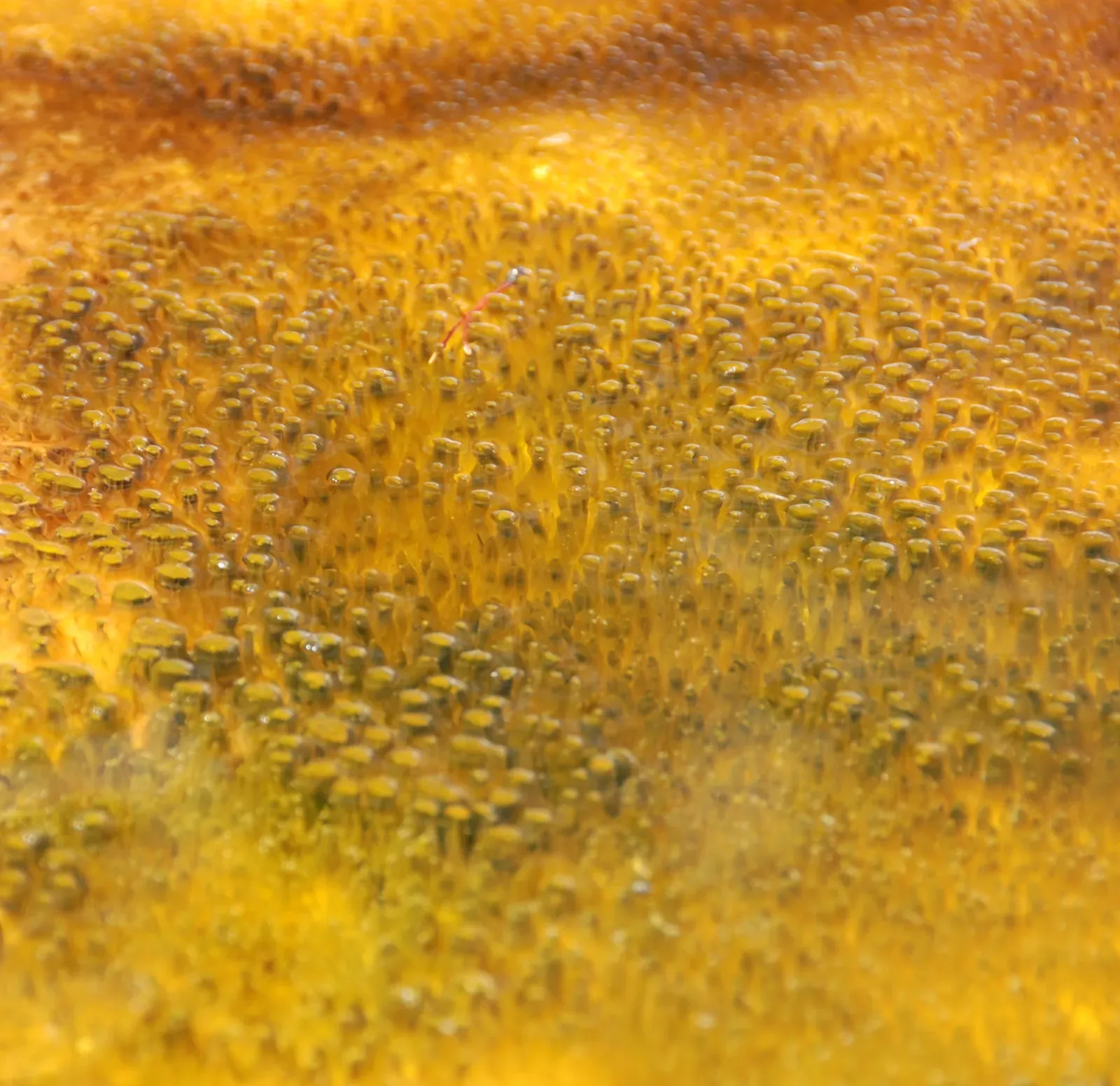
The earliest life forms showed up shockingly early, probably more than three and a half billion years ago, and they were nothing like us. Think microscopic cells, simple and tough, clinging to rocks around hydrothermal vents or floating in the ancient seas. They did not have bones, shells, or even nuclei. They were single-celled microbes, the kind of life you’d overlook if you were expecting dinosaurs right out of the gate. And yet, they were the pioneers that made everything else possible.
For billions of years – literally billions – Earth was a microbial world. No forests, no insects, no roaring reptiles, just endless varieties of bacteria and archaea experimenting with chemistry. They learned to harvest energy from minerals, from chemical reactions, and eventually from sunlight. If the history of life were a 24-hour day, this microbe-only era would take up almost the entire first 20 hours. The fact that we tend to skip it in our mental timelines says more about our love for big, flashy creatures than about what really mattered.
The Great Oxygen Revolution: Microbes That Changed the Air
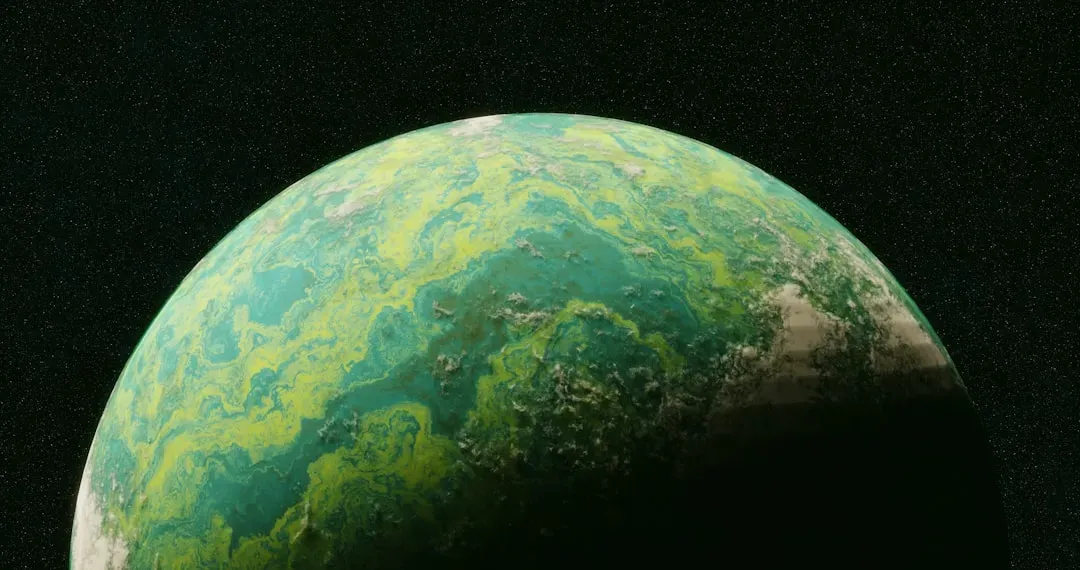
One group of microbes pulled off a trick that completely rewired the planet: they started using sunlight to split water and release oxygen as a waste product. These cyanobacteria were microscopic, but their impact was as dramatic as any asteroid strike. Over a very long stretch of time, their photosynthesis flooded the oceans and atmosphere with oxygen, something that had been almost absent before. For many existing microbes, this “oxygen pollution” was deadly, because oxygen is actually a reactive, dangerous gas for cells not adapted to it.
This shift, often called the Great Oxygenation Event, was a planetary plot twist. Oxygen built up in the atmosphere, enabling the formation of an ozone layer that helped shield the surface from harmful radiation. It also allowed for far more efficient energy use inside cells, paving the way for larger, more complex organisms. The age of dinosaurs could never have happened without this invisible revolution powered by tiny microbes. In a sense, the most radical redesign of Earth’s environment happened long before any reptile set foot on land.
The Rise of Complex Cells and the First Animal Experiments
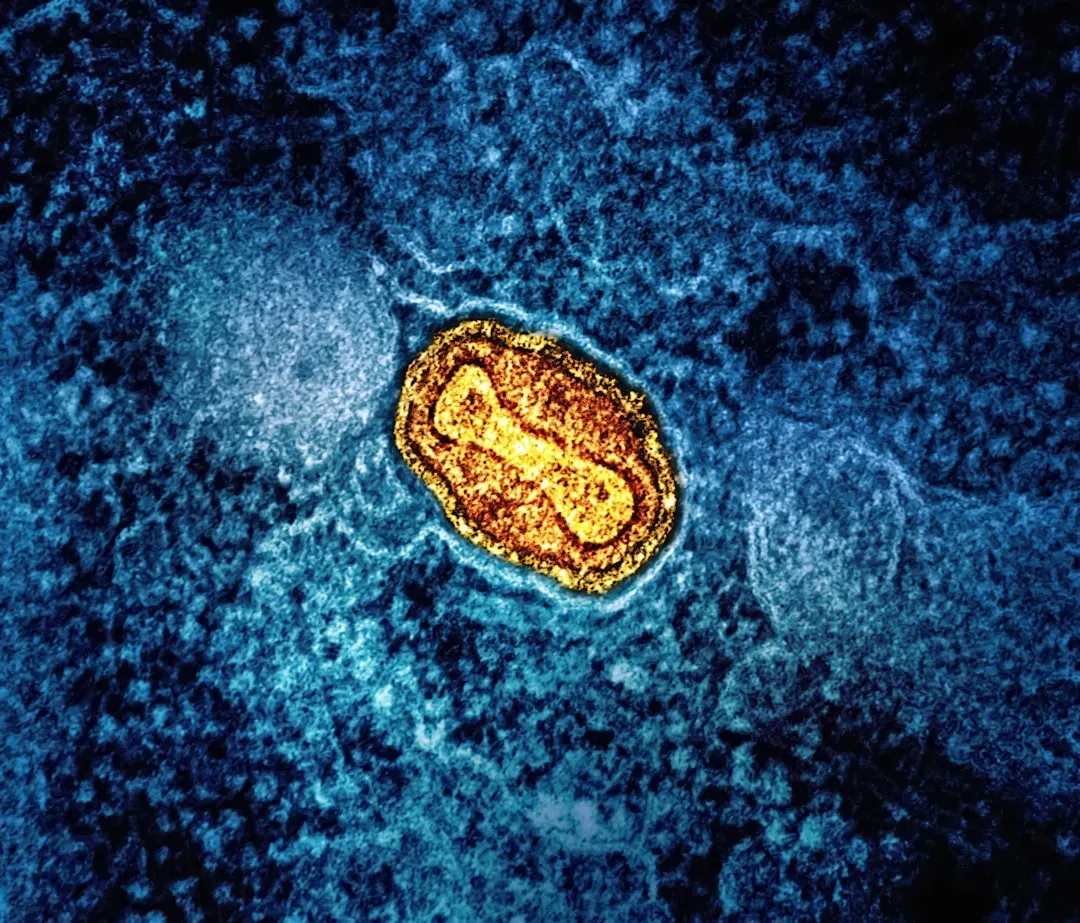
Once oxygen was in place, something else incredible happened: cells started merging and cooperating in deeper ways. Simple cells gave rise to complex ones with internal compartments and, crucially, mitochondria – the tiny structures that hypercharge energy production. These complex cells, called eukaryotes, were the ancestors of animals, plants, fungi, and us. They did not pop up overnight; they emerged after an almost unimaginably long era of microbial tinkering and trial and error.
Eventually, these complex cells formed multicellular organisms – bodies made of many specialized cells working as a team. By around the late Precambrian, strange soft-bodied creatures appeared in the oceans. They were not dinosaurs, or even fish as we know them, but more like weird, quilted forms and odd leaf-shaped bodies sprawled across the seafloor. This was the first big test run of animal life, an experimental phase where nature tried out new body plans. By the time dinosaurs arrived, the idea of complex, multicellular life was already ancient history.
The Cambrian Explosion and the Empire of the Seas
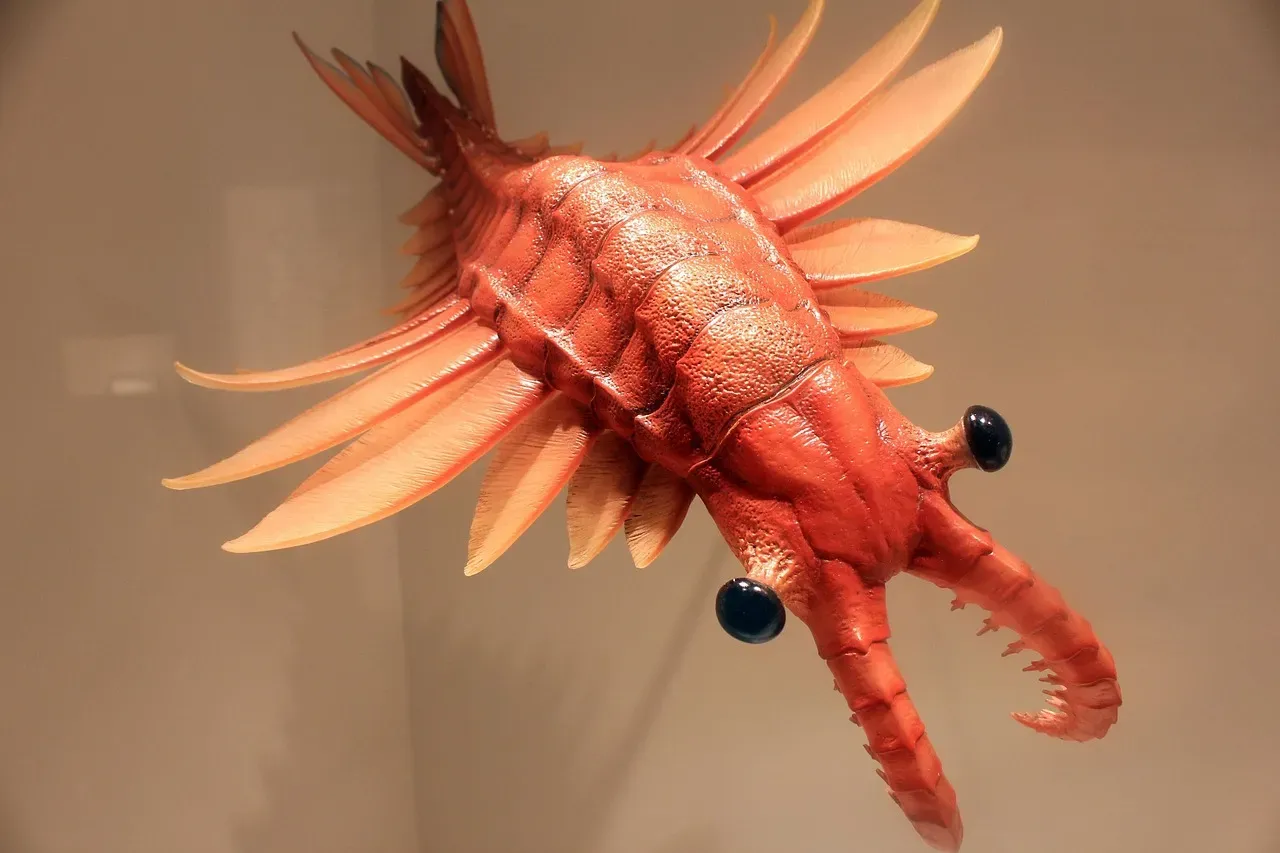
Fast forward to about a little over half a billion years ago, and the fossil record suddenly bursts with diversity in what we call the Cambrian explosion. In a geologically short window of time, many major animal groups appear: early arthropods, primitive vertebrates, bizarre predators, and creatures that look like they were dreamed up in a science fiction concept art studio. It was as if the evolutionary “toolbox” had finally filled up enough for life to start building wild, complex designs at high speed.
For a long while, the oceans were the center of action. Armor-plated fish, squid-like hunters, coral reefs, and countless bizarre invertebrates ruled the underwater world. Life on land was barely getting started, with only microbial mats and maybe tiny, simple organisms edging toward the shoreline. This ocean-dominated phase lasted far longer than the Age of Dinosaurs ever did. The seas were already a mature, complex ecosystem before a single dinosaur egg ever hatched, and that perspective alone shows how deeply middle-of-the-story dinosaurs really are.
Life Conquers Land: Forests, Giant Insects, and Early Reptiles
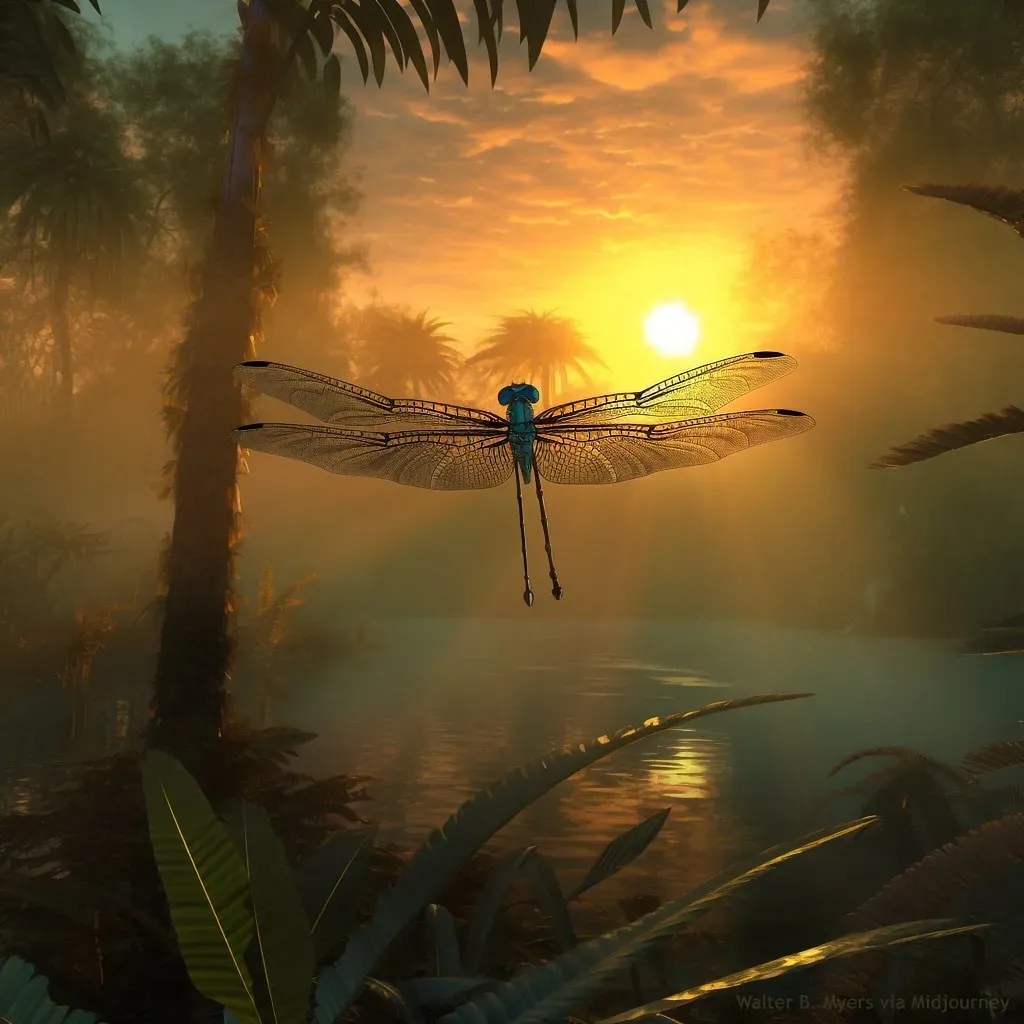
Stepping onto land was one of the boldest moves life ever made. First came simple plants and fungi, greening coastlines and stabilizing soils. Then forests exploded across the continents, their roots reshaping rocks and their fallen trunks building up thick layers of carbon-rich material. The air changed again, and some periods were so oxygen rich that insects grew to astonishing sizes, with dragonfly relatives as wide as your forearm. The land was becoming richer, messier, and more alive, even before the classic “dinosaur landscape” existed.
Amphibian-like vertebrates crawled out of the water, followed by early reptiles that gradually adapted to drier conditions. These early reptiles were the ancestors not only of dinosaurs, but also of mammals. By the time true dinosaurs appeared in the Triassic period, the ground had already been claimed, forests had risen and fallen, and several waves of animal groups had risen to dominance and collapsed. To treat dinosaurs as the beginning is like calling the late seasons of a long-running show the pilot episode – it misses the long buildup that gave them a stage.
The Age of Dinosaurs: Spectacular, Powerful… and Squarely in the Middle
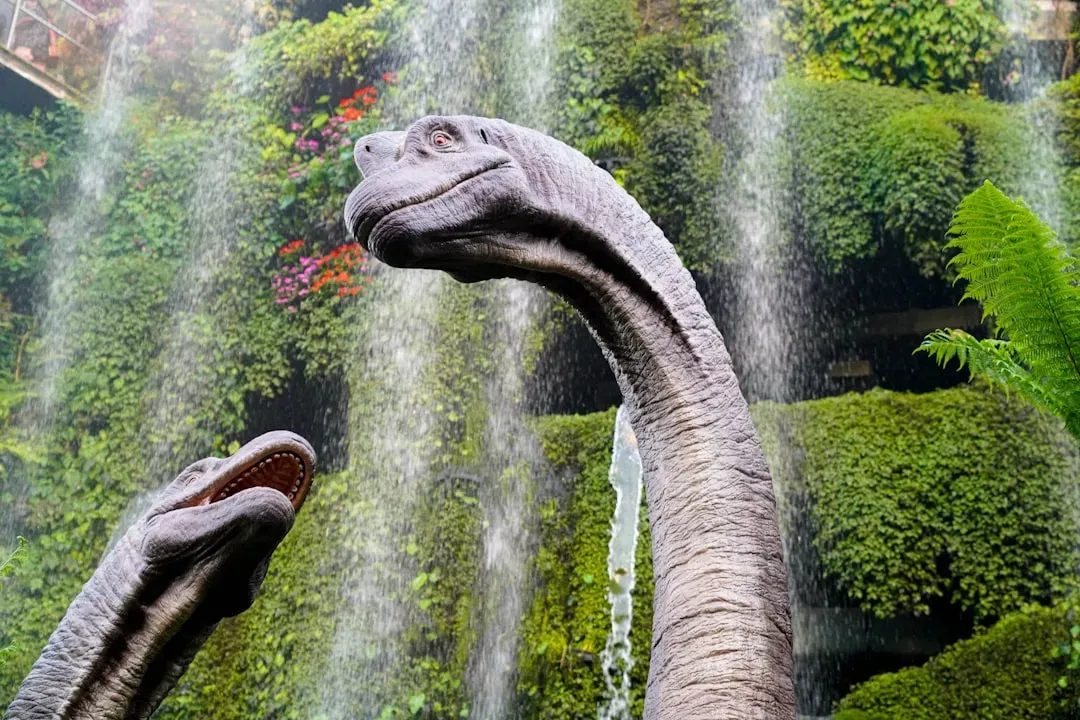
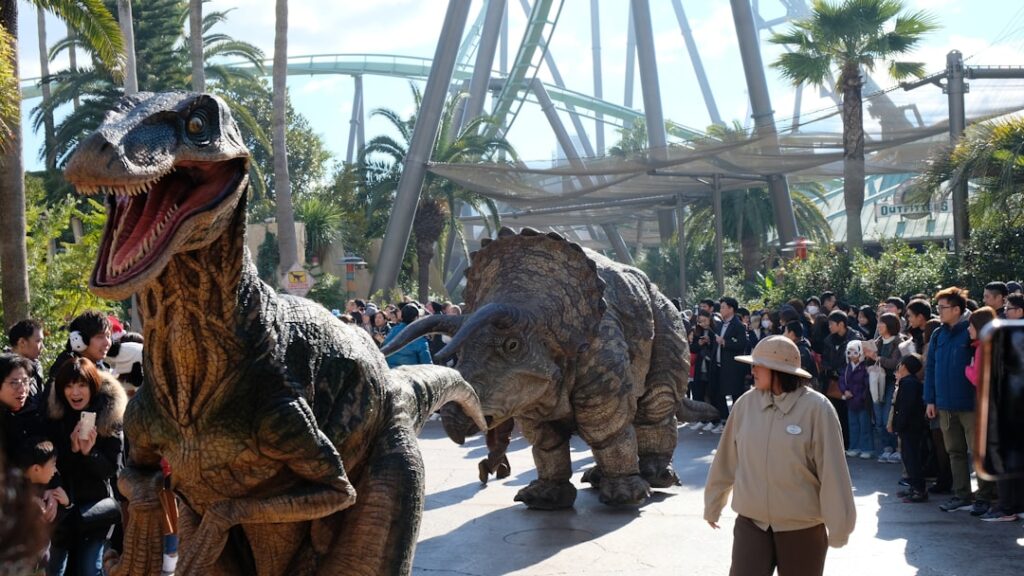
Now we finally reach the part of the story everyone knows: the Mesozoic Era, the so-called Age of Dinosaurs. Dinosaurs diversified into countless forms – towering long-necked herbivores, horned and plated giants, terrifying predators, and small, birdlike species darting through ancient forests. They shared their world with marine reptiles, flying pterosaurs, early birds, and small mammals hiding in the shadows. It was a dynamic, successful chapter, but still just a chapter. Dinosaurs reigned for more than a hundred million years, which sounds epic, but it is only a slice of Earth’s four and a half billion–year timeline.
What often gets overlooked is that the Mesozoic itself sat between other great ages. Before dinosaurs, there were entire ecosystems dominated by different reptile lineages and strange synapsids, some of which looked more like mammal-reptile hybrids. After dinosaurs (except for the line that became birds), mammals exploded into the empty niches, giving rise to the modern world of primates, whales, bats, and eventually humans. Dinosaurs are not the grand opening act of life; they are an intensely memorable middle season in a show that started long before them and kept going long after they bowed out.
After the Dinosaurs: Mammals, Humans, and Our Tiny Slice of Time
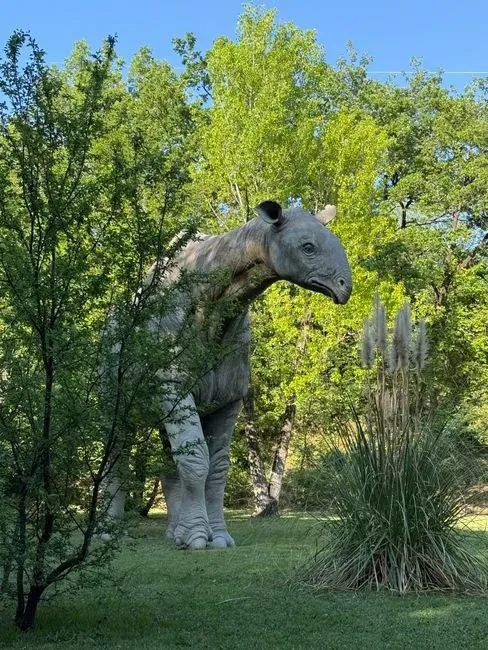
The asteroid impact that ended most dinosaur lineages was brutal, but it was not the end of life’s story. In the aftermath, surviving species, especially mammals and birds, seized new opportunities. Mammals diversified into ground dwellers, climbers, swimmers, and fliers, eventually producing everything from elephants to dolphins to primates. The landscapes shifted again, with flowering plants and grasses reshaping ecosystems. The world started to look closer to the one we recognize, though humans were still an incredibly distant possibility.
Modern humans arrived only within the last tiny sliver of Earth’s history – more like the last seconds of that imaginary 24-hour day. We tend to place ourselves and dinosaurs near the center of the narrative because that’s where our imagination sticks, but in reality, we are very late arrivals. To me, that realization is oddly freeing. It reminds us that we are part of a lineage that stretches back through mammals, reptiles, fish, worms, and microbes to a world utterly unlike today. Dinosaurs were never the beginning; they were one spectacular phase in a world that has reinvented itself over and over, and now we are the ones holding the script. The real question is: knowing how long and strange this story has been, what kind of chapter do we want to write next?