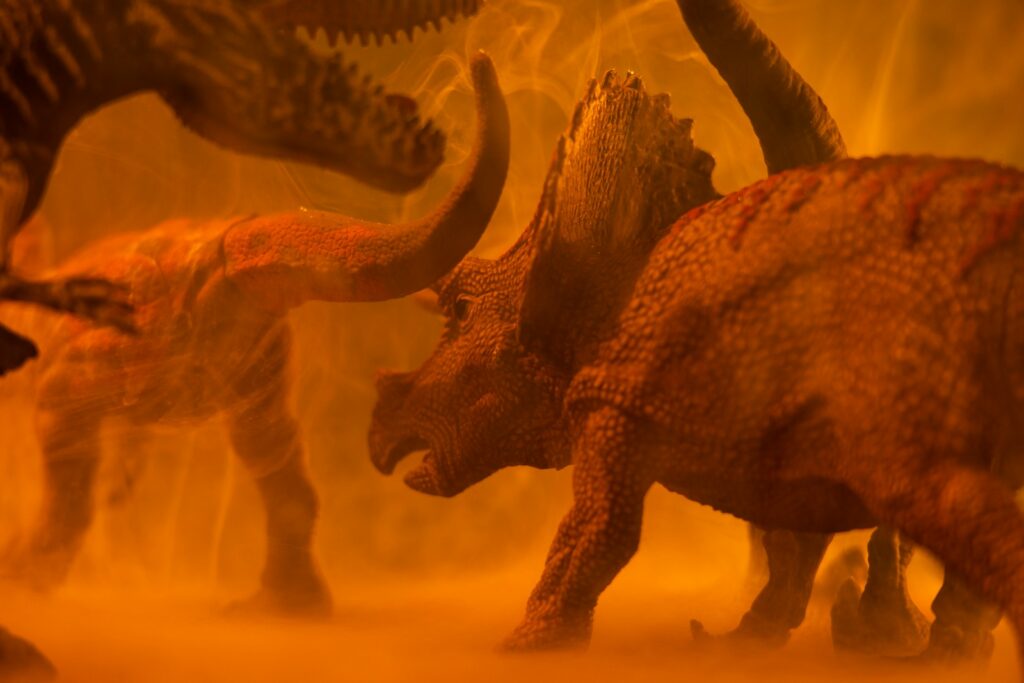
You might be surprised to learn that the Jurassic period wasn’t dominated by the raptors you remember from Hollywood blockbusters. While popular movies have made Velociraptors household names, these turkey-sized predators actually lived much later in the Cretaceous period. The true terror of the Jurassic was something far more formidable.
During the Middle to Late Jurassic period, roughly 201 to 145 million years ago, the Earth was a vastly different place. Massive sauropods roamed lush forests alongside armored stegosaurs, while shallow seas lapped at continental shores. Yet among all the predators that stalked these ancient landscapes, one stood above the rest as the ultimate killing machine of its time.
Meet Allosaurus: The True Apex Predator
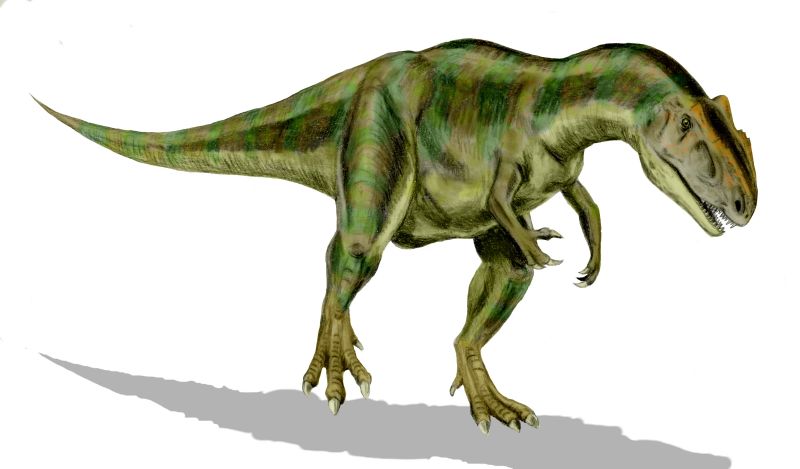
When paleontologists talk about , they’re not referring to the dromaeosaurs that would later terrorize the Cretaceous. Instead, Allosaurus was at the top of the food chain and probably preyed on large herbivorous dinosaurs such as ornithopods, stegosaurids, and sauropods during the Late Jurassic period, approximately 155 to 145 million years ago, standing as one of the largest predators of the Late Jurassic period. This magnificent beast earned its fearsome reputation through sheer size, intelligence, and devastating hunting prowess.
It averaged 8.5 meters (28 ft) in length for A. fragilis, with the largest specimens estimated as being 9.7 meters (32 ft) long. Adult Allosaurus typically measured around 28 to 40 feet (8.5 to 12 meters) in length and weighed 2 to 3 tons. Unlike the pack hunters that would come later, Allosaurus was a solitary giant that could take down prey many times its own size.
Anatomy of a Killer
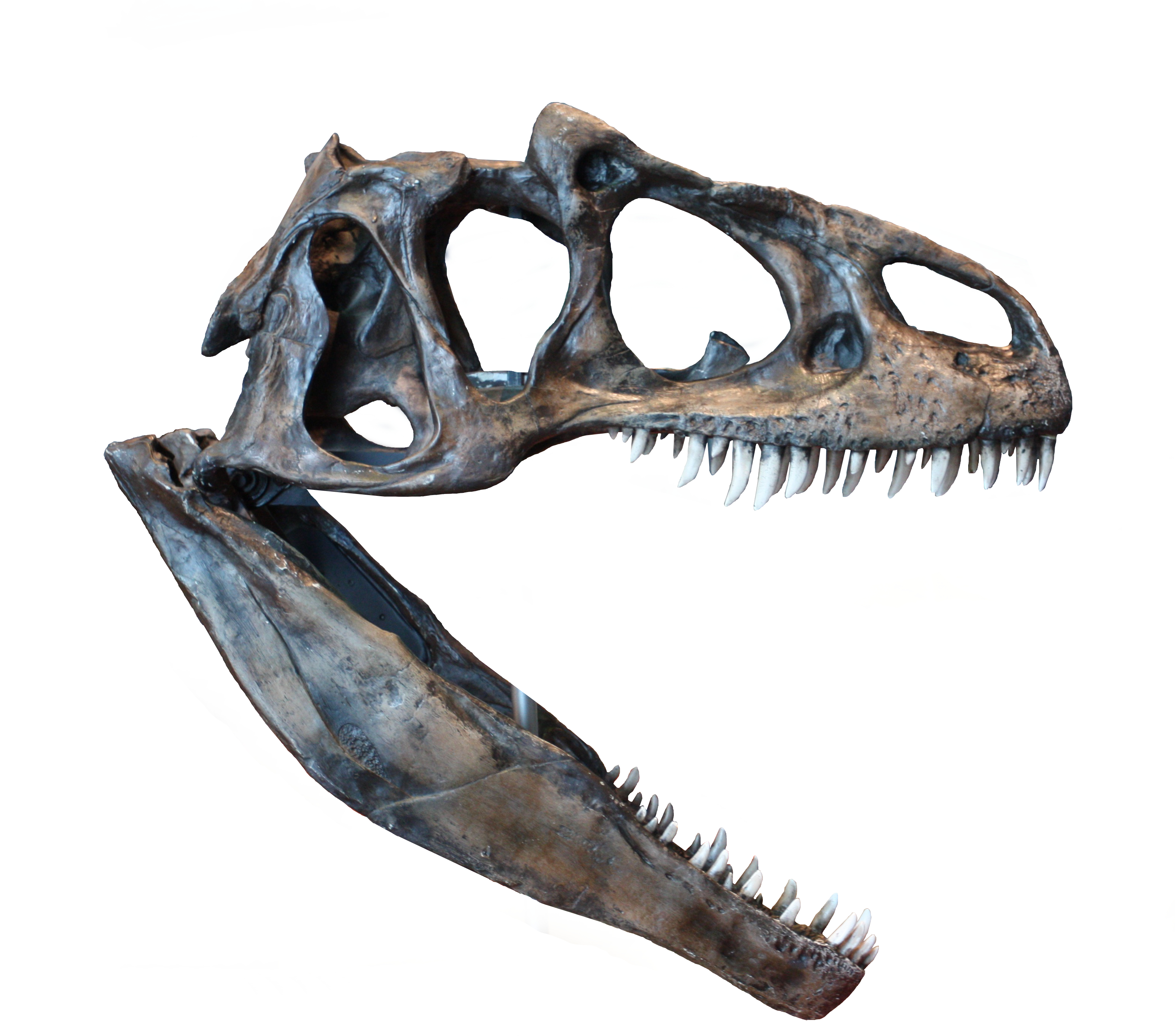
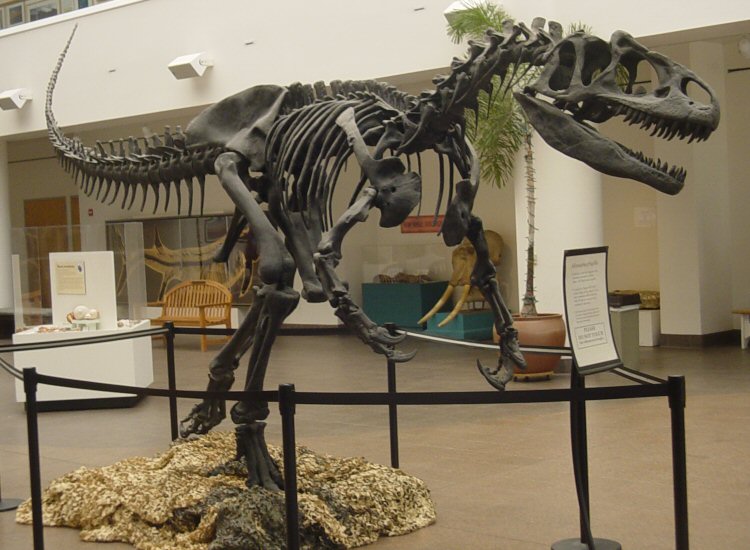
Allosaurus is characterized by a large and slender head, crests over its forward-facing eyes, and many dagger-like serrated teeth. This means it had good depth perception for hunting prey and could easily tear into flesh. The forward-facing eyes were crucial for judging distances when lunging at prey, while those razor-sharp teeth could slice through the toughest hide.
What made Allosaurus particularly deadly was its unique jaw structure and feeding strategy. This evidence suggests that it ate, not by biting and ripping off chunks of meat and bone, but instead by striking and picking at it like a falcon. It could grab flesh, then quickly and forcefully pull its head back to de-flesh the prey. This technique allowed it to wound and weaken large herbivores before moving in for the kill.
Weapons of Mass Destruction
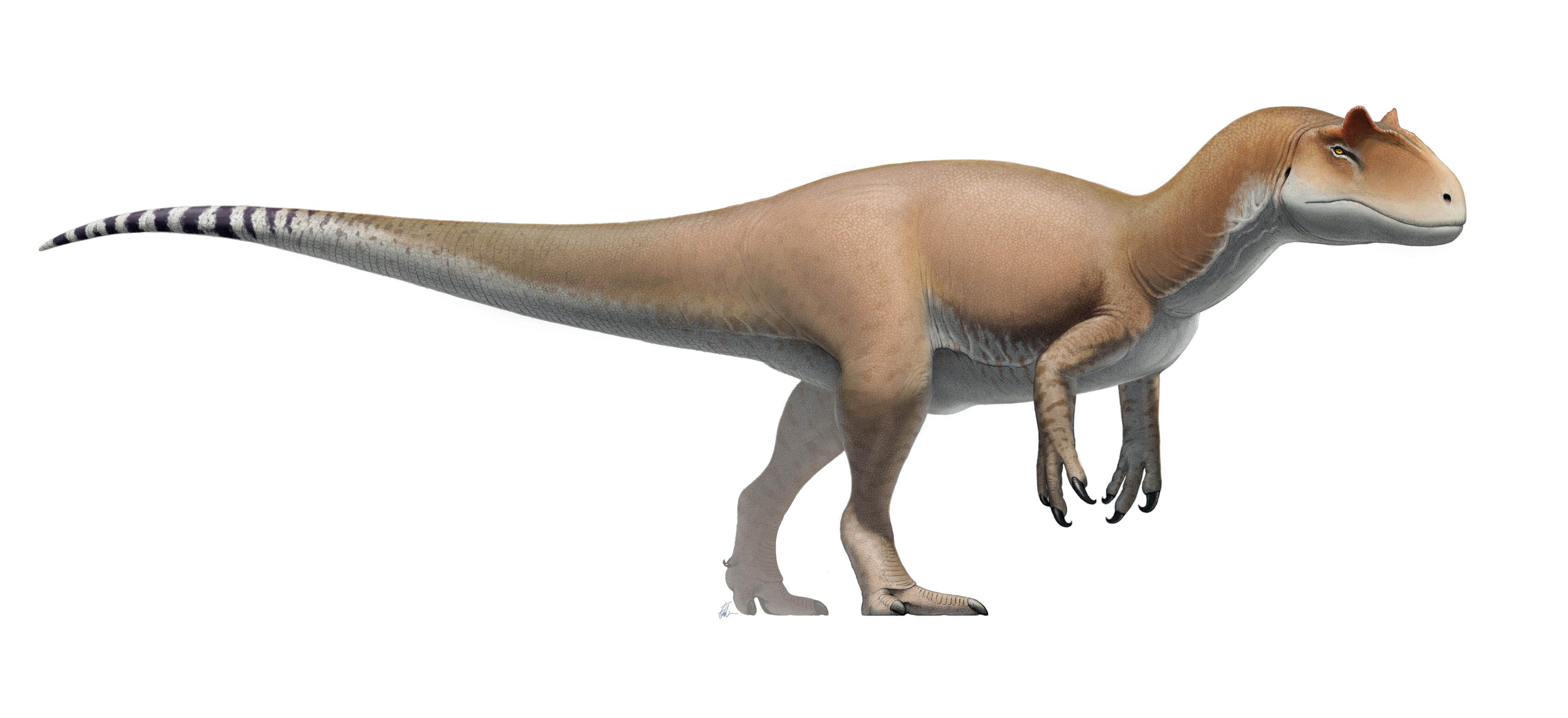
Relative to the large and powerful legs, its three-fingered hands were small and the body was balanced by a long, muscular tail. However, don’t let the relatively small arms fool you. Despite being relatively short, Allosaurus’s arms were robust and had three sharp claws. While they were not the primary tool for hunting, they may have been used to grasp prey or deliver slashing wounds.
The real weapons were those powerful hind limbs and that massive skull. It’s body was agile and sleek making it able to run in a speed of over 30 km/h. Imagine a three-ton killing machine charging at you at highway speeds, with jaws capable of delivering bone-crushing bites and claws that could disembowel with a single swipe.
Hunting Strategies and Behavior
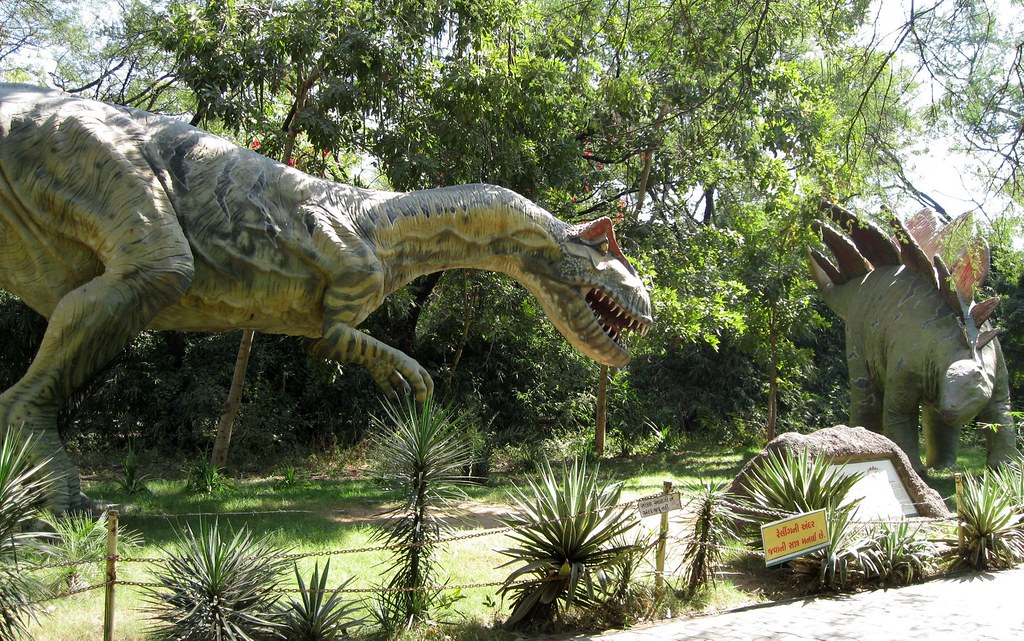
These differences suggest that younger Allosaurus were faster and had different hunting strategies than adults, perhaps chasing small prey as juveniles, then becoming ambush hunters of large prey upon adulthood. This behavioral flexibility made Allosaurus incredibly successful across different life stages and hunting scenarios.
The debate continues about whether Allosaurus hunted in packs or operated as a solitary predator. Although Allosaurus may have hunted in packs, it has been argued that Allosaurus and other theropods had largely aggressive interactions instead of cooperative interactions with other members of their own species. The study in question noted that cooperative hunting of prey much larger than an individual predator, as is commonly inferred for theropod dinosaurs, is rare among vertebrates in general, and modern diapsid carnivores (including lizards, crocodiles, and birds) rarely cooperate to hunt in such a way. Instead, they are typically territorial and will kill and cannibalize intruders of the same species.
Life in the Morrison Formation
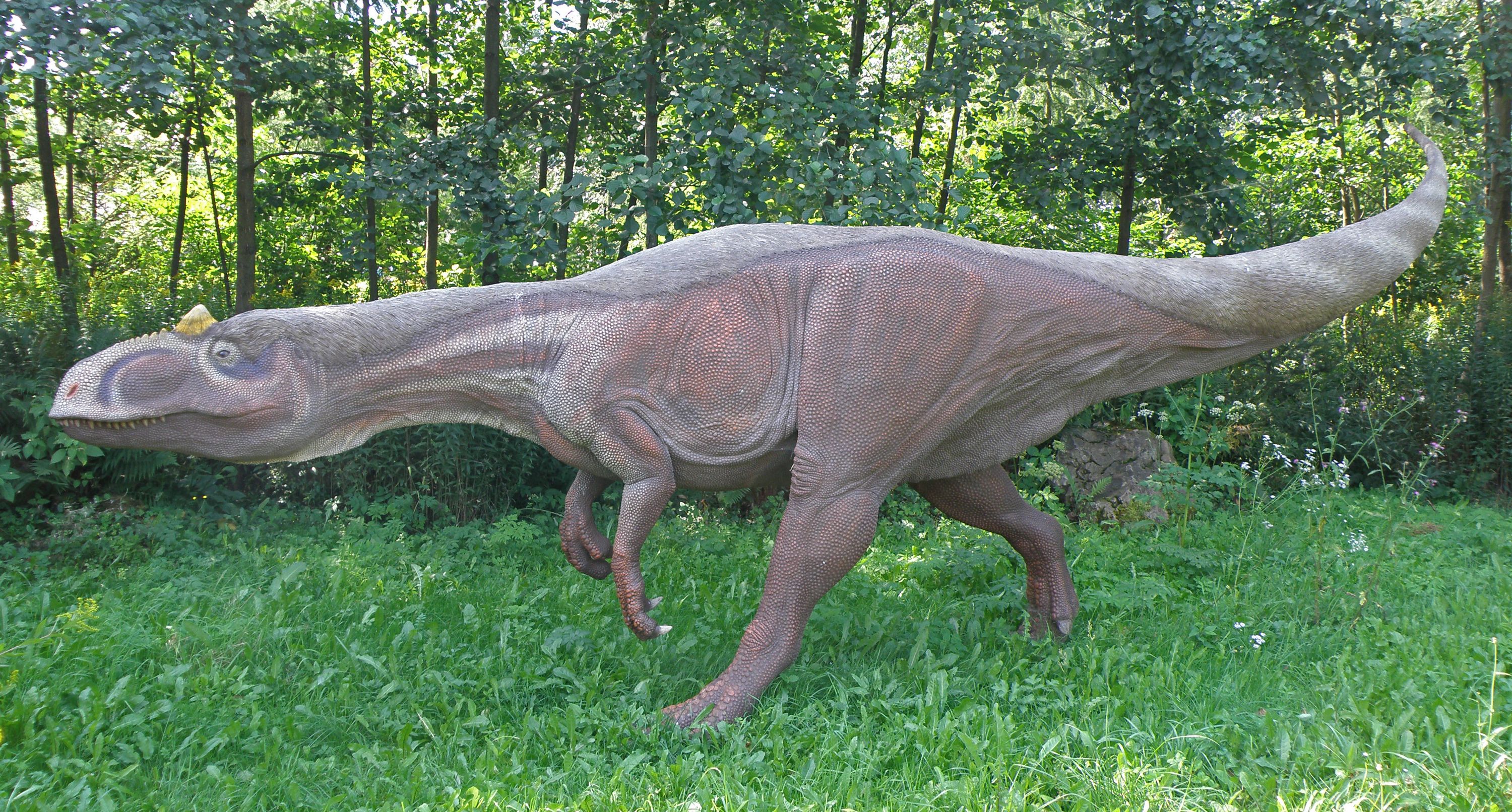
Allosaurus is commonly found at the same sites as Apatosaurus, Camarasaurus, Diplodocus, and Stegosaurus. This fossil evidence paints a picture of an ecosystem where Allosaurus ruled as the undisputed apex predator. Fossil evidence reveals that the Allosaurus was mainly found in North America, particularly within the Morrison Formation, which stretches across states like Colorado, Utah, and Wyoming. These fossil hotspots indicate that Allosaurus thrived in diverse ecosystems, from lush river valleys to arid plains.
The Morrison Formation represents one of the richest dinosaur fossil sites in the world. The geographical distribution of Allosaurus fossils suggests a strong correlation with the presence of large herbivorous dinosaurs, which played a vital role in predator-prey dynamics. The abundance of prey in these regions likely influenced Allosaurus’ hunting strategies, allowing it to effectively target vulnerable species.
Evidence of Violence and Survival
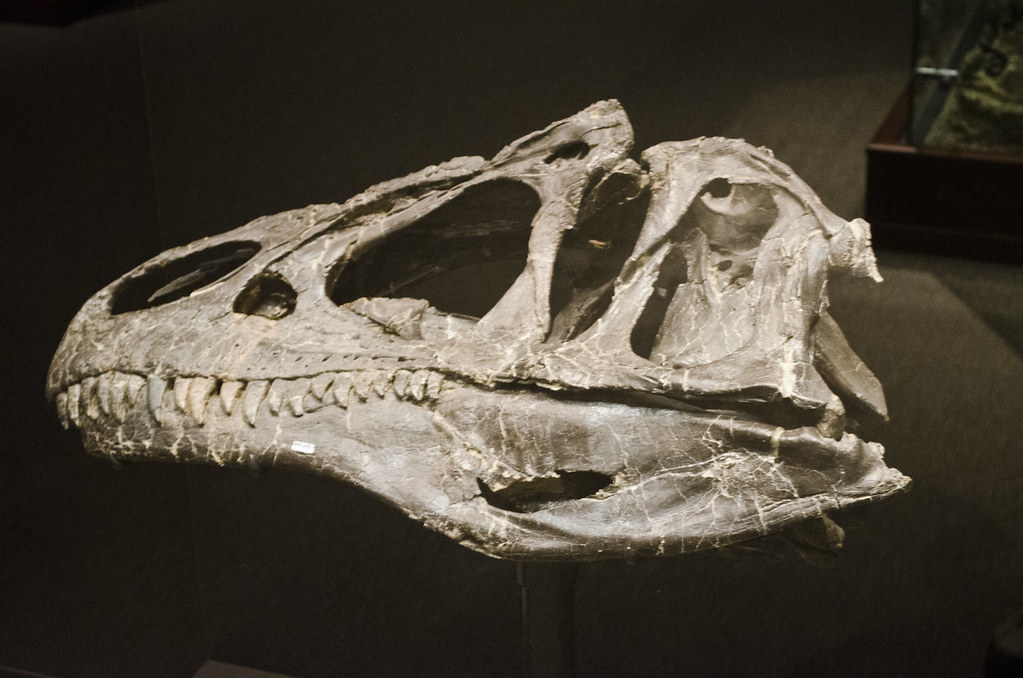
The fossil record reveals that Allosaurus lived an incredibly dangerous existence. The Allosaurus on display at the Smithsonian Institute has a smashed shoulder blade, several broken ribs, and a lower jaw so damaged that paleontologists didn’t realize it was an Allosaurus jaw for over 100 years. But these were tough dinosaurs: Their bones show that they likely lived long enough for their wounds to heal.
A fossil pubis bone of an Allosaurus showing an entry and exit wound from a stegosaurus tail spike. The white plaster is a cast of the abscess formed from infection after the injury. This remarkable specimen shows that even the mightiest predator faced serious challenges when hunting armored prey. The fact that this individual survived long enough for an abscess to form demonstrates the incredible resilience of these ancient killers.
Why Allosaurus Ruled the Jurassic
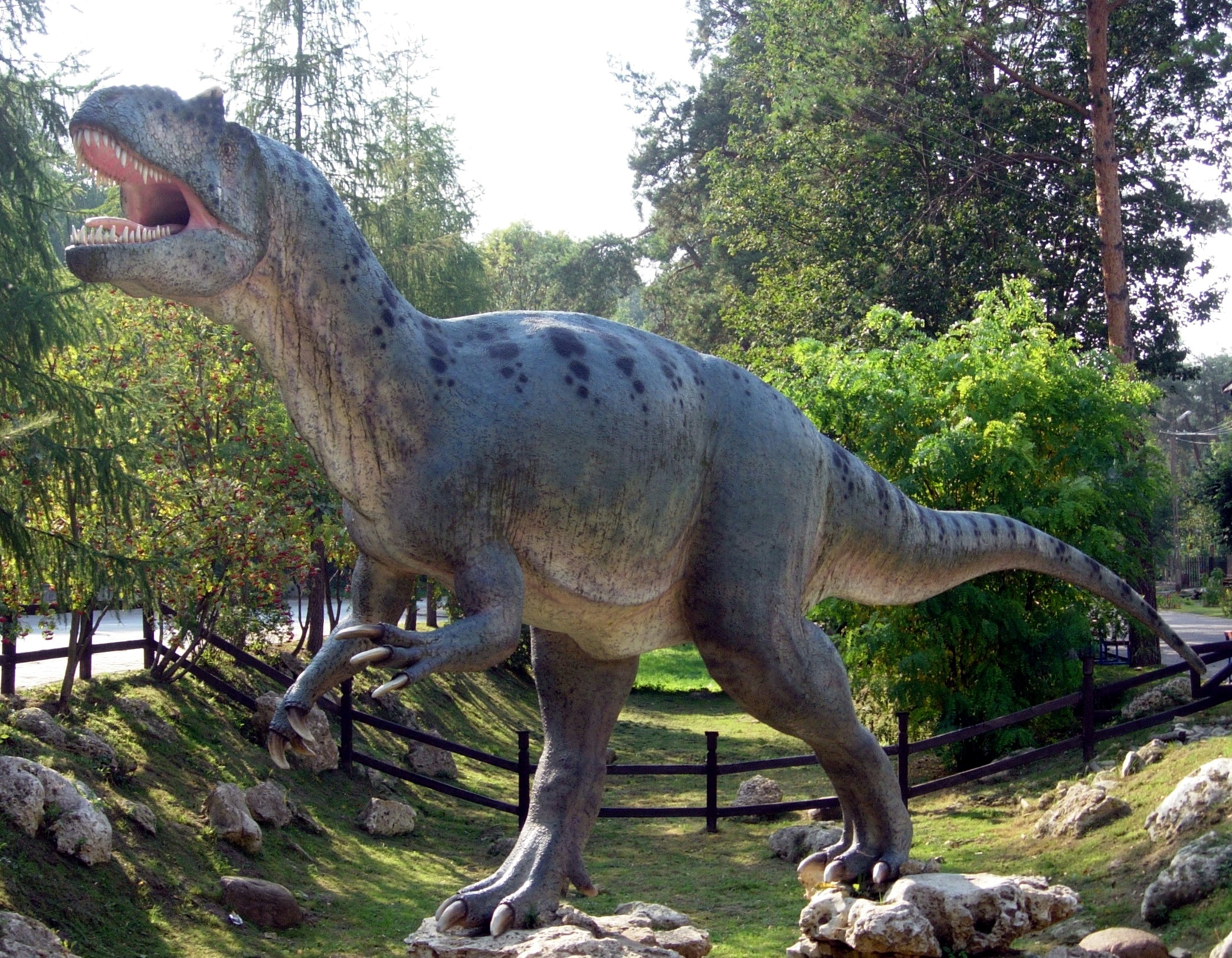
Allosaurus was at the top trophic level of the Morrison food chain. What made it so successful was a combination of factors rarely seen in a single predator. Size gave it the power to tackle enormous sauropods, while intelligence allowed it to adapt its hunting strategies to different prey species. It has also been found to have a large olfactory bulb, which indicates a good sense of smell.
Unlike later predators such as Tyrannosaurus rex, which relied primarily on bone-crushing power, Allosaurus was a more versatile hunter. Allosaurus may have used hunting strategies such as flesh grazing, pack hunting, and ambush attacks that utilized trachea crushing bites. This adaptability made it the perfect predator for its time and environment.
The End of an Era
By the end of the late Jurassic, Allosaurus went extinct with many of the other dinosaurs during the faunal turnover leading into the Cretaceous. The reasons for this extinction remain debated among paleontologists. Allosaurus likely went extinct due to a combination of environmental changes and competition from other predators. Its extinction was part of a broader pattern of changes in the Late Jurassic ecosystem.
Climate changes, shifting continental positions, and the evolution of new predator species all contributed to the downfall of this magnificent beast. Yet for nearly 10 million years, Allosaurus reigned supreme as the deadliest predator of its age. Its legacy lives on not just in fossil collections, but in our understanding of what made the perfect Jurassic killer.
When you think about , remember that it wasn’t the Hollywood-famous Velociraptor with its sickle claws. It was Allosaurus, a massive, intelligent, and brutally efficient predator that dominated its world through a combination of size, speed, and sophisticated hunting strategies. This three-ton terror truly earned its place as the apex predator of one of Earth’s most remarkable periods. What do you think made Allosaurus so successful where other predators failed?