If you grew up with timelines that start in Mesopotamia and end with smartphones, it’s easy to feel like human history is a neat, shallow story. A few thousand years, some pyramids, a couple of empires, and then modern life shows up as the grand finale. But when you zoom out into deep time, that tidy picture falls apart in a really unsettling and, honestly, thrilling way. The span of time we usually call “history” turns out to be a paper-thin slice on a vast geological layered cake.
Deep time does something strange to your sense of identity. Suddenly, humans are not the main character of Earth’s story, but a very recent subplot. Civilizations, languages, nations, and even the idea of “progress” start to look tiny and fragile, like scribbles on the last page of a very long book. Once you really absorb how long Earth has been around, and how briefly we’ve been here, it completely changes how you see everything from politics to climate change to what it means to be alive right now.
Human History Is a Blink Compared to Earth’s Timeline
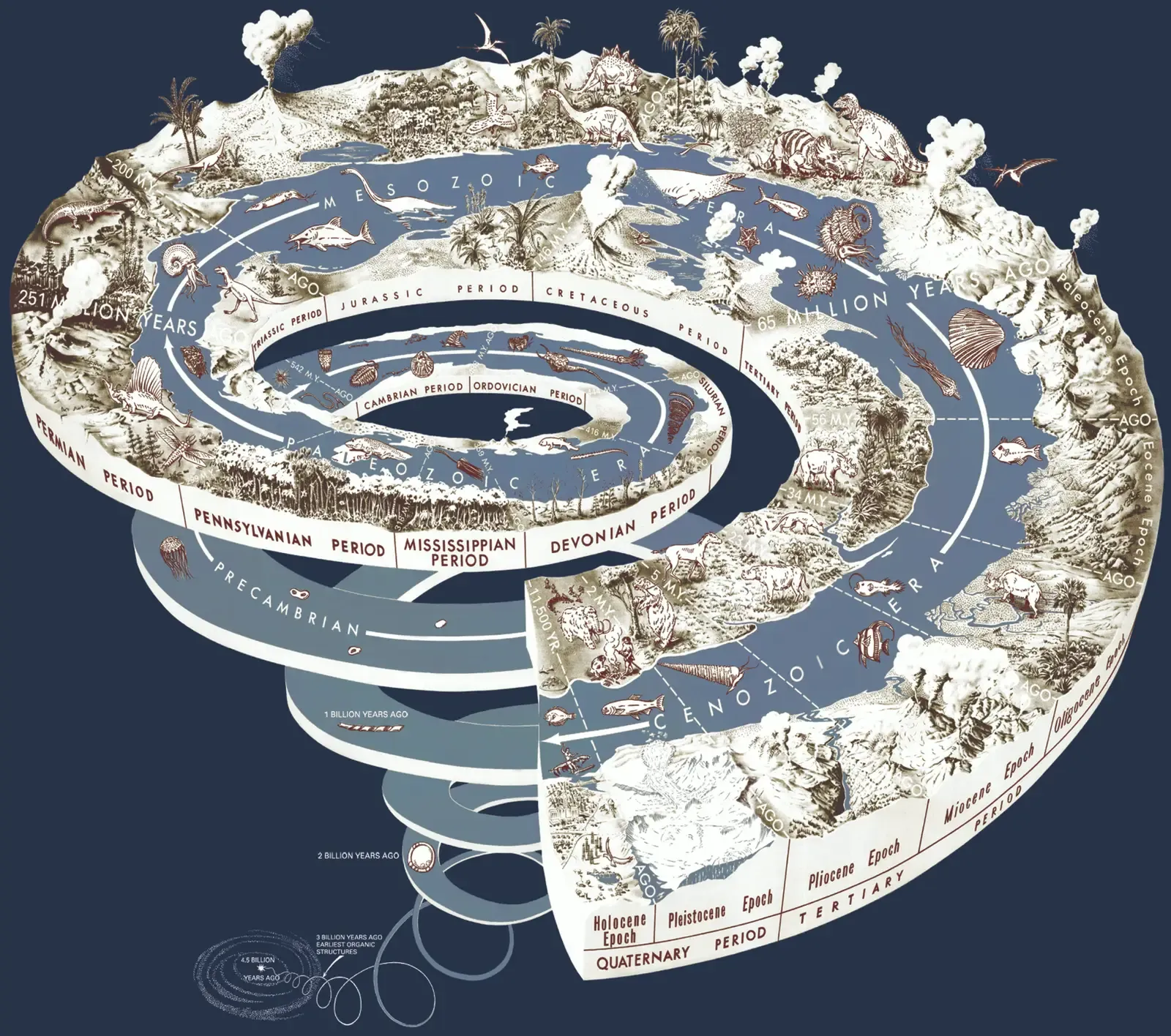
Here’s the gut-punch: if you compress Earth’s entire history into a single calendar year, all of recorded human history fits into the last seconds before midnight on December 31. The planet forms in early January, life shows up in spring, dinosaurs roam in December, and then vanish just a week or so before New Year’s Eve. Writing, cities, and everything we call “civilization” would be a flicker in the final instant, so brief you’d almost miss it if you blinked. The long ages before us weren’t empty; they were busy, changing, violent, and creative on a scale that makes the rise and fall of empires look like traffic noise.
Once you get that scale into your head, arguments about which civilization is “ancient” feel almost funny. The Roman Empire? Yesterday afternoon. The first city-states in Mesopotamia? Maybe a couple of seconds ago. Even the idea that “modern times” started a few centuries back becomes kind of absurd; it’s all the same tiny sliver. This doesn’t make human achievements meaningless, but it does put them in context. We are spectacularly late arrivals to a world that has been spinning, erupting, freezing, and evolving for billions of years before anyone carved a law code into stone.
Our Species Is Older Than Any Civilization You’ve Heard Of
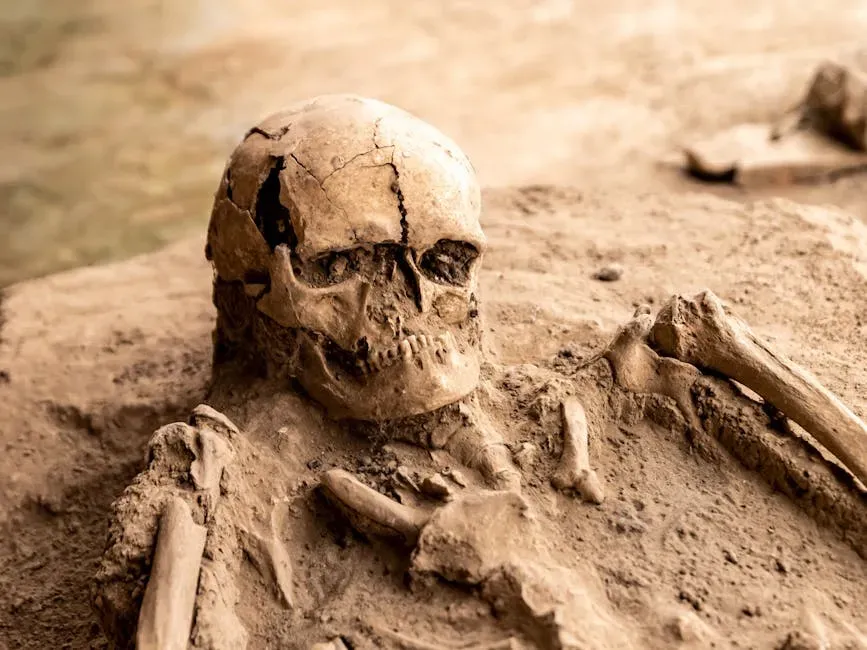
Modern humans, anatomically speaking, have been around for something on the order of hundreds of thousands of years. That means people who looked like us, with brains like ours and the same basic hardware, walked the Earth long, long before the first farm, temple, or palace existed. Yet the stories we usually tell about “human history” start only a few thousand years ago, when writing appears. It’s like judging someone’s entire life by their last semester of college, ignoring everything that came before.
This deep prehistory matters because it shows that our tech-focused era is not what defines us at the core. For the vast majority of our existence, humans lived in small, mobile groups, relying on foraging, oral knowledge, and close-knit social bonds. Culture, imagination, and symbolic thinking are not inventions of “advanced” societies; they are baked into our species from the start. When you realize that modern industries and nation-states are incredibly recent experiments, it becomes harder to treat them as inevitable or permanent. They’re more like a wild new app downloaded onto very old, very tested biological hardware.
Most of Human Life Has Left Almost No Visible Trace
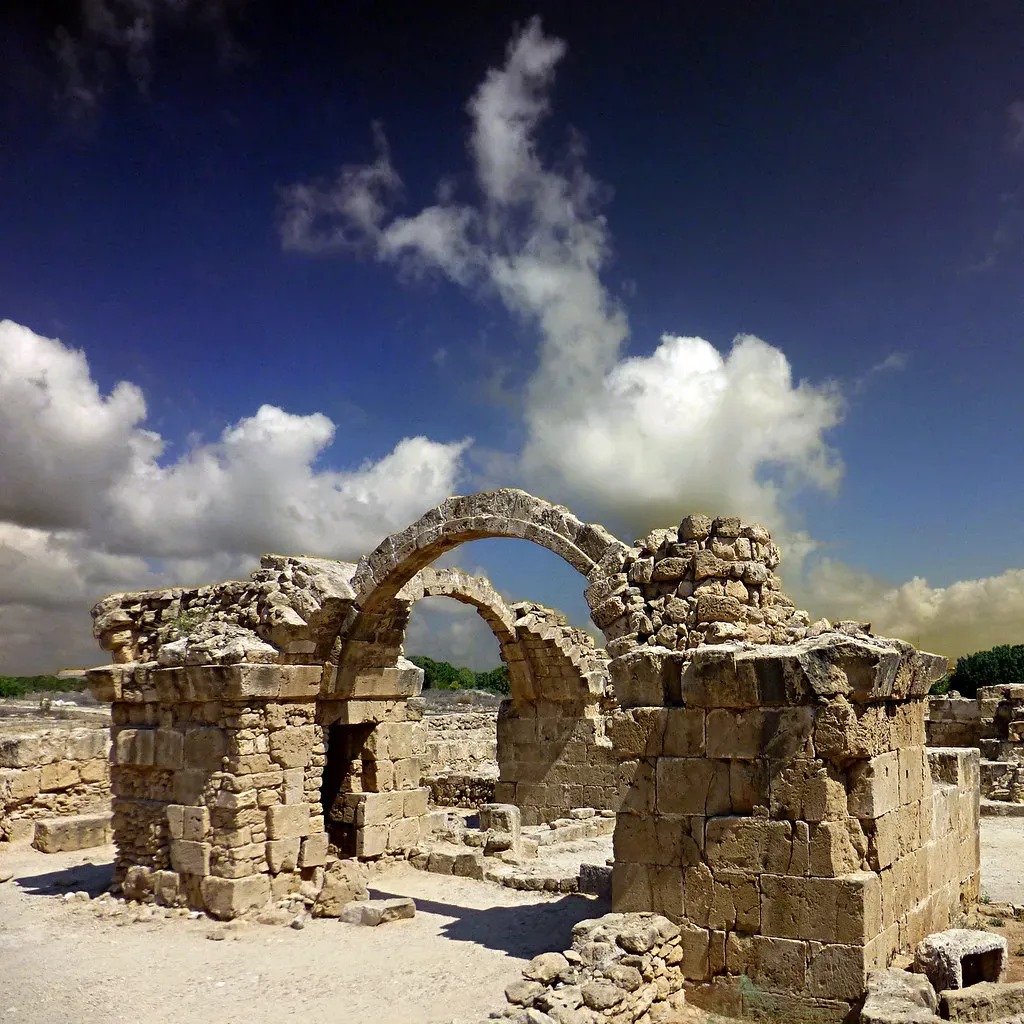
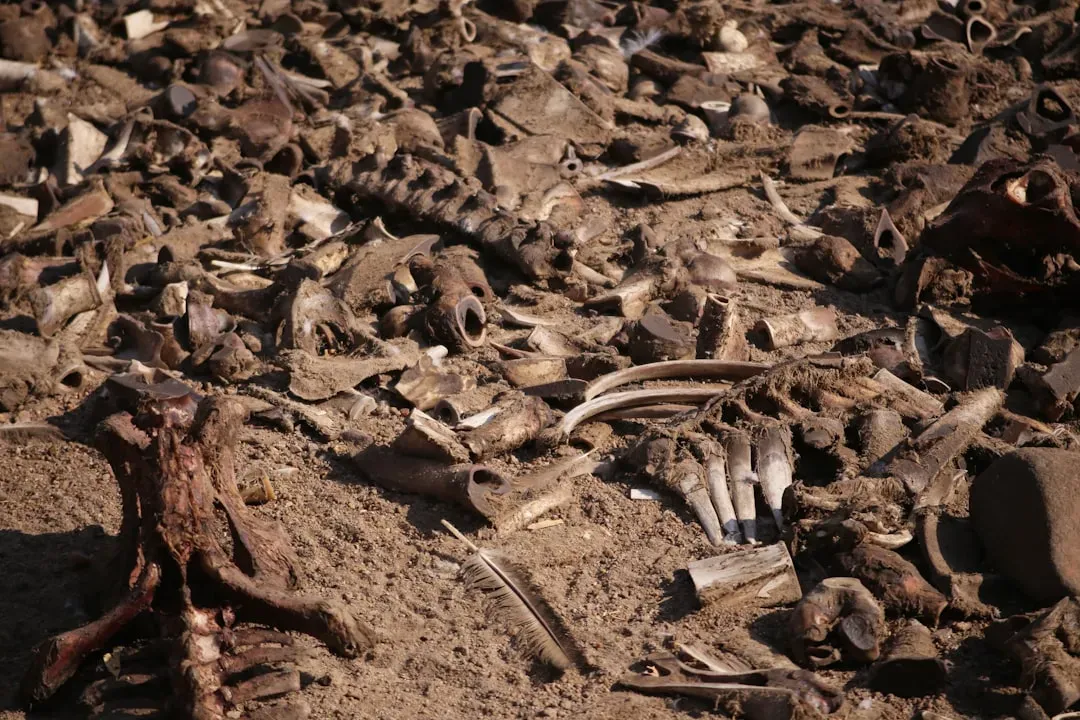
One of the strangest deep-time facts is this: almost everything humans have ever done has vanished without a visible trace. Archaeology, powerful as it is, is working with the tiniest fraction of our actual story. Organic materials rot, wood decays, textiles crumble, and entire landscapes get reworked by wind, water, and ice. What survives is often what was built in stone, buried by accident, or preserved by some weird stroke of luck. So when we look at the ruins that impress us most, we’re really seeing the loudest survivors, not the full chorus.
This has a humbling implication: there were countless lives, relationships, rivalries, jokes, heartbreaks, and discoveries that simply disappeared from the record. Try imagining your own life if all that remained in ten thousand years was maybe a broken ceramic mug and a metal screw. The past was not silent or simple; it was rich and messy, like today, just filtered by time into a sparse scatter of clues. Realizing that most of the human experience is invisible to us forces you to treat our grand historical narratives with caution. They’re impressive, but they are stitched together from shards, not from a complete movie.
The Climate Has Always Changed, but Not Like This
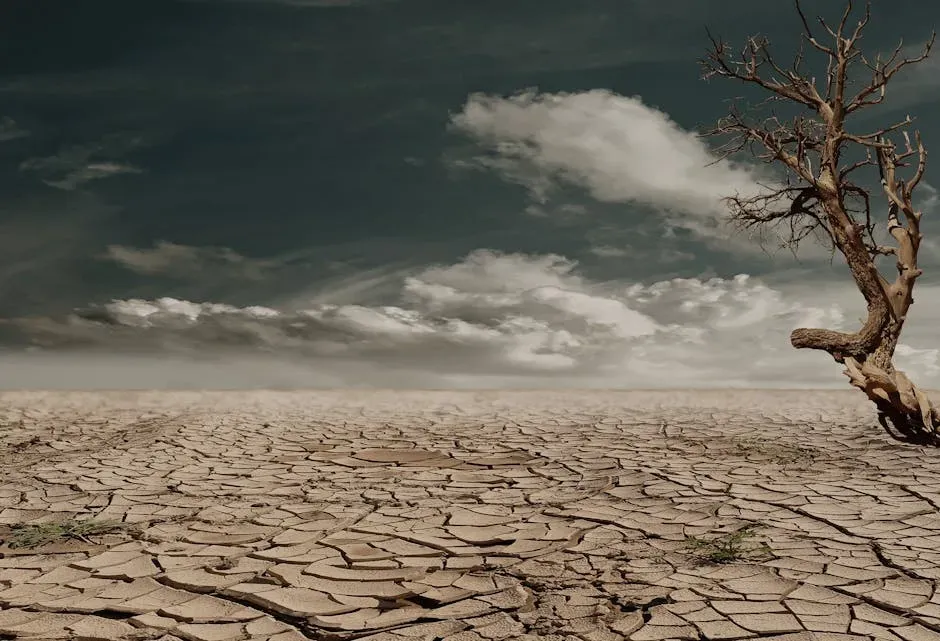
Over deep time, Earth’s climate has swung wildly. There were ages when the planet was much warmer and times when ice sheets smothered continents. Continents drifted, seas opened and closed, and ecosystems rearranged themselves again and again. Life adapted, migrated, or went extinct. So yes, the climate has always changed, and in the very long view that is perfectly normal. But here’s the twist that really reframes human history: the entire period of agriculture and civilization has unfolded during an unusually stable climate window.
For thousands of years, temperatures and sea levels have hovered within a relatively narrow band, and that stability is what allowed predictable farming, permanent settlements, and complex societies to take off. What’s unsettling today is that human-driven warming is pushing us out of that gentle zone at a speed that, in geological terms, is more like a sudden slap than a slow drift. Deep time shows that Earth will survive climate shifts; the real question is whether our specific coastal cities, food systems, and ways of life will. Seen from this angle, climate change isn’t just an “environmental issue” but a threat to the very unusual stability that made history as we know it possible.
We Are the Last Survivors of a Once-Crowded Human Family
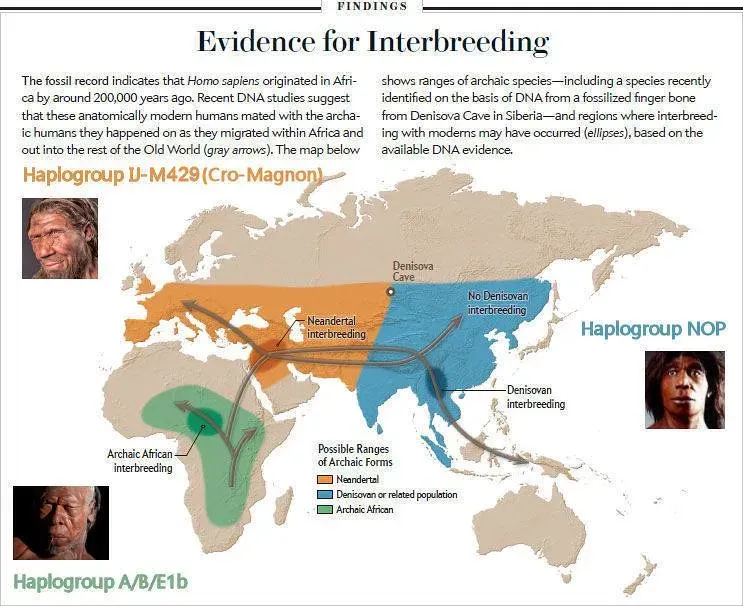
For a long stretch of the recent past, Homo sapiens was not alone. We shared the planet with other human species: Neanderthals in Eurasia, Denisovans in parts of Asia, and likely more that we still barely understand. These weren’t movie monsters or primitive “missing links.” They were close cousins with their own cultures, tools, and ways of life. Genetic evidence shows that our line even interbred with some of them, leaving faint echoes of those encounters in many people’s DNA today.
From a deep-time perspective, the idea of a single “humanity” is actually new and a bit eerie. We are the last branch standing from a once bushy family tree. That makes questions about why we survived and they did not more than just scientific puzzles; they’re moral mirrors. Was it luck, flexibility, cooperation, aggression, or some messy mix of all of the above? It also means that imagining “aliens” is not our only way to think about intelligent others; we had them here, alongside us, until very recently. Human history is not just about how we built civilizations, but also about how we outlasted, absorbed, or replaced every other close cousin we ever had.
Mass Extinctions Show How Contingent Our Existence Is
Across hundreds of millions of years, Earth has gone through several mass extinctions where a huge share of species vanished in geologically short bursts. The most famous wiped out the non-bird dinosaurs, clearing ecological space that mammals later filled. But that was only one of several major die-offs. From a deep-time standpoint, the pattern is brutal but clear: life is resilient as a whole, but particular lineages and worlds disappear forever when things go sideways. There’s no built-in rule that says “intelligent primates must appear” or “civilizations must rise.”
This throws a harsh light on how we usually tell human history. We love stories of destiny, inevitability, and upward progress, but deep time whispers a different message: we exist because an asteroid hit when it did, because continents sat where they did, because countless accidents piled up in our favor. Our origins are less like a straight road and more like a maze we just happened to stumble through successfully. That doesn’t make human achievements worthless; if anything, it makes them more precious. But it also makes it impossible, in good faith, to see our rise as guaranteed or universally repeatable.
Agriculture and Cities Are Shockingly Recent Experiments

One of the wildest timeline twists is how new many things we call “traditional” really are. Farming appears only in the last tiny slice of our species’ existence, and permanent cities are even younger. For hundreds of thousands of years, everyone on Earth lived without states, borders, money, or written laws. Yet most debates about society, politics, and economics today act as if farming, private property, and hierarchical states are just part of the human package. Deep time says otherwise. They are very recent hacks layered onto an older operating system.
Thinking in deep time exposes how strange it is to assume that our current way of living is the final form of human existence. If you plotted human social arrangements on a timeline, big agricultural civilizations and modern industrial societies would be brief, intense flares near the end, not the baseline. That realization can be both freeing and unsettling. Freeing, because it proves humans are capable of radically different ways of organizing life. Unsettling, because it undercuts the comforting idea that what we have now is stable or guaranteed to last. In the long run, agriculture and cities might be seen as one more temporary ecological strategy, not the arrival of some permanent, perfected world.
Geological Time Makes Our “Crises” Look Small – and More Urgent
When you zoom out to millions of years, a lot of what dominates the news starts to look unbelievably small. Individual wars, elections, stock market crashes – on a geological clock, they flash by faster than a neuron fires. That can be a bit disorienting, even depressing. If everything passes, why care? But deep time also highlights the few things that really do echo forward: big shifts in climate, major changes to biodiversity, and how we handle the materials we dig up and spread around the world. Those choices can leave marks that show up in future rock layers, long after today’s headlines are dust.
This is where deep time becomes less of a philosophical curiosity and more of a responsibility manual. Our burning of fossil fuels, our mass production of plastics, our reshaping of landscapes – these are not just “current events.” They are the kinds of actions that will literally write a new chapter in Earth’s geological record, perhaps one that future beings could detect. That thought hits differently once you internalize that almost everything else humans obsess over will be erased. In a way, deep time strips away the noise and asks us: what are you doing that will outlive your politics and your fashions and your news cycles?
Conclusion: Deep Time Makes Human History Smaller – and More Meaningful
When I first really sat with deep time, it felt like standing at the edge of a cliff and looking down so far that the ground blurred. Human history, which had always seemed enormous and dramatic, suddenly shrank into a thin crust on an ancient planet. At first, that perspective can feel a bit crushing, like nothing we do matters in the long run. But the more I think about it, the more I land in the opposite place: realizing how unlikely and fragile our moment is makes it feel more meaningful, not less. We are not the inevitable rulers of Earth; we are a brief, weird experiment that happened to work – for now.
Taking deep time seriously should, in my view, kill two comforting illusions: that we were destined to be here, and that what we have now will naturally continue. It nudges us toward humility, gratitude, and urgency all at once. Humility, because we are latecomers on a planet that got along just fine without us. Gratitude, because we get to be conscious witnesses in this tiny, luminous instant. Urgency, because our actions are now powerful enough to shape what comes next on scales far beyond our lifetimes. Maybe the real challenge is learning to live as good ancestors, not just successful descendants. In a universe where nothing is guaranteed, what kind of trace do you want our brief story to leave behind?