If you only knew dinosaurs from social media memes, you’d think they were all giant, scaly movie monsters that roared nonstop, dragged their tails, and died because they were too dumb to survive. That mental image is dramatic, but it’s also wildly out of date. Paleontology has changed more in the last few decades than most people realize, and what we now know about dinosaurs makes the Jurassic Park version look almost like historical fiction from the 1950s.
Still, some myths just refuse to die. They get recycled into TikToks, classroom posters, and viral fact lists, even when scientists debunked them years ago. That gap between what science says and what the internet shares is where things get interesting, a little infuriating, and, honestly, pretty funny. Let’s walk through some of the most stubborn “facts” about dinosaurs that keep coming back from the dead – and see what the evidence actually shows.
Myth 1: Dinosaurs Were Just Giant Lizards
This is the classic misconception baked right into the word dinosaur, which often gets simplified as meaning terrible lizard. That phrase stuck so hard that people still picture dinosaurs as oversized reptiles sunbathing like iguanas on steroids. In reality, dinosaurs were a distinct group of animals with their own unique anatomy, not just scaled‑up versions of the reptiles we see today.
Many dinosaurs were warm‑blooded or at least somewhere on a spectrum between the slow, cold‑blooded reptiles of old textbooks and the fast‑burning metabolism of modern birds. Their bones show growth rings and internal structures that look more like those of mammals and birds than typical lizards. So calling them giant lizards is like calling a cheetah a fast cow because they both have four legs and a tail: technically you are not totally wrong about a few details, but you’ve completely missed what makes them special.
Myth 2: All Dinosaurs Were Huge, Roaring Monsters
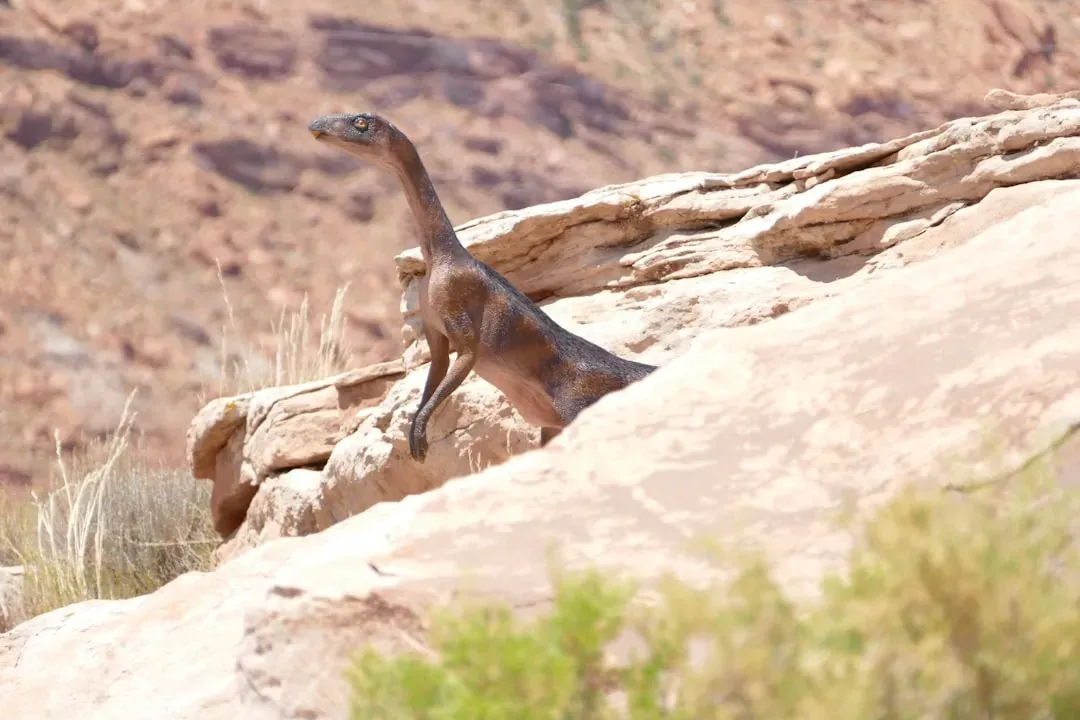
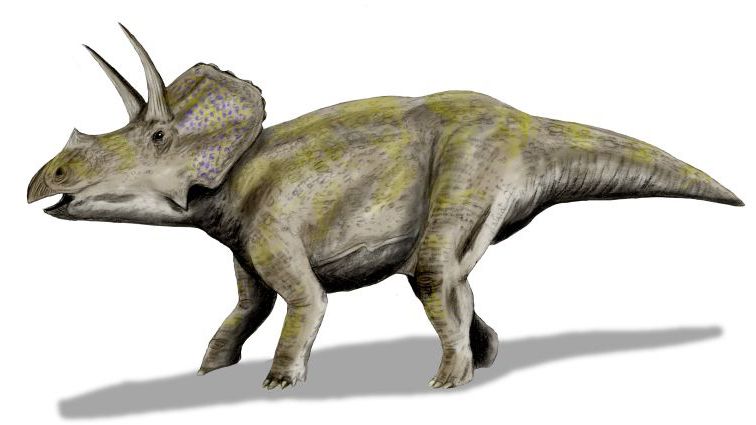
Social media loves the idea that every dinosaur was the size of a house and spent all day screaming at the sky. It’s dramatic, it’s cinematic, and it sells toys. But if you had actually walked through the world of the late Jurassic or Cretaceous, you’d have seen a lot of small and medium animals scurrying around, hunting insects, hiding in foliage, and doing their best not to become lunch for something bigger.
Many dinosaurs were the size of dogs, turkeys, or even chickens, with light bodies and quick movements. Some early relatives of birds would probably look more like strange, feathered ground birds than dragons from a franchise movie. As for the roaring, we honestly do not know exactly what sounds most species made; some might have hissed, boomed, or cooed using air sacs and resonating cavities rather than sounding like modern lions. The endless roaring is more about Hollywood sound design than fossil evidence.
Myth 3: T. rex Couldn’t See You If You Stood Still
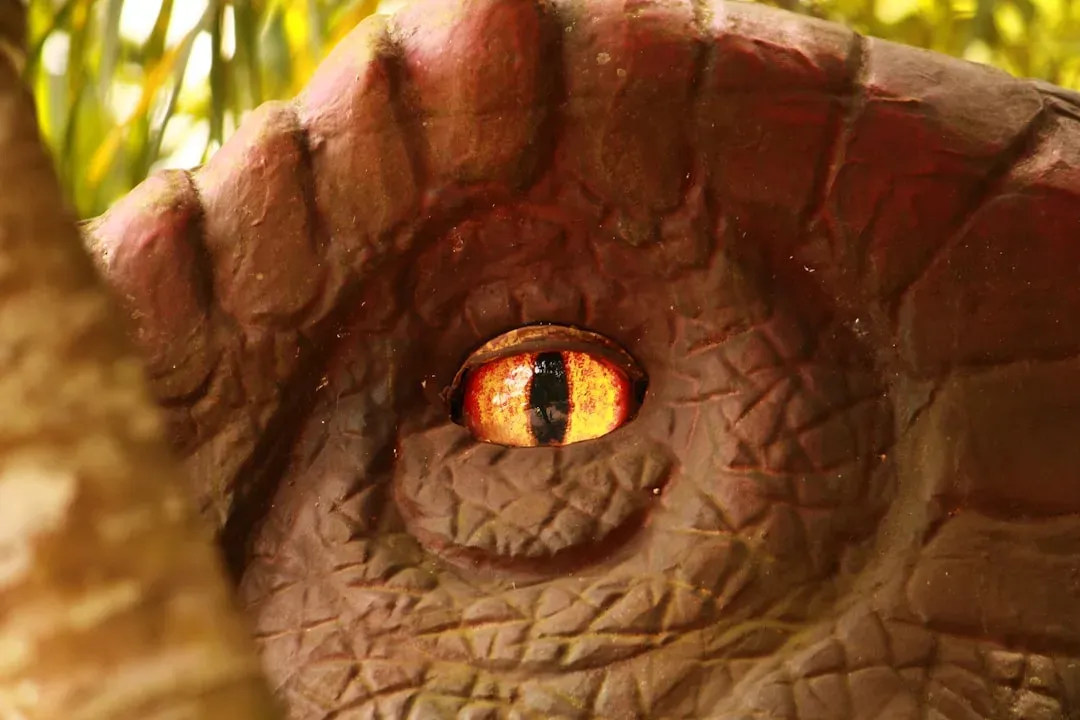
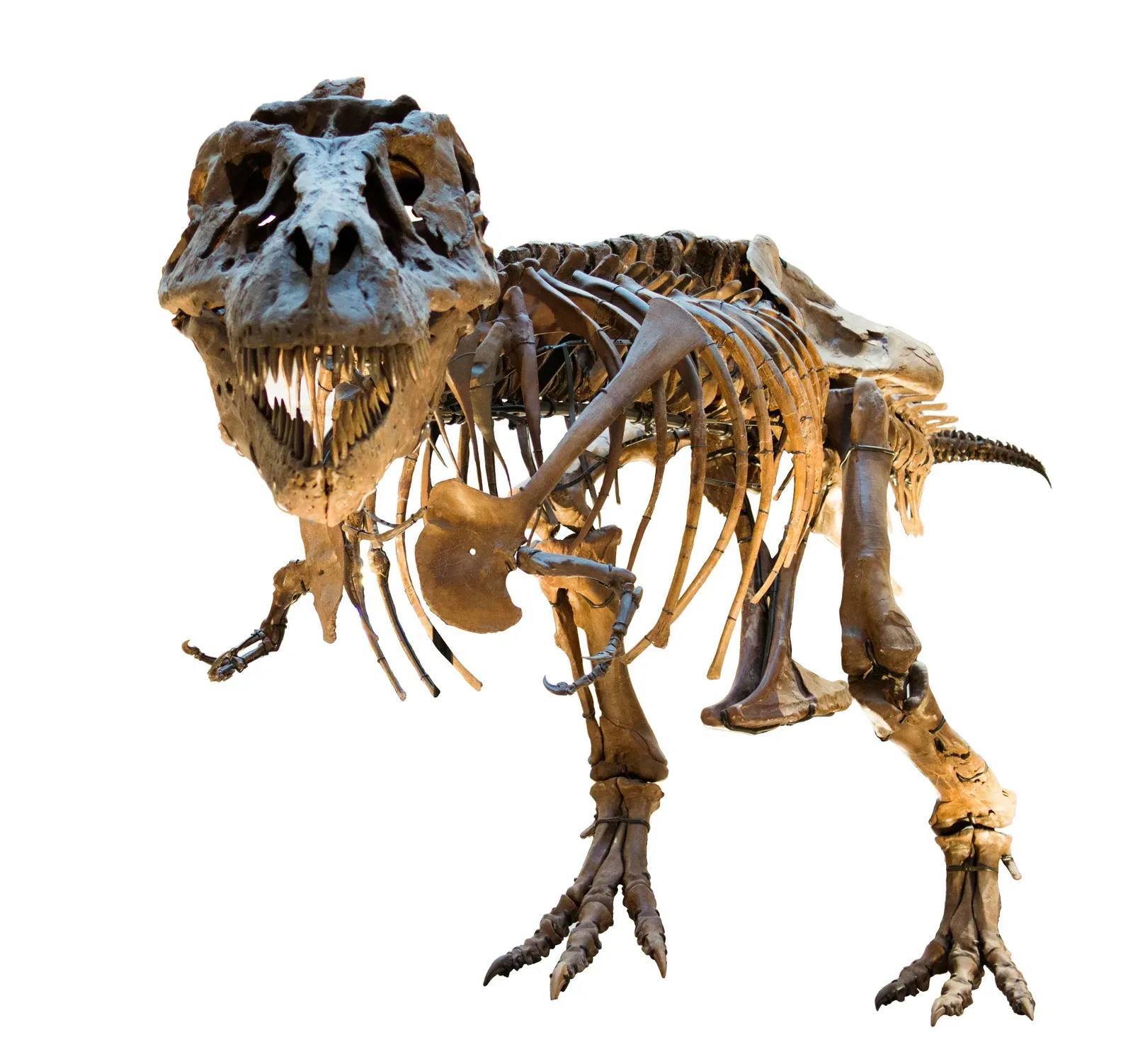
This myth is the zombie of dinosaur nonsense: everyone knows it, everyone repeats it, and it still refuses to stay buried. The idea that a Tyrannosaurus rex could not see you if you did not move makes for a tense movie scene, but it collapses the moment you look at the animal’s skull. The eye sockets face forward, not sideways, which is what you’d expect from a predator that needed depth perception to judge distance.
Studies of the skull shape suggest that T. rex probably had good binocular vision, meaning it could combine input from both eyes to see in three dimensions. This is similar to how eagles and many other hunting animals see the world. Pretending that a top predator relied on movement alone to detect prey is like claiming a modern shark can only detect you if you wave your arms. It’s a cool storytelling device, but biologically it makes no sense, and it sells this animal short in terms of how finely tuned it likely was as a hunter.
Myth 4: Dinosaurs Dragged Their Tails Like Lazy Lizards
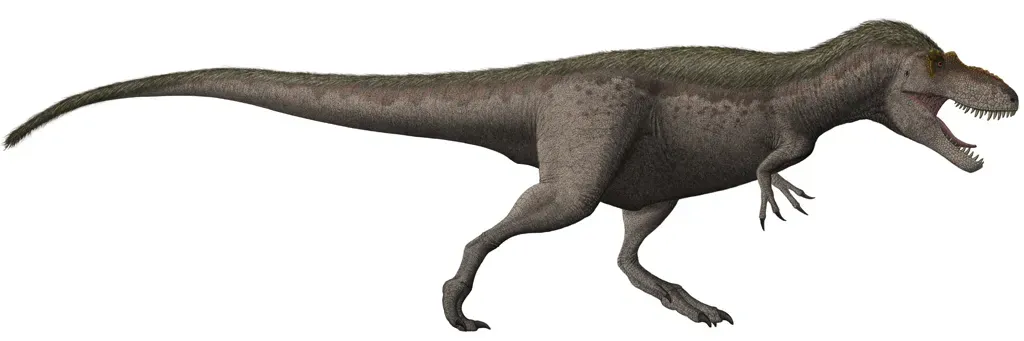
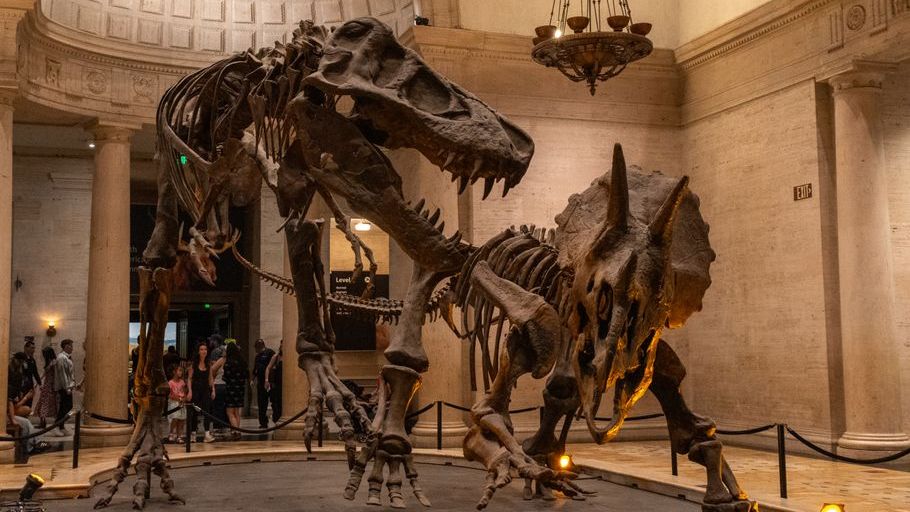
Old museum displays used to show giant sauropods and theropods with their tails dragging along the ground, leaving a groove behind them like a biological broom. Some people online still share images in that style as if they’re accurate reconstructions. The problem is that fossil trackways and detailed studies of dinosaur skeletons tell a completely different story about posture and movement.
For many dinosaurs, the tail was held off the ground as a counterbalance, helping them move efficiently and stay stable, especially the two‑legged forms. The bones and joints in the tail and hips suggest a more horizontal posture, not a low‑slung, lizard‑like shuffle. It’s a bit like comparing a modern ostrich to a slow, belly‑dragging crocodile: they may share a distant evolutionary link, but their everyday posture and gait are worlds apart. Dragging tails belong more to outdated paintings than to the real animals.
Myth 5: Dinosaurs Were All Scaly, Never Feathered
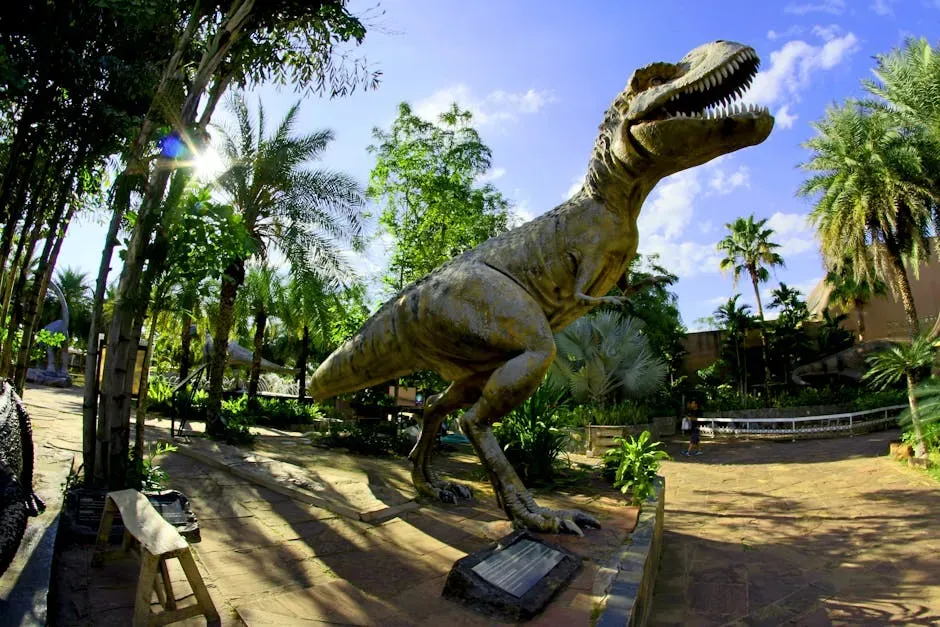
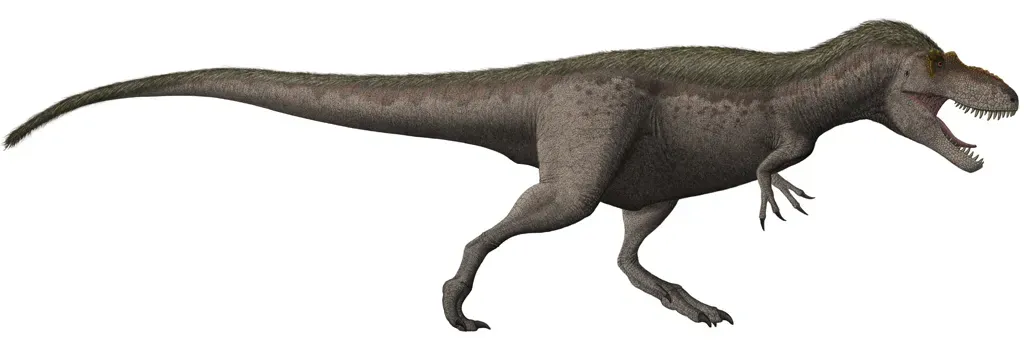
One of the toughest myths to kill is the image of dinosaurs as purely scaly beasts, with skin like a crocodile from head to tail. A lot of social media comments still push back hard whenever an artist draws a feathered dinosaur, as if that idea is just some strange modern trend. But fossil after fossil has turned up impressions of feathers or feather‑like structures in various dinosaur groups, especially among those closely related to birds.
These feathers were not always for flight; they may have started out for insulation, display, or sensing the environment, long before full wings evolved. Some dinosaurs probably looked more like colorful, oversized birds with teeth than like reptilian monsters. I remember the first time I saw a reconstruction of a fluffy, feathered tyrannosaur relative and feeling weirdly betrayed, like someone had given my childhood monster a winter coat. But once you accept that, the dinosaur world suddenly feels more alive, more diverse, and a lot less like a row of rubber movie suits.
Myth 6: Dinosaurs Were Doomed Because They Were Slow and Stupid
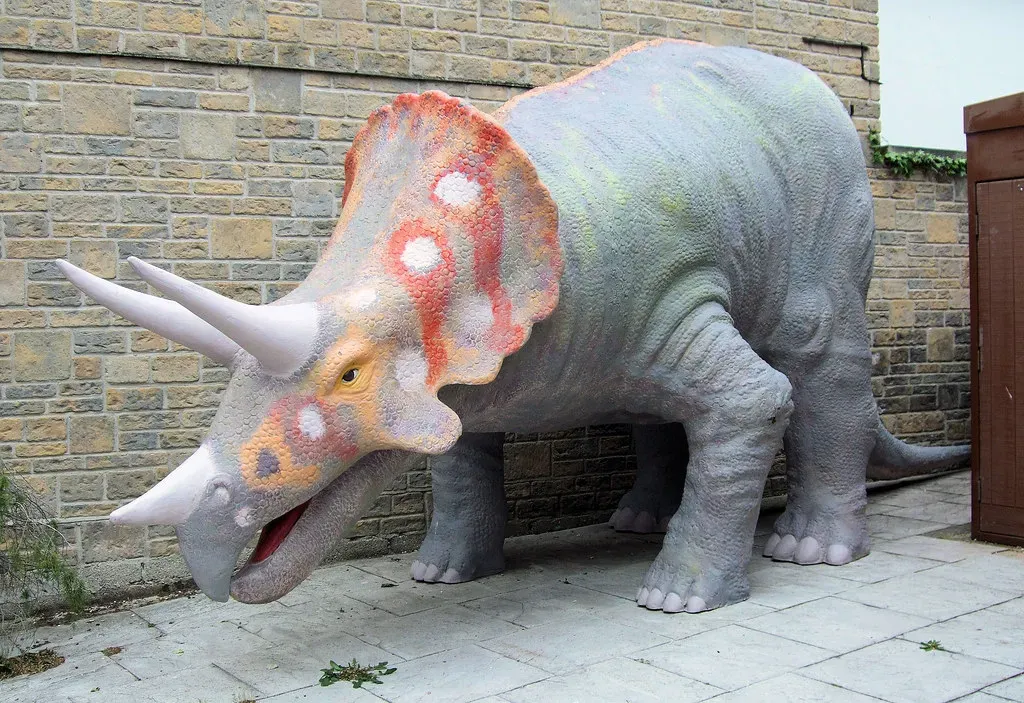
There’s a stubborn story that dinosaurs were nature’s failed experiment: big, clumsy, not very bright, and inevitably replaced by smarter mammals. That narrative fits nicely with human pride, but it does not match the raw timeline. Dinosaurs dominated ecosystems for tens of millions of years, surviving multiple environmental shifts and spreading across continents. That isn’t what failure looks like; that is what long‑term evolutionary success looks like.
Brain size varies widely among dinosaurs, just as it does among modern animals, and some groups show more complex brain structures than people used to think. They hunted, migrated, nested, and raised young, living in ecosystems every bit as intricate as today’s, only with different cast members. The main extinction event that ended most dinosaur lineages seems to have been a sudden, catastrophic change, not a slow punishment for stupidity. Blaming their extinction on being dumb is almost like saying a city was destroyed by an asteroid because its citizens were bad at math; it completely misses the scale of the disaster.
Myth 7: Dinosaurs Are Completely Gone (Except in Movies)

One of the most persistent internet lines is that dinosaurs vanished entirely, leaving only fossils and film franchises behind. The twist, which still surprises people even now, is that scientists classify modern birds as living dinosaurs. They are descendants of one branch of theropod dinosaurs that survived the mass extinction and kept evolving, trading teeth and tails for beaks and lighter skeletons, but carrying their ancestry in every bone.
When you watch a pigeon bob along a sidewalk or a hawk glide overhead, you are seeing the last surviving dinosaur lineage going about its everyday business. From this perspective, the age of dinosaurs never truly ended; it just changed shape and size. I find that idea weirdly comforting: the world did not entirely lose those ancient lineages, it just reshuffled them into forms we now take for granted. Next time you see a chicken scratching in a yard, it might be worth pausing for a second and remembering you are looking at a very distant cousin of the creatures that once ruled the planet. Did you expect that?